2027 Christian Ministry Student Debt Report: Borrowing, Monthly Payments, and Repayment Risk

Co-Founder and Chief Data Scientist
Christian ministry programs often require extended study periods combined with fieldwork and internships that are integral to professional formation. These elements influence borrowing behavior by extending the time before graduates enter the labor market with full earning capacity. Unlike some disciplines with standardized credentialing, Christian ministry careers display varied pathways, including graduate theological education and diverse ministry roles, which affect repayment timelines and monthly obligations.
Recent data from the National Center for Education Statistics indicates a stable enrollment of non-traditional, older students in ministry programs, reflecting shifting workforce needs and possibly differing financial risk profiles. This report examines how these factors shape borrowing, payment demands, and repayment challenges over time.
Key Things to Know About Christian Ministry Student Debt
- Higher borrowing levels in Christian Ministry programs often extend repayment periods, increasing cumulative interest and necessitating careful budgeting to avoid prolonged financial strain beyond typical ministry entry points.
- Employers frequently prioritize practical ministry experience over academic degrees alone, so student debt should be weighed against potential delayed workforce entry and networking opportunities critical for ministry roles.
- Monthly payment obligations can rise sharply if income-based repayment thresholds are unmet, reflecting a timing risk where slower initial earnings may elevate long-term debt burden despite eventual career stability.
- Key Things to Know About Christian Ministry Student Debt Key Things to Know About Christian Ministry Student Debt
- How Much Student Loan Debt Do Christian Ministry Graduates Typically Have at Graduation? Average Studen Loan Debt
- What Factors Have the Biggest Impact on Christian Ministry Student Loan Debt? Student Debt Key Factors
- What Is the Average Monthly Student Loan Payment for Christian Ministry Graduates? Average Monthly Payment
- How Do Repayment Rates Compare Between Public and Private Institutions? Public vs. Private Institution Repayment Rates
- Do Online Christian Ministry Graduates Have Different Repayment Outcomes Than Campus-Based Students? Online vs. On-Campus Student Loan Repayment
- Which Industries Provide the Best Financial Return Relative to Borrowing Costs? Which Industries Provide the Best Financial Return Relative to Borrowing Costs?
- Does Student Debt Affect Which Jobs Christian Ministry Graduates Accept? Does Student Debt Affect Which Jobs Christian Ministry Graduates Accept?
- What Factors Increase Student Loan Repayment Risk for Christian Ministry Graduates? Loan Repayment Risk Factors
- How Can Christian Ministry Students Reduce Student Loan Debt While Earning Their Degree? Tips to Reduce Student Debt
- How Should Prospective Students Evaluate Borrowing Risk Before Enrolling? Evaluating Student Debt Risk
How Much Student Loan Debt Do Christian Ministry Graduates Typically Have at Graduation?
Recent analyses indicate that the average student loan debt for Christian Ministry graduates typically ranges from $20,000 to $40,000 at the time of graduation. This span reflects the diversity of institutions-private religious colleges, community colleges offering ministry certificates, and some public universities with affiliated programs-and varied tuition rates encountered nationwide.
Such figures highlight significant borrowing burdens given the modest income trajectories common to ministry roles, where initial salaries rarely align with typical student debt repayment expectations. Incorporating these realities helps clarify Christian Ministry graduate borrowing amounts at graduation as more than raw numbers, showing the interplay between education costs and practical debt obligations.
Several factors contribute to differences in debt levels among ministry graduates. Private religious institutions frequently charge higher tuition than public counterparts, while in-state versus out-of-state enrollment also impacts total costs. Scholarship and grant availability varies widely, often reducing debt but inconsistently across institutions. Additionally, program length and enrollment status-such as full-time compared to part-time study-affect how much students borrow.
These distinctions underscore why borrowing amounts can diverge sharply, necessitating prospective students to assess institutional and financial aid variables carefully before committing to a program. Given these debt patterns, repayment stress is a considerable concern for many ministry graduates, especially since career paths often involve delayed income growth and reliance on limited salary increases from nonprofits or religious organizations.
Income-driven repayment plans may offer some relief but require ongoing management aligned with modest earnings. Awareness of these financial dynamics is crucial for graduates when making informed career decisions and managing long-term financial stability. For those seeking accelerated pathways with potentially condensed costs, exploring options such as the fastest DNP program can provide insights into how program structure influences borrowing and repayment outcomes.
What Factors Have the Biggest Impact on Christian Ministry Student Loan Debt?
Student loan debt levels among students in Christian ministry programs reflect a complex interplay of institutional pricing, program design, and individual financial choices rather than stemming from a single cause. These factors collectively shape borrowing behavior through the structure of tuition fees, availability of aid, length of study, and expected post-graduation earnings.
Understanding these dimensions is essential to grasp why debt burdens vary significantly within this field and how they relate to broader affordability dynamics and student loan repayment risks.
- Institutional Pricing and Type: Private, faith-based institutions typically charge 30-50% higher tuition than public universities, directly driving larger loan amounts for many Christian ministry students. This pricing difference often coincides with lower availability of large grants, increasing reliance on borrowing to cover the cost gap. Because these institutions frequently offer specialized ministry programs, students weigh the tradeoff between institutional mission alignment and affordability.
- Program Length and Degree Level: The wide range of program durations, from two-year certificates to doctoral degrees, like an online PhD in counseling, means that some students accumulate debt over a longer timeframe. Doctoral candidates may borrow significantly more due to extended enrollment, while shorter programs limit exposure to tuition and associated expenses. Program length interacts with borrowing behavior as longer commitments require careful planning around future repayment capacity.
- Financial Aid Availability: Scholarships and grants earmarked for ministry students are comparatively scarce, leading about 75% of these students to rely heavily on loans. Limited need-based aid amplifies borrowing since many cannot offset costs with non-loan funding. This scarcity influences decisions around institution choice and program enrollment, especially for those without family financial support.
- Post-Graduation Earnings Expectations: Entry-level salaries for Christian ministry careers, which average around $45,000 annually according to the Bureau of Labor Statistics, tend to be lower than many other graduate-level professions. This expected income constrains how much debt students are willing or able to take on, often resulting in more conservative borrowing practices but also higher relative repayment burdens.
- Student Financial Behavior and Literacy: Individual factors such as personal savings, family support, and understanding of loan terms shape debt accumulation. Students with greater financial literacy tend to borrow less by pursuing alternative funding or minimizing discretionary expenses. This component underscores the practical realities behind Christian Ministry student loan borrowing patterns and highlights the importance of informed financial decision-making.
What Is the Average Monthly Student Loan Payment for Christian Ministry Graduates?
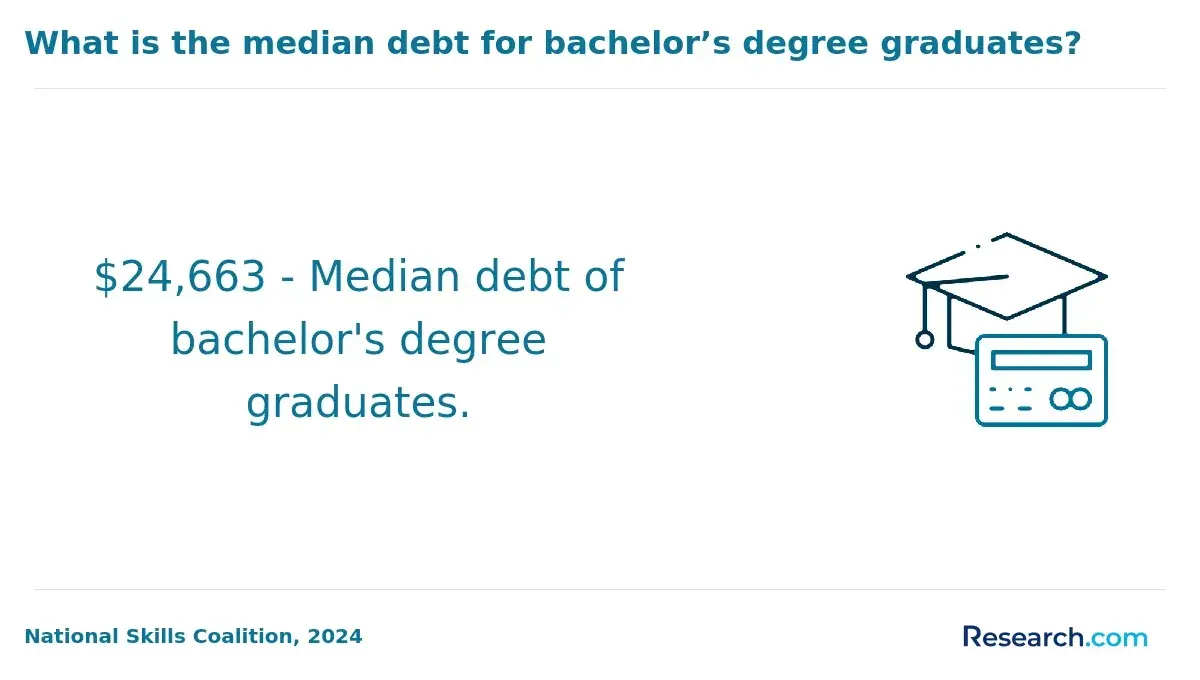
Recent data from the U.S. Department of Education indicate that the average monthly student loan payment for Christian Ministry graduates typically falls between $200 and $400. This range reflects a broad spectrum of borrowing levels and repayment strategies, including both standard 10-year plans and income-driven repayment options tailored to accommodate the relatively modest salaries common in ministry roles.
While $200 to $400 summarizes a central tendency, actual payments vary depending on factors like the total loan balance, accrued interest, and the chosen repayment timeline, with many borrowers adjusting their plans to maintain manageable monthly budgets in light of their career earnings. Key drivers behind these differing payment amounts include the initial loan size-most ministry graduates borrow under $30,000-along with the prevalence of income-based repayment plans such as Pay As You Earn or Income-Based Repayment.
These plans often lower monthly payments by aligning obligations with current income but can extend repayment periods and increase total interest paid. Additionally, since many ministry graduates enter non-profit or faith-based work with variable or part-time incomes, monthly payments can fluctuate widely and sometimes represent a larger share of take-home pay compared to graduates from higher-paying fields, complicating financial planning and long-term stability.
One graduate described their experience navigating enrollment during rolling admissions as a mix of urgency and caution. They hesitated committing immediately, uncertain about loan options and repayment schedules, and delayed submitting their application until closer to the deadline. This extra time allowed them to gather clearer financial information and weigh how varying repayment plans might affect monthly obligations after graduation. Despite initial uncertainty, the strategic timing reduced stress once enrolled and helped them avoid overextending their borrowing early on.
How Do Repayment Rates Compare Between Public and Private Institutions?
Graduates from private nonprofit institutions offering Christian Ministry degrees demonstrate higher student loan repayment rates within three years of leaving school compared to those from public institutions, with recent College Scorecard data indicating about 57% repayment progress for private nonprofit alumni versus roughly 48% for public school graduates.
This disparity is consistent with findings from the Federal Reserve's 2024 student loan report, which notes a notably lower delinquency risk among private nonprofit graduates over five years. Such statistics reflect more than institutional type; they reveal underlying differences in how effectively graduates manage debt relative to their earnings and financial environments. Several structural factors contribute to these repayment trends.
Private nonprofit programs typically have higher tuition costs, which can result in larger loan balances but also often provide more robust career support services and smaller class cohorts, potentially enhancing employment placement and income stability post-graduation. Public institutions, conversely, enroll a higher proportion of nontraditional and part-time students, groups that frequently encounter greater financial hardship and inconsistent employment, affecting timely loan repayment.
These demographic and institutional contrasts influence not just borrowing levels but also graduates' ability to generate sufficient income to meet debt obligations, framing repayment rates as indicators of broader educational and economic variables rather than simple public-versus-private outcomes. These repayment dynamics have significant implications for students considering Christian Ministry programs, shaping long-term financial mobility and perceptions of institutional accountability.
Higher repayment success at private nonprofits may reflect better alignment between educational investment and market outcomes, yet it also underscores the risk that larger debt burdens pose if post-graduation earnings do not meet expectations. For borrowers, understanding these nuanced debt-to-income realities is critical in assessing program value and anticipating the practical challenges of managing federal student loans within the distinct financial contours of faith-based professional preparation.
Do Online Christian Ministry Graduates Have Different Repayment Outcomes Than Campus-Based Students?
Recent data from the National Postsecondary Student Aid Study and the U.S. Department of Education's College Scorecard reveal notable differences in repayment outcomes for graduates of Christian Ministry programs from public versus private institutions. Graduates from private, predominantly campus-based colleges generally exhibit higher on-time repayment rates, with around 58% maintaining timely payments a year after graduation, compared to about 49% of online or hybrid program graduates often found at public universities.
These disparities reflect not just differing repayment rates but also variations in median monthly payments and delinquency, illustrating how institutional characteristics influence financial outcomes. Such data emphasize that the online Christian Ministry graduate repayment rates differ substantially by institution type, highlighting the complexity beneath headline repayment figures.
Several factors drive these differences beyond mere school classification. Private Christian colleges typically have higher tuition, leading to greater borrowing amounts; however, they also provide more targeted support services, income-driven repayment counseling, and stronger alumni networks that potentially improve employment outcomes in ministry roles with stable salaries.
Public universities' online offerings, serving more diverse student populations with variable income levels and borrowing behaviors, often result in wider repayment experiences and higher delinquency. These structural distinctions mean that repayment performance is closely tied to debt-to-income ratios, institutional support, and graduate employment success rather than solely public or private status. Understanding these nuances is vital when considering student loan risks and career earnings in Christian Ministry fields.
This repayment gap carries practical consequences for financial stress and long-term mobility, as slower or inconsistent loan repayment can limit graduates' economic flexibility and influence perceptions of program value within the Ministry of Education. Awareness of how institutional factors affect debt management can guide students in making informed decisions, especially when comparing campus-based versus online Christian Ministry student loan repayment outcomes.
For those exploring flexible learning paths, evaluating these tradeoffs and realistic repayment challenges alongside program accessibility can better align educational choices with vocational and financial goals. Prospective students might also consider related disciplines, such as online pharmacy school programs, where repayment and employment dynamics differ, to broaden their perspective on professional education investments.
Which Industries Provide the Best Financial Return Relative to Borrowing Costs?
Financial return for Christian ministry graduates varies considerably across industries, largely influenced by the interplay between earning potential and the typical debt incurred during studies. Rather than focusing solely on entry salaries, a clearer picture emerges when considering how quickly income grows, industry demand, and how these factors interact with loan repayment obligations.
According to 2024 data from the U.S. Department of Education's College Scorecard and Georgetown University's Center on Education and the Workforce, understanding these dynamics is essential for managing long-term debt risk while pursuing ministry-related careers.
- Healthcare Chaplaincy and Pastoral Care: This sector typically offers higher median wages compared to direct ministry roles, with starting salaries often near $50,000, reflecting the value of specialized certifications. Growing demand in healthcare settings supports consistent hiring, and modest advancement in wages over time can improve borrowers' ability to service debt efficiently.
- Religious Education and Private School Teaching: Structured pay scales and stable employment lessen financial volatility for graduates in this field. Although initial earnings can be moderate, predictable salary increases aligned with tenure help offset borrowing, reducing long-term repayment stress.
- Nonprofit Administration in Faith-Based Organizations: Administrative roles within nonprofits frequently command better compensation than frontline ministry positions. This relative wage advantage, combined with faster career progression, can enhance the ratio of income to debt, improving overall financial viability.
- Licensed Counseling Connected to Ministry: Professionals who supplement ministry backgrounds with counseling licenses often tap into broader job markets with higher starting points and clearer career ladders. This dual qualification supports more effective debt management by expanding earning opportunities beyond typical ministry salaries.
- Faith-Based Social Services: Roles in social services tied to faith communities benefit from steady demand and some salary growth potential, although earnings start from a lower base. Still, the sector's stability can facilitate gradual debt repayment without severe financial strain.
Does Student Debt Affect Which Jobs Christian Ministry Graduates Accept?
Graduates of Christian Ministry programs often find that their levels of student loan debt strongly shape early employment choices, especially regarding salary and repayment capability. Those with significant debt burdens prioritize roles offering dependable incomes to manage monthly repayments, which may lead them to favor positions within larger, established religious organizations or faith-based nonprofits that provide comprehensive benefits like healthcare and retirement plans.
The financial necessity of loan servicing frequently requires balancing vocational dedication with realistic income expectations, steering graduates toward jobs that might deviate from their original ministry aspirations. According to 2024 data from the National Center for Education Statistics, over 60% of ministry graduates identify student loan repayment as a dominant factor influencing their job acceptance. Differences in debt levels correspond to divergent career trajectories, with high-debt graduates exhibiting lower geographic mobility and a greater tendency to pursue financially stable, often non-ministry roles.
Constraints imposed by debt can limit willingness or ability to relocate for mission-aligned but lower-paying rural or specialized ministry positions, thereby narrowing immediate job opportunities. Additionally, the pressure to reconcile repayment demands with long-term vocational goals prompts many to delay or modify ministry-focused plans. Research from the Institute for Faith and Work in 2024 highlights that nearly 45% of indebted Christian Ministry graduates pivot away from direct ministry work within five years, underscoring how debt obligations can recalibrate career decisions beyond initial employment phases.
One graduate shared how the rolling admissions timeline complicated their application strategy during final semesters: "They didn't give exact dates, just a range, so I balanced applying early to avoid late delays but waited to see if additional financial aid options appeared. I hesitated because accepting a loan meant I had to be sure about job prospects that could cover repayment."
"The uncertainty made me cautious, but once I secured an offer from a larger church with benefits, it felt like the only practical step despite my original plan to serve smaller communities." This experience illustrates how navigating admissions and financial planning intertwines closely with the job selection process under debt pressure, shaping both educational and employment decisions in tangible ways.
What Factors Increase Student Loan Repayment Risk for Christian Ministry Graduates?
Student loan repayment risk for Christian ministry graduates arises from a complex interplay of financial, academic, and labor market factors rather than a single cause. Repayment challenges often depend on both the level of debt accumulated and the stability of post-graduation income. Understanding these interconnected elements clarifies why some graduates struggle more than others to meet their obligations.
- High Borrowing Relative to Income: Christian ministry graduates typically accrue debt levels comparable to broader liberal arts programs but face significantly lower starting salaries, especially in nonprofit and faith-based roles. This imbalance restricts discretionary income, making consistent repayment difficult and prolonging the loan payoff period.
- Employment Instability and Income Variability: Many ministry positions are part-time, contract-based, or dependent on fluctuating donations, which undermines steady income streams. This instability complicates monthly payment commitments and increases the risk of default or extended repayment plans, particularly when paired with existing debt burdens.
- Tuition Costs and Earnings Mismatch: Tuition rates for Christian ministry programs often rival those of other liberal arts degrees, but the limited availability of high-paying jobs in the sector means graduates carry substantial debt without commensurate earnings. This structural mismatch intensifies financial strain and narrows repayment capacity.
- Limited Access to Employer Benefits: Unlike many secular professions, ministry graduates generally lack employer-sponsored loan repayment assistance or benefits, placing full responsibility for debt service on unstable personal income sources and elevating default risk.
Data from the Education Data Initiative indicates that 38% of Christian ministry graduates face difficulty meeting monthly student loan payments within five years of completing their degrees. For those weighing their borrowing decisions, it is crucial to factor in how program format and demographics affect Christian ministry student loan repayment risk.
Prospective students interested in alternative career paths with broader employment stability and income potential may also consider options such as choosing to study exercise science online, where demand across healthcare systems is growing and loan repayment trajectories tend to be more favorable.
How Can Christian Ministry Students Reduce Student Loan Debt While Earning Their Degree?
Reducing student loan debt while earning a Christian ministry degree demands deliberate planning and strategic choices throughout the academic journey. This process combines financial awareness, academic efficiency, and optimal use of institutional and external resources to minimize borrowing. Students must navigate tuition costs, aid opportunities, and work options with an informed approach to manage debt realistically in the context of often modest ministry salaries.
Effective strategies for minimizing loan debt include:
- Selecting Affordable Accredited Programs: Choosing regionally accredited institutions with lower tuition rates helps limit total borrowing without sacrificing educational quality relevant to ministry employment. Online programs can offer additional cost savings and flexibility while maintaining recognized credentials.
- Utilizing Work-Study and Part-Time Church Employment: Engaging in work-study, internships, or part-time roles within churches or nonprofit ministry organizations provides income and practical experience, reducing reliance on loans. According to the National Center for Education Statistics (2024), students working part-time during studies borrow, on average, 25% less.
- Applying Early for Ministry-Specific Scholarships and Grants: Pursuing scholarships targeted toward ministry or theological education reduces the need for repayable loans. Early application improves chances, and these funds directly decrease debt without financial burden post-graduation.
- Planning Academic Progress to Avoid Extra Semesters: Careful course load management and timing help students graduate on schedule, lowering total tuition costs and loan interest accrual. Minimizing extended enrollment prevents unnecessary financial strain.
- Understanding Federal Loan Benefits and Income-Driven Repayment Options: Being informed about federal aid programs and repayment plans specifically designed for ministry graduates can effectively manage loan obligations. This knowledge enables smarter borrowing aligned with expected income trajectories.
These approaches collectively form a tactical framework to address Christian ministry student loan forgiveness options by reducing initial debt while improving financial sustainability in long-term ministry careers. Additionally, prospective students interested in allied counseling fields may explore related paths such as marriage and family therapy master's programs online, which can complement ministry vocations and expand employment prospects.
How Should Prospective Students Evaluate Borrowing Risk Before Enrolling?
Evaluating borrowing risk before enrolling in a Christian ministry degree program requires a careful balance between total anticipated debt and realistic post-graduation earnings. Prospective students must analyze long-term financial commitments against income prospects specific to ministry fields, where median starting salaries typically range from $30,000 to $45,000 annually, according to the U.S. Department of Education's 2024 data.
This focused assessment helps determine whether borrowing needs align with repayment capacity and lifestyle sustainability.
- Projected Earnings Versus Debt Load: Compare expected starting salary ranges with total loan amounts to evaluate if debt repayment is feasible without severe financial strain, considering the common entry-level salaries in ministry roles.
- Institutional Cost Transparency: Scrutinize total program costs beyond tuition-including fees and living expenses-to avoid underestimating borrowing amounts, which directly impacts repayment obligations and risk.
- Repayment Plan Options: Prioritize federal loans offering income-driven repayment plans, which adjust monthly payments based on income, reducing default risk compared to private loans lacking such flexibility.
- Graduation and Employment Rates: Analyze institutional outcomes data to gauge the likelihood of timely graduation and meaningful employment in ministry sectors, essential for achieving sufficient income to manage loans.
- Alternative Funding Sources: Investigate scholarships, grants, or employer tuition assistance as debt mitigation strategies, effectively lowering borrowing needs and improving post-graduation financial stability.
- Loan Payment-to-Income Ratio: Calculate expected monthly loan payments against projected budgets to ensure repayments do not exceed manageable thresholds, typically advised not to surpass 10-15% of net income.
- Long-Term Career Trajectory: Consider the potential for income growth and loan forgiveness programs in ministry-related public service roles, which may offset initial debt burdens and influence borrowing decisions.
Prospective Christian ministry students benefit from a rigorous, data-informed approach to borrowing risk assessment, emphasizing evidence-based tradeoffs between cost, earnings potential, and flexible repayment mechanisms. This framework supports sustainable enrollment decisions aligned with real-world financial outcomes.
References
- Private Student Loans | Christian Community Credit Union https://mycccu.studentchoice.org/private-student-loans/
- 5 Reasons People of Faith Should Care About Student-Loan Debt - Center for American Progress https://www.americanprogress.org/article/5-reasons-people-of-faith-should-care-about-student-loan-debt/
- What Does the Bible Say about Student Loan Debt? – Radical https://radical.net/article/bible-say-about-student-loan-debt/
- Should a Christian Have Debt? https://www.outlookmag.org/should-a-christian-have-debt/
- Understanding Student Loan Forgiveness for Pastors and Ministry Workers https://genevabenefits.org/student-loan-forgiveness-ministry-workers/
- Is Rising Student Debt Harming the U.S. Economy? | Council on Foreign Relations https://www.cfr.org/backgrounders/us-student-loan-debt-trends-economic-impact
- Crowdfunded Christian College https://www.christianleadersinstitute.org/crowdfunded-christian-college/
- Student Loan Repayment 101: What Happens Now https://www.okwu.edu/admissions/financial-aid/student-loans/
- The “D” Word in Missions https://www.team.org/article/the-d-word-in-missions-student-debt/
- Key Figures on Cost, Student Debt, & ROI at Public Universities - APLU https://www.aplu.org/our-work/4-policy-and-advocacy/publicuvalues/key-figures-on-cost-student-debt-amp-roi-of-public-universities/
Other Things You Should Know About Christian Ministry
The emphasis on theology, pastoral care, and ministry skills often means Christian ministry programs have fewer direct career pipelines offering competitive salaries. This limits graduates' ability to manage higher monthly payments, increasing repayment stress. Prospective students should prioritize programs with strong practicum components or employer partnerships, as these can improve job placement and income potential, mitigating repayment risk.
Given the relatively modest salaries within many ministry roles, exploring related careers such as nonprofit leadership, counseling, or education may offer higher earnings and more stable repayment prospects. Graduates heavily burdened by loans should weigh the tradeoff between vocational calling and financial sustainability, potentially prioritizing diversified skills to reduce long-term financial strain.
Income-driven repayment plans can provide relief for those in lower-paying ministry roles but may extend loan terms and increase total interest paid. This risk is especially relevant when ministry income is seasonal or irregular. Graduates should carefully calculate potential cumulative costs and consider whether shorter-term, higher-payment plans are financially feasible without compromising household stability.
Longer or more demanding ministry programs often entail increased borrowing, which raises repayment burdens later. However, extended study may improve theological depth and leadership skills valued in some ministry contexts. Borrowers must balance the benefits of additional training against the risk of heavier debt, with an eye toward their anticipated ministry role's income ceiling and job expectations.