2027 Christian Ministry Degree Enrollment Trends by Age Group: Traditional Students vs Adult Learners

Co-Founder and Chief Data Scientist
The concentration of licensing requirements and practicum obligations within Christian ministry degree programs creates distinct enrollment patterns between traditional students and adult learners. Traditional students often enter programs immediately following secondary education, aligning with a labor market that projects a 12% growth in religious workers by 2030. Conversely, adult learners frequently pursue degrees amidst career transitions, balancing program accessibility with workplace demands.
This bifurcation reflects how credential inflation and employer expectations for diverse ministry skill sets shape age-specific participation. The age distribution suggests a workforce adapting to evolving professional standards and highlights the importance of flexible educational models to meet sector needs.
Key Things to Know About Christian Ministry Degree Enrollment Trends by Age Group
- Traditional college-age enrollees in Christian ministry tend to start full-time, facing opportunity costs linked to delayed workforce entry, highlighting a timing and cost tradeoff important for financial planning.
- Adult learners often balance part-time studies with employment, making upskilling slower but preserving vocational continuity; employers may value their practical ministry experience more than academic tenure.
- Recent 2024 data show adult enrollment rising by 12%, suggesting growing demand for accessible, career-compatible ministry programs, but delayed credentialing may limit early career advancement in formal ministry roles.
- Key Things to Know About Christian Ministry Degree Enrollment Trends by Age Group Key Things to Know About Christian Ministry Degree Enrollment Trends by Age Group
- Which Age Groups Represent the Largest Share of Christian Ministry Students? Students by Age Group
- Why Do Traditional Students Choose Christian Ministry Degree Programs? Traditional Students
- Why Do Adult Learners Return to School for a Christian Ministry Degree? Adult Learners
- How Do Academic Goals Vary Between Younger and Older Christian Ministry Students? Academic Goals by Age Group
- How Do Financial Concerns Differ Between Traditional Students and Adult Learners? Financial Concerns by Age Group
- What Challenges Do Adult Learners and Traditional Students Face While Earning a Christian Ministry Degree? Student Challenges by Age Group
- How Does Age Affect Christian Ministry Degree Student Retention? Age and Student Retention
- Which Christian Ministry Specializations Are Most Popular Among Adult Learners? Top Specializations for Adult Learners
- How Does Age Affect Job Opportunities for Christian Ministry Graduates? Impact of Age in Job Opportunities
- What Do Current Christian Ministry Enrollment Trends Reveal About Future Demand? Future Demand
Which Age Groups Represent the Largest Share of Christian Ministry Students?
Christian ministry programs enroll students from a broad range of life stages, yet enrollment tends to concentrate within certain age brackets. These patterns emerge more from the timing of workforce entry, financial readiness for education, and available program structures than from simple academic preference. Age distribution here reflects broader systemic interactions between educational accessibility and labor market demands rather than isolated demographic trends.
- Ages 18-24: This group typically forms the largest share of Christian ministry degree enrollment by age group. Many in this cohort enter programs shortly after high school, pursuing foundational training aligned with early vocational exploration. Their enrollment often coincides with full-time, campus-based study models designed for immersive learning and credentialing that supports early-career roles.
- Ages 25-34: Adult learners are the next largest group, frequently balancing education with job and family commitments. Their enrollment decisions tend to prioritize flexible delivery options such as online or hybrid programs, responding to the practical realities of career transitions into ministry or advancement within faith-based organizations.
- Ages 35-44: Students in this range often pursue Christian ministry education for mid-career shifts or leadership development. While smaller than younger groups, they contribute meaningfully due to the increasing availability of part-time and distance learning tailored to experienced professionals.
- Ages 45 and older: Enrollment drops notably in this segment, partly due to limited long-term return on education investment and competing life responsibilities. However, those who do enroll typically have considerable prior life and work experience, which ministry employers value for real-world application of theological and leadership training.
The dominance of younger cohorts parallels general higher education enrollment trends reported by U.S. education authorities, while adult learner participation reflects growing demand for adaptable Christian ministry pathways that accommodate workforce realities. Employers increasingly seek graduates who demonstrate both spiritual formation and practical leadership skills at various career phases.
Those evaluating pathways should also consider how financial pressures and program format affect accessibility; programs promoting flexible study are critical for older demographics. For individuals exploring roles that integrate healthcare and ministry, pathways such as a health administration degree online can sometimes complement ministry skills, offering broader employment options within faith-based healthcare organizations and nonprofit management.
Why Do Traditional Students Choose Christian Ministry Degree Programs?
Traditional students pursuing christian ministry degree programs often do so driven by a convergence of academic curiosity and early career strategy. These students typically view the degree as a meaningful credential that signals both theological knowledge and leadership potential within faith-based and nonprofit sectors. Enrolling in such programs allows them to explore vocational pathways formally tied to their personal faith and community involvement, aligning academic interests with defined ministerial roles. According to data from the National Center for Education Statistics, approximately 38% of traditional-age ministry students emphasize preparation for pastoral or church leadership positions, reflecting a pronounced intention to engage in service-oriented careers from the outset.
The decision to enter christian ministry degree programs is also shaped by structural influences such as university recruitment strategies and secondary education exposure to religious studies, which frequently steer eligible students toward these fields. Guidance counselors and campus ministry recruiters often highlight perceived job stability and community respect associated with pastoral roles, which reinforces enrollment appeal among college-age individuals. Additionally, the presence of early coursework or faith-based extracurricular activities provides a foundation that informs students' academic and vocational selections. For some, pathways incorporating accelerated learning options-like 1 year degree programs-add a pragmatic dimension to decision-making, enabling quicker transitions into ministry-related careers while maintaining academic rigor.
Why Do Adult Learners Return to School for a Christian Ministry Degree?
Adult learners pursuing a Christian Ministry degree often do so with practical career-driven objectives, including moving into leadership roles within religious organizations, improving salary prospects, or transitioning from unrelated sectors into ministry work. These students typically recognize that formal credentials carry significant weight in faith-based employment contexts where accreditation influences eligibility for pastoral appointments or institutional positions. Data from the National Center for Education Statistics in 2024 indicates that nearly 40% of adult entrants in religious studies cite occupational change or advancement as a primary driver, reflecting a labor market dynamic where credential inflation pressures many to seek validated theological training to maintain or enhance their professional standing.
Beyond career mobility, logistical and structural factors heavily shape adult enrollment patterns in Christian Ministry programs. Employer tuition assistance programs and increased availability of online and part-time formats reduce traditional access barriers rooted in work and family obligations. Simultaneously, evolving denominational requirements and organizational standards necessitate ongoing professional development, encouraging adults to update theological competencies and leadership skills. This blend of financial incentives, flexible delivery, and regulatory shifts underscores how workforce and educational ecosystems jointly influence adults' decisions to reengage with higher education in this field.
How Do Academic Goals Vary Between Younger and Older Christian Ministry Students?
Younger students pursuing a christian ministry degree often enter programs with exploratory goals, aiming to build foundational theological knowledge and develop broad ministry skills that prepare them for entry-level roles or further academic study. Their academic priorities typically emphasize personal faith growth, leadership basics, and biblical literacy, aligning with a stage of vocational discernment rather than immediate workforce integration. Many traditional-age students engage full-time on campus, driven by the desire to clarify their career direction and gain credentials that lay the groundwork for initial ministry opportunities or graduate-level theological education.
In contrast, older students generally approach their christian ministry studies with targeted objectives shaped by prior ministry experience, current job responsibilities, and the need for credentialing or role advancement. Their academic focus leans toward applied competencies such as pastoral counseling, church leadership, or specialized ministry areas designed to enhance existing professional roles or facilitate career transitions. According to a 2024 report by the National Center for Education Statistics, 62% of christian ministry degree recipients over age 30 prioritize their studies for career advancement or to meet specific occupational criteria, reflecting adult learners' integration of education with immediate workplace relevance and long-term planning.
One adult learner recalled facing a difficult decision during the rolling admissions period. Returning to school after years in ministry, they hesitated to apply early, uncertain if their background met program expectations or if postponing the start would allow better preparation. Eventually, urgency about credential completion pushed them to submit a late application, leading to relief when accepted despite the delay. This experience highlights how mature students balance timing, readiness, and professional imperatives differently than younger peers, navigating admissions with more cautious but strategically informed approaches.
How Do Financial Concerns Differ Between Traditional Students and Adult Learners?
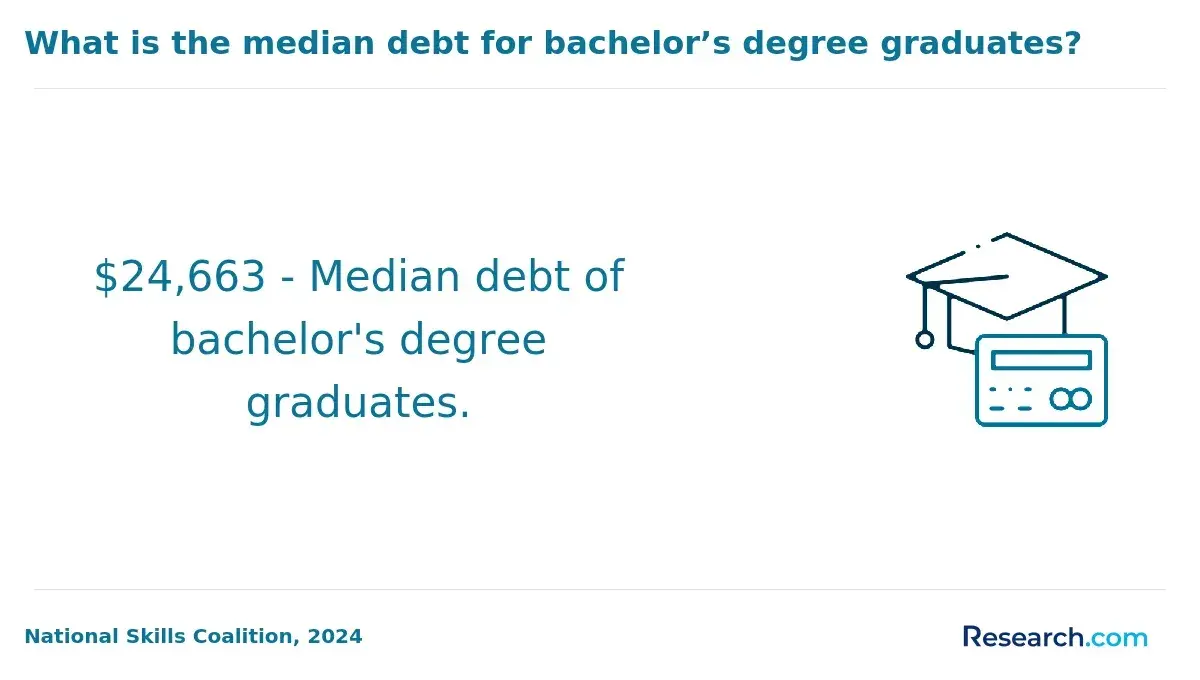
Traditional students pursuing a Christian Ministry degree often depend heavily on family support, federal student loans, and grants to finance their education. Typically aged 18 to 24, these students usually have limited personal income and enroll full-time, which concentrates their financial concerns around managing tuition costs and minimizing long-term debt burdens. According to the National Center for Education Statistics' 2024 report, about 65% of traditional students incur some form of student debt, though generally lower than that of adult learners. These financial dynamics shape their educational decisions, emphasizing timely degree completion to avoid escalating costs and maximize early entry into ministry-related employment.
Adult learners face distinctly different financial pressures when enrolling in Christian Ministry programs due to existing household responsibilities, such as mortgages and childcare, and the opportunity cost of reduced work hours or lost wages. Over 80% report using a mix of personal savings, employer tuition assistance, and federal aid rather than relying solely on loans, reflecting nuanced tuition assistance for Christian Ministry degrees tailored to working professionals. Their part-time enrollment stretches costs over longer periods, requiring careful lifecycle financial planning to balance immediate expenses with ongoing family financial obligations. These factors often lead adult learners to prioritize program flexibility and practical credit recognition when investing in further education.
These financial realities influence enrollment patterns, with traditional students gravitating toward on-campus formats that align with their full-time status, while adult learners increasingly seek online or hybrid structures such as the 1 year PMHNP program online for scheduling adaptability. Decision-making for both groups must weigh upfront costs against long-term return on investment, factoring in workforce participation and career trajectory within religious organizations. Understanding these financial behaviors is crucial for tailoring advising and funding models that address the distinct needs of both traditional students and adult learners in Christian Ministry education.
What Challenges Do Adult Learners and Traditional Students Face While Earning a Christian Ministry Degree?
Traditional students pursuing a Christian ministry degree often grapple with acclimating to the academic demands and structure characteristic of higher education. This group, typically aged 18 to 24, must develop foundational study habits while managing shifting personal identities and peer relationships. Time management presents a core hurdle as they balance coursework alongside financial pressures; nearly 40% report that monetary concerns affect their ability to maintain consistent progress, reflecting ongoing challenges even with relatively greater institutional support. Their pathway to degree completion frequently involves full-time enrollment and engagement with campus resources, shaping a learning experience grounded in recent academic exposure and more readily accessible mentoring.
By contrast, adult learners encounter a distinct constellation of hurdles shaped by external commitments and reentry challenges. Balancing employment, caregiving, and ministry-related responsibilities with academic work compresses their available study time, complicating consistent progress and often necessitating part-time or online enrollment. Financial strains tend to be more immediate and pressing, as many fund their education personally or through loans, with employer tuition assistance not universally available. Additionally, gaps in recent academic experience and technological fluency can impede adaptation to current instructional methods, requiring remedial adjustments that are less common among traditional students.
To address these divergent needs, institutions increasingly offer flexible scheduling, hybrid and online formats, as well as tailored advising that considers life stage and workload realities. Support services that might include technology training, financial planning, and cohort-building opportunities aim to mitigate isolation among adult learners while reinforcing foundational skills and peer networks for traditional students. These differentiated approaches acknowledge how varying life circumstances and educational readiness shape retention and degree completion trajectories within Christian ministry programs.
How Does Age Affect Christian Ministry Degree Student Retention?
Younger students in Christian ministry degree programs often face retention challenges tied to their transitional phase into higher education. Their struggles frequently arise from adapting to academic rigor, fluctuating motivation, and forming a clear vocational identity early in their studies. Social integration issues and less developed coping mechanisms for balancing coursework also contribute to higher dropout or transfer rates, which can approach 30% within the first year based on 2024 data from the National Center for Education Statistics. These factors create volatility in persistence as traditional students navigate unstructured environments that sometimes clash with their developmental and experiential readiness.
In contrast, older learners in Christian ministry programs exhibit generally stronger retention patterns influenced by well-defined career objectives and life experience. Their commitment is often bolstered by existing work and family responsibilities, which simultaneously limit time flexibility but reinforce motivation to complete their degrees. Programs adapted for adult students-such as part-time schedules and online coursework-further support their persistence. A Pew Research Center study from 2024 notes adult learners retain at rates approximately 15% higher than younger peers, reflecting a balance of pragmatic goal orientation with logistical challenges related to external obligations.
One graduate recalled the difficulty of enrolling amid rolling admissions while balancing a full-time ministry job and family needs. Hesitant at first, they delayed application submission to gather necessary documentation and assess program flexibility. This cautious but deliberate timing helped avoid early burnout and ensured they entered with clearer expectations and support systems, underscoring how age-related life context shapes not only retention but also critical enrollment decisions for ministry students.
Which Christian Ministry Specializations Are Most Popular Among Adult Learners?
Adult learners pursuing christian ministry degree programs generally prefer specializations that offer clear pathways for career mobility and practical application of prior experience. This preference reflects adult students' focus on immediate employment outcomes, skill updating, and strategic workforce transitions rather than exploratory or entry-level ministry roles. According to data from a 2024 report by the National Center for Education Statistics (NCES), adult learners (ages 25 and older) disproportionately enroll in specializations related to pastoral care, counseling, and leadership, areas closely aligned with both career advancement and salary growth opportunities. This pattern indicates that adult learners often seek programs that enhance existing competencies or prepare them for new industry demands within faith-based organizations.
- Pastoral Counseling: Chosen for its direct applicability in mental health support and crisis intervention, this specialization appeals to adults with prior caregiving or counseling experience aiming to deepen their professional skill set and meet growing employer demand in communities of faith.
- Leadership and Administration: Targeted by those with organizational background, this track prepares students for administrative roles such as church management or nonprofit leadership, emphasizing strategic planning and operational leadership crucial for advancing into higher salary brackets or new sectors.
- Spiritual Care: This specialization resonates with adult learners interested in holistic ministry roles that combine emotional support with theological insight, facilitating smoother transitions into ministry positions requiring empathy and counseling capabilities.
- Theology and Biblical Studies with Applied Ministry: Selected by those balancing academic depth and vocational readiness, this specialization enables enhancement of theological expertise while maintaining practical ministry functions, often catering to adults pursuing sustained engagement rather than full career reinvention.
- Youth Ministry and Worship Arts: While less popular with adult learners, these areas tend to attract younger students preparing for entry-level roles, reflecting a divergence in interest based on age and career stage.
This enrollment pattern highlights how adult learners prioritize specializations that bolster employability and align with workforce demands within religious organizations. Employers increasingly value credentials that demonstrate leadership capability and counseling proficiency, confirming the strategic benefit of choosing specializations with direct career relevance. Those considering paths that intersect with healthcare-like counseling roles may also explore related workforce data such as the autopsy tech salary outlook to better understand broader employment trends. Ultimately, program accessibility and specialization choice among adult learners reflect nuanced decisions balancing prior experience, labor market alignment, and long-term vocational goals within christian ministry.
How Does Age Affect Job Opportunities for Christian Ministry Graduates?
Younger Christian Ministry graduates commonly benefit from established entry-level hiring pathways, often fueled by internship experiences and denominational networks that prioritize recent graduates for full-time roles. The 2024 National Religious Workforce Survey indicates that 58% of graduates under 25 secure ministry employment within two years, underscoring the accessibility of early-career placements for those entering ministry soon after program completion. This cohort typically finds more fluid movement into clergy or youth ministry positions, where employers value adaptability, growth potential, and long-term engagement with organizational culture. The clearer pipeline for traditional-age students reflects labor market segmentation that favors youth in roles requiring less prior experience but high hands-on involvement, shaping how Christian ministry graduate job prospects by age unfold during the critical initial employment phase.
Conversely, older Christian Ministry graduates often bring diverse professional backgrounds and transferable skills, which reposition them for leadership or specialized ministry roles, though these opportunities tend to be fewer and more competitive. Career transition goals and prior experience can result in negotiating stronger salary offers, yet employer perceptions may apply biases toward age or presumed career commitment length. Adult learners balancing multiple responsibilities might encounter extended job searches but benefit from a different hiring structure that values maturity and proven reliability in administrative, counseling, or education-focused ministries. This dynamic illustrates how career timing alters not just access but role suitability and compensation expectations, complicating the straightforward trajectories common to younger peers. Prospective students evaluating pathways should also consider related fields, as some explore PsyD online programs APA accredited to complement ministry skillsets and expand employment prospects in comparable sectors.
What Do Current Christian Ministry Enrollment Trends Reveal About Future Demand?
Enrollment data from 2024 reveals a significant demographic shift within Christian Ministry degree programs, with nearly 60% of enrollees being adult learners over 25. This trend reflects a growing perception that these degrees hold value not only for traditional students seeking entry into ministry roles but also for experienced professionals aiming to deepen theological knowledge or enhance leadership qualifications. The rise in adult enrollment underscores a broader demand for flexible learning modalities, such as online and hybrid formats, which accommodate ongoing vocational and family responsibilities while maintaining academic rigor.
These enrollment patterns mirror labor market shifts where employers increasingly favor candidates combining practical ministry experience with formal education aligned to real-world pastoral and community needs. The growth in adult learners suggests an expanding segment of mature professionals seeking skills that support both nonprofit leadership and broader church-related initiatives. Consequently, program growth is likely to continue, with specialization areas evolving to address workforce shortages and technological adaptations affecting ministry delivery. This dynamic signals education providers must anticipate long-term demand by adapting curricula and delivery to align closely with evolving employer expectations and sector demands.
References:
- REACHing for more: How Higher Education Can Better Serve Adult Learners by Addressing Time Poverty - Education Strategy Group https://edstrategy.org/reaching-for-more-how-higher-education-can-better-serve-adult-learners-by-addressing-time-poverty/
- The Best Demographic in Ministry! https://www.dare2share.org/gospel-advancing-ministry/the-best-demographic-in-ministry/
- Predictions on the Future of Christianity https://deliveredfromdarkness.com/2021/03/05/predictions-on-the-future-of-christianity/
- Which Sectors of Christian Higher Education Actually Grew During the COVID Years? - Christian Scholar’s Review https://christianscholars.com/which-sectors-of-christian-higher-education-actually-grew-during-the-covid-years/
- What Churches Do Young Adults Attend? - Lewis Center for Church Leadership https://www.churchleadership.com/leading-ideas/churches-young-adults-attend/
- Opportunities and Challenges for Theological Education (HTML) https://thirdmill.org/magazine/article.asp/link/http:%5E%5Ethirdmill.org%5Earticles%5Eric_pratt%5Eric_pratt.ATA.html/at/Opportunities%20and%20Challenges%20for%20Theological%20Education
- Meeting the Needs of Adult Students | Insight Into Academia https://insightintoacademia.com/meeting-the-needs-of-adult-students/
- Career Options for Christian Ministries Degree Graduates - Summit Christian University https://summitchristianu.org/career-options-for-christian-ministries-degree-graduates/
- Does membership of campus ministry impact student success at TCU? https://tcu360.shorthandstories.com/does-membership-of-campus-ministry-impact-student-success-at-tcu/index.html
- Academic vs. Professional Seminary Degrees - United Theological Seminary https://united.edu/academic-vs-professional-seminary-degrees/
Other Things You Should Know About Christian Ministry
Traditional students often experience a more flexible, immersive academic environment with fewer outside responsibilities, which aligns well with intensive, on-campus ministry training. Adult learners typically balance education with full-time jobs, family, and ministry commitments, limiting their availability for synchronous classes and extracurricular activities. Programs emphasizing asynchronous or hybrid formats tend to better support adult learners, but the tradeoff may be less peer interaction and mentorship exposure, potentially affecting networking and spiritual formation. Prospective students should weigh whether their lifestyle allows for the intensity of traditional formats or if program flexibility better supports sustainable progress.
Age-diverse cohorts can enrich discussions and ministry perspectives but also create tensions due to differing cultural references, priorities, and technological proficiency. Traditional students might find it challenging to relate to adult learners' life-experience-driven contributions, while adult learners may perceive younger peers as less grounded in practical ministry contexts. Instructors must skillfully manage these dynamics to foster inclusive dialogue and mutual respect. Students deciding between programs should investigate whether faculty training and curriculum design actively accommodate intergenerational learning, as this affects classroom integration and collaborative ministry training quality.
Yes, programs with structured ministry placements specifically designed for adult learners often provide critical advantages. Tailored internships recognize adult students' existing life and ministry experience, allowing for more meaningful, contextually relevant hands-on training. Without such accommodations, adult learners may struggle to secure placements that fit their schedules or offer roles commensurate with their maturity, limiting practical skill application and employability gains. Adult learners weighing program choices should prioritize those with demonstrated partnerships and flexible placement options that acknowledge their distinct needs and time constraints.