2027 Christian Ministry Career Outcomes by Degree Level Report: Pay, Employment, and Advancement Patterns

Co-Founder and Chief Data Scientist
This article analyzes pay, employment, and advancement variations by degree level to clarify these critical tradeoffs for prospective and current students.
Key Things to Know About Christian Ministry Career Outcomes by Degree Level
- Associate degrees in Christian ministry often lead to entry-level roles with limited advancement, reflecting a tradeoff between shorter study duration and narrower credential recognition among employers.
- Bachelor's and master's degree holders experience broader access to leadership and specialized pastoral roles, signaling employer preference for deeper theological training and formal credential progression.
- Doctoral credentials incur higher time and financial costs but primarily benefit candidates pursuing academic or denominational leadership, highlighting practical limits on return within typical ministry employment.
- Key Things to Know About Christian Ministry Career Outcomes by Degree Level Key Things to Know About Christian Ministry Career Outcomes by Degree Level
- What Career Outcomes Can Students Expect From Each Christian Ministry Degree Level? Career Outcomes by Degree
- How Much Do Christian Ministry Graduates Earn by Degree Level? Salary by Degree Level
- Which Christian Ministry Degree Level Offers the Strongest Employment Prospects? Best Degrees for Employment
- What Entry-Level Jobs Can You Get With a Christian Ministry Degree? Entry-Level Career Opportunities
- How Do Christian Ministry Degree Levels Affect Career Advancement and Promotion Opportunities? Career Growth by Degree
- Is a Christian Ministry Degree Worth It Based on Salary, Employment, and ROI? Salary, ROI, and Value
- How Do Associate, Bachelor's, Master's, and Doctoral Christian Ministry Degrees Compare? Comparing Degree Levels
- Which Industries and Employers Hire Christian Ministry Graduates by Degree Level? Which Industries and Employers Hire Christian Ministry Graduates by Degree Level?
- What Skills, Credentials, and Experience Improve Christian Ministry Career Outcomes? What Skills, Credentials, and Experience Improve Christian Ministry Career Outcomes?
- Which Christian Ministry Degree Level Is Best for Your Career Goals? Choosing the Right Degree
What Career Outcomes Can Students Expect From Each Christian Ministry Degree Level?
Christian ministry degree outcomes differ markedly by credential level, shaping access to roles, expected career trajectories, and professional recognition. For example, those with associate degrees often secure stable positions in community or para-church organizations but encounter limits advancing without further education, making bachelor's completion a strategic next step. Bachelor's degrees remain the baseline for ordained pastoral roles and leadership tracks, blending biblical knowledge with practical ministry experience; this alignment with employer expectations substantially influences both entry and advancement opportunities, as observed in employment and advancement patterns for Christian Ministry graduates. Adult learners and transfer students must also consider how prior credits apply and the additional time investment from associate to bachelor's degree can unlock expanded vocational pathways that a certificate alone rarely provides.
Graduate-level programs yield stronger specialization and leadership readiness, with master's degrees opening roles in senior pastoral care, counseling, and denominational leadership often inaccessible at lower levels. Workforce data highlights growing employer preference for graduate credentials in specialized chaplaincy or academic appointments, underscoring tradeoffs between longer study durations and elevated organizational influence. Doctoral pathways, while focused on research and high-level policy roles, remain a niche choice given their rigorous demands and narrower career scope, relevant mainly to those pursuing seminary faculty or top denominational posts. Given these distinctions, working professionals and military-affiliated students must weigh the long-term return on educational investment when selecting among certificate, associate, bachelor's, or graduate Christian ministry programs, particularly as they evaluate progression potential, role complexity, and credential requirements tied to ordination and career mobility. For those balancing quick entry with practical skill needs, examining resources like a medical assistant accelerated program may offer insights into fast-tracked educational paths applicable in other vocation-supporting scenarios within faith-based contexts.
How Much Do Christian Ministry Graduates Earn by Degree Level?
Earnings for Christian Ministry graduates vary sharply by degree level, reflecting both the roles accessible and the professional requirements tied to each credential. Those holding associate degrees or certificates often find themselves in entry-level or support positions, with median incomes around $30,000 to $40,000, but these roles frequently offer limited career mobility and tend to be part-time or unstable. Bachelor's degree holders see median wages near $50,000, though this figure shifts with specialization, denominational ties, and regional factors; employers often expect more consistent full-time engagement and some leadership capacity at this level. For working adults, the choice to pursue a bachelor's degree versus an associate credential involves balancing the immediate financial hit of returning to school against improved job security and salary potential over time.
Master's degrees in Christian Ministry open doors to licensed pastoral roles, counseling, and organizational leadership, which can push median incomes towards $60,000 or higher, particularly in specialized fields like theological counseling or nonprofit administration. However, these advanced qualifications also demand more time, cost, and sometimes ordination or formal licensing, which may delay earnings gains despite the long-term benefits. Doctorate-level graduates typically command salaries exceeding $70,000 but enter a narrower, often academic or senior ministry market requiring prior experience and networks, making this path less accessible for those seeking rapid advancement. Employment stability and advancement potential generally increase with degree level, but transfer credits, program duration, and local job market realities must factor heavily into any decision about pursuing additional education.
An individual who completed a bachelor's degree after earning an associate credential shared that initial expectations for quick wage improvement gave way to a deeper understanding of employer preferences in their area. They noticed local churches favored candidates with at least a bachelor's for pastoral positions, prompting them to extend their education despite concerns over tuition and balancing work. Conversations during ministry internships revealed that specialized skills and licensure mattered more than degree title alone, which encouraged a cautious but optimistic approach to potentially pursuing a master's later. This experience underscored how pay data alone can mislead without considering the nuanced realities of degree requirements, local demand, and the timing of career moves.
Which Christian Ministry Degree Level Offers the Strongest Employment Prospects?
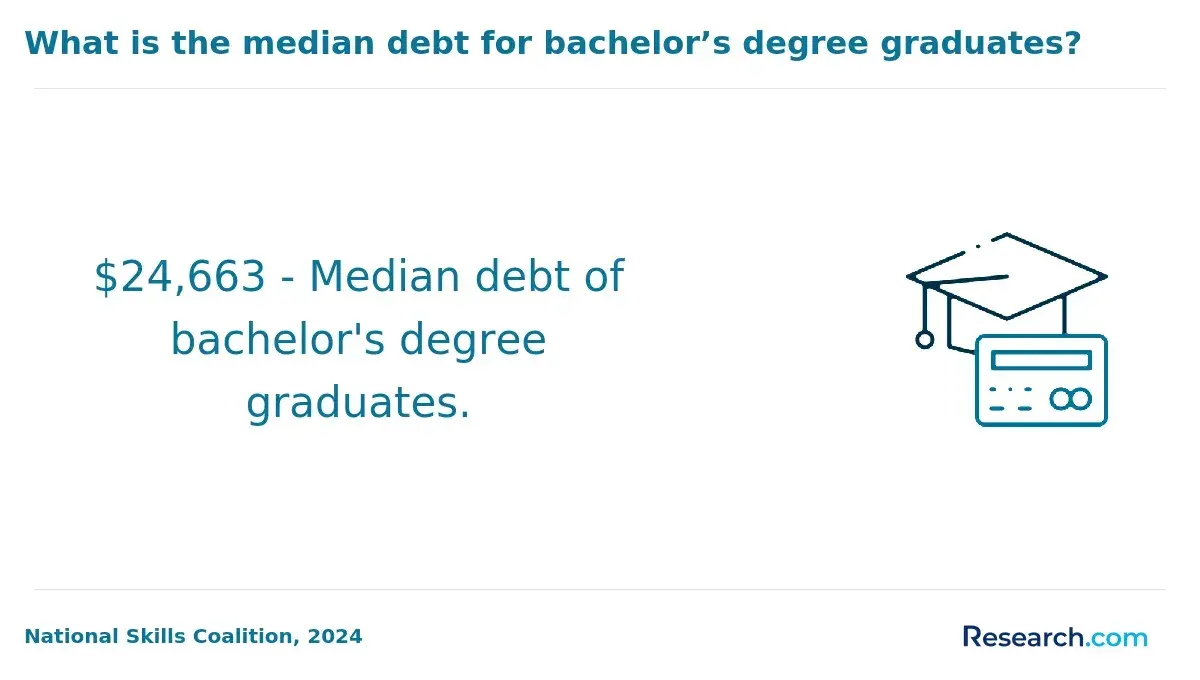
Bachelor's degrees consistently provide the most reliable employment access for Christian ministry roles, as many employers set this level as the minimum qualification for pastoral, clerical, and program leadership positions. According to 2024 data from the U.S. Bureau of Labor Statistics, workers with bachelor's degrees in related fields have a 15-20% higher employment rate than those holding only certificates or associate degrees, which typically open doors to entry-level or support roles with limited pay and slower progression. In practice, this means that candidates with sub-bachelor credentials might find themselves confined to volunteer or marginal jobs, whereas those with a bachelor's can leverage more structured internships and networking opportunities embedded in the curriculum to strengthen their hiring prospects.
Advancement beyond initial employment substantially favors those pursuing master's or doctoral degrees, which meet licensure requirements for specialized chaplaincies and leadership roles within denominational hierarchies or healthcare systems. For example, clinical chaplaincy positions often require graduate-level certification, reflecting the higher credential expectations employers seek for these secure, better-compensated roles. While master's degree holders may see median earnings roughly 25-30% above bachelor's graduates, the extended time and financial investment needed must be weighed against immediate employment needs and career aspirations. Doctoral degrees typically cater to niche sectors, such as seminary faculty or denominational leadership, where job availability is more limited despite pay and prestige advantages.
Students deciding how to navigate Christian ministry education should consider whether entering the workforce sooner with a certificate or associate credential aligns with their short-term goals, knowing these choices may restrict long-term mobility. Alternatively, transferring credits from undergraduate studies into graduate programs can balance work and educational advancement, improving access to more specialized or senior positions. Ultimately, understanding how employer credential preferences, licensure demands, and labor market segmentation interact will clarify when investing in an advanced degree is practical versus when faster, less costly credentials suffice for immediate roles in ministry settings.
What Entry-Level Jobs Can You Get With a Christian Ministry Degree?
Entry-level roles available to graduates with a christian ministry degree vary notably depending on the degree level and practical experience. Those with associate or bachelor's degrees typically access positions focused on program support or community outreach, although many employers expect candidates to have completed internships or practicum work to be competitive. In contrast, master's degree holders may qualify for leadership or counseling roles that require higher credentials or ordination, reflecting a more demanding certification landscape. For example, while youth ministry coordinator jobs may be accessible with an undergraduate degree, chaplaincy roles often require denominational certification, which extends the timeline before full employment.
These distinctions impact employment stability and long-term mobility, as entry-level postings frequently call for experience that recent graduates may lack, underscoring a tension between educational theory and hiring realities. Geographic factors also influence opportunities; rural areas might offer fewer formal openings but more roles involving multifaceted ministry work. Remote roles are limited, emphasizing community presence as essential. Prospective students should weigh the value of practical training and certification pathways carefully, particularly if planning graduate study or aiming to build transferable skills such as counseling or organizational management within this field. For those seeking flexible educational options while advancing ministry careers, a self paced bachelor's degree may provide a pragmatic balance between employment and study requirements.
How Do Christian Ministry Degree Levels Affect Career Advancement and Promotion Opportunities?
Promotion and leadership eligibility in christian ministry roles is heavily shaped by the credential level attained, with bachelor's and graduate degrees serving as primary gateways to supervisory positions. Data from the National Center for Education Statistics and Lightcast (2024) highlight that most employers require at least a bachelor's degree for formal management roles, reflecting the added emphasis on administrative skills and pastoral competencies developed in longer programs. Conversely, associate degrees or certificates typically provide limited access to upward mobility, often confining graduates to entry-level or support roles unless supplemented by significant work experience. For example, a candidate with a bachelor's degree may advance to mid-tier leadership within three to five years, while those without often encounter prolonged waits or stagnant positions due to credential-driven hiring filters common in ministry settings.
Graduate-level theological degrees further distinguish candidates by preparing them for specialized ministry functions, denominational administration, or academic roles, where ongoing certification and continuing education reinforce professional credibility. Adult learners and transfer students must weigh whether pursuing a higher credential meaningfully improves promotion prospects given prior ministry involvement or credits. While practical experience and volunteer leadership can mitigate some limitations of lower credentials, formal degrees remain critical in competitive labor markets where employers increasingly prioritize academic preparation alongside demonstrated leadership. This dynamic influences not only timing and internal mobility but also access to licensure or denominational endorsements often required for senior roles.
A recent christian ministry graduate reflected on considering a master's after years of volunteer leadership when her employer announced a restructuring that would limit supervisory promotions to those with graduate degrees or relevant certifications. Though hesitant about returning to school, she recognized that without advancing her degree, she would likely remain in a non-leadership role despite strong performance. After consulting mentors and reviewing job postings, she decided that the additional credential would afford her a clearer path to meaningful promotion and greater confidence applying for specialized ministry positions, which ultimately validated her decision amid shifting employer expectations.
Is a Christian Ministry Degree Worth It Based on Salary, Employment, and ROI?
The decision to pursue a christian ministry degree often hinges on realistic salary expectations and the interplay between degree level, employment stability, and return on investment. Bachelor's degree holders typically face limited income growth and slower job expansion within clergy roles, making the choice of program duration and specialization critical for working adults and transfer students assessing opportunity costs. Master's degree graduates or those with additional certifications generally access better hiring prospects and salary increases, but the additional years required can extend financial and time commitments, a significant factor for military-affiliated students or those balancing family and work.
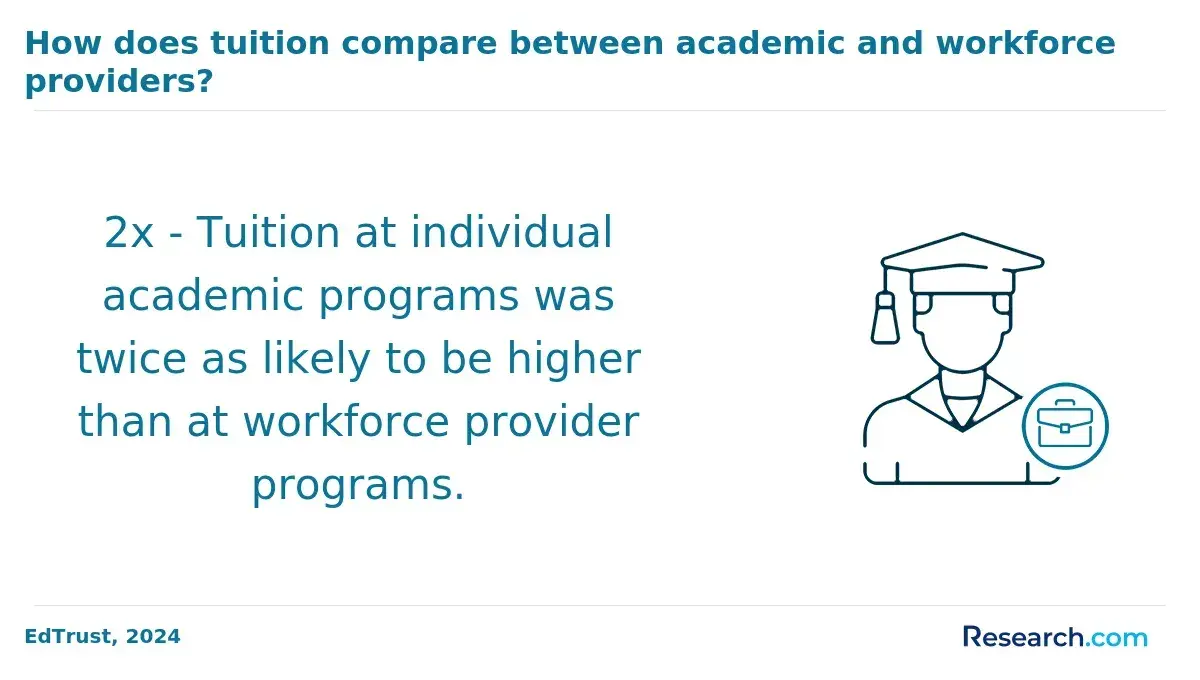
Employment and ROI outcomes for christian ministry graduates are shaped substantially by regional labor markets and employer preferences that favor practical ministry experience alongside academic credentials. Completion times vary significantly-from two years for associate degrees to three or more years for master's programs-which influences career mobility and the speed at which graduates can leverage increased earning potential. Prospective students must weigh this timeline against moderate debt levels and the relatively modest salary ceiling, as slower repayment compared to other humanities disciplines can increase long-term financial strain without corresponding rapid salary gains.
Those considering additional education should compare ministry degree outcomes carefully with alternatives, including hybrid or online models that accommodate continuing employment, such as MHA online programs which may offer distinct career trajectories. Specializations in counseling, youth ministry, or nonprofit leadership can enhance job prospects but require alignment with local demand and personal vocational goals. Ultimately, christian ministry degree salary comparison for career advancement needs to integrate multiple factors beyond just earnings-acknowledging the non-monetary value of service-oriented roles alongside tangible workforce metrics.
How Do Associate, Bachelor's, Master's, and Doctoral Christian Ministry Degrees Compare?
Choosing between associate, bachelor's, master's, and doctoral degrees in Christian ministry requires weighing distinct trade-offs in employment eligibility, career progression, and specialization potential. An associate degree may grant entry-level access to support roles or outreach positions but limits advancement without further study, often resulting in higher underemployment and less job stability. In contrast, bachelor's degrees, which remain the standard credential for many church leadership roles, enhance hiring prospects, provide clearer specialization avenues such as counseling or missions, and offer transferable credits for those considering graduate education-making them a practical midpoint between entry and advanced leadership preparation.
Advancing to a master's degree typically opens doors to ordained ministry, chaplaincy, and seminary teaching, reflecting workforce demand for advanced theological training and leadership readiness; data from the U.S. Department of Education shows a 10-15% employment advantage over bachelor's holders, particularly where licensure or ordination standards require graduate credentials. Doctoral programs, while far less common and demanding longer time and financial commitments, uniquely position graduates for denominational executive roles and academic careers that emphasize research and institutional influence. However, given low doctoral completion rates and substantial debt considerations, prospective students should carefully assess whether this investment aligns with their vocational goals or if advancing beyond a master's offers limited practical mobility within their intended ministry settings.
Employers frequently set credential thresholds that shape the practical utility of each degree level, so students should consider how each credential aligns with real job requirements and potential credit stacking for further education. Bachelor's and master's degrees currently strike the most effective balance between accessibility and career impact, especially for those targeting leadership or specialized ministry tracks. For working adults with limited time or resources, stopping at an associate degree might provide immediate access but restrict long-term growth, while doctoral studies remain best suited for those committed to institutional leadership or academia rather than typical pastoral or ministry roles.
Which Industries and Employers Hire Christian Ministry Graduates by Degree Level?
Employment patterns for christian ministry graduates vary sharply by degree level, influencing both the nature of roles and employer expectations. Associate degree holders often find positions in local religious organizations and community outreach, where employers prioritize demonstrated community engagement over advanced credentials. For example, an associate graduate may work in nonprofit support roles without consistent access to leadership tracks, highlighting a tradeoff between shorter education and limited upward mobility. Data from the Bureau of Labor Statistics shows that these entry-level roles typically offer lower pay scales and fewer supervisory opportunities compared to higher credentials.
Bachelor's and master's graduates serve sectors demanding broader leadership and specialized skills, such as nonprofit management, faith-based education, hospital chaplaincy, and counseling. Employers increasingly require bachelor's degrees for coordinator or director roles, while master's degrees are often a licensure prerequisite for pastoral leadership or clinical chaplaincy positions within healthcare or military settings. This tiered credentialing reflects a practical division: bachelor's graduates balance theological grounding with administrative competencies, whereas master's holders access roles with higher pay but longer training commitments. Notably, the National Center for Education Statistics identifies master's-level education as critical for expanded supervisory authority and ethical advisory functions.
Doctoral degrees in christian ministry align primarily with academic and denominational research, where hiring focuses on scholarly output rather than congregational management. These roles demand extensive publication records and offer a niche path usually unavailable to those holding lower degrees. Certificates and non-degree credentials enable entry into specialized ministry roles emphasizing technical or practical experience rather than formal academics, appealing to individuals targeting specific ministry niches. Ultimately, the decision to pursue advanced degrees hinges on weighing industry expectations against career goals, educational investment, and employment stability.
What Skills, Credentials, and Experience Improve Christian Ministry Career Outcomes?
Christian ministry leadership skills development for career advancement relies heavily on a blend of technical competencies, credentialing, and practical experience that varies sharply by degree level. Employers consistently prioritize leadership, counseling, and communication abilities, but the value of these skills is amplified when supported by relevant certifications or licensure recognized within denominational contexts. For example, while associate degrees often prepare candidates for entry-level or support roles through foundational skills, advanced degrees enable specialization and strategic leadership capabilities, which align with higher-level positions that require ordination or certified ministry credentials. This tradeoff influences not only initial employment access but also readiness for promotion and vocational mobility within denominational or academic settings.
Experiential learning components such as internships or field placements materially improve employment prospects by providing evidence of applied ministry skills-an essential consideration for employers seeking demonstrated community engagement and pastoral competence. Graduates who include documented internships see measurable employment advantages, a factor highly relevant for transfer and working adult students who must weigh the benefits of additional time in training versus practical exposure. Moreover, credentials coupled with leadership experience in nonprofit or chaplaincy roles increase competitive standing beyond pure theological knowledge. These dynamics underscore the importance of aligning educational choices with long-term objectives, including credential accumulation that supports both career entry and advancement pathways, a strategic decision akin to evaluating how long to become a nurse practitioner in healthcare fields.
Employers' preference for certified credentials and practical experience boosting Christian Ministry job prospects suggests that adult learners and transfer students should strategically integrate prior learning and applied ministry work with formal education. Advancing from associate to bachelor's and graduate levels not only develops critical thinking and theological depth but also expands eligibility for professional licensing critical for career mobility. Practical skills fostered at different degree stages reflect a clear progression from foundational to analytical and leadership competencies, informing workforce decisions sensitive to both credential costs and labor-market demand.
Which Christian Ministry Degree Level Is Best for Your Career Goals?
Choosing an associate degree in christian ministry may provide the fastest entry into supportive roles such as ministry assistants or pastoral aides, but it often limits eligibility for leadership positions and restricts income potential. Employment data from the 2024 National Center for Education Statistics highlights significantly lower workforce participation among associate degree holders compared to those with more advanced credentials, signaling employer preferences for higher qualifications in most ministry-related jobs. For working adults or military-affiliated students weighing opportunity costs, the shorter time to completion must be balanced against the likelihood of needing further education to advance.
A bachelor's degree in christian ministry typically offers stronger employment access and specialization options critical for pastoral roles, youth leadership, or faith-based administration. The Integrated Postsecondary Education Data System reports roughly a 5% increase in employment outcomes for bachelor's graduates, reflecting broader acceptability of this degree among churches and nonprofit organizations. It also facilitates transfer credit acceptance, especially important for transfer students or those considering seminary programs, while balancing reasonable time investment and credential value.
Graduate degrees, such as master's or doctorates, open doors to senior pastorates, denominational leadership, and chaplaincies, although they bring higher cost and time requirements. The latest Bureau of Labor Statistics data confirms wider role diversity and long-term earning potential for these credentials, but students should consider program flexibility-many now offer accelerated and part-time tracks to reduce debt burden. For those assessing options alongside or beyond a christian ministry degree, exploring 12-month accelerated nursing programs aligns with rising demand across healthcare systems, illustrating the practical need to align education with workforce realities and career adaptability.
References
- How to Make Your Ministry Experience Relevant in Any Job - Institute for Faith and Culture https://institutefc.org/how-to-make-your-ministry-experience-relevant-in-any-job/
- Comparison Chart - Missional University https://missional.university/about/missional-education/educational-innovation/comparison-chart/
- Christian Studies Degrees: Master's, PhD & Online Class Info https://learningpath.org/articles/Christian_Studies_Degrees_Masters_PhD_Online_Class_Info.html
- How to Start a Career in Christian Ministry https://globaluniversity.edu/how-to-start-a-career-in-christian-ministry/
- 42 Impactful Careers for Christians — Christians for Impact https://www.christiansforimpact.org/blog/42-impactful-careers-for-christians
- 12 Job Skills Missionaries Gain on the Mission Field https://www.team.org/article/job-skills-missionaries-gain-on-the-mission-field/
- Christian Leadership – A Guide to Careers in Church Leadership https://christianministryedu.org/christian-leadership-careers/
- Christian Leadership Degree Careers: What Can You Do in Ministry or the Marketplace? https://anchoru.com/christian-leadership-degree-careers-what-can-you-do-in-ministry-or-the-marketplace/
- Found 312 opportunities https://oscar.org.uk/jobs/
- All Ministry Degree Programs - TheologyDegree.org https://www.theologydegree.org/programs/ministry-degrees/
Other Things You Should Know About Christian Ministry
The workload increases significantly at higher degree levels, with graduate programs demanding more specialized research, fieldwork, and often leadership practicums. Prospective students should recognize that master's and doctoral programs require substantial time commitments that compete with full-time employment or family responsibilities. Choosing a degree level must consider not only current availability but also long-term stamina for intensive academic and practical ministry requirements, as underestimating this can affect completion rates and post-graduation readiness.
While degree level correlates with pay and advancement opportunities, denominational fit often plays a decisive role in employment within faith-based communities. Students aiming for roles in specific denominational contexts should weigh whether a degree recognized and valued by that tradition outweighs the nominal prestige of a higher degree unaffiliated with the denomination. Prioritizing alignment can improve practical ministry placement and long-term job security despite potentially limiting broader employment options.
Programs with fewer specialized tracks may result in graduates who face challenges meeting employer expectations for specific ministry skills, such as counseling, youth leadership, or nonprofit management. Students should evaluate curricula carefully; attending a higher degree program does not guarantee field readiness if the program lacks practical or niche training. Selecting programs with targeted specialties or experiential learning opportunities better positions graduates for competitive roles and clear career pathways.
For working adults, longer degree programs-especially at the master's or doctoral level-may provide greater advancement but require significant sacrifices in time and income. Prioritizing shorter, competency-focused programs can yield faster reentry or promotion opportunities without excessive delay. A pragmatic approach is to assess immediate career goals and available support systems, favoring degree levels that enhance employability and advancement with sustainable workload rather than maximal credentialing that risks burnout or stalled progress.