2027 Christian Ministry Salary Trends Report: Are Wages Keeping Up With Tuition and Inflation?

Co-Founder and Chief Data Scientist
A prospective Christian Ministry student or recent graduate faces a difficult question: does the financial return on a Christian Ministry degree justify the rising cost of higher education combined with ongoing inflation? Rising tuition often exceeds wage growth, creating uncertainty about the degree's true value. Inflation further complicates this calculation by eroding purchasing power over time. Understanding how salaries compare to education expenses and inflation is essential for making informed decisions about investing in this field.
Salary growth, tuition increases, and inflation rarely move in sync, making it important to look beyond headline wages and consider long-term earning potential. Simply comparing starting salaries with current tuition overlooks the complex dynamics affecting financial outcomes. This article examines salary trends, tuition costs, inflation, and return on investment to shed light on affordability and factors shaping the long-term financial value of a Christian Ministry degree.
Key Things to Know About Christian Ministry Salary Trends
- Graduate salaries in Christian Ministry programs rose 2.4% in 2023, lagging behind the 4.7% inflation rate, signaling that wage growth may not keep pace with increasing tuition and living costs.
- Long-term earning potential heavily depends on denominational affiliation and geographic mobility, as some regions and traditions show a 15-20% salary variance, affecting career planning significance.
- Experience accumulation and additional certifications correlate with a 10-12% annual income increase post-graduation, highlighting the importance of continuous professional development beyond initial degree investment.
- Key Things to Know About Christian Ministry Salary Trends Key Things to Know About Christian Ministry Salary Trends
- What Is the Current Salary Outlook for Christian Ministry Graduates? Salary Outlook
- Are Christian Ministry Salaries Keeping Up With Inflation? Inflation Impact
- How Do Tuition Costs Compare With Christian Ministry Salary Growth? Tuition vs Salary
- Does a Christian Ministry Degree Deliver a Positive Return on Investment? Degree ROI
- Which Industries Offer the Highest Salaries for Christian Ministry Graduates? Which Industries Offer the Highest Salaries for Christian Ministry Graduates?
- Which States and Cities Offer the Highest Pay for Christian Ministry Professionals? Which States and Cities Offer the Highest Pay for Christian Ministry Professionals?
- How Do Christian Ministry Salaries Grow Throughout a Career? Career Growth
- How Do Christian Ministry Salaries Compare With Similar Degrees? Salary Comparison
- How Is Employer Demand Affecting Christian Ministry Salary Trends? Employer Demand
- How Can Students Maximize Their Lifetime Earnings With a Christian Ministry Degree? Maximizing Earnings
What Is the Current Salary Outlook for Christian Ministry Graduates?
The salary outlook for christian ministry graduates varies widely due to factors such as job role, experience, location, and economic conditions like inflation. According to 2024 data from the U.S. Bureau of Labor Statistics, clergy positions have a median annual wage near $57,000, though this figure can fluctuate significantly. For instance, a senior pastor leading a large congregation in an urban area might earn well above the median, while a recent graduate serving in a small rural church may start in the low to mid-$40,000 range. These differences underscore how career paths within christian ministry lead to diverse financial outcomes, even for those holding the same degree.
Consider two christian ministry graduates entering the field simultaneously: one takes a position as an associate pastor in a metropolitan church with access to housing benefits and gradual salary increases, while the other leads a small, rural congregation with limited resources. Over time, the former's total compensation-including allowances-may grow steadily, reflecting denominational support and urban cost of living adjustments. The latter, meanwhile, might face constrained earnings that lag behind inflation and rising educational debt. This scenario highlights the importance of viewing current earnings alongside long-term career progression and the steady job demand projected for religious occupations.
Prospective students evaluating christian ministry graduate salary trends should balance financial expectations with the intrinsic value many find in community impact and vocational calling. While remuneration may not rival other professional fields requiring similar investment, stable demand suggests moderate salary growth is attainable with experience. Additionally, exploring alternative income opportunities or strategic financial planning may be necessary to maintain stability amid rising tuition costs. Those considering a RN to BSN no clinicals pathway or other career moves should weigh these economic realities thoughtfully to align their aspirations with sustainable outcomes.
Are Christian Ministry Salaries Keeping Up With Inflation?
Nominal salary increases for Christian ministry professionals often mask a more complex reality: when inflation hovers around 4.5%, as shown by the U.S. Consumer Price Index for 2024, a typical 3.0% rise in wages effectively means purchasing power declines. For example, a newly graduated minister earning a salary increased by this nominal rate may find that their cost of living and loan repayments, especially with tuition costs rising faster than inflation, outpace their income gains. This gap highlights the challenge for those entering ministry roles who face difficulty balancing tight budgets despite moderate wage growth.
Christian ministry salary trends and inflation show that factors such as geographical location, denomination, and employer type heavily influence whether wages keep up with financial pressures. Rural or smaller congregations may offer stagnant salaries and limited benefits, intensifying the erosion of real income, while urban faith-based nonprofits occasionally adjust wages above inflation. Prospective students should weigh these earnings realities against rising educational expenses, and consider fields with more consistent wage growth, such as a healthcare administration masters, when deciding how to invest in their future.
How Do Tuition Costs Compare With Christian Ministry Salary Growth?
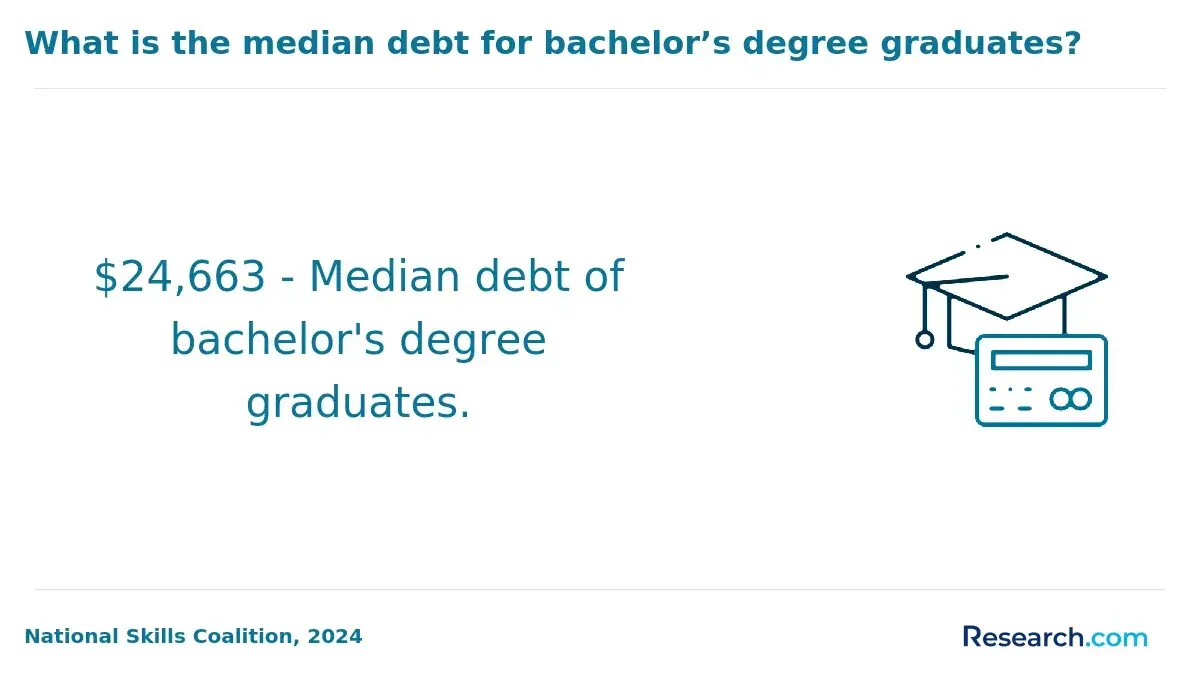
Evaluating tuition costs alongside salary growth for Christian Ministry graduates reveals a crucial financial insight that neither measure alone fully captures. Tuition for theological programs has increased at roughly 4.5% annually over the past five years, surpassing inflation and outpacing the 2-3% yearly salary growth typical for early-career ministry professionals, according to data from the National Center for Education Statistics and the Bureau of Labor Statistics in 2024. This imbalance suggests that the cost burden accumulates faster than entry-level wages rise, making the return on investment tighter, especially when considering average tuition debts that range from $30,000 to $60,000. Understanding this dynamic helps students and career changers to anticipate how loan repayment and sustained income growth may impact long-term financial resilience beyond the initial appeal of salary figures alone.
For instance, a recent graduate facing $45,000 in tuition debt with a starting salary near $38,000 may experience slower debt reduction compared to a peer who secured a degree earlier when tuition was lower. Variations in regional salary averages and denominational employment opportunities further affect this balance, emphasizing that financial outcomes hinge on individual circumstances and job markets as well as broader economic trends. Tuition inflation combined with stagnant wage growth challenges assumptions about educational investment value in ministry careers, urging prospective students to weigh both immediate costs and future earning trajectories carefully rather than focusing on one metric independently.
One Christian Ministry graduate recalls the tension during their final semester, balancing the desire to complete seminary with mounting fees that had increased notably since their freshman year. Although entering a respected pastoral role offered deep fulfillment, the slower-than-expected wage growth meant postponing plans to start repaying loans aggressively. They reflected, "I had to rethink every financial choice, from where I lived to taking supplemental part-time work within the church community, just to keep up." Their experience highlights how rising tuition can complicate financial stability even when vocational commitment is strong, underscoring the importance of pragmatic planning amid these economic realities.
Does a Christian Ministry Degree Deliver a Positive Return on Investment?
Return on investment (ROI) in higher education involves weighing the total expenses of obtaining a Christian ministry degree against the long-term financial benefits, career prospects, and professional growth it enables. While entry-level salaries for roles such as pastors or youth ministers often start lower than many other fields-with median wages trailing inflation-ROI must be assessed beyond initial paychecks. For example, a graduate beginning with a modest income of $35,000 may experience slow but steady salary growth of 1% to 3% annually, according to recent Department of Labor data, which may not fully offset rising tuition costs that exceed 4% per year at many private religious institutions. This context illustrates that the immediate financial return can be limited, yet the degree may still yield value over a longer timeframe through incremental earnings and non-monetary benefits.
Several factors influence whether a Christian ministry degree achieves positive ROI. Tuition inflation outpaces wage growth for most ministry-related occupations, suggesting that graduates need to carefully consider the total cost versus projected career income. However, the degree's unique value lies in specialized skills, recognized credentials, and access to faith-based networks that can offer job stability, leadership opportunities, and vocational fulfillment not captured in salary figures alone. Data from the National Center for Education Statistics reinforces that while median salaries remain modest, advancement into leadership or administrative roles within religious organizations or nonprofit sectors can improve earning potential over time. Ultimately, ROI varies by individual goals, geographic location, institutional cost, and broader economic conditions, requiring prospective students to balance financial realities with personal and community-oriented rewards when evaluating the degree's worth.
Which Industries Offer the Highest Salaries for Christian Ministry Graduates?
The salary outlook for christian ministry graduates varies significantly depending on the industry, reflecting differences in demand, responsibility, and required qualifications. Those who combine ministry training with leadership, counseling, or administrative skills tend to access the highest-paying roles. For example, a graduate working as a healthcare chaplain at a major metropolitan hospital with specialized certifications can earn substantially more than a parish pastor serving a small rural congregation. This illustrates the importance of selecting industries offering both competitive pay and growth potential. Below are the top paying industries for christian ministry graduates based on 2024 data from the U.S. Bureau of Labor Statistics and the National Association of Colleges and Employers.
- Healthcare Chaplaincy: This field offers the highest median salaries for ministry graduates, with wages typically ranging from $60,000 to $75,000 annually. The critical need for spiritual care in hospitals, hospices, and specialized medical centers drives demand, while advanced certifications in clinical pastoral education enhance earning potential.
- Faith-Based Nonprofits: Large nonprofits and humanitarian organizations often compensate ministry graduates better than local churches. These positions mix ministry expertise with nonprofit management, grant writing, and community outreach, requiring strong leadership and administrative skills.
- Higher Education Administration: Roles such as campus ministry directors or religious studies educators at private colleges command competitive salaries. These jobs leverage academic knowledge and ministry experience, often involving program coordination, counseling, and student engagement.
- Religious Publishing and Media: Graduates in this sector can secure higher pay by applying ministry insight to content creation, editorial work, and communications roles. Employers value the ability to craft spiritually relevant materials with professional quality.
- Executive Leadership in Church Networks: Executive pastors, ministry directors, and denominational administrators commonly earn between $50,000 and $90,000 yearly. These jobs require strategic planning, financial oversight, and personnel management beyond traditional pastoral functions.
- Community Counseling and Social Services: Positions blending ministry training with licensed counseling skills offer solid salaries and job stability. Graduates who acquire additional certifications can expand their scope to clinics and social service agencies.
Christian ministry salary by industry sectors reveals that roles outside conventional parish pastorates generally provide stronger long-term financial stability. Due to rising tuition and inflation, graduates should weigh these alternatives carefully. For those considering complementary education options that align with ministry careers, exploring the cheapest online nutrition degree may offer additional pathways to increased earnings and broader employment opportunities.
Which States and Cities Offer the Highest Pay for Christian Ministry Professionals?
Salary prospects for Christian ministry professionals vary significantly depending on location, with certain states and metropolitan areas consistently offering notably higher pay. This discrepancy largely reflects regional economic factors, including cost of living, population size, and the presence of established religious institutions that can support competitive compensation. However, higher wages in some regions often come with tradeoffs such as elevated housing costs and tuition expenses that impact long-term financial stability. Evaluating these elements alongside career ambitions is crucial for those deciding where to begin or advance their ministry careers. Below are key areas recognized in 2024 as top-paying for Christian ministry workers, with insights on what each location entails.
- California: Known for median ministry salaries around $58,000, California benefits from a large, diverse population and wealthy religious organizations. While wages surpass national averages by up to 30%, prospective professionals must navigate the state's substantial housing and transportation costs, which can significantly diminish disposable income despite higher nominal pay.
- New York: The state's metropolitan hubs, especially New York City, offer some of the highest salaries due to extensive philanthropic networks and significant demand for clergy services. However, candidates should consider the markedly high cost of living and tuition fees for ongoing education, which can erode the financial gains associated with this market.
- Massachusetts: Boston's rich religious community and educational institutions drive stronger compensation packages for ministry roles. The higher pay parallels steep living expenses and inflation pressures, making it essential for ministry professionals to weigh immediate earnings against longer-term financial requirements.
- San Francisco Metro Area: With its affluent population and established faith-based organizations, this region offers lucrative ministry salaries. Yet, the intense competition and rapidly rising local costs necessitate careful budget planning and possibly supplemental income streams to maintain financial health.
- Texas: Offering somewhat lower salaries compared to coastal states, Texas compensates with more affordable living costs and expanding religious communities, creating a balanced cost-to-salary ratio. This makes it an attractive option for recent graduates seeking growth potential without prohibitive expenses.
- Georgia: Similar to Texas, Georgia provides moderate wages coupled with low housing prices and living expenses. The state's growing urban centers foster opportunities for professional networking within Christian ministry, enhancing career development prospects at a manageable cost.
How Do Christian Ministry Salaries Grow Throughout a Career?
Wages for those entering Christian Ministry roles often begin modestly, generally around $35,000 to $45,000 annually, varying by region and denomination, according to 2024 data from the U.S. Bureau of Labor Statistics. By mid-career, typically after 10 to 15 years, salaries increase by roughly 30% to 50%, moving into the $45,000 to $70,000 range, driven largely by expanded responsibilities like leading larger congregations or assuming administrative duties. Career paths diverge notably at this point: some professionals pursue further education or denominational leadership, which tend to accelerate earning potential. Conversely, those who remain in entry-level or narrowly focused roles often see slower salary growth, reflecting the relatively flat pay scale common in many ministry settings.
Advancement to senior or executive roles can push salaries to exceed $80,000 or even $100,000 annually, but these positions are competitive and often require advanced degrees such as a Master of Divinity or a Doctor of Ministry. Continuous professional development strongly correlates with higher compensation, as demonstrated by a recent National Association of Christian Ministries study. However, even with these gains, salary increases frequently fail to keep pace with inflation and rising theological education costs, complicating long-term financial planning. Thus, two graduates with identical degrees can experience very different financial trajectories depending on their commitment to further education, role diversification, and leadership opportunities.
One graduate, after earning a Christian Ministry degree, initially hesitated about pursuing advanced studies due to tuition concerns but ultimately enrolled in a Doctor of Ministry program. This decision came after several years serving as an associate pastor with little salary growth. The investment felt daunting, yet after transitioning to a regional leadership role, the graduate experienced a substantial pay increase that eased financial stress. Reflecting on this path, the graduate noted that early patience and willingness to invest in professional growth reshaped their earning potential in ways initial entry-level salary data had not predicted.
How Do Christian Ministry Salaries Compare With Similar Degrees?
Comparing christian ministry salaries with those of graduates holding similar degrees reveals clear differences in earning potential and career pathways. Median starting salaries for christian ministry graduates tend to be lower than those in related fields like social work or religious studies, which impacts financial planning for prospective students. However, many ministry professionals prioritize vocational fulfillment and community impact, which complicates a straightforward salary comparison. Below are key comparisons that help illustrate these differences and real-world considerations when evaluating a christian ministry degree's earning prospects.
- Religious Studies: Graduates with religious studies degrees report median starting salaries around $42,000 according to the U.S. Bureau of Labor Statistics. Careers often focus on academia, research, or education, offering stable but modest pay that typically exceeds initial christian ministry earnings due to broader employment sectors.
- Social Work: Social work graduates average closer to $48,000 at entry level and find roles in healthcare, government, and nonprofits. The diversity of job settings and demand for social workers contribute to higher earning potential compared to christian ministry, which is often tied to specific denominational structures.
- Christian Ministry: Starting salaries often fall below $40,000, reflecting limited financial growth early on. Experienced ministry professionals in counseling or denominational leadership may see wage increases over time, but these often lag inflation and rising tuition costs, posing challenges for recent graduates balancing debt and career goals.
- Vocational Trade-Offs: For those weighing these options, it's critical to consider personal calling alongside salary. A former social worker who transitions into ministry may accept lower starting pay for the long-term community impact and job satisfaction inherent in ministry roles.
Prospective students should carefully evaluate the earning potential of a christian ministry degree alongside related careers and cost trends such as tuition inflation. Resources like the RN to NP bridge program analysis can offer additional insights into career paths with varied financial outcomes.
How Is Employer Demand Affecting Christian Ministry Salary Trends?
Employer demand directly shapes salary trends in Christian ministry occupations by impacting competition for qualified candidates and influencing hiring practices. For example, a small church facing steady but limited growth might struggle to increase wages due to tight budgets and slow hiring, resulting in salary growth that falls behind tuition inflation. According to the U.S. Bureau of Labor Statistics' 2024 Occupational Outlook, demand for clergy and religious workers is projected to grow slower than many other fields, which often suppresses substantial wage increases in traditional ministry roles. This trend highlights how factors like limited growth and demographic shifts constrain employer ability to offer competitive pay despite rising living costs.
More specialized positions within Christian ministry, such as those incorporating counseling or nonprofit leadership skills, tend to see stronger employer demand, creating moderate wage growth for candidates with diversified expertise. Research from the Council for Christian Colleges & Universities in 2024 shows employers increasingly value mental health training and organizational leadership, which can lead to better salaries. Yet, organizational budgets and broader economic factors, including inflation and tuition hikes, also influence overall compensation trends. Prospective students might compare these realities with other fields, such as health information management, where higher demand correlates with faster wage gains, as exemplified by the best online health information management degree CAHIIM accredited programs that align with rising job market needs.
Understanding the employer demand impact on Christian Ministry salaries requires balancing potential wage growth against underlying economic pressures and changing job market dynamics. Many ministries face financial constraints limiting their wage offers, even as the market values specialized talents more. For those considering a degree, evaluating these factors alongside curriculum costs is essential for realistic career planning in this evolving sector.
How Can Students Maximize Their Lifetime Earnings With a Christian Ministry Degree?
Maximizing lifetime earnings with a christian ministry degree requires strategic choices beyond basic credentialing. Recent 2024 data from the U.S. Bureau of Labor Statistics highlight that advanced degrees, specialized skills, and leadership roles significantly increase compensation for ministry professionals. For example, a graduate who earns a master's or doctoral degree and pursues chaplaincy in healthcare or military settings often accesses more lucrative and stable employment. The following strategies offer actionable pathways to enhance financial outcomes over a career span.
- Advanced Education: Obtaining graduate degrees such as a master's or doctorate opens doors to senior pastoral roles, healthcare chaplaincies, or academic positions, which typically pay higher salaries compared to entry-level pastoral work.
- Skill Diversification: Combining ministry training with certifications in counseling, nonprofit management, or education broadens job opportunities and increases earning potential by appealing to wider employer needs beyond traditional churches.
- Leadership Development: Gaining experience in administrative or supervisory roles within religious organizations can lead to higher compensation and greater job security over time, leveraging organizational growth trends.
- Urban Employment: Targeting larger urban churches or well-funded faith-based nonprofits often results in better pay and benefits due to their larger budgets and resource capacity.
- Networking Within Denominations: Building relationships in denominational hierarchies facilitates access to higher-level positions and specialized ministries that reward experience and loyalty.
- Licensure and Certification: Obtaining relevant certifications, especially related to faith-based counseling and social services, aligns with growing industry demands and enhances salary scale in these niches.
- Geographic Flexibility: Being willing to relocate to regions with higher demand for ministry professionals or greater funding can substantially improve lifetime earnings.
References
- Job Prospects Strong Among Christian Churches - Christian Standard https://christianstandard.com/2021/05/job-prospects-strong-among-christian-churches/
- 42 Impactful Careers for Christians — Christians for Impact https://www.christiansforimpact.org/blog/42-impactful-careers-for-christians
- Comparing the Cost of Worship Studies Programs https://iws.edu/2023/08/comparing-the-cost-of-worship-studies-programs/
- Survey Finds Churches Spending More On Salaries And Benefits https://religionunplugged.com/news/2024/8/26/state-of-church-compensation-survey-churches-are-spending-more-on-salaries-benefits
- Is College Worth it? | Return on Investment Analysis of College Degree https://educationdata.org/college-degree-roi
- Ministers' Salary Survey | Siburt Institute for Church Ministry https://www.siburtinstitute.org/salarysurvey
- Does College Pay Off? A Comprehensive Return On Investment Analysis - FREOPP https://freopp.org/whitepapers/does-college-pay-off-a-comprehensive-return-on-investment-analysis/
- Should Christians be Concerned with Career Progression? — The Risen Project https://www.therisenproject.com/blog/should-christians-be-concerned-with-career-progression
- 432: 5 Key Salary and Compensation Trends in Large Churches and Ministries https://workplaces.org/podcast/432-5-key-salary-and-compensation-trends-in-large-churches-and-ministries
- Which Sectors of Christian Higher Education Actually Grew During the COVID Years? - Christian Scholar’s Review https://christianscholars.com/which-sectors-of-christian-higher-education-actually-grew-during-the-covid-years/
Other Things You Should Know About Christian Ministry
Salary trends in christian ministry widely fluctuate depending on church size and organizational hierarchy. Larger, well-funded congregations often offer higher salaries due to bigger budgets, whereas smaller or independent churches may provide more modest compensation but potentially greater autonomy in ministry roles. Prospective ministry workers should weigh whether a larger church's pay stability outweighs the limited decision-making freedom and possibly higher workload common in such settings.
Focusing on specialized skills like counseling, youth ministry, or administrative leadership can enhance salary potential more than general theological studies alone. Employers increasingly value practical competencies that directly address community needs or operational challenges. Prioritizing specialized training may limit breadth but often positions graduates for roles with clearer advancement paths and better pay, making it a pragmatic choice amid stagnant general ministry wages.
Christian ministry jobs frequently demand significant unpaid overtime and emotional labor, which complicates salary assessments based solely on pay figures. Even with reasonable wages, high workload intensity can lead to burnout and lower overall compensation satisfaction. Candidates should consider the sustainable alignment of salary with expected responsibilities and seek roles where workload and pay are more proportionate to maintain career longevity.
Advanced degrees may offer incremental salary benefits but often involve substantial additional tuition without immediate pay increases. Given slow salary growth in many ministry sectors, investing heavily in further education should be reserved for those targeting senior leadership or specialized roles that explicitly require it. For most, gaining experience or diversifying skill sets might offer better financial returns than additional academic credentials.