2027 Business Salary by State Report

Co-Founder and Chief Data Scientist
Professionals pursuing a business administration degree often confront a critical dilemma: where to study or relocate based on salary potential and cost of living, impacting their return on investment. A recent report by the U. S. Bureau of Labor Statistics reveals the median annual wage for business occupations varies by over 30% across states, underscoring the importance of geographical salary disparities in career planning.
This gap influences not only immediate compensation but also long-term advancement opportunities and financial stability. This article analyzes business administration salary differences by state to help readers strategically align education, employment location, and career growth decisions.
Key Things You Should Know
- Median business administration salaries vary by over 35% between states, with finance hubs like New York offering $82K versus $60K in lower-cost states, forcing candidates to weigh relocation costs against immediate pay gains.
- Employers in high-growth states demand advanced analytics and digital transformation skills, making generalist degrees less competitive and pressuring employees toward costly specialized certifications.
- States with rapid salary growth often have higher education expenses, extending time to ROI by 18 months versus states with stagnant wages, impacting candidates' opportunity cost calculations for advanced business administration training.
What is the average business administration salary by state and how does it compare nationally?
Variations in average business administration salary by state present significant strategic considerations for professionals weighing relocation or specialization choices. Metropolitan hubs such as California, New York, and Massachusetts command salaries typically between $75,000 and $90,000 due to dense corporate ecosystems and higher living costs, while parts of the Southeast and Midwest generally report $55,000 to $65,000. This salary disparity often parallels the complexity and scope of managerial roles offered, from broader cross-functional leadership in high-wage states to more routine administrative duties in lower-wage regions.
For instance, a business administration professional managing fintech operations in New York might earn approximately $20,000 more than a peer in Kansas overseeing manufacturing logistics, with implications for negotiation leverage and cost-of-living tradeoffs. Such realities underscore the nuanced decision-making required when evaluating career paths informed by business administration salaries compared nationally.
Employers in higher-paying states increasingly seek digital literacy and strategic capabilities alongside traditional management skills, raising qualification thresholds. This factor both justifies higher salaries and necessitates targeted educational investments. Prospective students should consider credential options carefully-especially programs like an accelerated business management degree-to align with these evolving expectations while balancing time and resource constraints.
Optimizing educational choices demands realistic assessment of salary landscapes against local economic conditions and long-term employability, rather than simplistic assumptions about uniform returns across regions.
Which business careers have the highest salaries in each state for business graduates?
The highest paying business careers by state reveal not only salary variations but also critical employer expectations and labor market nuances. For example, the District of Columbia commands an occupational median annual wage of $91,540 in 2025, largely due to government-related roles such as financial managers and compliance officers that require navigating regulatory complexity and political contexts.
In tech-centric states like California and Washington, business graduates with proficiency in product management and data analytics secure salaries often exceeding $110,000. These roles combine technical fluency with strategic leadership, illustrating the growing premium on cross-disciplinary expertise. Contrastingly, states such as Texas leverage oil and gas industry dynamics, where supply chain and operations managers earn around $95,000, facing operational risks that necessitate specialized experience in energy sectors.
New York and Connecticut exemplify finance hubs where investment banking analysts begin near $85,000, with rapid salary growth tied to performance under pressure-demanding candidates weigh extended work hours against compensation. Emerging startup ecosystems in Colorado and North Carolina offer $75,000-$85,000 median salaries for business development and venture capital analysis positions, where adaptability and risk tolerance translate into equity participation possibilities.
Deciding on the best business pathway requires balancing real income potential against regional living costs and employer certification requirements. A $90,000 salary in D.C. may yield less disposable income than $80,000 in a lower-cost state, emphasizing the importance of geographic fit alongside growth prospects.
For those seeking to pivot quickly within these nuanced markets, exploring the fastest online construction management degree can offer a comparative look at accelerated credentials valued by employers. Understanding these distinctions is crucial for aligning educational pathways with top business graduate salaries across states and realistic career outcomes.
How does a business degree level (associate, bachelor's, MBA) impact salary by state?
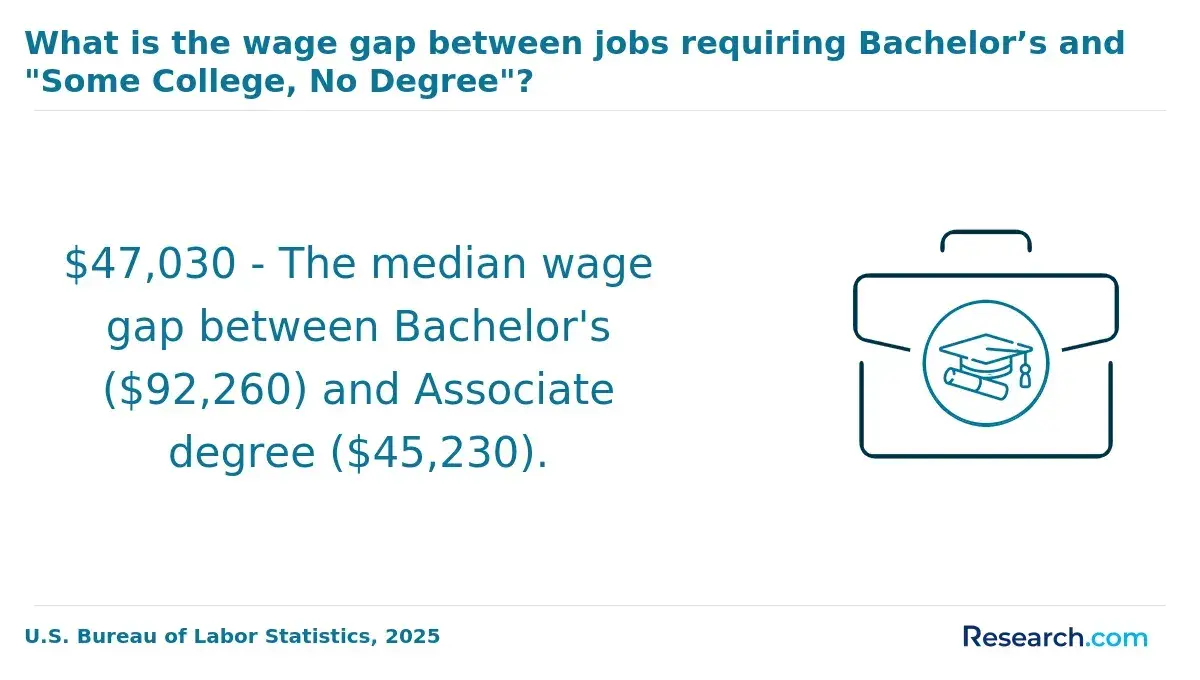
Salary disparities for business degree holders vary significantly by state, driven largely by degree level and local economic conditions. In states like Massachusetts, where the median annual wage is $63,590, the advantage of an MBA over a bachelor's degree can exceed $20,000, as employers demand advanced leadership and financial skills for strategic roles. This contrasts with states such as Washington ($62,990 median wage), where wage premiums for higher degrees are less pronounced but still notable. Such differences illustrate the impact of associate, bachelor, and MBA business degrees on state salaries, shaping career decisions based on geographic and economic context.
Associate degrees mainly grant entry-level access, especially in manufacturing-heavy markets where salaries often plateau around $45,000-$50,000, roughly 30%-40% below those with bachelor degrees. Bachelor degree holders, benefiting from stronger analytical and managerial competencies, start $10,000-$15,000 higher. Professionals eyeing strategic advancement should critically evaluate local employer demand for advanced credentials to justify investing in an MBA or other graduate-level studies.
This nuanced approach aligns with observed trends in business degree salary differences by state and prepares students and professionals for informed career pivots or advancement. Those considering a shift to project management or specialized roles should also review data on project management degree jobs for relevant labor market insights.
How do living costs and taxes affect the real value of business salaries by state?
Nominal salaries in business administration across states must be weighed against variable living costs and tax structures to gauge real purchasing power. Washington's 2025 median wage hit $62,990, placing it among the top earners nationally, yet elevated housing and sales taxes erode this advantage. This living cost impact on business salaries by state often means that lower nominal wages in more affordable states like Texas or Florida translate to higher net income and better financial flexibility.
Tax effects on real business salary value differ widely; states without income tax, including Washington, offset this with higher sales and property taxes that disproportionately affect middle-income earners. For instance, a mid-level manager earning $60,000 in Washington could effectively net $5,000 to $7,000 less annually compared to a similar salary in Tennessee when factoring cost-of-living and taxation differences. These tradeoffs influence relocation decisions and salary negotiations within business administration careers.
Professionals and students should integrate comprehensive cost-of-living indices and tax data with salary reports to forecast realistic disposable incomes. This approach is critical for managing budgeting constraints during career pivots or further credential attainment, such as pursuing a doctorate in healthcare administration or related fields, where financial planning affects program completion feasibility and workforce reentry timing.
What entry-level business jobs can new graduates get and what do they pay by state?
Entry-level roles in business administration vary notably in starting salary depending on geographic location and industry saturation. For instance, financial analysts in high-demand markets like California and New York often begin around $65,000 annually, whereas comparable positions in states with smaller finance sectors, such as Alabama or Mississippi, may start closer to $45,000.
Cost of living adjustments are an essential consideration. A sales representative in Texas might earn $50,000 to start, a figure that holds more disposable income value than a $60,000 starting salary in New York, where expenses are significantly higher. Similarly, human resources assistant salaries trend higher in states with dense corporate populations, such as Illinois, where starting pay can reach $55,000 when factoring in benefits and professional development.
Colorado presents a useful benchmark, with a 2025 median wage of $59,800, illustrating how regional economic health influences entry-level compensation. Employers routinely prioritize skills in data analysis, communication platforms, and fundamental business principles-competencies often developed through internships that may increase starting salary by $3,000-$7,000.
How do online and campus-based business programs influence salary and career outcomes?
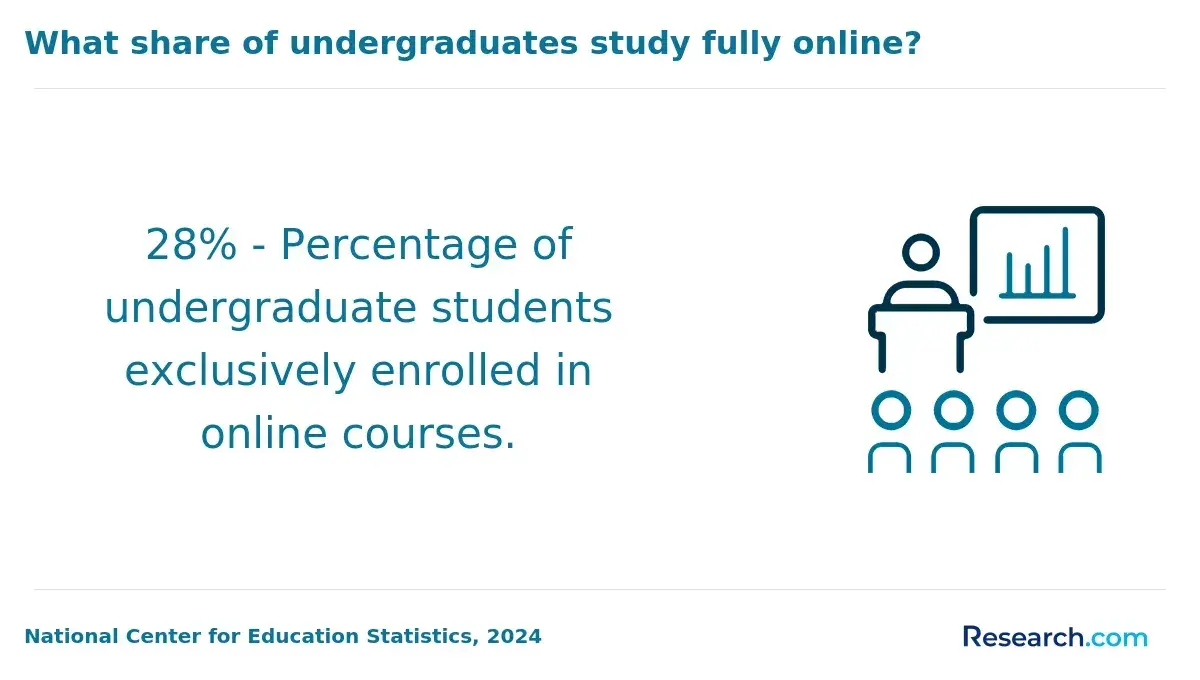
Degree format significantly shapes salary and career trajectories in business administration. Campus-based programs routinely yield higher median wages, largely due to embedded networking and local employer relationships that facilitate internships and direct recruitment. For instance, New York's median occupational wage of $59,670 in 2025, closely matched by Colorado, underscores the premium placed on in-person engagement and the tangible connections built through traditional campus ecosystems. These advantages translate into faster access to mid-level management roles and stable career progression in finance, consulting, and other sectors where employer vetting is thorough.
Online programs appeal to working professionals who prioritize schedule flexibility but often wrestle with employer perceptions around engagement and practical experience. The absence of structured, locally connected internships can hamper salary growth and restrict managerial role access unless mitigated by synchronous cohorts and integrated practicum units. For careers in tech startups or remote-first companies, online formats that emphasize demonstrable project work may offer competitive advantages.
Key considerations for prospective students include:
- Current network strength and its role in job market entry
- Geographic career targets and employer concentration
- Tradeoffs in hands-on experience versus curriculum flexibility
- Supplementing education with certifications or local networking to close advancement gaps
The data from StatsAmerica and the Bureau of Labor Statistics reinforce that employers prioritize measurable business outcomes like internships and leadership experience over delivery mode alone, shaping long-term outcomes in business administration.
Which business administration concentrations lead to the strongest salaries and growth by state?
Business administration concentrations in finance, supply chain management, and information systems lead to the highest salaries and strongest growth potential, but regional factors significantly influence outcomes. Finance managers earn mean wages exceeding $110,000 in major financial hubs such as New York, California, and Massachusetts, driven by demand in banking and corporate finance. Supply chain professionals often surpass $90,000, particularly in manufacturing-heavy states like Texas and Illinois, where logistics complexity intensifies with e-commerce expansion. Meanwhile, information systems specialists combine technical and business skills to exceed $100,000 in tech-centric markets like Washington and California.
Conversely, concentrations in human resources and marketing generally yield median wages between $65,000 and $80,000, paired with slower wage growth. This presents a tangible tradeoff for candidates prioritizing immediate salary gains versus long-term career flexibility.
Geographic mobility is a critical factor. Professionals unable to relocate to prime metropolitan areas may face constrained earnings despite specialization. For example, a supply chain analyst in the Midwest might accept moderate wages but benefit from more sustainable growth opportunities compared to HR roles locally.
Employers expect candidates to demonstrate specialized skills and relevant experience, reinforcing the value of internships or co-ops. Understanding wage tiers by state and sector helps candidates align education investments with realistic financial returns and local employment dynamics.
How do accreditation and business school reputation affect salary potential across states?
Employer perceptions shaped by accreditation and business school reputation materially affect salary potential, especially across competitive metro regions. Graduates of regionally or professionally accredited programs earn starting salaries approximately 10-20% higher than peers from unaccredited institutions within the same state, based on BLS data spanning over 830 occupations. In established hubs such as New York, San Francisco, and Chicago, national recognition of business schools intensifies wage disparities linked to institutional quality.
A practical example illustrates the impact: a finance analyst graduate from an AACSB-accredited business program in Texas typically commands entry salaries 15% above the state median, whereas graduates from unaccredited schools face lower initial compensation. However, in less economically concentrated or rural states, this premium often diminishes due to employer familiarity and fewer local industry opportunities.
What is the job outlook for business administration careers by state and metro area?
Regional economic variability strongly influences demand and compensation in business administration careers. For example, metropolitan hubs like Dallas-Fort Worth leverage corporate expansion, creating a premium for professionals adept at managing complex operations. In contrast, less diversified or rural areas tend to have slower growth, more competition, and fewer lucrative roles, which affects not only hiring but salary scales.
The national average salary of $59,428 annually and $28.34 hourly masks significant geographic disparities. Areas with dense business activity often pay 10-30% above these averages, but candidates must balance higher wages against increased living costs and competitive hiring environments. This makes strategic location choice a key factor in career planning.
Employers increasingly expect business administration candidates to bring specialized, measurable skills such as data analytics, project management, or industry-specific expertise rather than generic business knowledge alone.
Professionals targeting career pivots or advancement should prioritize certifications and experience that align with dominant regional industries:
- Supply chain management credentials benefit careers in manufacturing-heavy states
- Financial expertise is critical for opportunities in banking centers
- Data-driven skills enhance employability in tech-focused metros
This alignment between skills and local economic realities often determines salary prospects and job stability more than the degree itself.
How can students use salary and employment data to choose a business program by state?
Choosing a state for a business administration program requires balancing median salary prospects with regional economic realities and living costs. For example, targeting financial management roles in New York or California can mean median annual salaries above $130,000 but also higher living expenses and a fiercely competitive job market. Alternatively, states like Texas and Florida offer salaries near $90,000 with lower living costs and expanding corporate hubs, presenting a tradeoff between pay and cost of living.
Employment concentration matters as much as salary. States with diverse business ecosystems such as Illinois or Georgia provide more internship openings and stronger connections to local employers, which can critically affect job placement after graduation. Aligning program curricula with regional industry demands-like supply chain management in manufacturing-heavy states-provides practical advantages beyond generic educational outcomes.
A $25,000 salary differential between states can quickly impact the return on tuition investment, especially when paired with programs that support skill acquisition and job placement. Prioritizing regions where business administration salaries rise faster than national averages reduces underemployment risks and improves long-term career trajectory, emphasizing the importance of layering salary data with labor market conditions and growth projections from sources like the BLS.
Other Things You Should Know About Business Administration
According to the 2026 Business Salary by State Report, California, New York, and Massachusetts offer the highest business salaries. These states benefit from booming industries and high cost of living adjustments, which drive competitive compensation for business professionals.
The 2027 Business Salary by State Report reveals that salary variations are influenced by factors such as industry demand, economic conditions, and cost of living. States with strong local economies, such as California and New York, tend to offer higher salaries. Additionally, sectors like finance and technology boost earning potential in certain regions.
Business salaries in 2027 are predicted to see varying changes compared to 2026, with some states experiencing growth due to economic conditions, while others may see stagnant salaries. Factors include local industry demand, cost of living adjustments, and state policies impacting business sectors.
States with larger corporate hubs show the widest gaps, especially New York, California, and Texas. In 2027, the spread between entry-level and senior business salaries is driven by management depth, bonus eligibility, and higher executive pay bands in major metro areas.
References
- Does an MBA Really Increase Your Salary? | SoFi https://www.sofi.com/learn/content/does-an-mba-increase-salary/
- Career Outlook for Business Administration| University of Bridgeport https://www.bridgeport.edu/news/career-outlook-for-business-administration/
- Careers in Business Administration: Roles, Pay, Outlook https://pathwise.io/careers-in-business-administration-2/
- The Power of Work-Based Learning | Strada Education Foundation https://www.strada.org/reports/the-power-of-work-based-learning
- Can Online Colleges Offer Competitive Career Outcomes? https://www.onlineu.com/magazine/popular-online-schools-career-outcomes
- How much does Business Administration make today https://vinuni.edu.vn/how-much-does-business-administration-make/
- BSS Salary Report 2025 https://pl.grafton.com/en/bss-salary-report-2025
- MBA Salary Guide: Starting Salaries & Top-Paying MBA Concentrations https://www.bschools.org/blog/mba-salary-guide
- MBA Salary by Industry: Jobs, Careers & Earning Potential https://online.uwa.edu/news/average-mba-salary-expectations-what-you-can-earn-by-industry/