2027 Business Administration Specializations That Best Match Generalist Career Paths

Co-Founder and Chief Data Scientist
Deciding which business administration specialization aligns with broad career goals presents a critical challenge for many professionals. With workforce data from the U. S. Department of Education showing a 35% surge in adult learners enrolling in flexible online programs since 2023, the pressure to balance accessibility, relevance, and employer expectations intensifies. This trend indicates a shift toward modular, skill-focused disciplines that can accommodate career pivots without sacrificing depth. Yet, not all specializations maintain equal demand or portability across industries, increasing the risk of narrowing future options prematurely. This article clarifies which specializations best suit generalist trajectories and how to strategically align choices with long-term mobility and practical outcomes.
Key Things You Should Know
- Specializing in operations management narrows career options but boosts employability in supply chain sectors where the U.S. Bureau of Labor Statistics projects 6% job growth through 2028, demanding precise expertise over generalist breadth.
- Employers favor broad skill sets combined with digital literacy-64% of hiring managers surveyed by McKinsey in 2024 prioritize candidates with cross-functional competencies and data analytics experience, pressuring students to blend specialization with adaptable tech skills.
- Costs for accredited generalist business administration programs average 20% less than specialized tracks with certification prerequisites, influencing mid-career pivots where time and expense constraints limit advanced credentialing options.
What are the main Business Administration specializations that fit broad, generalist career paths?
Generalist business administration specializations such as general management, operations management, human resources, and business analytics provide versatile career path options adaptable to varied industries. For instance, general management prepares professionals for leadership roles in sectors from manufacturing to services through strategic decision-making and organizational behavior skills. However, advancing often requires substantial practical experience.
Operations management prioritizes process optimization, critical in logistics, retail, and healthcare, where efficiency directly affects profitability and customer satisfaction. Human resources focuses on workforce management and regulatory compliance, suiting those aiming to shape workplace culture but potentially limiting analytic career moves. Business analytics offers quantitative decision-making capabilities highly sought in marketing, financial services, and supply chain roles, though it demands strong technical training.
The U.S. Bureau of Labor Statistics reported over 24 million employed in business, financial operations, and management roles in 2023, with projections of 1.7 million new jobs by 2033 and approximately 2.1 million annual openings. These figures reflect significant employment potential for graduates with broad, versatile business administration skill sets ideal for generalist careers.
Choosing among these options requires weighing tradeoffs such as the technical rigor of business analytics versus the leadership breadth of general management. Candidates targeting strategic pivots or mid-career advancement in medium to large enterprises should consider these differences carefully. Those seeking flexible learning routes may explore business schools online that offer such specializations in a practical context.
How do general Business Administration and Management degrees compare to specialized tracks for versatile careers?
Choosing between business administration generalist degrees versus specialized tracks involves balancing broad adaptability against technical proficiency. Generalist degrees cultivate versatile career options by emphasizing transferable skills like leadership, decision-making, and analytical thinking, which align well with occupations such as strategic management and consulting. For instance, management analyst roles are projected to grow 10% from 2022 to 2032, outpacing the average for all occupations, with a median wage of $95,290, reflecting demand for strategy-focused generalists with cross-cutting skills.
Specialized tracks narrow early placement but can accelerate advancement in fields like accounting, human resources, or marketing, where employers expect specific certifications or deep domain knowledge. This dynamic reveals a tradeoff: generalist degrees support flexible career pivots, while specializations target faster growth within clearly defined niches.
Practical considerations such as credit transferability and time-to-degree also influence this decision. Specialized programs may extend study with prerequisite requirements, whereas generalist tracks offer elective flexibility, allowing students to add credentials later. For example, a student aiming to pivot into consulting might prefer a general business administration degree supplemented by targeted electives in analytics and communication.
Working professionals assessing educational investments should align choices with occupational trends and wage data from sources like the Bureau of Labor Statistics. Additionally, those exploring sector-specific applications might consider pathways including a construction management degree for strategically focused career moves within specialized industries.
Comparing business administration and management versatile career options reveals that no single path universally trumps the other-the optimal choice hinges on how candidates prioritize flexibility, early role specificity, and advancement velocity within evolving labor markets.
Which Business Administration specializations offer the widest range of job options across industries?
Operations and project management specializations dominate in offering versatile business administration fields for diverse industries, with distinct demands shaping employer expectations. For example, an operations manager in healthcare must navigate stringent regulatory compliance, while counterparts in technology prioritize adapting to rapid innovation cycles. This operational agility translates into broad job availability from finance to retail and government sectors, making these specializations a strategic choice for graduates seeking wide-ranging career options.
Administrative services and facilities management, a core segment within operations, delivers notably higher compensation, with median annual wages around $101,870 versus the overall U.S. median wage of $48,060. This pay disparity highlights the significant leadership and cost-optimization responsibilities held in these roles. Such positions often appeal to those pursuing business administration specializations with broad career opportunities that are resilient through economic variations.
Key employability factors include:
- Proficiency with evolving data analytics tools and methodologies such as Lean Six Sigma
- Capability to lead cross-functional teams and manage complex project timelines
- Flexibility to handle workload fluctuations associated with project cycles
However, entry-level roles can be operationally demanding, and mastery requires continuous skill development. Candidates should weigh these tradeoffs against the pathway's flexibility, which allows later transitions into consulting, supply chain management, or executive leadership. For students comparing options, exploring sports degrees online may offer alternative routes with different industry focuses and labor market dynamics.
What coursework and skills in these specializations best prepare you for generalist roles?
Generalist roles in business administration demand a strategic blend of interdisciplinary skills that extend beyond theory into actionable workplace impact. Core coursework in finance, marketing, operations management, and human resources addresses this by equipping students with budgeting, data analysis, market evaluation, and organizational insight necessary for cross-functional decision-making. This business administration specialization coursework for generalist roles cultivates capabilities such as financial statement analysis, which enables evaluating project feasibility across departments, paired with marketing insights that drive customer-focused strategies in diverse sectors.
Key skills developed in business administration specializations include leadership, negotiation, and conflict resolution, particularly through human resources and people operations training. Given the median annual salary for human resources managers was $139,020 in 2023, possessing HR competencies empowers generalists to manage workforce planning and talent alignment, essential in dynamic environments like healthcare or tech startups. Analytical proficiency from courses like supply chain management further improves adaptability, for example by applying demand forecasting models to optimize inventory decisions in retail or manufacturing contexts.
Effective communication and project management skills are critical to coordinating between specialists and stakeholders, minimizing operational silos. However, generalists face tradeoffs such as breadth versus depth of expertise, where targeted specializations grounded in employer-demand data mitigate the risk of superficial knowledge. For professionals evaluating advanced pathways, options such as a PhD in healthcare management offer deeper specialization that intersects with workforce leadership roles.
This integration of quantitative, interpersonal, and strategic skills supports graduates in transitioning fluidly across roles while grounded in practical business priorities, ensuring alignment between human capital and organizational goals in fast-evolving industries.
How do online Business Administration programs in generalist-friendly specializations compare with campus-based options?
Employers in marketing, brand, and growth management roles weigh demonstrated practical experience as heavily as theoretical knowledge, shaping the true value of business administration credentials. Campus-based programs typically embed internships, live case opportunities, and direct networking events, creating environments where students build tangible portfolios and industry connections. These elements often translate to stronger employer confidence and smoother transitions into roles like marketing manager, where median salaries approached $161,030 annually.
Online business administration programs, while increasingly structured around virtual internships and project work, still face challenges replicating hands-on experiences at the same depth. The flexibility they offer suits working professionals but demands rigorous self-discipline and advanced time management. These conditions can limit skill mastery in nuanced areas such as strategic brand positioning or data-driven growth analytics.
For an online graduate attempting to pivot into a high-earning marketing role, supplementing coursework with independently led projects or employer-sponsored initiatives becomes essential to approximate the experiential profiles campus counterparts develop. Hiring managers prioritize candidates able to demonstrate adaptability, communication skills, and applied problem-solving-qualities harder to validate through online study alone.
- Campus-driven programs prioritize immersive learning with frequent industry interaction.
- Online pathways provide accessibility but require compensatory effort for networking and practical exposure.
Thus, decision-making around these educational models must consider immediate scheduling needs against enduring career advantages tied to experiential learning that sustains professional networks.
What admissions requirements, program length, and typical costs should you expect for these specializations?
Admission to business administration specializations generally demands a bachelor's degree in business or a related discipline, a minimum 3.0 GPA, and demonstrated quantitative proficiency via prerequisite courses or exam scores. Certain finance or management tracks require relevant professional experience, reflecting employer expectations for practical knowledge. Master's programs typically run 12 to 24 months, though part-time options extend timelines, balancing rigor with the needs of working professionals. Accelerated pathways for students with prior coursework or an MBA focus on advanced topics and reduce total study time, but often involve intensified workloads.
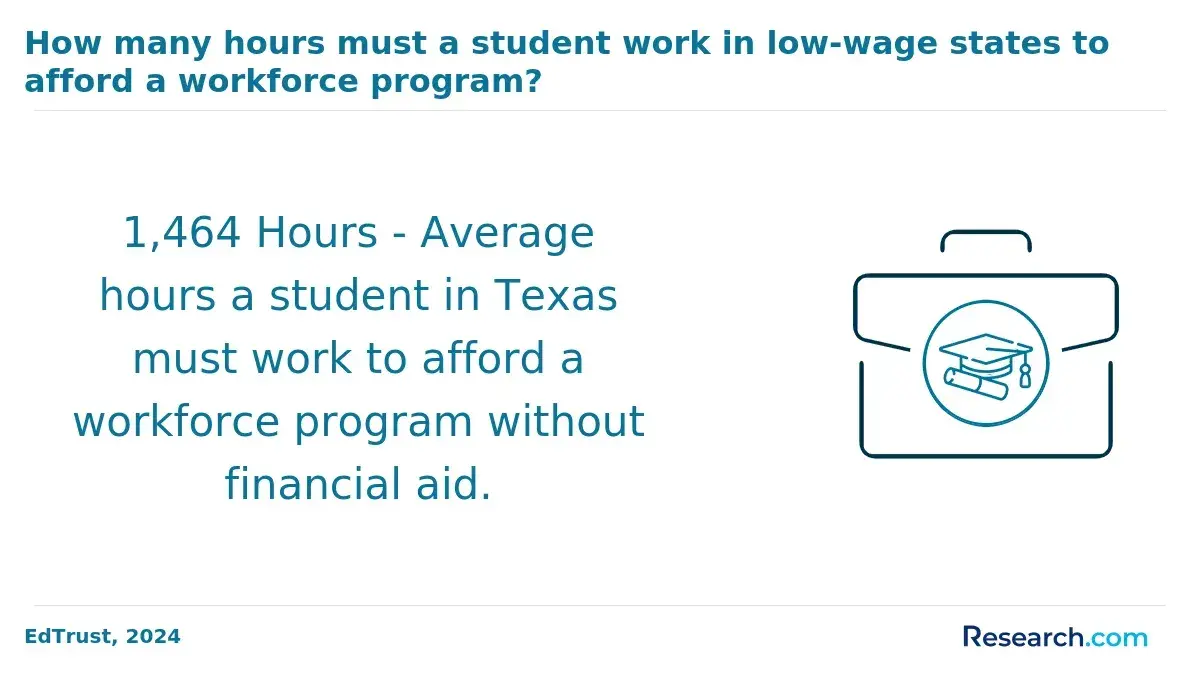
Costs vary widely: public institutions charge between $15,000 and $35,000 for on-campus or hybrid formats, whereas private universities frequently exceed $50,000. Online degrees may offer lower base tuition but add fees for technology and materials. Prospective students should evaluate total investment against program format and duration.
Finance specializations demand strong quantitative skills, with many programs requiring GMAT or GRE math scores. Given the 16% projected job growth for financial managers and a median salary of $156,100 reported by the U.S. Bureau of Labor Statistics, these programs address high market demand. Flexible, asynchronous formats suit employed candidates but often increase overall cost through extended duration and added requirements such as capstone projects or internships, essential for hands-on experience and employer networking.
Key considerations include:
- Balancing program length and workload with ongoing employment demands.
- Assessing financial cost against potential salary uplift and career pivot goals.
- Selecting formats that provide practical experience opportunities critical for competitive positioning.
What entry-level and mid-career roles can graduates with generalist Business Administration specializations pursue?
Graduates with generalist business administration specializations often face a transitional period where broad knowledge must quickly transform into sector-specific skills to remain competitive. Early roles such as sales coordinator or operations analyst provide essential exposure across functions but rarely lead directly to advancement without targeted experience or credentials. Employers look for candidates who demonstrate versatility alongside functional competence, making internships or practical placements critical in bridging this gap.
Mid-career positions typically involve managing teams or projects and exist in industries ranging from finance to supply chain management. A notable example is the healthcare sector, where generalist graduates can pivot into administration roles. Here, medical and health services managers earn a median salary of $117,960 with projected job growth of 23% through 2034, reflecting robust demand within hospitals, insurers, and public health agencies.
Graduates should anticipate steep learning curves when narrowing their focus, as the broad foundation does not substitute for specialized knowledge. Augmenting a degree with certifications or short courses can significantly ease this transition and enhance upward mobility.
To navigate the business administration landscape effectively, prioritize early-career roles that provide cross-departmental experience. Leveraging these experiences to target high-growth sectors, such as healthcare administration, aligns practical development with market realities.
What salary ranges and advancement potential are typical for generalist business graduates by specialization?
Generalist business graduates entering roles in entrepreneurship, finance, or small business management typically start with salaries ranging from $50,000 to $70,000 annually. However, advancement depends far more on quantifiable results-such as client acquisition and revenue growth-than on time served. For instance, a graduate transitioning into small business development at a regional firm could see a 10% to 15% salary increase within three years by successfully scaling revenues or cutting operational costs.
Graduates broadly fill professional roles across business and finance sectors, notably one of the top three employment categories for bachelor's holders under 30 in Canada, according to Statistics Canada. Within sub-specializations like operations or human resources, starting salaries range from $48,000 to $65,000, with metropolitan five-year median wages reaching about $85,000.
Promotion to mid-level management usually requires certifications such as CFA for finance or SHRM for HR, often boosting salaries by 20% or more. Yet, those investing early in entrepreneurial ventures tend to exceed traditional salary ceilings, albeit with increased risk. Corporate rotational programs offer steadier but capped wage growth without specialization.
Employers prioritize concrete evidence of project management and financial literacy, emphasizing return on investment (ROI) metrics. This creates a tradeoff where breadth of skills may limit salary potential compared to focused specialization combined with measurable business impact.
- Starting salaries vary significantly by sub-specialization and geography.
- Certification and skill validation strongly influence upward mobility.
- Entrepreneurial pivots carry higher risk but greater reward potential.
- Corporate path progression is more predictable but typically capped.
How do accreditation, rankings, and employer perceptions affect your choice of Business Administration specialization?
Program accreditation and employer recognition shape specialization choices in business administration by directly affecting job prospects and skill validation. Accredited programs establish a baseline of rigor and relevance, allowing employers to trust that graduates possess industry-aligned competencies. For example, specializations in supply chain and operations analytics tied to accredited institutions often outperform others in preparing candidates for evolving market demands.
Rankings reflect measurable factors such as graduate employment rates and employer engagement, making them a proxy for specialization ROI. A logistics specialization, backed by strong outcomes, appeals to employers given the field's robust labor market: logisticians earned a median wage of $76,270 with a projected 28% job growth through 2030, significantly outpacing average occupational expansion.
Employer expectations prioritize candidates who demonstrate verified skills that improve operational efficiency and strategic decisions. Choosing a specialization without employer or accreditation recognition risks limiting employment opportunities, especially in analytics-heavy supply chain roles. Professionals must weigh institutional credentials against tangible employer demand to avoid misaligned education investments and to ensure workforce relevance.
What certifications or professional credentials strengthen generalist career paths in Business Administration?
Combining Certified Professional Manager (CPM), Project Management Professional (PMP), and Certified Business Analyst Professional (CBAP) credentials strategically addresses distinct but overlapping skill gaps in business administration generalist paths. CPM validates leadership and operational control typically needed to manage complex, cross-functional teams and budgets. PMP provides the managerial rigor necessary for strict timeline enforcement and stakeholder coordination, a common demand in consulting or strategic roles. CBAP focuses on data analysis and requirements management, which are increasingly essential in decision-making environments driven by analytics.
For example, a professional transitioning into product management often leverages PMP for project oversight and CBAP for interpreting user data, especially in technology sectors that value agile frameworks. However, certifications alone rarely suffice without proficiency in relevant software tools like SQL, Tableau, or Power BI, skills employers consider prerequisites to translate certifications into actionable insights.
Prospective candidates should weigh certification prerequisites carefully: PMP requires substantial prior project leadership experience and formal training hours, while CBAP necessitates thousands of hours in business analysis. This entry barrier limits immediate applicability for less experienced individuals but suggests accelerated career pathways for credential holders aligned with employer expectations.
- CPM offers operational leadership clarity across industries.
- PMP responds to high accountability for project delivery and coordination.
- CBAP equips candidates for advanced analytics and requirements roles.
Other Things You Should Know About Business Administration
In 2027, specializations like General Management, International Business, and Entrepreneurship align well with generalist career paths. These fields offer broad skill sets applicable across industries, ideal for flexible career growth.
For those aiming at generalist careers, choosing specializations that prioritize long-term flexibility over short-term placement is more beneficial. While programs boasting immediate job rates might focus on specific industries, broader specializations foster adaptable skills applicable across roles and sectors. Prioritizing tracks emphasizing strategic thinking, leadership, and cross-functional knowledge better prepares graduates for career shifts and advancement.
Employers hiring for generalist roles expect graduates who demonstrate both foundational business skills and the ability to learn adjacent disciplines quickly. Specializations that incorporate real-world case studies, internships, or cross-disciplinary projects align better with these expectations. Opting for programs with experiential learning components enhances practical readiness, which many employers weigh more than academic rankings or narrow technical certifications.
Pursuing multiple minors or certificates alongside a primary business administration specialization provides greater versatility in the job market. This approach equips graduates with targeted expertise without sacrificing the broad perspective needed in generalist roles. Employers favor candidates who can demonstrate depth in complementary areas-such as data analytics or supply chain management-while maintaining a solid business administration foundation.
References
- How to select the right Masters / MS program and specialization? - MBA Crystal Ball https://www.mbacrystalball.com/blog/2016/12/19/how-to-select-masters-degree-ms-specialization/
- Entry-Level Jobs With a Business Administration Degree https://www.warnerpacific.edu/blog/top-entry-level-jobs-ba-business-administration/
- Professional Business Certifications to Boost Your Career in 2025 https://www.business.com/articles/best-business-certifications/
- Admission Requirements | Undergraduate Admissions + Programs https://www.ualberta.ca/en/admissions/how-to-apply/admission-requirements/index.html
- Average Cost of College [2025]: Yearly Tuition + Expenses https://educationdata.org/average-cost-of-college
- Best Professional Certifications for Career Growth https://www.bradsbygroup.com/2026/04/20/best-professional-certifications-jobs/
- Online MBA Concentrations and Specializations: Master of Business Administration https://www.onlineeducation.com/business/faqs/online-mba-concentrations
- The Role of Rankings and Accreditation in Choosing a University - Zylentrix https://zylentrix.net/rankings-and-accreditation-choosing-a-university/
- Online MBA vs Campus MBA Program - Which one to choose https://rcu.education/online-mba-vs-campus-mba-programs/
- Specialization or Generalist: Tips on Choosing a Clear Career Path Universitas Dian Nusantara https://undira.ac.id/eread/406/specialization-or-generalist-tips-on-choosing-a-clear-career-path