2027 Christian Ministry Tuition Inflation Report: How Fast Are Program Costs Rising?

Co-Founder and Chief Data Scientist
Tuition inflation in Christian ministry programs reflects unique structural and operational demands not commonly observed in other fields. Increasing accreditation criteria require investment in specialized faculty with theological and pastoral expertise, while expanding field-based training involves coordination with churches and community agencies.
Additionally, evolving expectations for digital ministry tools and virtual platforms drive expenditures in technology infrastructure. A 2024 report by the Association of Theological Schools highlights a 7% tuition increase in ministry programs, partially attributed to faculty labor market pressures and program delivery complexities.
Shifts in student age demographics also suggest a workforce adapting to lifelong learning, influencing institutional pricing strategies and access dynamics in this discipline.
Key Things to Know About Christian Ministry Tuition Inflation
- Tuition for Christian ministry programs has risen over 6% annually since 2022, pressuring students to weigh higher costs against limited wage growth in nonprofit and faith-based roles.
- Employers increasingly prioritize practical ministry experience over advanced degrees, diminishing the traditional degree's labor market value amid costly tuition inflation.
- Rising program costs slow enrollment timing, as learners delay or reduce course loads, potentially extending time to credential and impacting lifetime career progression.
- Key Things to Know About Christian Ministry Tuition Inflation Key Things to Know About Christian Ministry Tuition Inflation
- How Much Has Christian Ministry Tuition Increased Over the Past Decade? How Much Has Christian Ministry Tuition Increased Over the Past Decade?
- How Does Christian Ministry Tuition Inflation Compare to Overall Inflation? How Does Christian Ministry Tuition Inflation Compare to Overall Inflation?
- Which Types of Schools Have Experienced the Fastest Christian Ministry Tuition Growth? Tuition Growth by School Type
- What Factors Are Driving Rising Costs in Christian Ministry Degree Programs? Tuition Cost Drivers
- How Does Christian Ministry Tuition Growth Vary by State and Region? Tuition Growth by State
- Are Online Christian Ministry Programs Becoming More Affordable Than Campus-Based Programs? Online Program Affordability
- How Have Financial Aid and Scholarships Changed as Christian Ministry Tuition Has Increased? Impact on Financial Aid and Scholarships
- How Does Rising Christian Ministry Tuition Affect Student Debt After Graduation? Impact on Student Debt
- Do Higher-Cost Christian Ministry Programs Deliver Better Career Outcomes or Earnings? Impact on Career Outcomes
- What Do Current Tuition Trends Suggest About the Future Cost of a Christian Ministry Degree? What Do Current Tuition Trends Suggest About the Future Cost of a Christian Ministry Degree?
How Much Has Christian Ministry Tuition Increased Over the Past Decade?
Data from the National Center for Education Statistics and recent U.S. Department of Education reports show tuition costs for Christian ministry degree programs have increased by roughly 30% to 40% over the last decade. This growth rate consistently exceeds general higher education inflation, reflecting sector-specific pressures distinct from broader economic trends.
The trajectory is uneven across institution types, with private Christian colleges often posting steeper tuition hikes compared to public or nonprofit religious-affiliated schools. These rising costs underscore significant affordability challenges for students who must weigh educational expenses against often limited immediate financial returns common within faith-based vocational pathways.
Several factors drive these tuition increases beyond standard inflation measures. Declining public funding for private and religious institutions pushes them to boost revenues through higher tuition, while growing administrative expenditures and expanded student support requirements add to institutional cost bases.
Additionally, investments in technology and facilities designed to attract and retain students contribute to price inflation. The increased demand for ministry degrees amid shifting demographics and labor market expectations influences institutional spending priorities, making cost containment harder. These dynamics illustrate why tuition growth for Christian ministry programs aligns with broader trends impacting theology, divinity, and religious studies education overall.
The persistent rise in tuition impacts student borrowing and program selection, pressing prospective candidates to critically assess return on investment amid evolving ministry job markets. Many students face additional costs beyond tuition, including fees and unpaid internships, which compound financial burdens and prolong time to credentialing.
Given these mounting expenses, it is crucial for learners to explore alternatives, such as shorter credential pathways or programs with distinct cost advantages like the most affordable online FNP programs, which may offer insight into managing education costs without sacrificing career readiness. Balancing tuition inflation, program length, and labor market relevance remains central to sustainable decision-making in Christian ministry education.
How Does Christian Ministry Tuition Inflation Compare to Overall Inflation?
Tuition inflation for Christian ministry programs in the United States has outpaced general consumer price inflation, with annual increases estimated between 5% and 7%, compared to about 3.4% growth in the Consumer Price Index reported by the U.S. Bureau of Labor Statistics.
Data from the National Center for Education Statistics and the College Board confirm this divergence, reflecting a persistent trend where ministry-related tuition rises faster than typical inflation measures. This discrepancy highlights that Christian ministry tuition inflation rates in the United States compared to general inflation trends are not just numerical gaps but indicators of underlying economic pressures specific to these specialized educational fields.
The structural reasons behind this gap include diminished state funding for many private and nonprofit seminaries, which shifts the burden of operational costs more heavily onto tuition revenue. Institutions must absorb rising faculty compensation, administrative expenses, and costly investments in technology and student services without the broad public subsidies that mitigate tuition growth for programs in public universities.
These factors, combined with relatively steady or growing demand for ministry education, drive tuition increases that exceed general inflation, reflecting systemic cost behavior rather than ordinary market inflation.
For prospective students, these higher education cost increases versus Christian ministry program tuition growth translate into growing affordability challenges and potentially increased borrowing. Unlike fields with more expansive funding or stronger post-graduate salary trajectories, students in ministry programs must weigh these inflation-driven cost pressures carefully, especially given the slower income growth in many ministry careers.
This inflation gap not only influences individual financial planning but also affects overall program selection decisions, underscoring the importance of evaluating educational expenses alongside career outcomes and available aid, including options highlighted by resources such as accredited medical billing and coding schools online that may offer alternative pathways with different cost and career considerations.
Which Types of Schools Have Experienced the Fastest Christian Ministry Tuition Growth?
Tuition growth rates for Christian ministry programs differ notably across institutional types, reflecting distinct funding sources, enrollment trends, and operational frameworks. Evaluating these factors is critical for understanding why certain schools raise costs faster and how this impacts student affordability and value.
Institutional pricing decisions are not solely competitive responses but arise from structural financial dependencies, programmatic investments, and market positioning within the broader higher education landscape.
- Private Nonprofit Evangelical Colleges: These institutions generally exhibit the steepest tuition increases, often exceeding 5% annually, driven by heavy reliance on tuition revenue amid declining enrollment and rising operational expenses. Limited endowments and a focus on mission-specific program expansion contribute to pricing pressure, particularly as specialized ministry training demands smaller class sizes and enhanced student services.
- Public Universities: Offering Christian ministry degrees within broader state-funded systems tend to have more restrained tuition growth, typically around 2-3% yearly. The availability of public subsidies and multi-program cross-subsidization reduces reliance on tuition hikes, although political shifts and budget cuts can introduce variability over time.
- For-Profit Institutions: These schools may have volatile tuition patterns influenced by aggressive enrollment strategies and regulatory scrutiny. While some leverage flexible online formats to attract adult learners, rapid program proliferation can lead to uneven pricing adjustments that reflect both market demand and compliance costs.
- Research-Intensive Universities: Universities with significant research commitments balancing ministry programs often grow tuition moderately. Their ability to diversify revenue streams through grants and donations tempers pressure for steep increases, yet higher institutional prestige and complex administrative costs can still produce above-average tuition inflation in niche programs.
- Regional Colleges and Universities: Schools focused on local or regional service tend to increase Christian ministry tuition at moderate rates, balancing affordability with incremental investments in program quality and online delivery. Their pricing reflects competition within limited geographical catchment areas and a mixed mix of traditional and adult learners.
- Online Universities: Institutions delivering predominantly online Christian ministry degrees may experience varied tuition growth depending on scaling efficiencies and technology investments. While online formats offer cost advantages, increasing demand for personalized student support and accreditation compliance can drive tuition upward.
What Factors Are Driving Rising Costs in Christian Ministry Degree Programs?
Rising costs in Christian ministry degree programs result from a complex interplay of institutional funding patterns and economic pressures. These programs, often housed within faith-based colleges and seminaries, face unique financial dynamics shaped by broader trends in higher education.
Increased operational expenses, fluctuating enrollment, and evolving accreditation standards combine to push tuition upward. The shifting landscape of program delivery, such as adopting hybrid or online models, adds further strain by requiring ongoing investment in technology and staffing.
This multifactorial cost trajectory reflects systemic challenges rather than short-term adjustments tied solely to market competition or demand.
Key drivers for increasing degree program costs across diverse institutional settings include:
1. Declining public support for many religious-affiliated institutions, which amplifies their dependence on tuition revenue. 2. Growing faculty labor costs as schools seek to attract and retain qualified instructors amid competitive academic labor markets, often necessitating higher salaries and benefits. 3. Administrative expansions to support student services, regulatory compliance, and remote learning infrastructure contribute additional layers of expense.
According to a 2024 report from the National Center for Education Statistics, tuition inflation at religious institutions has consistently exceeded general inflation rates by about 2% annually over the past five years, underscoring persistent cost pressures. These factors, combined with efforts to broaden curriculum offerings in areas like counseling and leadership training, sustain an upward trajectory in degree program costs.
One graduate recalled hesitating to apply early because the rolling admissions process left uncertain when financial aid packages would be finalized, complicating budget planning. This delay forced a period of wait-and-see after initial acceptance, heightening stress about affording the program.
Only after multiple follow-ups did financial clarity emerge, allowing a committed enrollment decision. This experience highlighted the practical challenges students face balancing application timing, financial preparation, and admissions communications within increasingly costly program environments.
How Does Christian Ministry Tuition Growth Vary by State and Region?
Tuition growth for Christian ministry programs varies considerably across U.S. states and regions due to differences in state funding priorities, institutional types, and regional economic conditions. Public university systems in some states rely heavily on state appropriations to contain tuition, while others face persistent funding shortfalls, driving up costs faster.
Additionally, the mix of public versus private institutions offering Christian ministry degrees influences pricing strategies, with private colleges often passing higher operational costs onto students. These factors combine with broader regional economic pressures, such as cost-of-living shifts and competitive labor market demands, to create uneven tuition growth patterns rather than uniform geographic trends.
Key drivers of Christian ministry tuition inflation by state include variations in public funding formulas and the relative strength of local economies.
States with declining or stagnant higher education appropriations often see tuition increases exceeding 5% annually as institutions fill budget gaps, especially in the South and parts of the West.
Regions with a higher concentration of private religious colleges typically experience sharper tuition escalations due to limited access to public funds and the need to sustain specialized program resources. Workforce demand also shapes tuition growth: areas with robust faith-based employment opportunities, such as strong church networks or nonprofit ministries, may support more aggressive tuition hikes justified by employer expectations and specialized competencies students must acquire.
These disparities in tuition growth affect student mobility and raise affordability concerns; prospective ministry students must weigh regional tuition inflation against expected job market returns within their states or broader regions. This uneven landscape means that tuition considerations extend beyond sticker price to include long-term economic value and debt capacity under varying state policy regimes.
For those comparing christian ministry programs' costs to other fields, examining the influence of institutional funding structures and regional job dynamics provides crucial insight. Those interested in education affordability might also explore options like the online ASN program as a comparative model of how tuition growth interacts with workforce demand in healthcare education systems.
Are Online Christian Ministry Programs Becoming More Affordable Than Campus-Based Programs?
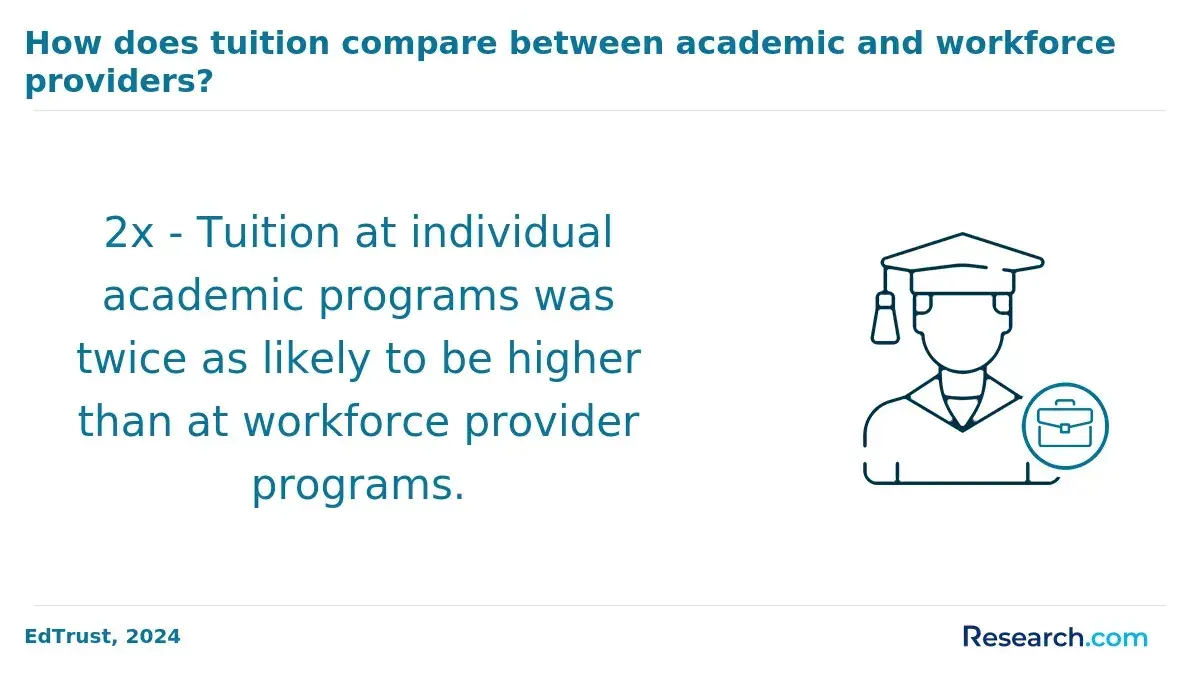
Recent trends indicate that online Christian Ministry degree programs generally maintain a cost advantage over traditional campus-based programs, although this gap varies according to institutional type and program level. Data from the 2024 National Center for Education Statistics show that annual tuition inflation for on-campus ministry degrees rose approximately 4.3%, outpacing the modest 2.1% increase for online programs.
While online models leverage economies of scale and flexible course pacing to reduce costs, pricing strategies differ significantly: campus programs often embed higher facility and operational fees into tuition, whereas online programs shift costs toward technology and virtual infrastructure investments. These structural differences in pricing reflect divergent institutional priorities and resource allocations rather than purely market-driven affordability.
The primary drivers behind these tuition disparities stem from the contrasting cost structures inherent in delivering ministry education. Campus-based programs incur substantial expenses tied to physical facilities, maintenance, and on-site student services, whereas online offerings focus investment on digital platforms, learning management systems, and instructional design-a cost that, while significant upfront, scales more efficiently with growing enrollment.
Faculty delivery models also differ: online programs may employ fewer full-time resident instructors, opting for adjunct or asynchronous course formats that reduce personnel costs but necessitate robust virtual student support. Despite these savings, funds are redirected toward comprehensive online learner services to mitigate retention risks associated with remote study.
Thus, the relative affordability of online Christian Ministry education is a function of evolving institutional strategies balancing infrastructure savings against technology investments and support services, marking a structural rather than temporary pricing shift.
One graduate recalled applying through a rolling admissions online program where the decision timeline introduced unexpected challenges. Initially hesitant to commit without clarity on financial aid and course scheduling, she encountered several weeks of waiting as her application was reviewed amid fluctuating enrollment caps.
The uncertainty nearly delayed her start, prompting last-minute adjustments to her work schedule once acceptance came through. This experience highlighted how affordability considerations extend beyond tuition sticker price to include timing and administrative responsiveness, factors critical to managing expenses and successfully navigating flexible online pathways.
How Have Financial Aid and Scholarships Changed as Christian Ministry Tuition Has Increased?
As tuition rates for Christian Ministry programs have climbed steadily, institutional financial aid and scholarship models have shifted in both scale and focus. While many schools have increased their nominal aid offerings, these increments often do not match the pace of tuition inflation, leading to diminished net affordability for most students.
This disparity results from a growing emphasis on aligning aid with strategic recruitment goals, prioritizing awards for candidates who demonstrate leadership potential, mission alignment, or specific ministry interests rather than broad-based merit aid. Consequently, the proportion of students receiving comprehensive scholarships remains relatively low, compelling the majority to rely on a combination of personal funds, loans, or alternative financing methods.
Several factors drive these changes, including heightened competition among institutions for a smaller pool of qualified applicants and evolving federal and state aid frameworks that impact eligibility and borrowing capacity.
Christian Ministry programs, often categorized outside STEM fields, typically face limited access to generous federal grants, which intensifies dependence on institutional aid and private financing. Tuition discounting strategies increasingly emphasize targeted scholarships to attract high-performing or mission-fit students, which narrows the distribution of funds and may disadvantage average applicants.
At the same time, the slower growth of need-based aid relative to tuition hikes reflects tighter institutional budgets and a cautious approach toward financial risk, amplifying challenges for lower-income students.
The resulting effect is a complex affordability environment where net prices remain elevated despite nominal increases in aid, often resulting in higher student debt burdens and longer repayment horizons. For prospective students, understanding these nuanced trends is critical in realistically assessing the total cost of attendance and sequencing educational investments against vocational aspirations.
This landscape encourages a more deliberate evaluation of program financing options, long-term return on investment, and the interplay between scholarship competitiveness and access, factors that directly influence enrollment decisions and career pathway viability in Christian Ministry fields.
How Does Rising Christian Ministry Tuition Affect Student Debt After Graduation?
Rising tuition costs in Christian ministry degree programs have a direct and compounding effect on student borrowing, forcing many learners to rely increasingly on loans to finance their education. This trend intensifies the financial burden graduates carry well beyond their school years as loans taken out grow larger in absolute terms.
Higher tuition often outpaces the rate of increase in grant aid or scholarships, leaving students with significant gaps covered by borrowing. Most students, particularly traditional college-age ones, fund attendance with loans expecting to repay over extended periods, only to face interest accumulation during their studies that exacerbates total debt levels.
The growing disconnect between tuition inflation and financial aid availability is especially pronounced across public versus private Christian ministry institutions, where pricing can vary widely but borrowing remains common. Post-graduation income disparities within ministry roles further complicate repayment prospects; many ministries or nonprofit sectors offer modest starting salaries that limit debt servicing capacity.
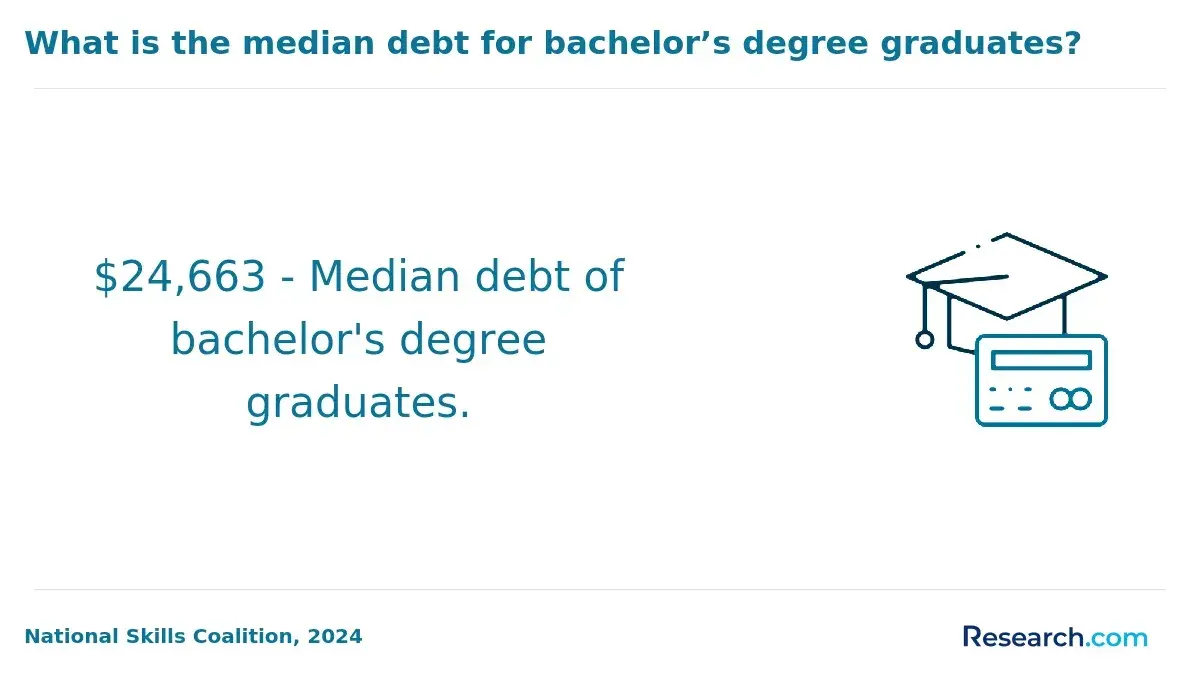
Data from 2024 studies emphasize that traditional students accumulate more debt on average than adult learners, who often leverage employer tuition assistance or personal funds more strategically. These dynamics illustrate how rising Christian ministry tuition and its impact on student debt after graduation influence borrowing behaviors, interest burdens, and financial sustainability in practical terms.
Long-term repayment stress is intensified by these rising debt loads, even as a growing number of graduates turn to income-driven repayment options or loan forgiveness programs within the ministry field. The financial pressure shapes not only individual repayment outcomes but also prospective students' decisions, sometimes deterring enrollment or prompting choices favoring shorter or more affordable credentials.
For those evaluating the return on ministry education investments, assessing tuition trajectories in relation to realistic salary expectations is essential. This parallels financial considerations seen in 5-year accelerated speech pathology programs, where cost, debt, and earnings potential critically affect long-term economic well-being.
Do Higher-Cost Christian Ministry Programs Deliver Better Career Outcomes or Earnings?
Higher tuition costs at Christian ministry programs do not necessarily correspond to better career outcomes or higher earnings. While the question of whether more expensive programs offer stronger employability or salary advantages is common, data indicates cost alone is not a reliable predictor.
Employers in ministry fields often emphasize demonstrated pastoral skills, relevant practical experience, and community engagement over institutional prestige or program price. Therefore, the expected return on investment (ROI) must be critically assessed beyond sticker price, focusing on measurable career impacts rather than assumed quality signals.
Several factors contribute more directly to career trajectories than tuition rates. Institutional reputation may provide access to specialized alumni networks or denominational leadership tracks, while internship opportunities and employer partnerships enhance job placement potential. Geographic location and program specialization deeply affect job availability and compensation, with urban areas or larger churches typically offering higher salaries.
A 2024 survey of ministry graduates evidenced only modest differences in starting salaries-ranging from $35,000 to $42,000 for graduates from higher-cost programs versus $30,000 to $38,000 for less expensive ones-demonstrating how these variances diminish after accounting for regional and institutional contexts.
Prospective students should also consider other programs, such as those ranked as the easiest ABSN program to get into, when comparing affordability and career outcomes in related fields.
For students navigating educational decisions, the key lies in evaluating practical ministry experience and networking opportunities relative to debt burden. Higher tuition may reflect better facilities or faculty expertise, but it does not guarantee superior earnings or employment rates.
Affordable programs often prepare students adequately for many ministry paths, underscoring the importance of balancing costs against realistic salary expectations and career goals. Careful analysis of earnings and return on investment for Christian ministry graduates can guide informed choices, ensuring that educational expenditures align with long-term professional outcomes.
What Do Current Tuition Trends Suggest About the Future Cost of a Christian Ministry Degree?
Recent tuition trends indicate a persistent upward trajectory in the cost of Christian ministry degree programs, outpacing general inflation and signaling continued price growth. Between 2022 and 2024, private nonprofit religious institutions saw average tuition and fees rise by roughly 5.4%, a rate surpassing broad economic inflation as reported by the National Center for Education Statistics.
This historical context reveals that future costs will likely increase steadily, influenced not only by inflation but also by structural factors within higher education financing. Understanding these patterns helps clarify that future pricing will not simply reflect consumer price indexes but also institutional responses to operational pressures and enrollment shifts.
Key drivers shaping future tuition include constrained public funding and growing demand for specialized ministry skills delivered via flexible modalities like online or hybrid formats. Institutions increasingly invest in technology and student support services to attract diverse learners, especially adult students seeking part-time options, adding to the cost base.
Meanwhile, enrollment demand remains uneven, with some programs experiencing growth as adult learners seek credentials that align with career transitions. These dynamics create a complex cost environment where rising operational expenses and targeted program investments converge, pushing tuition upward especially in niche, mission-driven fields like Christian ministry.
Consequently, affordability challenges will intensify, with rising costs amplifying student debt burdens and influencing program choice based on perceived value and outcomes. Prospective students must interpret tuition growth forecasts carefully, weighing the tradeoffs between flexible delivery formats that command premium pricing and the long-term financial risk involved.
Reliable tuition projections require attention to institutional funding strategies, evolving learner demographics, and technological adoption rather than simplistic inflation-based assumptions, fostering more informed decision-making about investment in christian ministry education.
References
- Open Christian University - Fees Structure https://www.openchristian.education/admissions/fees-structure
- The Cost of Ministering Like Jesus - Spectrum Magazine https://spectrummagazine.org/views/cost-ministering-jesus/
- Costs and Financial Aid - Oak Hills Christian College https://www.oakhills.edu/admissions/costs-and-financial-aid
- The Promise and Paradox of Christian Higher Education – CT Creative Studio https://www.christianitytoday.com/partners/our-studio/promise-and-paradox-of-christian-higher-education/
- Having my student debt forgiven helps me believe there is another way https://faithandleadership.com/having-my-student-debt-forgiven-helps-me-believe-there-another-way
- 42 Impactful Careers for Christians — Christians for Impact https://www.christiansforimpact.org/blog/42-impactful-careers-for-christians
- Like all schools, Christian universities wrestle with rising costs of education – Baptist News Global https://baptistnews.com/article/like-all-schools-christian-universities-wrestle-with-rising-costs-of-education/
- Types Of Christian Schools https://haywoodchristianacademy.org/blog/types-of-christian-schools
- Online Colleges - Comparing Models & Discovering a Better Way https://www.christianleadersinstitute.org/online-colleges-comparing-models-discovering-a-better-way/
- NCU https://freechristianuniversity.com/
Other Things You Should Know About Christian Ministry
Higher tuition often funds more comprehensive curricula and broader practical experiences, but this is not universally true. Students should critically evaluate whether increased costs correspond to enhanced mentorship opportunities, relevant practicum placements, or robust theological resources rather than just institutional prestige.
Prioritizing programs that integrate hands-on ministry work with academic rigor can yield better preparedness despite inflation pressures, so cost alone shouldn't dictate choice without examining program content and outcomes.
Part-time programs tend to spread tuition costs over longer periods, which can ease immediate financial burdens but often extend total expenses due to inflation and additional fees.
Conversely, full-time programs may require a larger upfront investment but potentially shorten time-to-degree and entry into ministry careers. Students weighing these options should consider their financial capacity alongside employer expectations and personal readiness for intensive study, balancing cost inflation against the practical implications of program length and workload.
Rising costs often force students into more rigorous work-study compromises, limiting time available for ministry internships or community engagement critical to employability. This tradeoff can undermine the experiential learning essential to most ministry roles.
Choosing programs with flexible scheduling or hybrid models may mitigate some burdens, but escalating tuition means students must carefully assess whether cost savings justify potentially reduced fieldwork or mentoring access, which are vital for effective ministry preparation.
Focusing solely on immediate affordability can lead to selecting lower-cost programs lacking the depth or network connections essential for ministry leadership roles. Conversely, investing in more expensive, well-structured programs often correlates with stronger employer recognition and career advancement, despite higher upfront costs.
Prospective students and families should weigh tuition inflation against expected ministry outcomes and potential earnings, prioritizing programs that balance financial feasibility with substantive preparation to avoid compromising long-term vocational viability.