2027 Physical Therapy Clinical Hours Requirements: What Counts and How to Complete Them

Co-Founder and Chief Data Scientist
How do clinical hours factor into fulfilling the requirements of a physical therapy degree program? For many students, distinguishing which supervised hours count toward graduation-and subsequent licensing-can be confusing. Accredited programs commonly mandate between 1,000 to 1,200 clinical hours completed in varied settings such as outpatient clinics, hospitals, or rehabilitation centers.
According to the Commission on Accreditation in Physical Therapy Education, over 90% of graduates emphasize hands-on clinical experiences as critical for their professional readiness. This article clarifies what qualifies as clinical hours and outlines practical strategies for students to effectively complete their clinical requirements in physical therapy programs.
Key Things to Know About Physical Therapy Clinical Hours Requirements
- Required clinical hours provide supervised hands-on experience, enabling students to apply classroom theory in real-world patient care scenarios, essential for competency development in physical therapy practice.
- Clinical placement depends on partnerships with approved facilities, influencing the types of patient populations and settings where students complete hours, affecting skill diversity and exposure.
- Accurate documentation, consistent supervision, and structured evaluations ensure compliance with program standards and are critical for successful completion of clinical hour requirements.
What Are the Clinical Hours Requirements for Physical Therapy Programs?
Physical therapy programs in the United States typically require students to complete between 1,000 and 1,500 clinical hours. More than 90% of physical therapy students highlight the value of experiential learning, noting that clinical education significantly boosts their confidence and practical skills. These clinical hours serve to bridge academic knowledge with hands-on patient care, preparing students for real-world healthcare challenges. This foundational training ensures students build the competencies essential for effective treatment and patient interaction.
Clinical hour requirements are embedded in program completion standards and professional preparation to guarantee applied competency and workplace readiness. They are often arranged in rotations or blocks throughout the advanced stages of study, reinforcing critical thinking and clinical decision-making skills. Meeting the minimum supervised clinical training hours for physical therapy students is mandatory for graduation and eligibility to sit for licensure exams. For those interested in advancing their career efficiently, exploring accelerated DNP programs can be a strategic option.
What Counts as Clinical Hours in Physical Therapy Programs?
Clinical hours in physical therapy programs ensure students gain essential hands-on experience, bridging classroom learning with real-world patient care. Studies show that over 70% of skill retention occurs through direct practice, highlighting the importance of these supervised clinical experiences. The following examples detail activities that typically count toward clinical hour requirements.
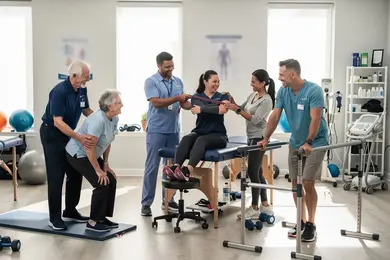
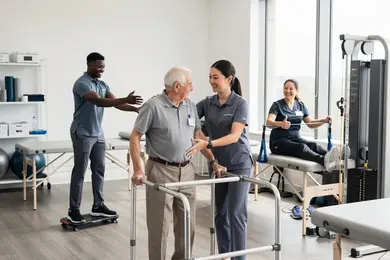
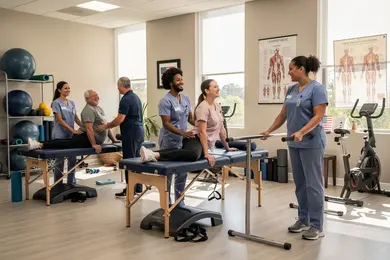
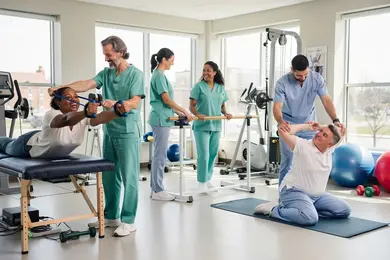
- Direct Patient Care: Participating in evaluations, treatment planning, and therapeutic exercises under licensed supervision in environments such as outpatient clinics, hospitals, or rehab centers. This direct involvement helps develop clinical skills and professional judgment.
- Evaluation Observation: Observing and assisting licensed therapists during patient assessments to understand diagnostic techniques and clinical reasoning processes critical for treatment decisions.
- Interdisciplinary Collaboration: Engaging in team meetings or care coordination sessions that discuss patient progress and treatment plans, fostering communication and integrative care skills.
- Documentation Assistance: Supporting therapists by charting progress notes and documenting treatment outcomes, which teaches accurate record keeping essential for patient safety and legal compliance.
- Community Outreach: Participating in wellness screenings or educational programs that promote physical therapy interventions in diverse populations, expanding practical experience beyond clinical settings.
A Physical Therapy degree graduate shared that navigating what counts as clinical hours was initially confusing, especially balancing multiple settings and documentation requirements. He noted, "Tracking every hour and ensuring each activity met program standards took discipline, but hands-on patient care was often the most rewarding." He also reflected on the challenge of adapting to different clinical environments while appreciating that such diverse experiences ultimately strengthened his confidence and competence as a clinician.

Do Clinical Hour Requirements Vary by State?
State regulatory boards and licensing standards significantly influence the clinical training required for physical therapy programs, leading to noticeable variation in clinical hour mandates. Data from trusted sources shows that required supervised clinical hours can differ by up to 30% between states. Below are key factors illustrating how state regulations shape clinical hour expectations in physical therapy education.
- Minimum Hour Requirements: Licensing bodies may impose varied baseline clinical hour minimums, with some states requiring substantially more hands-on practice before candidates can apply for licensure.
- Accepted Clinical Settings: States differ in the types of clinical experiences they recognize, which can limit or broaden the range of qualifying patient care environments counted toward hour completion.
- Post-Graduation Obligations: A number of states mandate additional supervised clinical hours after graduation, separate from those completed during academic coursework, as a licensure condition.
- Verification Procedures: State rules commonly dictate how frequently and through what methods clinical hours must be documented and verified, affecting how students accumulate and report their experience.
- Continuing Competency Integration: Some regulations tie ongoing clinical hour requirements to continuing education or license renewal, influencing how licensed therapists maintain their qualifications over time.
These variable requirements emphasize the importance of understanding specific state policies early in the physical therapy education process to align clinical training effectively with licensure goals.
Where Do Students Complete Physical Therapy Clinical Hours?
Clinical education forms a critical part of professional healthcare training, with data showing that about 35% of physical therapy clinical hours are completed in outpatient settings. These immersive experiences help students apply theoretical knowledge in real-world contexts, enhancing their clinical skills and adaptability. Students gain exposure through various healthcare environments that enrich their expertise.
Common clinical placements include:
- Outpatient Clinics: These sites focus on musculoskeletal and neurological care in ambulatory environments. Students develop proficiency in patient assessment, treatment planning, and rehabilitation strategies tailored for outpatient populations.
- Acute Care Hospitals: Students encounter patients with complex medical conditions, observing how physical therapy integrates with broader medical and surgical treatments during hospital stays, fostering acute care management skills.
- Rehabilitation Centers: These facilities emphasize intensive recovery for patients affected by stroke, spinal cord injuries, and brain trauma. Here, students enhance their capabilities in neurorehabilitation and improving patients' functional mobility.
- Skilled Nursing and Long-Term Care: Clinical hours in these settings expose students to elderly and chronically ill individuals. The experience focuses on maintaining mobility, preventing decline, and supporting quality of life over extended care periods.
Through rotation across these diverse environments, students develop a broad and adaptable skill set essential for success in varied physical therapy careers.
How Are Clinical Placements Assigned in Physical Therapy Programs?
Clinical placements are a vital component of physical therapy programs, connecting students to hands-on, supervised training in real-world healthcare settings. These experiences help fulfill clinical hour requirements and prepare students for professional practice. About 70% of graduates report that such experiential learning significantly improves their clinical readiness. Below are common ways clinical placement assignments are typically organized.
- Centralized Placement Systems: Many programs use a centralized system managed by the institution, partnering with a variety of clinics, hospitals, and rehabilitation centers. Students are assigned based on site availability, individual preferences, and educational goals to ensure well-rounded clinical exposure.
- Lottery or Random Allocation: When clinical slots are limited, programs may implement a lottery or random selection process. This method provides a fair chance for all students, especially when many seek placements at the same popular sites.
- Matching Systems: Some schools adopt matching algorithms similar to medical residencies, allowing students to rank preferred locations. Placement coordinators then reconcile student choices with site capacity and suitability to finalize assignments.
- Faculty Recommendations: Experienced faculty often influence placements by recommending sites aligned with a student's skill level and clinical objectives. Prior student feedback and evaluations can also inform these decisions.
Physical therapy clinical rotations are scheduled through these structured assignment processes, ensuring students complete required clinical hours in diverse settings. Students exploring pathways to advance their career may also find value in BSN to DNP programs online as part of their educational journey.
Can Physical Therapy Clinical Hours Be Completed Online or Part-Time?
Clinical hours for physical therapy cannot typically be completed entirely online due to the critical need for hands-on patient care and direct supervision. Approximately 20% of clinical training in some health professions may involve hybrid formats, combining remote learning with in-person practice to meet educational standards. This limitation exists because developing clinical skills demands real-time interaction with patients and manual techniques that cannot be fully replicated virtually. Understanding this balance is essential to grasp when and how clinical hours might allow flexibility.
Some programs offer limited part-time or hybrid clinical options, provided that the majority of training remains on-site and supervised. These models are designed to accommodate students with varying schedules but still require direct observation and feedback from experienced clinicians. The hands-on component ensures students build competency in patient assessment and treatment, which remains central to physical therapy education. Without adequate in-person practice, licensure and accreditation requirements would not be satisfied.
When I asked a professional with a Physical Therapy degree about her experience, she reflected on the challenges of completing clinical hours while managing other responsibilities. She described how balancing part-time clinical placements required meticulous coordination with her program to ensure the necessary hours were fulfilled without compromising learning quality. "The practical, face-to-face patient work was where I felt I truly learned," she explained. Though some coursework was online, she emphasized that nothing replaced the value of hands-on experiences guided by expert mentors, which ultimately prepared her for confident patient care.
What Supervision Is Required During Physical Therapy Clinical Hours?
During physical therapy clinical hours, supervision is typically provided by licensed physical therapists who possess the expertise and credentials necessary to oversee student activities. This supervision is essential to ensure both student learning and patient safety throughout hands-on clinical experiences. These professionals offer direct feedback and guidance, helping students refine their practical skills in real time. Studies in healthcare education indicate that over 70% of competency development occurs during supervised clinical practice, highlighting how critical this oversight is to effective professional training.
Supervision during clinical training enables students to develop vital clinical skills within a controlled and supportive environment. Supervisors assess student performance continuously to verify readiness for independent practice, upholding professional standards and patient care quality. This process fosters critical thinking, clinical decision-making, and ethical practice, helping students tackle complex patient scenarios confidently. Ultimately, structured supervision bridges academic learning with real-world application, preparing students to enter the profession responsibly and competently.
How Are Physical Therapy Clinical Hours Tracked?
Tracking clinical hours plays a vital role in documenting student progress and ensuring that physical therapy programs satisfy accreditation standards. Over 95% of programs use formal documentation methods to verify that students complete required hands-on experiences. Reliable tracking supports compliance and helps institutions gauge experiential learning development effectively. Below are several common methods used to track physical therapy clinical hours.
- Digital Logging Systems: These platforms enable students to record clinical hours electronically in real time, often including detailed descriptions of activities. Many systems allow supervisors to verify entries, reducing errors and streamlining oversight.
- Supervisor Verification Forms: Clinicians review and confirm reported hours using these forms, adding vital accountability. Verification usually occurs regularly, ensuring reported hours accurately reflect actual clinical exposure.
- Attendance Documentation: Time sheets and sign-in logs provide additional proof of presence during shifts, supplementing digital records. This method helps maintain strict schedules required by certain clinical sites.
- Progress Reports: Compiled by clinical instructors, these reports integrate qualitative evaluations with quantitative hour tracking. They highlight student skill development and readiness for professional practice.
- Academic Tracking Platforms: Integrated systems consolidate clinical hour documentation with other student records, enhancing communication between clinical sites, students, and educational institutions. These platforms facilitate seamless monitoring of overall program compliance.
Incorporating best practices for documenting physical therapy clinical hours, institutions optimize both accuracy and ease of verification. Students interested in their educational pathways may also explore career outcomes such as medical coding jobs salary to understand allied health professions.
What Challenges Do Students Face During Clinical Training?
Clinical training for physical therapy students is often demanding, with up to 70% of healthcare students reporting significant stress tied to their experiential learning. The pressure from heavy workloads and the need to meet clinical hour requirements can intensify these challenges. Below are common hurdles students face during this crucial stage of their education.
- Balancing Responsibilities: Managing academic coursework alongside clinical hour requirements in physical therapy programs can overwhelm students. The need to excel in both classroom study and practical hands-on training often leads to time management difficulties and fatigue.
- Adjusting to Professional Settings: Rapid adaptation to diverse healthcare environments demands strong communication skills and flexibility. Students must quickly learn to collaborate with professionals and respond to varied patient needs, which can be stressful and unfamiliar.
- Managing Complex Schedules: Clinical placements often involve irregular or lengthy shifts, complicating students' daily routines. This unpredictability can affect their ability to maintain consistent study habits and personal well-being, creating a barrier to effective training.
- Emotional Stress: Encountering real patients' suffering challenges students to develop resilience while maintaining empathy. Handling these emotionally charged situations can impact focus and overall performance during clinical hours.
- Hands-On Learning Adjustments: Transitioning from classroom instruction to practical application requires quick mastery of clinical skills under supervision. For many, this shift intensifies the demand to perform confidently within limited timeframes.
Physical therapy students often benefit from resources designed to assist with managing clinical hour requirements. For those exploring related healthcare career pathways, programs like the MA to LPN offer valuable insights into balancing coursework and clinical experiences.
What Strategies Help Students Succeed in Clinical Environments?
Thorough preparation and the ability to adjust quickly are essential for success during clinical training in physical therapy. Research shows students who participate in active experiential learning are 30% more likely to excel under clinical pressures, underscoring the value of hands-on experience. This blend of readiness and flexibility empowers students to navigate the demands of real-world clinical settings effectively. Key strategies supporting this success include:
- Effective Communication: Developing strong communication skills for clinical physical therapy students is crucial for fostering clear and respectful interactions with supervisors, patients, and peers. This trust-building creates a positive learning environment and enhances patient care accuracy.
- Time Management: Implementing time management strategies in physical therapy clinical training ensures students prioritize tasks efficiently. Managing schedules carefully helps meet clinical hour requirements while preventing burnout, reinforcing professional dependability.
- Professionalism: Upholding punctuality, accountability, and ethical conduct shapes a reliable reputation. Demonstrating these qualities aligns with workplace expectations and prepares students for future career demands.
- Active Learning: Engaging curiously with patient cases by seeking feedback and asking insightful questions deepens clinical knowledge. This proactive approach sharpens critical thinking and fosters continuous improvement.
Students exploring degree options can find valuable information on direct entry MSN programs to further their educational journey.
What Graduates Say About Physical Therapy Clinical Hours Requirements
- Otis: "Completing the required clinical hours was both challenging and rewarding. The cost associated with these hours, including travel and accommodations, was higher than I anticipated, but absolutely worth the investment. These experiences have profoundly shaped my approach to patient care and prepared me to excel as a physical therapist."
- Ronan: "Reflecting on my clinical hours, I recognize they provided invaluable hands-on training that textbooks simply can't offer. Although balancing work and these time-intensive hours was tough, the exposure to diverse patient cases deeply enhanced my professional confidence. I advise future students to embrace the process, despite any associated expenses, as it truly sets a foundation for your career."
- Brooks: "From a professional standpoint, the clinical hour requirements were an essential part of my education. The cost was manageable with proper planning, and the direct patient interaction helped me refine critical skills that textbooks couldn't teach. Ultimately, these hours made a significant difference in how prepared I feel entering the workforce."
Other Things You Should Know About Physical Therapy Degrees
Yes, in 2027, physical therapy clinical hours can be completed in various settings outside of hospitals or outpatient clinics. Approved settings may include schools, sports facilities, or rehabilitation centers, as long as they meet the program's criteria for clinical education and provide appropriate supervision.
Essential clinical experiences for fulfilling physical therapy hours in 2027 include inpatient, outpatient, and specialized care settings. Accredited programs may require exposure to pediatrics, geriatrics, orthopedics, and neurology, ensuring diverse hands-on training under supervision to meet comprehensive educational standards.
Students are usually required to maintain detailed logs or portfolios documenting their clinical hours and experiences. These often include patient encounters, types of interventions performed, and reflections on clinical learning. Proper documentation is crucial for ensuring compliance with program and accreditation requirements and for verifying completion of clinical hours.
Yes. For U.S. licensure, clinical education must be part of a Doctor of Physical Therapy program accredited by CAPTE, the Commission on Accreditation in Physical Therapy Education. States use CAPTE-accredited coursework and supervised clinical rotations to verify eligibility for the NPTE and state license application.
References
- Getting Physical Therapy Observation Hours | https://www.therapyabroad.org/physical-therapy-observation-hours/
- Is it possible to work part-time after completing Lic. PT ONLINE? | The Academy Help Center https://help.theacademy.se/en/articles/8154635-is-it-possible-to-work-part-time-after-completing-lic-pt-online
- Start your online journey https://ptobservationhours.com/
- Guide to Physical Therapy Observation Hours https://myroadtopt.com/2015/06/05/guide-to-observation-hours/
- Placement Methods for PT Directors of Clinical Education – Exxat https://helpcenter.exxat.com/hc/en-us/articles/24920039607057-Placement-Methods-for-PT-Directors-of-Clinical-Education
- Jurisdiction Licensure Reference GuideTopic: PT Supervision Ratios https://www.fsbpt.org/LRG/Home/SupervisionRatio
- How to Apply to Physical Therapy School https://www.coremedicalgroup.com/blog/apply-physical-therapy-school
- How to Succeed in Your PT Clinical Rotation: A Practical Framework for Students | Joint Ventures https://www.jointventurespt.com/blog/how-to-succeed-in-your-pt-clinical-rotation-a-practical-framework-for-students/
- Physical Therapy License Requirements by State (2025 Guide) - Flagstar Rehab https://fsrehab.com/physical-therapy-license-requirements-by-state-2025-guide/
- How Long Does It Take to Get a Physical Therapy Degree? https://www.scuhs.edu/bshs-article/how-long-does-it-take-to-get-a-physical-therapy-degree-a-guide/