2027 Physical Therapy Degree Programs You Can Start Without Meeting All Requirements

Co-Founder and Chief Data Scientist
Many prospective students face barriers to entering physical therapy degree programs due to incomplete prerequisites or GPA shortfalls. This challenge affects high school graduates, community college transfers, adult learners returning to education, and career changers alike. Yet, some programs offer conditional admissions, allowing early enrollment through bridge courses or alternative credential reviews. Such flexibility supports students while maintaining academic standards. Notably, the median annual salary for licensed physical therapists in the U. S. exceeds $90,000, underscoring strong career prospects and return on investment. This article explores flexible admission pathways, institutional supports, and requirements to help students begin their physical therapy education without delay.
Key Things to Know About Physical Therapy Degree Programs You Can Start Without Meeting All Requirements
- Conditional admission policies allow students to begin physical therapy programs before meeting all criteria. Students must meet academic benchmarks during initial terms to secure full acceptance.
- Bridge and foundational courses offer a pathway for those lacking prerequisites-these classes strengthen core knowledge, facilitating a smoother transition into rigorous physical therapy curricula.
- Institutional support systems, including tutoring and advising, assist early enrollees in managing performance expectations, a crucial factor given that 28% of physical therapy students enter through transfer or nontraditional routes as of 2023.
What Is the Minimum GPA Requirement for a Physical Therapy Degree Program?
GPA requirements for physical therapy degree programs vary widely, reflecting institutional selectivity. Highly selective programs often expect a GPA of around 3.5 or higher, while moderately competitive schools may set standards between 2.8 and 3.3. Open-admission institutions sometimes accept applicants with GPAs as low as 2.0. These ranges highlight differences in academic rigor and support capacity across institutions offering physical therapy degrees. Applicants with community college backgrounds or those seeking the fastest medical assistant program routes can find parallels in flexible admissions.
Admissions committees evaluate more than just GPA. They look at grade trends-valuing upward improvements-and the rigor of prerequisite courses, often favoring strong performances in challenging science subjects. Grade replacement policies, allowing retakes to improve GPA, also affect evaluations. This nuanced review means the average GPA needed to enter physical therapy school varies even within similar numerical ranges.
Students with GPAs below typical thresholds should take proactive steps before assuming rejection:
- Communication: Reach out to admissions counselors to discuss individual academic records and show genuine interest.
- Holistic Review: Request consideration of professional experience, motivation, and extracurricular achievements alongside GPA.
- Conditional Admission: Explore provisional entry programs that require monitored academic progress and offer a pathway to full enrollment.
Many schools establish explicit policies addressing academic deficiencies by offering bridge courses or foundational support, ensuring students have legitimate pathways to start physical therapy degree programs without meeting all standard prerequisites.
Which Physical Therapy Programs Accept Applicants on Academic Probation or With Academic Deficiencies?
Applicants with academic probation records or transcript deficiencies can often access physical therapy programs that offer conditional admission, structured to accommodate early enrollment with close academic oversight and clear performance expectations. These pathways serve high school graduates who fell short of GPA thresholds, community college transfer students working through prerequisite coursework, adult learners re-entering education after a gap, and career changers with incomplete transcripts but strong professional backgrounds.
- Northeastern State University-Bachelor of Science in Physical Therapy (Regionally Accredited): Admits students on academic probation conditionally, requiring a minimum 2.5 GPA during the first 12 credit hours. Students must enroll full-time and work closely with academic advisors who monitor progress weekly and provide structured support during the probationary semester.
- Midwest Community College-Associate Degree Pathway into Physical Therapy: Allows applicants with incomplete prerequisites or sub-2.0 GPAs to enroll in bridge coursework. Conditional acceptance requires passing all initial courses with at least a C grade to advance. Academic coaching is offered each term for ongoing assessment.
- Southwest State University-Doctor of Physical Therapy (DPT) Program (Regionally Accredited): Offers provisional admission for graduate applicants with transcript deficiencies. Students must achieve a 3.0 GPA in the first two semesters while completing prerequisite remediation and meet monthly with clinical and academic advisors to review progress and professional development goals.
- Pacific Coast College-Physical Therapy Technician Certification Track: Accepts candidates with nontraditional academic backgrounds through alternative credential review. Probation requires completion of 9 credit hours with at least a 2.7 GPA under faculty mentorship. Advisors submit progress reports each semester.
- Eastern Regional University-Bridge Program for Physical Therapy Majors: Designed for adult learners returning after academic gaps; requires a minimum 2.8 GPA over 15 credit hours in the first semester. Assigned advisors hold biweekly meetings to ensure progress toward coursework and professional readiness.
Each example highlights how conditional admission policies for physical therapy applicants on academic probation emphasize clear GPA targets, restricted credit loads during probation, and mandatory advisor oversight. Students should verify current conditions with admissions offices, as policies can vary and evolve between undergraduate and graduate levels.
Importantly, entering a physical therapy program with academic challenges does not automatically preclude admission. Crafting a compelling personal statement and securing strong references are essential strategies to reinforce your application, demonstrating commitment and readiness despite past difficulties.
For those exploring advanced clinical education, consider reviewing affordable options like the DNP program, which sometimes offers similar conditional pathways for applicants needing flexible entry routes.
How Do Conditional Admission and Provisional Enrollment Work for Physical Therapy Degree Seekers?
- Conditional Admission: This status offers acceptance into a physical therapy program contingent on meeting specific academic or prerequisite milestones. These often include maintaining a minimum GPA, commonly between 2.5 and 3.0, in foundational courses within one or two semesters, or submitting outstanding test scores and transcripts by a designated deadline.
- Provisional Enrollment: Usually a temporary, unclassified student status granted while applicants complete outstanding admission paperwork. It provides limited access to coursework but typically restricts progression into clinical placements or advanced classes until all formal requirements are fulfilled.
- Performance Benchmarks: Both conditional admission and provisional enrollment require continual progress assessments. Successfully meeting the obligations, such as earning required grades in prerequisite courses, typically results in advancement to full admission status.
- Consequences of Non-Compliance: Failure to satisfy conditions often leads to dismissal or loss of enrollment rights. However, some institutions may offer support resources or alternative pathways to encourage student persistence.
- Admissions Questions: Prospective students should clarify what criteria trigger provisional or conditional status, timelines for meeting conditions, and who within the institution decides final admission status.
A professional who completed a physical therapy degree shared that during his provisional enrollment, the uncertainty was stressful yet motivating. "I had to juggle completing critical coursework with gathering missing transcripts," he recalled, "but the structured check-ins kept me focused. When I met the GPA requirement after my first semester, the shift to full admission felt like a major achievement and really boosted my confidence about moving forward." This early pathway-though challenging-proved essential for building both academic standing and personal resolve in his journey toward a physical therapy career.
- Portfolio Review: Some physical therapy programs with holistic admissions consider detailed portfolios highlighting academic projects, volunteer work, clinical observations, and continuing education.
- These options are common in programs that value interdisciplinary experiences and hands-on learning.
- Applicants must provide materials such as comprehensive resumes, reflective essays, recommendation letters, and certificates from relevant internships or workshops.
- Admissions committees or faculty panels use established rubrics to fairly assess this non-traditional evidence.
- Demonstrated Professional Experience: Institutions prioritizing practical healthcare exposure may accept significant work experience in roles like physical therapy aides or rehabilitation technicians to partially satisfy prerequisites.
- Typically found in universities with clinical affiliates and flexible admissions policies.
- Documentation includes employment records, supervisor evaluations, and detailed job descriptions aligning with core physical therapy competencies.
- Some programs supplement reviews with competency interviews or skill assessments.
- Prior Learning Assessment Credit: Accredited programs focusing on adult learners and workforce reentry often award credit for military training, certifications, or employer-based education through formal prior learning assessments (PLAs).
- Applicants submit portfolios, transcripts, and may complete standardized or oral exams to demonstrate equivalent knowledge.
- Specialized PLA offices collaborate with faculty to integrate these credits into degree plans.
- Placement Testing as Coursework Substitute: Community colleges and universities offering bridge courses may allow placement exams as substitutes for required anatomy, physiology, or statistics classes.
- Applicants must pass institution-specific or standardized tests administered by testing centers.
- Academic advising and testing services coordinate to ensure accurate assessment and credit assignment.
- Exploring conditional acceptance policies for physical therapy prerequisites requires proactive outreach, since many programs do not prominently highlight these alternative admission options for physical therapy programs online.
Prospective students benefit from contacting program directors or department chairs directly, as frontline faculty often have the discretion to consider individualized evaluations beyond centralized admissions offices. Additionally, for those interested in related healthcare education pathways, researching best medical billing and coding schools can supplement career opportunities during transitional phases.
Some physical therapy programs allow students to start degree coursework before finishing all prerequisites through concurrent or co-requisite enrollment. Unlike conditional admission, which requires students to meet certain benchmarks before registering for core classes, concurrent enrollment lets students take core physical therapy courses while completing remaining prerequisites simultaneously, accelerating their progress.
Typical co-requisite courses involve foundational subjects like introductory statistics, research methods, or human anatomy. For instance, a student might tackle a first-semester physical therapy core class alongside a statistics course. This approach demands strong organizational skills since managing both program expectations and concurrent prerequisites intensifies academic workload. Students must consider whether they can sustain this pace before opting for concurrent enrollment.
To determine if a program permits co-requisite enrollment, students should:
- Review Course Catalog: Look for clear policies describing concurrent or co-requisite course options.
- Consult Academic Advisors: Obtain guidance about enrollment rules and available support systems.
- Request a Degree Audit: Assess how outstanding prerequisites align with core coursework and verify feasible sequencing.
Balancing concurrent courses often involves rigorous study, labs, and clinical assignments alongside prerequisite classes. Effective strategies include:
- Prioritize Scheduling: Structure classes to avoid conflicts and evenly distribute workload.
- Use Time Blocks: Dedicate specific daily periods to studying and assignments, steering clear of multitasking.
- Seek Support: Collaborate with peers, tutors, or mentors early to overcome challenges promptly.
- Balance Responsibilities: Communicate work or family commitments clearly and explore flexible education options.
A professional who completed her physical therapy degree shared that enrolling concurrently was initially overwhelming but ultimately rewarding. She recalled, "Juggling core courses with unfinished prerequisites meant constant time management and stress. However, having advisors who helped map out my schedule made a huge difference. The experience taught me resilience and discipline, which proved invaluable in my career." Her reflections highlight the importance of preparation and support when navigating concurrent enrollment pathways.
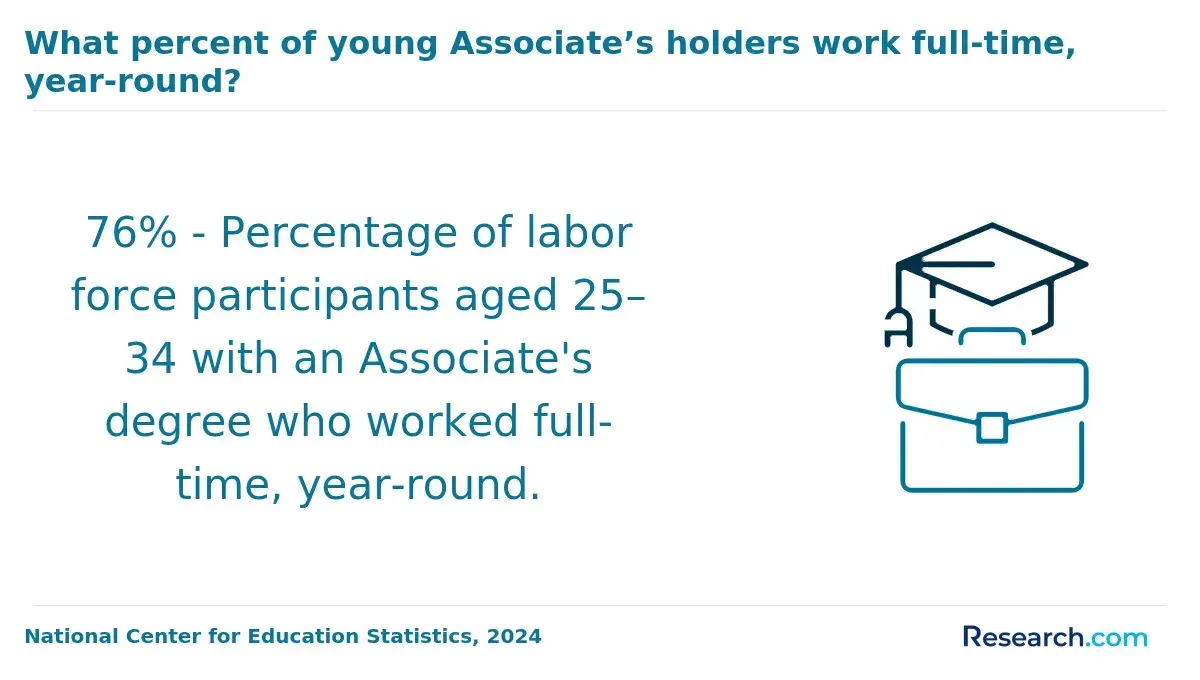
Many students who initially lack full admission qualifications can begin Physical Therapy coursework through community college partnerships that offer 2+2 articulation agreements. These allow students to complete two years of essential studies before transferring smoothly to bachelor's or graduate-level Physical Therapy programs. Such agreements specify which courses transfer directly, minimizing duplicate efforts and streamlining academic planning.
Dual-enrollment and pathway programs also enable students to start Physical Therapy-related classes early, often while completing prerequisites or boosting their GPA. Admissions committees at four-year Physical Therapy programs particularly value community college coursework demonstrating:
- Prerequisite Completion: Foundational courses in biology, chemistry, anatomy, and physics aligned with Physical Therapy essentials.
- GPA Rebuilding: Opportunities to enhance academic standing via targeted, relevant coursework after setbacks.
- Foundational Skill Development: Classes covering medical terminology, statistics, and communication, preparing students for advanced study.
Students should contact admissions offices or consult program websites to confirm if their target Physical Therapy program has formal articulation agreements with community colleges. When formal agreements are absent, close collaboration with academic advisors can help identify transferable courses and fulfill conditional admission requirements.
Evaluation of transfer applications including community college credits often exhibits greater flexibility compared to traditional freshman admissions-acknowledging diverse academic journeys and improvement efforts. Data from 2023 reveals that over 40% of Physical Therapy program entrants incorporated community college coursework in their applications, underscoring the increasing role of these pathways in expanding access.
When traditional metrics like GPA, test scores, or prerequisite courses fall short, personal statements and letters of recommendation become essential tools for applicants seeking conditional admission to physical therapy programs. These documents provide a platform to present a persuasive narrative that contextualizes academic challenges and highlights an applicant's readiness for graduate or undergraduate study despite incomplete credentials.
A compelling personal statement should include several key elements aimed at admissions committees. Start with a candid yet forward-looking explanation of any academic setbacks, emphasizing lessons learned and future goals. Then, clearly articulate how work, volunteer, or educational experiences have prepared you to handle the rigor of a physical therapy curriculum. Lastly, detail why the particular physical therapy program is the right fit for your career ambitions, demonstrating genuine motivation and familiarity with the institution's offerings.
- Candidness: Address past academic challenges honestly while focusing on growth and future potential.
- Preparation: Highlight relevant experiences that show resilience and dedication to succeeding in physical therapy studies.
- Fit: Explain how the program aligns with your professional goals and values.
- Recommenders: Select supervisors or professionals familiar with your intellectual abilities and accomplishments rather than general character references; their endorsements carry greater weight with admissions committees when credentials are incomplete.
Remember, the personal statement is the primary vehicle through which you control your own narrative, transforming perceived weaknesses into opportunities that underscore your commitment to succeed within conditional admission policies and institutional support systems.
Non-Credit Boot Camps: Often provided by universities or specialized educational providers, these intensive, short-term programs quickly prepare students lacking prerequisite coursework. They focus on foundational science and math skills needed for physical therapy admissions. Completion usually grants a certificate of attendance but no academic credit, so students still must complete credit-bearing prerequisites later. Boot camps are time-efficient, lasting from a few weeks to a few months, and generally cost less than full courses. However, they do not significantly shorten the timeline to full enrollment. This option suits those seeking foundational course options for physical therapy programs with flexible entry.
Post-Baccalaureate Preparatory Sequences: Mainly offered by four-year universities, these structured, credit-bearing sequences target candidates with a bachelor's degree missing physical therapy prerequisites. Completion appears on academic transcripts and may satisfy graduate program entry requirements directly. These sequences usually span one to two semesters and come at a higher cost compared to boot camps. While they extend the timeline before starting the full degree program, they formalize knowledge and increase admission competitiveness.
Certificate-Level Prerequisite Bundles: Community colleges and some universities offer bundled prerequisite courses within certificate programs aimed at non-traditional or career-changing students. These bundles grant formal credits and recognized credentials valued by admissions committees. Durations often match standard semesters, with variable costs depending on the institution. These packages streamline prerequisite completion and help strengthen academic records before entering physical therapy programs.
Self-Paced Online Remediation Modules: Available increasingly at community colleges and universities, these modules let students remediate prerequisite content on their own schedule. They usually require pairing with credit courses for formal admission purposes. Completion may be recognized with certificates of proficiency rather than transcript credit, depending on the institution. They offer maximum flexibility and lower costs but often extend the timeline before full enrollment, as students must demonstrate mastery before advancing. This approach is especially helpful for those seeking flexible foundational course options for physical therapy programs with flexible entry.
It is important to note that bridge programs are not always prominently advertised in main physical therapy materials. Prospective students-including high school graduates, community college transfers, adult learners re-entering education, and career changers-should proactively request detailed information about foundational enrollment options when contacting admissions offices to uncover all available pathways. Exploring these options is similar to how students might research a medical assistant course online when seeking flexible entry points in healthcare education.
Some physical therapy degree programs accept professional experience as a valid substitute for missing academic requirements-especially in holistic admission reviews, where applicants are evaluated on overall readiness and relevant background rather than grades alone. This flexible approach benefits those seeking early admission despite shortfalls in traditional criteria.
- Relevant Experience: Programs typically recognize work directly related to the physical therapy field, such as employment in rehabilitation centers, outpatient clinics, or assisting licensed physical therapists. This kind of work experience as substitute for academic requirements in physical therapy programs can significantly strengthen an application.
- Industry Certifications: Holding credentials like Certified Physical Therapy Aide demonstrates foundational knowledge and commitment to the profession.
- Leadership Roles: Supervisory or management positions within healthcare settings underscore critical skills like problem-solving and professionalism favored by admissions committees.
- Professional Contributions: Participation in workshops, presentations at conferences, or published articles indicates a deeper engagement beyond routine duties.
- Volunteer Work: Community service closely linked to physical therapy-for example, volunteering at senior centers or disability support organizations-adds valuable practical insight.
- Application Documentation: Applicants should prepare a professional resume focused on relevant achievements and clearly connect work experience to skills needed for physical therapy education. Detailed job descriptions and letters from supervisors familiar with clinical competence strengthen the case.
- References: Letters should come from professionals able to attest to hands-on abilities and work ethic-not just academic performance.
- Caution: Since policies differ widely, confirm with each program whether non-academic credentials are formally considered before investing significant effort in this strategy.
For career changers, adult learners re-entering higher education, and community college transfer students still completing prerequisites, understanding these professional background eligibility options is key to securing conditional admission. Many institutions provide bridge and foundational courses to support early enrollment, along with clear performance benchmarks required throughout the program's timeline.
Those interested in related fields might also explore credentials such as the fastest online master's in healthcare administration to complement or broaden their healthcare expertise.
Students conditionally admitted to physical therapy programs can access a range of financial aid options, though eligibility often requires meeting specific enrollment and academic standards. Federal aid generally remains available to those enrolled at least half-time, with continued access depending on maintaining satisfactory academic progress during provisional periods. Falling short on these requirements may result in loss of grants or loans through FAFSA.
- Federal Aid: Conditionally admitted students usually qualify if enrolled half-time or more and must meet progress benchmarks to keep funding.
- Institutional Scholarships: Many schools offer scholarships that consider factors beyond grades-such as leadership, work experience, or commitment to physical therapy-supporting students with nontraditional academic records.
- Private Scholarships: Various foundations and organizations provide aid aimed at adult learners, re-entry students, and those with academic interruptions, recognizing diverse educational paths.
- Specialized Programs: Scholarships exist for students balancing family, career shifts, or community college transfers requiring documentation or essays about academic challenges and goals.
- Advising: Before enrolling under conditional admission, consulting financial aid and academic advisors is crucial. Aid packages and enrollment status are closely linked, so planning helps avoid unexpected financial responsibilities and clarifies performance expectations during the provisional phase.
Online physical therapy programs, especially those affiliated with large public universities or for-profit schools aiming to broaden access, typically offer more lenient entry options than traditional campus-based programs. These online pathways often permit conditional admission, allowing applicants to begin coursework while completing prerequisite requirements. In contrast, campus programs usually demand full prerequisite completion before enrollment.
Many online programs consider professional experience or alternative credentials to waive certain prerequisites, providing career changers and nontraditional students expedited entry. Campus programs tend to enforce stricter prerequisite policies, emphasizing completed academic coursework over work history or credentials outside conventional education.
Online learners frequently gain access to bridge or foundational classes under provisional status, enabling steady progress despite gaps in academic preparation. Continuation in these programs depends on meeting specific performance criteria and timely completion of outstanding requirements to secure full admission status.
Despite differences in admission processes, reputable online physical therapy programs maintain regional accreditation on par with campus-based counterparts, ensuring degrees carry the same professional recognition and quality standards.
Conditionally admitted students should assess available resources critical to their success, including:
- Dedicated academic advising suited to online schedules and formats
- Access to tutoring and supplemental instruction tailored to remote learning
- Disability services adapted for virtual environments
- Mental health support addressing challenges unique to distance education
These supports can vary considerably across institutions and impact retention and academic achievement.
Admission flexibility reflects efforts to widen access rather than diminished academic standards. Prospective students should verify the program's current accreditation and review graduation rates to confirm educational legitimacy before selecting a program based solely on admission ease.
What Graduates Say About Physical Therapy Degree Programs You Can Start Without Meeting All Requirements
- Otis: "Starting a physical therapy degree without meeting all initial requirements felt daunting, but the program's clear academic obligations provided a roadmap to success. I appreciated the structured timeline expectations that kept me on track-even when juggling work and family responsibilities. The emphasis on maintaining strong performance benchmarks motivated me to push through challenges and ultimately thrive in the program."
- Ronan: "Looking back, I realize how valuable it was to enter the physical therapy program conditionally-this unique path taught me discipline and perseverance. The academic obligations weren't just hurdles but stepping stones, and the timeline expectations kept me accountable while offering flexibility. Understanding the performance benchmarks early on was crucial, as they ensured I stayed committed and grew steadily as a student."
- Brooks: "The physical therapy degree program welcomed me without all the prerequisites, which initially sparked enthusiasm and some nerves. What stood out most were the clearly outlined academic obligations and timeline expectations-these helped me balance personal commitments while progressing steadily. Meeting the performance benchmarks became a personal challenge that fueled my growth and confidence as a future therapist."
Other Things You Should Know About Physical Therapy Degrees
The Commission on Accreditation in Physical Therapy Education (CAPTE) is the primary accrediting body overseeing physical therapy degree programs in the United States. CAPTE sets rigorous standards for admission criteria but allows accredited programs some discretion in implementing conditional or flexible entry options. This means programs may admit students who have not met all prerequisites, so long as they demonstrate potential to complete requirements within a set timeline while maintaining academic performance.
Yes. Some programs offer conditional admission for one missing lab, usually with a deadline to finish it before the first clinical course begins. Common conditions include submitting an official transcript, earning a grade of C or better, and completing the lab within one semester.
Transfer students often start with an evaluation of prior credits to identify which prerequisites remain unmet. They may be admitted conditionally while completing these courses on campus or at partner institutions. Programs typically coordinate with transfer students to develop individualized academic plans that align remaining coursework with clinical training schedules.
- PTCAS: Application Process, Prerequisites, & List of Programs | USAHS https://www.usa.edu/blog/ptcas-application-process-prerequisites-list-of-programs/
- Physical Therapy, DPT https://catalog.pacificu.edu/preview_program.php
- A Guide for Applying to Doctor of Physical Therapy School // PTCAS Application, Observation Hours, Recommendation Letters, Interviews, and More! — Breanna Spain Blog http://www.breannaspainblog.com/blog-posts/2017/7/24/a-guide-for-applying-to-doctor-of-physical-therapy-school
- Application tips and work experience | The Chartered Society of Physiotherapy https://www.csp.org.uk/careers-jobs/become-physiotherapist/application-tips-work-experience
- 6 tips for writing a strong PT school personal statement - Cutting Edge PR https://cuttingedgepr.com/articles/6-tips-for-writing-a-strong-pt-school-personal-statement/
- Physical Therapy Scholarships https://teach.com/online-ed/healthcare-degrees/online-dpt-programs/scholarships/
- PRCC Physical Therapist Assistant Students Gain Real-World Skills Through Innovative Partnerships | Pearl River Community College https://prcc.edu/physical-therapist-assistant-students-gain-real-world-skills-through-innovative-partnerships/
- The Ultimate List of Physical Therapy Schools to Choose From https://www.masmedicalstaffing.com/blog/list-of-physical-therapy-schools/
- How Admissions Collaboration Can Enhance Physical Therapy Education https://apta.confex.com/apta/csm2026/meetingapp.cgi/Paper/48540
- How To Get Into a PT School: 6 Key Tips https://foothillsrehab.com/blog/how-to-get-into-physical-therapy-school/