2027 Work Experience Requirements for Physical Therapy Degree Programs

Co-Founder and Chief Data Scientist
Applying to physical therapy degree programs often hinges on meeting specific work experience requirements, but these thresholds vary widely-raising questions about what qualifies and how to document experience effectively. Some programs demand hundreds of hours of patient care, while others accept volunteer roles or part-time jobs, complicating the evaluation for applicants across undergraduate, master's, doctoral, and professional degree formats. In 2024, the median annual salary for licensed physical therapists in the U. S. reached $91,000, linking experience requirements directly to career outcomes and licensure success. This article clarifies how experience is assessed to guide applicants through these nuances confidently.
Key Things to Know About Work Experience Requirements for Physical Therapy Degree Programs
- Experience thresholds vary by program level-doctoral programs often require 500+ hours while master's and undergraduate formats expect fewer, reflecting distinct clinical exposure needs and accreditation standards.
- Admissions committees evaluate experience based on relevance, supervision quality, and setting-paid or unpaid roles in diverse clinical environments weigh differently across traditional and accelerated pathways.
- Documentation must include verifiable proof-signed logs or official letters-with international applicants required to translate and validate foreign work to meet U.S. institutional criteria effectively.
What Are the Work Experience Requirements for Physical Therapy Degree Programs at the Undergraduate Level?
Undergraduate physical therapy degree programs at community colleges and four-year institutions generally treat work experience as a supplementary factor rather than a mandatory admissions requirement. Unlike graduate programs-which often demand substantial clinical hours before entry-undergraduate programs focus on foundational knowledge, recommending but rarely requiring direct patient care experience. This approach reflects the distinct expectations set by different program levels and helps accommodate recent graduates and career changers alike.
Findings from accredited programs across the United States show several key approaches:
- Admission Requirements: Most undergraduate physical therapy programs do not require prior work experience for admission, though some encourage volunteer or healthcare-related exposure to strengthen applications and demonstrate commitment.
- Course Credit for Experience: Certain institutions award course credit or advanced standing through experiential learning options-such as internships or properly documented healthcare roles-allowing applicants to translate work experience into academic progress, useful for those needing to document clinical experience for physical therapy undergraduate admissions.
- Supplemental Role: Work experience is viewed as enhancing understanding of healthcare settings and patient interaction, but it does not replace formal clinical education necessitated by licensure requirements.
- Graduate vs. Undergraduate Expectations: Graduate physical therapy programs emphasize clinical internships and hands-on care experience as prerequisites, reflecting the higher threshold for practical competence before professional practice.
- Internship-Integrated Curricula: Students entering directly from high school are advised to select programs embedding internships or supervised clinical placements within the curriculum-this structured exposure builds critical skills in real-world environments over the course of traditional or accelerated timelines.
For those exploring accelerated pathways or related healthcare careers, options like a medical assistant program may also provide valuable clinical experience in condensed formats.
How Much Professional Experience Do Physical Therapy Graduate Programs Typically Require Before Admission?
Physical therapy graduate programs across the United States set varying professional experience expectations based on program type, academic rigor, and applicant demographics. These requirements play a crucial role in shaping admissions outcomes and classroom preparedness for candidates seeking physical therapy master's and doctoral programs.
- None Required: Some accredited programs do not require any paid work experience, focusing instead on academic records and volunteer or observational roles. These programs often attract recent graduates or career changers without extensive clinical backgrounds.
- Recommended Years: Many programs advise applicants to have two to three years of relevant professional experience. This recommendation helps ensure candidates possess practical knowledge of patient care, clinical settings, and multidisciplinary teamwork before graduate study.
- High Expectations: Competitive or elite programs sometimes expect five or more years of substantial professional experience. This benchmark reflects the desire to enroll individuals with well-developed clinical insight and maturity, enhancing their success in rigorous graduate environments.
- Applicant Profile: The typical physical therapy graduate applicant combines paid or unpaid patient care experience with academic credentials. Applicants range from recent undergraduates to mid-career professionals and international candidates translating foreign work experience to align with U.S. standards.
- Experience Types and Weight: Programs evaluate a mix of paid, unpaid, part-time, and international experience with nuanced consideration. Hands-on clinical exposure tends to carry more weight than administrative or purely observational roles.
- Minimums Versus Ceilings: Experience requirements represent minimum thresholds rather than maximum limits. Exceeding these often provides a competitive edge in admissions and enhances readiness for program demands.
Those navigating physical therapy graduate admissions alongside exploring advanced degrees might also consider masters in healthcare management as a complementary pathway.
What Types of Work Experience Are Considered Relevant for Admission Into Physical Therapy Programs?
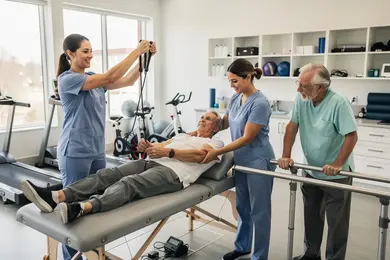
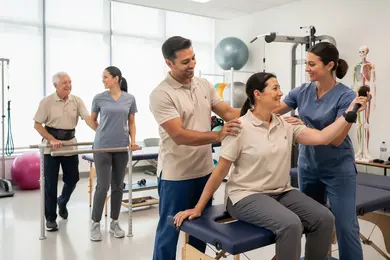
When physical therapy graduate programs request "relevant" work experience, the term often lacks clear explanation, leaving applicants uncertain about what qualifies. Admissions standards typically emphasize roles involving direct patient interaction-such as physical therapy aides, rehabilitation assistants, or certified nursing assistants-that expose candidates to hands-on care and therapeutic environments. Positions gained in hospitals, outpatient clinics, nursing homes, or rehab centers tend to be especially valued because they mirror core physical therapy practices and foster interdisciplinary collaboration.
- Clinical Exposure: Jobs with face-to-face patient duties showcase practical knowledge of rehabilitation processes, strengthening applications.
- Healthcare Settings: Experience within medical facilities is often prioritized for its alignment with physical therapy functions.
- Assistive Roles: Volunteer or paid support roles aiding licensed therapists by observing or assisting treatment also carry weight.
- Academic and Research Roles: Research work related to physical therapy methods or patient outcomes can enhance applications, particularly for evidence-focused programs.
- Non-Healthcare Roles: Positions without clinical ties generally hold less relevance unless they demonstrate transferable skills like communication or teamwork, which may require explicit contextualization.
- Specialized Concentrations: Applicants targeting pediatrics, sports, or neurological therapy should prioritize relevant specialized experience to meet program expectations.
- International Experience: Foreign work is judged on its equivalence to U.S. healthcare settings and usually demands detailed explanation and verification.
- Application Advice: Because interpretations vary, direct contact with admissions offices is recommended when experience borders on unconventional.
A professional who successfully graduated from the physical therapy degree shared that navigating work experience requirements was often confusing early on. He recalled, "I spent a lot of time trying to determine if my hours volunteering at a community health clinic counted toward what programs wanted. The lack of clear guidance made me hesitant, so reaching out to admissions was crucial-they clarified which tasks qualified as relevant." He added that tailoring application materials to spotlight patient interaction and therapy-related duties helped turn ambiguous experience into a strong asset. "It felt like a puzzle at first, but persistence made the difference."
Work experience evaluation in physical therapy master's programs in the United States often extends beyond conventional full-time employment to include part-time jobs, freelance consulting, unpaid internships, and volunteer roles. Admissions committees prioritize the substance of these experiences-focusing on the depth and relevance rather than the format or number of hours completed.
Key criteria used to assess non-traditional experience include:
- Demonstrated Responsibility: Evidence that applicants actively managed patient-related tasks, made decisions, or led initiatives consistent with physical therapy practice shows valuable real-world involvement.
- Sustained Duration: Admissions favor experiences that reveal long-term commitment over short-term or sporadic engagements, highlighting reliability and persistence.
- Field Relevance: Roles connected directly or indirectly to physical therapy-such as rehabilitation assistance or healthcare support-help confirm applicants' familiarity with clinical settings.
- Skill Development: Candidates should highlight hands-on competencies, clinical reasoning, and communication growth earned in these positions rather than merely listing duties or job titles.
- Letters of Recommendation: Strong endorsements from supervisors in these settings can significantly compensate for a lack of traditional full-time work, showcasing trustworthiness and aptitude.
Programs with accelerated or flexible curriculums often embrace varied work backgrounds more openly, recognizing the value of diverse life and career experiences. For applicants whose backgrounds consist mainly of part-time or volunteer physical therapy experience for master's admission, contextualizing their roles-emphasizing decision-making and contributions to patient care-is essential. This approach helps admissions understand the experience's significance beyond its structure.
International applicants transforming foreign records or mid-career professionals navigating competitive admissions will find these evaluation factors particularly important. Additionally, exploring related career insights-such as how much does medical coding pay-can provide broader context for healthcare-related work experience.
Work experience expectations vary significantly across physical therapy MBA and professional degree programs, largely influenced by program format and target students. Full-time daytime programs typically welcome recent graduates with limited or no professional background-emphasizing academic credentials and prerequisite courses instead. In contrast, part-time and evening master's programs often cater to mid-career professionals, requiring three to five years of relevant healthcare or management experience before admission.
Admissions committees assess both minimum and median experience levels when reviewing applications. While some doctoral programs may have no strict experience prerequisites, the median experience can provide insight into the competitiveness of a class-higher medians reflect stronger expectations overall. Many programs aggregate various types of work, including paid, unpaid, part-time, and international roles, to evaluate an applicant's suitability.
- Program Type: Evening and online formats typically expect more professional experience compared to daytime, recent-graduate tracks.
- Experience Assessment: Work is weighed by relevance to physical therapy or health management, not just total years.
- Documentation: Applicants must carefully verify work history; some schools require letters of recommendation highlighting professional duties.
- Median Experience: Focusing on the median, not just minimum, helps applicants gauge realistic admission chances.
- Career Changers and International Students: These candidates should clearly relate their diverse backgrounds and credentials to program expectations.
Reflecting on the work experience question, a professional who established her career after graduating from a physical therapy program shared, "I found that my varied roles, including unpaid internships and part-time clinical work, were valuable when tied to clear descriptions in my applications. The process of documenting everything thoroughly-even the less traditional experience-felt daunting but ultimately strengthened my candidacy. Admissions seemed to appreciate my proactive explanations about how my background fit the program's goals. Looking back, the initial uncertainty about meeting experience requirements turned into a strategic advantage once I understood what to emphasize."
Doctoral programs in physical therapy distinguish clearly between applied professional experience-practical work in clinical or healthcare settings-and academic research experience centered on scientific investigation. This distinction guides admissions evaluations and varies by program type. Professional doctorates, such as the DPT, generally prioritize hands-on industry experience, valuing direct patient care and team collaboration to enhance clinical training and decision-making skills. In contrast, research-oriented Ph.D. programs emphasize scholarly experience, favoring applicants with strong research backgrounds demonstrated through laboratory work, publications, and analytic proficiency.
Certain programs appreciate a hybrid of both experiences-clinical exposure can deepen dissertation relevance, while research skills support evidence-based practice advancement. Candidates typically provide documentation like professional portfolios highlighting clinical roles, detailed resumes, or research logs showcasing academic contributions. Tailoring application materials to the program's focus-clinical or research-is essential for success.
Applicants are encouraged to contact program directors to understand how experiential learning compares with GPA and standardized test results in admissions decisions. Notably, recent data from 2024 shows a 15% increase in doctoral programs incorporating experiential portfolios, reflecting growing recognition of practical experience in candidate assessment.
- Industry Experience: More valued in practice-driven doctoral tracks for its contribution to patient care and applied skills.
- Academic Research: Central to Ph.D. programs as evidence of scholarly potential and innovation.
- Documentation: Includes resumes, portfolios, and research records tailored to the program's emphasis.
- Narrative Strategy: Should align closely with the program's clinical or research orientation.
- Program Communication: Direct dialogue with admissions staff helps clarify evaluation priorities.
Several physical therapy programs-especially bachelor's completion and professional master's tracks-accept co-op placements or structured internships as substitutes for traditional work experience in meeting program prerequisites and graduation criteria. These experiences offer supervised clinical exposure aligned with educational goals.
- Co-Op Credit: More formalized than internships, co-ops combine academic coursework with extended, paid work terms. They undergo strict institutional oversight and typically earn credits directly applicable to degree requirements, reflecting both practical and academic achievements.
- Internship Credit: Generally shorter and less standardized, internships may be paid or unpaid and focus on observational or supportive roles. Many programs recognize structured internships as valuable but supplemental-often insufficient to fully replace documented employment.
- Documentation: Students must submit detailed verification-such as supervisor evaluations, official placement agreements, and reflective summaries-to confirm hours, responsibilities, and learning outcomes align with program standards.
- Admissions Perspectives: Competitive physical therapy programs often view internships positively during holistic application reviews, benefiting recent graduates and career changers with limited paid work. Prospective applicants should obtain written confirmation that internships or co-ops meet specific experiential prerequisites before enrollment.
Recent data indicates that over 60% of accredited physical therapy programs nationwide now accept structured internships or co-ops as valid components of prerequisite experience-highlighting a shift toward flexible, competency-based admissions pathways.
Online physical therapy programs-particularly those designed for adult and non-traditional learners-face distinctive challenges in verifying applicants' work experience during admissions. Without the ability to conduct in-person interviews or observe candidates directly, programs depend heavily on submitted documentation and external confirmations to verify the accuracy and relevance of claimed experience.
- Resume Submission: A detailed professional resume is required by most programs to outline job titles, duties, dates of employment, and relevant skills. This document typically serves as the primary source for initial candidate evaluation, helping admissions committees assess the depth and applicability of work experience.
- Employer Confirmation Letters: Many programs request letters from supervisors or employers to confirm the applicant's role, responsibilities, and professional competencies. These letters lend credibility and verify that experience was gained under appropriate supervision.
- Professional References: References from licensed physical therapists or healthcare professionals familiar with the applicant's work further strengthen the application by providing insight into practical skills and professional conduct.
- LinkedIn Profiles: Some programs review LinkedIn profiles to cross-check employment history and professional endorsements; however, as online profiles cannot be fully controlled by the applicant, they are treated as supplementary evidence rather than primary proof.
- Evaluation Challenges: The lack of face-to-face interaction requires programs to rely on consistent documentation and cross-verification of information. Inconsistencies or vague histories often trigger requests for additional proof.
- Admission Policy Variations: Policies differ among accredited physical therapy programs-some mandate verified work experience as a formal prerequisite, creating a gatekeeper function, while others view it as an optional enhancement to an applicant's academic qualifications.
- Safeguards: To uphold admissions integrity, programs use standardized verification forms, request originals or notarized copies of confirmation letters, and sometimes conduct background checks to minimize the risk of falsified claims.
- Applicant Advice: Prospective students should prepare a concise, detailed resume and secure at least one reliable employer reference to attest to their practical abilities. Early communication with admissions offices regarding specific verification protocols is recommended, especially for those navigating complexities like international work histories.
Understanding how work experience thresholds are set, evaluated, and documented across undergraduate, master's, doctoral, and professional degree formats is crucial, particularly for career changers and international applicants. Variations exist depending on program type, concentration, timeline structure, and whether experience was paid, unpaid, part-time, or internationally earned. These factors play a significant role in how accredited physical therapy programs evaluate online work experience and weigh it during admission reviews. For individuals seeking accelerated pathways in health-related fields, resources on related programs-such as an accelerated biology degree-may offer useful comparative insights.
Work experience plays a nuanced yet significant role in physical therapy program rankings and admissions competitiveness. Ranking bodies and accrediting organizations incorporate metrics such as average entering student experience, employer reputation scores, and alumni career outcomes when evaluating program quality. These factors interact to create feedback loops in which cohorts with stronger professional backgrounds enhance program standing-attracting even more competitive applicants in return. Programs with higher average work experience among entrants often enjoy superior employer reputation scores, signaling strong ties to clinical sites and healthcare employers.
Applicants should use program selectivity data-including average entering work experience-as a critical calibration tool. By aligning your own background with these benchmarks, you can build a balanced application list targeting programs where you are a competitive candidate. This strategy is vital for recent graduates, mid-career professionals, career changers, and international applicants navigating the complexities of work experience evaluation across undergraduate, master's, doctoral, and professional physical therapy degrees.
- Experience Thresholds: Programs differ in how they weigh paid, unpaid, part-time, and international work-most emphasizing demonstrable patient care or rehabilitation-related roles.
- Employer Reputation: Schools valued by clinical employers often require stronger practical experience, which then boosts rankings.
- Applicant Targeting: Those with extensive clinical or allied health experience tend to apply to higher-ranked programs, while accelerated and traditional tracks may value different experience types.
- Admissions Calibration: Average entering work experience helps prospective students realistically assess where they fit competitively.
- Holistic View: Rankings represent only one factor-program fit, costs, and specific career outcomes should be equally considered.
For those exploring pathways into healthcare, consider programs like online BSN programs for non nurses as another example of accelerated, practical options in the broader health sciences landscape.
- Experience Variance: Accelerated physical therapy programs-like 12-month master's or combined bachelor's-to-master's tracks-often adjust their experience demands. They may require less direct patient care from recent grads while expecting seasoned leadership or project oversight from mid-career entrants, balancing clinical exposure with broader skills.
- Cohort Composition: These fast-track paths usually feature less varied professional backgrounds, skewing younger or toward narrower work histories. This can limit the breadth of classroom insights and influence peer-to-peer learning dynamics.
- Curriculum Compression: Accelerated formats condense essential coursework, reducing chances to explore electives or specialties. Students must exhibit strong self-drive, especially if they enter with limited clinical experience.
- Career Resources: Some programs enhance career support to offset limited work backgrounds, yet mentorship and clinical networking opportunities may remain less developed compared to traditional routes.
- Peer Learning Challenges: Candidates with minimal work experience might find active engagement in case discussions and collaborative problem-solving more difficult versus classmates with richer histories, potentially impacting skill acquisition.
Preparation Recommendations: Prospective accelerated students lacking extensive experience should strengthen their profiles by participating in leadership roles, research efforts, or volunteer activities to complement academic records.
In 2024, 42% of enrollees in accelerated physical therapy programs reported under six months of direct patient care, illustrating a notable shift toward valuing diverse yet nontraditional experience backgrounds.
Specialized physical therapy degree tracks-such as clinical leadership, executive management, or policy development-consistently demand substantial prior work experience. These programs cater primarily to mid-career professionals who have accumulated extensive practical and administrative expertise. Accreditation standards and the broad scope of these specializations necessitate demonstrated competencies that far exceed what early-stage applicants typically possess.
Such concentrations focus on roles extending beyond entry-level clinical duties, involving strategic health system management, regulatory policy, and specialized care models. This design assumes students have developed both foundational clinical skills and high-level industry insight through years of professional practice.
Early-career applicants often struggle to meet these standards, creating a competitive barrier. In response, many institutions offer dual pathways: foundational tracks tailored for novice practitioners or recent graduates and advanced tracks for seasoned professionals. Prospective students should evaluate program descriptions and admissions criteria to determine which tier aligns with their experience and career goals.
Investigating the professional histories of current enrollees and alumni in targeted concentrations provides crucial insight into experience requirements and program focus-helping applicants realistically assess their chances and prepare stronger applications.
- Experience Thresholds: Advanced tracks typically require documented clinical, policy, or administrative experience spanning multiple years.
- Program Design: Dual-tier structures increase accessibility while preserving rigor for experienced candidates.
- Accreditation Drivers: Applied expertise safeguards quality and relevance in specialized physical therapy education.
- Career Stage Fit: Foundational concentrations accommodate early-career students prior to advanced specialization.
- Recent Trend: As of 2024, 62% of accredited physical therapy programs incorporate advanced tracks demanding five or more years of prior experience.
What Graduates Say About the Work Experience Requirements for Physical Therapy Degree Programs
- Otis: "During my journey through the physical therapy program, I was pleasantly surprised by how clearly the experience thresholds were set-each level of education, from undergraduate to doctoral, had specific hour requirements tailored to reflect varying complexities in patient care. It felt empowering to track my hours meticulously as the evaluation was thorough but fair, ensuring I met the standards without unnecessary stress. Documenting my hands-on experience through detailed logs really helped me appreciate the diversity in clinical settings offered across accredited institutions."
- Ronan: "Reflecting on my experience, I noticed that the way work experience is assessed varies widely depending on the degree format-master's and professional programs demand a more hands-on approach, whereas undergraduate ones focus on foundational exposure. This nuanced evaluation system ensures that students are not only accumulating hours but are also gaining meaningful insights into real-world physical therapy challenges. At times, it felt like a balancing act between meeting documentation requirements and genuinely engaging with the work, but ultimately it prepared me well for professional practice."
- Brooks: "From a professional standpoint, the experience requirements across U.S. accredited physical therapy programs are impressively structured-each degree level explicitly outlines expectations that shape how students approach their clinical rotations and internships. What stood out to me was how the documentation process-whether through digital platforms or traditional logs-served as a critical tool for both self-assessment and faculty evaluation. This systematic approach really underscored the importance of comprehensive clinical experience in developing a well-rounded practitioner."
Other Things You Should Know About Physical Therapy Degrees
Applicants lacking formal physical therapy experience can enhance their applications by pursuing volunteer roles or internships in clinical, rehabilitation, or healthcare settings. Shadowing licensed physical therapists provides valuable insights and demonstrates commitment to the profession. Additionally, highlighting transferable skills from related fields such as fitness training, caregiving, or patient advocacy can strengthen the overall candidacy.
Most physical therapy programs require official documentation such as signed verification forms from supervisors or licensed physical therapists confirming hours completed. Detailed logs with dates, hours, and descriptions of duties performed are typically necessary. Some schools may also ask for letters of recommendation or employer statements to support the authenticity of the experience.
Yes. Many programs require applicants to report paid patient-care hours and volunteer observation hours separately, often on the program application or through PTCAS. Schools may set minimum totals, such as 40 to 200 hours, and may prefer direct experience in rehabilitation, outpatient, or acute-care settings.
- 6 Secrets to Success for Aspiring DPT Students | Rizing Tide https://rizing-tide.com/secrets-to-success-for-aspiring-dpt-students/
- The Pros and Cons of an Accelerated Hybrid Physical Therapy Program https://www.coremedicalgroup.com/blog/pros-cons-accelerated-hybrid-physical-therapy-program
- How to Become a Physical Therapist in 6 Steps | USAHS https://www.usa.edu/blog/how-to-become-a-physical-therapist/
- How Long to Become a PT: Timeline & Requirements - Liv Hospital https://int.livhospital.com/how-long-become-a-pt-timeline-requirements/
- Is an Accelerated Physical Therapy Program Right for You? Weighing the Advantages and Drawbacks https://www.sprypt.com/blog/accelerated-physical-therapy-program
- Application Requirements https://www.ualberta.ca/en/physical-therapy/programs/msc-in-physical-therapy/admissions/application-requirements/index.html
- Physical Therapist - Explore Healthcare Careers - Mayo Clinic College of Medicine & Science https://college.mayo.edu/academics/explore-health-care-careers/careers-a-z/physical-therapist/
- The Role of Clinical Experiences in Physical Therapy Education https://www.mghihp.edu/news-and-more/opinions/physical-therapy-insights/role-clinical-experiences-physical-therapy-education
- Education requirements for physical therapists https://comphealth.com/resources/education-requirements-for-physical-therapists
- Internship Program - Elliott Physical Therapy https://elliottphysicaltherapy.com/join-our-team/internship-program/