2027 Does a Physical Therapy Program Require In-Person Clinical Training?

Co-Founder and Chief Data Scientist
Determining whether a physical therapy program requires in-person clinical training can challenge prospective students balancing work, family, and geographic constraints. Accreditation mandates often require completion of specific clock hours at approved clinical sites to maintain program eligibility and ensure graduates qualify for licensure. For example, 92% of licensed physical therapists report that clinical training significantly influenced their career readiness and initial salary potential. Navigating clinical placement logistics-such as site selection, background checks, and hour documentation-poses additional hurdles.
This article explores these requirements in detail, offering clear guidance on accreditation standards, program policies, and the critical role of clinical training in preparing students for certification and licensure success.
Key Things to Know About the Physical Therapy Programs That Require In-Person Clinical Training
- Accreditation mandates require a minimum number of in-person clinical hours-usually 1,000 to 1,200-to ensure rigorous hands-on experience aligned with professional standards.
- Placement logistics often demand students secure clinical sites near their residence, creating challenges due to limited affiliations and background check requirements.
- Completing required clock hours on-site directly affects eligibility for post-graduation licensure-delays or shortfalls can postpone certification and entry into professional practice.
What Is In-Person Clinical Training in the Context of a Physical Therapy Program, and Why Does It Matter for Prospective Students?
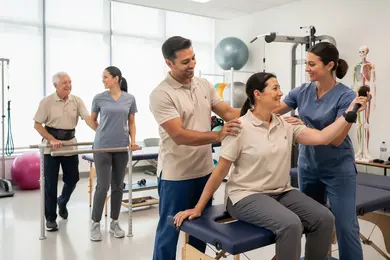
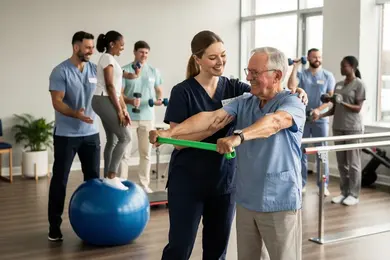
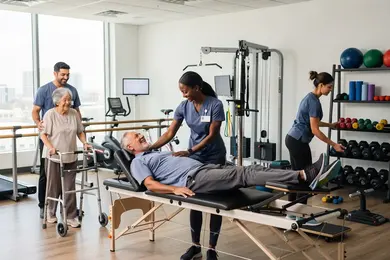
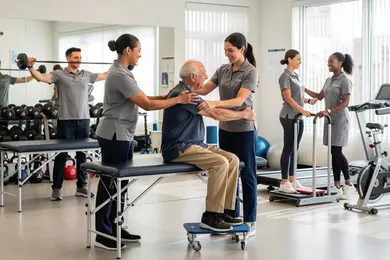
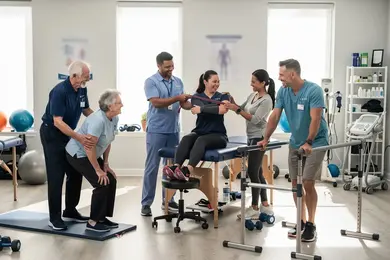
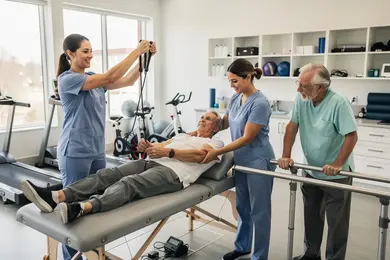
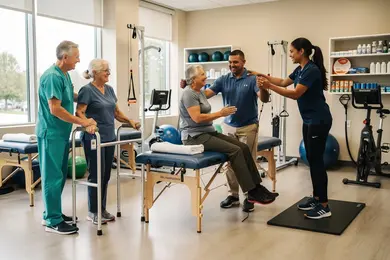
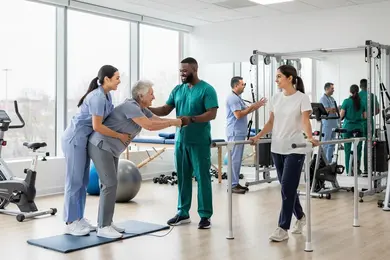
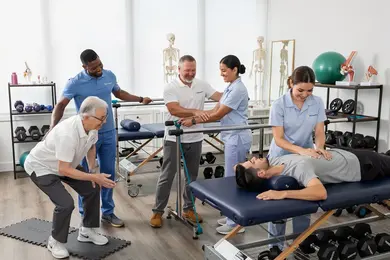
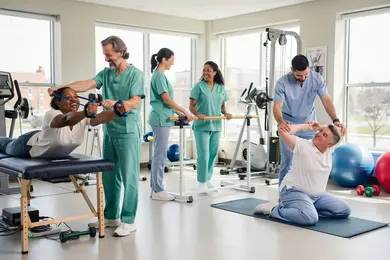
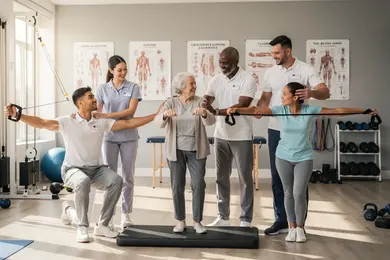
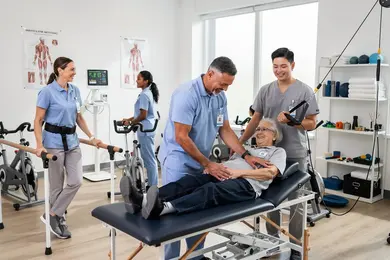
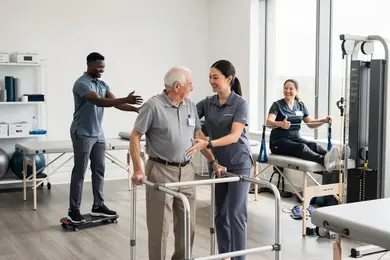
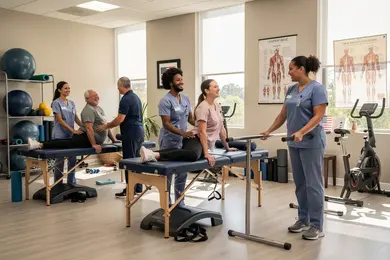
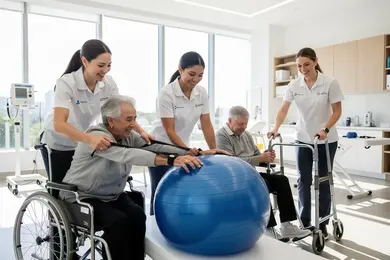
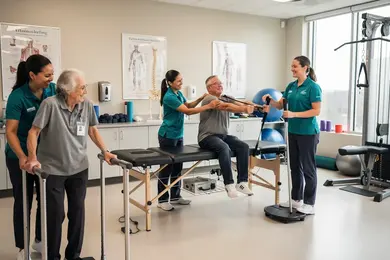
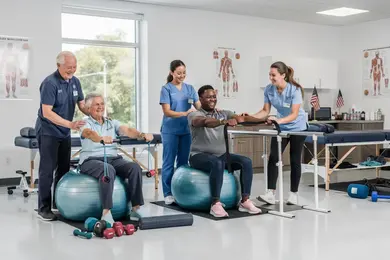
In-person clinical training in physical therapy programs consists of supervised, direct-practice hours completed at approved clinical, community, or institutional sites-distinct from classroom learning, simulation labs, or virtual practicums. This distinction matters to prospective students because clinical hours involve hands-on patient care overseen by licensed physical therapists, enabling practical skill development in assessment, treatment, and professional communication. Accreditation bodies such as the Commission on Accreditation in Physical Therapy Education (CAPTE) and professional practice standards define this training as a mandatory component-not just a program preference-integral to graduation and licensure.
The requirement carries significant implications for prospective students navigating physical therapy program enrollment. These clinical hours constrain scheduling flexibility, require geographic proximity to approved training sites, and often cannot be waived or replaced by remote alternatives. This high-stakes component is directly tied to eligibility for post-graduation licensing exams in most states, making it crucial to weigh alongside tuition, faculty quality, and curriculum rigor when choosing a program that aligns with individual circumstances.
Before enrolling, students should carefully evaluate clinical training requirements including:
- Hours Required: Total supervised clinical practice hours mandated by CAPTE and state licensing bodies to meet educational and legal standards.
- Virtual Alternatives: The limited availability of remote or simulated clinical experiences in physical therapy programs, which rarely substitute for in-person hours.
- Placement Arrangements: Whether programs assist with securing placements or expect students to independently find approved sites.
- Accreditation Impact: How accreditation standards shape clinical training structures, influencing program quality and graduate eligibility for licensure.
- Student Circumstances: Considerations for working adults, those with family responsibilities, or geographically constrained students balancing clinical hour requirements.
For students exploring various options, understanding these facets is as essential as reviewing the cheapest online pharmacy school pathways or other flexible programs-yet the in-person clinical training remains a non-negotiable element for physical therapy licensure and competent professional practice.
Is In-Person Clinical Training Legally or Professionally Required to Earn a Physical Therapy Degree?
The Commission on Accreditation in Physical Therapy Education (CAPTE) mandates substantial in-person clinical training to maintain program approval and ensure the comprehensive hands-on experience essential for competent practice. This in-person clinical training requirement is not only a professional standard but also a legal necessity embedded in multiple layers of regulation governing physical therapy education in the US. From a legal standpoint, state physical therapy licensing boards require documented clinical hours-typically completed in person under direct supervision-to determine graduate eligibility for licensure, which is necessary to practice professionally.
Programs may impose additional clinical hour requirements beyond these baseline mandates. Failure to comply with CAPTE or state board clinical training requirements risks loss of program accreditation, which makes graduates ineligible for licensure in most states. This makes in-person clinical training an effectively non-negotiable component, regardless of individual circumstances related to work, family, or geography.
Students considering options such as virtual or reduced-contact clinical experiences must verify that their clinical hours meet the specific quantitative and qualitative criteria of their targeted licensing board. Since these accreditation-level and licensing-level requirements sometimes diverge, gaps can jeopardize future licensure and national certification eligibility-underscoring the importance of checking each program's clinical infrastructure carefully before enrollment.
Prospective students and current trainees should consult three key documents to fully understand in-person clinical training requirements: the CAPTE published standards, their state physical therapy licensing board regulations, and the specific program's student handbook. Together, these sources define the regulatory framework shaping the clinical training lifecycle-from site selection and background check compliance to hour documentation and licensure outcomes.
- Accreditation Requirements: CAPTE mandates in-person clinical training to uphold program quality and approval.
- Licensing Board Requirements: State boards require documented clinical hours, generally in person, for licensure eligibility.
- Program-Specific Standards: Some programs demand additional clinical experience beyond minimums.
- Consequences of Non-Compliance: Loss of accreditation leads to ineligibility for licensure.
- Student Verification: Confirm alignment of clinical training hours with both CAPTE standards and your state's board regulations.
- Primary Reference Sources: CAPTE standards, state licensing board rules, and the program's student handbook together define the clinical training framework.
For those managing complex life situations while pursuing clinical training, exploring related healthcare education paths-such as online nursing degrees-may offer alternative flexible options worth considering.
How Many Hours of In-Person Clinical Training Does a Typical Physical Therapy Program Require?
Accrediting bodies mandate at least 300 to 400 supervised clinical hours in physical therapy programs to establish foundational skills, but this represents the absolute minimum. Data from the National Association of Colleges and Employers (NACE) shows most programs require between 600 and 800 hours overall, split into separate phases. The practicum phase typically involves 150 to 300 hours spent mainly on observation and some limited patient interaction. The internship or residency phase follows with 400 to 600 hours focused on more intensive, direct patient care and growing clinical independence.
- Minimum Requirements: Around 300-400 hours as set by accreditation standards, ensuring programs meet essential compliance.
- Median Program Demand: Usually 600-800 clinical hours combining early supervised practice and advanced hands-on experience.
- Intensive Models: Programs exceeding 1,000 hours aim to boost clinical competency but require significant weekly time commitments, often 15-20 hours on-site per week over two semesters.
- Weekly Time Impact: A 600-hour requirement spread over two academic terms translates into a substantial weekly clinical schedule alongside coursework and documentation demands.
- Program Choice Considerations: Programs at the accreditation minimum may offer more flexible scheduling but less clinical exposure, while higher-hour programs foster stronger practical skills and potentially better licensure exam outcomes at the cost of greater time investment.
A professional who completed a physical therapy degree reflected on his experience: "Balancing the clinical hours with work and family responsibilities was tough-I had to plan carefully and communicate frequently with supervisors to manage the 15-20 hours a week onsite. The practicum was manageable, mostly observing and learning, but the internship felt intense as I gained more responsibility. Keeping thorough records of hours and staying on top of background check requirements added extra pressure. Still, that exposure was invaluable-I felt more prepared for licensure and confident stepping into my career."
State licensing boards and accreditation bodies maintain strict requirements that most physical therapy clinical training must be completed in person-especially core tasks like direct patient assessment, hands-on physical interventions, and crisis management. These critical skills depend on real-time interaction and manual techniques, making virtual substitutes insufficient for satisfying the majority of required clinical hours. During the COVID-19 pandemic, temporary waivers allowed some hours via telehealth or simulation-based training, but many were revoked by 2022, returning to predominantly in-person mandates.
Some components-such as clinical supervision, case consultation, and documentation-may be completed virtually, but these primarily supplement rather than replace hands-on patient care. There remains a clear distinction between simulation labs-controlled campus environments using mannequins or virtual platforms-and authentic clinical placements involving real patients in community or institutional settings. Simulation hours may count toward clinical requirements only if the specific accrediting organization and program policy allow it.
- Accreditation Standards: Simulation is valued as a learning tool but is rarely accepted as a full substitute for fieldwork with real patients.
- Licensing Guidelines: Most states require the bulk of clinical hours to be fulfilled in person, permitting telehealth training only within tight limits.
- Program Clarity: Prospective students should verify what percentage of clinical hours can be completed online or via telehealth under current policies, since allowances continue to evolve.
Balancing work, family, and geographic constraints requires clear insight into virtual training options, especially for those assessing physical therapy clinical training online options. For broader context on healthcare career futures, see is medical coding a dying career.
Clinical placements in physical therapy programs follow two primary models-school-arranged and student-arranged-and this distinction shapes students' preparation, flexibility, and placement success. School-arranged placements rely on the program's formal agreements with approved clinical sites, allowing the school to assign students while ensuring supervisors meet credential and hour requirements. This approach often reduces student stress and fosters predictable outcomes.
In contrast, student-arranged placements place the responsibility on students to secure sites, starting months ahead. They must confirm supervisors' credentials, ensure supervisors can provide required supervision hours, and obtain program approval before logging clinical time. This demanding process depends heavily on a student's professional network and local clinical market, often causing stress and logistical challenges.
- Affiliation Agreements: Does the program have formal clinical site agreements within the student's geographic area?
- Local Placement Rates: What share of students complete placements locally, minimizing travel or relocation?
- Support Services: What help exists if students face difficulty securing placements?
- Coverage of Underserved Areas: Are rural or less-populated regions well represented in the clinical network?
Programs lacking strong clinical placement infrastructure-especially those requiring students to self-arrange-pose higher risks for delays or failure to complete placements. This burden disproportionately impacts students in rural or small-market regions and must be carefully weighed during program selection as a key indicator of educational quality.
When asked who is responsible for arranging clinical placements, a graduate shared her perspective: "I was in a program where we had to find most of our own sites, which meant starting the search very early-sometimes six months out. It wasn't just about contacting clinics; I had to verify that potential supervisors had the right credentials and were willing to commit to the required hours. There were times I felt overwhelmed, especially when local opportunities were scarce. I relied heavily on advice from faculty and peers, and occasional support from the school made a difference. Looking back, that experience taught me valuable skills in persistence and professional communication-though I always wished the program had a more structured placement network to reduce uncertainty." Her story highlights how student-arranged placements demand significant initiative but can also build resilience and real-world problem-solving abilities.
Accreditation standards established by specialized bodies-such as the Commission on Accreditation in Physical Therapy Education (CAPTE)-set clear, enforceable requirements for in-person clinical training in physical therapy programs. Unlike regional accreditation, which certifies entire institutions, programmatic accreditation directly governs clinical experiences and licensure eligibility.
Key requirements include:
- Minimum Clock Hours: Programs mandate a substantial number of supervised clinical hours, generally exceeding 1,000, to ensure adequate patient care experience.
- Supervisor Credentials: Clinical instructors must hold active physical therapy licensure and possess demonstrated expertise in clinical teaching to provide effective guidance.
- Supervision Ratios: Strict limits on student-to-supervisor ratios-commonly one-on-one during patient care-guarantee individualized oversight.
- Clinical Settings and Populations: Students must rotate through various environments such as hospitals, outpatient clinics, and rehabilitation centers, working with diverse patient groups to build comprehensive skills.
Noncompliance with these standards risks program accreditation loss, which directly threatens graduates' eligibility for national certification exams and state licensure-underscoring that accreditation compliance is fundamental, not merely procedural.
Students should verify a program's accreditation through the accrediting body's public directories and examine the latest self-study or site visit reports to confirm clinical training compliance. It is also essential to confirm that the intended state licensing board recognizes the program's accreditation to ensure future licensure.
Evaluating these factors enables prospective and current students to realistically assess clinical placement logistics-including geographic constraints and scheduling-helping them prepare for both educational demands and professional qualifications.
Clinical training hours for physical therapy programs must take place in settings that comply with accreditation standards and professional association guidelines to ensure quality and consistency of student learning experiences. Approved clinical sites provide hands-on exposure across diverse patient populations and care environments, essential for developing competent practitioners.
- Healthcare Systems: Hospitals, outpatient clinics, and rehabilitation centers are foundational clinical environments widely accepted for fulfilling physical therapy clinical hours because of their large and varied patient caseloads and structured supervision.
- Community Mental Health Centers: These centers may be recognized to support patients with behavioral health needs, highlighting integrated care approaches within physical therapy practice.
- Schools: Public and private educational institutions serve as clinical settings where therapists focus on pediatric and adolescent developmental or orthopedic conditions.
- Private Practices: Individual or group clinics offering specialized physical therapy provide tailored training possibilities with close professional oversight.
- Government Agencies and Hospitals: Veterans' hospitals, military medical centers, and public health clinics offer clinical opportunities within federally managed healthcare systems.
- Nonprofit Organizations: When meeting supervision and documentation standards, nonprofits delivering community rehabilitation or wellness services qualify as appropriate clinical sites.
- Other Settings: Industrial environments, sports teams, home health services, and long-term care facilities may also be eligible depending on state and program policies.
Qualified clinical sites must ensure supervision by licensed physical therapists or equivalently credentialed professionals authorized to oversee student training. This requirement influences site availability and the ability to meet mandated contact hours and documentation protocols. Settings with limited supervision options may restrict viable placement choices.
The diversity of accepted clinical settings matters significantly-programs permitting a broad range of site types enable students to find placements closer to home or work, especially critical for those in rural or underserved locations. Conversely, restrictive policies that limit settings to few institution types or specific patient populations can complicate scheduling and reduce accessibility.
Students should prioritize clinical settings aligned with their specialization goals-such as pediatric, orthopedic, or neurological physical therapy-while considering realistic placement availability in their geographic area. Reviewing a program's approved clinical site list, checking recent graduate placement outcomes, and consulting clinical coordinators provide valuable insights into practical placement options to effectively complete clinical hours.
Full-time working students enrolled in physical therapy programs face considerable scheduling challenges when completing in-person clinical training. Most approved clinical sites operate during standard weekday business hours, conflicting directly with the schedules of students employed full-time. According to the NACE First-Destination Survey and research on adult learner completion rates, employer leave policies rarely accommodate the sustained weekly hours clinical training demands. Many students only realize the practical conflict during placement coordination-after underestimating the impact of daytime clinical hours on their work commitments.
Practitioner accounts and program-level research highlight a divide between programs designed for traditional students and those accommodating working adults. Strategies that help full-time employed students manage clinical hour requirements without risking delays in graduation or licensure include:
- Scheduling Conflicts: Most clinical sites require weekday attendance, limiting options for students who can only attend evenings or weekends; employers typically offer insufficient leave for ongoing clinical hours.
- Program Accommodations: Extended timelines that distribute clinical hours over additional semesters to reduce weekly burden.
- Alternative Placement Options: Partnerships with evening or weekend clinical sites and employer-coordinated placements within students' workplaces.
- Leave Policies: Formal leave-of-absence options allowing coursework pause during intensive clinical phases.
- Key Questions for Prospective Students: What percentage of students in the program work full-time during clinical rounds? Does the program provide scheduling accommodations? Are evening or weekend placements accessible locally? Is timeline extension available to balance work and clinical hours?
Addressing these questions before enrollment enables students to balance work-study obligations effectively, especially given the demanding nature of in-person clinical training in American physical therapy educational settings. For those juggling employment and licensure preparation, programs that recognize these realities provide crucial flexibility. Considering options like the online doctor of pharmacy program can offer insights into alternative pathways for working professionals seeking healthcare degrees with adaptable clinical training schedules.
Hybrid and online physical therapy programs do not eliminate the requirement for in-person clinical training. Accreditation bodies such as the Commission on Accreditation in Physical Therapy Education (CAPTE) and state licensing boards mandate that all programs-regardless of delivery format-include supervised, hands-on clinical experiences. This is because essential clinical competencies require direct patient interaction and real-world practice settings that cannot be accurately simulated through online coursework or virtual environments. The online component primarily serves to deliver didactic instruction remotely while maintaining the integrity of clinical training as an in-person, supervised activity. This is a key factor in meeting online physical therapy clinical training state regulations.
Most hybrid or online physical therapy programs use a distributed clinical model to meet these requirements, where students complete their academic studies remotely but are responsible for fulfilling clinical hours at approved local sites. Key factors to consider about this model include:
- Local Clinical Sites: Students must secure placements at geographically convenient, approved healthcare facilities where licensed physical therapists oversee their practicum.
- Supervision Quality: The supervising professionals must hold appropriate credentials and be vetted by the program to ensure consistent training quality across varied locations.
- Program Support: Robust clinical coordination offices assist students in identifying and securing appropriate sites, managing compliance with institutional and regulatory requirements, and tracking clinical hour documentation.
- Geographic Flexibility vs. Variability: While this model offers flexibility for students in diverse locations, it also poses risks related to variability in site resources and supervisor expertise within different regions.
Prospective students considering hybrid physical therapy programs in-person clinical requirements should thoroughly assess an online program's clinical infrastructure before enrolling by asking about formal clinical partnerships in their geographical area, the rigor of site and supervisor vetting processes, and documented clinical placement success rates outside metropolitan hubs where the institution is based. Understanding these factors helps ensure clinical training requirements will be met effectively-crucial for timely graduation and eligibility for licensure and certification.
For students balancing professional or family commitments, the distributed clinical training model allows completion of didactic courses remotely, but students need to arrange clinical placements locally, ensuring compliance with state boards' mandates. Exploring program support services for placement coordination and compliance tracking can prevent challenges related to background checks, hour documentation, and clinical site approvals.
Those interested in allied healthcare fields might also consider pathways like an online bachelor's degree in nutrition as complementary education options supporting physical therapy careers and holistic patient care.
Students pursuing physical therapy clinical placements typically need to initiate the site selection process at least six months before their scheduled clinical semester-though this timeline varies by program and location. This advanced planning ensures ample time for several overlapping tasks that must be completed prior to logging clinical hours.
- Site Identification: Selecting appropriate clinical sites aligned with the student's area of focus and geographical preferences is critical.
- Application Submission: Early submission is necessary to secure limited student positions at preferred sites.
- Interviews: Many clinical sites require formal interviews with candidates as part of the screening process.
- Supervisor Agreements: Written confirmations from site supervisors must be secured to formalize the placement.
- Background Checks and Health Clearances: These screenings often extend beyond anticipated durations, causing potential delays.
- Professional Liability Insurance: Verification of coverage is mandatory before clinical work begins.
- Program Approval: The physical therapy program must review and approve placements after receiving all documentation.
Starting late often results in filled slots at favored clinical sites, administrative delays, or prolonged clearance processes-leading to deferred clinical semesters, extended program timelines, and extra tuition fees. Students benefit by establishing a backward-planning schedule from their clinical start date, accounting for each preparation milestone with realistic time buffers. This proactive approach helps navigate placement complexities efficiently, minimizing interruptions to students' academic progress and licensure preparation.
Background Checks: These are essential for protecting vulnerable clinical populations by identifying criminal histories or other red flags. Since processing can take two to eight weeks, students should submit these early to avoid delays.
Health Clearance and Immunizations: Compliance with infection control policies at healthcare sites requires documented immunizations-often including flu shots-and TB screening. Retrieving medical records and completing any missed vaccines may extend preparation time.
Professional Liability Insurance: Required to safeguard both students and clinical facilities from liability tied to student errors, this coverage must be obtained through carriers offering student-eligible plans.
HIPAA Training: Mandatory before access to patient records, this training ensures students understand privacy laws and responsibilities around protected health information.
Site-Specific Requirements: Additional conditions can vary by clinical placement type and may surpass program minimums-for example, hospital sites often require drug testing, N95 respirator fit testing, and flu vaccinations, while school-based settings may mandate fingerprinting and child abuse clearances. Students must directly consult their clinical sites for comprehensive, up-to-date requirement lists and deadlines.
Meeting these obligations involves both time and financial planning. Background checks, insurance purchases, immunization verification, and potential site-specific clearances all require advance scheduling and budgeting. Initiating this pre-clinical checklist at application or early semesters ensures timely compliance, smooth clinical placements, and fulfillment of accreditation and licensing standards critical to successful clinical training.
What Graduates Say About the Physical Therapy Programs That Require In-Person Clinical Training
- Dwayne: "The requirement to complete specific clock hours in clinical training was a tough but rewarding aspect of the program-knowing that these mandated hours aligned perfectly with accreditation standards gave me extra confidence in my education's validity. Balancing these hours alongside coursework was challenging but ultimately prepared me extremely well for the realities of working in physical therapy. This hands-on experience was definitely a decisive factor in feeling ready for professional practice right after graduation."
- Jeffrey: "Reflecting on my journey, the geographic constraints of clinical placements really shaped my experience-finding suitable sites close to home wasn't always easy, which made me appreciate the program's support in navigating those logistics. The impact of clinical training on licensure eligibility stood out to me, as completing the required in-person hours directly affected my certification timeline. It's clear that meeting accreditation mandates isn't just academic bureaucracy but a crucial part of ensuring competent, licensed practitioners."
- Milan: "The placement logistics involved in the clinical training demanded a lot of careful planning and communication, which I initially underestimated. However, this process revealed the importance of organization and professionalism in physical therapy careers beyond just clinical knowledge. Because the program adheres strictly to accreditation mandates, my clinical hours were fully recognized-meaning my post-graduation certification went through without any issues, something I highly value in a professional education."
Other Things You Should Know About Physical Therapy Degrees
In 2027, geographic location can significantly impact the availability and quality of physical therapy clinical training sites due to local healthcare facility density and regional healthcare partnerships. Urban areas may offer more diverse and numerous opportunities, whereas rural locations might provide fewer options but closer, community-based experiences.
CAPTE-accredited physical therapy programs must include supervised in-person clinical education, with students completing full-time clinical experiences before graduation. Accreditation standards require direct patient care under licensed supervision, and programs must document sufficient hours and competencies for eligibility to sit for the NPTE licensing exam.
In-person clinical training is essential for meeting the eligibility criteria for national licensure exams and certification in physical therapy. Accreditation bodies mandate a minimum number of supervised clinical hours to ensure competence and readiness for independent practice. Failure to complete these required hours typically results in ineligibility to sit for the licensure exam, effectively blocking the path to professional practice. Therefore, students must successfully fulfill all clinical training requirements to graduate and achieve licensure.
Prospective students should thoroughly assess a program's clinical training infrastructure by examining the number, variety, and geographic distribution of affiliated clinical sites. It is important to confirm that the program has established agreements with accredited clinical facilities offering diverse patient populations and treatment modalities. Additionally, candidates should inquire about student support services related to clinical placements-such as assistance with site selection, background checks, and hour documentation-to understand how the program facilitates smooth clinical experiences. Checking graduation rates tied to clinical completion and post-graduation licensure success can also provide insight into the program's effectiveness in managing clinical training.
- Collaborative Clinical Education in Acute Care - Academy of Acute Care Physical Therapy https://www.aptaacutecare.org/page/CEdge1114clinicaled
- iprospectcheck.com: Verifying that you are not a robot... https://iprospectcheck.com/physical-therapist-background-check/
- The Most Important Types of Physical Therapy Settings https://www.alliedtravelcareers.com/blog/types-of-physical-therapy-settings/
- CAPTE revised standards https://acapt.org/resources/capte-guidance/capte-revised-standards
- Clinical Training Recommendations for Physical Therapy Practitioners https://www.capc.org/clinical-training-recommendations-for-all-clinicians-caring-for-patients-with-serious-illness/clinical-training-recommendations-for-physical-therapy-practitioners-caring-for-patients-with-serious-illness/
- WHAT - Translation from English into Polish https://en.pons.com/translate/english-polish/what
- How To Get Into Physical Therapy School: 10 Key Steps | USAHS https://www.usa.edu/blog/how-to-get-into-physical-therapy-school/
- Online vs. In-person PT continuing ED course , What to Choose? https://learntastic.com/blog/online-vs-in-person-physical-therapy-continuing-education-courses
- Finding the Right Match: Clinical Education in PT Programs https://eimpartnerships.com/articles/finding-the-right-match-clinical-education-in-pt-programs
- The Role of Clinical Experiences in Physical Therapy Education https://www.mghihp.edu/news-and-more/opinions/physical-therapy-insights/role-clinical-experiences-physical-therapy-education