2027 Industries Hiring Graduates With a Physical Therapy Degree

Co-Founder and Chief Data Scientist
Where can physical therapy degree holders find meaningful employment beyond traditional clinics? With the healthcare landscape evolving rapidly, graduates face a variety of career opportunities across diverse industries. Recent data shows the Bureau of Labor Statistics projects a 21% growth in physical therapy-related jobs through 2032, reflecting strong demand in both conventional and emerging sectors.
From rehabilitation centers to sports organizations and ergonomic consulting firms, jobs for physical therapy degree holders span more than healthcare alone. This article explores the industries hiring physical therapy graduates, helping readers identify viable career paths and understand where graduates typically work in today's job market.
Key Benefits of Industries Hiring Graduates With a Physical Therapy Degree
- Industries hiring graduates with a physical therapy degree offer diverse career paths, increasing employment flexibility across settings like hospitals, sports, and wellness centers.
- Rising demand for physical therapy professionals supports long-term career stability, with employment expected to grow 18% through 2030, according to the BLS.
- Cross-industry experience helps graduates develop transferable skills, enhancing professional versatility and broadening opportunities for advancement and specialization.
What Industries Have the Highest Demand for Physical Therapy Majors?
Demand for physical therapy majors fluctuates across industries, with several sectors showing particularly strong hiring activity. The U.S. Bureau of Labor Statistics reports that employment of physical therapists is projected to grow 21% over ten years, highlighting the increasing workforce needs.
Various industries have emerged as top sectors hiring entry-level physical therapy professionals, each applying specialized knowledge in distinct ways.
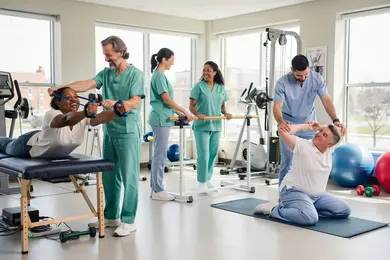
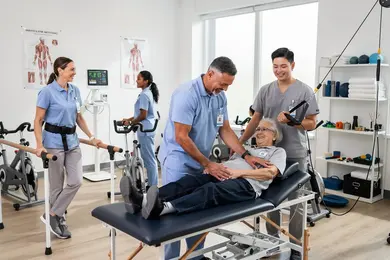
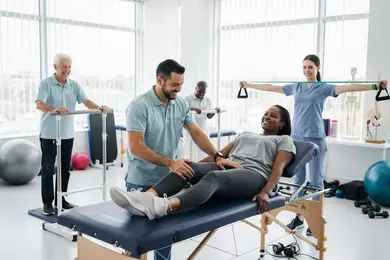
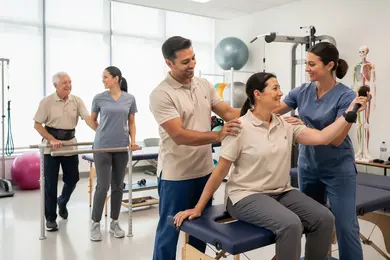
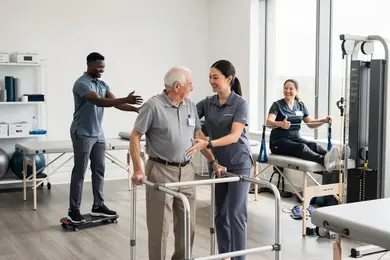
- Healthcare: Hospitals and outpatient care centers rely heavily on physical therapy graduates to support patient recovery and rehabilitation. Their role often involves pain management, restoring mobility, and assisting patients post-surgery or after injury, which are critical functions in clinical care.
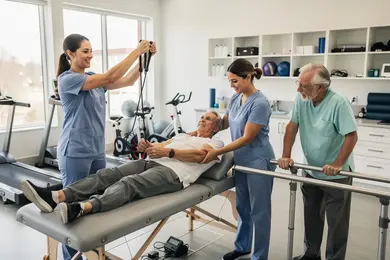
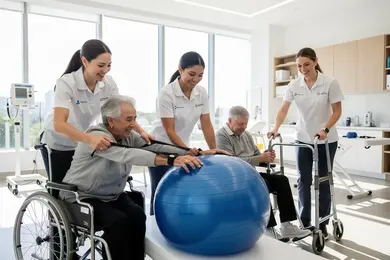
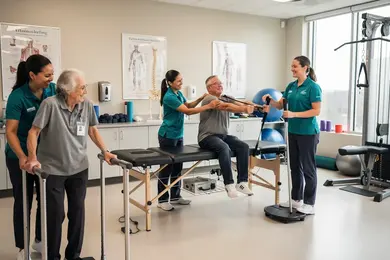
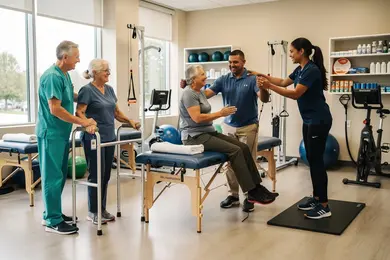
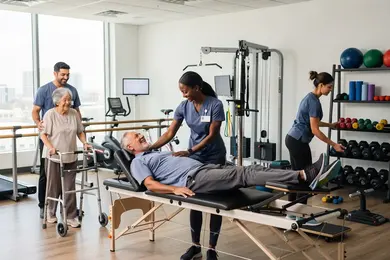
- Long-Term Care: Nursing homes and assisted living facilities employ physical therapists to enhance the quality of life for elderly or disabled residents. Therapeutic exercises and mobility training are fundamental to maintaining independence and reducing further health complications in this sector.
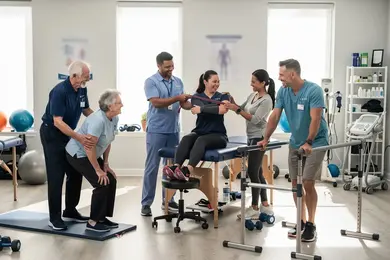
- Sports and Fitness: Professional sports teams, athletic training centers, and fitness organizations prioritize injury prevention and recovery programs, employing physical therapy majors to optimize athletic performance. Their expertise supports both rapid rehabilitation and ongoing injury management.
- Home Healthcare: With more patients receiving treatment outside of clinical environments, home healthcare services increasingly require therapists to create personalized rehabilitation plans suited to individual living spaces. This industry focuses on overcoming mobility challenges when in-clinic visits are impractical.
For students exploring career paths, understanding industries with the highest demand for physical therapy graduates can guide informed decision-making. For those also considering related medical fields, resources listing easy-to-get-into nursing schools offer valuable insights into alternative healthcare education routes.
Which Industries Have the Strongest Job Outlook for Physical Therapy Graduates?
The job outlook for physical therapy graduates is shaped by factors such as industry growth trends, workforce demand, and projected hiring needs. The U.S. Bureau of Labor Statistics forecasts an 18% employment increase for physical therapists through 2032, well above the average for all occupations. This growth reflects expanding needs driven by demographic and technological changes across several industries.
Below are key sectors experiencing strong or growing demand for physical therapy professionals.
- Healthcare Facilities: Hospitals and outpatient care centers see rising demand due to aging populations and chronic conditions like arthritis and stroke. Advances in medical technology enable more effective rehabilitation, increasing the need for skilled physical therapy staff.
- Sports and Fitness: This sector requires physical therapists for injury prevention and recovery among athletes and active individuals. Growing awareness about maintaining health and avoiding sports injuries drives job opportunities here.
- Long-Term Care: Nursing homes and assisted living centers benefit from physical therapists helping elderly residents maintain mobility and reduce risks like falls and pressure sores as populations age.
- Home Health Care: Patient preference for in-home care fuels growth as physical therapy professionals provide rehabilitation services following surgeries or injuries, supporting better recovery in familiar environments.
- Telehealth Services: Emerging virtual platforms expand access to physical therapy in remote or underserved areas, increasing demand for therapists adept with digital health technologies and remote care delivery.
What Entry-Level Jobs Are Available for Physical Therapy Graduates?
Entry-level roles provide physical therapy graduates crucial opportunities to bridge academic theory and hands-on practice in diverse healthcare environments. The Bureau of Labor Statistics notes that jobs for physical therapist assistants and aides are expected to increase by 27% through 2030, indicating robust early-career prospects.
Below are several common positions that serve as vital stepping stones in this profession.
- Physical Therapy Assistant: Working closely with licensed physical therapists, PTAs help implement rehabilitation plans, guide patients through exercises, and track their progress. This role allows graduates to develop practical skills and patient communication experience.
- Rehabilitation Aide: Aides support clinical operations by preparing therapy areas, arranging equipment, and assisting during sessions. This position offers valuable exposure to the therapy environment and foundational patient interaction.
- Clinical Coordinator: Typically found in outpatient or hospital settings, clinical coordinators manage patient appointments, streamline care delivery, and handle administrative duties. These tasks help build understanding of clinic workflow and healthcare organization.
- Research Assistant: Engaged in academic or clinical studies, research assistants collect data, support study protocols, and contribute to evidence-based findings. This role deepens knowledge of scientific methods relevant to physical therapy.
- Wellness Assistant: In community health contexts, wellness assistants participate in prevention programs and educational outreach, broadening insights into health promotion beyond rehabilitation.
When asked about early career challenges, a physical therapy degree graduate shared that initially navigating the transition from classroom to clinical settings felt overwhelming. "Learning to balance practical skills with patient empathy was more demanding than I anticipated," he noted.
He emphasized that securing a position like a physical therapy assistant allowed him to build confidence gradually. "The hands-on experience helped me understand patient needs more deeply and confirmed my commitment to this field," he reflected, underscoring the value of entry-level roles in shaping professional identity.
Industries that are easier to enter for physical therapy graduates typically offer a high volume of entry-level positions, welcome diverse academic backgrounds, and require few specialized credentials beyond the degree. Approximately 60% of healthcare graduates find their first roles within six months, reflecting accessible opportunities in patient-focused sectors.
Below are some industries notable for their openness to new physical therapy professionals.
- Outpatient Clinics: These clinics often operate with diverse teams seeking fresh graduates who are up-to-date on current rehabilitation techniques and patient care methods. The collaborative environment and steady patient flow create consistent demand for entry-level therapists.
- Rehabilitation Centers: Focused on recovery after injury or surgery, these centers prioritize hiring therapists who can support comprehensive physical recovery programs. Their ongoing need for practical assistance positions new graduates favorably.
- Skilled Nursing and Long-Term Care: Facilities serving elderly populations require therapists adept at adjusting treatment plans for chronic conditions. The persistent demand and acceptance of adaptable skills make these workplaces accessible to recent graduates.
- Sports and Fitness: As injury prevention and performance enhancement gain importance, sports-related organizations increasingly seek therapists to contribute rehabilitation expertise. This sector values the dynamic skill set physical therapy graduates bring.
- Home Healthcare: Growing demographic changes have boosted demand for therapists providing personalized care in patients' homes. This setting leverages graduates' broad clinical competencies while offering accessible employment opportunities.
Starting salaries for physical therapy graduates fluctuate across industries, influenced by specialization demands, funding availability, and workforce shortages. Entry-level salaries can surpass the national average by more than 15%, highlighting how certain sectors value these skills differently.
The following industries offer some of the highest starting pay for physical therapy graduates.
- Specialty Hospitals and Rehabilitation Centers: These facilities manage patients with intricate rehabilitation needs, requiring advanced physical therapy expertise. Graduates in this sector typically earn between $65,000 and $75,000, driven by the complexity and intensity of care provided.
- Outpatient Care Centers: Serving diverse orthopedic and neurological populations, outpatient centers generate high patient turnover and revenue. Entry-level salaries usually range from $60,000 to $70,000, reflecting the demand and operational scale.
- Sports Medicine and Athletic Training: Physical therapists working with athletes or specialized clinics command starting salaries of around $62,000 to $72,000. Their specialized knowledge and performance-focused services contribute to higher compensation.
- Home Health Care Services: Growing needs for remote rehabilitation drive salaries between $58,000 and $68,000 in this sector. Technical challenges of managing patients in-home justify competitive entry-level pay.
Industries with high patient acuity and technical demands offer the most competitive average entry-level physical therapy salaries by industry. For students considering career pathways, those interested in combined clinical expertise and strong earnings might also explore fields related to a healthcare administration degree.
Expectations for graduates with a physical therapy degree differ across industries but consistently highlight the need for a blend of hands-on expertise and soft skills that ensure smooth integration into diverse work environments. A survey by the American Physical Therapy Association found that 87% of employers rate interpersonal and communication abilities as equally important as clinical knowledge.
Below are key skills that employers frequently seek in new physical therapy professionals.
- Clinical Reasoning and Evaluation: Graduates must competently assess patient conditions and design personalized treatment plans. This skill enables ongoing adjustment of therapies, improving recovery outcomes and minimizing complications.
- Effective Communication: Clear dialogue with patients, families, and colleagues is essential to establish trust and ensure adherence to therapeutic protocols. Strong communication also fosters teamwork and coordinated care across settings.
- Manual Dexterity and Technical Skill: Precision in hands-on techniques and operation of treatment equipment directly affects patient comfort and recovery. Physical therapy graduates need to demonstrate confidence and accuracy in these practical tasks.
- Problem Solving: The capacity to identify obstacles and develop creative solutions allows practitioners to navigate complex or changing clinical scenarios. This adaptability enhances service quality and patient experiences.
- Interpersonal Abilities: Empathy and collaboration help in connecting with diverse patient populations and contributing positively to multidisciplinary teams. Employers value professionals who promote supportive work environments.
When I spoke with a professional with a physical therapy degree about her experience, she emphasized how essential interpersonal skills became in her early career. She recalled instances where building rapport with anxious patients often determined the success of her treatment plans.
"Sometimes, the emotional connection meant more than just following technical steps," she shared. She also highlighted the unpredictability of daily tasks, explaining how creative problem-solving was vital when faced with unexpected challenges or limited resources. Her reflections showed that excelling in this field requires continuous learning and balancing technical expertise with genuine human engagement.
Many industries require certifications beyond a physical therapy degree to ensure compliance, technical proficiency, and adherence to professional standards. Studies indicate that over 70% of employers in healthcare and related fields prefer candidates with additional credentials. These certifications reinforce competence and align therapists with industry-specific regulations.
Below are key industries where certifications are commonly expected or preferred for physical therapy graduates.
- Healthcare: State licensure is essential, often accompanied by certifications in CPR or advanced life support. These credentials verify legal authorization and emergency preparedness, meeting regulatory mandates and boosting trust among patients and employers.
- Sports Medicine: Certifications focusing on injury prevention and athletic conditioning are highly valued. They reflect industry priorities on optimizing athlete recovery and performance while complying with evolving standards of care in competitive environments.
- Rehabilitation Centers: Additional credentials in neurological or orthopedic therapy are typically required. These specialized certifications ensure therapists can effectively treat complex patient needs, aligning with the facility's care protocols and quality benchmarks.
- Long-Term Care: Training in geriatric care and wound management is often mandatory. Regulatory agencies enforce these certifications to guarantee safe, tailored treatment for vulnerable populations, enhancing overall patient outcomes and legal compliance.
- Home Healthcare: Professional credentials validate competency in delivering care outside traditional facilities. Certification requirements support safe practice standards while endorsing continual professional development and adaptability in diverse, patient-centered settings.
Workplace flexibility has grown significantly across many industries, with recent reports showing that over 30% of professional roles offer remote or hybrid options. Advancements in digital tools and evolving workforce expectations have made it easier for Physical Therapy graduates to find adaptable career paths.
Several sectors commonly provide remote, hybrid, or flexible work arrangements.
- Telehealth and Digital Health: These companies deliver patient care through telecommunication technologies, enabling physical therapy services via virtual appointments and electronic health records. This structure supports flexible scheduling and reduces the need for physical presence.
- Wellness and Fitness: Integrating physical therapy expertise into health programs offered through online platforms or hybrid models, this industry combines virtual coaching with occasional in-person interactions. Project-based tasks like program development suit remote work well.
- Education and E-Learning: Physical therapy professionals develop remote content or teach online courses, benefiting from digital transformation in education. These roles often include curriculum design and virtual student support, allowing flexibility in work location and hours.
- Research Organizations: Rehabilitation and healthcare innovation projects frequently depend on remote collaboration tools. Physical therapy graduates contribute to studies and clinical trials within virtual teams using cloud-based platforms for data analysis and workflow management.
- Corporate Wellness: Physical therapy plays a key role in employee health initiatives, combining on-site services with digital follow-ups. This hybrid approach requires adaptability to varying schedules and supports flexible career options.
For those interested in advancing their education to enhance remote work opportunities, exploring PhD programs for nurses may provide valuable insights relevant to health sciences fields, including physical therapy remote work opportunities.
Promotion opportunities in physical therapy often depend on industry growth, organizational structure, and demand for experienced professionals. Studies show that internal promotions account for nearly 70% of leadership positions across healthcare-related fields. Below are key industries with the strongest promotion opportunities for physical therapy graduates.
- Healthcare Facilities: Hospitals and rehabilitation centers offer well-established leadership pipelines where physical therapists can rise from clinician roles to supervisory and managerial positions. Expanding healthcare services continuously generate internal advancement pathways.
- Outpatient Clinics: As clinics evolve from small practices into multi-specialty centers, the need for managerial oversight grows. Physical therapists demonstrate organizational and interpersonal skills alongside clinical expertise to move into clinical operation or staff training leadership roles.
- Public Health Agencies: Structured career ladders in government and community health programs promote advancement through formal evaluations and professional development, enabling physical therapists to become senior advisors or program directors impacting wide-scale health initiatives.
- Academic and Research Institutions: Career growth combines clinical knowledge with scholarship, as therapists progress into senior faculty or research leads through tenure tracks and grant success.
- Corporate Wellness: Rapid expansion of corporate health programs creates strategic leadership roles managing employee health services, reflecting organizational investments in preventative care.
Physical therapy graduates assessing career advancement potential in physical therapy sectors may also consider pursuing additional education or credentials. Resources such as a reputable HIM degree online can complement clinical skills and open doors in health information management and leadership roles.
When choosing the best industry with a physical therapy degree, students and graduates should evaluate career interests, preferred work environments, long-term growth potential, and alignment with their strengths. Understanding whether one favors direct patient care or roles involving administration or education is crucial.
Work settings can vary widely, so selecting one that matches lifestyle preferences and professional goals enhances satisfaction. Research shows that 70% of healthcare graduates prioritize career advancement and training resources when making employment decisions, highlighting the importance of these factors.
Graduates can compare industries by examining advancement opportunities, stability, workplace flexibility, and professional development prospects. Weighing factors like eligibility for leadership roles, telehealth availability, and continuing education support helps narrow choices. Thorough research into industry expectations, salary ranges, and typical career paths ensures alignment with career objectives.
Exploring physical therapy job opportunities and career paths in various sectors, including through resources like WGU vs Chamberlain, supports informed decisions tailored to long-term success.
What Graduates Say About Industries Hiring Graduates With a Physical Therapy Degree
- Otis: "Starting my career in the outpatient rehabilitation industry was a pivotal decision after graduation. It allowed me to refine my patient communication skills while learning to adapt treatment plans dynamically. This foundation made me confident in navigating the evolving demands of the healthcare field."
- Ronan: "Reflecting on my time in physical therapy, I realize how much the experience nurtured my critical thinking and problem-solving abilities. Working closely with diverse patient populations helped me understand the importance of empathy and tailored care, which are invaluable in any medical setting. It truly shaped my professional growth in ways I hadn't anticipated."
- Brooks: "Choosing a career in physical therapy has had a profound impact on my overall professional journey. The hands-on experience with patient recovery and interdisciplinary collaboration boosted my leadership skills and opened doors to various roles beyond clinical practice. It's rewarding to see how this degree supports a versatile and sustainable career path."
Other Things You Should Know About Physical Therapy Degrees
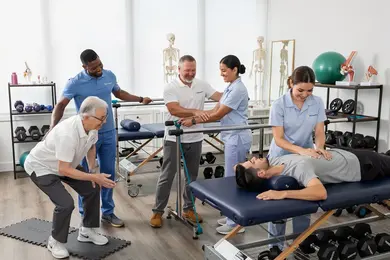
Graduates with a physical therapy degree often find employment in diverse settings, including hospitals, outpatient clinics, rehabilitation centers, nursing homes, and private practices. These facilities provide opportunities to work with various patient populations, from post-surgical recovery to chronic condition management. Understanding the variety of workplaces helps graduates tailor their job search to their clinical interests and preferred work environments.
Yes, graduates can work in non-traditional settings such as sports organizations, wellness centers, and corporate ergonomics programs. These industries value physical therapy expertise for injury prevention, employee wellness, and performance enhancement. Such roles may emphasize broader health promotion alongside rehabilitation services.
Yes. Employers usually expect a current physical therapist license or a PT assistant credential for clinical sales roles that involve patient training or product demonstrations. Many positions also require Basic Life Support certification and knowledge of Medicare documentation rules.
- 15 Physical Therapy Specialties That Boost Careers & Salaries | 2025 Guide https://www.sprypt.com/blog/physical-therapy-specialties-to-amplify-your-career
- 12 Non-Clinical Physical Therapy Jobs for 2025 - The Non-Clinical PT https://thenonclinicalpt.com/non-clinical-jobs-physical-therapists/
- 8 Reasons Why Physical Therapy is a Growing Profession | Results Physiotherapy https://www.resultspt.com/blog/posts/reasons-why-physical-therapy-is-a-growing-profession
- Physical Therapist - Explore Healthcare Careers - Mayo Clinic College of Medicine & Science https://college.mayo.edu/academics/explore-health-care-careers/careers-a-z/physical-therapist/
- Find A Remote Physical Therapy Job Near You https://www.interimhealthcare.com/careers/physical-therapy-jobs/remote-physical-therapy-jobs
- From Classroom to Career: 8 Key Factors for Evaluating PT Jobs | PhysioPoint Physical Therapy https://physiopointtherapy.com/from-classroom-to-career-8-key-factors-for-evaluating-pt-jobs/
- Career Paths For New Grad Physical Therapists | Host Healthcare https://www.hosthealthcare.com/blog/career-paths-for-new-grad-physical-therapists/
- Best Benefits for PTs (What Actually Matters Beyond Salary) - Highbar Health https://www.highbarhealth.com/best-benefits-for-pts-what-actually-matters-beyond-salary/
- Physical Therapy Career Growth Opportunities | WebPT https://www.webpt.com/blog/physical-therapy-career-growth-opportunities