2027 Can You Complete Physical Therapy Clinicals Locally?

Co-Founder and Chief Data Scientist
Balancing clinical placement logistics while managing part-time work and family commitments presents a significant challenge for many physical therapy students. According to the Bureau of Labor Statistics, employment of physical therapists is projected to grow 17% through 2032, intensifying competition for quality clinical sites. Students often wonder if they can complete required supervised clinical hours close to home to avoid relocation costs and scheduling conflicts.
Understanding how program partnerships, healthcare facility availability, and state licensing requirements impact local placement options is crucial. This article explores the feasibility of local clinicals and the key factors shaping these opportunities for physical therapy students.
Key Things to Know About Completing Physical Therapy Clinicals Locally
- Clinical placements near home are usually coordinated through the program's established partnerships with local healthcare facilities, ensuring students meet supervised hour requirements without relocating.
- Completing clinicals locally offers greater scheduling flexibility, reduces travel expenses, and helps maintain personal support networks, enhancing overall student well-being and performance.
- Students must verify state licensure rules, site availability, and program approval processes early, as some regions have strict regulations affecting local placement eligibility.
Can you complete physical therapy clinicals near your home or hometown?
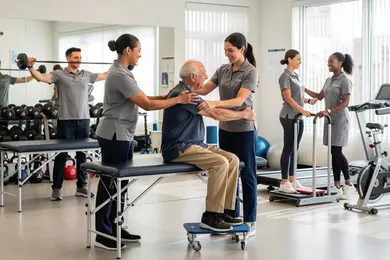
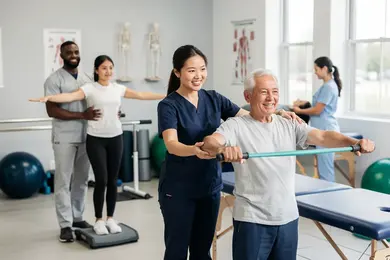
Physical therapy clinicals may often be completed near a student's home or hometown based on the structure of their program, established school partnerships, and local healthcare options. Local clinical placement options can improve convenience and scheduling flexibility, making it easier for students to balance their education with personal commitments.
Recent data from CAPTE shows about 70% of clinical placements occur within students' home states, highlighting strong preferences for local experiential learning in healthcare fields.
Several factors influence whether local clinical placements are feasible for physical therapy students, including:
- School Affiliation Networks: Much like how leading MSN programs online coordinate remote training, established partnerships between physical therapy programs and nearby hospitals, clinics, or rehabilitation centers provide structured pathways for students to secure local clinical placements. These networks help ensure students have access to quality supervised training within their communities.
- Geographic Location: Students in urban or suburban areas typically have more local healthcare facilities to choose from, while those in rural or underserved regions may face limited options. Program flexibility and commuting distances can sometimes address these disparities.
- State and Regional Requirements: Licensure and clinical site regulations may restrict placements to facilities meeting specific standards, affecting where students can complete their clinicals. Compliance with these rules guarantees that clinical experiences align with professional certification requirements.
- Approved Facility Availability: Only clinical sites meeting academic and accreditation standards can host students. The number and quality of these approved local facilities influence the accessibility of local physical therapy clinical placement options.
- Placement Coordination: Program coordinators balance student preferences, site capacity, and curriculum needs to arrange clinicals. This process can either limit or expand opportunities to complete hours near a student's primary residence, depending on available resources.
How do physical therapy clinical placements work?
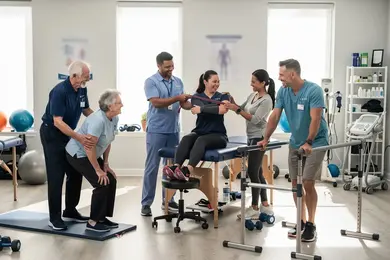
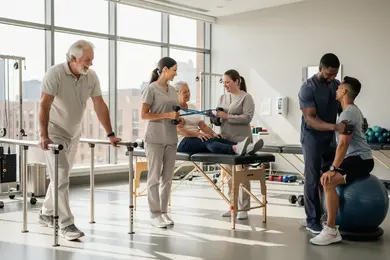
Clinical placements in physical therapy programs are arranged through partnerships between academic institutions and approved healthcare sites, offering students valuable hands-on experience. These placements enable students to apply classroom theory in practical settings, bridging education with professional practice.
Placement structures, scheduling, and facility availability influence how and where students complete this essential training. Approximately 90% of physical therapy students fulfill their clinical hours through sites affiliated with their schools, underscoring the importance of these collaborations.
Key factors in the process of local physical therapy clinical site placement include the following:
- School Partnership Networks: Programs maintain established relationships with a variety of hospitals, outpatient clinics, and community organizations to provide multiple clinical placement options. These networks help coordinate site eligibility and availability in alignment with educational standards.
- Placement Coordination: Schools assign or approve clinical sites based on accreditation and state licensing requirements, ensuring that each site meets quality criteria. This placement coordination involves matching student needs with appropriate training environments.
- Supervision and Scheduling: Licensed physical therapists oversee students during clinicals, maintaining strict supervision to ensure patient safety and skill development. Scheduling is often arranged to minimize travel burdens and conflicts, with local placements preferred when possible.
- Approved Training Environments: Clinical sites must be accredited and equipped to provide diverse patient cases, giving students practical experience that complements their classroom learning. Hours spent at these sites are officially logged and verified.
- Geographic Considerations: While many students complete placements near their residences, availability depends on partner site capacity. Some may require out-of-area placements if local options are limited, highlighting regional variability in access.
For students exploring options to complete required clinical hours locally, resources such as a healthcare administration course can offer additional guidance on managing healthcare education pathways effectively.
What state authorization and licensing rules affect local clinicals?
State authorization policies, regional education standards, and professional licensing rules strongly influence whether physical therapy students can complete clinical placements near their home. Variations in state requirements impact eligibility for local clinicals, the approval process, and access to accredited training sites. Around 25% of states participate in interstate licensure compacts, which can ease some cross-state clinical placement challenges.
The following factors typically shape whether students can finish physical therapy clinicals locally:
- State Authorization Agreements: These define if a program can legally operate and place students within local healthcare facilities. Without proper authorization, out-of-state clinical placements may not be permitted, limiting options for nearby experiences.
- Licensing Board Requirements: States often mandate that clinical hours be supervised by licensed physical therapists meeting specific credentials. This restricts eligible facilities and supervisors, ensuring clinical quality but narrowing placement choices.
- Interstate Placement Restrictions: Some states require extra permissions or prohibit students from out-of-state programs from training within their borders. These barriers can compel students to relocate or seek alternative sites.
- Educational Program Compliance: Schools must maintain affiliation agreements with clinical sites, outlining supervision, liability, and regulatory compliance. This formal partnership directly affects which local facilities host students.
- Oversight and Documentation Standards: Accrediting bodies require detailed records proving that clinical experiences meet educational and legal standards. Maintaining these documents can influence site approvals and student assignment.
Reflecting on these challenges, a physical therapy degree graduate shared how navigating local clinical placement felt "both stressful and eye-opening." He recalled spending weeks coordinating between the school and potential sites, sometimes facing last-minute denials due to licensing mismatches.
"It taught me patience and clear communication," he said, emphasizing that managing these logistical hurdles was as important as clinical skills. This experience helped him develop stronger organizational abilities and adaptability-valuable soft skills in physical therapy practice.
Online physical therapy programs often enable students to complete clinical hours near their hometown through partnerships with local healthcare providers or approved facilities across various regions. This approach enhances accessibility and scheduling flexibility, making it easier for learners enrolled in online or hybrid physical therapy programs to fulfill requirements close to home.
Recent data shows about 68% of students in online healthcare programs successfully secure local placement opportunities, reflecting growing support for experiential learning through distance education.
Several factors affect how programs arrange local clinical placements near students' primary residence:
- Clinical Partnerships: Many programs maintain agreements with regional hospitals and outpatient clinics, allowing them to assign students directly to these approved sites while ensuring compliance with educational standards.
- State Authorization: Online programs must be licensed to operate within specific states, which influences where students can legally complete supervised clinical hours toward licensure.
- Facility Approval: Accrediting bodies require clinical experiences occur at qualified sites. Programs carefully vet facilities, limiting options based on geographic availability of compliant locations.
- Student Involvement: Some programs encourage students to help identify or secure local sites for approval, expanding placement options especially in underserved areas.
- Affiliation Agreements: Formal contracts between schools and clinical sites ensure quality and accountability but may delay placement availability, impacting students' ability to find local clinical site options for online physical therapy students.
For those considering related healthcare fields, questions like is medical coding a dying career also gain attention, but physical therapy's hands-on clinical training remains essential and strongly supported through local placement coordination.
Many physical therapy programs enable students to complete clinical rotations close to where they live, reflecting a trend toward accessible local training options. In fact, studies show that around 70% of students undertake at least one clinical placement in facilities near their home, highlighting widespread partnerships between education providers and healthcare centers.
Various types of sites are available for physical therapy clinical training, including:
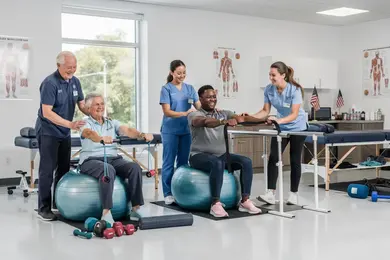
- Hospitals: These offer a fast-paced environment with diverse patient cases, allowing students to develop skills working alongside interdisciplinary teams while managing acute or post-surgical conditions under supervision.
- Outpatient Clinics: Focusing on musculoskeletal or sports-related care, these clinics provide structured hands-on experience in patient assessment and treatment plans, ideal for refining practical techniques.
- Rehabilitation Centers: Students gain exposure to long-term recovery processes and customized therapy programs, enhancing their ability to monitor patient progress and adjust interventions over time.
- Community Health Organizations: These sites offer opportunities in public health initiatives, wellness promotion, and injury prevention programs, broadening students' understanding of physical therapy's role within diverse populations.
A professional with a physical therapy degree shared that securing local clinical placements was both rewarding and challenging. She recalled navigating the application process to find settings that offered meaningful hands-on experience while fitting her personal schedule.
"Being able to work near home helped me balance my responsibilities, but I had to be proactive in communicating with supervisors and adapting to different clinical environments," she said. This experience taught her the importance of flexibility and initiative in building clinical competencies across various healthcare contexts.
Physical therapy programs increasingly offer adaptable clinical schedules and locations to meet diverse student needs. Around 70% of placements incorporate local or regional healthcare sites, reflecting a growing trend toward hybrid education models that ease balancing hands-on and remote learning. This approach helps reduce travel challenges and supports students juggling academic and personal commitments.
Several key features highlight the common flexibilities available to students in physical therapy clinical placements:
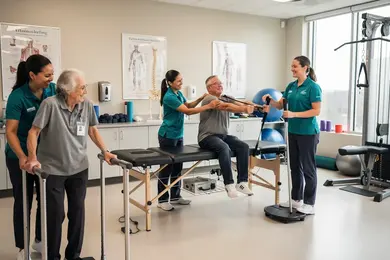
- Local Placement Options: Many programs partner with nearby hospitals, outpatient centers, and rehabilitation facilities to provide accessible clinical sites. This proximity minimizes commute time and enables students to remain connected to their personal support systems while fulfilling clinical requirements.
- Flexible Scheduling: Clinical opportunities often include shifts during evenings or weekends, accommodating those managing work, family, or coursework. Such scheduling flexibility ensures clinical hours can fit within varied personal timelines without compromising educational quality.
- Collaborative Healthcare Partnerships: Established relationships between schools and healthcare providers create diverse placement choices. These connections allow students to select clinical sites based on geographic convenience or specific professional interests, improving the overall training experience.
- Travel Considerations: While most placements aim to be local, some specialized experiences may require travel to more distant facilities. Advance coordination and clear communication help students handle these occasional commitments while maintaining their broader schedules.
- Hybrid Clinical Models: Increasing integration of virtual and in-person clinical components supports flexible training structures. Remote completion of certain preparatory or reflective activities can reduce on-site hours and help students manage clinical demands alongside other responsibilities.
Physical therapy programs coordinate preceptors and approve clinical training sites through partnerships with local healthcare facilities, addressing increasing demand for student placements. Nearly 60% of healthcare training programs report challenges due to a shortage of available preceptors. These programs ensure that sites and supervisors meet accreditation standards for quality clinical education.
Key aspects of how preceptors and clinical site approvals operate include:
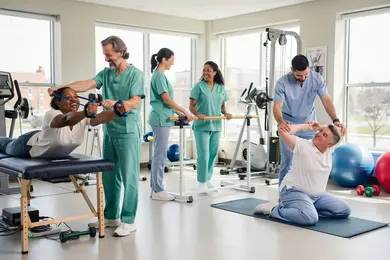
- Preceptor Qualifications: Preceptors must be licensed physical therapists with relevant clinical experience and often complete additional training offered by academic institutions. Their role includes mentoring students and maintaining adherence to established education standards through direct supervision.
- Affiliation Agreements: Formal contracts between educational programs and clinical sites define responsibilities, liability, and compliance. These agreements create a legal foundation for student placements and help uphold clinical education quality.
- Site Evaluation: Clinical sites undergo thorough assessments focusing on patient populations, facility resources, and staffing capabilities. This evaluation ensures that the setting supports meaningful learning that aligns with accreditation criteria.
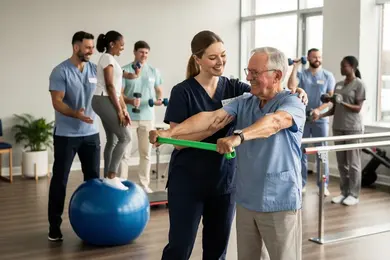
- Supervision Standards: Preceptors provide ongoing, close supervision while gradually increasing student autonomy as skills develop. Structured feedback and performance reviews are integral to fostering student growth within clinical settings.
- Approval Timelines: Securing approval for new clinical sites can require several months, involving site visits and documentation review. Early planning is critical for programs and students hoping to secure nearby placements that fulfill program requirements.
- Student Coordination: Programs facilitate communication among students, preceptors, and sites to manage schedules and ensure clear expectations. Students often must complete onboarding steps like health clearances and compliance training before beginning clinical hours.
Students completing physical therapy clinicals locally often face a range of direct and indirect expenses beyond tuition. Healthcare education costs can add thousands annually, with commuting and clinical placement fees representing a significant financial burden. For example, commuting expenses alone may reach up to $150 monthly depending on distance and frequency.
When budgeting for local physical therapy clinical placement expenses, it is important to consider the following potential costs:
- Transportation and Fuel: Regular travel to clinical sites often incurs substantial commuting costs. Depending on how far the facility is and how often students travel, monthly expenses for gas, public transit, or rideshare can range from $50 to $150.
- Parking Fees: Many clinical sites charge daily parking fees that typically range between $5 and $15. These fees add up quickly during weeks or months of clinical hours, so students should plan accordingly to avoid surprises.
- Uniforms and Supplies: Clinical requirements often include purchasing specific attire such as scrubs or lab coats, along with essential equipment like stethoscopes or gait belts. These initial costs can range from $50 to $200 depending on the program and site policies.
- Immunizations and Background Checks: Compliance with health and safety regulations requires documented immunizations and criminal background screenings. These mandated requirements generally cost between $50 and $150 and must be completed before clinical placement.
- Site Onboarding Fees: Some facilities impose onboarding or credentialing fees to cover administrative processing, drug tests, or orientation sessions. These one-time charges typically range from $100 to $300 and should be factored into the overall budget early on.
For students exploring different healthcare education paths, options like an online PharmD program may also involve similar considerations regarding clinical training costs. Prospective students should carefully evaluate all local physical therapy clinical placement expenses to make informed decisions about completing their clinical hours near home or relocating elsewhere.
While some students may find opportunities to complete physical therapy clinicals near their home or hometown, local placements often involve logistical, administrative, and geographic challenges depending on program structure and regional availability.
Limited placement capacity and coordination requirements can restrict scheduling options, with nearly 40% of health professions students reporting difficulty securing clinical placements due to shortages in qualified preceptors and training resources.
Students should consider these common challenges when planning local physical therapy clinical placement experiences:
- Limited Nearby Sites: Many areas have a shortage of physical therapy clinical sites within a reasonable distance, reducing placement options and increasing competition among students seeking access to available facilities.
- Scheduling Conflicts: Aligning academic calendars with clinical site availability can prove difficult, as facilities may have restricted hours or limited capacity during peak academic terms, complicating the organization of required hours.
- Approval and Coordination: Some programs require formal agreements and approval for local clinical placements, which can delay start dates or exclude certain sites due to administrative constraints or compliance issues.
- Availability of Qualified Supervisors: The supply of licensed physical therapists qualified to supervise students may be insufficient in some regions, limiting experiential learning opportunities essential for fulfilling degree requirements.
These limitations of nearby physical therapy clinical sites make it important for students to assess regional resources carefully. For those exploring alternative or supplementary options, programs offering the shortest online PMHNP certificate programs highlight how flexibility in clinical training settings can ease access challenges in health-related professions.
Completing physical therapy clinicals locally can provide students with essential hands-on experience and establish valuable connections within their community healthcare systems. Studies indicate that nearly 80% of healthcare employers prioritize candidates with prior clinical experience, highlighting the advantage of familiarizing oneself with local practice environments. Engaging in nearby clinical placements often enhances readiness for employment after graduation.
Several key benefits arise from participating in local physical therapy clinicals:
- Professional Networking: Building rapport with local clinicians and staff can increase job prospects by fostering trusted relationships that may lead to referrals or direct hiring opportunities.
- Healthcare System Familiarity: Exposure to local clinic operations, protocols, and patient demographics helps students adapt more quickly to full-time roles within the same region.
- Employer Recognition: Demonstrating skills and professionalism during clinical rotations can leave a positive impression on local employers, potentially influencing hiring decisions.
- Community Workforce Insight: Understanding the specific healthcare needs and staffing trends in the area enables students to tailor their expertise to align with local job demands.
- Interprofessional Communication: Engaging with diverse care teams hones collaboration and communication skills necessary for workplace effectiveness.
- Practical Readiness: Working on a range of cases locally sharpens clinical abilities, boosting confidence and preparedness for immediate workforce contribution.
What Students Say About Completing Physical Therapy Clinicals Locally
- Otis: "Having the chance to complete my physical therapy clinical placements close to home has been a real game-changer. The programs here emphasize the importance of hands-on experience with diverse patient populations, and local healthcare facilities provide comprehensive supervised hours that align well with my academic schedule. It's reassuring to see that I can fulfill these requirements without uprooting my life, which helps me stay focused and motivated."
- Ronan: "Coordinating clinical placements at nearby centers has been more complex than I initially expected. Some facilities have limited openings and high competition, meaning flexible scheduling is a must. Despite the challenges, working locally has allowed me to build valuable community connections and gain insights into real-world physical therapy practices, which I believe will greatly benefit my future career."
- Brooks: "From a professional standpoint, engaging in physical therapy clinicals near my residence has enriched my readiness to enter the workforce. The proximity means I can invest more time in reflective learning and skill refinement between shifts, which is crucial for mastering therapeutic techniques. These local experiences have given me a well-rounded perspective that relocation might have hindered by adding unnecessary stress."
Other Things You Should Know About Physical Therapy Degrees
The quality of experience in physical therapy clinicals depends largely on the facility's caseload, preceptor expertise, and available equipment rather than the location. Local clinical sites can offer diverse patient populations and conditions, especially if they are affiliated with reputable healthcare providers. Therefore, completing clinicals locally does not inherently reduce the educational value if the site meets accreditation standards.
Clinical experiences can vary based on the patient demographics and facility specialization where the clinical is completed. Some local sites may focus on outpatient orthopedics, while others could provide more neurological or pediatric cases. Students should discuss site options with their program to ensure exposure to a broad range of conditions necessary for comprehensive training.
Many physical therapy educational programs aim to collaborate with clinical sites close to students' homes when feasible. This can reduce travel and living expenses and improve work-life balance. However, program coordinators also consider site capacity and educational quality when determining available placements.
Yes. For a Doctor of Physical Therapy program, the clinical site must meet the school’s affiliation standards and support CAPTE-accredited curriculum requirements. The school also verifies the site has licensed physical therapists, appropriate patient volume, and a supervisor who can complete required evaluations.
- Navigating Clinical Placement: Essential Tips for Physiotherapy Studen https://physionotehub.com/blogs/physiotherapy-study-blog/navigating-clinical-placement-essential-tips-for-physiotherapy-students
- The Pros and Cons of Hiring Locally | CA Global https://www.caglobalint.com/post/the-pros-and-cons-of-hiring-locally/
- Staying Local After Physical Therapy School - 5 Pros and 5 Cons https://www.coremedicalgroup.com/blog/staying-local-after-pt-school-unpublished
- Challenges Companies Face in Local Hiring and How to Overcome Them https://frsatk.com/challenges-companies-face-in-local-hiring-and-how-to-overcome-them/
- What should a physical therapy student look for in a clinical affiliation - Precision Performance Physical Therapy https://precisionperformancept.com/what-should-a-physical-therapy-student-look-for-in-a-clinical-affiliation/
- 14 Localization problems and how to avoid them - POEditor Blog https://poeditor.com/blog/localization-problems/
- What is In-Home Physical Therapy and How Does it Work? | Results Physiotherapy https://www.resultspt.com/blog/posts/what-is-in-home-physical-therapy-and-how-does-it-work
- Home - Complete Hometown Physical Therapy Cuero, Hallettsville, Shiner and Yoakum TX https://completehometownpt.com/
- How to Implement Flexible Work Schedules in Healthcare | iHire https://www.ihire.com/resourcecenter/employer/pages/how-to-implement-flexible-work-schedules-in-healthcare
- Fixed Schedules vs. Flexible Work Arrangements: Managing Your Lab Personnel https://www.labmanager.com/fixed-schedules-vs-flexible-work-arrangements-managing-your-lab-personnel-33648