2027 Physical Therapy Practicum Requirements Explained

Co-Founder and Chief Data Scientist
Students pursuing a Physical Therapy degree often encounter significant challenges meeting practicum requirements mandated by educational institutions and state licensing boards. These challenges include securing approved clinical placements, fulfilling strict supervision criteria, completing mandated practicum hours, passing background checks, and maintaining minimum GPA thresholds. Such factors influence graduation timelines and eligibility for national certification. According to recent data, 78% of physical therapy students report difficulties in finding placement sites aligned with licensure regulations-a trend underscoring the need for early planning.
This article breaks down practicum expectations across states and programs, offering guidance to help students navigate requirements effectively and stay on track for career readiness.
Key Things To Know About Physical Therapy Practicum Requirements
- Practicum training offers hands-on clinical skills development-bridging theoretical knowledge with real patient care under expert supervision.
- Field experience enhances professional communication and teamwork abilities critical for successful multidisciplinary collaboration.
- Supervised internships build confidence and adaptability by exposing students to diverse treatment settings and patient populations.
What Is A Practicum In Physical Therapy Program?
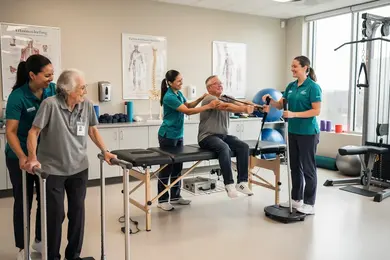
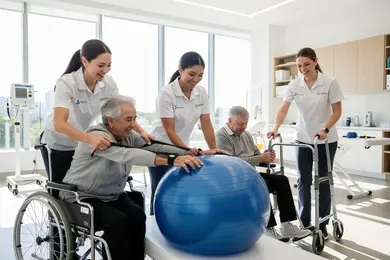
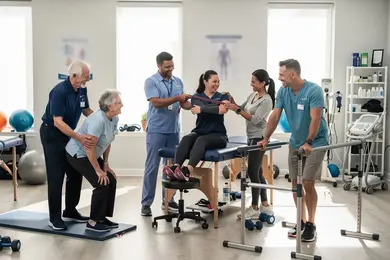
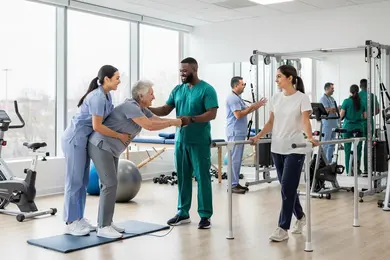
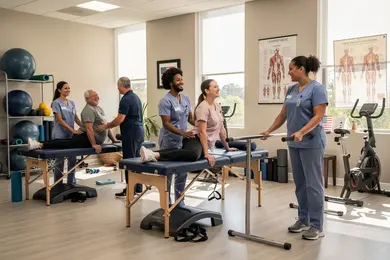
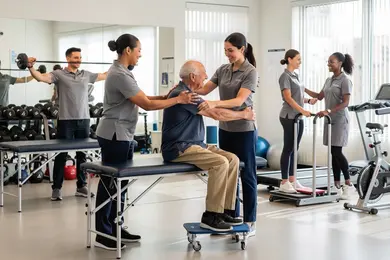
A practicum in a physical therapy program is a supervised, hands-on experience designed to apply classroom learning directly in clinical settings. These practicums are a vital component in most U.S. higher education curricula, typically requiring several hundred hours of fieldwork before graduation. Research indicates that over 85% of physical therapy employers prefer graduates with extensive supervised practicum experience, highlighting its importance in career readiness.
The physical therapy practicum experience and expectations include key elements such as the following:
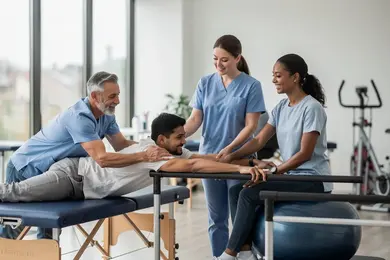
- Structured Fieldwork: Practicums require students to engage in clinical environments where they observe, assist, and provide therapeutic interventions under licensed professionals' supervision, offering practical skill development beyond theoretical knowledge.
- Placement Timing: These practical experiences usually take place in the latter stages of a student's academic program after foundational coursework is completed, ensuring readiness for applied learning in real-world settings.
- Supervision and Evaluation: Licensed physical therapists closely monitor student progress and deliver formal assessments. This oversight ensures students meet competency standards across patient care, professionalism, and clinical reasoning.
- Distinct Academic Role: Practicums differ from internships, clinical rotations, or capstones by their focused integration with academic requirements and accreditation standards, emphasizing hands-on skill mastery aligned with program learning outcomes.
- Career Preparation: Successful completion of practicum hours is a prerequisite for graduation and licensure eligibility, providing students with essential clinical experience that enhances employability and professional growth.
For students exploring additional health education pathways, programs like an online pharmacy school can also offer structured practical experiences that parallel the benefits found in physical therapy practicums.
What Are The Eligibility Requirements For Physical Therapy Practicum?
Eligibility standards for a physical therapy practicum exist to ensure students are academically prepared and professionally ready for immersive, supervised clinical experiences. These requirements help maintain high-quality practicum placements by aligning student preparedness with the demands of patient care and professional practice. Recent data indicates that over 85% of physical therapy programs enforce clear readiness criteria, which enhances experiential learning outcomes and supports academic retention.
Common eligibility requirements for physical therapy practicum placement typically include the following:
- Minimum GPA: Programs generally require a competitive grade point average, often a minimum of 3.0 on a 4.0 scale, reflecting adequate academic proficiency essential for safe and effective clinical participation.
- Prerequisite Coursework: Completion of core courses, such as anatomy, physiology, kinesiology, and pathology, is essential. These foundational subjects equip students with the theoretical knowledge critical for understanding clinical practices and patient conditions.
- Faculty Approval: Students usually must obtain endorsement from academic advisors or clinical coordinators. This process evaluates professional readiness through assessments of academic performance, communication skills, and overall professionalism demonstrated in earlier coursework.
- Enrollment Status: Active enrollment in a physical therapy degree program and good academic standing are mandatory to verify that students are progressing according to institutional timelines and program requirements.
- Health and Compliance Clearances: Prior to placement, students must often complete background checks, immunization verifications, drug screenings, and health examinations. These safeguards protect patient safety and ensure student readiness for clinical environments.
Students seeking practical experience through a physical therapy practicum should also be aware of available online nursing degrees that can complement their healthcare education pathways and provide additional career flexibility.

How Many Practicum Hours Are Required For Physical Therapy Program?
Practicum hour requirements in physical therapy programs serve as a foundation for hands-on learning, blending academic knowledge with clinical practice. These expectations vary widely based on the institution, state regulations, and accreditation standards. For example, accreditation bodies often require about 1,000 clinical hours to ensure students are adequately prepared for real-world patient care.
Key factors shaping practicum hour mandates include the following:
- Typical Hour Ranges: Most programs expect students to complete between 1,000 and 1,200 total practicum hours. This range accommodates a mix of settings and patient populations, enabling exposure to a broad spectrum of clinical scenarios.
- Observation vs. Hands-On: While direct patient interaction comprises the majority of hours, programs also require observation, documentation, and care coordination tasks. These elements complement hands-on treatment and enhance clinical reasoning skills.
- Phased Practicum Structure: Students usually progress through multiple clinical rotations or phases. Each placement varies in duration and specialty focus, allowing incremental development of competencies essential for practice.
- Supervision and Evaluation: Licensed clinical educators closely supervise students, providing feedback and signing off on completed hours. Programs incorporate formal evaluations to verify clinical skill mastery and professional growth.
- Weekly Time Commitments: Placements typically demand 30 to 40 hours per week during academic semesters. This intensive schedule spans several months, requiring careful time management and consistency.
Reflecting on his experience, a professional who completed his physical therapy practicum shared that managing the required hours was both challenging and rewarding. "Balancing clinical duties with academic work pushed me to refine my organization skills," he said. "Each rotation introduced new patient populations and treatment approaches, which deepened my understanding beyond textbooks. The supervisor interactions were invaluable-they didn't just verify hours but helped me grow as a clinician. Completing the full range of practicum hours felt like a real milestone toward becoming a competent therapist ready for the workforce."
What Courses Must Be Completed Before Starting Practicum?
Prerequisite coursework lays the groundwork for students before starting their practicum by ensuring they have acquired essential theoretical knowledge and practical skills. Academic programs require this foundational training to promote safety, professionalism, and effective learning during supervised clinical experiences. Studies indicate that over 80% of clinical educators stress strong preparatory coursework as key to enhancing fieldwork readiness and student success.
The following core coursework categories are commonly required before practicum begins:
- Foundational Theory: These classes include anatomy, physiology, and kinesiology to develop an understanding of bodily systems and movement mechanics, empowering students to identify impairments and contribute to intervention strategies during their practicum.
- Professional Ethics: Coursework on ethics and standards teaches proper patient care principles, confidentiality, and professional conduct, equipping students to manage ethical challenges and maintain integrity in clinical settings.
- Research and Assessment Methods: Students gain skills in analyzing scientific literature and using evidence-based practices, along with systematic patient evaluation techniques required for informed clinical decision-making in supervised placements.
- Communication and Documentation: These courses focus on interpersonal skills, collaboration with healthcare teams, and accurate record-keeping, all crucial for effective patient interaction during the practicum.
- Field-Specific Competency: Prerequisite classes vary by discipline-such as nursing, psychology, or counseling-but all emphasize knowledge and skills that prepare students to confidently engage in real-world clinical environments.
Eligibility for practicum often depends on curriculum sequencing and academic progression, demonstrating readiness for practical application. For prospective students interested in expedited pathways, exploring options like an accelerated bachelor's degree may offer streamlined academic routes that integrate prerequisite coursework efficiently.
How Does The Physical Therapy Practicum Placement Process Work?
Practicum placement in physical therapy programs links classroom theory to clinical practice by organizing hands-on training within healthcare settings. Institutions collaborate with clinics and hospitals to ensure students gain meaningful real-world experience, which plays a critical role in professional development and readiness. It is estimated that more than 80% of health employers seek candidates with practical training documented through such placements.
The process generally includes several coordinated steps that secure appropriate, supervised clinical experiences for students:
- Eligibility Verification: Students must fulfill academic criteria such as prerequisite courses, GPA requirements, and health clearances. Programs often require submission of immunization records, background checks, and insurance documentation to meet host site regulations.
- Application and Matching: Placement offices collect student preferences and coordinate with clinical sites. Matching efforts consider site capacity, student readiness, and learning goals to align placements effectively.
- Institutional and Faculty Oversight: Faculty advisors regularly evaluate student progress during practicum through check-ins and feedback, ensuring educational objectives are achieved and challenges addressed.
- Coordination with Host Sites: The program liaises with external providers to establish agreements detailing supervision standards, expected duties, and required clinical hours consistent with accreditation mandates.
- Interview and Screening: Some clinical partners conduct interviews or screenings to assess candidates' communication skills, professionalism, and clinical aptitude before final placement.
- Placement Confirmation and Onboarding: After acceptance, students complete orientation and site-specific training. Clear timelines and paperwork finalize the onboarding process to minimize administrative hurdles.
A physical therapy professional who completed her practicum reflects on the experience as simultaneously demanding and rewarding. She recalls navigating multiple clearance requirements and the uncertainty of the matching phase, but emphasizes how faculty support during regular evaluations helped her stay on track. The onboarding process at her assigned hospital included thorough training that eased her transition into clinical responsibilities. She describes the practicum as a pivotal chapter that bridged academic knowledge with practical skills, ultimately shaping her confidence and competence as she launched her career.
What Documents And Paperwork Are Required Before Practicum?
Pre-practicum documentation is essential in physical therapy programs to confirm student eligibility, uphold safety standards, and meet regulatory guidelines. These requirements streamline onboarding-studies show that more than 85% of health-related programs use standardized documentation processes to ensure smooth clinical placements. Proper preparation also safeguards both students and patients during fieldwork.
Common paperwork needed before starting a practicum includes the following:
- Practicum Application: Students must submit a formal request detailing their intent to participate and availability. This helps verify academic qualifications and assists coordinators in aligning students with suitable clinical sites, ensuring prerequisite completion before placement.
- Institutional Approval: Official authorization from the academic institution verifies good academic standing and completion of required coursework. These forms confirm adherence to program policies and eligibility for clinical experience.
- Health Clearances and Immunizations: Up-to-date medical screenings, vaccination records, and sometimes drug tests are mandatory to reduce health risks. Compliance with both public health protocols and specific site requirements protects patient safety and maintains program standards.
- Background Checks and Liability Waivers: Criminal background verifications assess ethical suitability for clinical work. Liability waivers typically release institutions and clinical sites from certain legal responsibilities, while clarifying students' awareness of risks inherent in field settings.
- Confidentiality Agreements: Students often must sign forms confirming their commitment to maintaining patient privacy under HIPAA and other confidentiality laws. These agreements reinforce ethical and legal obligations associated with handling sensitive information.
- Insurance Verification: Proof of liability or health insurance is commonly required, along with completion of site-specific onboarding paperwork. These measures ensure readiness to meet operational requirements and policies at the practicum location.
What Background Checks, Immunizations, Or Clearances Are Needed?
Pre-practicum compliance requirements ensure health, safety, and legal protections for students and the patients they serve during hands-on learning in physical therapy programs. These screenings are essential to uphold professional standards and reduce risk in clinical settings. Studies show a 20% increase in healthcare program requirements for background and health compliance verification to maintain accreditation and support student placement eligibility.
Common pre-practicum requirements include:
- Criminal Background Checks: Programs conduct thorough reviews of state and federal records to confirm student eligibility for clinical work, especially with vulnerable populations. Enhanced checks such as child abuse clearances and fingerprinting may be mandated depending on placement specifics.
- Immunizations and Health Screenings: Up-to-date vaccination records-including MMR, Hepatitis B, influenza, and COVID-19-are mandatory to prevent disease transmission. Tuberculosis testing via skin or blood assays is standard, with documentation required to be current throughout the practicum.
- CPR and Certification: Students often must hold valid Basic Life Support (BLS) or CPR certifications from recognized organizations to ensure preparedness for emergencies during fieldwork.
- Drug Screening and Occupational Health: Some clinical sites require drug tests to comply with institutional policies. Occupational health screenings may also verify fitness for clinical duties.
- Regulatory and Institutional Variations: Requirements vary by healthcare setting, state regulations, and educational institutions. For example, social service placements usually impose stricter background checks or additional clearances than typical healthcare clinics.
What Should Students Expect During Physical Therapy Practicum Placement?
Practicum placements in physical therapy programs are vital for connecting academic theory with supervised clinical practice. They provide students with hands-on experience in real-world healthcare settings, fostering practical skills and professional growth. Studies show that over 75% of healthcare employers prioritize candidates with direct applied experience, highlighting the importance of experiential learning for workforce readiness.
Students enrolling in a physical therapy practicum daily responsibilities should anticipate several fundamental components throughout their placement.
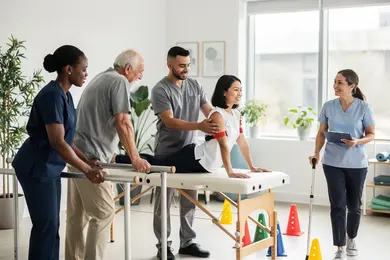
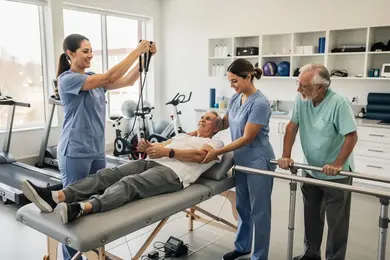
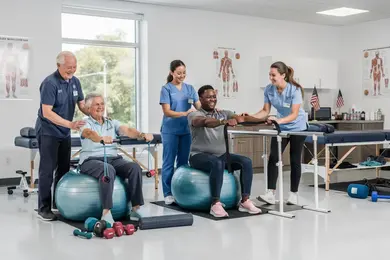
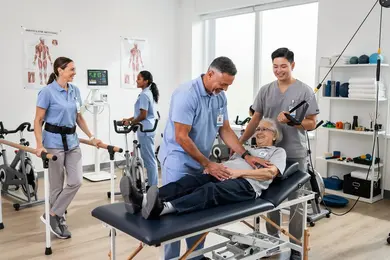
- Clinical Responsibilities: Students participate in patient care under supervision, engaging in assessments, treatment planning, and therapeutic interventions. Typical daily activities may include observing therapists, assisting with procedures, and documenting patient progress accurately.
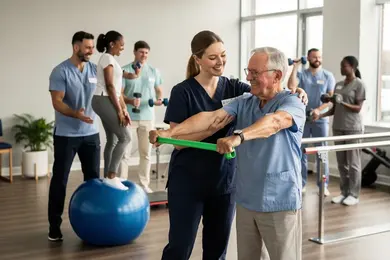
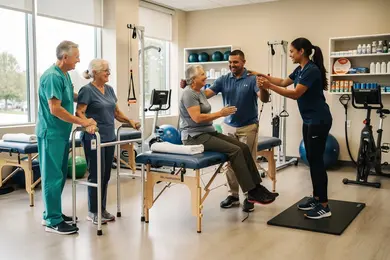
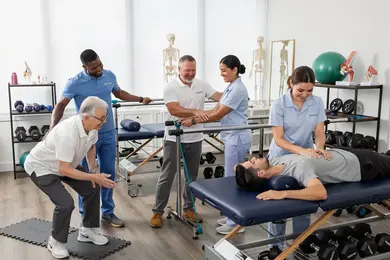
- Supervision and Mentorship: Experienced licensed therapists closely oversee students, providing real-time feedback, demonstrating professional conduct, and conducting structured evaluations. This supervision is essential for guiding student development and ensuring clinical competencies are met.
- Professional Conduct: Students must adhere to ethical standards such as maintaining patient confidentiality and exhibiting punctuality, respect, and effective communication with patients and healthcare teams.
- Performance Evaluation: Supervisors evaluate students both formally and informally, focusing on clinical skills, decision-making, communication abilities, and professionalism. These evaluations help identify areas for improvement and confirm readiness for program progression.
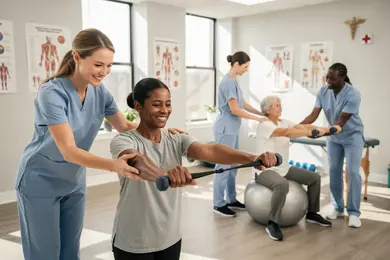
- Applied Skill Development: Emphasis is placed on refining manual therapy techniques, exercise prescription, patient education, and clinical reasoning. This targeted skill building supports students in adapting treatments based on patient responses.
- Communication Practices: Effective interaction with patients and multidisciplinary teams is a core practicum expectation, fostering collaboration and enhancing therapeutic outcomes.
- Challenges and Adaptation: Students encounter challenges such as time management, adjusting to fast-paced environments, and addressing diverse patient needs-experiences that cultivate resilience and professional maturity crucial for career success.
Leveraging these practicum experiences is crucial for students seeking to enhance their practical training and career prospects. For those interested in healthcare education programs that support such experiential learning, exploring the best online medical assistant programs can provide valuable insights into flexible, accessible pathways in related fields.
How Are Practicum Students Supervised And Evaluated?
Supervision and evaluation within practicum experiences are vital for guiding students and ensuring accountability in physical therapy education. These processes help bridge classroom theory with real-world application, fostering professional growth. Recent studies reveal that structured experiential learning can boost student performance and workplace readiness by up to 30%, emphasizing the value of direct oversight during practical training.
Key elements of supervision methods during physical therapy practicum and evaluation criteria for physical therapy practicum students include the following:
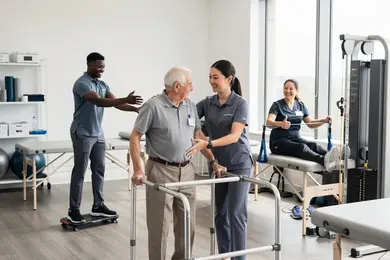
- Supervisor Roles: Licensed physical therapists oversee students, ensuring patient safety and providing expert guidance. They observe clinical interactions closely to offer tailored feedback that promotes clinical skills and professional conduct within busy healthcare settings.
- Mentorship and Communication: Ongoing dialogue between students and supervisors addresses learning gaps and challenges promptly. Mentors encourage reflective practice, helping students apply classroom knowledge effectively and develop critical reasoning essential for competent practice.
- Faculty and Site Coordinator Oversight: Faculty advisors and site coordinators track student progress and program compliance. Their coordination between academic institutions and clinical sites helps maintain standardized evaluation, ensuring consistent expectations across diverse practicum placements.
- Assessment Methods: Evaluation relies on various tools including direct observation, competency checklists, reflective journals, and performance reviews. These methods measure clinical reasoning, hands-on skills, professionalism, and preparedness for independent practice-key criteria in assessing student readiness.
- Progress and Final Evaluations: Students receive continuous progress reviews alongside a summative final assessment. Formal documentation of feedback supports decisions regarding advancement or areas needing improvement, reinforcing educational standards and accountability.
Supervision and evaluation practices may vary by institution or accrediting agency, but all prioritize safe, ethical patient care and competency demonstration. For students pursuing this pathway, understanding these structures helps clarify expectations and supports career development strategies. Gaining insight into the nurse practitioner salary landscape, for example, reflects broader healthcare workforce trends influencing practicum design and readiness benchmarks.
How Does Practicum Help With Licensure Or Certification Requirements?
Practicum experiences are essential for meeting professional licensure and certification standards in physical therapy-related fields. These supervised placements integrate academic knowledge with regulated clinical practice, ensuring students are prepared to meet official competency benchmarks. Over 90% of employers now prioritize hiring licensed practitioners who have completed extensive supervised fieldwork, highlighting its critical role in workforce readiness.
The following points outline the key practicum components that support licensure and certification preparation:
- Clinical Hours Fulfillment: Students must complete a set minimum of practicum hours, providing real-world exposure across diverse treatment environments. These hours are required to demonstrate hands-on proficiency necessary for certification eligibility.
- Competency Evaluation: Practicums involve rigorous assessments of clinical skills, professional judgment, and ethical behavior. Meeting these competency criteria confirms readiness for licensure examinations and independent practice.
- Supervised Training: Licensed clinicians or accredited faculty oversee practicums, ensuring training quality aligns with accrediting agency and regulatory standards. This supervision safeguards compliance with educational and licensure requirements.
- Documentation and Verification: Academic institutions maintain detailed practicum records, which serve as official proof of completed training. Licensing boards rely on these verified documents to confirm applicants have met all practicum mandates.
- Discipline-Specific Standards: Various physical therapy-related disciplines-including healthcare, counseling, and education-apply tailored practicum prerequisites within their certification pathways, reflecting specific professional competencies and regulatory demands.
What Do Students Say About Their Physical Therapy Practicum Experience?
- Jeremy: "My practicum experience in physical therapy was eye-opening, though I initially struggled with understanding the eligibility requirements, which delayed my placement. Once settled, the hands-on opportunities far exceeded my expectations and truly deepened my clinical knowledge. The supervision was rigorous but fair, with regular evaluations that helped me focus on my weaknesses and improve steadily."
- Allen: "Reflecting on my practicum, I found the process of meeting the eligibility criteria quite straightforward, but my expectations about the workload were underestimated. The pace and diversity of patient cases challenged me daily-some days were overwhelming while others taught me invaluable skills. My supervisor maintained a professional distance, which prompted me to develop independence but also left me wanting more feedback."
- Brooke: "From a professional standpoint, my physical therapy practicum was an essential bridge between classroom theory and clinical practice. Although I faced a few administrative hiccups with eligibility documentation, once those were resolved, I was impressed by the structured supervision and continuous performance evaluations. This experience confirmed my passion for physical therapy and helped refine my practical skills under expert guidance."
Other Things You Should Know About Physical Therapy Degrees
Yes, students often complete practicum hours at different clinical settings to gain a broader range of experiences. This variety exposes students to multiple patient populations and treatment approaches, which enhances their practical skills and adaptability within physical therapy.
Some programs allow limited virtual or telehealth practicum components, especially in response to recent healthcare trends. However, most accrediting bodies still require a significant portion of hands-on, in-person clinical experience to ensure competency in physical therapy techniques.
Students generally must have professional liability insurance while completing practicum placements. This coverage protects both the student and the clinical facility in case of any treatment-related incidents or claims arising during the practicum.
The 2027 Physical Therapy practicum aims to provide students with hands-on experience in clinical settings, enhance clinical reasoning and patient care skills, and integrate theoretical knowledge with practical application. It also seeks to prepare students for real-world challenges by working under the supervision of experienced physical therapists.
References
- Navigating Clinical Placement: Essential Tips for Physiotherapy Studen https://physionotehub.com/blogs/physiotherapy-study-blog/navigating-clinical-placement-essential-tips-for-physiotherapy-students
- What are background checks and security clearances? https://help.usajobs.gov/faq/job-announcement/security-clearances
- Physical Therapy Internship http://apcraleigh.com/contact/physical-therapy-internship/
- Physical Therapy Internship (Minnesota) - Health Sciences Education - Mayo Clinic College of Medicine & Science https://college.mayo.edu/academics/health-sciences-education/physical-therapy-internship-minnesota/
- PT School Observation Hours: How Many Are Needed for Applicants? - Strength Resurgence https://www.strengthresurgence.com/pt-school-observation-hours-how-many-are-needed-for-applicants/
- Practicum vs. Internship in Counseling Programs: What’s the Difference? https://www.nec.edu/news/practicum-vs-internship-counseling-programs
- MACP Practicum Portal https://practicum.yorkvilleu.ca/students/practicum-information/
- Q. Are there eligibility requirements prior to starting the internship/clinical practicum? https://chat.library.berkeleycollege.edu/faq/195897
- Background Checks and Security Clearances for Federal Jobs https://gogovernment.org/application-process/background-checks-and-security-clearances-for-federal-jobs/
- Healthcare Background Check Requirements: What You Need to Know https://www.cisive.com/blog/healthcare-background-check-requirements