2027 Physical Therapy Degree Jobs That Do Not Require Licensure

Co-Founder and Chief Data Scientist
What career options exist for graduates holding a physical therapy degree who want to avoid licensure? As the demand for healthcare professionals grows, not all roles require obtaining official licenses. In fact, approximately 15% of physical therapy degree holders pursue alternative career paths that do not involve licensure or certification. These jobs often leverage transferable skills in rehabilitation support, wellness coaching, healthcare administration, and medical sales across various industries.
Exploring physical therapy degree jobs that do not require licensure offers valuable insight into viable career alternatives and highlights opportunities for timely workforce entry and professional growth. This article examines these options to guide graduates effectively.
Key Benefits of Physical Therapy Degree Jobs That Do Not Require Licensure
- Absence of licensure requirements enables faster workforce entry, reducing barriers for physical therapy graduates by up to 30%, facilitating immediate employment opportunities.
- Diverse industries such as fitness, wellness, and rehabilitation technology offer roles without licensing, broadening career options beyond traditional clinical settings.
- Non-licensed positions help graduates develop transferable skills and gain valuable experience essential for long-term career advancement within and outside physical therapy fields.
What jobs can you get with a physical therapy degree without licensure?
A physical therapy degree offers graduates multiple avenues to build fulfilling careers across healthcare and wellness without the need for professional licensure. Jobs that leverage their expertise in anatomy, movement, and patient care are increasingly in demand, with employment for roles like health coaches projected to grow by 12% over the next decade.
Below are several common career paths suitable for physical therapy graduates without requiring licensure.
- Physical Therapy Assistant: Many entry-level PTA roles do not require formal licensure or certification, focusing on supporting licensed therapists through administrative duties, patient scheduling, and exercise demonstration. A physical therapy degree equips assistants with the knowledge to follow therapy protocols effectively and improve patient experiences.
- Rehabilitation Aide: This position involves preparing therapy equipment, assisting patients with mobility under supervision, and maintaining treatment spaces. Graduates can utilize their background to ensure safety and understand therapeutic goals, making their support more impactful without holding a license.
- Health Coach: With a grounding in human movement and injury prevention, physical therapy graduates can design wellness plans and promote healthy lifestyles. This role benefits from deep knowledge of body mechanics and aligns with growing demand, as wellness-focused employment rises steadily.
- Medical and Health Services Coordinator: Managing clinical operations, patient records, and scheduling relies on strong communication and organizational skills. Physical therapy graduates enhance coordination between healthcare providers and patients, optimizing clinic workflows without direct patient treatment or licensure.
- Research Assistant: Those interested in the scientific side of healthcare may work in physical therapy or health science research labs. Understanding therapeutic principles aids in experimental design and data analysis, contributing meaningfully to studies without requiring clinical licensure.
For graduates weighing career options for non-licensed physical therapy graduates, these roles represent versatile paths that leverage a physical therapy degree outside traditional licensed practice. Individuals considering related healthcare administrative roles may also explore options like medical billing, where understanding healthcare processes is valuable. Details about medical billing and coding cost can assist in evaluating supplementary certifications if desired.
Which industries hire physical therapy graduates without licensure?
Several industries value the transferable knowledge and general academic preparation that graduates with a degree in physical therapy bring, even without professional licensure. Employment for non-licensed physical therapy degree holders in roles supporting rehabilitation and wellness has increased by roughly 8% over the last decade.
Below are some key industries that commonly hire these graduates for roles leveraging their foundational expertise.
- Health and Wellness Centers: These facilities, such as gyms and rehabilitation-focused wellness centers, employ physical therapy graduates to design safe exercise programs and develop injury prevention strategies tailored to individual client needs.
- Sports and Athletics: Teams and athletic organizations hire graduates as support staff who assist in conditioning, injury monitoring, and collaborating with licensed professionals to optimize athlete recovery and performance.
- Corporate Wellness: Companies engage physical therapy graduates to conduct ergonomic assessments and implement wellness initiatives aimed at reducing workplace injuries and enhancing employee musculoskeletal health.
- Education: Special education and physical education departments utilize physical therapy graduates to support students with disabilities, applying therapy principles to improve mobility and participation in school activities.
- Healthcare Product and Medical Device Industry: Graduates fill roles such as clinical educators or product consultants who demonstrate equipment use and support healthcare staff training, relying on their background in human anatomy and rehabilitation techniques.
What entry-level jobs are available without physical therapy licensure?
Many industries offer positions for recent graduates that do not require professional licensure but value their academic training and transferable skills. About 20% of physical therapy graduates initially enter entry-level roles that emphasize practical experience over formal certification.
Below are several common jobs suited for those holding a physical therapy degree without a license.
- Physical Therapy Aide: Supports licensed therapists by preparing treatment spaces, assisting patients with basic exercises, and handling clerical tasks. A degree provides aides with foundational knowledge that improves patient interactions and clinic workflow, despite not delivering direct therapy.
- Rehabilitation Technician: Monitors patients as they perform exercises, operates therapeutic equipment, and keeps detailed records. Understanding treatment objectives and safety protocols from their education lets technicians effectively aid therapy teams without practicing autonomously.
- Patient Care Coordinator: Organizes appointments and facilitates communication between patients and therapists to ensure smooth treatment delivery. Clinical insights help coordinators better grasp patient needs and therapy goals, enhancing coordination efforts within healthcare settings.
- Wellness Coach: Guides individuals on injury prevention and safe exercise routines in community health or fitness programs. Knowledge of biomechanics and rehabilitation principles from physical therapy studies enables coaches to tailor advice promoting functional movement and health maintenance.
One physical therapy degree graduate shared how challenging it was to navigate the job market without a license. He explained that strong communication skills and willingness to learn compensated in early roles, though he often felt limited by not being able to perform hands-on treatments. He described applying to numerous positions before securing a technician role, appreciating how his academic background helped him understand clinical conversations and patient needs even without formal credentials.
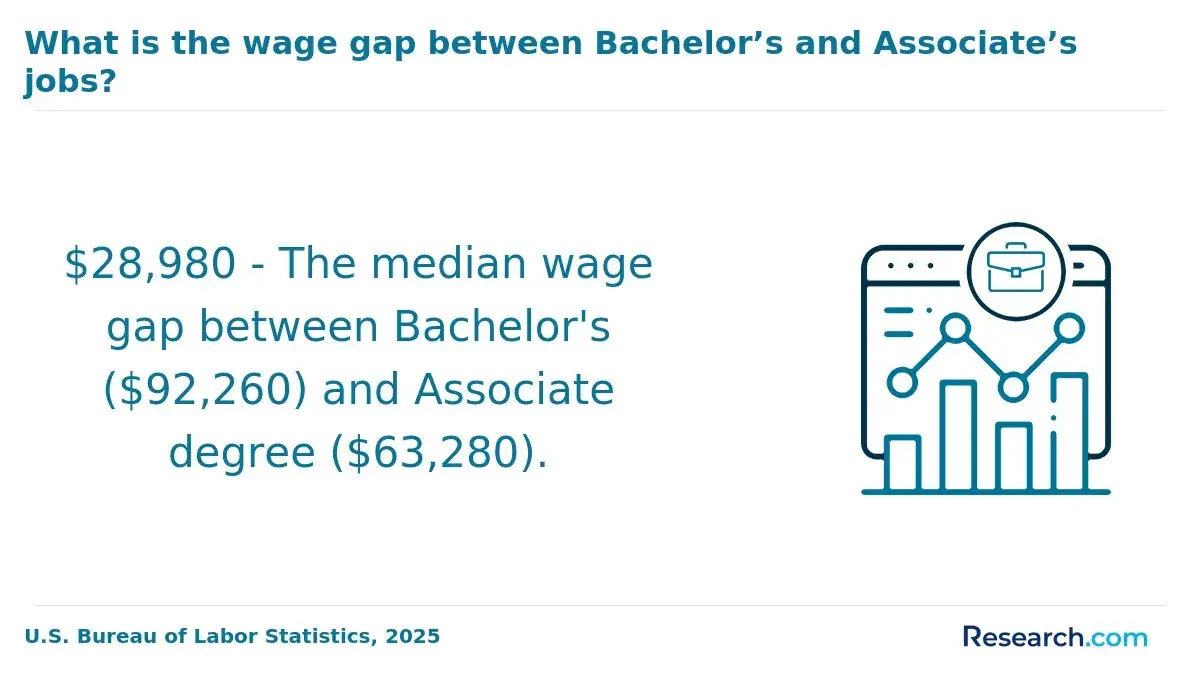
Salary levels for non-licensed physical therapy roles vary widely depending on industry demand, technical expertise, leadership duties, and overall business impact. Workers with bachelor's degrees in related health fields earn about 20% more than other health assistants, highlighting the financial benefits of these positions.
Here are some of the highest paying non-licensed physical therapy degree jobs.
- Rehabilitation Assistant: These professionals support licensed therapists by helping with patient exercises and managing equipment. Although often entry-level, experienced assistants in larger centers earn between $40,000 and $55,000 annually, leveraging their specialized knowledge.
- Fitness Director: Responsible for creating and supervising exercise programs aimed at improving wellness and injury prevention, fitness directors earn roughly $50,000 to $70,000. Their physical therapy background enhances their understanding of human movement, boosting earning potential.
- Ergonomic Specialist: By assessing workplace environments to reduce injury risks, these specialists command salaries from $60,000 to $85,000. Their clinical insight into injury mechanisms makes them valuable assets to employers.
- Medical Sales Representative: Specializing in rehab equipment sales, these professionals utilize their disease and treatment knowledge to drive strategies that yield salaries between $55,000 and $80,000, often with commission incentives.
- Clinical Coordinator: Overseeing patient schedules and therapy operations, clinical coordinators earn approximately $65,000 to $90,000. Their expertise enhances efficiency without requiring direct patient licensure.
Exploring these top non-licensed physical therapy careers with best salary options may appeal to those seeking financial rewards without pursuing licensure. For additional career advancement, consider options like a BSN completion to further diversify your health profession qualifications.
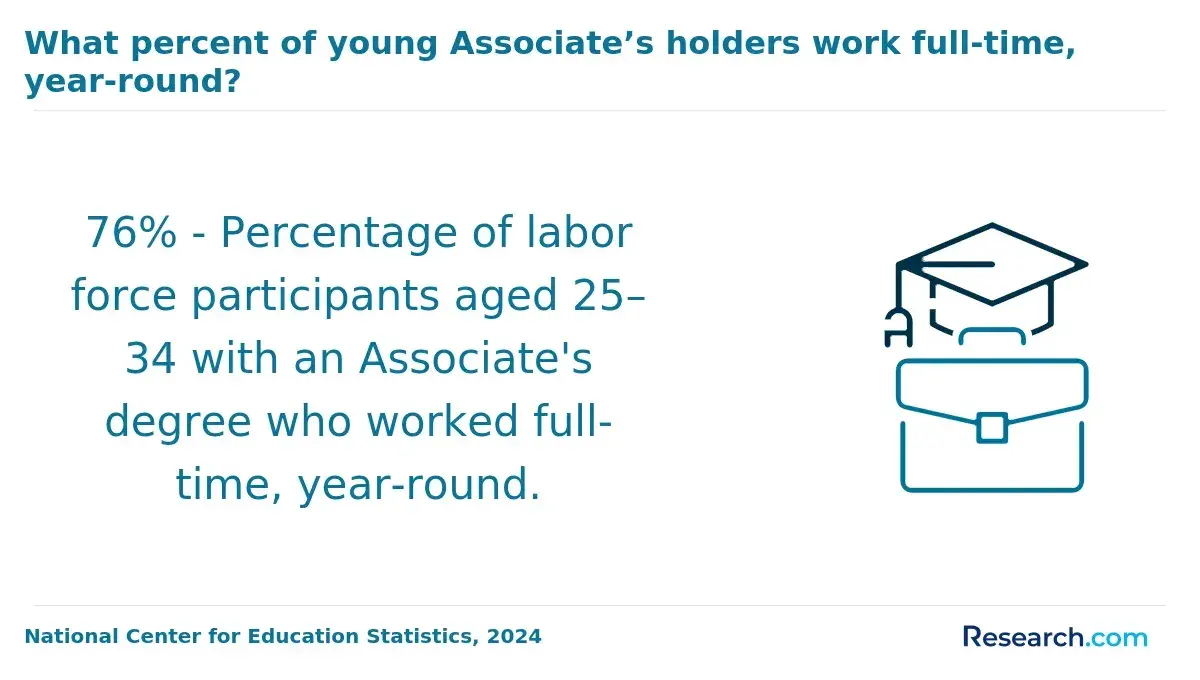
Employers hiring graduates without professional licensure often emphasize adaptable, practical skills that enhance workplace efficiency. A 2023 survey by the National Association of Workforce Development Professionals found that 68% of hiring managers prioritize candidates who demonstrate strong interpersonal and organizational abilities along with relevant technical knowledge.
Below are key competencies that improve job prospects for physical therapy graduates without licensure.
- Clear Communication: The capacity to convey information with clarity and empathy facilitates patient education, team coordination, and client support. This skill is vital for roles involving interaction with healthcare personnel or customer-focused tasks.
- Body Mechanics Expertise: Understanding anatomy and kinesiology aids in applying movement science across diverse settings such as fitness coaching, wellness programs, and ergonomic assessments, broadening employment opportunities beyond direct therapy.
- Accurate Documentation: Skillful record-keeping of client progress and procedural details ensures adherence to healthcare standards and enhances continuity among service providers, increasing reliability and job effectiveness.
- Analytical Problem Solving: The ability to evaluate individual needs and adjust recommendations fosters improved outcomes in rehabilitation support and health-related services, making candidates more valuable contributors.
- Collaborative Teamwork: Working effectively within multidisciplinary groups boosts productivity and supports comprehensive care approaches, qualities that employers seek in non-licensed positions across clinical and community settings.
Certifications and licensure play different roles in physical therapy careers, with licensure serving as a mandatory, state-regulated credential that authorizes individuals to practice as licensed physical therapists. Certifications, however, are voluntary credentials that demonstrate specialized skills or knowledge beyond the minimum required for licensure.
While certifications cannot replace licensure for legally regulated duties, they can act as substitutes in certain career paths. For example, a recent survey found that about 68% of employers in roles related to physical therapy value certifications when licensure is not required, highlighting their importance for support positions and specialized competencies like exercise instruction or therapeutic techniques.
Certifications may be sufficient in non-licensed physical therapy certification options such as physical therapy aides, rehab technicians, or fitness trainers, where clinical decision-making or independent treatment planning is not required. These credentials allow practitioners to contribute meaningfully under supervision or in wellness roles without breaching legal scope of practice. It is essential to understand that certifications do not grant the legal authority to perform licensed tasks like patient diagnosis.
Prospective professionals should carefully evaluate the credential requirements in their target regions and roles. Those seeking more information about related career paths might explore biology major jobs for insights into allied health positions that may align with physical therapy support roles.
Remote work has grown rapidly, with recent data showing a 159% increase in telecommuting since 2005, fueled by advances in digital tools and virtual collaboration. This expansion creates new pathways for physical therapy graduates who lack licensure to contribute meaningfully in healthcare-related roles from afar.
Here are some viable remote job options leveraging their expertise without requiring formal credentials.
- Medical Writer: Physical therapy graduates can develop clear, accurate content for health websites, patient education materials, or research summaries. Their understanding of anatomy and rehabilitation helps translate complex ideas into plain language suitable for various audiences.
- Case Manager: Remote case managers coordinate patient care plans, track progress, and liaise with healthcare providers. This role uses organizational skills and clinical knowledge but typically does not demand physical therapy licensure for many entry-level positions.
- Health Coach: Graduates can guide clients via online platforms on exercise, injury prevention, and lifestyle changes to promote wellness. These roles focus on motivation and education rather than clinical diagnosis or hands-on treatment.
- Telehealth Support Specialist: Positions involving scheduling, patient education, and administrative tasks help clinics run smoothly without direct patient care. Strong familiarity with healthcare environments and communication abilities are key in this remote function.
- Research Assistant: Assisting in physical therapy research projects remotely, these roles include data collection, literature reviews, and report preparation. They support evidence-based practice without requiring clinical credentials or licensure.
When asked about what remote jobs can physical therapy graduates get without licensure, a professional with a Physical Therapy degree recounted her experience transitioning into a healthcare writing role. She highlighted the challenge of shifting from hands-on patient interaction to creating educational content but appreciated how her training gave her confidence in interpreting scientific language.
"It took time to develop the skills to write for diverse readers," she noted, "but understanding the subject deeply made the process rewarding." She emphasized that remote work allowed her flexibility and enabled her to remain connected to the healthcare field while pursuing new career directions without the lengthy licensure process.
Lacking licensure significantly reduces job competitiveness for physical therapy graduates. About 72% of employers mandate licensure as a hiring criterion, limiting opportunities for those without it. Several specific challenges arise for non-licensed applicants seeking roles in the physical therapy field.
- Employer Preference: Healthcare employers prioritize licensed candidates as licensure proves clinical competence and legal authorization. This preference restricts job availability, even for positions without strict licensure requirements.
- Credential Barriers: Without a license, applicants cannot perform certain regulated tasks, making employers hesitant to offer roles involving direct patient interaction or therapy. This confines many to assistant-level positions with less responsibility.
- Experience Requirements: Many jobs require prior clinical experience that non-licensed graduates often lack due to limited hands-on training opportunities. This catch-22 situation narrows hiring options, as experience is hard to gain without licensure.
- Regulatory Limits: State and federal laws restrict non-licensed physical therapy graduates from practicing in many jurisdictions. These legal barriers substantially reduce the geographic scope of job openings, demanding flexibility or relocation.
Understanding these challenges can help physical therapy graduates strategize effectively within healthcare support roles that do not require professional licensure.
There are definite career limitations for non-licensed physical therapy degree holders seeking roles in the healthcare sector. According to the U.S. Bureau of Labor Statistics, fewer than 5% of physical therapy-related positions allow employment without licensure, highlighting significant barriers for those lacking formal credentials.
These restrictions reflect the broad regulatory framework that governs healthcare jobs, which demands licensure as verification of professional competence and legal authority to practice. For many graduates, this means the job market often favors licensed individuals for clinical and patient-facing roles, while non-licensed professionals may find fewer opportunities in these areas.
The limitations of physical therapy graduates without licensure include exclusion from independently diagnosing or treating patients, which slows career advancement and restricts access to specialized roles. Many leadership and research positions also require licensure as a prerequisite, effectively capping professional growth for non-licensed individuals.
As a result, some may seek alternative career paths or additional credentials, such as pursuing a doctorate of healthcare administration, to enhance their qualifications and mobility. Overall, non-licensed physical therapy degree career restrictions emphasize the importance of licensure in securing full participation in regulated physical therapy professions.
Deciding to skip licensure after earning a physical therapy degree can shape the entire trajectory of a graduate's career. Licensed professionals generally see 19% higher employment growth than those in related non-licensed roles. Evaluating several crucial factors can help clarify if foregoing licensure aligns with a graduate's long-term plans.
- Industry Requirements: Many employers prioritize or require licensure for roles involving direct patient care or advanced responsibilities. Without it, job options may be limited to support or administrative positions, impacting career flexibility and growth.
- Career Goals: Graduates focused on clinical decision-making and independent practice typically need licensure. However, those interested in research or education might find non-licensed positions more suitable, as these roles often do not mandate professional credentials.
- Long-Term Growth Potential: Licensure often correlates with greater job security and upward mobility within healthcare settings. Holding a license can provide access to leadership roles and specialized areas that non-licensed jobs do not offer.
- Job Accessibility: Regional regulations strongly affect who can practice physically, limiting non-licensed work in certain states. Reviewing local licensure laws ensures graduates understand where non-licensed physical therapy job considerations might be viable.
For those comparing career pathways, exploring options such as a nutritionist degree may offer alternative ways to remain in healthcare without licensing hurdles.
What Graduates Say About Physical Therapy Degree Jobs That Do Not Require Licensure
- Otis: "Choosing not to pursue licensure after earning my physical therapy degree was a practical decision that allowed me to jump directly into roles like rehabilitation aide and fitness consultant. I found it incredibly rewarding to start working immediately and gain hands-on experience without the pressure of additional certifications. This path gave me valuable insights into patient care from a different perspective, enriching my professional growth."
- Ronan: "Reflecting on my journey, I realized that a career in physical therapy that doesn't require licensure still offers meaningful opportunities to impact lives through wellness coaching and administrative support. While I didn't take the traditional route, working behind the scenes allowed me to influence care coordination and patient education in a way that felt equally important. It's been fulfilling to contribute without the burden of licensure exams, focusing instead on the broader aspects of healthcare."
- Brooks: "Starting my career immediately after graduation without seeking licensure was a strategic move that opened doors to diverse roles such as rehabilitation technician and personal trainer. I appreciated the flexibility this provided and the chance to build a foundation within healthcare settings before possibly advancing later. Having a physical therapy degree without licensure hasn't limited my impact; instead, it has broadened my understanding of patient care and interdisciplinary collaboration."
Other Things You Should Know About Physical Therapy Degrees
In 2027, individuals with a physical therapy degree but no licensure can work as research assistants or coordinators in academic or healthcare settings. These roles often involve collecting data, managing research projects, and supporting licensed professionals in developing treatment protocols.
Clinical roles typically require licensure and involve direct patient care, while non-clinical roles such as administrative positions or health policy analysis do not. The latter often focus on program development and strategic planning, demanding a solid understanding of healthcare systems.
In 2027, entry-level job titles for those with a physical therapy degree but no license include rehabilitation aide, therapy assistant, and medical equipment sales representative. These roles typically focus on support functions or equipment sales and do not require direct patient care licenses.
A physical therapy graduate can work as a compliance coordinator, audit assistant, or regulatory specialist without a license if the role is administrative. Most employers require knowledge of HIPAA, Medicare, and state billing rules, plus a bachelor’s or master’s degree and 1–2 years of healthcare office experience.
- The Top 5 High-Paying, Flexible, and Non-Traditional Physical Therapy Career Options https://www.kins.com/blog-posts/the-top-5-high-paying-non-traditional-physical-therapy-career-options
- Non Clinical Physical Therapy Jobs | University of St. Augustine for Health Sciences https://www.usa.edu/blog/a-plan-b-for-the-dpt/
- How to Prepare for the Physical Therapy Licensure Exam | LearnTastic https://learntastic.com/blog/physical-therapy-exam-licensure-what-to-expect-and-how-to-prepare
- Physical therapist careers: Clinical vs Non-clinical paths https://medcadre.com/physical-therapist-career-paths-clinical-nonclinical/
- 4 Certifications Physical Therapists Need to Start Working https://lattimorept.com/4-certifications-physical-therapists-need-to-start-working/
- 10 Best Remote PT Jobs in 2025: Pay, Skills & Companies https://www.sprypt.com/blog/top-10-telehealth-physical-therapy-jobs
- Factors Related to Physical Therapist License Examination Scores https://www.proquest.com/scholarly-journals/factors-related-physical-therapist-license/docview/217085136/se-2
- 7 Problems in Physical Therapy in 2025 [and How to Tackle Them!] https://www.medesk.net/en/blog/problems-in-physical-therapy/
- Eligibility Requirements https://www.fsbpt.org/Secondary-Pages/Exam-Candidates/National-Exam-NPTE/Eligibility-Requirements
- 12 Non-Clinical Physical Therapy Jobs for 2025 - The Non-Clinical PT https://thenonclinicalpt.com/non-clinical-jobs-physical-therapists/