2027 Military-Friendly Online Geoscience Degree Programs: Benefits, Accreditation, and Career Outcomes

Co-Founder and Chief Data Scientist
Choosing an online geoscience degree as a service member, veteran, reservist, National Guard member, or military spouse is not just a question of convenience. The program has to work around duty schedules, deployments, relocation, benefit rules, transfer-credit policies, lab or field requirements, and—depending on the career path—state licensure expectations.
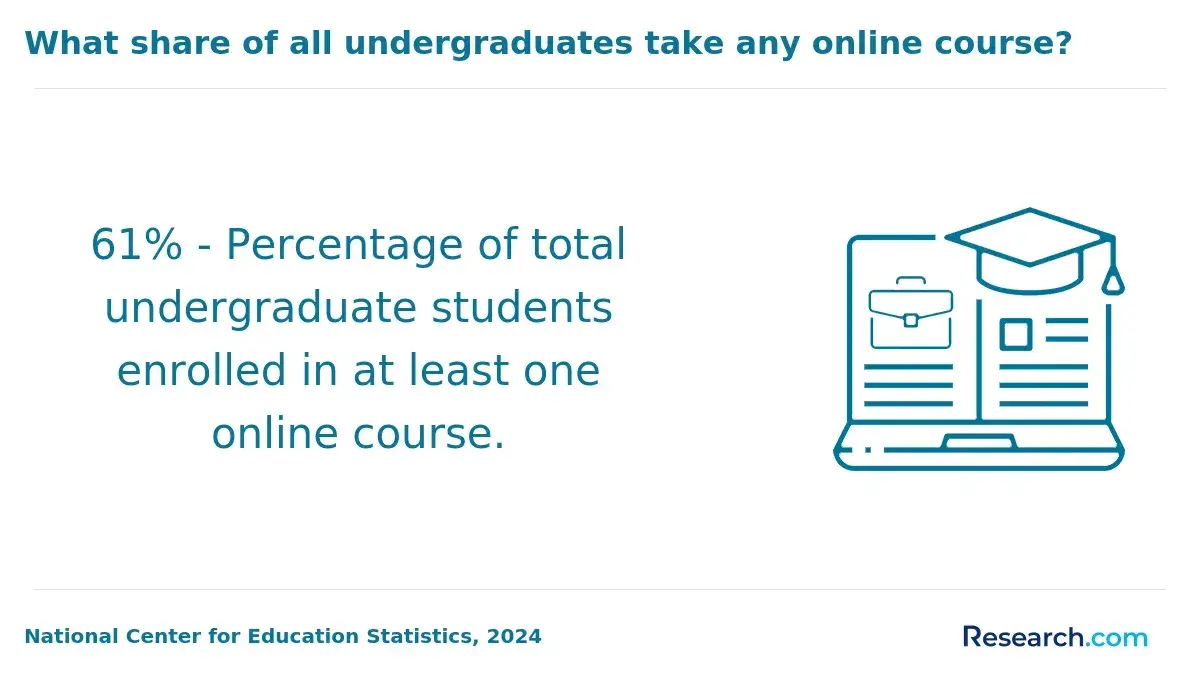
Online study can be a strong fit for military-affiliated learners. According to the National Center for Education Statistics, 30% of veterans enrolled in college choose online formats, yet only a fraction find programs aligned with specific STEM fields like geoscience. That matters because geoscience programs often include technical coursework, field-based learning, data analysis, and science prerequisites that may be harder to evaluate than a general online degree.
This guide explains how military-friendly online geoscience programs work, who may qualify, how accreditation and licensure affect career options, what costs to expect, and how military education benefits may help reduce out-of-pocket expenses. It is designed to help you compare programs with a practical lens: flexibility, credibility, affordability, credit for military training, and civilian career value.
Key Benefits of Military-Friendly Online Geoscience Degree Programs
- Military-friendly online geoscience programs offer flexible scheduling and asynchronous courses, accommodating active duty members' varying deployments and duty hours efficiently.
- Many programs recognize military training for academic credit, reducing time and cost to degree completion, benefiting nearly 1 million U.S. veterans pursuing higher education.
- These degrees enhance career readiness by providing targeted support for civilian transition, with connections to geoscience-related industries valuing military experience and technical skills.
What Does "Military-Friendly" Mean for Online Geoscience Degree Programs?
A military-friendly online geoscience program is designed to help military-affiliated students complete a science degree without losing academic progress because of deployments, relocation, changing duty hours, or benefit-processing delays. The label should mean more than a marketing phrase. It should show up in policies, advising, course design, transfer-credit practices, and financial-aid support.
With over 600,000 military-affiliated students enrolled in postsecondary education according to the National Center for Education Statistics, colleges increasingly serve learners whose academic plans must fit around military obligations. In geoscience, that support is especially important because students may need to complete labs, field experiences, mapping projects, environmental science coursework, or data-intensive assignments.
Core features to look for
- Asynchronous or low-residency coursework: Recorded lectures, flexible weekly deadlines, and online discussion formats make it easier to continue coursework across time zones and duty changes.
- Deployment and interruption policies: Strong programs publish clear options for extensions, temporary withdrawals, incompletes, re-enrollment, and tuition adjustments when military orders interrupt a term.
- Credit for military learning: Programs should review Joint Services Transcript records, Community College of the Air Force coursework, military occupational training, and relevant certifications where applicable.
- GI Bill and Tuition Assistance compatibility: A military-friendly program should have staff who understand benefit certification, enrollment status rules, tuition caps, and documentation timelines.
- Dedicated military advising: Advisors should help students plan around deployments, select courses in the right sequence, and avoid benefit-related mistakes such as taking ineligible courses.
- Career support for the military-to-civilian transition: Useful services include resume translation, federal and state job-search guidance, internship support, and help explaining military technical experience to civilian employers.
When comparing online geoscience degrees for veterans or active-duty students, ask for written policies rather than relying on broad claims. A program that is truly military-friendly should be able to explain how it handles fieldwork, labs, transfer credits, deployment interruptions, and benefit certification before you enroll. Students comparing other flexible military-aware pathways may also review options such as MSW programs, which often use similar support models for online learners.
Who Qualifies for Military-Friendly Online Geoscience Degree Programs?
Military-friendly online geoscience programs generally serve students with a verified connection to the U.S. military. Nearly 15% of all undergraduate students in the U.S. have some military affiliation, so many colleges have formal enrollment, advising, and aid processes for these learners. Qualification can affect admissions support, tuition discounts, transfer-credit review, priority registration, and access to military education benefits.
Eligibility rules vary by institution and by benefit program. Before applying, confirm which benefits apply to your status and what documentation the school requires.
- Active-duty service members: Active-duty students usually verify status with a military ID, official orders, or branch-approved Tuition Assistance documentation. The most important program features are flexible pacing, deployment policies, and advisors who understand branch-specific education rules.
- Veterans: Veterans are commonly asked to provide a DD-214 or other discharge documentation. GI Bill eligibility depends on service history and discharge status, so applicants should confirm benefit coverage with the school’s veterans services or certifying official.
- Reservists and National Guard members: These students may need to verify current service status, drill obligations, or activation orders. The best programs make it possible to pause or adjust coursework when training, mobilization, or emergency response duties interfere with deadlines.
- Military spouses: Spouses may qualify through documentation such as proof of marriage and verification of the service member’s status. Because relocation can disrupt career plans, online geoscience programs with portable coursework and strong advising can be especially useful.
Common documentation to prepare
- Military ID or proof of current service, when applicable
- DD-214 or separation documentation for veterans
- Joint Services Transcript or other official training records
- GI Bill Certificate of Eligibility, if using VA education benefits
- Tuition Assistance approval, if using branch-funded TA
- Marriage documentation and service verification for spouse-based benefits
The right question is not only whether you qualify for admission. It is whether you qualify for the specific support, pricing, credit review, and benefit processing that make the program practical. Students comparing flexible degree timelines in other fields may also review information on the fastest online psychology degree to understand how online programs structure accelerated pathways.
Are Military-Friendly Online Geoscience Programs Accredited?
Accreditation should be one of the first filters for any online geoscience degree. For military-affiliated students, it affects federal financial aid, GI Bill eligibility, credit transfer, graduate school admission, employer recognition, and—where applicable—professional licensure. Nearly 90% of reputable online degree programs in STEM fields, including those in geoscience, hold regional or specialized accreditation, reflecting a strong commitment to recognized academic standards for distance learners.
At minimum, students should look for institutional accreditation from a recognized accrediting agency. Accreditation can be verified through official accreditor websites or the U.S. Department of Education’s database. The Council on Higher Education Accreditation can also be useful for understanding recognized accreditation and quality-assurance standards.
Why accreditation matters for military students
- Federal aid and VA benefits: Many aid programs require enrollment at an eligible, accredited institution. If a school is not properly accredited, benefits may not apply.
- Transfer credit: Military learners who relocate or change programs need credits that another institution is more likely to accept. Accreditation improves transferability, though it does not guarantee it.
- Graduate school access: Students planning a master’s degree in geology, environmental science, GIS, hydrology, or a related field may need a degree from an accredited institution.
- Licensure preparation: Some geoscience career paths require state licensure or professional registration. State boards may require specific coursework, field experience, or graduation from an accredited institution.
- Employer confidence: Employers in environmental consulting, energy, government, engineering support, and natural-resource roles often screen for degrees from recognized institutions.
How to verify a program before applying
- Check the institution’s accreditation status on the school website and confirm it through an official accreditation database.
- Ask whether the online geoscience program follows the same curriculum standards as any campus-based version.
- Request details on required labs, fieldwork, internships, or residencies.
- Confirm whether the program meets education requirements for licensure in the state where you plan to work.
- Ask how transfer credit from military training and prior colleges is evaluated.
Do not rely only on the phrase “military-friendly.” A program can offer good military advising but still be a poor fit if its accreditation, fieldwork design, or licensure alignment does not match your goals. Students comparing accredited online options in other fields may also find useful context in guides to affordable online psychology masters programs.
The cost of a military-friendly online geoscience program depends on tuition, fees, transfer credits, benefit eligibility, course load, and whether the program requires labs or field experiences. With tuition rates increasing about 2% annually at institutions serving military students, it is important to calculate the full cost before enrolling, not just the advertised tuition rate.
Most programs charge between $300 and $600 for each credit hour. The final amount you pay may be lower if you receive Tuition Assistance, GI Bill funding, institutional military discounts, scholarships, or credit for prior military learning.
Typical cost categories
- Tuition per credit hour: This is usually the largest cost. Military-affiliated students should ask whether the school offers a reduced military tuition rate and whether that rate applies to geoscience courses, labs, and upper-division credits.
- Technology and administrative fees: Online programs may charge fees for learning platforms, student services, identity verification, transcript processing, or online course delivery. Some military-friendly schools reduce or waive selected fees.
- Materials fees: Geoscience students may need textbooks, mapping software, lab kits, digital field tools, data subscriptions, or specialized course materials. Ask whether required materials are included in tuition or billed separately.
- Practicum or lab fees: Geoscience often requires applied learning. Field courses, lab kits, local site work, equipment, travel, or supervised experiences can add costs that are not obvious in a tuition estimate.
- Transfer-credit impact: Accepted military training or prior college credits can reduce total cost by lowering the number of credits needed for graduation.
Questions to ask the school’s financial office
- What is the total estimated program cost after military tuition discounts?
- Are online geoscience lab, field, or software fees billed separately?
- Does Tuition Assistance cover all required courses in the program?
- How does GI Bill funding apply to part-time or fully online enrollment?
- Will transfer credits reduce both time to completion and total tuition?
- Are there fees if deployment requires withdrawal, course extension, or re-enrollment?
A low per-credit rate is helpful, but it does not tell the whole story. The best value is usually an accredited program that accepts relevant transfer credit, aligns with your career goal, supports military benefit processing, and avoids unnecessary delays.
Financial aid can make the difference between an affordable degree and one that creates avoidable debt. Nearly half of military-connected learners tap into federal aid or tuition assistance, so applicants should compare aid options early and confirm how each source applies to an online geoscience program.
Military-friendly schools should help students coordinate military benefits, institutional aid, and federal student aid without creating payment gaps or enrollment-status problems.
- GI Bill Benefits: GI Bill funds may help pay for tuition, housing, and educational materials for eligible veterans and active-duty members. Eligibility depends on service duration, benefit type, enrollment status, and discharge status. Students should confirm how benefits apply to fully online coursework.
- Tuition Assistance (TA): Tuition Assistance is provided through military branches for eligible active-duty personnel enrolled in approved courses. TA rules can differ by branch, and students must follow approval timelines before classes begin.
- Military Scholarships: Some colleges, foundations, professional associations, and military-affiliated organizations offer scholarships for service members, veterans, spouses, or dependents. Scholarships do not require repayment and may help cover tuition, fees, books, or field costs.
- Federal Student Aid and Loan Forgiveness: Eligible students may qualify for grants, work-study, or federal loans. Some loan forgiveness options may apply to veterans or graduates working in qualifying public service roles or STEM careers such as geoscience.
How to use aid strategically
- Start with benefits you do not repay: GI Bill funds, Tuition Assistance, grants, and scholarships should generally be reviewed before loans.
- Confirm course eligibility: Aid may not cover courses that do not apply to your degree plan. This is especially important when choosing electives.
- Ask about timing: Delayed benefit certification can create temporary balances. A military-friendly school should explain payment deadlines and deferral options.
- Plan for field and lab expenses: Some aid packages cover tuition well but leave students responsible for travel, software, equipment, or materials.
- Avoid overborrowing: Borrow only after calculating remaining costs after transfer credits and military benefits.
One veteran who completed an online geoscience degree described elective selection as more important than expected. Balancing coursework with service commitments was difficult at first, but choosing classes tied to long-term career goals helped maintain motivation. As he put it, “Choosing the right classes was not just about meeting requirements. It was about finding the topics that kept me moving forward during the hardest weeks.”
The lesson is practical: financial aid helps, but academic planning matters too. Use advising to choose courses that satisfy degree requirements, support career goals, and remain eligible for your benefits.
Many online geoscience programs review military training for possible academic credit, but acceptance is not automatic. About 76% of colleges now grant academic credit for some form of military experience, which can reduce the time and cost required to complete a degree. The amount of credit awarded depends on the institution, the degree plan, the type of military training, and how closely that training matches college-level coursework.
For geoscience students, military credit may apply more often to general education, technical electives, leadership, safety, logistics, data systems, environmental training, or related science and technology areas. Core geoscience requirements may still need to be completed through the college if they involve specific geology, hydrology, GIS, field methods, or lab competencies.
How credit is usually evaluated
- Transcript Evaluation: Schools commonly review the Joint Services Transcript, Community College of the Air Force records, prior college transcripts, and other official training documentation. The registrar or transfer-credit office determines how credits apply.
- Course and Certification Alignment: Military coursework, certifications, and occupational training may be compared with existing college courses. Credit is more likely when learning outcomes match general education, science, technology, or elective requirements.
- Documentation Requirements: Students should submit official records, not informal training summaries. Some programs may also request syllabi, certification records, proficiency documentation, or descriptions of technical duties.
- Degree Completion Impact: Accepted credit can help students avoid repeating material they have already mastered. However, excess elective credit may not shorten the degree if the remaining requirements are highly specific.
Questions to ask before enrolling
- How many military credits can be applied to the geoscience degree?
- Will accepted credits reduce required tuition, or will they count only as general electives?
- Are there limits on transfer credits for upper-division major requirements?
- Can military technical training satisfy lab, field, GIS, environmental, or data-analysis requirements?
- Will the school provide an official degree audit before enrollment?
The best-case outcome is not simply receiving a large number of credits. It is receiving credits that actually apply to the degree plan and shorten the path to graduation.
Online geoscience programs can be flexible for deployments, but the level of flexibility varies widely. Active-duty students should look for written policies that address military orders, missed deadlines, temporary withdrawal, re-enrollment, exams, fieldwork, and communication during limited connectivity. A program is not deployment-friendly simply because it is online.
Strong military-friendly programs typically use asynchronous coursework, recorded lectures, flexible assignment windows, and online discussion boards so students can continue learning across time zones. They may also offer deadline extensions, incomplete grades, leave-of-absence options, and re-entry support when deployment or mission requirements interrupt a term.
Deployment-friendly features that matter most
- Asynchronous access: Students can watch lectures, review materials, and complete assignments without attending live sessions at fixed times.
- Flexible exam policies: Proctored exams should include options for different time zones, military locations, or approved alternative arrangements.
- Clear military withdrawal policies: Students should know what happens to tuition, grades, benefits, and academic standing if orders force them to stop midterm.
- Responsive faculty communication: Faculty should provide a realistic process for requesting extensions or makeup work when military duties interfere.
- Fieldwork alternatives: Because geoscience may require field learning, the program should explain how deployed or relocated students can complete local, remote, or delayed field components.
- Dedicated military advising: Advisors can help students build course schedules around known deployments, training cycles, and benefit limits.
An active-duty student in a military-friendly online geoscience program described the flexibility as essential rather than optional. Mission demands made a traditional schedule unrealistic, but recorded lectures and faculty communication helped her stay enrolled. “Knowing I could catch up after a hectic week or shift gave me peace of mind,” she said. Her experience shows why students should evaluate the policies behind the online format before committing.
Some military-friendly online geoscience programs are designed with licensure preparation in mind, but students should not assume that every online degree meets every state’s requirements. Licensure for geoscientists, geologists, or related roles varies by state and may depend on coursework, field experience, exams, supervised work experience, and graduation from an accredited institution. Graduates from accredited geoscience programs frequently achieve pass rates above 70% on professional licensure exams, highlighting the importance of choosing the right program.
If your goal is professional registration or a licensed geoscience role, confirm requirements with the licensing board in the state where you plan to work. This is especially important for military students who may relocate after graduation.
- Curriculum alignment: Licensure-oriented programs should include foundational geology, earth systems, mineralogy, structural geology, sedimentology, environmental regulations, mapping, data analysis, and other board-relevant coursework where required.
- Practicum or field experience: Many geoscience pathways require applied learning. Online programs may use local field assignments, summer field sessions, intensive residencies, approved employer-based projects, or supervised fieldwork.
- Exam preparation resources: Some programs offer study guides, faculty-led review sessions, practice questions, and advising for licensure exams. These resources can be useful, but they do not replace state eligibility requirements.
- Accreditation and regulatory compliance: Accreditation supports recognition of the degree, while state board alignment determines whether the coursework is acceptable for licensure. Both should be checked before enrollment.
Licensure questions to ask the program
- Does this degree meet education requirements for geoscience licensure in my state?
- Which states has the program specifically reviewed for licensure alignment?
- Are required field or lab components available to online military students?
- Will military relocation affect my ability to complete state-specific requirements?
- Does the program provide written licensure disclosures for online students?
Military-friendly support can help you complete the degree, but licensure depends on external rules. Get written confirmation before enrolling if a licensed role is part of your career plan.
An online geoscience degree can support careers in environmental consulting, natural resources, geology, water systems, disaster mitigation, energy, public agencies, and technical field support. For military-affiliated students, the degree can pair well with experience in operations, logistics, mapping, engineering support, safety, intelligence analysis, emergency response, or technical equipment use. The demand for professionals in geoscience-related fields is expected to grow by 6% over the next decade.
Career fit depends on the degree level, coursework, field experience, licensure status, location, and employer requirements. Some roles may be available with a bachelor’s degree, while others may prefer or require graduate study, specialized technical skills, or professional registration.
- Environmental Consultant: Environmental consultants evaluate site conditions, prepare reports, support compliance work, and help organizations address environmental risks. Military experience in documentation, safety procedures, and project coordination can transfer well to this role.
- Geologist: Geologists study earth materials, analyze landforms and subsurface conditions, assess hazards, and support resource or infrastructure projects. Students interested in licensed practice should confirm state requirements early.
- Hydrogeologist: Hydrogeologists focus on groundwater movement, water quality, aquifer systems, and resource protection. Military backgrounds in logistics, infrastructure, environmental health, or technical analysis may be useful preparation.
- Geological Technician: Geological technicians support scientists by collecting samples, maintaining records, operating equipment, preparing maps, and assisting with laboratory or field analysis. This can be a practical entry point for graduates building civilian experience.
- Natural Disaster Analyst and Mitigation Specialist: These professionals use geoscience knowledge to assess hazards such as floods, landslides, earthquakes, erosion, and severe weather impacts. Military training in emergency planning and crisis response can be valuable.
Skills that improve employability
- GIS and remote sensing
- Field sampling and site assessment
- Data analysis and technical reporting
- Environmental regulation and compliance knowledge
- Hydrology, soil science, and earth systems coursework
- Safety procedures and field documentation
Military students seeking geoscience degree jobs for veterans should compare programs based on career outcomes, field learning, software exposure, and employer connections—not online format alone. If affordability is the main concern, reviewing a cheapest online bachelor's degree can help identify lower-cost pathways, but accreditation and career alignment should remain central.
Earnings for military graduates with an online geoscience degree vary by role, location, licensure, experience, industry, and degree level. Licensed geoscientists typically earn 10% to 20% more than non-licensed peers in the field, which makes licensure planning important for students pursuing regulated or higher-responsibility roles.
An online degree from an accredited institution can be valuable, but salary outcomes depend on more than the delivery format. Employers often look closely at technical skills, field experience, software proficiency, reporting ability, and whether the graduate can meet project or regulatory requirements.
- Licensure Status: Licensure can improve access to roles involving professional judgment, public accountability, supervisory responsibility, or sign-off authority. It may also support advancement into senior technical or management positions.
- Years of Experience: Military experience may help demonstrate leadership, discipline, safety awareness, and technical responsibility, but civilian geoscience salaries typically grow with directly relevant field, lab, consulting, or regulatory experience.
- Specialty or Role: Environmental consulting, hydrogeology, resource exploration, geological hazard assessment, and energy-related roles may have different earning potential. Technical specialization can affect pay more than the degree title alone.
- Geographic Location: Pay can vary significantly by region because geoscience work is tied to local geology, infrastructure, environmental regulation, energy activity, water resources, and cost of living. Military graduates willing to relocate may find more specialized opportunities.
How to strengthen salary potential
- Choose an accredited program that supports your target career path.
- Confirm licensure requirements before selecting courses.
- Build GIS, data analysis, and technical writing skills.
- Seek internships, field projects, research opportunities, or employer-based applied work.
- Translate military experience into civilian language on resumes and interviews.
- Consider targeted credentials when they add recognized value.
Graduates should verify that their online program meets accreditation and state licensing expectations before assuming it will qualify them for all geoscience roles. Military-affiliated students who want to expand technical skills or improve advancement potential may also compare certifications online that align with geoscience, environmental compliance, GIS, or data-focused careers.
What Graduates Say About Their Military-Friendly Online Geoscience Degree
- : "A military-friendly online geoscience degree gave me the schedule flexibility I needed during deployments without forcing me to pause my career goals. The support staff understood military paperwork, and the online format made it possible to keep moving even when my location changed. With an average cost of attendance around $15,000, it felt like a practical investment that helped me move into environmental consulting. —Louie"
- : "What stood out to me was how portable the program was. I could study from wherever I was stationed, and I did not have to restart every time my circumstances changed. The degree helped me qualify for geological surveying opportunities that I had not seriously considered before enrolling. —Zamir"
- : "The program was rigorous, but that was part of its value. It combined technical geoscience coursework with applied projects, and the flexibility allowed me to keep studying around active-duty responsibilities. Earning the degree helped me advance into geoscience work in the energy sector. —Matthew"
Other Things You Should Know About Geoscience Degrees
Yes. Many regionally accredited programs review Joint Services Transcript credit and may award up to 30 semester hours of transfer credit, usually after an official evaluation. ACE recommendations often support credit for military training, reducing required coursework and speeding degree completion.
In 2027, military personnel pursuing an online geoscience degree can access financial aid such as the GI Bill, Tuition Assistance, and scholarships specifically designed for veterans. These options significantly reduce out-of-pocket expenses, making higher education more accessible.
Military-friendly online geoscience degree programs in 2027 are typically accredited by bodies like the Accreditation Board for Engineering and Technology (ABET) and the Distance Education Accrediting Commission (DEAC), ensuring they meet high academic standards and provide quality education to military personnel.
- Geoscientists at My Next Move for Veterans https://www.mynextmove.org/vets/profile/jobs/19-2042.00
- Geoscience Job Center https://www.americangeosciences.org/jobs
- What to Look for in a Military-Friendly College: Which Is Right for You? https://www.umassglobal.edu/blog-news/look-a-military-friendly-college-which-right-you
- What Does Military Friendly School Mean? | Tulsa Welding School https://www.tws.edu/blog/skilled-trades/what-does-military-friendly-school-mean/
- Supporting Our Troops: Flexible Deployment Policies for Military Colleges Online https://www.collegevaluesonline.com/military/flexible-deployment-policies/
- Online College Experience for Military Students https://www.snhu.edu/student-experience/military-student-experience
- 2025 Best Online Geoscience Degrees [Bachelor's Guide] https://www.mydegreeguide.com/geoscience-degree-online/
- Best Online Bachelor's Degrees in Geography - GISDegree.org https://www.gisdegree.org/online/bachelors-in-geography/