2027 Online Geoscience Degree Programs Costs: Tuition & Fees

Co-Founder and Chief Data Scientist
Pursuing an online degree in Geoscience represents a significant financial commitment, often shaping a student's educational choices and long-term planning. Tuition and fees for these programs vary widely, influenced by factors such as institution type, credit hours, and residency status. Understanding these costs is essential for budgeting and avoiding unexpected expenses.
Geoscience degrees, focusing on Earth processes and environmental studies, may also incur additional costs for specialized software or materials. This article will detail typical tuition ranges, dissect various fees, compare affordability across programs, and highlight available financial aid options to guide prospective students through their investment in education.
Key Points About Online Geoscience Degree Costs
- Average tuition for online Geoscience degrees ranges from $15,000 to $40,000, varying by institution type and program length.
- Costs are influenced by credit hours, residency status, and available financial aid or scholarships.
- Investing in these programs can lead to strong job prospects and higher earning potential in energy, environmental, and research sectors.
What Is the Average Cost of an Online Geoscience Degree?
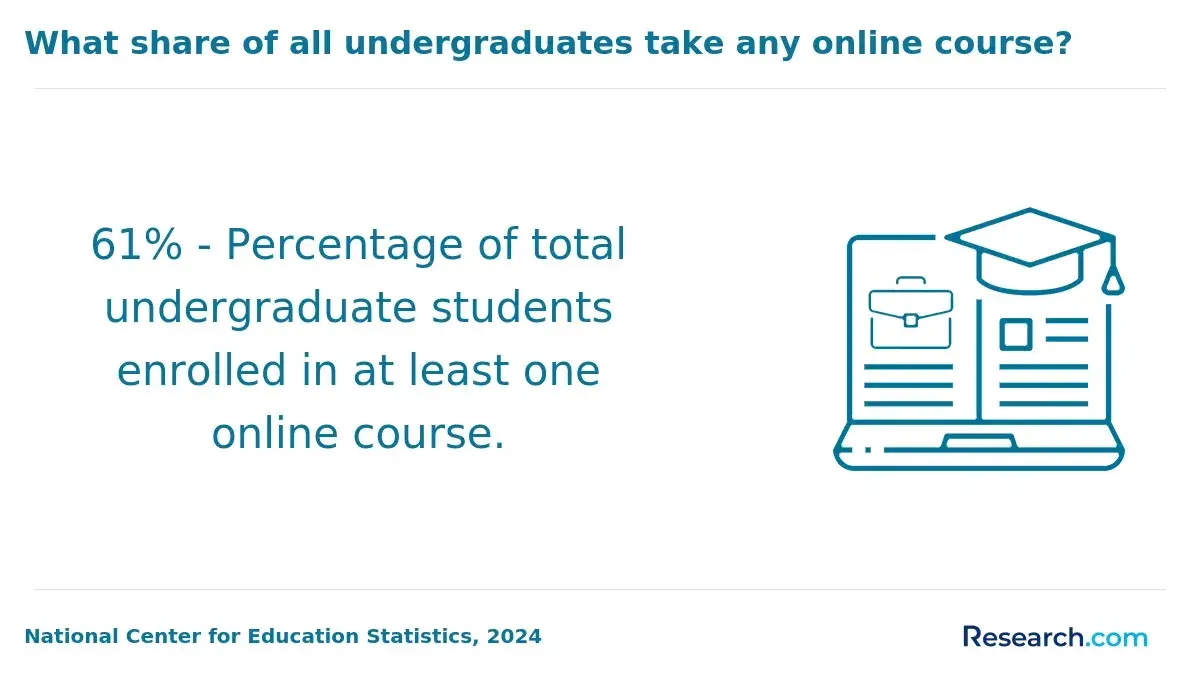
The average tuition for online Geoscience degrees typically ranges from $300 to $500 per credit hour for in-state students at public universities, with out-of-state rates often exceeding $700 per credit. Some schools, like Western Governors University, offer flat-rate tuition around $3,825 per six-month term, which might lower overall expenses for students who move through courses quickly.
Costs vary depending on the degree level and institution type. Bachelor's degree programs usually cost between $10,000 and $33,000 total for 120 credits, with public universities charging different rates for in-state and out-of-state students. For instance, in-state rates can be under $300 per credit at places like Indiana University Southeast, whereas out-of-state prices may reach $774 per credit. Master's degrees in geoscience or related fields often have higher total tuition, around $20,000 to $24,000, reflecting the increased specialization and credit requirements.
When compared to other online STEM programs, geoscience tuition generally aligns with environmental science degrees but tends to be less expensive than engineering programs with more technical coursework. Many programs price tuition per credit hour, though some use flat rates per term. Additional fees for labs or fieldwork may apply, but scholarships and financial aid can help mitigate these costs.
What Is Typically Included in the Tuition for an Online Geoscience Degree?
Tuition for online Geoscience degrees generally encompasses several key elements necessary for effective remote education in this field. Most programs provide students with digital access to course materials and maintain the technological platforms supporting their studies.
These fees often cover components beyond just classes, ensuring students can engage fully with their learning environment. Common inclusions usually range from academic services to instructional resources tailored to Geoscience.
- Digital course materials: Includes readings, recorded lectures, and assignments accessible via secure online platforms.
- Technology infrastructure: Supports virtual classrooms, discussion forums, and assessment systems for seamless online learning.
- Academic support services: Encompasses online tutoring, academic advising, and access to specialized library resources such as scientific journals and geospatial databases.
- Instructional materials: Covers digital lab simulations, geoscience software, and interactive mapping tools needed for practical coursework components.
- Online services fees: Charged by some institutions to fund virtual student services and remote library access, often mandatory.
Additional costs outside tuition can include physical textbooks, fees for proctored exams, occasional travel for required field work, and personal technology expenses. Some programs may also impose extra charges for departmental fees, field trips, or certification exams, so prospective students should carefully review each program's fee structure.
What Factors Influence the Cost of Pursuing an Online Geoscience Degree?
The cost of pursuing an online Geoscience degree in the United States varies due to multiple factors that shape overall tuition and fees. Understanding these variables helps prospective students estimate their expenses and plan accordingly. The following list outlines key elements influencing online geoscience program costs in the United States.
- Type of institution: Public universities generally offer lower tuition rates, especially for in-state residents, while private and highly accredited schools tend to charge more.
- Residency status: Many programs charge higher tuition for out-of-state students. However, some institutions, like the University of North Dakota, apply uniform rates regardless of residency.
- Credit-hour requirements and program length: Most bachelor's degrees require about 120 credit hours; longer or more credit-intensive programs increase total tuition costs.
- Additional fees: Beyond tuition, students may pay technology fees, student service fees, graduation fees, and sometimes professional program fees for specialized tracks.
- Support services and faculty quality: Programs with strong career counseling, tutoring, and experienced faculty often have higher tuition but add significant value.
Prospective students should also explore financial aid options and scholarships to offset these expenses. For those exploring quicker credential options, a recommended resource for the top online associate degrees in 6 months can offer a foundational step toward a Geoscience degree. Keeping these factors in mind improves clarity around the various factors affecting online geoscience degree tuition.
Online Geoscience degree programs offer a more affordable alternative to traditional on-campus education, making them attractive for many students. Understanding the online geoscience degree cost comparison is crucial for prospective students evaluating their options.
Many accredited online bachelor's programs in geoscience charge between $300 and $325 per credit hour, such as North Carolina Central University and Chadron State College. Southern New Hampshire University sets its online tuition at $320 per credit hour. These rates are significantly lower than those of in-person programs, reflecting the average tuition for online vs traditional geoscience programs.
For instance, Indiana University Southeast charges $774 per credit hour for out-of-state residents attending on campus, more than double its online rate. Similarly, the University of Illinois lists a $775 per credit hour tuition for environmental geology on campus.
The cost difference largely comes from online programs reducing expenses related to facilities, transportation, and some student services. However, some online programs add modest fees, like the University of Pennsylvania's $162 online services fee per course unit.
Overall, students pay less in tuition and incidental expenses through online degrees, making them a budget-conscious choice. Those exploring the easiest degree to get should consider this financial aspect carefully.
Tuition costs for online Geoscience degrees often vary depending on residency status, especially at public universities. Many schools differentiate between in-state and out-of-state students, which can considerably impact total expenses.
For instance, the University of Florida charges in-state online students approximately $111.92 per credit hour, while out-of-state students pay around $500 per credit hour. This sharp contrast highlights how residency can influence tuition fees. However, not all institutions apply this distinction; the University of North Dakota, for example, offers a uniform tuition rate to all online students regardless of where they live. Similarly, Oregon State University uses a flat per-credit pricing structure that minimizes or removes residency-based differences.
There are exceptions like regional tuition agreements-such as the Western Undergraduate Exchange-where students from neighboring states benefit from reduced rates. Additionally, more universities are adopting flat-rate tuition models for online programs, aiming to attract a broader range of learners, particularly those from out of state. Carefully reviewing each school's tuition policy is essential for accurate cost estimation when pursuing an online Geoscience degree.
For students seeking to enter geoscience fields without incurring excessive debt, several institutions provide some of the most affordable online geoscience degrees in the US. These programs are designed to offer flexibility, quality education, and cost-effectiveness, making them ideal for working professionals or those balancing other commitments.
Below are examples of some of the cheapest accredited geoscience programs United States residents can consider, reflecting a range of pricing models and course delivery formats.
- Western Governors University (WGU): This university features a Bachelor of Science in Science Education with a geoscience focus. Tuition is a flat rate of $3,825 per six-month term, promoting self-paced progress and potentially reducing overall degree expenses. WGU's competency-based approach allows for significant federal aid eligibility, enhancing affordability.
- University of Florida (UF) Online: The Bachelor of Arts in Geology costs $111.92 per credit hour for in-state students and $500 per credit hour for out-of-state. UF stands out as an economical choice for Florida residents, offering access to financial aid that further decreases costs.
- Indiana University Southeast: This hybrid program delivers a BA in Geosciences with a GIS concentration at $287.20 per credit hour (in-state) and $774 per credit hour (out-of-state). Its balance of online convenience and specialized GIS coursework makes it attractive to many students.
These options demonstrate varied paths toward affordable online geoscience degrees, spreading from flat-rate tuition to competitive per-credit fees. Interested students may also want to explore programs focusing on a fastest masters degree to advance quickly in their careers.
In the landscape of higher education, the most expensive online geoscience degrees in the United States reflect institutions that combine academic rigor with advanced technology and strong research. These programs, mostly at the master's level, command high tuition due to faculty expertise and the depth of curriculum offered.
Among the top costly programs are several well-known universities recognized for their excellence in geospatial sciences. Here are three notable examples with some of the highest tuition online geology programs North Carolina and beyond:
- North Carolina State University: Their Online Master of Geospatial Information Science and Technology costs approximately $57,035 for the entire program. This cost is driven by the university's STEM reputation and access to specialized faculty skilled in geospatial technology and analysis.
- Johns Hopkins University: The Online MS in GIS program is priced around $45,800. Known for industry-focused electives and experienced adjunct faculty, this program offers advanced specialization tracks and a capstone project aimed at professional publication or conference presentation.
- University of Denver: Offering an Online MS in GIS at an estimated cost of $40,032, this program is valued for its student support, integration of modern GIS technology, and urban research initiatives.
These programs typically provide specialized curriculum content, prestigious faculty, extensive research opportunities, and career services. Prospective students looking for high-caliber education in geosciences can explore options including those available from online colleges that take FAFSA.
Investing in an online Geoscience degree can lead to significant financial returns over time, though the timeframe varies based on several factors. Understanding when graduates typically see a return on their education helps prospective students make informed decisions.
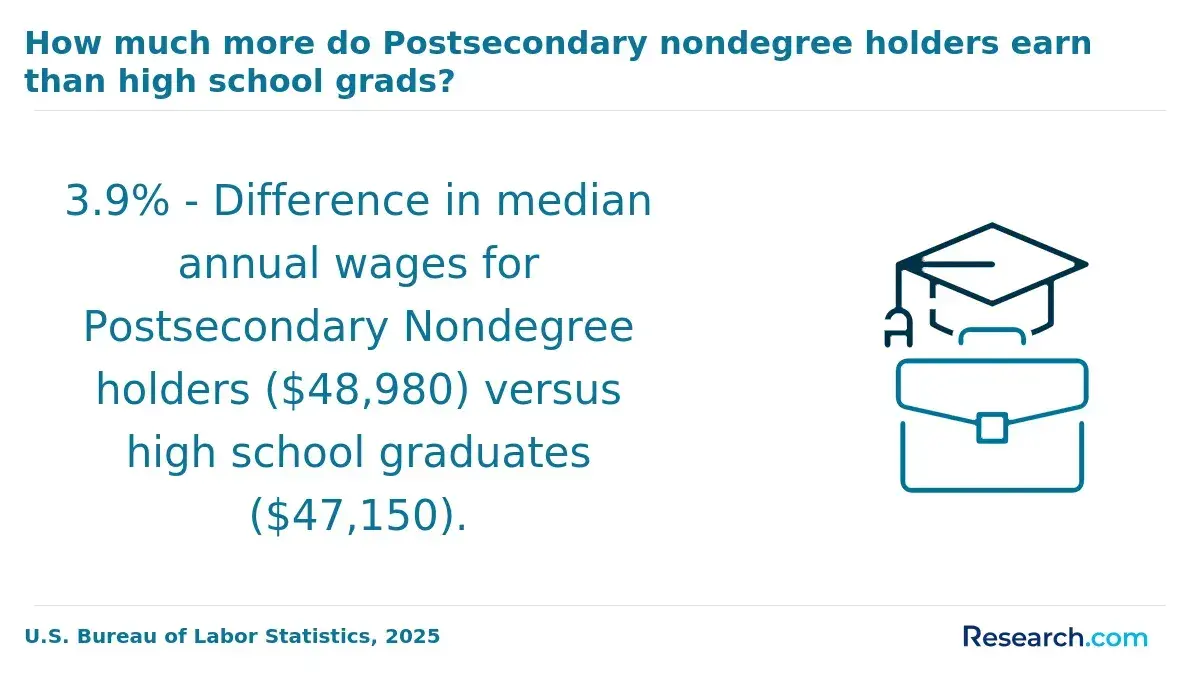
Most graduates recover the costs of their online Geoscience degree within a few years of starting work. Entry-level salaries for geoscientists often allow students to break even within 3 to 7 years, influenced by regional job markets and demand. Over a 20-year career span, the net return can reach up to $500,000, highlighting the long-term value of this field.
The speed of return depends largely on career growth opportunities and job stability in sectors like environmental consulting, energy, and government roles. Students with less debt or those receiving financial assistance may experience quicker paybacks, while individual circumstances such as further education or job placement timelines also play a crucial role in overall ROI.
Online Geoscience students at accredited institutions are generally eligible for the same federal financial aid options as on-campus learners. Eligibility for these benefits depends on factors such as citizenship, enrollment status, and financial need. This opens the door to a variety of funding opportunities for those pursuing a geoscience degree online.
Students seeking support should be aware that many online programs participate in federal aid initiatives, making it possible to apply for grants, loans, and work-study options. Additionally, there are discipline-specific resources, including scholarships and grants, tailored for geoscience majors. Access to these forms of aid can significantly reduce the overall cost of education.
- Federal financial aid for online geoscience degree: Includes Pell Grants, federal loans, and work-study programs available through the FAFSA application. These options help eligible students by covering tuition and living expenses based on need and enrollment.
- Geoscience scholarships and grants for online students: Institutional scholarships often target STEM or geoscience majors and can cover partial to full tuition without requiring repayment. These are usually merit- or need-based and administered by individual schools' financial aid offices.
- Employer tuition assistance: Many working professionals in related fields, such as environmental science or resource management, qualify for tuition reimbursement programs from their employers. This aid can cover a significant portion of tuition costs for job-related studies.
Combined, these aids allow many students to offset a large portion of their expenses. For reference on affordability, prospective students may consult resources like the cheapest bachelor degree listings to compare program costs and financial aid availability.
Pursuing an online degree in Geoscience offers flexibility and accessibility, but understanding the cost is crucial for prospective students. Tuition fees vary widely based on institution type and program specifics.
Currently, public universities tend to provide the most affordable options for online Geoscience degrees, with in-state tuition rates generally lower than private institutions. On average, tuition can range from $5,000 to $15,000 annually for public schools, while private universities often charge upwards of $20,000 per year. Some programs also include fees for lab kits or technology, which may increase overall expenses.
Looking ahead, tuition for online Geoscience programs is projected to rise moderately due to inflation and growing demand for flexible education options. However, financial aid, scholarships, and employer tuition reimbursement plans can help offset these costs. Prospective students should carefully compare programs and factor in all related expenses to make informed decisions about their investment in online Geoscience education.
What Students Say About The Cost of Pursuing Online Geoscience Programs
- Enrolling in an online Geoscience degree was a game-changer for my career. Although the average cost was around $20,000, the flexible payment options made it manageable, and the knowledge I gained has already opened doors to several job offers in environmental consulting. I truly believe the investment is worth every penny. - Louie
- Pursuing my Geoscience degree online allowed me to balance work and study, which was crucial given the program's cost of about $18,000 to $22,000. Reflecting on it now, the financial commitment was significant, but the return on investment is evident as I'm now working in a field I'm passionate about with a promising salary. - Zamir
- The cost of my online Geoscience degree was quite reasonable compared to traditional programs, averaging near $21,000, and this affordability made continuing my education possible. Professionally, this degree has sharpened my analytical skills and enhanced my credentials in the energy sector, making the expenditure a strategic and prudent choice. - Matthew
- Matthew: "The cost of my online Geoscience degree was quite reasonable compared to traditional programs, averaging near $21,000, and this affordability made continuing my education possible. Professionally, this degree has sharpened my analytical skills and enhanced my credentials in the energy sector, making the expenditure a strategic and prudent choice. "
- Zamir: "Pursuing my Geoscience degree online allowed me to balance work and study, which was crucial given the program's cost of about $18,000 to $22,000. Reflecting on it now, the financial commitment was significant, but the return on investment is evident as I'm now working in a field I'm passionate about with a promising salary. "
- Louie: "Enrolling in an online Geoscience degree was a game-changer for my career. Although the average cost was around $20,000, the flexible payment options made it manageable, and the knowledge I gained has already opened doors to several job offers in environmental consulting. I truly believe the investment is worth every penny."
Other Things You Should Know About Geoscience Degree Program Costs
Yes. Many online geoscience programs add separate lab fees for courses with virtual labs, field kits, or proctored lab components. These charges are often listed per course and can range from about $25 to $150, depending on the college and the number of science labs required.
In 2027, students pursuing an online Geoscience degree should anticipate additional costs, such as technology fees, lab kit expenses, and software subscriptions necessary for certain advanced courses. It is also important to budget for potential fieldwork travel and accommodations, which may not be included in the standard tuition.
- Environmental Geoscience Major Online or On Campus https://und.edu/programs/environmental-geoscience-bs/index.html
- Best Online Bachelor's in GIS Degrees - GISDegree.org https://www.gisdegree.org/online/bachelors/
- Online Medical Billing and Coding Training https://www.volstate.edu/workforce/online/medical-billing-coding-training
- Breaking Down the Costs of Distance and Online Learning - Distance Learning Institute https://distancelearning.institute/economic-perspective/costs-of-distance-and-online-learning/
- Master of Geoscience Online https://geosonline.tamu.edu/
- Tuition and Fees https://www.lps.upenn.edu/degree-programs/msag/tuition
- Cost of an Online Degree: Calculate the Cost of Your Higher Education https://www.edumed.org/articles/cost-of-an-online-degree/
- The Geological Society - Research grants https://www.geolsoc.org.uk/careers-and-training/grants-and-bursaries/
- Tuition and Fees - Geological Sciences https://geology.ufl.edu/programs/undergraduate-program/certificate-in-geology/tuition-and-fees/