2027 Best Online Digital Photography Degrees for Future Photographers

Co-Founder and Chief Data Scientist
Choosing an online digital photography degree is a real investment: you need creative training, business skills, and a portfolio that can survive a competitive market. The U. S. Bureau of Labor Statistics reported a May 2024 median photographer wage of $42,520, which shows why program quality, specialization, and career fit matter.
This guide is for future photographers comparing accredited online programs, costs, admissions, courses, and outcomes. You will learn how these degrees work, which schools to consider, and how to choose a program that supports your goals without overpaying.
Key Things You Should Know
- Accredited online digital photography degrees are usually associate or bachelor's programs; many bachelor's options require about 120 credits and culminate in a professional portfolio.
- College Board 2024-25 data shows average published tuition and fees of $11,610 for in-state public four-year colleges and $43,350 for private nonprofit four-year colleges, so total cost can vary widely.
- BLS May 2024 data places median photographer pay at $42,520, making portfolio quality, business skills, location, niche, and client development just as important as the credential itself.
What is an online digital photography degree and how does it work?
An online digital photography degree is a college program that teaches image capture, lighting, editing, visual storytelling, portfolio development, and the business side of professional photography. Unlike a short workshop, a degree usually combines studio practice with general education, art history, critique, digital workflow, and career preparation.
Most online programs use a mix of asynchronous lessons, live critiques, uploaded assignments, discussion boards, and portfolio reviews. Students typically shoot independently, submit image files or project documentation, receive faculty feedback, and revise their work. Some programs may require specific camera equipment, editing software, printing tools, or occasional on-campus intensives.
The right degree level depends on your current experience and career target. The table below compares common online photography credentials so you can see which option fits your timeline and goals.
| Credential | Typical length | Best for | Main trade-off |
| Certificate | Several months to 1 year | Beginners testing the field or working adults adding a skill | Fast and focused, but may not carry the same weight as a degree for some employers |
| Associate degree | About 2 years full time | Students seeking entry-level skills, transfer credits, or lower upfront cost | Less advanced portfolio development than a bachelor's degree |
| Bachelor's degree | About 4 years full time | Future commercial, editorial, fine art, or media photographers who want broad training | Higher cost and longer timeline |
| Master's degree | About 1 to 3 years | Experienced photographers pursuing teaching, fine art practice, or advanced conceptual work | Usually not necessary for many freelance or commercial roles |
An online format works best for self-directed students who can plan shoots, meet deadlines, accept critique, and build a portfolio without daily in-person studio supervision. If you need frequent hands-on access to lighting studios, darkrooms, or equipment cages, a campus or hybrid program may be a better fit.
Are online digital photography degrees respected like traditional campus programs?
Online digital photography degrees can be respected when they come from accredited institutions, include rigorous critique, require substantial portfolio work, and use qualified faculty. Employers and clients usually care less about whether every class was online and more about the quality of your portfolio, your reliability, your editing standards, and your ability to produce images for a real audience.
The most important distinction is not online versus campus; it is reputable versus weak. A strong online program should still require original image-making, instructor feedback, peer critique, visual research, ethical practice, and a final portfolio or capstone.
Use this comparison to decide whether an online or campus photography program better matches your learning style and career plan.
| Factor | Online degree | Campus degree |
| Flexibility | Often better for working adults and students outside major art-school markets | Usually tied to fixed class times and campus access |
| Studio access | May depend on your own equipment, rentals, or local studios | Often stronger access to lighting labs, printers, studios, and equipment checkout |
| Critique experience | Can be strong if the program uses live reviews and detailed faculty feedback | Often more immediate because students critique work together in person |
| Networking | May require more initiative through internships, local clients, and online communities | Can provide easier access to campus events, visiting artists, and peer collaboration |
| Best fit | Independent learners with clear goals and good time management | Students who want intensive studio immersion and face-to-face mentorship |
Online degrees may be less ideal if you are trying to specialize in processes that require physical facilities, such as large-format analog photography, advanced printmaking, or frequent studio production. For digital-first careers like portrait, product, event, documentary, social media, and brand photography, a well-designed online degree can be a practical path.
Which accredited schools offer the best online digital photography degrees?
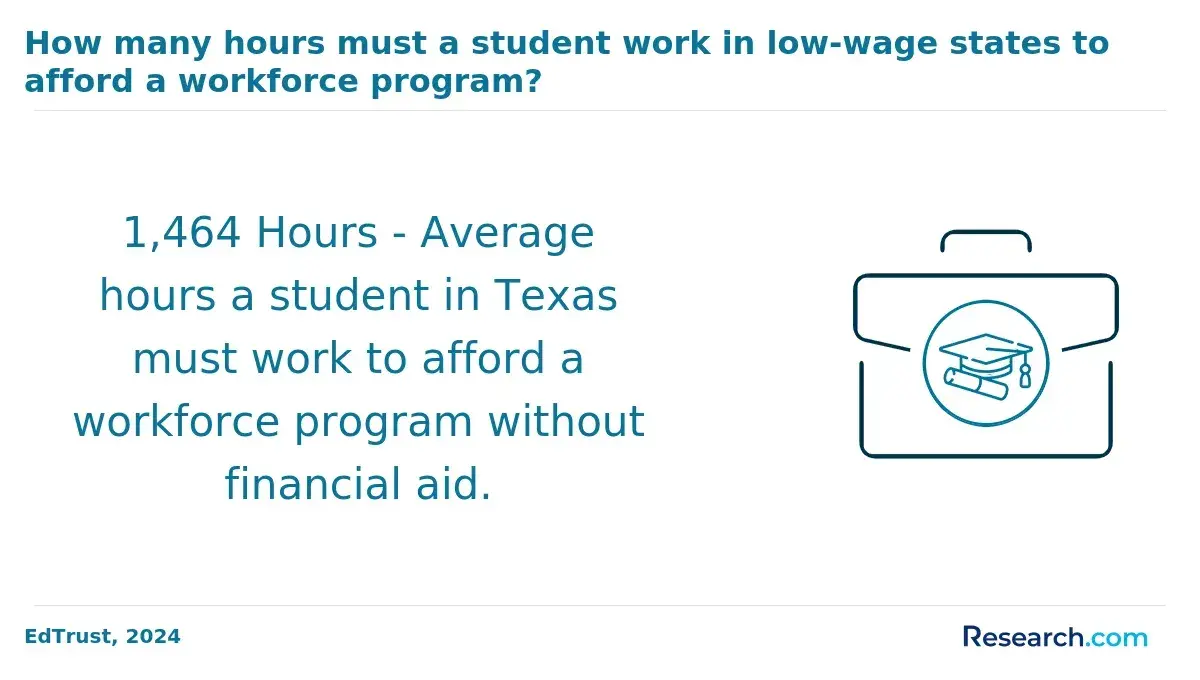
The best online digital photography degree for you depends on accreditation, curriculum depth, portfolio expectations, cost, transfer policy, faculty expertise, and whether the program supports your intended niche. Because program availability can change, always verify current accreditation, modality, tuition, and degree requirements directly with the institution before applying.
The schools below are examples of accredited U.S. institutions known for online or distance photography-related degree options. This is not a guarantee that every program will fit every student, but it gives you a practical starting point for comparison.
| School | Online photography-related option | Institutional accreditation | Why it may fit |
| Southern New Hampshire University | BA in Digital Photography | New England Commission of Higher Education | Good fit for students who want an accessible bachelor's pathway with digital workflow, visual communication, and portfolio development |
| Arizona State University Online | BFA in Art with a digital photography focus or related online art pathway, subject to current catalog availability | Higher Learning Commission | Good fit for students who want a university-based art degree with structured studio and critique expectations |
| Academy of Art University | Online photography degrees at undergraduate and graduate levels, subject to current catalog availability | WASC Senior College and University Commission | Good fit for students seeking a specialized art-school environment with multiple photography pathways |
| Rocky Mountain College of Art + Design | Online BFA in Photography, subject to current catalog availability | Higher Learning Commission | Good fit for students who want an art-and-design school model with portfolio-centered learning |
| Savannah College of Art and Design | SCADnow online photography-related graduate and undergraduate options, subject to current catalog availability | Southern Association of Colleges and Schools Commission on Colleges | Good fit for students seeking a highly visual, professionally oriented creative school with critique-based study |
If you are comparing photography with other visual technology fields, review how portfolio-driven programs differ from interactive media pathways such as a game development degree online. Both can involve digital art and storytelling, but photography usually emphasizes image production, visual editing, and client-based work rather than programming or interactive design.
What concentrations and courses are typically included in online digital photography programs?
Online digital photography programs usually balance technical control, artistic direction, editing, visual culture, and professional practice. A strong curriculum should help you produce better images, explain your choices, manage files correctly, and present work to clients, galleries, employers, or graduate programs.
Common concentrations help students narrow their portfolio toward a specific audience. These options vary by school, but the categories below are typical in photography and visual media programs.
- Commercial and product photography: Focuses on lighting, studio workflow, branding, e-commerce imagery, and client briefs.
- Portrait and wedding photography: Emphasizes people, posing, location lighting, editing consistency, contracts, and client experience.
- Documentary and photojournalism: Builds storytelling, ethics, captioning, sequencing, and field production skills.
- Fine art photography: Centers on concept development, critique, exhibition practice, print quality, and artist statements.
- Fashion and editorial photography: Combines styling, creative direction, studio collaboration, publication standards, and visual narrative.
- Digital imaging and post-production: Develops advanced editing, color management, retouching, compositing, and workflow skills.
Coursework often includes foundational and advanced classes that gradually build toward a final portfolio. Students should look for programs that teach both creative judgment and practical business execution.
| Course area | What students learn | Why it matters |
| Digital camera technique | Exposure, lenses, focus, file formats, and camera systems | Provides technical control under changing conditions |
| Lighting | Natural light, studio strobes, modifiers, mixed light, and location setups | Separates casual image-making from professional production |
| Editing and retouching | Non-destructive editing, color correction, skin retouching, and output preparation | Helps students deliver consistent, polished files |
| History and theory | Photographic movements, visual culture, ethics, and criticism | Builds context and strengthens conceptual work |
| Professional practice | Pricing, contracts, copyright, client communication, and marketing | Prepares students for freelance and small-business realities |
| Portfolio or capstone | Sequenced body of work, critique, presentation, and revision | Creates evidence of skill for clients, employers, or graduate study |
AI-assisted editing is now part of many creative workflows, but it does not replace photographic judgment, ethical decision-making, or client communication. Students interested in the broader technology behind image generation, automation, and machine learning can compare photography training with an artificial intelligence degree to understand how technical and creative career paths differ.
What admission requirements and application materials do digital photography degrees expect?
Admission requirements depend on the degree level and selectivity of the school. Some online bachelor's programs are designed for broad access and may not require a portfolio at entry, while art-school or BFA programs may ask for creative work samples to assess readiness.
Before applying, gather materials early because portfolio review, transcript evaluation, and financial aid steps can take time. Most programs commonly ask for some combination of the following items.
- Completed application form with basic academic and contact information.
- Official high school, GED, community college, or previous college transcripts.
- Portfolio of photographs or visual work, especially for BFA, transfer, or graduate admission.
- Statement of purpose explaining creative interests, career goals, and reasons for choosing the program.
- Letters of recommendation, more common for selective undergraduate or graduate programs.
- Proof of English proficiency for applicants whose prior education was not in English.
- FAFSA submission if the student plans to use federal financial aid at an eligible institution.
If you want to start quickly, compare admissions calendars carefully. Some schools use fixed semester starts, while others offer rolling admissions or frequent terms; students prioritizing speed may also want to research online colleges starting this month, while still confirming whether a photography degree is available on that schedule.
Portfolio requirements deserve special attention. Admissions reviewers are usually looking for curiosity, composition, consistency, and evidence that you can complete visual assignments, not necessarily a fully polished professional brand. Include your strongest images, avoid near-duplicates, and follow the school's file size, format, and theme instructions exactly.
How long do online digital photography degrees take and what do they cost?
Most online associate degrees take about 2 years of full-time study, while bachelor's degrees typically take about 4 years if you enter without transfer credit. Part-time students may need longer, and transfer students may finish faster if the school accepts prior general education, art, or elective credits.
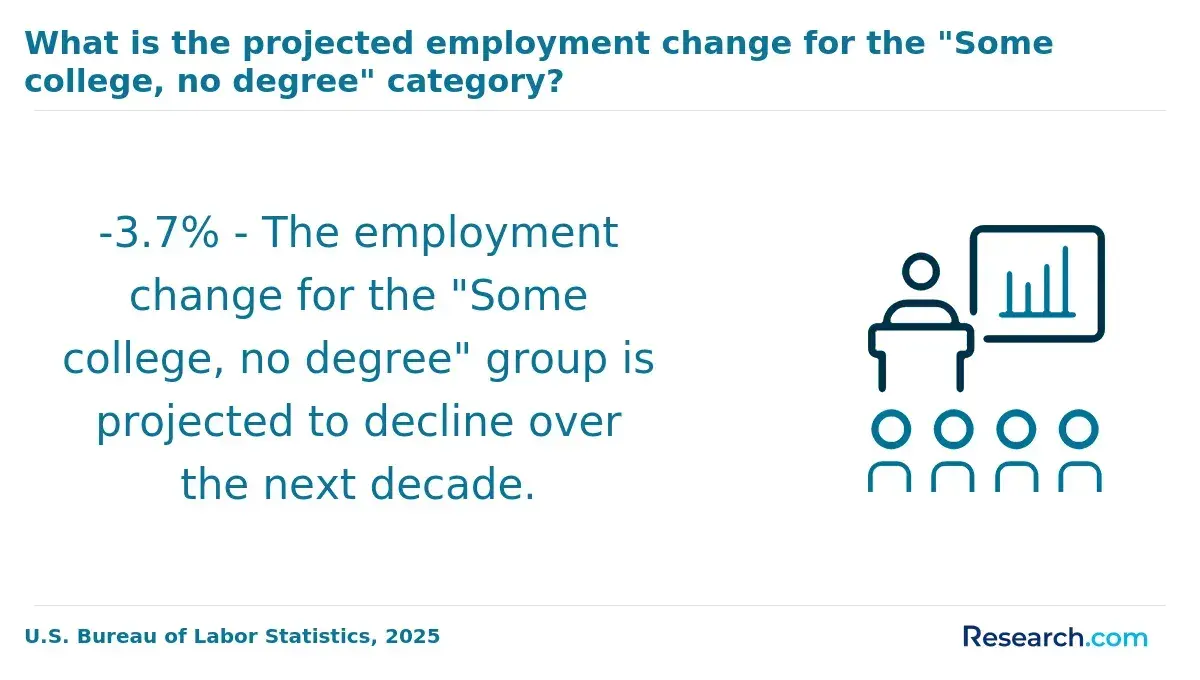
Cost varies more than many students expect. College Board's 2024-25 pricing report lists average published tuition and fees of $11,610 for in-state students at public four-year colleges and $43,350 at private nonprofit four-year colleges. Those figures are not photography-specific, but they show why students should compare net price, transfer credits, institutional aid, and required equipment instead of judging by sticker tuition alone.
The table below summarizes major cost factors that can affect the total price of an online digital photography degree.
| Cost factor | What to check | Why it affects value |
| Tuition model | Per-credit, per-term, or flat-rate pricing | Accelerated students may save under some models, while part-time students may pay more over time |
| Transfer credit | Maximum credits accepted and whether art courses transfer | Accepted credits can reduce both timeline and total tuition |
| Equipment | Camera body, lenses, lighting, storage, calibration tools, and accessories | Photography programs can require purchases beyond tuition |
| Software | Photo editing, asset management, design, and cloud storage subscriptions | Recurring software costs can continue after graduation |
| Printing and production | Print labs, paper, portfolio books, exhibitions, and shipping | Advanced portfolio work may require physical presentation expenses |
| Fees | Technology, graduation, online course, and studio-related fees | Fees can raise the real cost above advertised tuition |
Students comparing online programs should also look outside their own major to understand how different hands-on fields disclose costs. For example, guides to an online bachelors in animal science can be a useful reminder that equipment, labs, travel, or fieldwork requirements may change the real price of an online degree.
To control costs, ask each school for a full program cost estimate before enrolling. The estimate should include tuition, fees, transfer credit results, required equipment, expected software, and whether financial aid applies to the specific degree program.
What careers can you pursue with an online digital photography degree?
An online digital photography degree can lead to freelance, agency, media, nonprofit, education-adjacent, and in-house creative roles. Many photographers combine multiple income streams, especially early in their careers, because full-time staff photography jobs are more limited than project-based work.
The careers below show how photography training can translate into different work settings. Use them to match your portfolio direction with the type of work you actually want to do.
| Career path | Typical responsibilities | Portfolio focus |
| Portrait photographer | Photograph individuals, families, professionals, seniors, or performers | Lighting, posing, expression, retouching, and client experience |
| Wedding and event photographer | Document live events, manage timelines, edit large galleries, and deliver client packages | Low-light skill, storytelling, consistency, and reliability |
| Commercial product photographer | Create images for brands, catalogs, advertisements, and e-commerce platforms | Studio lighting, detail, color accuracy, and production planning |
| Editorial or documentary photographer | Produce image stories for publications, nonprofits, institutions, or independent projects | Narrative sequencing, ethics, captions, and subject access |
| Real estate or architectural photographer | Photograph interiors, exteriors, properties, hotels, or design projects | Wide-angle control, lighting balance, editing restraint, and fast delivery |
| Photo editor or digital asset specialist | Select, organize, retouch, tag, and manage image libraries | Editing judgment, metadata, workflow, and visual consistency |
| Content creator or social media visual producer | Create visual campaigns, short-form media, brand imagery, and platform-ready assets | Speed, style consistency, storytelling, and audience awareness |
A degree is not the only route into photography, but it can help students build structure, critique discipline, and a broader visual foundation. It is most worth considering if you want a guided portfolio, access to faculty feedback, transferable credits, and a credential that may support roles in education, institutions, media teams, or graduate study.
Students who only want to improve a hobby, shoot occasional local events, or learn one editing tool may be better served by a certificate, mentorship, workshop, or self-directed portfolio plan. The degree makes the most sense when it supports a specific career strategy rather than simply signaling that you like photography.
How much do professional photographers earn and what affects digital photography salaries?
Photographer income varies widely because many professionals are self-employed, part-time, seasonal, or project-based. According to BLS May 2024 data, photographers had a median annual wage of $42,520. That figure is useful as a national benchmark, but it does not capture business expenses, unpaid marketing time, regional pricing, or the difference between high-volume event work and specialized commercial assignments.
Several factors can move earnings above or below the national median. The most important ones are practical and market-based, not just educational.
- Niche: Commercial, product, architectural, and corporate photography may pay differently than family portraits, events, or fine art sales.
- Location: Large metro areas can offer more clients and higher rates, but also more competition and higher operating costs.
- Business model: Staff employees, freelancers, studio owners, and hybrid content creators have different income patterns and expenses.
- Portfolio quality: Clients usually pay for demonstrated results, consistency, and the ability to solve visual problems.
- Client development: Marketing, referrals, contracts, pricing, and repeat business often determine long-term income.
- Technical range: Lighting, retouching, video, drone work, color management, and digital asset skills can expand paid opportunities.
When evaluating salary outcomes, be careful with school marketing language. No degree can guarantee a photography income. Instead, ask whether the program helps you build a portfolio for a paying market, teaches pricing and copyright, and gives you enough feedback to improve before you spend heavily on tuition and equipment.
What is the job outlook for digital photographers and related creative roles?
The job outlook for photographers is competitive because many people can access high-quality cameras and editing tools, and many employers rely on freelancers rather than full-time staff. BLS projections for photographers indicate limited overall employment growth compared with faster-growing fields, so students should prepare for a market where specialization, adaptability, and business skill matter.
Related creative roles may offer broader opportunities for photographers who can also edit video, manage digital assets, produce social content, or work within marketing teams. BLS May 2024 data reported a higher median wage for film and video editors and camera operators than for photographers, which suggests that adding motion, editing, or production skills can expand a visual media career path.
Current trends affecting photography careers include AI-assisted editing, demand for platform-specific content, faster client turnaround expectations, and the growth of in-house brand media teams. These trends do not eliminate the need for photographers, but they do raise the bar for workflow speed, visual judgment, rights management, and ethical disclosure when images are altered.
Students can improve their outlook by building a flexible portfolio. A practical career plan might combine still photography with retouching, short-form video, lighting assistance, content production, photo editing, or small-business services rather than relying on one narrow income source from the start.
How can you choose a reputable, accredited online digital photography program?
Choosing a reputable online digital photography program requires more than reading a ranking. The best program is the one that is accredited, financially realistic, aligned with your career niche, and strong enough to help you build a portfolio that can be shown to real clients or employers.
Use the following steps before you submit an enrollment deposit. They are designed to help you avoid common mistakes that can lead to debt, weak portfolio outcomes, or credits that do not transfer.
- Verify institutional accreditation through the accreditor or the U.S. Department of Education's recognized accreditation resources.
- Confirm that the exact online photography degree is active, eligible for financial aid, and available in your state.
- Review the curriculum for lighting, editing, critique, business practice, copyright, and a final portfolio or capstone.
- Ask whether faculty are working photographers, exhibiting artists, editors, or creative professionals with relevant experience.
- Request a total cost estimate that includes tuition, fees, equipment, software, printing, and portfolio production.
- Compare transfer credit policies before enrolling, especially if you have community college or prior art credits.
- Ask to see student portfolio examples, graduate work, internship options, and career support specific to photography or visual media.
- Check whether the program supports your niche, such as commercial, documentary, portrait, editorial, fine art, or content production.
- Speak with admissions and academic advising, but verify important claims in writing before committing.
Watch for red flags. A program may be a poor fit if it avoids accreditation questions, promises unrealistic earnings, has vague course descriptions, offers little critique, hides equipment requirements, or focuses more on recruitment than portfolio development.
The strongest choice is usually not the cheapest program or the most famous school by default. It is the program that gives you credible credentials, enough feedback, manageable cost, and a portfolio path that matches the kind of photography work you want to pursue.
Other Things You Should Know About Digital Photography
Yes. Most programs require a reliable laptop or desktop that can run Adobe Photoshop and Lightroom, plus a calibrated monitor for accurate color work. Many schools also ask students to submit edited image files in JPEG and RAW formats and complete assignments through a learning management system.
Some programs may accept smartphone images if they show strong composition, lighting, and storytelling. However, degree coursework usually requires manual camera control, RAW files, and higher-resolution workflows, so a dedicated camera is often needed later.
Drone photography may appear as an elective or related skill, but it is not guaranteed. Commercial drone work in the U.S. may require compliance with FAA rules, including Part 107 certification for many paid uses.
Yes, if your goal includes commercial, social media, event, real estate, or brand work. You can still specialize in still photography, but basic video, audio, and editing skills can make you more useful to clients and creative teams.
References
- What can you do with a Photography degree? https://www.falmouth.ac.uk/study/undergraduate/what-can-you-do-photography-degree
- Best Online Photography Degrees https://www.onlineu.com/degrees/photography
- Online High School Course | Digital Photography https://www.excelhighschool.com/online-course/digital-photography/
- Careers in photography https://www.unitemps.com/career-advice/careers-in-photography/
- Online Photography Degree and Certificate Programs | Sessions College https://www.sessions.edu/digital-photography-info/
- Admission requirements master Photography & Society https://www.kabk.nl/en/programmes/master/master-photography-society/admission-requirements
- Photographers, How Much Do You Make? https://www.aphotoeditor.com/2023/07/31/photographers-how-much-do-you-make-14/
- Online Photography Degrees | Photography Programs & Courses https://www.onlinecolleges.net/degrees/photography/
- What Can You Do With a Photography Degree? https://pnca.willamette.edu/academics/bfa/photography/career-options
- How Much Do Photographers Make | Full Frame Insurance https://www.fullframeinsurance.com/blog/how-much-do-photographers-make