2027 Digital Photography Skills Employers Want More

Co-Founder and Chief Data Scientist
Employers increasingly want photographers who can shoot, edit, manage assets, and create content across web, social, ecommerce, and brand channels. The U. S. Bureau of Labor Statistics reported a May 2024 median annual wage of $42,520 for photographers, but income varies widely by niche, portfolio strength, business model, and technical range.
This guide is for students, career changers, freelancers, and creative professionals comparing training options. You will learn which skills matter, how programs differ, what costs to expect, and how to choose a path that supports real career goals.
Key Things You Should Know
- Employer-ready digital photography now combines camera technique, lighting, editing, file management, visual storytelling, client communication, and platform-specific content production.
- According to BLS May 2024 wage data, the median annual wage for photographers was $42,520, so program cost, portfolio quality, and freelance income potential should all factor into ROI decisions.
- Certificates can build job-ready skills in months, while associate and bachelor's programs provide broader visual arts, business, and portfolio development for competitive creative roles.
What core digital photography skills do employers value most in today's job market?
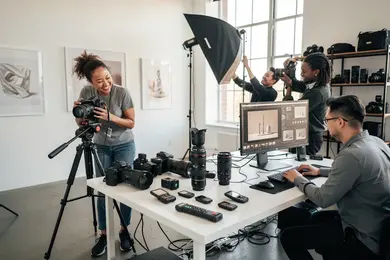
Employers value digital photography skills that help a business produce consistent, usable images quickly and legally. That means the strongest candidates understand both image creation and the workflow that turns raw files into brand-ready assets.
The core skill set usually falls into technical, creative, and professional categories. The table below shows how these skills translate into workplace value, which is useful when deciding what to study or what to feature in a portfolio.
| Skill area | What employers expect | Why it matters |
| Camera operation | Manual exposure, focus modes, lens selection, RAW capture, color settings, and low-light control | Reduces reshoots and helps photographers deliver predictable results in changing conditions |
| Lighting | Natural light control, studio strobes, continuous lighting, modifiers, reflectors, and product-lighting setups | Lighting skill often separates entry-level image takers from professionals who can solve visual problems |
| Post-production | RAW processing, retouching, color correction, compositing basics, export settings, and non-destructive editing | Most professional images require editing before they are usable for ecommerce, campaigns, or publication |
| Digital asset management | File naming, metadata, backups, licensing notes, cloud delivery, and version control | Employers need images that can be found, reused, and protected from loss or misuse |
| Visual storytelling | Composition, sequencing, shot lists, brand alignment, and audience awareness | Strong images must support a message, not simply look technically correct |
| Client and production skills | Brief interpretation, scheduling, budgeting, releases, vendor coordination, and feedback handling | Photographers often work with marketing teams, art directors, small businesses, or private clients |
AI is also changing what "editing skill" means. Employers may not expect every photographer to build AI systems, but they increasingly value ethical use of AI-assisted masking, noise reduction, culling, background cleanup, captioning, and content adaptation. The safest approach is to learn AI tools as workflow support while maintaining original authorship, consent practices, and accurate image representation.
If you want to prioritize skills for employability, focus first on these practical areas because they show up across ecommerce, events, marketing, journalism, portraiture, and in-house creative work.
- Build consistent exposure and lighting control before relying on presets or automated editing.
- Learn Adobe Lightroom, Photoshop, and at least one professional delivery workflow for client proofs and final files.
- Create portfolio projects around real use cases, such as product pages, headshots, editorial stories, social campaigns, or event coverage.
- Practice writing estimates, shot lists, licensing terms, and basic contracts so your creative work can function in a business setting.
What education or training is needed to build employer-ready digital photography skills?
You do not always need a degree to become a working photographer, but structured education can shorten the learning curve and help you build a stronger portfolio. The right option depends on whether your goal is freelance work, studio employment, media production, ecommerce, fine art, teaching preparation, or creative leadership.
The table below compares common U.S. training paths. Use it to match your time, budget, and career target rather than assuming the longest credential is always the best choice.
| Training path | Typical fit | Main advantage | Main trade-off |
| Short course or workshop | Beginners testing photography or professionals adding one skill | Fast, focused, and usually lower cost | May not provide portfolio depth, academic credit, or career services |
| Certificate in digital photography | Learners who want job-ready camera, lighting, and editing skills | Practical and often completed faster than a degree | May be too narrow for roles requiring broader design or media knowledge |
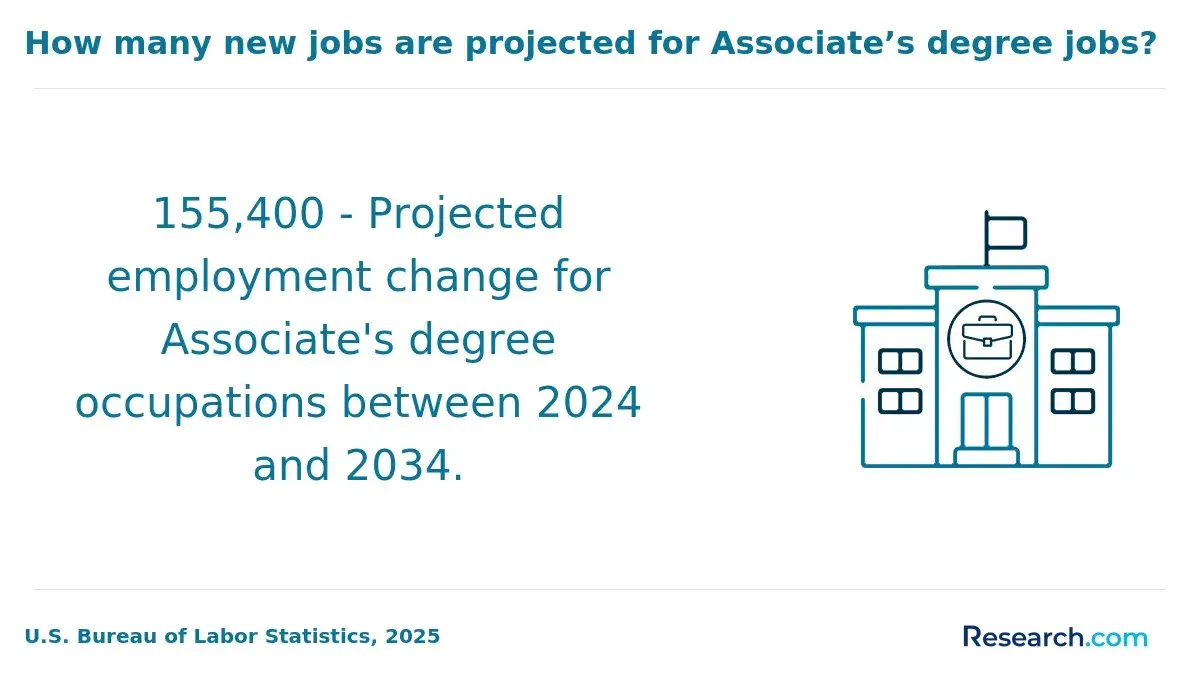
| Associate degree | Students seeking foundation training and possible transfer to a bachelor's program | Balances cost, hands-on practice, and general education | Career outcomes depend heavily on portfolio and local opportunities |
| Bachelor's degree in photography, visual arts, or media arts | Students aiming for competitive creative roles, art direction pathways, or graduate study | Provides deeper critique, visual culture, business, and portfolio development | Higher cost and longer timeline require careful ROI evaluation |
| Self-directed portfolio path | Disciplined learners pursuing freelance or niche work | Flexible and can be highly affordable | Harder to verify skills without strong projects, references, or clients |
Choose a degree when you need structured critique, access to studios and equipment, internships, or a credential for creative organizations that screen for formal education. Choose a certificate or focused coursework when you already have a degree, want to freelance quickly, or need a specific skill such as studio lighting, real estate photography, retouching, or ecommerce production.
Photography is also part of a wider visual-career ecosystem. If you are more interested in built environments, design documentation, or spatial visualization than image production, comparing an accelerated architecture degree may help you decide whether your long-term interest is photography, design, or a hybrid creative path.
How do online digital photography programs compare to campus-based options for career preparation?
Online and campus-based digital photography programs can both prepare students for creative work, but they develop skills differently. The best format is the one that gives you enough practice, critique, equipment access, and accountability for your goals.
This comparison highlights the practical differences that matter most before enrolling. It is especially helpful if you are balancing work, military service, caregiving, or geographic limits against the need for hands-on production experience.
| Factor | Online programs | Campus-based programs |
| Flexibility | Often stronger for working adults and students outside major creative markets | Usually requires fixed class times and travel |
| Equipment access | Students may need their own camera, computer, lighting, and software | May provide studios, lighting kits, printers, labs, and checkout equipment |
| Critique and feedback | Can be effective through uploaded assignments, video reviews, and discussion boards | Often more immediate through live studio critique and peer review |
| Networking | Depends on instructor engagement, alumni access, and virtual portfolio events | May offer stronger local industry ties, gallery events, and collaborative projects |
| Best fit | Self-directed students with reliable gear and clear goals | Students who need studio access, structure, and in-person collaboration |
Online programs work best when assignments require original shooting, instructor critique is detailed, and students receive clear standards for lighting, editing, metadata, and file delivery. A weak online program may rely too heavily on tutorials without enough feedback on your own images.
Campus programs are useful if you need supervised studio time, large-format printing, gallery installation experience, or collaboration with design, journalism, theater, or marketing students. The trade-off is less schedule flexibility and often higher total attendance costs if commuting, housing, or equipment fees are significant.
Students using military education benefits should ask whether the school is approved for those benefits, how online attendance is certified, and whether equipment costs are covered. Similar questions also matter when comparing unrelated but benefit-sensitive options such as military friendly online cybersecurity degree programs, because support quality can affect persistence as much as curriculum quality.
What should you look for in an accredited digital photography or visual arts program?
Accreditation matters because it affects credit transfer, financial aid eligibility, institutional accountability, and employer confidence. In photography and visual arts, you should look at both institutional accreditation and, where relevant, specialized arts accreditation.
Before comparing course lists or portfolio galleries, verify these quality signals. They help you avoid programs that look polished online but offer weak academic or career value.
- Institutional accreditation: Confirm that the college or university is accredited by an agency recognized by the U.S. Department of Education or the Council for Higher Education Accreditation.
- Specialized arts review: Some visual arts programs may also have discipline-specific accreditation or formal portfolio-review standards, which can signal stronger curriculum oversight.
- Transparent outcomes: Ask for available placement information, internship examples, alumni work, transfer pathways, and graduate portfolio expectations.
- Real production requirements: Look for repeated shooting assignments, critique, editing projects, business practices, and a capstone portfolio rather than lecture-only coursework.
- Faculty relevance: Review whether instructors have current professional experience in commercial, editorial, fine art, documentary, studio, or digital media fields.
- Student support: Check advising, career services, equipment access, disability services, veteran support, software access, and tutoring for digital tools.
A common mistake is choosing a program because the sample student work looks attractive without checking whether those images reflect current curriculum, instructor feedback, or advanced students only. Ask admissions staff to explain how beginners progress from first camera assignments to final portfolio review.
Another red flag is unclear cost information. Photography programs can include camera bodies, lenses, memory cards, lighting gear, hard drives, software subscriptions, printing, mounting, and exhibition expenses. If a school cannot estimate those costs, you may have trouble planning the true price of attendance.
What courses and software tools are typically included in digital photography curricula?
Digital photography curricula usually combine image-making, editing, visual communication, and professional practice. Strong programs do not treat software as a substitute for photography fundamentals; they teach tools in service of better images and clearer client outcomes.
The table below summarizes common courses and tools. Use it to check whether a program develops both creative judgment and employable production skills.
| Curriculum area | Common courses or topics | Tools or outputs |
| Photography foundations | Exposure, composition, lenses, camera systems, color, and image critique | Manual shooting assignments and technical image reviews |
| Lighting and studio practice | Portrait lighting, product lighting, location lighting, flash, and modifiers | Studio sessions, lighting diagrams, product images, and portraits |
| Digital editing | RAW workflow, retouching, color correction, compositing, sharpening, and export settings | Adobe Lightroom, Adobe Photoshop, Capture One, and calibrated displays |
| Visual storytelling | Editorial sequencing, documentary projects, brand narratives, and audience analysis | Photo essays, campaign concepts, and multimedia portfolios |
| Business and legal basics | Pricing, contracts, copyright, releases, licensing, client communication, and ethics | Estimates, invoices, usage terms, model releases, and client briefs |
| Portfolio and presentation | Portfolio editing, artist statements, website building, print presentation, and critique | Online portfolio, printed work, capstone review, and interview materials |
Software expectations vary by school and employer, but Lightroom and Photoshop remain common baseline tools. Some programs also include Capture One for studio tethering, Adobe Bridge for file browsing, InDesign for layout, Premiere Pro for hybrid photo-video work, and website platforms for portfolio presentation.
AI tools are becoming part of the workflow, especially for culling, masking, denoising, generative fill, and resizing for multiple platforms. Students should learn when these tools are acceptable, when disclosure is needed, and when documentary or journalistic ethics require minimal manipulation.
If your interests extend into interactive media, concept art, or real-time environments, photography training can pair well with a game design degree online. The overlap is strongest in composition, lighting, color, visual storytelling, and asset creation.
How long do digital photography programs usually take, and what do they cost?
Program length and cost depend on credential level, school type, residency status, equipment requirements, and whether you study full time or part time. The most affordable option is not always the best value if it lacks critique, portfolio development, or access to essential gear.
For tuition context, the College Board's 2024 pricing data reported average published tuition and fees of $4,050 for public two-year in-district colleges, $11,610 for public four-year in-state institutions, and $43,350 for private nonprofit four-year institutions for the 2024-25 academic year. These figures are not photography-specific, but they help frame the trade-off between community college, public university, and private college options.
The table below outlines typical timelines and cost drivers. Use it as a planning guide, then confirm exact tuition, fees, and equipment estimates with each school.
| Program type | Typical time to complete | Cost factors to verify | Best value when |
| Noncredit workshop or short course | Days to a few months | Course fee, software, local travel, and required gear | You need one targeted skill or want to test interest before committing |
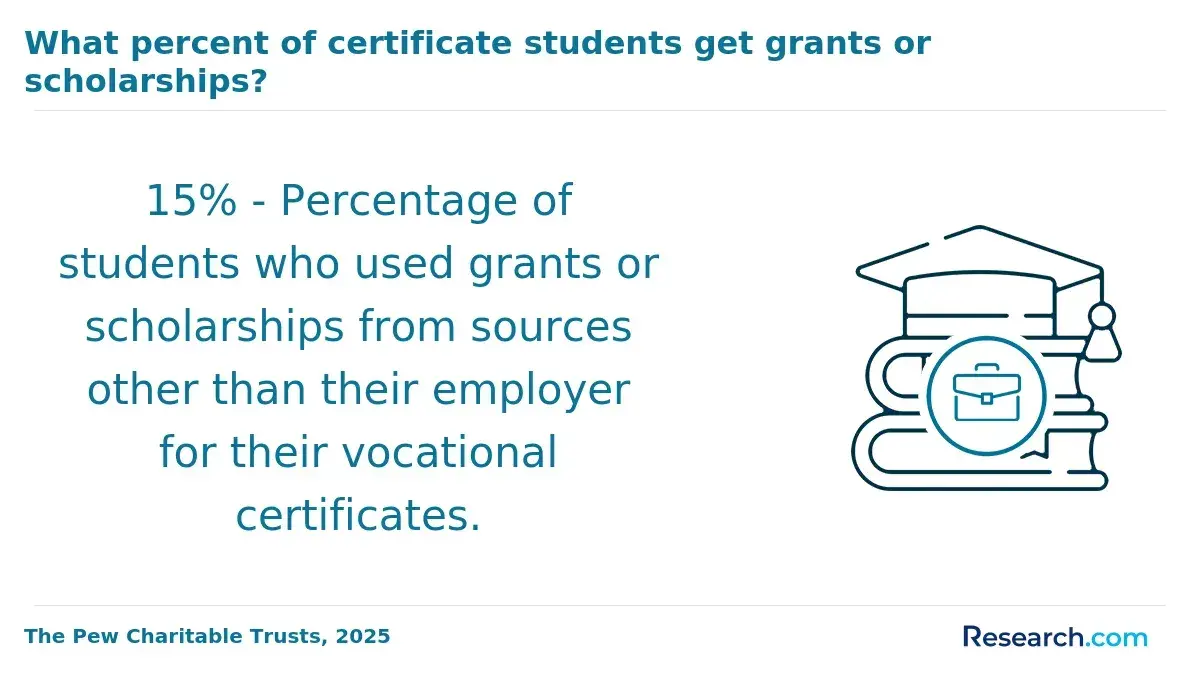
| Certificate | Several months to about one year | Tuition, camera requirements, editing software, lighting kits, and portfolio materials | You want practical skills quickly and already have general education or work experience |
| Associate degree | About two years full time | Tuition, fees, equipment, printing, transferability, and commuting | You want a lower-cost foundation with possible transfer to a bachelor's program |
| Bachelor's degree | About four years full time | Tuition, housing, equipment, studio fees, exhibitions, internships, and opportunity cost | You need deeper arts training, a broader credential, or access to competitive creative networks |
To reduce costs without weakening preparation, compare total cost rather than tuition alone. Ask whether you can rent or borrow equipment, use campus labs, access student software pricing, transfer general education credits, complete part of the program at a community college, or build a portfolio through paid assistant work while studying.
A common financial mistake is buying expensive camera gear before understanding the program's requirements. In many cases, a reliable camera body, a versatile lens, lighting basics, storage, and editing software matter more than the newest equipment.
What entry requirements do U.S. digital photography certificate and degree programs have?
Entry requirements vary by credential level. Short courses may have open enrollment, while degree programs usually require standard college admissions materials and, in some cases, a portfolio review.
The table below shows common admissions expectations for U.S. digital photography programs. Always check the individual school because requirements can differ by state, institution, and program selectivity.
| Credential level | Common entry requirements | Portfolio expectation |
| Workshop or noncredit course | Registration form, payment, and sometimes a minimum age or equipment list | Usually none for beginner courses |
| Certificate | High school diploma or equivalent may be required for credit-bearing programs | Often none for entry-level certificates; advanced certificates may ask for samples |
| Associate degree | High school diploma or equivalent, transcripts, placement process, and general college application | Often not required at open-admission community colleges, but some programs request examples |
| Bachelor's degree | Application, transcripts, possible essays, recommendations, and school-specific requirements | Common for BFA or competitive visual arts programs |
If a portfolio is required, schools usually want to see potential, consistency, and visual curiosity rather than a fully professional body of work. Strong submissions often include varied subjects, clear composition, intentional lighting, and a short explanation of your process.
Before applying, take these steps to avoid delays and mismatches.
- Confirm whether the program is open admission, selective admission, or portfolio-based admission.
- Ask whether prior college credits, military training, AP credit, or professional experience can reduce required coursework.
- Review equipment requirements before buying gear, because some programs specify camera features rather than brands.
- Check whether online students must attend any campus labs, exhibitions, residencies, or proctored assessments.
- Ask how portfolio reviews work and what happens if a student does not pass a milestone review on the first attempt.
What photography and related creative roles can you pursue with these skills?
Digital photography skills can lead to traditional photography roles as well as adjacent creative jobs in marketing, media, ecommerce, design, and communications. The best path depends on whether you prefer client-facing work, production environments, storytelling, technical editing, or brand strategy.
The table below connects common roles with the skills and work settings that typically matter. It can help you decide which portfolio projects to build first.
| Role | Typical responsibilities | Portfolio emphasis |
| Portrait photographer | Photograph individuals, families, professionals, graduates, or performers | Lighting consistency, posing, skin-tone accuracy, and client-ready galleries |
| Commercial or product photographer | Create images for brands, catalogs, ecommerce, packaging, and campaigns | Product lighting, detail shots, clean backgrounds, retouching, and brand consistency |
| Event photographer | Cover weddings, conferences, performances, school events, or corporate gatherings | Low-light work, storytelling sequences, fast delivery, and candid coverage |
| Editorial or documentary photographer | Produce images for publications, nonprofits, institutions, or long-form stories | Sequencing, captions, ethical editing, access, and narrative clarity |
| Photo editor or retoucher | Select, edit, color-correct, retouch, and prepare images for publication or clients | Before-and-after edits, color control, file organization, and style matching |
| Content creator or visual media specialist | Produce photo, short-form video, and social assets for brands or organizations | Platform-ready visuals, brand voice, speed, and multi-format production |
| Studio assistant or digital tech | Support photographers with lighting, tethering, file handling, and set operations | Technical reliability, capture workflow, equipment familiarity, and teamwork |
Entry-level photographers often begin as assistants, second shooters, studio coordinators, ecommerce production assistants, school photographers, content associates, or freelance specialists. Advancement usually comes from stronger portfolios, repeat clients, production reliability, niche expertise, and business skills.
Some photographers move into marketing, creative direction, or brand management after gaining content production experience. If you want to pair visual production with campaign strategy, analytics, and leadership, a masters in digital marketing may be more relevant than another photography credential.
What salary ranges and income models are common for professional digital photographers?
Professional photography income varies because many photographers are self-employed, part time, project-based, or paid through mixed models. Salary data is useful for setting expectations, but it should not be treated as a guaranteed outcome.
The BLS May 2024 Occupational Employment and Wage Statistics reported a median annual wage of $42,520 for photographers in the United States. For readers, the key interpretation is that photography can be a viable creative occupation, but income depends heavily on specialization, market, client base, editing speed, licensing, and business operations.
The table below summarizes common income models. Comparing them can help you decide whether you want employment stability, freelance flexibility, or a blended approach.
| Income model | How it works | Common advantages | Common risks |
| Staff employment | Photographer works for a company, school, studio, media organization, retailer, or agency | More predictable schedule, benefits may be available, and equipment may be provided | Less creative control and fewer high-upside licensing opportunities |
| Freelance assignments | Photographer charges by project, day rate, package, image use, or deliverable | Flexible niche selection and potential to scale with strong clients | Income can fluctuate, and business development is essential |
| Studio business | Photographer sells portrait, wedding, product, school, or commercial services under a business brand | Repeatable packages and stronger client relationships | Requires marketing, insurance, bookkeeping, contracts, and customer service |
| Licensing and stock | Images are licensed for commercial, editorial, or creative uses | Can add income beyond one-time shoots | Highly competitive and rarely sufficient without volume or niche demand |
| Hybrid content work | Photographer combines photo, video, social content, editing, and marketing support | Broader services may appeal to small businesses and in-house teams | Requires continuous tool learning and careful scope management |
To evaluate earning potential realistically, compare local job postings, freelance competitors, client budgets, and the cost of doing business. A $1,500 project fee, for example, is not take-home pay if it must cover editing time, insurance, taxes, gear, assistants, software, travel, and unpaid marketing hours.
A practical starting point is to build three estimates: the minimum monthly income you need, the number of shoots or clients required to reach it, and the time needed for editing and administration. This simple math can reveal whether you need staff work, part-time freelancing, a niche upgrade, or additional business training.
Are there industry certifications or portfolios that help prove digital photography expertise?
There is no universal photography license required for most U.S. professional photography roles, but credentials and portfolios can help employers and clients trust your skill level. In creative hiring, a strong portfolio usually matters more than a certificate alone.
Certifications are most useful when they prove a tool, workflow, or professional standard that clients recognize. The table below shows options that may support credibility depending on your niche.
| Proof of expertise | What it demonstrates | Best used for |
| Professional portfolio | Real examples of your technical control, visual style, editing, and consistency | Nearly all photography and creative roles |
| Capstone exhibition or thesis project | Depth, critique experience, presentation ability, and sustained creative development | Degree graduates, fine art applicants, and competitive creative roles |
| Adobe certifications or software badges | Competence with editing and production tools | Retouching, content production, in-house media, and assistant roles |
| Professional association credentials | Commitment to professional standards, continuing education, or niche practice | Portrait, wedding, commercial, and studio business contexts |
| Client testimonials and published work | Reliability, communication, delivery quality, and market validation | Freelance, commercial, editorial, and local service businesses |
An employer-ready portfolio should be edited tightly. Showing fewer excellent images is usually stronger than showing many uneven images. Organize work by niche, include short project context, and make sure images load quickly on mobile devices.
Before presenting yourself for jobs or clients, use this portfolio checklist.
- Include 12 to 25 strong images per niche rather than mixing unrelated work without context.
- Show complete projects, not only single "best shots," so reviewers can see consistency.
- Add captions or short notes when the assignment, lighting challenge, or client goal is relevant.
- Remove images that depend on heavy trends, obvious over-editing, or unclear rights.
- Keep a separate private portfolio for sensitive client work that cannot be posted publicly.
- Update your portfolio as your niche changes, especially if you move from student work to paid assignments.
Common red flags include claiming expert status after one short course, using AI-generated images without disclosure, posting client images without permission, and showing work that does not match the role you want. The strongest proof of expertise is a portfolio that makes the hiring decision easy.
Other Things You Should Know About Digital Photography
A smartphone can help you learn composition, light, framing, and social content creation, but many paid photography niches still require interchangeable-lens cameras, RAW files, external lighting, and professional editing workflows. Smartphone work is most useful for content creation, behind-the-scenes media, and practice.
Employers often expect proficiency with Adobe Photoshop and Lightroom, plus basic file management in Adobe Bridge or Capture One. Many job posts also ask for color correction, RAW processing, non-destructive editing, and exporting images in web and print formats.
In 2027, video skills are increasingly valuable for photographers. Many employers seek professionals who can produce both photography and videography content, as multimedia storytelling continues to grow. Understanding video editing software and having a grasp of basic cinematography are crucial components for aspiring photographers today.
References
- Photography Course Toronto: Online Training vs In-Person School Comparison https://www.canadianphotographyschool.ca/blog/photography-course-toronto-online-vs-inperson-comparison/
- Professional Photography - College for Arts and Technology https://collegeforartsandtech.com/programs/professional-photography/
- Digital Photography, Certificate https://catalog.cod.edu/programs-study/photography/digital-photography-certificate/
- 25 careers for creatives - SEEK New Zealand https://nz.seek.com/career-advice/article/25-careers-for-creatives
- Digital Photographer Career Guide - Sessions College https://www.sessions.edu/career-center/photographer/
- St. Petersburg College https://www.spcollege.edu/future-students/degrees-training/arts-humanities-and-design/digital-media/digital-photography-certificate
- Online Professional Certificate in Photography - Maine Media Workshops + College https://www.mainemedia.edu/college/online-professional-certificate-in-photography/
- Should you Study Photography at College or are There Better Options Now? https://digital-photography-school.com/should-you-study-photography-at-college-or-are-there-better-options-now/
- How Much Does it Cost to Learn Photography? https://blog.nobledesktop.com/learn/photography/photography-cost-to-learn
- What Can You Do With A Photography Degree? - What Career Live https://www.whatcareerlive.co.uk/what-can-you-do-with-a-photography-degree/