2027 Best Online Bachelor's in Digital Photography for Adults Over 30

Co-Founder and Chief Data Scientist
Choosing an online bachelor's in digital photography after 30 is usually a practical decision: you need a program that fits work, family, budget, and career goals. The field is competitive, and the U.S. Bureau of Labor Statistics reported a May 2024 median annual wage of $42,520 for photographers, making portfolio quality and business skills especially important.
This guide explains what to compare, what to avoid, how online programs work, and whether a photography degree is a smart investment for your next step.
Key Things You Should Know
- The best online photography bachelor's programs for adults over 30 are accredited, transfer-friendly, portfolio-driven, and built around flexible coursework rather than fixed studio schedules.
- Cost should be compared against total degree expenses, not tuition alone; College Board's 2024-25 benchmarks put published tuition and fees at $11,610 for in-state public four-year colleges and $43,350 for private nonprofit four-year colleges.
- Career outcomes vary widely: BLS May 2024 data places photographers at a $42,520 median annual wage, while related creative leadership or digital media roles can pay more but often require broader design, marketing, video, or management skills.
What is an online bachelor's in digital photography for adults over 30?
An online bachelor's in digital photography is a four-year undergraduate degree focused on image-making, digital editing, visual storytelling, lighting, portfolio development, and the business side of photography. For adults over 30, the best fit is usually a program that accepts transfer credits, offers asynchronous courses, and allows students to complete projects using local subjects, home studios, workplaces, or community settings.
The degree can be useful if you want structured feedback, a credential for creative employment, access to faculty critique, and a polished portfolio. It may be less necessary if your goal is casual hobby photography, a narrow technical skill, or immediate freelance work that could be developed faster through short courses and client practice.
Digital photography overlaps with several visual fields, so adults considering a career change should compare it with adjacent programs. If your strongest interest is layout, branding, typography, and digital campaigns rather than camera-based work, online graphic design programs may align better with employer needs in design-heavy roles.
The strongest programs usually help adult learners build three things at the same time: technical control, visual judgment, and career readiness. Before enrolling, look for evidence that the program includes critique, portfolio sequencing, copyright and licensing, client communication, and modern editing workflows.
How do online and on-campus photography programs compare?
Online and on-campus photography programs can lead to similar academic credentials, but the learning experience is different. Adults over 30 should compare format based on schedule control, access to equipment, peer critique, and how much hands-on studio support they need.
The table below summarizes the most important trade-offs for working adults deciding between an online and campus-based photography degree.
| Factor | Online bachelor's in digital photography | On-campus photography program |
| Best fit | Working adults, parents, military-affiliated students, rural students, and career changers who need schedule flexibility | Students who want frequent studio access, in-person critiques, darkroom resources, or daily campus interaction |
| Schedule | Often asynchronous or low-residency, with weekly deadlines rather than fixed class meetings | Usually tied to class times, studio sessions, lab availability, and campus calendars |
| Equipment access | Students may need their own camera, computer, editing software, lighting, and storage | Programs may provide labs, studios, printers, lighting kits, and checkout equipment |
| Feedback | Delivered through recorded critiques, discussion boards, annotated submissions, and virtual meetings | Often delivered through live critique sessions, group reviews, exhibitions, and studio demonstrations |
| Networking | Depends heavily on online community quality, faculty connections, internships, and local initiative | Often easier through campus shows, studio assistants, peer groups, and local arts networks |
Online study makes the most sense when you already have basic equipment, can work independently, and need to keep earning while studying. Campus study may be worth the commute or relocation if you need frequent access to specialized lighting, print labs, in-person critique, or a strong local creative network.
A common mistake is assuming online means easier. In photography, online students still need to plan shoots, meet critique deadlines, revise work, and manage files professionally. The best online programs are flexible, not passive.
What accreditation should a digital photography program have?
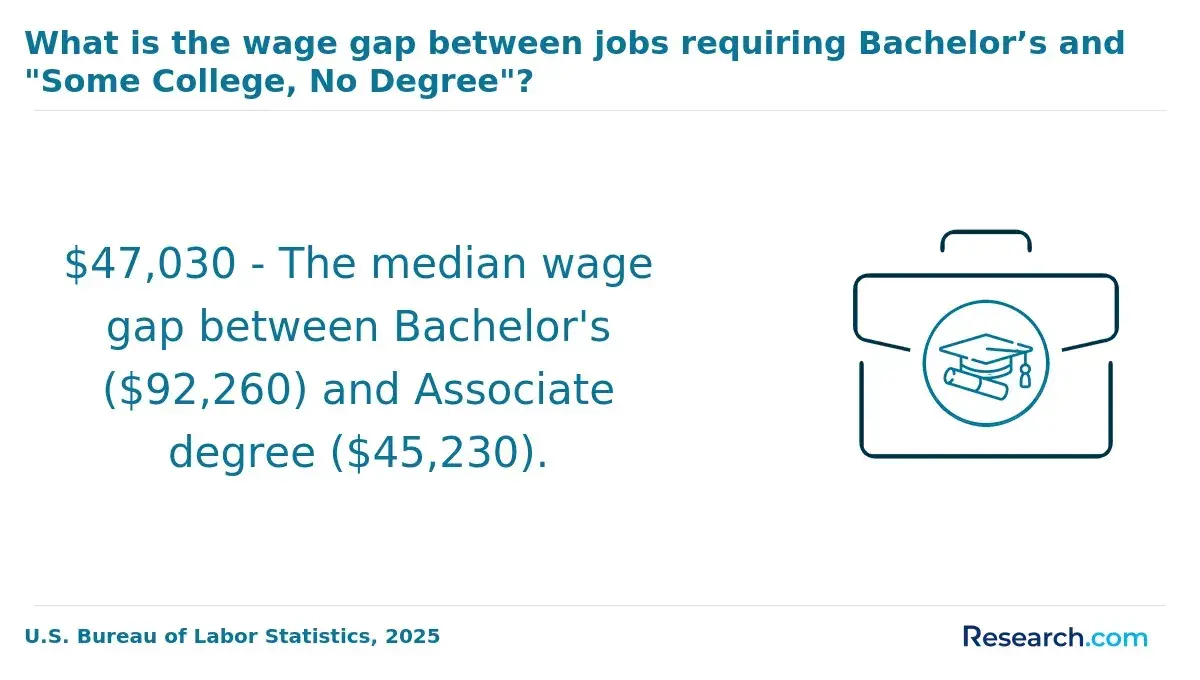
A digital photography bachelor's program should be offered by an institution accredited by an agency recognized by the U.S. Department of Education or the Council for Higher Education Accreditation. Accreditation matters because it can affect federal financial aid eligibility, credit transfer, graduate school admission, and employer confidence.
Programmatic accreditation is less universal in photography than in fields such as nursing or engineering, but some art and design schools hold accreditation from the National Association of Schools of Art and Design. NASAD accreditation can signal discipline-specific review, but it is not the only marker of quality. Institutional accreditation is the baseline adults should verify first.
Use this checklist before applying, especially if you are returning to college with previous credits or planning to use federal aid.
- Confirm the institution's accreditation status through an official accreditation database, not only the school's marketing page.
- Ask whether online students receive the same degree title and transcript notation as campus students.
- Check whether previously earned credits can transfer into the major, general education requirements, or electives.
- Review portfolio course requirements to make sure the program includes faculty critique and a capstone or senior project.
- Be cautious of schools that promise fast creative career outcomes, avoid publishing tuition clearly, or cannot explain financial aid eligibility.
For adults over 30, accreditation is also a risk-management tool. It helps protect your time and money by making it easier to compare programs on a recognized academic foundation instead of relying on advertising claims.
What courses are in a digital photography bachelor's program?
A bachelor's in digital photography usually combines studio practice, digital production, visual theory, and professional preparation. The goal is not only to teach camera settings; it is to help students make intentional images, communicate with clients or audiences, and present a coherent body of work.
Most programs include a mix of technical, creative, and career-focused courses. The list below shows common course areas and why they matter for adult learners building a portfolio.
- Digital camera technique: exposure, lenses, file formats, white balance, focus control, and workflow discipline.
- Lighting: natural light, studio light, modifiers, product lighting, portrait lighting, and mixed-light problem solving.
- Digital editing and retouching: color correction, compositing basics, nondestructive editing, image optimization, and ethical retouching practices.
- Visual storytelling: sequencing, documentary methods, editorial concepts, narrative structure, and audience interpretation.
- History of photography and visual culture: major movements, ethical context, representation, and critical analysis.
- Business of photography: pricing, contracts, licensing, copyright, client communication, invoicing, and portfolio marketing.
- Portfolio development: critique, revision, artist statements, web presentation, print preparation, and capstone exhibition work.
Students interested in built environments, interiors, architectural imaging, or visualization may also compare photography with an architect degree online, since architecture programs lead to a different professional path with distinct design, technical, and licensing considerations.
Current programs are also adapting to AI-assisted editing, content platforms, and hybrid still-video production. A strong curriculum should teach students how to use new tools without losing authorship, ethical judgment, or technical competence.
What are the admission requirements for adult learners?
Admission requirements vary by school, but adult learners usually apply with a high school diploma or GED, official transcripts from previous colleges, an application form, and sometimes a personal statement. Some photography programs request a portfolio, while others allow beginners to enter and build portfolio work after foundational courses.
For adults over 30, the most important admission issue is often not acceptance; it is placement. Transfer credits, prior learning assessment, and general education waivers can change the cost and length of the degree substantially.
Before you apply, ask admissions and academic advisors these questions so you can compare programs on real completion requirements rather than brochure language.
- How many of my previous credits will apply directly to the degree, and how many will count only as electives?
- Are portfolio reviews required for admission, placement, scholarships, or upper-division courses?
- What camera, computer, storage, and software specifications are required for online students?
- Are internships, practicums, or campus visits required, and can they be completed near my home?
- What happens if I need to pause enrollment for work, caregiving, military service, or health reasons?
A common red flag is a school that gives a quick verbal estimate of transfer credits but will not provide an official transfer evaluation before enrollment. Adults with prior college experience should request written documentation because even a small credit difference can affect both timeline and cost.
How long does an online photography degree usually take?
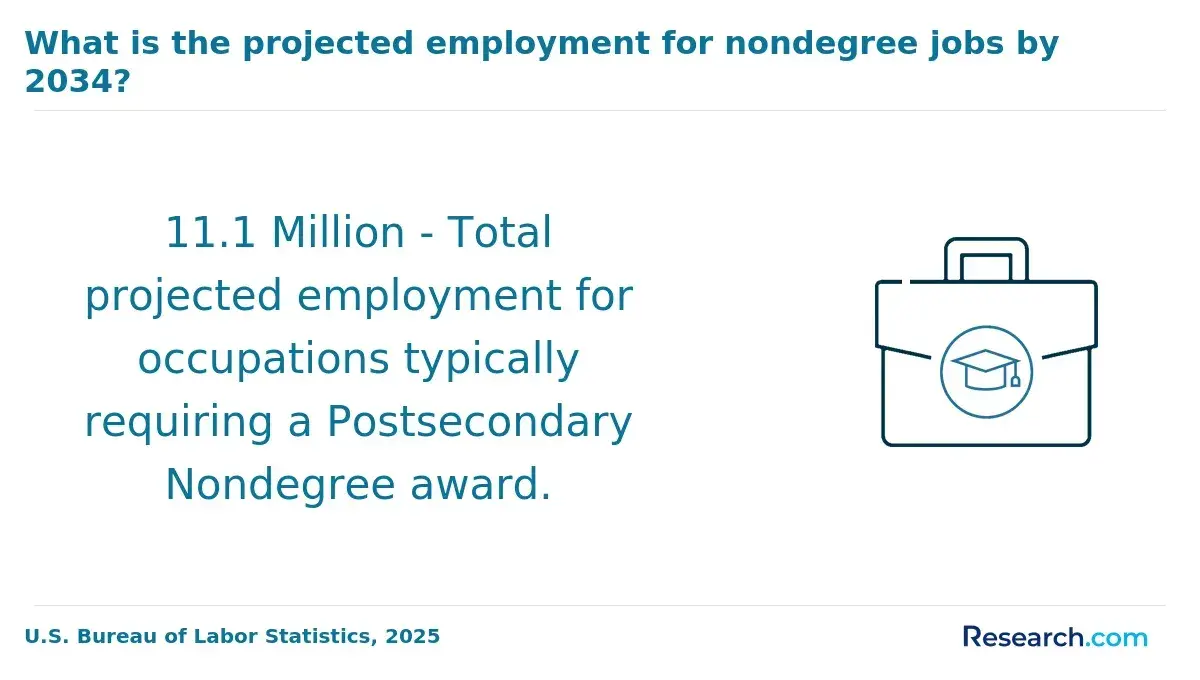
Most bachelor's degrees require about 120 semester credits. A first-time full-time student may finish in about four years, while adults studying part time often take longer. Transfer students can finish faster if prior credits apply to degree requirements rather than only to general electives.
The table below gives a practical timeline comparison for adults over 30. Actual completion time depends on transfer credit, course availability, enrollment intensity, and whether the program requires a capstone, internship, or senior portfolio sequence.
| Student situation | Typical pace | What to watch |
| No prior college credit | Usually closest to a traditional four-year path if enrolled full time | General education and foundation courses may come before advanced portfolio work |
| Some prior college credit | Often shorter if credits meet degree requirements | Studio prerequisites can still extend the timeline even when general education credits transfer |
| Associate degree holder | Potentially about two years of upper-division study when transfer agreements are strong | Credits from unrelated majors may not satisfy photography major requirements |
| Part-time working adult | Often spread across multiple years to balance work and family | Course rotations matter; missing a required class may delay graduation |
Accelerated programs can be appealing, but they require consistent weekly production time. Photography assignments are not limited to reading and quizzes; students must schedule shoots, edit images, respond to critique, and revise projects. If your work schedule is unpredictable, a slower but steadier pace may produce a stronger portfolio.
How much does an online photography degree cost?
The cost of an online photography degree depends on tuition, fees, transfer credits, enrollment pace, equipment, software, and whether the school is public, private nonprofit, or private for-profit. College Board's 2024-25 published tuition and fee benchmarks show why comparison shopping matters: in-state public four-year colleges averaged $11,610, while private nonprofit four-year colleges averaged $43,350. These figures are not photography-specific, but they help adults judge whether a quoted program price is unusually high or competitive.
When reviewing cost, do not stop at tuition. Photography students often face program-specific expenses that can change the real price of attendance.
- Camera body, lenses, tripod, lighting, memory cards, storage drives, color-calibrated monitor, and maintenance.
- Editing software, cloud storage, portfolio website hosting, printing, matting, shipping, and exhibition materials.
- Technology fees, online course fees, graduation fees, transcript fees, and possible proctoring fees.
- Lost income or reduced work hours if the program requires intensive studio projects, internships, or daytime meetings.
- Travel costs if the program includes residencies, campus intensives, exhibitions, or required in-person critiques.
The smartest cost strategy is to calculate net price after grants, scholarships, employer tuition support, military benefits, and transfer credits. Adults should also compare the degree with shorter credentials if the goal is a narrow skill, such as product photography, real estate photography, editing workflow, or small-business marketing.
If your long-term goal is commercial strategy, brand management, or creative leadership rather than image production alone, a later masters in marketing may offer a stronger business-focused path after you have built creative experience.
What careers can you pursue with a digital photography degree?
A digital photography degree can support several creative paths, but the degree alone is rarely the deciding factor. Employers and clients usually evaluate portfolio quality, reliability, editing skill, communication, and niche experience. Adults over 30 may have an advantage if they bring prior experience in business, education, events, healthcare, real estate, journalism, marketing, or nonprofit work.
The table below shows common career directions and what the work usually involves. Use it to decide whether you want a camera-centered role or a broader visual media role.
| Career path | Typical responsibilities | Best fit for |
| Portrait or wedding photographer | Client consultations, posing, lighting, event coverage, editing, album delivery, and referrals | People-oriented photographers comfortable with weekend work and small-business operations |
| Commercial or product photographer | Studio lighting, product staging, retouching, brand consistency, and collaboration with marketing teams | Detail-focused students interested in advertising, e-commerce, and controlled studio work |
| Photojournalist or documentary photographer | News coverage, caption accuracy, ethical storytelling, deadline editing, and field reporting | Students interested in public affairs, community stories, travel, or editorial assignments |
| Real estate or architectural photographer | Interior and exterior shoots, perspective control, HDR workflows, floor-plan support, and fast turnaround | Photographers who like spaces, local markets, and repeat client relationships |
| Digital content producer | Still photography, short-form video, social assets, campaign visuals, and basic analytics | Adults who want a flexible role combining photography, video, writing, and marketing |
Current hiring trends favor adaptable visual professionals. Many employers now expect photographers to understand short-form video, social media formats, content calendars, basic design, and AI-assisted editing. That does not mean every photographer must become a marketer, but it does mean a narrow portfolio may limit options.
Sports, live events, and media production are another possible direction for photographers who enjoy fast action and deadline-driven environments. If you are comparing sports-related media careers more broadly, this guide on how much does a sports analyst make can help you evaluate a different but adjacent career path in sports media.
What salary can photography graduates expect?
Photography salary expectations should be handled carefully because many photographers are self-employed, work project to project, or combine photography with editing, design, teaching, marketing, or video production. BLS May 2024 data lists the median annual wage for photographers at $42,520, which means salary planning should include local demand, niche, portfolio strength, client base, and business model.
The table below compares photography with related creative occupations using BLS May 2024 median annual wage data. These figures describe occupational medians, not guaranteed outcomes for degree graduates.
| Occupation | May 2024 median annual wage | How to interpret it |
| Photographers | $42,520 | A useful baseline for camera-centered work, especially when comparing tuition against expected earnings |
| Graphic designers | $61,300 | Relevant for students who pair photography with layout, branding, and digital design skills |
| Film and video editors | $70,980 | Relevant for photographers who add motion, postproduction, and content production skills |
| Art directors | $106,500 | Usually reflects more experienced roles requiring leadership, campaign judgment, and a strong creative record |
The main lesson is that income often rises with specialization and responsibility. A graduate focused only on general photography may face more competition, while someone who combines photography with product styling, video editing, brand strategy, real estate media, or art direction may have more ways to earn.
Adults should avoid using salary medians as a promise. Instead, use them to ask better questions: What roles do alumni enter? Does the program teach business pricing? Are internships available? Do students graduate with a professional website and portfolio? What local or remote markets can you realistically serve?
What certifications help photographers build credibility?
Photography is not typically a licensed profession in the way nursing, teaching, or architecture can be, but certifications can help build credibility in specific tools, workflows, and specialties. They are most useful when they support a clear career goal and appear alongside a strong portfolio.
The certifications and credentials below can help adults signal technical readiness, especially when changing careers or applying for digital media roles.
| Credential | Best for | How it helps |
| Adobe Certified Professional | Students using Photoshop, Lightroom-related workflows, or visual design tools | Shows software competency for editing, compositing, and production roles |
| Certified Professional Photographer from Professional Photographers of America | Portrait, wedding, studio, and client-service photographers | Signals knowledge of technical standards, image evaluation, and professional practice |
| FAA Remote Pilot Certificate | Photographers offering commercial drone imagery in the U.S. | Required for many commercial drone operations and useful for real estate, events, and inspection-adjacent media |
| Google Analytics or digital marketing certificates | Content producers and photographers supporting websites, campaigns, or social media | Helps connect visual work to audience performance and marketing outcomes |
Choose certifications after identifying your niche. A drone credential may help a real estate photographer, while Adobe certification may help a retoucher or content producer. For fine art, documentary, or editorial work, exhibitions, publications, grants, and a strong portfolio may carry more weight than software badges.
A common mistake is collecting credentials without building client-ready work. Certifications can support credibility, but they do not replace consistent shooting, critique, editing discipline, and professional presentation.
Other Things You Should Know About Digital Photography
Not always. Many programs publish minimum camera and computer requirements, and some introductory courses focus more on composition, exposure, and workflow than high-end gear. Ask for the required equipment list before enrolling so you do not overspend too early.
Most online digital photography programs require RAW files for editing exercises and high-resolution JPEGs or TIFFs for final submissions. Many also ask for sRGB color space, 300 ppi for print-based work, and files under a set size limit, often 10–25 MB per upload.
While AI tools have advanced rapidly, they complement rather than replace the skills and creativity gained through a bachelor's in digital photography. Studying photography provides a foundation in aesthetics, composition, and technical skills that AI cannot fully replicate, ensuring the art form's continued relevance and uniqueness.
References
- Credentials | Professional Photographers of America https://www.ppa.com/credentials/cpp
- Do Professional Photographers Need to Be Certified? https://www.nyip.edu/photo-articles/business/do-professional-photographers-need-to-be-certified
- What Can You Do With a Photography Degree? https://pnca.willamette.edu/academics/bfa/photography/career-options
- Photography Courses Salary in India: Average Salary of Photography Courses https://www.collegedekho.com/courses/photography-salary
- Meeting the Needs of Adult Students | Insight Into Academia https://insightintoacademia.com/meeting-the-needs-of-adult-students/
- Best Certifications for Photographers in Nigeria (2026 Guide) | Profolio https://www.profolio.ng/photographer/best-certifications
- Online Photography Classes, Photography Courses https://www.sessions.edu/online-classes/photography-courses/
- College Certificate vs Online Photography School | Cameraderie https://cameraderie.org/threads/college-certificate-vs-online-photography-school.56322/
- Streamline Adult Learner Enrollment: Best Practices Guide - Collegis Education https://collegiseducation.com/insights/streamline-adult-learner-enrollment-best-practices-guide/
- Would you do a photography degree later in life? — StreetSnappers Street Photography Workshops https://streetsnappers.com/street-photography-blog/a-photography-degree-later-in-life