2027 Best Online Digital Photography Degrees for Portrait Photography Careers

Co-Founder and Chief Data Scientist
Choosing an online digital photography degree is a practical career decision, not just an artistic one. Portrait photographers need lighting control, editing fluency, client communication, business skills, and a portfolio that proves they can deliver consistent results.
The U. S. Bureau of Labor Statistics reported a $42,520 median annual wage for photographers in May 2024, but income varies widely by specialization and self-employment strategy. This guide helps aspiring portrait photographers compare online degrees, costs, accreditation, schools, career paths, and red flags before investing time and money.
Key Things You Should Know
- For portrait careers, the strongest online digital photography degrees combine studio lighting, people-focused posing, retouching, color management, visual storytelling, and small-business training rather than only general camera technique.
- Accreditation matters: students should verify institutional accreditation first, then look for portfolio review quality, faculty experience, transfer policies, and access to critique-based courses before comparing tuition.
- BLS data places photographers' May 2024 median pay at $42,520, with employment projected to grow 4% from 2024 to 2034; portrait graduates should plan for freelance, studio, school, event, and commercial income paths rather than one guaranteed job title.
What is an online digital photography degree and how does it prepare portrait photographers?
An online digital photography degree is a college program that teaches camera operation, lighting, image editing, visual composition, digital workflow, portfolio development, and professional practice through remote coursework. For portrait photography, the most relevant programs go beyond taking technically sharp images; they train students to direct people, shape light, edit skin tones ethically, manage clients, and produce a consistent body of work.
Online programs may lead to an associate degree, bachelor's degree, or graduate degree. A bachelor's degree is usually the most complete option for students who want formal art training, broader career flexibility, and a portfolio that can support studio, freelance, editorial, school, or commercial portrait work. A master's degree is more useful for advanced artistic practice, college teaching goals, or leadership in creative direction.
The degree can be worth it when a student needs structured critique, formal credentials, and guided portfolio development. It may be less necessary for someone who already has strong technical ability, a paying client base, and only needs targeted workshops in lighting, posing, or business operations. Students comparing creative technology paths may also look at fields like a video game development degree, but portrait photography remains more client-facing and portfolio-driven.
The table below summarizes common online degree levels and how each one typically fits a portrait photography goal. Use it to match your education investment to the level of career support you actually need.
| Degree level | Typical focus | Best fit for portrait photographers | Limitations to consider |
| Associate degree | Camera basics, editing, design foundations, introductory portfolio work | Beginners who want a lower-cost start or plan to transfer into a bachelor's program | May not provide enough advanced lighting, business, or portfolio depth for competitive commercial work |
| Bachelor's degree | Lighting, studio practice, digital imaging, visual culture, business, portfolio development | Students seeking the broadest preparation for freelance, studio, school, editorial, or commercial portrait work | Requires more time and tuition than a certificate or associate degree |
| Master's degree | Advanced concept development, critique, research, exhibition, teaching preparation | Experienced photographers aiming for fine-art portrait projects, college teaching, or creative leadership | Usually unnecessary for entry-level portrait studio roles |
| Certificate or nondegree coursework | Focused technical skills such as lighting, retouching, posing, or software | Working photographers who need a specific skill upgrade | May not carry the same financial aid access or credential value as a degree |
How do online digital photography programs compare to campus-based options for portrait careers?
Online digital photography programs can prepare students well for portrait careers when they include structured critique, portfolio assignments, faculty feedback, and practical lighting work that students complete in their own spaces. Campus programs may offer easier access to studios, lighting gear, peers, and live model sessions, but they are not automatically better for every learner.
The right format depends on your schedule, location, equipment access, and learning style. For adult learners, working parents, military-affiliated students, and photographers already taking clients, online study can make degree completion more realistic.
This comparison highlights the main trade-offs between online and campus-based photography education. It is especially useful if you are deciding whether convenience is worth the extra responsibility of arranging your own shoots and equipment.
| Factor | Online digital photography degree | Campus-based photography degree | Portrait career impact |
| Studio access | Students often use home studios, rented spaces, local studios, or portable lighting kits | Students may have access to school studios, backdrops, lighting labs, and equipment cages | Campus access helps beginners, but online students can build realistic client-location skills early |
| Critique and feedback | Usually delivered through video, discussion boards, portfolio uploads, and live virtual sessions | Often delivered in person during studio critiques | Strong critique matters more than format; weak feedback is a red flag in either model |
| Schedule | Often asynchronous or low-residency, which supports working students | Usually fixed class times and studio sessions | Online study can help students keep earning while building a portfolio |
| Networking | Requires more intentional outreach to classmates, alumni, local clients, and professional groups | Peer relationships and campus events may happen more naturally | Portrait photographers still need local market networking regardless of degree format |
| Equipment responsibility | Students may need to buy or rent more of their own camera, lighting, calibration, and editing tools | Some equipment may be shared or checked out through the school | Total cost should include gear, not tuition alone |
Online programs make the most sense for students who can self-direct assignments, find portrait subjects, and create a repeatable shooting setup. Campus programs may be better for students who need frequent hands-on coaching, immediate access to studios, or a more immersive art-school environment.
Which accredited schools offer the best online digital photography degrees for portrait work?
The best online digital photography degrees for portrait work are not simply the most famous programs. A strong choice should be institutionally accredited, offer photography-specific coursework, include critique-based portfolio development, and let students practice lighting, editing, and client-centered image production.
Program names, formats, and availability can change, so students should confirm current details directly with each school before applying. The schools below are examples of accredited U.S. institutions that have offered online photography or digital photography pathways relevant to portrait-focused students.
| School | Relevant online program or pathway | Institutional accreditation | Why it may fit portrait photography students |
| Southern New Hampshire University | BA in Digital Photography | New England Commission of Higher Education | Designed for online learners and includes digital imaging, lighting, business, and portfolio-oriented work |
| Arizona State University Online | BFA in Art with digital photography-focused study options | Higher Learning Commission | Useful for students who want a university-based art degree with online flexibility and broader visual arts context |
| Academy of Art University | Online photography degrees at undergraduate and graduate levels | WASC Senior College and University Commission | Offers a practice-heavy art-school model with portfolio development and multiple photography levels |
| Rocky Mountain College of Art + Design | Online BFA in Photography | Higher Learning Commission | May appeal to students seeking a studio-art approach with remote coursework and portfolio critique |
| Liberty University | Online digital design or visual communication pathways with photography-related coursework | Southern Association of Colleges and Schools Commission on Colleges | May fit students who want photography skills combined with design, branding, and communications coursework |
A portrait-focused student should ask each school for recent portfolio examples, course syllabi, faculty profiles, software expectations, and graduation requirements. A program can be accredited and still be a poor fit if it lacks portrait lighting, editing critique, or career preparation for client-based work.
What accreditation should online digital photography programs have for credible portrait training?
Accreditation is the quality-assurance system that helps confirm a college meets recognized academic and administrative standards. For online digital photography students, the most important form is institutional accreditation from an agency recognized by the U.S. Department of Education or the Council for Higher Education Accreditation.
Institutional accreditation affects credit transfer, graduate school eligibility, employer confidence, and access to federal financial aid. Programmatic art accreditation, such as recognition by the National Association of Schools of Art and Design, can add credibility, but it is not always required for a portrait photography career.
Students should understand the main types of quality signals before enrolling. The table below separates must-check accreditation from additional indicators that can help evaluate program credibility.
| Quality signal | What it means | Why it matters for portrait students |
| Institutional accreditation | The whole college or university has been reviewed by a recognized accreditor | This is the baseline requirement for federal aid, transferability, and academic legitimacy |
| Programmatic art accreditation | An art, design, or photography-related unit has undergone specialized review | Can indicate stronger art-school infrastructure, but absence does not automatically make a program weak |
| State authorization for online learning | The school is approved to serve online students in specific states | Students should confirm eligibility before applying, especially if they live outside the school's home state |
| Transparent outcomes and policies | The school publishes tuition, fees, transfer rules, graduation expectations, and student support details | Transparency helps students avoid programs that are difficult to compare or financially risky |
A common mistake is assuming that a school's marketing language proves accreditation. Students should verify accreditation through official accreditor or federal databases, then confirm that the specific online program is offered by the accredited institution.
What courses and skill areas are included in an online portrait photography curriculum?
An online portrait photography curriculum should build both artistic judgment and repeatable production skills. Portrait photographers are hired to create flattering, expressive, and technically reliable images, so coursework should connect creative choices to client outcomes.
Most quality programs include a mix of foundational art courses, technical photography courses, digital workflow training, and business preparation. Students should look for assignments that require real portrait sessions rather than only still life, landscape, or abstract image projects.
The following skill areas are especially important for portrait-focused students because they translate directly into paid work and portfolio quality.
- Camera and exposure control: Manual exposure, lens choice, depth of field, motion control, focus accuracy, and file formats.
- Portrait lighting: Natural light, flash, continuous light, modifiers, reflectors, high-key setups, low-key setups, and location lighting.
- Posing and direction: Working with individuals, couples, families, children, executives, graduates, and nonprofessional subjects.
- Digital editing: RAW processing, color correction, retouching, skin tone management, nondestructive editing, and export workflows.
- Visual storytelling: Composition, mood, background control, styling, sequencing, and narrative portrait projects.
- Professional practice: Pricing, contracts, copyright basics, client communication, proofing, delivery, branding, and portfolio presentation.
Technology is changing how photographers work, especially in culling, masking, noise reduction, generative fill, background extension, and image organization. Students interested in deeper technical careers can compare photography training with AI degree programs, but portrait photographers should treat AI as a workflow tool rather than a substitute for lighting judgment, ethical editing, and client trust.
A strong curriculum also teaches what not to do. Over-retouching, inconsistent color, careless file backups, weak model releases, and poor communication can damage a portrait business even when the images are visually attractive.
What are typical admission requirements for online digital photography bachelor's and master's programs?
Admission requirements vary by school and degree level, but online digital photography programs usually evaluate academic readiness, creative potential, and technical preparedness. Some programs are open to beginners, while more selective art programs may require a portfolio.
Bachelor's programs typically require a high school diploma or GED, transcripts, an application form, and sometimes a personal statement. Transfer students may need college transcripts and course descriptions. Some schools may ask for a small portfolio, but many online bachelor's programs allow students to begin without professional photography experience.
Master's programs are more selective because they assume students can produce independent creative work. Applicants commonly need a bachelor's degree, portfolio, statement of purpose, recommendation letters, and sometimes an interview or resume.
The table below shows typical requirements by program level. It should be used as a planning guide because each school sets its own policies.
| Requirement | Online bachelor's program | Online master's program |
| Prior degree | High school diploma, GED, or transfer credits | Bachelor's degree, often in photography, art, design, media, or a related field |
| Portfolio | Sometimes optional or beginner-friendly | Usually required and evaluated for concept, craft, consistency, and potential |
| Statement | May ask about goals and interest in photography | Usually asks for artistic direction, graduate goals, and research interests |
| Software and equipment | Camera and editing access may be required after enrollment | Applicants may be expected to already have working technical fluency |
| Testing | Standardized tests are often not required, but policies vary | GRE requirements are uncommon in studio-art pathways, but students should verify |
Applicants can strengthen their chances by preparing a concise portfolio that shows people-focused work, not just travel or landscape images. Even if a portfolio is optional, submitting thoughtful portraits can help advisors place students in the right courses.
How long do online digital photography degrees take and what do they cost overall?
Online digital photography degree length depends on degree level, transfer credit, term structure, and whether the student studies full time or part time. A bachelor's degree commonly requires about 120 credits, while master's programs often require fewer credits but more advanced studio work, critique, and final projects.
Cost varies more than duration because schools charge different tuition rates and photography students may also need equipment, software, storage, printing, and portfolio presentation tools. College Board's 2024 pricing trends reported average published tuition and fees of $11,610 for in-state students at public four-year institutions and $43,350 at private nonprofit four-year institutions for 2024-2025; online students should use those figures as broad benchmarks, not as program-specific estimates.
When comparing total cost, students should look beyond the advertised per-credit tuition. The most common cost categories include tuition, required fees, camera gear, lighting, editing software, external drives, printing, calibration tools, portfolio websites, and travel for any optional campus intensives or exhibitions.
- Associate degree: Often designed for about two years of full-time study, with lower overall tuition than a bachelor's degree but fewer advanced portfolio courses.
- Bachelor's degree: Often designed for about four years of full-time study, though transfer credits and accelerated terms can shorten completion time.
- Master's degree: Often designed for about one to three years depending on credit load, studio expectations, and thesis or final portfolio requirements.
- Certificate: Often completed faster than a degree, but may not qualify for the same financial aid or transfer benefits.
Students trying to reduce costs should ask about transfer credit, prior learning assessment, military education benefits, employer tuition assistance, payment plans, scholarships, and whether the program requires specific camera brands or software subscriptions. A cheaper program is not always the better value if it provides little critique, weak career support, or no meaningful portfolio development.
What portrait photography jobs can graduates of online digital photography degrees pursue?
Graduates of online digital photography degrees can pursue several portrait-related careers, but many roles are freelance, contract-based, or tied to small businesses rather than traditional full-time employment. This means graduates need both creative skill and business discipline.
Portrait photography careers often start with assisting, second shooting, school photography, family sessions, graduation portraits, headshots, or event portrait booths. Over time, photographers may specialize in higher-margin niches such as personal branding, executive portraits, weddings, newborns, senior portraits, editorial portraiture, or commercial lifestyle imagery.
The table below outlines common portrait-related job paths and the responsibilities attached to each. It helps clarify how different roles use the same photography degree in different work settings.
| Career path | Typical responsibilities | Work setting | Degree value |
| Portrait studio photographer | Photograph individuals, families, children, graduates, or couples; manage lighting, posing, retouching, and delivery | Independent studio, franchise studio, local photography business | Strong value when the program builds lighting consistency and client workflow |
| Headshot and personal branding photographer | Create professional portraits for executives, actors, entrepreneurs, and teams | Studio, corporate locations, coworking spaces, on-location setups | Useful when combined with branding, communication, and business courses |
| Wedding and event portrait photographer | Capture couples, guests, details, candid portraits, and formal group images | Venues, hotels, religious sites, outdoor locations | Useful for lighting under pressure, storytelling, editing workflow, and client management |
| School or volume photographer | Produce standardized portraits for schools, teams, organizations, or high-volume clients | Schools, sports facilities, temporary studio setups | Helpful for workflow discipline, color consistency, and production management |
| Commercial portrait assistant or digital tech | Support lead photographers with lighting, tethering, file management, equipment, and postproduction | Commercial studios, agencies, editorial shoots | Valuable stepping stone for graduates building professional networks |
| Fine-art portrait photographer | Create conceptual portrait projects for exhibitions, publications, grants, or collections | Studios, galleries, universities, independent practice | Advanced study may help, especially for students considering an online MFA degree |
A degree alone rarely replaces a strong portfolio, referrals, and reliable client experience. Graduates who succeed in portrait work usually combine formal training with consistent marketing, professional contracts, timely delivery, and a clear visual style.
What is the salary potential and job outlook for professional portrait photographers?
Salary potential in portrait photography depends on market, specialization, pricing model, client base, editing speed, business expenses, and whether the photographer is employed or self-employed. The BLS reported a May 2024 median annual wage of $42,520 for photographers, which provides a useful national benchmark but does not capture every freelance or business-owner scenario.
The job outlook is modest but not stagnant. BLS projections show photographer employment growing 4% from 2024 to 2034, about as fast as the average for all occupations. For students, this means opportunity exists, but competition and business execution matter heavily.
Income can vary widely because portrait photographers may earn from session fees, print sales, digital collections, wedding packages, commercial licensing, retainers, mini sessions, school contracts, or brand partnerships. A photographer with strong business systems may outperform a technically talented photographer who underprices work, overspends on gear, or fails to build repeat clients.
Several trends affect salary potential and job stability. AI-assisted editing can reduce repetitive postproduction time, but it also raises client expectations for speed and polish. Social media continues to help photographers market directly, yet it also increases competition from hobbyists and low-cost providers. Corporate headshots, personal branding, and content-driven business portraits remain promising niches because professionals need current visual identities for websites, LinkedIn, speaking events, and media kits.
Students should treat salary data as a planning baseline rather than a promise. Before enrolling, compare local portrait pricing, studio rent, insurance, taxes, software costs, editing workload, and the number of sessions needed each month to support your income goal.
How can students evaluate and choose a reputable online digital photography program?
Choosing a reputable online digital photography program requires more than scanning rankings or finding the lowest tuition. The best program is the one that matches your portrait career goal, budget, learning style, equipment access, and need for critique.
Use a structured process before applying. These steps help reduce the risk of choosing a program that looks attractive online but does not support real portrait career preparation.
- Verify institutional accreditation through official accreditor or federal databases before reviewing course details.
- Request the current curriculum and confirm that portrait lighting, digital editing, portfolio critique, and professional practice are required or available.
- Ask to see student portfolio examples or capstone expectations so you can judge the level of work the program supports.
- Calculate total cost, including tuition, fees, camera gear, lighting, software, storage, printing, and any required travel.
- Review faculty backgrounds to see whether instructors have relevant portrait, commercial, editorial, studio, or fine-art experience.
- Compare transfer credit rules, withdrawal policies, financial aid eligibility, and graduation requirements before committing.
- Ask how online critique works, including whether feedback is written, recorded, live, peer-based, faculty-led, or portfolio-review based.
- Confirm student support services such as career advising, accessibility services, library access, software discounts, veteran support, and technical help.
Military-affiliated students should pay special attention to benefit certification, deployment flexibility, credit for prior learning, and dedicated advising. If you are comparing support services across fields, resources on military friendly online cybersecurity degree programs can provide a useful model for the kinds of veteran-focused policies to look for in any online program.
Common red flags include vague accreditation claims, unclear tuition, no faculty critique, no required portfolio, pressure-heavy admissions calls, weak transfer policies, and programs that emphasize software tools while ignoring lighting, composition, client communication, and business practice. A reputable program should make it easy for you to understand what you will learn, what it will cost, how long it will take, and how your portfolio will improve.
Other Things You Should Know About Digital Photography
Yes, having access to professional model releases is crucial for online photography students, especially those pursuing portrait photography. These legal documents ensure students have the necessary permissions to use images of models they photograph, a critical aspect when building a portfolio and adhering to copyright laws.
Requirements vary, but students commonly need a digital camera with manual controls, interchangeable lenses or a quality fixed-lens system, a computer that can run editing software, storage drives, and eventually basic lighting equipment. Always check the school's equipment list before buying gear.
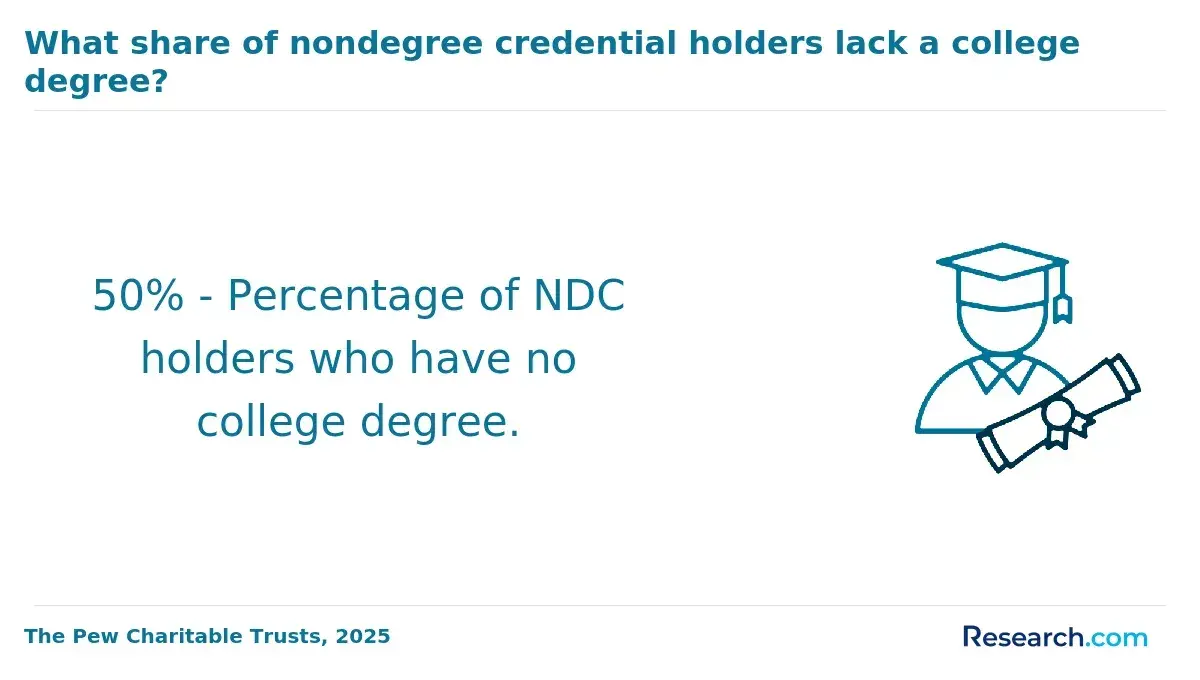
Yes. Many online digital photography programs ask applicants to submit 10 to 20 samples of original work, often a portfolio PDF or web link, along with a short artist statement. Some schools also require a minimum GPA of 2.0 to 3.0 for transfer or freshman admission.
A certificate can be enough if you already have strong general photography skills and need focused training in lighting, retouching, or business. A degree is usually better if you want broader art education, structured critique, financial aid access, transfer options, or a more developed portfolio.
References
- How to evaluate an online photography course https://www.upskillist.com/blog/how-to-evaluate-an-online-photography-course/
- How to Become a Professional Portrait Photographer (+ Course) https://digital-photography-school.com/become-professional-portrait-photographer/
- Which fields can I work in post pursuing an online photography course? https://www.careers360.com/question-can-you-name-some-popular-digital-photography-experts-across-the-globe
- Portrait photographers: Salary, career path, job outlook, education and more - RaiseMe https://www.raise.me/careers/media-and-communication/photographers/portrait-photographers/
- Portrait Photography Course Online | Master Studio & Natural Light https://www.canadianphotographyschool.ca/courses/portrait-photography/
- Online Photography Degree | Associate Degree (AOS) https://www.sessions.edu/online-degrees/digital-photography/
- Photography BA(Hons) (Online) https://www.falmouth.ac.uk/study/online/undergraduate/photography
- Online Photography Degrees | Photography Programs & Courses https://www.onlinecolleges.net/degrees/photography/
- The photography courses that can help you build a career https://www.mylearningonline.com.au/blog/which-photography-courses-will-help-you-to-build-a-photography-career/
- How to Choose the Right Photography Program https://nossi.edu/how-to-choose-the-right-photography-program/