2027 How to Choose an Online Digital Photography Degree for Social Media Content Careers

Co-Founder and Chief Data Scientist
Choosing an online digital photography degree is harder when your goal is a social media content career, not a traditional studio job. The right program should teach lighting, editing, visual storytelling, platform strategy, and portfolio development. The U. S. Bureau of Labor Statistics reports a 2024 median photographer wage of $42,520, but social media roles often blend photography with marketing and video. This guide helps aspiring creators, career changers, and working adults compare programs, costs, accreditation, skills, and outcomes before enrolling.
Key Things You Should Know
- An online digital photography degree is most useful when it combines photography fundamentals with video, editing, branding, analytics, and portfolio projects aimed at Instagram, TikTok, YouTube, ecommerce, and brand content work.
- Use 2024 cost benchmarks carefully: College Board reports average published tuition and fees of $11,610 for in-state public four-year institutions and $43,350 for private nonprofit four-year institutions, before grants or scholarships.
- The BLS projects photographer employment to grow 4% from 2024 to 2034, so students should choose programs that prepare them for hybrid roles such as content creator, social media specialist, visual brand assistant, and ecommerce photographer.
What is an online digital photography degree for social media content careers?
An online digital photography degree is a college credential that teaches students how to create, edit, manage, and publish photographic work using digital tools. For social media content careers, the strongest programs go beyond camera operation. They connect image-making with short-form video, visual branding, audience behavior, campaign planning, and portfolio presentation.
Program names vary. You may see digital photography, photography, visual communication, media arts, digital media, or content creation degrees. The best fit depends on whether you want to work as a photographer first, a social media strategist with strong visuals, or a hybrid creator who shoots, edits, writes captions, tracks engagement, and manages brand assets.
The degree can make sense if you want structured feedback, a professional portfolio, access to instructors, and a credential that may help with agency, brand, nonprofit, higher education, or ecommerce roles. It may be less necessary if you already have a strong portfolio, client experience, and only need a short certificate in editing software, lighting, or social media advertising.
This table summarizes common online credential levels and how they usually fit different goals. Use it to avoid choosing a longer program when a shorter option would be enough, or choosing a short course when you need a broader academic foundation.
| Credential | Typical fit | Best for social media careers when... | Main limitation |
| Certificate | Focused technical training | You need skills in editing, lighting, platform content, or portfolio refreshes | May not provide general education, internships, or a full degree credential |
| Associate degree | Entry-level preparation | You want a lower-cost path into freelance, assistant, or junior content roles | May offer fewer advanced branding, analytics, or campaign courses |
| Bachelor's degree | Broader professional preparation | You want portfolio depth, internships, electives, and access to roles asking for a degree | Usually costs more and takes longer than certificates or associate programs |
| Post-baccalaureate or graduate certificate | Career pivot or specialization | You already have a degree and want to add visual content or digital media skills | May assume prior design, marketing, or media knowledge |
A practical way to judge fit is to compare the curriculum with the work you actually want to do. A creator who wants to shoot food content for restaurants needs lighting, styling, client workflow, and short-form video. A future social media manager needs content calendars, brand voice, analytics, and campaign reporting. A freelance photographer needs pricing, contracts, licensing, and client communication.
How do online digital photography programs compare to campus-based options?
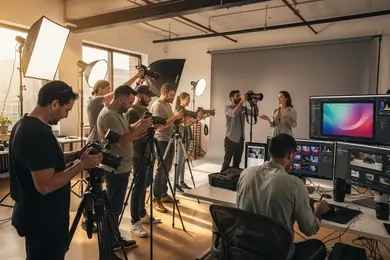
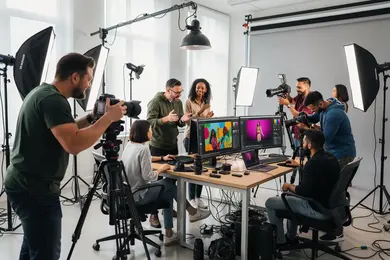
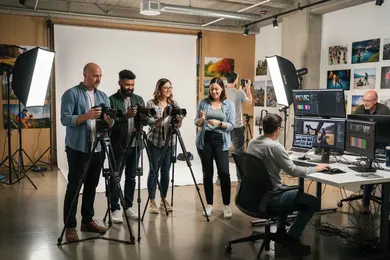
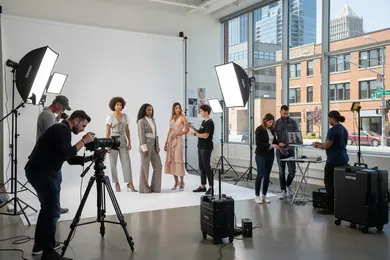
Online digital photography programs can be effective, but they require more self-direction than campus programs. The central trade-off is flexibility versus access. Online students can usually study around work and family responsibilities, while campus students may have easier access to studios, lighting labs, printing facilities, peer shoots, and local networking.
Before choosing a format, think about how you learn creative skills. Photography is hands-on even when the course is online, so the program should require original shoots, critique sessions, editing submissions, and a portfolio review rather than relying only on readings and quizzes.
This comparison shows where online and campus-based options typically differ. It can help you decide whether convenience is worth the potential need to buy or borrow more equipment on your own.
| Factor | Online digital photography program | Campus-based photography program | Decision point |
| Schedule | Often asynchronous or hybrid | More fixed class and studio times | Online is stronger for working adults; campus may suit students who want routine |
| Equipment access | Student may need camera, lighting, software, and storage | School may provide labs, studios, printers, and checkout gear | Ask online programs exactly what you must purchase |
| Critique and feedback | Video critiques, discussion boards, uploaded portfolios | In-person critique, studio demonstrations, live collaboration | Choose the format that will keep you accountable |
| Networking | Virtual cohorts, remote internships, online portfolio exposure | Local galleries, campus events, in-person production teams | Online students should confirm career services and internship support |
| Social media relevance | May align well with remote content workflows | May offer stronger production environments | The better choice is the one with current platform, video, and analytics coursework |
Online learning can also be strong for students interested in adjacent creative fields that already use remote studio workflows. For example, students comparing a photography path with a video game designer degree may notice that both fields depend on visual composition, software fluency, iterative critique, and portfolio-based hiring.
Choose online if you need flexibility, can create a reliable shooting setup, and are comfortable sharing work digitally. Choose campus if you need frequent in-person coaching, specialized studio equipment, or a local creative network. A hybrid program may be the best compromise if it combines online coursework with short residencies, studio intensives, or local internship requirements.
What accreditation should an online digital photography degree have in the United States?
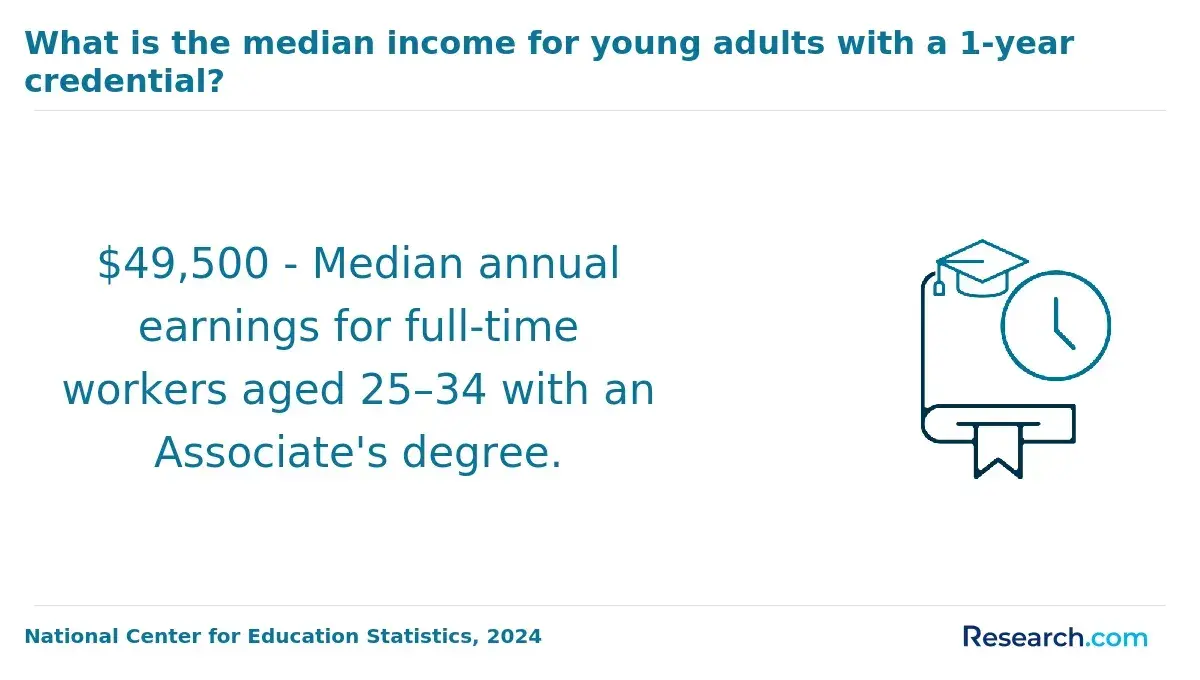
In the United States, the most important accreditation issue is institutional accreditation. A reputable online digital photography degree should come from a college or university accredited by an accreditor recognized by the U.S. Department of Education or the Council for Higher Education Accreditation. Institutional accreditation affects transfer credit, federal financial aid eligibility, graduate school recognition, and employer confidence.
Programmatic accreditation is different. Some art and design programs may hold accreditation from the National Association of Schools of Art and Design, often called NASAD. NASAD accreditation can be a positive quality signal, especially for studio art and design programs, but it is not usually a legal requirement for photography or social media content jobs.
Because photography is not a licensed profession in most situations, accreditation is less about state licensure and more about educational legitimacy. However, online students should still check state authorization. A school must be authorized to deliver online education to students in your state, often through state approval processes or participation in NC-SARA.
Use this table to separate essential accreditation checks from optional quality indicators. This distinction matters because some schools market creative programs heavily without making accreditation status easy to verify.
| Quality check | Why it matters | How to interpret it |
| Institutional accreditation | Supports financial aid, transferability, and degree recognition | Treat this as essential for a degree program |
| Programmatic art/design accreditation | May indicate external review of curriculum, faculty, and facilities | Helpful, but not always required for photography careers |
| State authorization for online learning | Confirms the school can enroll students in your state | Ask admissions if your state is approved before applying |
| Transparent consumer information | Shows completion data, cost details, policies, and student support | A lack of clarity is a red flag |
Avoid enrolling in a degree program that cannot clearly name its institutional accreditor, hides total program cost, or pressures you to commit before you review transfer policies and equipment requirements. If a school claims that its degree is "industry certified," ask what organization provides that recognition and whether employers in your target market value it.
What courses and technical skills are taught in digital photography programs for social media?
A strong digital photography curriculum should teach both image quality and content performance. Social media employers and clients rarely need someone who can only take technically correct photos. They need creators who understand visual hooks, platform formats, brand consistency, rights management, and how images support measurable business goals.
Look for courses that build a complete production workflow. These subjects are especially relevant because social media content often moves quickly from concept to shoot, edit, caption, schedule, and performance review.
- Digital camera operation, exposure, lenses, focus, color, file formats, and image quality control
- Lighting for portraits, products, food, interiors, events, and mobile-first social content
- Photo editing, retouching, color correction, batch processing, and nondestructive workflows
- Short-form video, reels, vertical composition, motion basics, audio capture, and thumbnail design
- Visual storytelling, brand identity, art direction, content calendars, and campaign concepts
- Social media platform strategy, audience research, captions, hashtags, accessibility, and analytics
- Digital asset management, metadata, copyright, model releases, licensing, and client delivery
- Portfolio development, professional practices, pricing, contracts, and freelance business basics
AI is also changing the skill mix. Programs should not treat AI tools as a replacement for photography fundamentals, but students should understand AI-assisted editing, generative fill, image authenticity concerns, disclosure expectations, and brand policies. The valuable skill is knowing when automation improves workflow and when it creates ethical, legal, or quality problems.
Coursework can also overlap with other design fields. Students who like photography but are drawn to built environments, interiors, or spatial storytelling may compare digital photography with online architecture programs, especially if they want to photograph real estate, hospitality spaces, retail environments, or urban content.
When reviewing a curriculum, ask to see student portfolios from recent graduates. Course titles can sound modern while assignments remain outdated. Strong portfolios should show platform-ready images, consistent editing style, vertical video, campaign thinking, and evidence that students can adapt visuals for different audiences.
What admission requirements and application materials do online digital photography programs expect?
Admission requirements vary by school and credential level. Certificate and associate programs may have open or broad access policies, while bachelor's programs may ask for transcripts, a personal statement, and sometimes a portfolio. More selective art and design schools may review creative work carefully, but many online programs accept beginners and use introductory courses to build foundational skills.
Most applicants should be ready to provide several materials. These items help schools verify academic readiness and, when required, evaluate your creative direction.
- High school transcript, GED documentation, or prior college transcripts
- Online application and application fee, unless the school offers a waiver
- Personal statement explaining your creative interests and career goals
- Portfolio of photographs, design work, social media content, or other visual projects if required
- Resume for adult learners, transfer students, veterans, or applicants with freelance experience
- English proficiency documentation for applicants educated in another language environment, if required by the school
If a portfolio is optional, submit one if it helps your case. It does not need to look professionally polished, but it should show intentional choices: subject, composition, light, editing style, and willingness to revise. Admissions teams often want to see potential, not perfection.
Transfer students should pay special attention to credit evaluation. A low advertised tuition rate may be less valuable if the school accepts few previous credits. Ask whether photography, art, marketing, business, and general education credits can transfer, and request a written degree plan before enrolling.
Applicants with limited academic experience can still prepare strategically. Take a basic photography or editing course, build a small portfolio around one niche, and write a statement that connects the program to realistic career goals such as social media assistant, ecommerce content producer, or freelance brand photographer.
How long do online digital photography degrees take, and what do they cost?
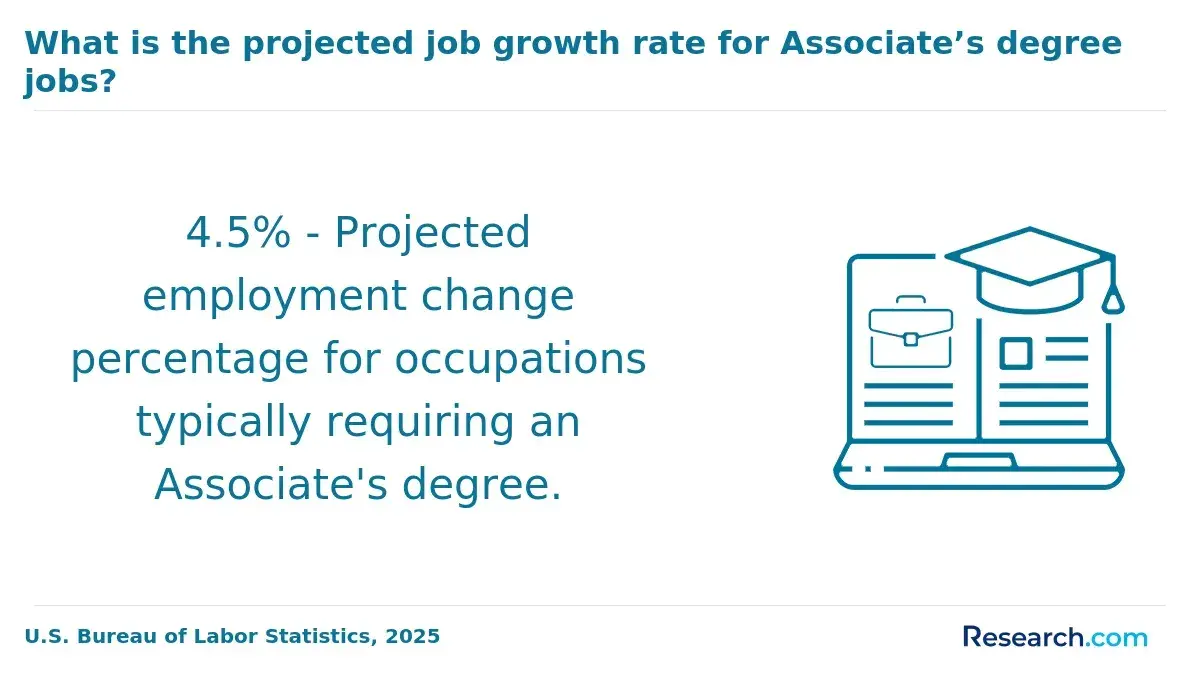
Program length depends on the credential, transfer credits, enrollment intensity, and course availability. A certificate may take a few months to one year. An associate degree commonly takes about two years of full-time study. A bachelor's degree usually takes about four years for first-time students, though transfer students may finish sooner if the school accepts previous credits.
Cost is more complicated than tuition. Photography students may need a camera body, lenses, lighting, editing software, external storage, color-calibrated equipment, printing, portfolio hosting, and travel for shoots or internships. Online students should ask which costs are mandatory and which can be met with existing gear.
For context, College Board's 2024-25 national averages show published tuition and fees of $11,610 for in-state students at public four-year institutions and $43,350 at private nonprofit four-year institutions. These are sticker-price benchmarks, not net prices, so your actual cost may be lower after grants, scholarships, employer benefits, military education benefits, or transfer credits.
The following cost categories are the ones most likely to affect your total price. Reviewing them before enrollment can prevent surprises after the first term.
- Tuition charged per credit, per term, or as a flat online program rate
- Mandatory fees, including technology, student services, portfolio, lab, graduation, or online course fees
- Equipment costs for cameras, lenses, tripods, lights, microphones, memory cards, and storage drives
- Software subscriptions for photo editing, design, video editing, file management, and social scheduling tools
- Portfolio costs, including website hosting, domain registration, prints, books, or review events
- Lost income or reduced work hours if the program requires synchronous classes, residencies, or internships
Students comparing creative degrees with marketing-focused graduate study should also think about long-term specialization. If you already hold a bachelor's degree and want to lead campaigns rather than shoot content daily, reviewing MS in digital marketing degree cost tuition fees may help you compare the price and career direction of a marketing master's against a photography-focused credential.
The cheapest program is not always the best value, and the most expensive program is not automatically better. A good value program has accreditation, transparent total costs, strong faculty feedback, portfolio development, career services, and coursework that matches the type of content work you want to do.
What social media and content creation careers can a digital photography degree support?
A digital photography degree can support several social media and content creation paths, but it rarely leads to one single job title. Many roles combine photography with video, writing, brand management, community awareness, and analytics. This is why students should evaluate programs based on hybrid skills, not only photography courses.
The table below outlines career directions that may fit graduates with digital photography training. Use it to identify which program features matter most for your target role.
| Career path | Typical responsibilities | Program features to prioritize |
| Social media content creator | Plan, shoot, edit, caption, publish, and test visual content across platforms | Short-form video, analytics, visual storytelling, brand voice, and content calendars |
| Brand photographer | Create images for small businesses, personal brands, products, campaigns, and websites | Lighting, client workflow, portrait/product photography, contracts, and portfolio development |
| Ecommerce photographer | Photograph products for online stores, marketplaces, ads, and social commerce | Product lighting, color accuracy, retouching, batch workflow, and file management |
| Social media specialist with visual focus | Manage posts, campaigns, engagement, reporting, and content coordination | Marketing fundamentals, analytics, writing, campaign planning, and platform strategy |
| Visual content producer | Coordinate photo, video, design, and publishing workflows for brands or media teams | Project management, art direction, video, editing, and cross-functional collaboration |
| Freelance digital photographer | Find clients, price projects, shoot assignments, edit deliverables, and manage rights | Business practices, licensing, portfolio review, client communication, and niche development |
Entry-level candidates often start as content assistants, marketing assistants, junior photographers, studio assistants, ecommerce photo editors, or freelance creators. Advancement usually depends on portfolio quality, reliability, client results, niche expertise, and the ability to manage campaigns rather than simply produce individual images.
A degree is most useful when it helps you build proof of work. Before graduating, aim to leave with platform-specific portfolio samples: a product launch, a restaurant content package, a portrait series for a personal brand, a short-form video campaign, and analytics or reflection notes explaining your creative choices.
What salary ranges and earning potential exist for digital photographers in social media roles?
Salary potential varies widely because digital photography careers include employees, freelancers, agency staff, content creators, and small business owners. Location, niche, client type, technical skill, marketing ability, and business experience can matter as much as the degree itself.
The U.S. Bureau of Labor Statistics reported a 2024 median annual wage of $42,520 for photographers. This figure is useful as a national baseline, but it does not isolate social media specialists, influencers, brand content producers, or freelance business owners. Readers should use it as a labor-market reference, not a prediction of personal earnings.
Social media-focused roles may use different salary structures. A full-time content producer may receive a salary and benefits, while a freelance photographer may charge per shoot, per deliverable, per campaign, or through retainers. Some creators also earn through licensing, affiliate revenue, sponsored content, or ongoing content packages, but those income streams can be inconsistent.
To evaluate earning potential realistically, compare the degree cost with the role you want. A student targeting an entry-level content assistant role should keep debt low and prioritize internships. A student building a freelance brand may benefit more from business courses, client projects, and portfolio reviews. A student aiming for brand strategy or campaign leadership may eventually need stronger marketing, analytics, or management training.
These factors tend to influence earnings more than the credential name alone. Consider them when estimating your return on investment.
- Portfolio strength, including proof that your images support a brand or campaign goal
- Technical range across photography, video, lighting, editing, and file delivery
- Business skills such as pricing, contracts, client communication, and licensing
- Industry niche, such as ecommerce, weddings, real estate, food, fashion, higher education, or nonprofit storytelling
- Market location and whether the role is local, remote, hybrid, freelance, or agency-based
- Ability to interpret social metrics and improve content based on performance data
Be cautious with schools that advertise unusually high earnings without explaining the sample size, job titles, geography, or whether the figures reflect graduates from the specific program. Transparent programs will discuss outcomes carefully and avoid implying that a degree alone determines income.
What is the job outlook for digital photography and social media content careers?
The job outlook for photography and social media content careers is mixed but not discouraging. Traditional photography jobs face competition, automation, and pressure from low-cost content tools. At the same time, brands, nonprofits, creators, and small businesses need steady visual content for websites, social platforms, ecommerce listings, ads, email campaigns, and events.
The BLS projects employment for photographers to grow 4% from 2024 to 2034, with about 13,700 openings projected each year on average. This broad outlook suggests moderate demand, but students should remember that the category includes many photography settings and does not specifically measure social media content work.
Current trends make hybrid preparation especially important. AI editing can speed up retouching and asset variation, but it also increases competition for basic image work. Short-form video has made motion skills more valuable. Social commerce has increased demand for product visuals. Employers increasingly expect creators to understand platform formats, accessibility, usage rights, and performance reporting.
Students should prepare for a market where a narrow "photography only" skill set may be limiting. The more resilient path is to combine visual craft with content strategy, editing speed, brand judgment, and measurable outcomes. That does not mean every photographer must become a marketer, but social media careers reward creators who can explain how their visuals serve an audience and a goal.
Career outcomes also vary by region and industry. A tourism market may need destination content. A retail region may need ecommerce imagery. A college town may need higher education and event photography. A large metro area may offer more agency and brand roles but also more competition. Review local job postings before choosing electives or a specialization.
How can students evaluate and choose a reputable online digital photography program?
Choosing a reputable online digital photography program requires more than comparing tuition and course names. The best program is the one that matches your target role, budget, learning style, equipment access, and need for career support. Start with accreditation, then move to curriculum, portfolio outcomes, faculty feedback, and total cost.
Use a structured process before applying. These steps help you compare programs on evidence rather than marketing language.
- Verify institutional accreditation through the school's website and an official accreditation database.
- Confirm that the school is authorized to enroll online students in your state.
- Request a full cost estimate that includes tuition, fees, software, equipment, portfolio expenses, and any residency or internship costs.
- Compare the curriculum with your target role, especially social media strategy, video, editing, analytics, business practices, and portfolio development.
- Ask for examples of recent student portfolios, capstone projects, or graduate work.
- Review faculty backgrounds to see whether instructors have current photography, media, design, marketing, or content production experience.
- Ask how critiques work online, including whether feedback is live, recorded, written, individual, or peer-based.
- Check transfer credit rules, prior learning assessment options, and whether credits can apply to a higher degree later.
- Ask career services about internships, freelance preparation, resume reviews, portfolio reviews, and employer connections.
- Compare graduation requirements with your schedule, especially synchronous meetings, production deadlines, and final portfolio reviews.
Red flags deserve attention because creative programs can be marketed aggressively. Be careful if a school avoids accreditation questions, makes salary promises, provides vague equipment lists, lacks instructor feedback, has no visible student work, or pushes you to enroll before you receive a written cost and transfer evaluation.
Special circumstances also matter. Military-connected students, for example, should ask about transfer credit, benefits processing, online support, and career services. Even though the field is different, guidance on online cybersecurity degrees for veterans can be useful for understanding how to evaluate veteran-friendly online education policies and support structures.
The final decision should come down to fit. Choose a degree if you want comprehensive training, structured critique, and a credential. Choose a certificate if you already have a degree or portfolio and need targeted skills. Choose self-study if your goal is personal content creation and you do not need financial aid, transfer credit, or a formal academic credential.
Other Things You Should Know About Digital Photography
A strong program should teach Adobe Lightroom, Adobe Photoshop, and basic video editing in Adobe Premiere Pro or similar tools. For social media work, courses should also cover file management, image optimization, caption-ready exports, and platform-specific aspect ratios such as 1:1, 4:5, and 9:16.
Yes, if the work shows strong lighting, composition, editing, storytelling, and platform awareness. However, many paid assignments still require higher-resolution files, lens control, consistent lighting, and professional delivery standards.
Specializing can help you stand out, especially in areas such as product, food, fashion, real estate, travel, sports, or nonprofit storytelling. It is smart to learn broad fundamentals first, then build portfolio projects around one or two niches.
Photographers should understand copyright ownership, model releases, property permissions, music and image licensing, brand usage rights, and disclosure rules for sponsored content. Requirements vary by project, so professional contracts and written permissions are important.
References
- What Can You Do With A Photography Degree? - What Career Live https://www.whatcareerlive.co.uk/what-can-you-do-with-a-photography-degree/
- How Much Do Photographers Make | Full Frame Insurance https://www.fullframeinsurance.com/blog/how-much-do-photographers-make
- Online Photography Degrees | Photography Programs & Courses https://www.onlinecolleges.net/degrees/photography/
- Career opportunities in Digital Marketing and Advertising https://www.enae.com/blog/career-opportunities-digital-marketing-and-advertising
- Should you Study Photography at College or are There Better Options Now? https://digital-photography-school.com/should-you-study-photography-at-college-or-are-there-better-options-now/
- How to Choose the Right Photography Program https://nossi.edu/how-to-choose-the-right-photography-program/
- What careers can you do with a Photography degree? | University for the Creative Arts https://www.uca.ac.uk/blogs/careers-with-a-photography-degree/
- 15 potential career paths in content creation - Access Creative College https://www.accesscreative.ac.uk/blog/15-potential-career-paths-in-content-creation/
- 5 Pieces of Solid Advice for Your Digital Photography Students https://theartofeducation.edu/2015/06/5-pieces-of-solid-advice-for-your-digital-photography-students/
- Photography & Photo Editing Classes in South Florida https://www.browardtechnicalcolleges.com/blog/digital-photography-technology-classes/