2027 Best Online Digital Photography Degrees for Students With Media Backgrounds

Co-Founder and Chief Data Scientist
Choosing an online digital photography degree is harder when you already have media experience: you need a program that adds technical depth, portfolio strength, and career value-not repeat beginner content. The stakes are practical, too: the BLS reported a $42,520 median annual wage for photographers in May 2024, while higher-paying visual media roles often require broader production, editing, and business skills.
This guide helps media professionals compare accredited programs, costs, timelines, admissions expectations, career paths, and red flags so they can choose a degree that fits their goals.
Key Things You Should Know
- The best online digital photography degree for a media-background student is usually one that offers advanced portfolio development, digital workflow, lighting, visual storytelling, and business-of-photography training rather than only introductory camera courses.
- Cost varies widely: College Board's 2024-25 national averages place published tuition and fees at $11,610 for in-state public four-year colleges and $43,350 for private nonprofit four-year colleges, before financial aid and transfer credits.
- Career outcomes depend heavily on portfolio quality, niche, location, freelance strategy, and adjacent skills; BLS 2024 data places photographers at a $42,520 median annual wage, while related visual media roles can follow different salary patterns.
What is an online digital photography degree and who are these programs best for?
An online digital photography degree is an undergraduate or graduate credential focused on creating, editing, managing, and presenting still images in professional digital environments. Depending on the school, it may be offered as an associate degree, bachelor's degree, Bachelor of Fine Arts, Master of Arts, or Master of Fine Arts. Students typically study camera operation, composition, lighting, digital post-production, color management, visual communication, portfolio design, copyright, and client-based production.
For students with media backgrounds, the main question is not whether they can learn photography online; it is whether the program adds enough value beyond skills they already have. A journalist, videographer, social media producer, graphic designer, or content marketer may already understand audiences and deadlines but need stronger image-making, studio workflow, or commercial portfolio direction. Students comparing photography degrees online should look closely at course level, faculty feedback, portfolio requirements, and transfer-credit rules.
These programs are usually best for learners in the following situations:
- Media professionals who want a formal credential to move into commercial photography, editorial photography, brand content, visual production, or creative direction.
- Working adults who need asynchronous coursework because they already shoot, edit, freelance, or work in communications.
- Students with partial college credit who want to convert previous media, design, journalism, or communications coursework into a completed degree.
- Career changers who have a visual portfolio but need structured training in lighting, digital workflow, image critique, contracts, and business practices.
They may be a poor fit for someone who only wants a short technical skill boost, such as learning Lightroom presets, portrait posing, or product photography lighting. In those cases, a certificate, workshop, mentorship, or noncredit portfolio course may be cheaper and faster. A degree makes more sense when the student wants a broader credential, access to faculty critique, a complete portfolio sequence, and eligibility for roles where employers prefer or require a bachelor's degree.
| Program type | Best fit | Typical value for media-background students |
| Associate degree | Students seeking a lower-cost foundation or transfer pathway | Useful for building fundamentals, but may not provide enough advanced portfolio depth for experienced media workers |
| Bachelor's degree or BFA | Students seeking a full creative credential and stronger portfolio sequence | Often the best all-around option for media professionals who need advanced coursework and a recognized degree |
| MA or MFA | Experienced photographers, educators, or artists | Best for advanced critique, teaching goals, fine-art practice, or high-level conceptual work |
| Certificate | Learners who need targeted skill development | Efficient for software, lighting, business, or niche skills, but less comprehensive than a degree |
How do online digital photography degrees compare with campus-based programs for media professionals?
Online and campus-based photography programs can both be high quality, but they create different learning environments. For media professionals, the better format depends on whether they need flexibility, physical studio access, networking, or intensive in-person critique. Online programs are strongest when students already have access to a camera, editing software, local shooting locations, and enough discipline to produce work independently.
Campus programs may be better for learners who need regular access to lighting studios, darkrooms, large-format printers, equipment cages, or in-person collaboration. Online programs may be better for working media professionals who can apply assignments directly to freelance, newsroom, marketing, or production work. Students interested in broader design and built-environment visual work may also compare photography with a best online architecture degree, especially if their interests include spatial storytelling, rendering, or visual communication for design industries.
The table below summarizes the practical trade-offs that matter most before enrolling. Use it to identify which format matches your schedule, portfolio goals, and access to equipment.
| Decision factor | Online digital photography degree | Campus-based photography degree |
| Schedule flexibility | Usually stronger for working adults, parents, freelancers, and students in media jobs | Better for students who can attend scheduled studios, critiques, and labs |
| Studio and equipment access | Depends on what students own, rent, borrow, or access locally | Often stronger because campuses may provide studios, lighting kits, printers, and lab spaces |
| Peer critique | Often delivered through discussion boards, video reviews, uploaded portfolios, and virtual meetings | Usually more immediate through in-person critiques and studio interaction |
| Networking | Can be strong if faculty, alumni, and online critiques are active, but requires initiative | Often easier through campus events, exhibitions, and local creative communities |
| Best for media professionals | Strong fit when students already work in visual media and need a flexible credential | Strong fit when students need physical resources, daily critique, or an immersive art-school environment |
A common mistake is assuming online means less rigorous. In strong programs, students still submit original shoots, revise work after critique, manage deadlines, create a portfolio, and complete capstone projects. The bigger risk is choosing a program without confirming how critiques work, whether faculty are practicing photographers, and whether the school supports students who do not live near a major media market.
Which accredited schools offer the best online digital photography degrees in the United States?
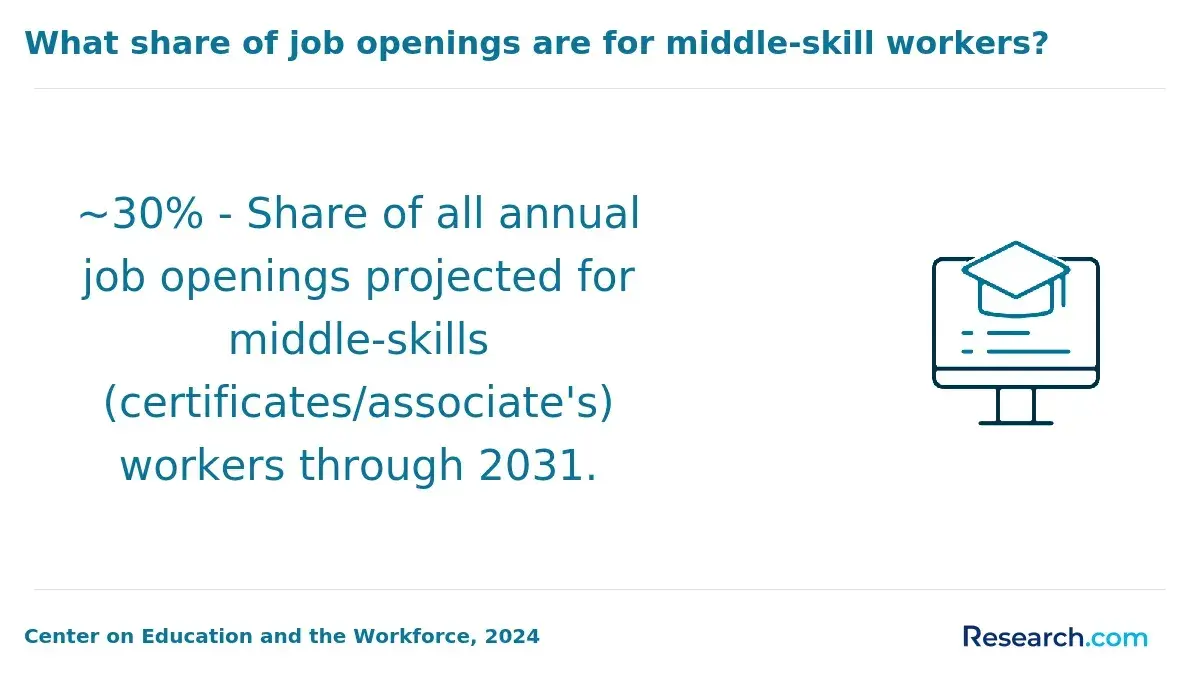
The best accredited option depends on your degree level, budget, prior credits, and preferred creative direction. Because online program availability can change, students should confirm the current catalog, modality, tuition, and accreditation status before applying. The schools below are useful starting points because they are institutionally accredited and have offered online photography or closely related digital photography pathways.
This comparison is not a guarantee that one school is best for every student. Instead, it highlights program-positioning differences that matter for media-background learners who need a credible credential and a portfolio-focused curriculum.
| School | Online photography-related option | Institutional accreditation | Why media-background students may consider it |
| Southern New Hampshire University | BA in Digital Photography | New England Commission of Higher Education | Broad online format, transfer-friendly structure, and emphasis on digital workflow and portfolio development |
| Arizona State University | Online art and digital photography-related study through ASU Online offerings | Higher Learning Commission | Large public university infrastructure and strong online learning support |
| Academy of Art University | Online photography degrees at multiple levels | WASC Senior College and University Commission | Art-school environment with specialized visual arts coursework and critique-based learning |
| Rocky Mountain College of Art + Design | Online photography or photography-related BFA pathways, subject to current catalog availability | Higher Learning Commission | Studio-art orientation with online creative coursework and portfolio emphasis |
| Savannah College of Art and Design | Online photography-related graduate and creative programs, subject to current catalog availability | Southern Association of Colleges and Schools Commission on Colleges | Strong creative-industry brand and graduate-level visual arts options for advanced students |
Before treating any school as a finalist, ask admissions and the academic department direct questions. The answers will reveal whether the program fits an experienced media student or is mostly designed for beginners.
- Ask whether prior media, communications, journalism, design, or film courses can transfer into the major or only into electives.
- Request examples of recent student portfolios, capstone expectations, or exhibition requirements.
- Confirm whether critiques are asynchronous, live, one-on-one, group-based, or a mix of formats.
- Ask what equipment and software are required and whether the school offers student discounts or loaner options.
- Review faculty biographies to see whether instructors have current commercial, editorial, fine-art, documentary, or digital production experience.
What admissions requirements do online digital photography programs have for applicants with media backgrounds?
Admissions requirements vary by degree level and school, but online digital photography programs typically evaluate academic readiness, creative potential, and technical access. Applicants with media backgrounds may have an advantage if they can show published work, production experience, design skills, editing experience, or a coherent visual point of view.
Most undergraduate programs ask for the following materials, although not every school requires every item:
- High school transcript, GED documentation, or transfer college transcripts.
- Completed application and enrollment forms.
- Portfolio of photographs or broader visual media work, especially for BFA or art-school programs.
- Personal statement explaining creative goals, prior media experience, and reasons for choosing photography.
- Proof of English proficiency for applicants whose prior education was not in English.
- Access to required camera equipment, image-editing software, and a computer that can manage large image files.
Graduate programs usually expect a stronger portfolio, a bachelor's degree, a statement of purpose, and sometimes recommendations or a resume. A media-background applicant should avoid submitting a portfolio that simply shows technical variety. Stronger portfolios show intent: a visual problem, audience, story, client need, documentary angle, or artistic concept.
Students should also watch for admissions red flags. Be cautious if a school pressures you to enroll immediately, cannot explain accreditation clearly, refuses to estimate transfer credits before enrollment, or promises specific jobs and salaries. If your existing experience is in marketing or brand media rather than photography, comparing creative paths such as the cheapest online marketing degree can also help clarify whether you need a photography credential, a marketing credential, or a shorter visual content certificate.
What core courses and specializations are typically included in an online digital photography curriculum?
An online digital photography curriculum usually combines technical image-making, visual theory, digital editing, professional practice, and portfolio development. For students with media backgrounds, the most valuable programs go beyond "how to use a camera" and teach how to produce images for audiences, clients, publications, campaigns, exhibitions, and digital platforms.
Core courses commonly include the areas below. The exact titles differ by school, but these categories appear frequently in photography degree plans.
- Digital camera operation, exposure, lenses, file formats, and image capture workflow.
- Composition, visual storytelling, color, design principles, and photographic history.
- Studio lighting, natural light, location lighting, portrait lighting, and product lighting.
- Digital editing with professional software, including retouching, color correction, asset management, and nondestructive workflow.
- Documentary, editorial, commercial, fine-art, portrait, fashion, or product photography.
- Portfolio development, critique, sequencing, artist statements, websites, and professional presentation.
- Business practices, contracts, copyright, licensing, client communication, estimates, and invoicing.
Specializations matter because photography is not one labor market. A wedding photographer, newsroom photo editor, e-commerce product photographer, documentary storyteller, and social media content producer all need different portfolios. Media-background students should choose electives that deepen their existing advantage rather than scatter credits across unrelated areas.
| Specialization | Best fit for | Portfolio evidence to build |
| Commercial and product photography | Students with marketing, advertising, or e-commerce experience | Clean product sets, lighting consistency, campaign mockups, and client-ready deliverables |
| Editorial and documentary photography | Students with journalism, communications, or nonprofit media backgrounds | Photo essays, captions, ethical storytelling, publication-style sequencing, and field work |
| Portrait and lifestyle photography | Students interested in personal branding, weddings, family work, editorial portraits, or social media | Consistent lighting, subject direction, retouching restraint, and client galleries |
| Fine-art photography | Students aiming for graduate study, exhibitions, teaching, or independent creative practice | Conceptual series, artist statement, exhibition-ready sequencing, and critical writing |
| Digital media production | Students combining still photography with video, design, or social platforms | Integrated campaigns, short-form content, motion assets, and cross-platform visual packages |
AI is also changing the curriculum conversation. Students should expect more emphasis on authenticity, metadata, ethical editing, copyright, generative image policies, and the ability to explain what was captured, edited, composited, or AI-assisted. Programs that ignore these issues may leave graduates underprepared for employer and client expectations.
How long do online digital photography degrees take and what do they usually cost?
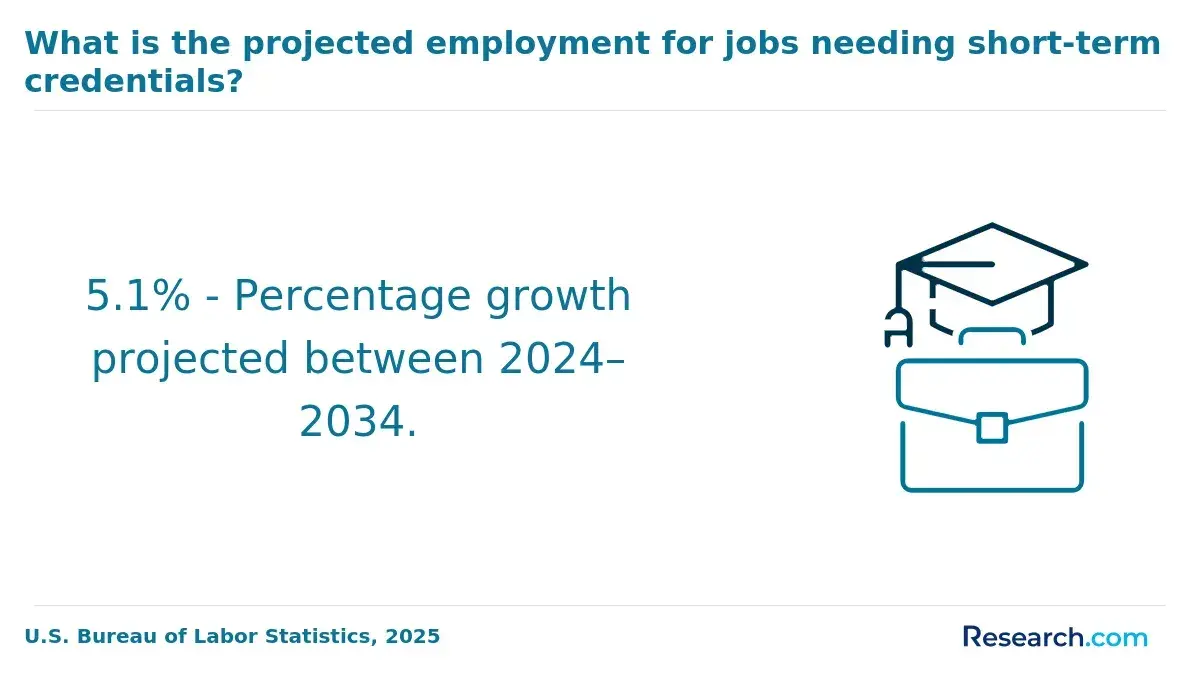
Program length depends on degree level, transfer credits, enrollment intensity, and whether the program follows traditional semesters or shorter online terms. An associate degree commonly takes about two years of full-time study, while a bachelor's degree typically takes about four years without transfer credit. Students with substantial prior college coursework may finish faster if credits apply to general education, electives, or major requirements.
Costs vary more than timelines because tuition structures differ by institution type, residency, credit load, technology fees, and art supplies. College Board's 2024-25 national averages provide useful context for published tuition and fees before aid:
- $11,610 for in-state students at public four-year institutions.
- $30,780 for out-of-state students at public four-year institutions.
- $43,350 for students at private nonprofit four-year institutions.
Those figures are broad benchmarks, not photography-specific prices. Online students should calculate total cost of attendance, not just tuition. Photography programs may require cameras, lenses, lighting gear, storage drives, calibration tools, printing, cloud storage, portfolio hosting, and editing software. Financial aid can also change the net price; for example, the maximum federal Pell Grant for 2024-25 was $7,395 for eligible students, which can materially reduce out-of-pocket cost but does not cover every expense.
The table below shows common timeline and cost drivers. It is designed to help students identify where savings are most likely to come from.
| Factor | How it affects time or cost | What to verify before enrolling |
| Transfer credits | Can shorten a bachelor's degree and reduce tuition if credits apply to the degree plan | Whether media, design, journalism, or communications credits count toward major requirements or only electives |
| Enrollment pace | Full-time study is faster but harder to balance with freelance or media work | Whether the program allows part-time study without delaying course sequences too much |
| Equipment requirements | Can add significant upfront cost if students need a camera body, lenses, lighting, and software | Exact equipment list for first-year and advanced courses |
| Residency status | Public universities may charge different rates for in-state and out-of-state students | Whether online students receive a separate online tuition rate |
| Portfolio or capstone fees | May add costs for printing, hosting, exhibitions, or professional presentation | Whether final portfolio expenses are required, optional, digital, or physical |
To reduce cost, request a transfer-credit evaluation before committing, compare net price after aid, ask about prior learning assessment, and avoid buying premium equipment before reviewing the actual course requirements. The most expensive option is not automatically the strongest, and the cheapest option is not automatically the best value if it lacks critique, portfolio support, or credible accreditation.
How can students verify accreditation and program quality for online digital photography degrees?
Accreditation is one of the most important quality checks for an online digital photography degree. In the U.S., students should first verify institutional accreditation from an agency recognized by the U.S. Department of Education or the Council for Higher Education Accreditation. Institutional accreditation affects federal financial aid eligibility, transferability, graduate-school recognition, and employer confidence.
Programmatic art or design accreditation can be useful, but it is not always required for photography careers. What matters most is whether the school is legitimately accredited, the curriculum is current, faculty are qualified, and the program produces strong student work. Students should use a step-by-step verification process rather than relying on advertising language.
- Search the school in the U.S. Department of Education's Database of Accredited Postsecondary Institutions and Programs.
- Confirm the accreditor listed on the school's website matches the accreditor in the federal database.
- Check whether the exact online program appears in the current academic catalog, not only on a marketing page.
- Ask whether online students receive the same degree title as campus students, if the school offers both formats.
- Review graduation requirements, portfolio expectations, faculty credentials, student work examples, and career support services.
- Compare tuition, fees, equipment requirements, refund policies, and transfer-credit policies in writing.
Quality red flags include vague accreditation claims, unclear faculty information, no portfolio examples, high-pressure admissions calls, unrealistic salary promises, and refusal to provide total cost estimates. Strong programs are transparent about what they teach, what they cost, what students must produce, and where graduates commonly apply their skills.
| Quality signal | Why it matters | Stronger evidence |
| Institutional accreditation | Supports financial aid eligibility and academic recognition | Accreditor appears in recognized federal or CHEA listings |
| Portfolio-centered curriculum | Photography hiring often depends on proof of work | Required portfolio reviews, capstone projects, and faculty critique |
| Faculty industry experience | Students need current workflow and market expectations | Faculty biographies showing exhibitions, publications, clients, or production experience |
| Clear technology requirements | Online photography depends on compatible gear and software | Published equipment and software lists by course level |
| Career support | Graduates often pursue freelance, contract, or portfolio-based work | Resume help, portfolio reviews, alumni connections, internship guidance, and business training |
What careers can graduates with online digital photography degrees and media experience pursue?
Graduates with online digital photography degrees and prior media experience can pursue roles across publishing, advertising, e-commerce, corporate communications, nonprofits, entertainment, education, and freelance markets. The strongest candidates usually combine photography craft with audience strategy, editing, project management, and business communication.
The career path you choose should match both your portfolio and your existing media strengths. A former journalist may be well positioned for documentary, editorial, or nonprofit storytelling. A social media producer may fit brand content or lifestyle photography. A designer may move toward art direction, product imagery, or integrated campaigns. Students curious about documentation-heavy scientific or forensic environments can also compare adjacent pathways such as how to become a medical examiner assistant, where visual documentation may intersect with specialized workplace protocols.
The table below outlines common roles and how a media background can improve career fit. These are not guaranteed outcomes; they are realistic directions to evaluate against your portfolio, location, and experience.
| Career path | Typical responsibilities | How media experience helps |
| Commercial photographer | Create images for products, brands, campaigns, catalogs, and digital ads | Marketing, production, and client-communication experience help translate brand goals into visuals |
| Editorial or documentary photographer | Produce visual stories for publications, nonprofits, agencies, or independent projects | Journalism and communications backgrounds strengthen research, ethics, captions, and narrative sequencing |
| Photo editor or visual content editor | Select, edit, sequence, license, caption, and manage image assets | Media workflow experience supports deadlines, style consistency, rights management, and audience fit |
| Portrait, wedding, or event photographer | Photograph people, events, personal brands, weddings, and milestone sessions | Social media, client service, and storytelling skills support marketing and repeat business |
| Digital asset manager | Organize, tag, archive, retrieve, and govern image libraries | Content operations and metadata experience are valuable in corporate and publishing environments |
| Creative producer or art direction assistant | Coordinate shoots, talent, visual concepts, budgets, and production deliverables | Production management and cross-functional media experience can be more important than shooting alone |
Students should prepare for a portfolio-driven job search. Practical steps include choosing a niche, building three to five polished project series, documenting your process, learning basic contracts and licensing, and creating a simple website that loads quickly and explains your services clearly. For freelancers, business skills are not optional; pricing, client communication, file delivery, taxes, and usage rights can determine whether the work is sustainable.
What are typical salary ranges and earning potential for digital photography professionals?
Salary potential in digital photography varies widely because many professionals are self-employed, work project to project, or combine photography with editing, content strategy, design, video, or production roles. The most reliable national baseline is the BLS: photographers had a median annual wage of $42,520 in May 2024. That figure is useful, but it should not be treated as a promise for degree graduates because pay depends on portfolio quality, region, specialization, client base, and employment type.
Media-background students should evaluate earning potential by role type rather than by degree title alone. The same photography degree may support a lower-paid entry-level assistant role, a stable staff content role, or a higher-risk freelance commercial path. The table below shows how different paths typically differ in pay structure and earning variables.
| Path | Common pay structure | Main earning variables |
| Staff photographer | Salary or hourly wage | Employer size, region, industry, workload, benefits, and required editing skills |
| Freelance photographer | Project fees, day rates, licensing, retainers, or packages | Client niche, pricing discipline, repeat business, usage rights, marketing, and overhead costs |
| Photo editor or visual content specialist | Salary or contract rate | Editing judgment, rights management, CMS skills, publication experience, and asset workflow knowledge |
| Commercial or product specialist | Project fees, studio rates, or in-house salary | Lighting skill, consistency, retouching, turnaround time, e-commerce volume, and brand relationships |
| Creative producer or art-direction track | Salary, contract rate, or project fee | Production management, concept development, budgeting, client communication, and leadership experience |
To judge return on investment, compare the program's net cost with the roles you realistically plan to pursue. A student who wants a staff photo-editing role should value internship access, asset-management coursework, and media workflow. A student who wants freelance commercial work should value lighting, business, portfolio critique, and client-ready production. In both cases, assuming a degree alone will raise pay is a mistake; the portfolio and market strategy carry much of the weight.
What is the job outlook for digital photography and related visual media roles in the U.S.?
The U.S. job outlook for photography is mixed: visual content remains essential, but competition is strong and technology is changing how images are produced, edited, and distributed. The BLS projected 4% employment growth for photographers from 2023 to 2033 in its 2024 occupational outlook materials, which is roughly in line with the average for all occupations. For students, that means opportunities exist, but the field is not broad enough to reward weak portfolios or unclear career positioning.
Several current trends should shape your program choice. Employers and clients increasingly expect photographers to understand video snippets, social platforms, metadata, digital asset management, AI disclosure, fast turnaround, and multi-channel content packages. At the same time, smartphones and generative tools have lowered the barrier for basic image creation, which pushes professionals to compete on judgment, lighting, consistency, ethics, and brand-ready execution.
Students can improve their outlook by building skills that make them useful beyond taking attractive images. The following steps are practical ways to strengthen employability while still in school:
- Choose a marketable niche, such as product, editorial, portrait, nonprofit storytelling, live events, or branded content.
- Build portfolio projects that look like real assignments, not only class exercises.
- Learn copyright, licensing, model releases, and usage terms before accepting paid work.
- Add complementary skills such as retouching, short-form video, caption writing, CMS publishing, digital asset management, or production coordination.
- Track local job postings and freelance rates so your portfolio reflects actual employer and client demand.
- Seek critique from faculty, working photographers, editors, and potential clients instead of relying only on peer approval.
The safest career strategy is diversification. A graduate who can shoot, edit, sequence, caption, deliver files cleanly, communicate with clients, and understand audience goals will usually have more options than someone who only knows camera settings. That is why media-background students should choose programs that connect photography to communication, production, and business outcomes.
Other Things You Should Know About Digital Photography
A photography degree typically is not math-heavy or coding-heavy. While some courses may include elements of both, the focus is generally on creative skills, technique, and visual storytelling. However, understanding technical aspects like lighting, composition, and editing is essential to excel in digital photography.
Yes. Many programs ask for a 10 to 20 image portfolio, plus a statement of purpose and transcripts. Applicants with media backgrounds may also submit prior creative work, but most schools still evaluate technical quality, composition, and editing skills before admission.
Ownership policies vary by school. In many cases, students retain rights to their work, but you should review the student handbook, portfolio-use policy, and any release forms before submitting images.
References
- Should you Study Photography at College or are There Better Options Now? https://digital-photography-school.com/should-you-study-photography-at-college-or-are-there-better-options-now/
- Top 10 Online Photography Classes You Can't-Miss: From Beginner to Pro https://www.zno.com/blog/top-10-online-photography-classes.html
- Online Photography Degree | Associate Degree (AOS) https://www.sessions.edu/online-degrees/digital-photography/
- The Photography Institute https://www.thephotographyinstitute.com/us/en/blog-salary
- What Can You Do With a Photography Degree? https://pnca.willamette.edu/academics/bfa/photography/career-options
- Accredited Online Photography Degree Programs https://www.accreditedonlinecolleges.org/photography/
- Image Arts: Photography Media Arts - BFA https://www.torontomu.ca/programs/undergraduate/photography-media-arts/
- Online Photography Courses | 5 Star Courses Worldwide | The School of Photography https://www.theschoolofphotography.com/online-photography-courses
- What Can You Do With A Photography Degree? - What Career Live https://www.whatcareerlive.co.uk/what-can-you-do-with-a-photography-degree/
- How Much Does it Cost to Learn Photography? https://blog.nobledesktop.com/learn/photography/photography-cost-to-learn