2027 Best Online Bachelor's in Digital Photography With the Best Fit for Nontraditional Students

Co-Founder and Chief Data Scientist
Choosing an online bachelor's in digital photography is really a question about time, cost, creative fit, and career payoff. The U. S. Bureau of Labor Statistics reported a May 2024 median annual wage of $42,520 for photographers, which shows why students should compare programs carefully rather than assume a degree alone will determine earnings.
This guide is for working adults, transfer students, military-affiliated learners, parents, and career changers who need flexible study options. You'll learn how programs differ, what they cost, which schools to consider, and how to choose a degree that supports your goals.
Key Things You Should Know
- Most online digital photography bachelor's programs require about 120 credits, but transfer-friendly schools may let adult learners apply prior college coursework, military training, or portfolio-based credits to shorten the timeline.
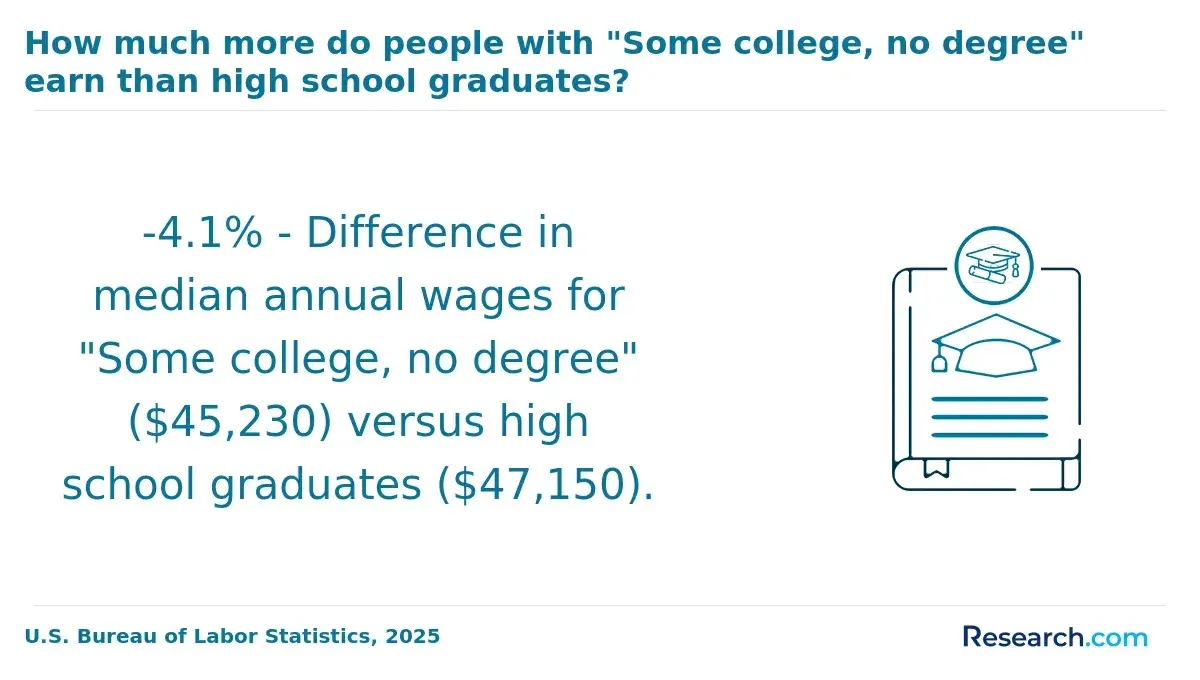
- Published 2024-25 tuition and fees averaged $11,610 for in-state public four-year colleges and $43,350 for private nonprofit four-year colleges, so total cost can vary widely by residency, transfer credits, and equipment requirements.
- The BLS reported a May 2024 median annual wage of $42,520 for photographers, making portfolio strength, business skills, niche specialization, and local market demand especially important when judging return on investment.
What is an online bachelor's in digital photography and who is it best for?
An online bachelor's in digital photography is a four-year undergraduate degree focused on image-making, visual storytelling, digital editing, lighting, composition, portfolio development, and the business of creative work. Depending on the school, the credential may be a Bachelor of Arts, Bachelor of Fine Arts, or Bachelor of Science, with the BFA usually placing more emphasis on studio practice and portfolio depth.
For nontraditional students, the biggest advantage is flexibility. Many programs use asynchronous courses, allowing students to complete lectures, critiques, readings, editing assignments, and discussion posts around work or family obligations. However, photography is still a hands-on discipline, so students should expect regular shooting assignments, critique sessions, software projects, and a final portfolio or capstone.
This degree tends to fit students who want structured creative training plus a bachelor's credential for broader career mobility. It is especially useful for students who want to combine photography with marketing, digital media, entrepreneurship, journalism, content production, or visual communication.
It may not be the best fit for everyone. A shorter certificate, associate degree, or self-directed portfolio route may make more sense if you already have strong technical skills and only need targeted training in editing, lighting, or business operations. A bachelor's degree is more compelling when you want a full creative foundation, access to general education, transferability into graduate study, or eligibility for employer roles that prefer a four-year degree.
The table below summarizes the best-fit scenarios for common student profiles. Use it to decide whether a full online bachelor's degree is the right level of investment for your goals.
| Student profile | Why the degree may fit | When to consider another path |
| Working adult changing careers | Offers structured training, portfolio feedback, and a credential that can support entry into creative industries. | If you need fast upskilling for freelance work, a certificate or noncredit course may be faster. |
| Transfer student with prior credits | Can reduce completion time if the school accepts general education or elective credits. | If too few credits transfer, total cost and time may be higher than expected. |
| Military-affiliated learner | Online delivery can support relocation, deployment-related schedule changes, and benefit use. | If the school lacks military advising, benefit certification, or flexible leave policies, another program may be safer. |
| Freelance photographer seeking business skills | Can add branding, client management, portfolio, marketing, and visual communication coursework. | If you already have clients and only need accounting or marketing, targeted business courses may be enough. |
| Aspiring fine art photographer | A BFA-style program may provide critique, concept development, exhibition preparation, and portfolio refinement. | If you need intensive in-person studio access, a campus program may offer stronger facilities. |
How do online digital photography bachelor's programs compare to campus-based options?
Online and campus-based photography degrees can cover similar academic ground, but the learning experience is different. Online students often gain schedule flexibility, while campus students may get easier access to studios, lighting labs, darkrooms, print facilities, peer networks, and in-person exhibitions.
The best choice depends on what you need most: flexibility, facilities, cost control, networking, or hands-on supervision. The comparison below highlights the trade-offs that matter most for nontraditional students.
| Factor | Online bachelor's in digital photography | Campus-based photography degree |
| Schedule | Often more flexible, especially when courses are asynchronous. | More fixed class, studio, and critique times. |
| Hands-on work | Completed independently using your own camera, software, and shooting environment. | Completed with more direct access to studios, equipment, and faculty supervision. |
| Critique format | Usually video, discussion board, uploaded portfolio, or live virtual critique. | Often in-person group critique and studio review. |
| Cost structure | May reduce commuting or relocation costs but can require technology and equipment purchases. | May include higher living, transportation, or campus fees but may provide shared facilities. |
| Networking | Requires proactive participation in online communities, internships, and local creative networks. | May offer easier access to student exhibitions, local employers, and peer collaboration. |
| Best fit | Working adults, parents, transfer students, rural learners, and students who already have basic equipment. | Students who want immersive studio access, face-to-face mentoring, and a traditional art-school environment. |
Online learning is not automatically easier. In photography, it often requires more self-direction because you must plan shoots, manage files, troubleshoot equipment, and meet critique deadlines without a physical studio routine. Students who succeed online usually build a weekly production schedule and treat shooting time like a required class meeting.
Campus learning is not automatically better either. If commuting, relocation, or fixed class times would interrupt your employment or caregiving responsibilities, a campus program can become harder to complete. The strongest choice is the format you can sustain through portfolio development, not just the format that looks best on paper.
Which accredited schools offer the best online bachelor's in digital photography?
The best online bachelor's in digital photography for a nontraditional student is not necessarily the most famous art school. It is the accredited program that fits your transfer credits, schedule, equipment budget, career goals, and need for advising. Military-affiliated students may also want to compare benefit support and flexible policies using resources such as this guide to the best online photography degree programs for veterans.
The schools below are examples of accredited institutions with online photography-focused bachelor's options or closely related online visual arts programs. Always confirm current availability, tuition, transfer policy, and state authorization directly with the school before applying.
| School | Example online photography-related bachelor's option | Accreditation note | Why it may fit nontraditional students |
| Southern New Hampshire University | BA in Digital Photography | Institutionally accredited by the New England Commission of Higher Education. | Known for online adult-learner support, frequent term starts, and transfer-friendly policies. |
| Arizona State University Online | BFA in Art with a Digital Photography concentration or photography-related online art pathway, subject to current catalog availability. | Institutionally accredited by the Higher Learning Commission. | Large online platform, structured student services, and a university-based art and design environment. |
| Academy of Art University | Online BFA in Photography | Institutionally accredited by WASC Senior College and University Commission. | Art-school focus, portfolio-centered curriculum, and online delivery designed for creative disciplines. |
| Rocky Mountain College of Art + Design | Online photography or related BFA pathway, subject to current catalog offerings. | Institutionally accredited by the Higher Learning Commission. | May appeal to students seeking a visual arts college with online creative coursework. |
| Savannah College of Art and Design | Online photography or photography-adjacent degree options through SCADnow, subject to current catalog offerings. | Institutionally accredited by the Southern Association of Colleges and Schools Commission on Colleges. | Strong creative-industry brand, portfolio emphasis, and art/design career ecosystem. |
Because program names and delivery formats can change, compare schools by fit rather than reputation alone. Ask whether photography courses are fully online, whether live critiques are required, how many credits transfer, what equipment is required, and whether the final portfolio aligns with the type of work you want to pursue.
Common red flags include unclear accreditation, vague portfolio outcomes, limited faculty feedback, no published equipment expectations, or a curriculum that focuses only on software without developing lighting, composition, visual storytelling, and professional practice.
What admission requirements and application materials do online photography programs expect?
Admission requirements vary by school, but most online bachelor's programs expect evidence that you can succeed in college-level coursework. Some photography programs are open to beginners, while art-school or BFA pathways may ask for a portfolio to evaluate creative readiness.
Before applying, prepare the materials that most online programs commonly request. Having these ready can also help you compare schools more efficiently.
- Completed online application with basic personal, academic, and residency information.
- Official high school transcript, GED documentation, or homeschool completion record.
- Official college transcripts if you have prior credits, including credits from community colleges, military education, or previous bachelor's coursework.
- Portfolio of photography or visual work if required by the program, usually submitted as digital files or a website link.
- Personal statement or short essay explaining your creative interests, career goals, and reason for choosing online study.
- FAFSA submission if you plan to use federal financial aid, grants, loans, or work-study where available.
- Proof of English proficiency for applicants whose prior education was completed in another language, if required by the institution.
Transfer students should pay close attention to credit evaluation. A program may accept general education credits easily but apply fewer credits toward studio, major, or upper-division requirements. Ask for a written transfer estimate before enrolling, not after you have already committed.
If a portfolio is optional, submitting one can still help with placement, advising, or scholarship consideration. Choose images that show control of composition, lighting, editing judgment, and visual intention rather than simply uploading your most recent work.
What classes and concentrations are typically included in a digital photography curriculum?
A strong digital photography curriculum should help you make better images, explain your creative choices, use current tools responsibly, and build a professional portfolio. The best programs balance technical skills with visual culture, critique, business, and career preparation.
Typical courses fall into several categories. The list below shows the kinds of classes you are likely to see and why they matter for career readiness.
- Digital photography fundamentals, including exposure, aperture, shutter speed, ISO, lenses, file formats, and camera workflow.
- Lighting courses covering natural light, studio lighting, flash, portrait setups, product lighting, and location-based problem solving.
- Digital imaging and editing courses using industry-standard software for retouching, color correction, compositing, and file output.
- Visual storytelling, documentary photography, or photojournalism courses focused on narrative, ethics, sequencing, and audience.
- History of photography and visual culture courses that help students understand style, influence, representation, and criticism.
- Portfolio development courses that prepare students to present cohesive work for employers, clients, galleries, or graduate programs.
- Professional practice courses covering copyright, contracts, pricing, branding, client communication, and freelance business basics.
- Capstone or senior project courses that require a polished body of work and formal critique.
AI-assisted editing and image generation are also changing photography education. Programs may now discuss authenticity, disclosure, copyright risk, retouching ethics, and how generative tools affect commercial image production. Students who want to go deeper into machine learning, automation, and visual technology may compare creative study with an AI degree online, especially if their long-term goal is imaging technology rather than professional photography practice.
Concentrations vary, but common options include commercial photography, portrait photography, fine art photography, documentary photography, fashion photography, digital media, and visual communication. If a school does not offer formal concentrations, look at electives, faculty expertise, and capstone flexibility to see whether you can shape the program around your interests.
One common mistake is choosing a program because it teaches a familiar editing platform while ignoring the broader curriculum. Software changes quickly; composition, lighting, storytelling, ethics, and client communication remain more durable skills.
How long do online digital photography bachelor's programs take and what do they cost?
Most online bachelor's in digital photography programs require about 120 credits. A first-time full-time student typically needs about four years, while part-time students may need five to six years. Transfer students can finish faster if the school accepts previous credits toward general education, electives, and major requirements.
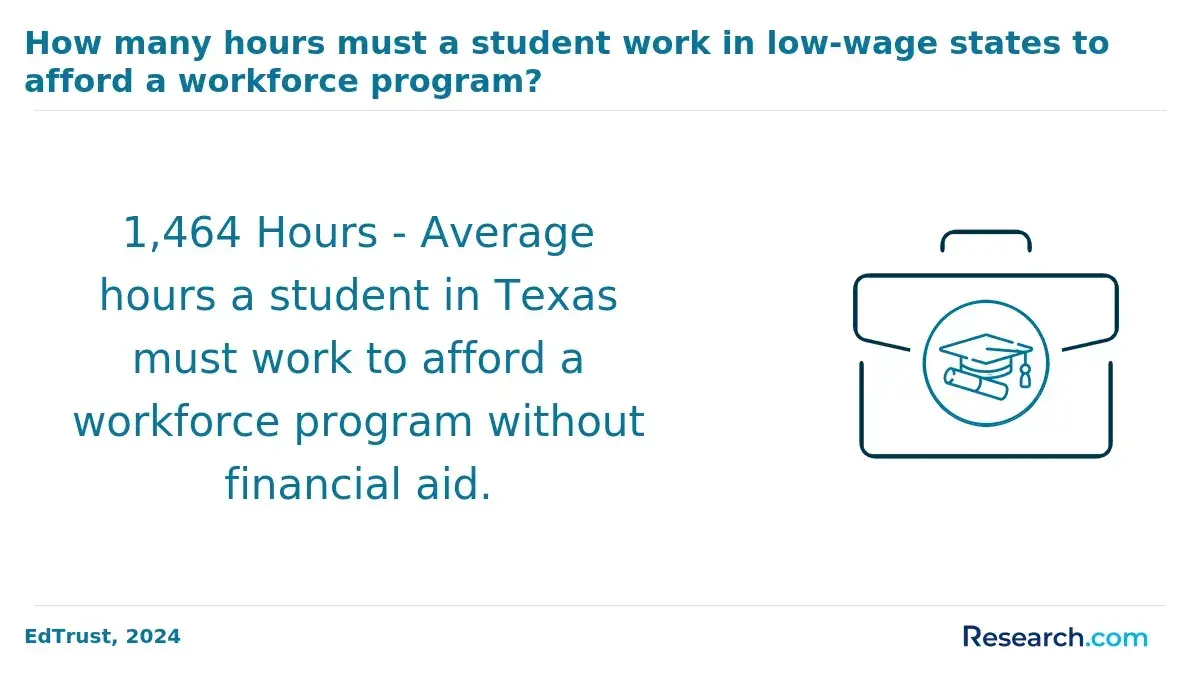
Cost depends on tuition, fees, transfer credits, equipment, software, and how long you remain enrolled. College Board's 2024-25 data reported average published tuition and fees of $11,610 for in-state students at public four-year colleges and $43,350 at private nonprofit four-year colleges. Those figures are not photography-specific, but they help show why school type, residency, and discount aid can materially affect total cost.
Photography students should also budget for direct creative costs. These can be manageable if you already own equipment, but they can surprise students who focus only on tuition.
- Tuition and mandatory fees charged per credit, per term, or per academic year.
- Camera body, lenses, tripod, memory cards, storage drives, lighting equipment, and calibration tools.
- Editing software subscriptions or licenses, plus a computer that can handle large image files.
- Printing, portfolio hosting, exhibition materials, props, location costs, and model or subject expenses when applicable.
- Graduation, transcript, technology, online course, or portfolio review fees, depending on the institution.
The table below shows how timeline decisions affect cost and completion. It is not a price quote; use it as a framework when asking schools for your personalized estimate.
| Enrollment path | Typical completion pattern | Cost implication | Best fit |
| Full-time, first-time student | About four years if courses are taken continuously. | Faster completion but a heavier weekly workload and less room for full-time work. | Students who can prioritize school and maintain a regular production schedule. |
| Part-time student | Often five to six years, depending on course load and term structure. | Lower workload per term but potentially more total terms with fees. | Working adults, parents, and students with unpredictable schedules. |
| Transfer student | May finish in two to three years if many credits apply. | Can reduce total tuition if credits transfer efficiently. | Students with prior college credits or completed general education courses. |
| Accelerated online student | May take heavier course loads or shorter terms. | Can reduce time but may increase stress and limit portfolio quality if overused. | Highly organized students with stable schedules and strong study habits. |
To reduce cost, request a degree plan before enrolling, compare net price rather than sticker tuition, apply for institutional scholarships, ask whether used or rented equipment is acceptable, and avoid taking courses that will not count toward graduation.
How can nontraditional and working students succeed in online photography programs?
Online photography programs reward consistency. Unlike lecture-heavy majors, photography requires production time: planning shoots, capturing images, editing, uploading, revising, and participating in critique. Working students should build a repeatable weekly system before the first term begins.
The following steps can help adult learners stay on track while protecting portfolio quality. Use them as a practical checklist during enrollment and each term.
- Block weekly shooting time on your calendar before classes start, including backup time for weather, client changes, or family obligations.
- Create a simple file-management system with folders by course, assignment, date, raw files, edits, exports, and final submissions.
- Confirm software, computer, camera, and internet requirements before the refund deadline so technical issues do not derail your first projects.
- Participate in critiques early, even when the work feels unfinished, because feedback is one of the main values of a degree program.
- Choose assignments that can also strengthen your career portfolio, such as portraits, products, events, editorial stories, or fine art series aligned with your goals.
- Ask instructors how to document process work, revisions, and artist statements; these materials can support future portfolio reviews or graduate applications.
- Use advising, tutoring, disability services, military support, and career services before problems become urgent.
Veterans and military-connected students should also compare school support beyond the photography curriculum. If you are weighing creative programs against technical fields, resources on online cybersecurity degree programs for veterans can help you think through benefit use, career portability, and support services in another online degree context.
Common mistakes include enrolling without a realistic equipment budget, underestimating critique deadlines, waiting too long to ask for help, and treating every assignment as separate from the final portfolio. The better approach is to connect coursework to a long-term body of work from the first semester.
What careers can you pursue with an online bachelor's in digital photography?
An online bachelor's in digital photography can support creative, commercial, media, and marketing roles, but outcomes depend heavily on portfolio quality, experience, location, industry niche, and business skills. Many photography-related careers are freelance or contract-based, so students should prepare for both employment and self-employment possibilities.
The table below outlines common career paths and the kind of work each role usually involves. It can help you connect degree coursework to realistic job targets.
| Career path | Typical responsibilities | Useful preparation |
| Commercial photographer | Creates images for products, brands, advertising, catalogs, and business campaigns. | Lighting, retouching, client communication, contracts, and portfolio specialization. |
| Portrait or wedding photographer | Photographs individuals, families, couples, events, and milestone sessions. | Posing, customer service, location lighting, workflow speed, and small-business operations. |
| Photo editor or digital imaging specialist | Selects, edits, retouches, organizes, and prepares images for publication or client delivery. | Editing software, color correction, file management, visual judgment, and production deadlines. |
| Editorial or documentary photographer | Produces visual stories for media, nonprofits, publications, or independent projects. | Ethics, storytelling, captioning, research, fieldwork, and publication standards. |
| Social media or content producer | Creates photo and short-form visual content for brands, organizations, creators, or agencies. | Photography, video basics, platform strategy, analytics, and brand consistency. |
| Fine art photographer | Develops exhibition-ready bodies of work for galleries, grants, residencies, or sales. | Concept development, critique, artist statements, printing, and exhibition practices. |
Some students pair photography with another skill to improve career flexibility. For example, bilingual creatives who want to work in travel, education, media, community organizations, or international client services may compare photography training with a Spanish degree online or add language coursework as electives when available.
Employers and clients rarely hire based on the degree title alone. They usually want evidence: a focused portfolio, reliable workflow, professional communication, technical competence, and the ability to produce images for a specific audience or business purpose.
What salary ranges and job outlook can digital photography graduates expect?
Salary expectations should be realistic because photography is a competitive field with wide variation by niche, location, employment type, reputation, and business model. The BLS reported a May 2024 median annual wage of $42,520 for photographers. This median is a useful benchmark, but it does not capture the full range of freelance income, part-time work, high-end commercial assignments, or income from related media roles.
The table below puts common photography-adjacent paths into context. Use it to compare job direction rather than to predict an individual outcome.
| Role category | Compensation context | What affects earnings most |
| Staff photographer | May provide steadier pay and benefits, but openings can be limited in some markets. | Employer type, region, publication or organization size, and multimedia skills. |
| Freelance photographer | Income can vary significantly from month to month and depends on client volume. | Pricing, marketing, referrals, niche, contracts, and repeat clients. |
| Commercial or product photographer | Can command higher project rates when serving businesses with clear marketing budgets. | Portfolio specialization, studio lighting, retouching quality, and client relationships. |
| Photo editor or digital imaging specialist | May offer more predictable employment in media, retail, agencies, or production teams. | Software expertise, speed, quality control, file management, and collaboration. |
| Content producer | May blend photography, video, social media, and marketing responsibilities. | Platform fluency, brand strategy, analytics, and ability to create consistent visual assets. |
Job outlook is also shaped by technology. Smartphones, stock imagery, AI-generated visuals, and automated editing tools have increased competition for basic image work. At the same time, businesses still need original, brand-specific, legally usable images, especially for products, events, people, and location-based storytelling.
Graduates can improve their market position by building a niche, learning contracts and licensing, adding basic video skills, understanding AI disclosure and copyright issues, and developing a portfolio that solves real client or editorial problems. The degree can support that process, but the portfolio and professional network carry much of the career weight.
How do you evaluate accreditation, quality, and industry alignment in photography programs?
Accreditation is the first quality check. For most students, the safest baseline is institutional accreditation from an agency recognized by the U.S. Department of Education or the Council for Higher Education Accreditation. Institutional accreditation affects federal financial aid eligibility, transfer credit acceptance, graduate school options, and employer confidence.
Programmatic accreditation is less standardized in photography than in fields such as nursing or engineering, so students should also evaluate academic quality and industry alignment. A legitimate program should clearly explain its curriculum, faculty qualifications, student work expectations, technology requirements, and career support.
Before enrolling, ask schools direct questions that reveal whether the program fits your goals. These questions are more useful than relying on rankings alone.
- Is the institution currently accredited, and who is the accreditor?
- Is the photography degree fully online, or are any campus visits, live sessions, internships, or exhibitions required?
- How many of my transfer credits will apply to the degree, and will I receive a written degree plan?
- What camera, lighting, computer, storage, and software requirements should I budget for before the first term?
- How often will I receive instructor critique, peer critique, and portfolio review?
- Do faculty members have current professional experience in photography, digital imaging, visual media, or related creative industries?
- What types of student portfolios, capstones, exhibitions, internships, or client-based projects does the program support?
- What career services are available to online students, including resume help, portfolio review, freelance guidance, and employer connections?
Watch for red flags such as pressure to enroll immediately, unclear tuition totals, no written transfer review, exaggerated salary claims, limited faculty access, or promises that a degree will automatically lead to freelance clients. A trustworthy program should help you understand trade-offs, not rush your decision.
The strongest program is the one that matches your career target. A student aiming for commercial product work needs stronger lighting, retouching, and client workflow. A student aiming for documentary work needs storytelling, ethics, sequencing, and field experience. A student aiming for content marketing needs photography plus video, brand, and platform skills.
Other Things You Should Know About Digital Photography
Not always. Many programs require a digital camera with manual controls, but the exact model and lens requirements vary. Ask for the equipment list before enrolling so you can budget accurately and avoid buying gear that does not meet course needs.
Most programs require a DSLR or mirrorless camera, a computer that can run Adobe Photoshop and Lightroom, external storage, and reliable broadband internet. Some courses also require a scanner or tablet for editing. Universities often list minimum specs before enrollment, especially for remote students managing weekly image uploads.
Most online bachelor's programs in digital photography do not require a photography portfolio for admission, especially for beginner students. However, it's advisable to check with specific programs as some may have different requirements or optional portfolio submissions for students with experience.
Yes, if the degree is from an accredited institution and you meet the graduate program's requirements. MFA and related graduate programs typically place heavy weight on portfolio quality, artist statements, recommendations, and academic preparation.
References
- Photography Jobs Outlook 2026: Is Studying Photography Still a Good Career Investment? https://www.baph.co.uk/blog/photography-jobs-outlook-2026--is-studying-photography-still-a-good-career-investment-
- Which fields can I work in post pursuing an online photography course? https://www.careers360.com/question-can-you-name-some-popular-digital-photography-experts-across-the-globe
- Photography Course Online: Complete Guide for Canadian Students 2025 https://www.canadianphotographyschool.ca/blog/photography-course-online-complete-guide-canadian-students/
- Top 5 reasons to study a photography degree online https://www.falmouth.ac.uk/news/top-5-reasons-study-photography-degree-online
- Accreditation as a Strategic Driver of Alignment Across Higher Education and Industry https://acbspjournal.org/2026/05/22/accreditation-as-a-strategic-driver-of-alignment-across-higher-education-and-industry/
- Online High School Course | Digital Photography https://www.excelhighschool.com/online-course/digital-photography/
- Accreditation | SPOA https://www.schoolphotographersofamerica.com/spoa-accreditation
- Admission requirements master Photography & Society https://www.kabk.nl/en/programmes/master/master-photography-society/admission-requirements
- Online Photography School | F.I.R.S.T. Institute https://www.first.edu/programs/online-photography-school/
- BA (Hons) Creative Practice: Photography (part-time) - Morley College London https://morleycollege.ac.uk/courses/higher-education/ba-hons-creative-practice-photography-part-time/