2027 Which Schools Offer Flexible Start-Anytime Enrollment for an Applied Behavior Analysis Degree Master's Program?

Co-Founder and Chief Data Scientist
Choosing an applied behavior analysis master’s program is partly an academic decision and partly a timing decision. If you are working full time, caring for family, changing careers, or trying to meet future certification goals, waiting for a fall or spring start can delay your plans by months. Start-anytime and rolling-start programs are designed to reduce that delay by letting qualified students begin coursework at multiple points during the year.
Flexibility, however, does not automatically mean a program is the right fit. Students still need to compare accreditation, curriculum alignment, supervised experience options, faculty support, total cost, financial aid access, and whether the format supports their learning style. Recent studies show that over 40% of graduate students in behavior analysis programs prioritize flexible enrollment options to better align with personal and professional commitments, but the strongest choice is still the program that balances convenience with quality.
This guide explains what start-anytime enrollment means for an applied behavior analysis master’s degree, which types of schools commonly offer it, how calendars and costs work, what admissions requirements to expect, and how employers may view these degrees.
Key Benefits of Flexible Start-Anytime Enrollment for a Applied Behavior Analysis Degree Master's Program
- Flexible start-anytime enrollment allows students to begin their applied behavior analysis master's program without waiting for traditional semester dates, enhancing convenience and immediate access to coursework.
- Such programs often offer accelerated pacing options, enabling completion in as little as 18 months, which suits students aiming for a quicker career transition.
- Flexibility supports working professionals by accommodating study schedules around employment, reducing conflicts and improving work-study balance crucial for adult learners.
What Does Start-Anytime Enrollment Mean for a Applied Behavior Analysis Master's Degree?
Start-anytime enrollment means a student can begin an applied behavior analysis master’s program at more than one point in the academic year instead of waiting for a single fall, spring, or cohort start. In practice, schools may use rolling admissions, monthly starts, short academic terms, or self-paced course launches. The exact model varies, so applicants should confirm whether “start-anytime” means immediate access after admission or simply several scheduled starts per year.
For applied behavior analysis students, this flexibility can be useful because many applicants already work in education, autism services, behavioral health, social services, or related support roles. A flexible start can help students begin graduate coursework when their job schedule, finances, and family obligations make enrollment realistic.
How the format usually affects learning
- Course access: Many programs use asynchronous online coursework, allowing students to review lectures, readings, and assignments outside fixed class times.
- Pacing: Some programs allow individualized pacing, while others still require weekly deadlines within each course.
- Peer interaction: Students may have fewer real-time class meetings than in cohort programs, so discussion boards, group projects, faculty office hours, and live check-ins become more important.
- Accountability: Flexibility helps with scheduling, but it also requires strong time management. Students who need frequent structure may prefer programs with regular live sessions or set weekly milestones.
Students comparing flexible graduate options in related helping professions may also review an online SLP masters pathway, especially if they are still deciding between behavior analysis, communication disorders, education, and therapy-related fields.
What Schools Offer Start-Anytime Applied Behavior Analysis Master's Programs?
Start-anytime applied behavior analysis master’s programs are most common at institutions built to serve working adults and online learners. About 35% of online graduate programs adopt rolling or open enrollment models, which can reduce the wait between admission and the first course. Still, the degree format and the school type matter. A flexible calendar should not replace careful review of academic quality, student support, fieldwork guidance, and alignment with professional goals.
Common types of schools with flexible starts
- Public universities: Some public universities with mature online graduate divisions offer rolling admissions or several start dates each year. These programs may combine the credibility and governance of a public institution with a more flexible online schedule.
- Private nonprofit institutions: Private nonprofit schools often use semester or term-based calendars, but some provide multiple annual start dates for graduate students. Applicants should check whether flexibility applies to all courses or only to the first term.
- For-profit universities: For-profit institutions are often known for frequent starts and asynchronous delivery. Students considering this route should review accreditation, graduation policies, total cost, student outcomes, and whether the program’s support services match their needs.
- Competency-based institutions: Competency-based programs focus on demonstrated mastery rather than seat time. These formats can work well for disciplined students with relevant experience, but they may not suit learners who prefer scheduled lectures and close cohort interaction.
When evaluating schools, applicants should look beyond the phrase “start anytime.” Ask how quickly admitted students can actually begin, whether required courses are always available, whether financial aid is tied to specific academic terms, and whether the program supports students pursuing professional credentials. Those comparing graduate-level behavior analysis pathways may also want to review options for bcba certification online to understand how program structure, affordability, and certification planning can fit together.
Students looking for broader flexible academic routes may also compare an easy university option, but ABA master’s applicants should be especially careful not to confuse convenience with low rigor. In behavior analysis, program quality and professional preparation matter.
Are Start-Anytime Applied Behavior Analysis Master's Programs Available in Both Online and On Campus Formats?
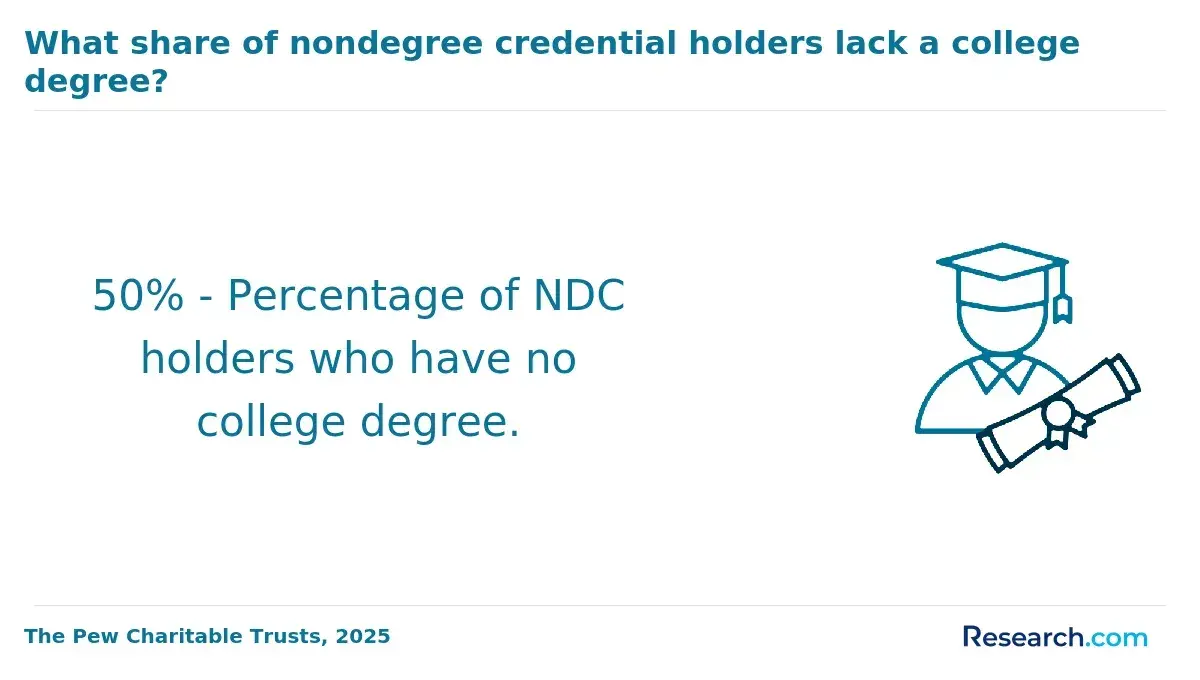
Start-anytime applied behavior analysis master’s programs are available in more than one format, but they are much more practical online than on campus. Roughly 40% of graduate programs that offer flexible enrollment are fully online, which makes online delivery the strongest match for students who need multiple starts, asynchronous coursework, and location flexibility.
Format options to compare
- Fully online programs: These are usually the most flexible. Students may be able to begin during several points in the year, complete coursework asynchronously, and continue working while enrolled.
- Hybrid formats: Hybrid programs combine online coursework with campus visits, scheduled intensives, or live virtual sessions. They can provide more direct interaction, but students should plan for travel, attendance requirements, and fixed meeting dates.
- Evening or weekend campus options: These may help local students who want in-person learning while keeping a job. However, true start-anytime enrollment is less common because classroom space, faculty schedules, and cohorts often follow fixed calendars.
- Competency-based models: These programs may allow students to move through material based on mastery. They can be efficient for experienced learners but may require exceptional self-direction.
One graduate of an online applied behavior analysis master’s program with flexible start-anytime enrollment described the format as useful but not effortless. He said it was “freeing to join the program right after deciding to pursue my master’s, rather than waiting months,” but he also emphasized that the lack of a traditional semester rhythm required careful planning. Online discussion forums and synchronous check-ins helped him stay connected, while self-discipline helped him avoid falling behind during demanding work periods.
The main takeaway is that flexible format and strong support need to work together. A program that lets students start quickly should also provide clear advising, predictable course sequencing, accessible faculty, and guidance on any required practical experience.
What Are the Admission Requirements for Start-Anytime Applied Behavior Analysis Master's Programs?
Admission requirements for start-anytime applied behavior analysis master’s programs are usually similar to those for traditional graduate programs. The calendar may be more flexible, but schools still need evidence that applicants can handle graduate-level coursework and are prepared for study in behavior analysis.
Typical requirements
- Minimum GPA standards: Most programs expect a cumulative undergraduate GPA of approximately 3.0 or higher. Some schools may review applicants below that level through conditional admission, supplemental materials, or professional experience.
- Bachelor’s degree: Applicants generally need a completed undergraduate degree from an accredited institution. The major may vary, although psychology, education, social work, human services, and related fields are common backgrounds.
- Professional or volunteer experience: Experience in behavior analysis, education, developmental disabilities services, autism support, mental health, or human services can strengthen an application. Some programs encourage it; others may require it.
- Letters of recommendation: Programs typically request two or three letters from academic or professional references who can speak to the applicant’s judgment, reliability, communication skills, and readiness for graduate work.
- Statement of purpose: A strong statement should explain why the applicant wants to study applied behavior analysis, what populations or settings interest them, and how the degree supports their career goals.
- Standardized test policies: Many programs have adopted test-optional policies or no longer mandate GRE scores, especially for online or rolling-admission formats.
Applicants should also ask whether admissions review is continuous or tied to internal deadlines. Some schools advertise rolling admission but still require students to submit materials by a specific date to qualify for the next available start. Financial aid, transfer credit review, and field placement planning may also affect how soon a student can realistically begin.
Students focused on speed should be careful to distinguish between a quick admission process and a manageable academic plan. Related accelerated degree programs can be useful for understanding faster academic models, but graduate ABA study still requires sustained attention to theory, ethics, assessment, intervention, and professional practice.
How Do Academic Calendars Work in Start-Anytime Applied Behavior Analysis Master's Programs?
Academic calendars in start-anytime applied behavior analysis master’s programs are built to reduce long gaps between application, admission, and first enrollment. Instead of relying only on fall and spring semesters, some programs offer multiple entry points, and some provide up to 12 start dates annually. The flexibility can be valuable, but students should understand how courses, deadlines, billing, and financial aid are actually structured.
Common calendar models
- Rolling start dates: Students can begin at various points during the year. This can shorten the wait after admission and help students start when their schedule is stable.
- Modular courses: Courses may be divided into shorter sessions or focused units. This allows students to concentrate on fewer subjects at a time, but the workload can feel intense because deadlines arrive quickly.
- Asynchronous scheduling: Many courses do not require fixed class meetings. Students can complete lectures, assignments, and discussions around work and family responsibilities, as long as they meet course deadlines.
- Individualized progression: Some programs allow students to move at a personalized pace. Others allow flexible entry but still follow a required sequence once students begin.
Questions to ask before enrolling
- Are all required ABA courses offered every term, or could course availability delay graduation?
- Can students pause between courses without financial or academic penalties?
- How are deadlines handled in asynchronous courses?
- Does financial aid disbursement follow standard terms, subscription periods, or another model?
- Will the program help students plan supervised experience requirements if those are part of their career goals?
The best start-anytime calendars are flexible without being vague. Students should receive a clear degree plan, a realistic course sequence, and written policies on enrollment status, withdrawal, leaves of absence, and satisfactory academic progress.
Are Start-Anytime Applied Behavior Analysis Master's Programs More Expensive Than Traditional Programs?
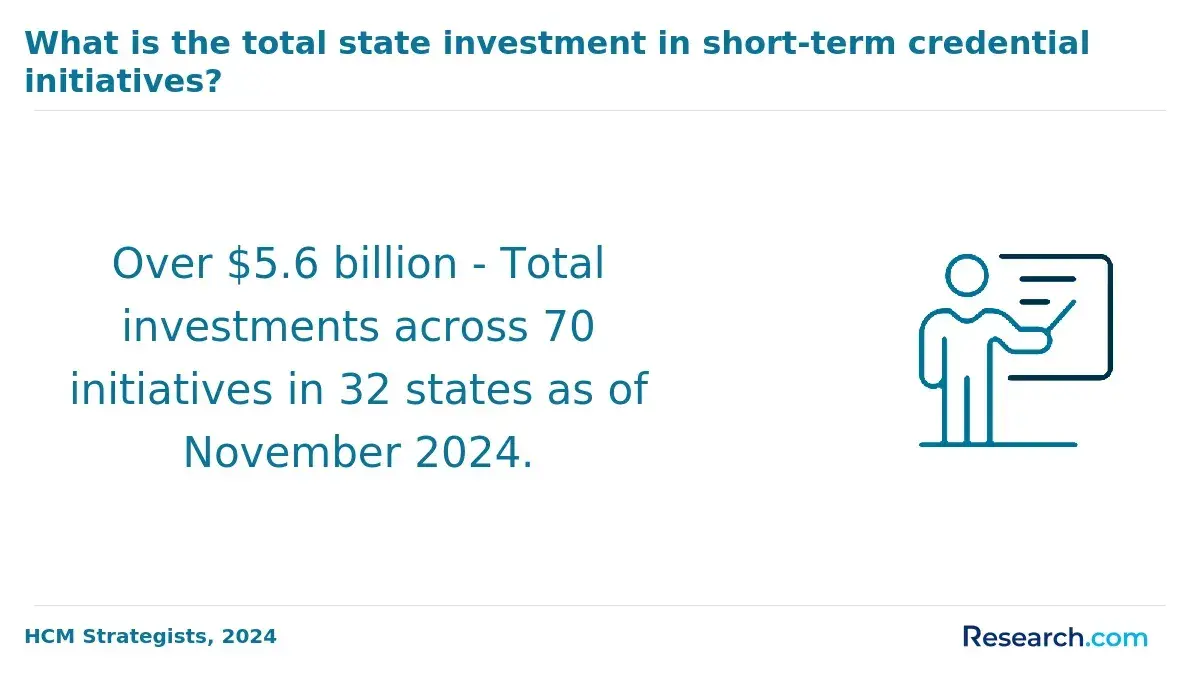
Start-anytime applied behavior analysis master’s programs are not automatically more expensive than traditional programs. Available data show that tuition for these online programs typically falls within a $15,000 to $30,000 range, similar across different enrollment styles. The more important issue is how the school charges tuition and fees, not whether the program uses flexible starts.
Cost factors to review
- Tuition structure: Many programs charge by credit hour, so the total cost depends on the number of credits required for the degree. Others may use term-based or subscription-style pricing.
- Additional fees: Application fees, technology fees, graduation fees, course materials, and assessment fees can increase the final cost. Students should request a full cost estimate before enrolling.
- Technology costs: Flexible-start programs often rely heavily on online platforms. These expenses may be included in tuition, but students should confirm whether software, proctoring, or learning tools carry separate charges.
- Financial aid availability: Students in both flexible and traditional formats typically have access to similar scholarships and financial assistance options, but eligibility may depend on enrollment intensity, academic calendar structure, and institutional participation.
- Time-to-completion costs: A flexible program may save money if it helps a student finish efficiently. It may cost more if the student takes repeated breaks, extends enrollment, or pays recurring fees over a longer period.
One professional who completed a start-anytime applied behavior analysis master’s program said she did not notice a significant tuition difference compared with peers in cohort-based programs. She recalled, “I was concerned there might be extra fees, but everything was straightforward and transparent.” For her, the ability to keep working while studying helped make the program feel cost-effective.
Before deciding, students should compare the total program price, not just the per-credit rate. They should also ask how changing pace affects billing, aid eligibility, refund policies, and graduation timing.
How Long Does It Take to Complete a Start-Anytime Applied Behavior Analysis Master's Program?
Most start-anytime applied behavior analysis master’s programs typically require about 24 to 36 months, depending on course load, term length, transfer credit, and the student’s ability to maintain steady progress. Flexible enrollment can help students begin sooner, but it does not always mean they will graduate faster.
What affects completion time
- Pacing flexibility: Students who can devote more weekly time to coursework may move faster. Students balancing employment, caregiving, or fieldwork may need a slower pace.
- Course load options: Full-time enrollment usually shortens the path to graduation. Part-time enrollment is often more realistic for working professionals but can extend the timeline.
- Accelerated modules: Short, intensive courses can speed progress, but they require strong organization and consistent weekly availability.
- Part-time vs. full-time enrollment: Many ABA master’s students choose part-time study to avoid leaving the workforce. This can be a practical choice, even if it means taking longer than classmates in full-time pathways.
- Course sequencing: Some applied behavior analysis courses must be taken in order. Missing a required course window can delay graduation even in a flexible-start program.
Students should build a completion plan before enrolling. A realistic plan includes weekly study time, work commitments, family obligations, fieldwork or practicum considerations, and financial aid requirements. The fastest timeline is not always the best timeline; the stronger goal is steady completion without sacrificing learning quality or professional readiness.
Are Career Services Available for Start-Anytime Applied Behavior Analysis Master's Students?
Career services are commonly available to students in start-anytime applied behavior analysis master’s programs, especially when the program is designed for online or working-adult learners. The quality and accessibility of those services vary, so applicants should ask specific questions instead of assuming support will be identical across schools.
Career support students may receive
- Career counseling: Advisors may help students clarify career goals, prepare resumes, practice interviews, and connect coursework to roles in behavior analysis, education, autism services, behavioral health, and human services.
- Job placement assistance: Some programs provide job boards, employer introductions, internship leads, and guidance on applying for entry-level or advanced behavior-related roles.
- Networking opportunities: Online events, alumni panels, professional webinars, student groups, and virtual meetups can help flexible-start students build relationships even if they are not part of a traditional cohort.
- Alumni connections: Alumni mentors can provide practical insight into job searches, workplace expectations, supervision, and career advancement after graduation.
- Field experience guidance: Students pursuing behavior analysis careers should ask whether the program helps identify appropriate experience sites, supervisors, or documentation processes when relevant to their goals.
Because many flexible-start students study remotely, strong career services should also be remote-friendly. Look for evening appointments, virtual advising, recorded workshops, online resume review, and employer events that do not require campus attendance.
Students still building an academic pathway before graduate study may also consider an associates degree as an early credential, but ABA master’s students should prioritize graduate programs with field-specific career advising and professional preparation.
Are Start-Anytime Applied Behavior Analysis Master's Degrees Respected by Employers?
Start-anytime applied behavior analysis master’s degrees can be respected by employers when they come from credible institutions and demonstrate rigorous preparation. Research indicates that around 70% of employers recognize online or flexible graduate programs similarly to traditional formats, as long as the programs demonstrate quality and rigor. In most hiring decisions, the calendar format matters less than accreditation, competencies, supervised experience, and the graduate’s ability to apply behavioral principles ethically and effectively.
What employers usually evaluate
- Accreditation: Accreditation from agencies like the Behavior Analyst Certification Board (BACB) confirms that the master’s program meets established educational standards. Applicants should verify current requirements directly with the school and relevant credentialing bodies.
- Program rigor: Employers value graduates who have completed serious coursework in assessment, intervention, measurement, ethics, research, and behavior-change procedures.
- Professional experience: Supervised fieldwork, internships, practicum experiences, or relevant employment can help graduates show that they can apply classroom knowledge in real settings.
- Skill demonstration: Employers often care about whether candidates can collect and interpret data, communicate with families and teams, design appropriate interventions, and follow ethical standards.
- Institution reputation: A flexible-start degree may be viewed more favorably when the school is transparent about curriculum, faculty credentials, student outcomes, and support services.
Students should avoid choosing a program only because it starts quickly. A degree that is convenient but poorly aligned with career goals may create problems later. Those considering other professional paths can compare an online accountant degree, but applied behavior analysis students should focus on programs that support the specific expectations of ABA employers and credentialing pathways.
Who Benefits Most From Flexible Enrollment Graduate Programs?
Flexible enrollment graduate programs are best suited for students who need control over timing without losing access to a structured degree plan. Approximately 70% of students in online or rolling-start graduate programs are working professionals or nontraditional learners, which reflects how important flexible scheduling has become for adult students.
Students who may benefit most
- Working professionals: Students can continue earning income and gaining field experience while completing graduate coursework.
- Career changers: A flexible start can help students begin retraining soon after deciding to move into behavior analysis or a related field.
- Adult learners with family responsibilities: Students managing caregiving, parenting, or household responsibilities may benefit from adjustable course loads and asynchronous study.
- Students seeking accelerated completion: Motivated learners with available study time may use multiple starts and shorter terms to move through coursework efficiently.
- Students with unpredictable schedules: Those in healthcare, education, direct support, military, public safety, or shift-based roles may need more control over when they begin and how many courses they take.
Flexible enrollment is not ideal for everyone. Students who rely on fixed class meetings, frequent face-to-face interaction, or a highly structured cohort may perform better in a traditional calendar. The right choice depends on learning style, time management, support needs, and long-term professional goals.
What Graduates Say About Flexible Start-Anytime Enrollment for a Applied Behavior Analysis Degree Master's Program
- : "The flexibility of starting my Applied Behavior Analysis master's degree whenever I was ready made it easy to balance work, family, and school commitments. The affordable tuition really helped me avoid overwhelming debt. Since graduation, I've seen a clear boost in my job opportunities and confidence as a practitioner. — Danvic"
- : "Reflecting on my journey, the start-anytime format allowed me to tailor my studies around unpredictable work hours without feeling rushed. The cost was reasonable compared to traditional programs, which made pursuing this degree a smart investment. Professionally, earning this degree has opened doors to leadership roles I hadn't imagined before. — Camilo"
- : "The convenience of an online, start-anytime Applied Behavior Analysis master's program was a game changer for me as a full-time employee. The cost was very competitive and didn't force me to compromise on quality. This degree significantly accelerated my career advancement, giving me new skills that impressed my supervisors. — Ethan"
Other Things You Should Know About Applied Behavior Analysis Degrees
Some schools with start-anytime Applied Behavior Analysis master's programs in 2027 require occasional campus visits for seminars or hands-on workshops. Requirements vary, so check individual program details to understand specific commitments related to in-person attendance.
A start-anytime ABA master’s program must include the BACB-approved coursework sequence needed for certification eligibility, typically 315 verified instruction hours or equivalent ABA content. Programs should cover ethics, measurement, experimental design, assessment, and intervention, and they must align with the Behavior Analyst Certification Board’s current pathway rules.
References
- Premier Applied Behavior Analysis Graduate Programs https://www.mastermindbehavior.com/post/applied-behavior-analysis-graduate-programs
- Top 15 Best Online Applied Behavior Analysis Degree Programs https://www.appliedbehavioranalysisprograms.com/rankings/applied-behavior-analysis-online-programs/
- Applied Behavior Analysis Master’s—100 % Online https://www.baypath.edu/academics/graduate-programs/applied-behavior-analysis-ms/
- MA in Special Education (Applied Behavioral Analyst) https://www.umassglobal.edu/academic-programs/ma-special-education-applied-behavioral-analyst
- M.S.Ed. Applied Behavior Analysis (ABA) https://www.duq.edu/academics/colleges-and-schools/education/programs-and-degrees/graduate-programs/aba/index.php
- Applied Behavior Analysis (ABA), Online MEd https://www.arcadia.edu/majors-and-programs/applied-behavior-analysis-med-certification/
- The Top 30 ABA Degree Programs for 2025 - ABA Masters Programs https://abamastersprograms.org/top-aba-degree-programs/
- Applied Behavior Analysis Master's Program (M.S.) | Endicott College https://www.endicott.edu/academics/schools/institute-for-applied-behavioral-science/graduate-programs/masters-programs/applied-behavior-analysis-program
- Top ABA Graduate Programs: A Comprehensive Guide https://www.actionbehavior.com/resource/blog/top-aba-graduate-programs
- Applied Behavior Analysis https://onlinegrad.pepperdine.edu/psychology/online-masters-behavior-analysis/