2027 Can You Get Into an Applied Behavior Analysis Degree Master's Program with a Low GPA? Admission Chances & Workarounds

Co-Founder and Chief Data Scientist
A low undergraduate GPA does not automatically end your chances of getting into an applied behavior analysis master's program, but it does change how you need to apply. Many programs list minimum GPAs around 3.0, yet recent data show that approximately 25% of successful applicants had GPAs under this mark because they presented strong professional experience, persuasive personal statements, or other evidence of readiness.
The real question is not simply whether your GPA is “too low.” It is whether you can show admissions committees that your transcript does not reflect your current ability to succeed in graduate-level behavior analysis coursework, supervised practice, research, and professional preparation.
This guide explains how applied behavior analysis graduate programs evaluate low-GPA applicants, what can strengthen your file, when conditional or online options may help, and which strategies are most likely to improve your admission chances without overstating what any single workaround can do.
Key Things to Know About Getting Into a Applied Behavior Analysis Master's Program with a Low GPA
- Admissions committees review applicants holistically, considering relevant experience, recommendations, and personal statements alongside GPA to assess potential success in applied behavior analysis programs.
- Strengthening your application with relevant work or research experience in behavior analysis can significantly improve your admission chances despite a low GPA.
- Some programs offer conditional or probationary acceptance, allowing students with lower GPAs to prove their capability through initial coursework or exams.
What Is the Minimum GPA for Applied Behavior Analysis Master's Programs?
Most applied behavior analysis master's programs in the United States commonly cite a minimum undergraduate GPA of 3.0 on a 4.0 scale. That number is often used as a screening benchmark because graduate coursework in behavior analysis requires strong reading, writing, research, data interpretation, and clinical reasoning skills.
However, the stated minimum is not always the same as the competitive GPA. In more selective programs, successful applicants often present GPAs in the 3.3 to 3.5 range or above. A student with a GPA below 3.0 may still be considered, but the application usually needs stronger supporting evidence than the application of a student who already meets or exceeds the standard threshold.
How to interpret GPA requirements
- “Minimum GPA” means basic eligibility, not guaranteed admission. Meeting the posted GPA requirement only means your file may be reviewed; it does not mean you are competitive.
- “Preferred GPA” means the program is signaling selectivity. If a school says it prefers applicants above 3.0, lower-GPA applicants should provide evidence of recent academic improvement, field experience, and clear professional goals.
- “Holistic review” can help, but it is not a shortcut. Programs that review applications holistically still care about academic readiness. They simply consider more than the cumulative GPA.
- Program fit matters. Some students exploring helping professions may also compare related graduate pathways, such as an online speech pathology master's, depending on their career goals and admission profile.
If your GPA is below the listed minimum, contact the admissions office before applying. Ask whether the program considers applicants below the cutoff, whether there is a provisional pathway, and which parts of the application carry the most weight for nontraditional or low-GPA candidates.
How Do Graduate Schools Evaluate a Low Undergraduate GPA?
Graduate schools use undergraduate GPA as one measure of academic readiness, but they usually look more closely when the GPA is low. Admissions committees want to know whether the grades reflect an old problem, a temporary circumstance, a weak fit in the original major, or an ongoing pattern that could affect graduate performance.
For applied behavior analysis programs, the strongest low-GPA applications usually explain the academic record without making excuses and then provide concrete evidence that the applicant is now prepared for graduate study.
- Grade trends: Committees may give more weight to an upward trend than to the cumulative GPA alone. Stronger grades in the final semesters can suggest improved study habits, maturity, or better alignment with the field.
- Relevant coursework: Grades in psychology, statistics, research methods, child development, education, behavior-related courses, or other closely related subjects may matter more than unrelated electives.
- Professional experience: Work in behavior support, autism services, special education, mental health, schools, clinics, residential programs, or related settings can show commitment and practical readiness.
- Letters of recommendation: Strong letters from supervisors or faculty can help explain your strengths, reliability, ethical judgment, and ability to learn from feedback.
- Personal statement: A focused statement should connect your experience, career goals, and academic preparation. It should also address the GPA briefly if needed, then move quickly to evidence of growth.
- Standardized test scores: Where GRE scores are accepted or required, strong results can provide another data point for academic readiness.
What not to do when explaining a low GPA
- Do not blame professors, institutions, or personal circumstances without showing what changed.
- Do not ignore the GPA if it is clearly below the program's stated standard.
- Do not rely on passion alone; admissions committees need evidence of preparation.
- Do not apply to only one highly selective program if your academic record is a concern.
Students who need more flexible or affordable enrollment options may also compare online colleges that accept FAFSA while planning how to strengthen their academic profile before graduate admission.
Can Work Experience Compensate for a Low GPA in Applied Behavior Analysis Graduate Programs?
Yes, relevant work experience can help compensate for a low GPA, especially when it is substantial, recent, and directly connected to behavior analysis or human services. Data reveals that nearly 30% of candidates with GPAs under 3.0 gain admission to applied behavior analysis master's programs when they bring substantial relevant work experience.
Experience is most persuasive when it shows that you understand the field, can work ethically with clients or students, can follow supervision, and are ready for graduate-level professional training. A job title alone is less important than what you learned and how clearly you can connect that work to applied behavior analysis.
- Demonstrated commitment: Long-term work in behavioral, educational, clinical, or support settings shows that your interest is based on real exposure rather than a vague career idea.
- Applied skill development: Direct service experience can show that you have practiced observation, documentation, behavior support, data collection, collaboration, and professional communication.
- Stronger recommendations: Supervisors who have seen your work can describe your reliability, judgment, responsiveness to feedback, and readiness for more advanced training.
- Professional maturity: Applicants with work experience can often explain client-centered practice, confidentiality, teamwork, and ethical responsibility more clearly than applicants with only classroom exposure.
- Clearer career goals: Field experience helps you write a more convincing statement because you can point to specific populations, settings, and professional problems that motivate your graduate study.
How to present experience effectively
Do not simply list duties from a job description. In your resume and statement, describe the setting, population served, supervision received, behavior-related responsibilities, and measurable ways you grew. If you collected data, implemented behavior plans under supervision, supported skill acquisition, worked with families, or collaborated with educators or clinicians, explain that clearly and accurately.
A graduate from an applied behavior analysis master's program said his low GPA made him doubt whether he would be admitted. He explained that his years working directly with clients in a behavioral support role “helped fill the gaps” that grades left behind. In his view, the experience helped him show that he could turn theory into action, and his supervisors' letters gave admissions committees evidence that his transcript did not fully represent his potential.
Do Certifications Improve Admission Chances for Low GPA Applicants?
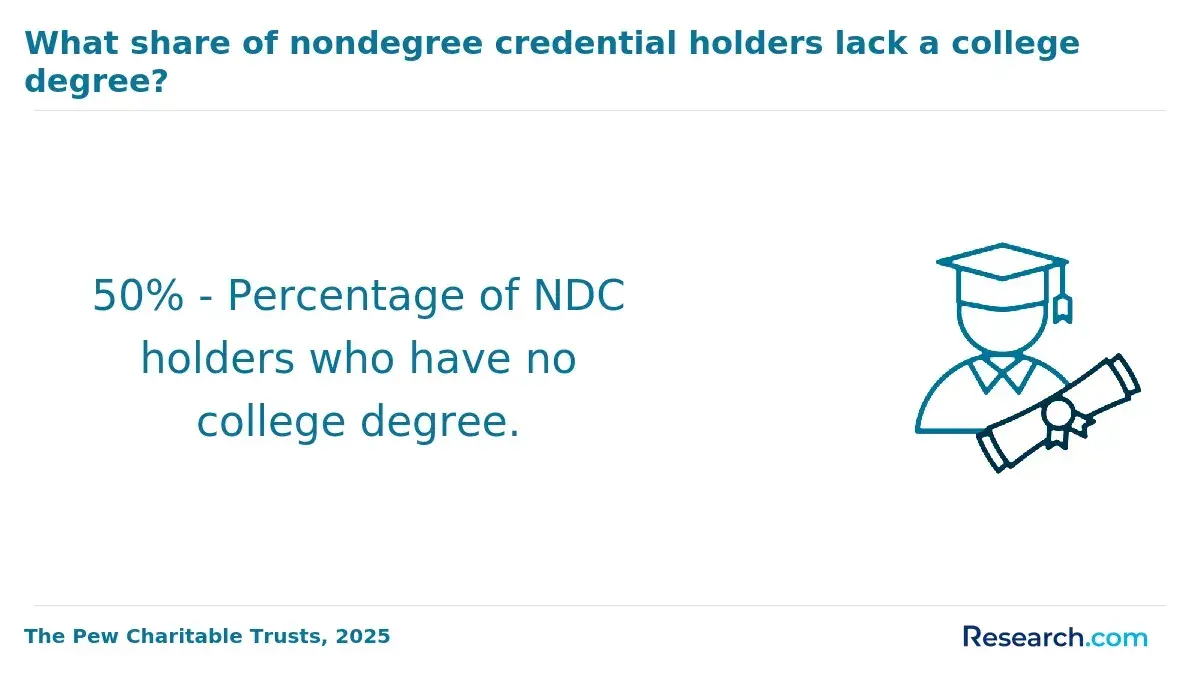
Certifications can improve admission chances for low-GPA applicants, but they work best as supporting evidence rather than as a replacement for academic preparation. Many admissions committees view professional certifications as a meaningful factor that offsets weaker academic records, with over 60% of behavior analysis program officers recognizing their value.
A certification can signal that you have taken the field seriously, completed structured training, and gained exposure to professional expectations. It may also help show that you understand the day-to-day realities of behavior support work before entering a master's program.
- They show commitment. A relevant credential suggests that you have already invested time in the field and are not applying casually.
- They support practical readiness. Certifications tied to supervised work, client services, or behavior-related training can strengthen the professional side of your application.
- They can strengthen your narrative. If your GPA is weak, a credential gives you another concrete item to discuss in your statement and interviews.
- They do not erase academic concerns. Committees may still want to see recent strong coursework, writing ability, and evidence that you can handle graduate-level demands.
The best approach is to combine certifications with relevant work experience, strong recommendations, and a direct explanation of how you have improved since your undergraduate record. Applicants comparing broader career outcomes may also review information on the highest paying majors, but admission to applied behavior analysis graduate study should be guided primarily by professional fit, licensure or certification goals, and program quality.
Can Taking Additional Undergraduate Courses Raise Your Admission Chances?
Yes, additional undergraduate or post-baccalaureate coursework can improve your admission chances if it is recent, relevant, and completed with strong grades. Research has shown that students who complete post-baccalaureate or non-degree courses can improve their cumulative GPA by around 0.3 to 0.5 points on average, which can be meaningful in competitive admissions.
Additional coursework is especially useful when your transcript shows older weak grades, missing prerequisites, or limited preparation in psychology, research methods, statistics, or human development. It gives admissions committees newer evidence of your current academic ability.
- Grade replacement policies: Some graduate programs allow new course grades to replace lower ones from your undergraduate transcript, while others calculate all courses cumulatively. Ask each program how it reviews repeated or additional coursework.
- Upper-level coursework: Strong grades in 300- or 400-level classes are usually more persuasive than easy introductory courses because they better demonstrate readiness for graduate study.
- Subject relevance: Courses in psychology, behavior analysis, research methods, statistics, education, child development, or related areas are more useful than unrelated electives.
- Recent performance: Programs often care about your latest academic evidence. A recent pattern of A-level work can help offset a weaker cumulative GPA.
- Prerequisite alignment: If a program requires specific foundational courses, completing them before applying can remove a barrier to admission.
When extra coursework is worth it
Additional classes are most worthwhile when your GPA is close to the cutoff, your last academic work is old, or you can take courses that clearly support applied behavior analysis preparation. They may be less useful if you take unrelated classes, earn average grades, or delay applying without a clear academic improvement plan.
Students who need relevant undergraduate preparation may compare options such as the most affordable online psychology degree, especially if they need flexible coursework that can strengthen their academic record before graduate applications.
What Is Conditional Admission for Applied Behavior Analysis Master's Programs?
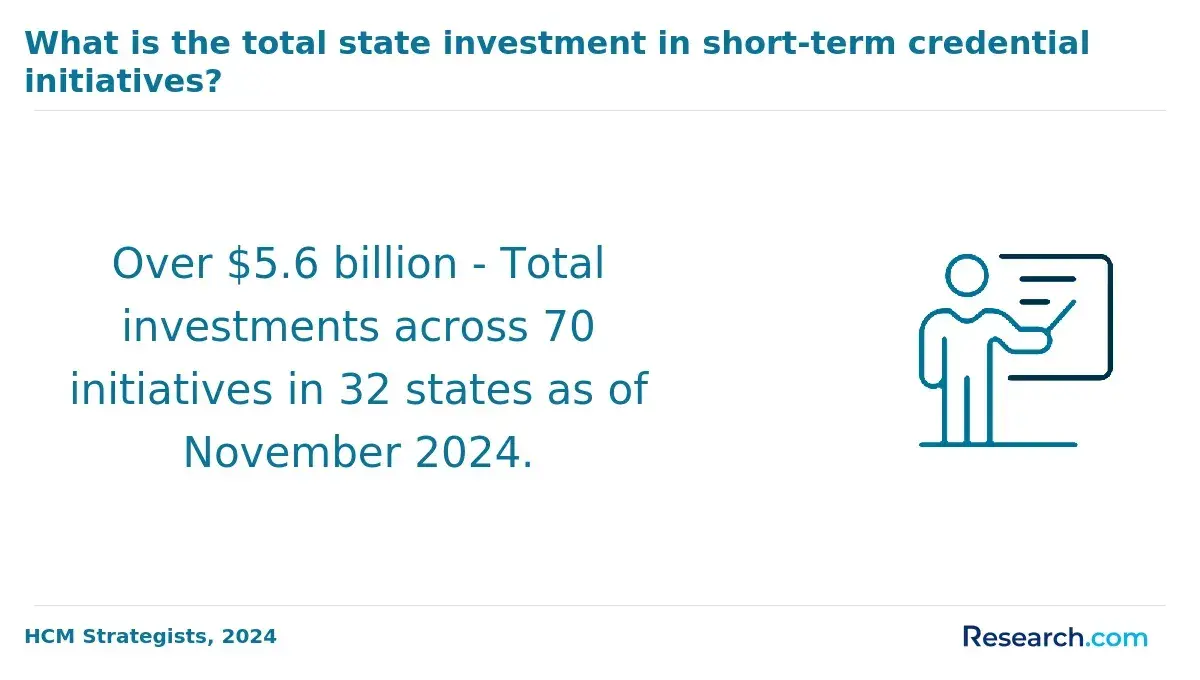
Conditional admission, sometimes called provisional admission, allows an applicant who does not fully meet standard entry requirements to begin a master's program under specific academic conditions. For low-GPA applicants, it can be a practical route into applied behavior analysis graduate study when the program believes the student has potential but wants proof of graduate-level performance.
Nearly 30% of behavior analysis graduate programs provide some form of provisional enrollment. The opportunity can be valuable, but it also carries risk: if you do not meet the stated conditions, you may be dismissed from the program or prevented from moving into full admission status.
- Academic performance requirements: Students may need to earn a designated GPA in the first graduate courses, often at a level that proves they can succeed beyond the minimum admission threshold.
- Required course completion: The program may require foundational or prerequisite courses before the student can continue into advanced coursework.
- Time limits: The conditional period typically lasts one semester or an academic year, and students must meet all requirements within that window.
- Progress review: Faculty or admissions committees may review grades, participation, writing quality, and overall readiness before granting full status.
- Enrollment restrictions: Conditionally admitted students may have limited course choices or may be unable to access certain opportunities until they earn full admission.
Questions to ask before accepting conditional admission
- What GPA must I earn during the conditional period?
- Which courses count toward the condition?
- What happens if I fall slightly short?
- Will credits earned during conditional status count toward the degree?
- Are financial aid, fieldwork, advising, or practicum opportunities affected?
Conditional admission can be a strong second chance, but only if the terms are clear and realistic. Before enrolling, make sure you understand the academic expectations, costs, and consequences.
Are Online Applied Behavior Analysis Master's Programs Easier to Get Into with a Low GPA?
Online applied behavior analysis master's programs may be more accessible for some applicants, but they are not automatically easier to enter with a low GPA. Admissions criteria vary by school, accreditation, selectivity, faculty capacity, and applicant pool. Generally, online graduate programs report acceptance rates about 10-15% higher than traditional on-campus programs, but that does not guarantee admission for low-GPA candidates.
The better question is whether an online program uses holistic review and whether your strengths match what that program values. A strong online ABA application still needs evidence of academic readiness, professional maturity, and a realistic understanding of the field.
- Admission standards still matter: Reputable online programs may apply the same GPA, recommendation, statement, and prerequisite standards as campus-based programs.
- Program selectivity varies: Some online programs are highly competitive, especially if they have strong reputations or limited cohort sizes.
- Applicant pools can be broad: Online formats attract working adults, career changers, and applicants from many regions, which can increase competition.
- Experience can carry weight: Relevant work or volunteer experience may help a low-GPA applicant show readiness in a way the transcript alone cannot.
- Fit should outweigh convenience: Compare curriculum, faculty support, fieldwork expectations, student services, and certification alignment before choosing a program.
When comparing online options, review admission policies alongside cost, flexibility, and professional outcomes; a useful starting point is Research.com's guide to the best bcba programs online.
A professional admitted to an online applied behavior analysis master's program with a low GPA said the process was not easy. She emphasized years of direct client experience, secured detailed recommendation letters, and used her statement to explain her growth. Her experience shows that the online format may improve access, but applicants still need a strategic, evidence-based application.
Can a High GRE Score Offset a Low GPA for Applied Behavior Analysis Master's Programs?
A high GRE score can help offset a low GPA at programs that accept or require the GRE, but it usually cannot fully erase a weak academic record. Admissions committees may view the GRE as one additional measure of academic ability, especially if your undergraduate grades were affected by circumstances that no longer apply.
On average, admitted students to applied behavior analysis programs score between the 50th and 60th percentile on the GRE, with some programs admitting candidates below a 3.0 GPA if they demonstrate exceptional GRE results. Still, the GRE is most useful when combined with recent strong coursework, relevant experience, and persuasive recommendations.
- Quantitative scores: Strong quantitative performance can support your ability to work with behavioral data, research design, measurement, and analysis.
- Verbal scores: Strong verbal reasoning can show readiness for graduate reading, professional communication, and evidence-based writing.
- Analytical writing: A solid writing score may reassure committees that you can organize arguments, evaluate evidence, and complete graduate-level written assignments.
- Balanced performance: Strong scores across sections are more persuasive than one unusually high score paired with weak performance elsewhere.
When the GRE is worth taking
The GRE may be worth the effort if your target programs consider it, your GPA is below the preferred range, and you have time to prepare seriously. It may be less useful if your programs are test-optional and your application would be stronger with additional coursework, field experience, or improved recommendation letters.
What Is a Post-Baccalaureate Program for Low-GPA Students?
A post-baccalaureate program is a structured option for students who already have a bachelor's degree but need to improve their academic record before applying to graduate school. For low-GPA students interested in applied behavior analysis, it can provide newer grades, prerequisite coursework, advising, and sometimes research or field-related experience.
Post-baccalaureate study can be formal, through a defined certificate or academic enhancement program, or informal, through non-degree enrollment in carefully selected courses. The best choice depends on how far your GPA is from the target range, which prerequisites you lack, and how much structure you need.
- Academic enhancement: Rigorous coursework gives you a chance to show that your current academic performance is stronger than your undergraduate record suggests.
- Prerequisite completion: You can complete missing courses required by applied behavior analysis master's programs before applying.
- Research opportunities: Some programs provide research exposure or faculty interaction that can strengthen recommendations and clarify your graduate goals.
- Graduate preparation: Advising, test preparation, and application coaching may help you build a more focused and competitive application.
How to choose post-baccalaureate coursework
- Prioritize courses related to psychology, behavior, statistics, research methods, education, or human development.
- Choose upper-level coursework when possible.
- Confirm whether target graduate programs will consider the new grades separately or only as part of the cumulative GPA.
- Avoid taking courses unless you can commit the time needed to earn strong grades.
Post-baccalaureate coursework is not a quick fix, but it can be one of the clearest ways to demonstrate academic recovery. Students comparing cost-effective education pathways in other fields may also review resources on an affordable online accounting degree to understand how program cost, flexibility, and academic planning can affect long-term decisions.
Does GPA Impact Starting Salary After a Applied Behavior Analysis Master's Degree?
Undergraduate GPA may influence starting salary after an applied behavior analysis master's degree, but its effect is usually modest compared with graduate training, certification status, supervised experience, job setting, location, and the employer's hiring priorities. Employers may use GPA as an initial screening factor, but many care more about whether you can perform the work competently and ethically.
According to a 2023 Behavior Analyst Certification Board survey, graduates with undergraduate GPAs below 3.0 earned starting salaries approximately 5-10% lower than those with higher GPAs, although this gap tends to narrow with relevant work experience.
- Employer emphasis: Some employers review academic records closely, especially for early-career roles, while others focus more on supervised experience and professional readiness.
- Program reputation and quality: Graduates from accredited and well-regarded applied behavior analysis programs may be more competitive regardless of undergraduate GPA.
- Professional experience: Practicum, internships, direct service roles, and prior behavior-related employment can reduce the importance of older grades.
- Graduate performance: Strong grades and faculty recommendations during the master's program can help shift attention away from undergraduate GPA.
- Credentials and role requirements: Employers often prioritize whether applicants meet certification, supervision, and job-specific requirements over undergraduate transcript details.
For most graduates, the long-term goal should be to build a strong professional record after admission: perform well in graduate courses, seek high-quality supervision, document relevant experience, and develop practical competence in assessment, intervention, collaboration, and ethical decision-making.
What Graduates Say About Getting Into a Applied Behavior Analysis Degree Master's With a Low GPA
- Danny: "Gaining admission into an applied behavior analysis master's program with a low GPA felt daunting, but I found that focusing on affordable programs really helped manage the financial stress. The degree's value became clear once I started working-it's been a game-changer in expanding my clinical skills and employment opportunities. I highly recommend staying persistent even if your GPA isn't perfect."
- Jamir: "Reflecting on my journey, I was initially worried my low GPA would block my path to an applied behavior analysis master's degree. However, I discovered that many programs consider experience and passion alongside academics, which lifted a huge weight off my shoulders. Now, the degree supports my career growth in meaningful ways, especially by equipping me with effective intervention techniques."
- Ethan: "As a professional, I approached applying to an applied behavior analysis master's program with the understanding that my low GPA was a hurdle, but not an insurmountable one. I prioritized programs that emphasized comprehensive training and practical application, which proved essential to developing my expertise. This degree has significantly advanced my career, allowing me to make evidence-based decisions confidently."
Other Things You Should Know About Applied Behavior Analysis Degrees
For 2027 applicants with a low GPA, engaging in relevant volunteer or internship activities can demonstrate practical skills and a commitment to the field, potentially offsetting academic shortcomings and positively influencing admission committees.
GRE scores can be pivotal for applicants with a low GPA, as they may bolster applications by demonstrating readiness for academic rigors. Some programs weigh GRE results more significantly, potentially offsetting a lower GPA when making admission decisions in 2027.
Financial aid options for low-GPA students include need-based grants, federal student loans, and scholarships specifically targeting students in the Applied Behavior Analysis field. Check with your program's financial aid office for any available assistance tailored to your academic and financial situation.
References
- M.S. Applied Behavior Analysis - The Chicago School https://www.thechicagoschool.edu/programs/behavioral-sciences/applied-behavior-analysis/ms/
- Best Online ABA Programs | Applied Behavior Analysis https://www.appliedbehavioranalysisedu.org/62-best-schools-with-100-online-aba-masters-and-certificate-programs/
- Applied Behavior Analysis (MS) Graduate Admissions Requirement https://www.baypath.edu/admissions-aid/graduate-admissions/applied-behavior-analysis-ms-requirements/
- Why a Master's in ABA Could Be Right For You https://gsep.pepperdine.edu/blog/posts/why-a-masters-in-aba-could-be-right-for-you.htm
- Psychology https://catalog.csun.edu/academics/psy/programs/ms-applied-behavior-analysis/
- Applied Behavior Analysis https://onlinegrad.pepperdine.edu/psychology/online-masters-behavior-analysis/
- 11+ Tennessee ABA Masters Programs [for BCBA Certification] https://abamastersprograms.org/tennessee/
- Behavior Analysis Professional Practice, M.A. https://www.fit.edu/programs/behavior-analysis-professional-practice-ma/
- Graduate Certificate in Applied Behavioral Analysis: FAQs https://www.arcadia.edu/majors-and-programs/applied-behavior-analysis-certificate/faq/
- Master of Science in Applied Behavior Analysis (ABA) https://franu.edu/academics/programs/aba.html