2027 Forensic Accounting Degree Coursework Explained: What Classes Can You Expect to Take?

Co-Founder and Chief Data Scientist
Choosing a forensic accounting degree means choosing a curriculum that sits between accounting, investigation, law, and data analysis. Students often want to know whether the coursework is mostly traditional accounting, criminal justice, auditing, or technology. In practice, strong programs combine all four so graduates can trace financial activity, identify red flags, document evidence, and communicate findings clearly.
According to the Bureau of Labor Statistics, employment of accountants and auditors, including forensic accountants, is projected to grow 7% from 2022 to 2032. That demand matters because employers typically look for more than basic bookkeeping ability. They want professionals who understand financial statements, internal controls, fraud schemes, legal procedures, ethics, and analytical tools.
This guide explains the common classes in a forensic accounting degree, how online and on-campus coursework may differ, what internships or capstones involve, how many credits and study hours to expect, and how the curriculum can affect career readiness and salary potential after graduation.
Key Benefits of Forensic Accounting Degree Coursework
- Forensic accounting coursework develops analytical skills essential for detecting financial fraud and interpreting complex data accurately.
- Students enhance legal and ethical knowledge, preparing them to support investigations and testimony with regulatory compliance expertise.
- Graduates often see improved job prospects and salaries; industry demand grows faster than average, with a 15% employment increase projected by 2030.
What Types of Class Do You Take in a Forensic Accounting Degree?
A forensic accounting degree usually begins with standard accounting and business courses, then moves into fraud investigation, auditing, law, analytics, and applied casework. The goal is not only to teach students how financial systems work, but also how those systems can be manipulated and how evidence should be documented when misconduct is suspected.
Recent statistics reveal that programs including practical experiences achieve a 20% higher graduate employment rate. For students comparing programs, that means the best curriculum is often the one that combines technical coursework with supervised practice, case analysis, or a capstone project.
- Core foundational classes: These courses cover accounting principles, financial reporting, auditing, taxation, business law, and economics. They build the baseline financial literacy needed to recognize when transactions, statements, or internal controls do not make sense.
- Forensic and fraud-focused classes: These courses introduce fraud schemes, investigative accounting, asset tracing, occupational fraud, financial statement manipulation, and litigation support. They are the clearest distinction between a general accounting degree and a forensic accounting degree.
- Legal, ethics, and evidence coursework: Forensic accountants may support attorneys, regulators, law enforcement, insurers, or corporate investigations. Courses in legal procedure, evidence handling, ethics, and professional responsibility help students understand the boundaries of their role.
- Research, analytics, and methods coursework: Students learn to analyze datasets, evaluate records, use accounting software, test controls, and prepare defensible findings. These courses are increasingly important as fraud investigations involve digital records and large volumes of financial data.
- Practicum, internship, or capstone experiences: Applied courses ask students to work through simulated or real-world financial investigations. These experiences help students practice documentation, reporting, communication, and professional judgment.
Students comparing investigative finance with other compliance-oriented fields may also review resources on bcba programs online, but those programs lead to a different professional path. For forensic accounting, prioritize accounting depth, fraud examination, auditing, analytics, and legal coursework.
What Are the Core Courses in a Forensic Accounting Degree Program?
The core courses in a forensic accounting degree are designed to give students a complete working foundation in accounting, investigation, compliance, and professional ethics. These classes matter because forensic accounting work depends on accuracy: an investigator must be able to read financial records, identify irregularities, support conclusions with evidence, and explain findings to non-accountants.
Most programs require a mix of accounting fundamentals and forensic specialization. Students should look closely at course descriptions, because two programs with similar degree titles may differ in emphasis. One may focus heavily on auditing and fraud examination, while another may lean toward data analytics, litigation support, or financial crime investigation.
- Financial Accounting and Reporting: Teaches students how financial statements are prepared and interpreted. This knowledge is essential for identifying misstatements, unusual entries, unsupported balances, or inconsistencies across records.
- Forensic Accounting and Fraud Examination: Introduces common fraud schemes, investigative procedures, interviewing concepts, evidence documentation, and case reporting. This is often the central course in the degree.
- Auditing and Assurance Services: Covers audit planning, internal controls, risk assessment, testing procedures, and assurance standards. Forensic accountants use these skills to evaluate whether financial information can be trusted.
- Legal Environment of Business: Explains the laws, regulations, contracts, and liability issues that affect financial activity. Students learn why investigative findings must be accurate, relevant, and properly documented.
- Research Methods in Accounting: Builds the ability to locate authoritative guidance, evaluate sources, analyze accounting questions, and support conclusions with credible evidence.
- Ethics in Accounting: Focuses on independence, confidentiality, conflicts of interest, professional standards, and moral reasoning. Ethical judgment is especially important when fraud allegations, litigation, or regulatory action may be involved.
- Financial Statement Analysis: Trains students to evaluate profitability, liquidity, solvency, cash flow, ratios, and trend patterns. These tools help investigators spot anomalies or signs of manipulation.
- Investigative Techniques and Evidence: Covers evidence collection, workpaper preparation, chain-of-custody concepts, report writing, and presentation of findings for legal or regulatory use.
Students exploring flexible career-change degrees sometimes compare unrelated options such as a fast track social work degree online. For forensic accounting, however, the key question is whether the program provides enough accounting, auditing, legal, and fraud-focused coursework to support the student’s intended career path.
What Elective Classes Can You Take in a Forensic Accounting Degree?
Electives allow students to shape a forensic accounting degree around a specific career goal. Recent studies indicate that around 65% of students select electives related to fraud examination or cybersecurity, which reflects the growing connection between financial investigations, digital records, and information security.
The best electives are not simply the most interesting ones. Students should choose courses that fill a skill gap, support a target role, or prepare them for certifications and employer expectations. Someone interested in litigation support may choose law and evidence courses, while someone aiming for corporate fraud prevention may benefit more from internal controls, analytics, and cybersecurity.
- Fraud Examination: Focuses on fraud schemes, red flags, investigative planning, evidence gathering, and reporting. This elective is useful for students interested in fraud auditor, compliance, risk, or investigative accounting roles.
- Cybersecurity and Information Assurance: Covers data protection, cybercrime concepts, access controls, and information risk. This option is especially valuable because many financial investigations now involve electronic records, payment systems, and digital evidence.
- Financial Statement Analysis: Provides deeper practice interpreting complex financial reports, identifying unusual trends, and assessing whether reported performance is reasonable.
- Criminal Law and Ethics: Explores legal standards, professional conduct, financial crime concepts, and the ethical limits of investigative work. This can help students who expect to work with attorneys, regulators, or law enforcement agencies.
- Data Analytics for Accountants: Teaches students to work with large datasets, spot patterns, test transactions, and use analytical tools. This elective is often one of the most practical choices for modern forensic accounting work.
A practical way to choose electives is to review job postings before registering. If target employers repeatedly mention data analytics, internal controls, fraud examination, or litigation support, those keywords can help students select courses that align with actual hiring needs.
Are Internships or Practicums Required in Forensic Accounting Programs?
Internships and practicums are not required in every forensic accounting program, but they are common and highly valuable. Nearly 70% of programs include internships or practicum courses as part of their curriculum. These experiences help students move from classroom knowledge to professional practice by applying accounting, auditing, analytics, and investigative methods in realistic settings.
Students should check whether the internship is required for graduation, optional for credit, or available only to students who meet certain GPA or prerequisite requirements. They should also ask who is responsible for securing the placement: the school, the student, or both.
- Program requirements: Some programs require an internship, practicum, or field experience. Others offer it as an elective or recommend it for students who do not already work in accounting, auditing, compliance, or finance.
- Duration and hours: Practical placements typically demand between 150 to 300 hours, often completed during a semester or summer session, though specific requirements vary by institution.
- Typical placement sites: Students may work with accounting firms, internal audit departments, legal offices, insurance companies, government agencies, regulatory bodies, or corporate compliance teams.
- Common tasks: Assignments may include reviewing financial records, assisting with audit procedures, organizing documentation, testing controls, supporting fraud detection efforts, preparing summaries, or conducting data analysis under supervision.
- Skills developed: Internships help students practice professional communication, confidentiality, time management, workpaper preparation, case documentation, and the careful judgment required in investigative work.
For online students, practical experiences may be completed locally or through remote projects, depending on the program. Before enrolling, students should confirm whether the school supports remote learners with placement assistance, virtual supervision, and clear expectations for required hours.
Is a Capstone or Thesis Required in a Forensic Accounting Degree?
A capstone or thesis may be required, especially in graduate forensic accounting programs. Around 60% of graduate forensic accounting programs require one of these culminating experiences. Both options ask students to demonstrate advanced learning, but they serve different purposes.
| Requirement | Best Fit | Typical Focus |
| Capstone | Students who want applied, career-focused preparation | Case analysis, fraud investigation, forensic audit planning, data review, and professional reporting |
| Thesis | Students interested in research, teaching, doctoral study, or policy-focused work | Original research question, literature review, methodology, findings, and formal academic writing |
- Capstone overview: A capstone is usually a practical project that integrates accounting, auditing, fraud examination, ethics, and legal concepts. Students may analyze a case file, investigate a simulated fraud, or prepare a professional report.
- Thesis overview: A thesis is a research-heavy project. Students develop a forensic accounting question, review existing scholarship, conduct original analysis, and present findings in a formal paper.
- Skills developed: Both options strengthen critical thinking, evidence-based reasoning, analytical writing, and professional communication.
- Time commitment: Capstones often fit within one semester, while theses may require extended research time across multiple semesters or terms.
- Career path alignment: A capstone is usually better for students who want to enter or advance in practice quickly. A thesis may be stronger for students considering academic research, doctoral study, or specialized policy work.
Students should not treat this requirement as a formality. A strong capstone or thesis can become a portfolio piece for interviews, especially when it shows the student can analyze complex records, explain findings clearly, and connect accounting evidence to a real investigative question.
Is Forensic Accounting Coursework Different Online vs On Campus?
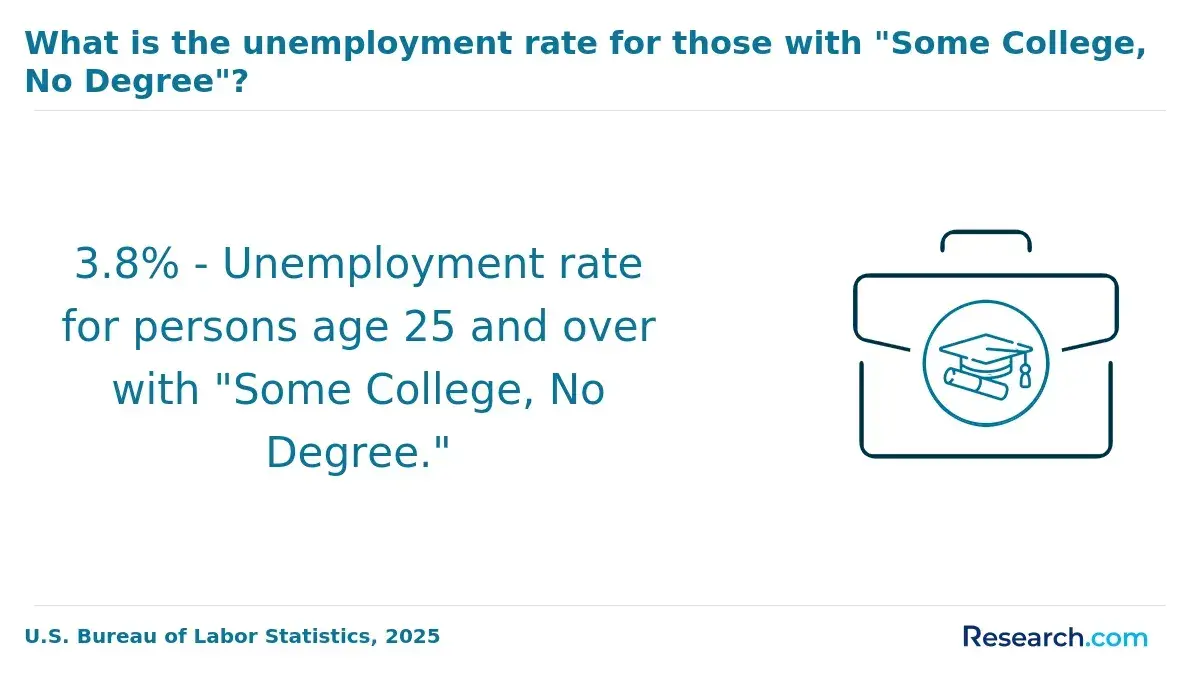
Forensic accounting coursework is usually similar online and on campus in terms of learning objectives, required topics, and academic standards. Students in both formats generally study accounting principles, auditing, fraud examination, financial analysis, business law, ethics, and investigative methods. The bigger differences are scheduling, interaction, access to campus resources, and how practical assignments are delivered.
| Factor | Online Coursework | On-Campus Coursework |
| Schedule | Often more flexible, with asynchronous lectures or assignments | Usually follows set class meeting times |
| Interaction | Discussion boards, video meetings, email, and virtual office hours | Face-to-face classroom discussion, campus events, and in-person office hours |
| Practical work | May use virtual simulations, remote projects, and locally arranged internships | May offer in-person labs, campus resources, and local employer connections |
| Best for | Working adults, remote learners, and students who need scheduling flexibility | Students who prefer structured class meetings and direct campus engagement |
Online students should make sure the program still includes meaningful interaction, clear instructor feedback, access to accounting databases or software, and support for internships or applied projects. On-campus students should weigh the benefits of in-person access against commuting time, relocation needs, and cost.
Students focused on cost and flexibility may also compare accounting-related options such as a most affordable online accounting degree, while remembering that a forensic accounting track should include fraud, auditing, legal, and investigative coursework.
How Many Hours Per Week Do Forensic Accounting Classes Require?
Most students enrolled in forensic accounting classes typically spend between 10 and 20 hours per week on coursework. That time includes lectures, readings, assignments, case analysis, group work, software exercises, and preparation for quizzes or exams.
Lecture time accounts for approximately 3 to 5 hours weekly, depending on the course format and credit load. Reading and studying assigned materials often demands 4 to 7 hours because students must understand accounting rules, investigative procedures, legal concepts, and financial analysis methods. Assignments and projects usually require another 3 to 6 hours, especially when students are reviewing records, preparing reports, or working through case simulations.
Several factors can increase or reduce the weekly workload:
- Enrollment status: Full-time students usually have a larger total weekly commitment than part-time students, even if the workload per course is similar.
- Course level: Graduate-level forensic accounting courses typically require more independent reading, research, and analytical writing.
- Format: Online classes offer more flexibility in when students complete work, but they still require steady weekly participation and deadlines.
- Credit load: Courses with more credits generally require more time for lectures, assignments, and preparation.
- Practicums or projects: Internships, capstones, simulations, and major case projects can add substantial time because students must apply concepts, document work, and prepare professional-style deliverables.
Students who work full time should be cautious about taking too many forensic accounting courses at once. The subject often requires careful reading and detailed analysis, so rushing through assignments can weaken both grades and skill development. For broader workload comparisons across flexible online programs, students may also review examples such as the cheapest online degree in psychology, while recognizing that forensic accounting has its own technical demands.
How Many Credit Hours Are Required to Complete a Forensic Accounting Degree?
The number of credit hours required for a forensic accounting degree depends on the degree level and program design. Credit requirements affect graduation timeline, tuition planning, transfer decisions, and semester workload, so students should review them before enrolling.
The total number of credit hours required to complete a forensic accounting degree typically ranges from 120 to 150 credits at the undergraduate level. Graduate programs, such as a master's in forensic accounting, generally require between 30 and 45 credits because students are expected to have already completed foundational undergraduate coursework.
- Core coursework: Undergraduate programs often allocate around 40 to 60 credit hours to core courses such as accounting, auditing, business law, fraud examination, forensic auditing, and financial investigation. Graduate programs usually concentrate advanced forensic and research topics within approximately 20 to 30 credit hours.
- Electives: Electives typically account for 15 to 30 credit hours in undergraduate degrees and are fewer at the graduate level. These courses let students specialize in areas such as cybersecurity, financial analysis, litigation support, or data analytics.
- Experiential components: Internships, practicums, capstones, and theses may carry academic credit. Undergraduate requirements may include 6 to 12 credit hours of hands-on learning, while graduate programs may include similar credit weight through research or applied projects.
Students should also ask how transfer credits, prior accounting coursework, prerequisites, and part-time enrollment affect completion time. For comparison with another advanced online education path, an online doctorate in organizational leadership requires 120 credit hours for completion, but forensic accounting programs follow their own degree-level requirements.
How Does Forensic Accounting Coursework Prepare Students for Careers?
Forensic accounting coursework prepares students for careers by building the technical, analytical, legal, and communication skills used in fraud investigations and financial disputes. Employment for forensic accountants is projected to grow by 11% over the next decade, reflecting demand for professionals who can connect accounting knowledge with investigative judgment.
- Skill development: Students learn fraud detection, financial analysis, auditing, internal controls, legal frameworks, and ethical decision-making. These competencies help graduates evaluate suspicious transactions and explain why a finding matters.
- Applied projects: Case studies, simulations, and capstone assignments allow students to practice reviewing records, identifying patterns, preparing documentation, and writing findings in a professional format.
- Critical thinking: Forensic accounting often involves incomplete information, conflicting explanations, and complex transactions. Coursework trains students to test assumptions and support conclusions with evidence.
- Industry tools and technologies: Programs may introduce data analytics software, spreadsheet modeling, audit tools, and forensic accounting technologies that help students work efficiently with large volumes of information.
- Professional communication: Students practice explaining technical findings to managers, attorneys, auditors, investigators, or other non-specialists. Clear communication is essential because forensic accounting work often influences business decisions, insurance claims, regulatory matters, or legal proceedings.
Students already employed in accounting, finance, compliance, or internal audit may consider asking their employer for tuition support. A strong request should connect the coursework to the organization’s needs, such as fraud prevention, risk management, audit quality, regulatory compliance, or financial integrity.
Before making the request, review the company’s tuition reimbursement or sponsorship policy, prepare estimated costs and course schedules, and explain how study time will be managed without disrupting job responsibilities. It can also help to describe specific courses, such as fraud examination or data analytics, and how those skills could improve the employee’s current role.
- Present a clear plan that includes program timeline, expected costs, course format, and workload management.
- Explain how the degree may help reduce risk, improve controls, strengthen audit processes, or support investigations.
- Be prepared to discuss continued employment requirements if the employer offers tuition reimbursement with a service agreement.
Students comparing flexible career paths may also explore online degrees that pay well, but forensic accounting coursework is most relevant for those who want to work with financial investigations, fraud risk, auditing, compliance, or litigation support.
How Does Forensic Accounting Coursework Affect Salary Potential After Graduation?
Forensic accounting coursework can improve salary potential by giving graduates specialized skills that go beyond general accounting. Industry data shows forensic accountants typically earn about 15% more annually than their traditional accounting counterparts, reflecting the value of fraud detection, investigative analysis, and legal support skills. With job growth anticipated to exceed 10% in this profession, specialized academic preparation may strengthen a graduate’s position in the job market.
Coursework does not guarantee a specific salary. Pay still depends on location, employer, degree level, experience, certifications, industry, and job responsibilities. However, a strong forensic accounting curriculum can help graduates qualify for roles that require deeper analytical and investigative ability.
- Development of in-demand skills: Courses in fraud examination, financial analysis, auditing, and data analytics prepare students for work that employers may value more highly than routine accounting tasks.
- Completion of specialized classes: Focused study in forensic auditing, investigation, litigation support, and financial crime can help graduates stand out for roles that require niche expertise.
- Leadership and management training: Programs that include management, communication, or risk courses may support advancement into supervisory, compliance, audit management, or consulting roles.
- Applied experiences: Internships, practicums, and capstones provide evidence of practical ability. Students who can discuss real projects, case analysis, or software experience may be stronger candidates.
- Preparation for professional certifications: Coursework aligned with credentials such as Certified Fraud Examiner (CFE) or Certified Forensic Accountant (Cr.FA) can improve marketability when paired with the required experience and exam preparation.
The strongest salary outcomes usually come from combining the degree with relevant work experience, strong technical skills, professional certifications, and a clear career target such as fraud investigation, forensic auditing, litigation support, compliance, or financial risk management.
What Graduates Say About Their Forensic Accounting Degree Coursework
- : "“I was surprised by how manageable the online forensic accounting coursework felt once I built a weekly routine. The program was affordable for me, and the flexibility made it possible to keep working while studying. Since graduating, I use the analytical and investigative skills from the degree in my current financial investigation role.” — Joey"
- : "“I chose the on-campus program even though the cost averaged around $20,000 per year because I wanted direct access to professors and classmates. The in-person discussions helped me think through complex fraud cases more carefully, and the coursework gave me a more methodical approach to investigations.” — Morgan"
- : "“The coursework was a major investment, but taking it online made it more accessible without losing the depth I needed. The strongest parts of the program were the investigative techniques, legal concepts, and audit-focused assignments. Those courses improved how I approach financial reviews and strengthened my credibility at work.” — Hudson"
Other Things You Should Know About Forensic Accounting Degrees
Prerequisites for enrolling in a 2027 forensic accounting degree program often include a high school diploma or equivalent, completion of foundational courses in accounting and finance, and sometimes prior coursework in statistics or law. Each institution may have specific requirements, so check individual program details.
Many forensic accounting programs include training in specialized software such as data analysis tools, accounting software, and fraud detection applications. These practical tools help students gain hands-on experience with the technological resources commonly used by professionals in the field. Familiarity with software like Excel, ACL, or IDEA enhances a student's ability to handle large datasets and identify anomalies.
In 2027, a forensic accounting degree typically requires around 120 credit hours. This includes core accounting courses, specialized forensic classes, and elective options, with about 30–40 credit hours dedicated specifically to forensic accounting subjects and related legal studies.
References
- GRIN - Bridging the Gap. Why Forensic Accounting Education Must Evolve to Combat Modern Financial Crime https://www.grin.com/document/1577599
- How to Balance Work, Life, and Earning a Forensic Accounting Master’s Degree Online https://www.stevenson.edu/online/about-us/news/balancing-work-life-and-a-forensic-accounting-masters-degree-online/
- Certified Professional Forensic Accountant - CPFAcct https://www.forensicglobal.org/fullmember.html
- Forensic Accounting, M.S. https://catalog.newhaven.edu/preview_program.php
- A Spotlight on a Career in Forensic Accounting https://explorecareers.com.au/career-advice/a-spotlight-on-a-career-in-forensic-accounting/
- Curriculum - Forensic Accounting, M.S. https://www.oldwestbury.edu/programs-courses/forensic-accounting/curriculum
- Accounting w/Forensic Accounting Concentration https://catalog.eou.edu/preview_program.php
- Forensic Accounting https://www.shu.ac.uk/courses/accounting-banking-and-finance/msc-forensic-accounting/full-time
- Fundamentals of Forensic Accounting Certificate Program https://www.ficpa.org/cpe/573971mb:fundamentals-of-forensic-accounting-certificate-program
- Master’s Degree in Forensic Accounting https://www.financejobs.net/finance-degrees/masters/forensic-accounting/