2027 Can You Get Licensed With an Online Forensic Accounting Degree? Requirements, Rules, and What to Know

Co-Founder and Chief Data Scientist
If you want to work in forensic accounting, the key question is not whether an online degree “counts.” The real question is whether the program gives you the accredited accounting coursework, exam preparation, and experience pathway required for the license or certification you plan to pursue.
That distinction matters because forensic accounting sits at the intersection of accounting, investigations, litigation support, fraud prevention, and regulatory compliance. Some jobs are open to graduates with strong accounting and analytics training, while others require or strongly prefer credentials such as the CPA or specialized fraud-related certifications. Approximately 62% of forensic accounting professionals report that licensure, such as a CPA credential, significantly enhances job prospects and earning potential.
This guide explains how online forensic accounting degrees fit into licensing requirements, where state rules can differ, what exams and supervised experience may be required, and how to evaluate whether an online program will support your long-term career plans.
Key Benefits of Getting Licensed with an Online Forensic Accounting Degree
- Licensure with an online forensic accounting degree enhances professional credibility, meeting industry standards required for many forensic accounting positions in legal and financial sectors.
- It broadens employment opportunities, enabling job mobility across private firms, government agencies, and consulting roles due to recognized qualifications.
- Licensed forensic accountants typically see higher earning potential and greater advancement prospects, with certified professionals earning up to 15% more than non-licensed counterparts.
Can you get licensed with an online forensic accounting degree?
Yes, you can pursue licensure after earning an online forensic accounting degree, but the delivery format is not what determines eligibility. Licensing boards usually care about accreditation, completed accounting and business coursework, total credit hours, exam performance, ethics requirements, and supervised experience. If an online program meets those standards, it can support the same licensing path as a campus-based program.
The most common licensing path for forensic accounting work is the CPA route. Forensic accounting itself is not always licensed as a separate profession, but many employers, courts, government agencies, and public accounting firms view CPA licensure as a strong marker of technical competence and professional accountability. Graduates may also pursue credentials tied to fraud examination or financial investigation, depending on their role and employer expectations.
What to verify before enrolling
- Institutional accreditation: Confirm that the college or university is properly accredited and recognized by the licensing board in the state where you plan to practice.
- Accounting coursework: Make sure the curriculum includes the accounting, auditing, taxation, business law, and ethics coursework your state requires.
- Credit-hour requirements: Some students complete a bachelor’s degree but still need additional credits before CPA eligibility. Ask the program how graduates typically meet those requirements.
- Experience support: Look for internship assistance, employer partnerships, practicum options, or guidance on documenting supervised work.
- Exam preparation: A strong program should connect coursework to CPA exam readiness and forensic accounting practice, not just general business theory.
Cost should also be part of the licensing decision because exam fees, review courses, transcript evaluations, and extra credits can add up. If affordability is your main concern, compare accredited options carefully before choosing the cheapest accounting degree online.
For readers comparing credential-focused online pathways outside accounting, Research.com’s BCBA degree resource offers another example of why accreditation and board requirements should be checked before enrollment.
Do licensing requirements for forensic accounting vary by state?
Yes. Licensing requirements can vary by state, especially when the credential involved is the CPA license. State boards may differ on education requirements, acceptable coursework, experience rules, ethics exams, renewal requirements, and how they evaluate online or transfer credits. Approximately 40% of states mandate certifications or specialized exams beyond the Certified Public Accountant (CPA) license, which makes early planning important for students who want a direct route from degree completion to credential eligibility.
The safest approach is to choose your target state first, then evaluate programs against that state’s rules. This is especially important if you live near a state border, plan to relocate, or hope to work for a firm with clients in multiple jurisdictions.
Where state rules commonly differ
- Exams: Some states may require an ethics exam, state-specific compliance component, or other requirements in addition to the CPA exam or employer-preferred credentials.
- Supervised experience: The required duration and type of supervised work can range from one to three years. Some boards are strict about who may supervise the experience and what duties count.
- Course distribution: A program may have enough total credits but still fall short in required accounting, auditing, taxation, business law, or ethics categories.
- Continuing education: Renewal requirements can include annual or biennial continuing education, and some states may expect coursework related to ethics, fraud, auditing, or specialized accounting topics.
- Renewal policies: Documentation, renewal frequency, late renewal penalties, and proof of completed continuing education differ by board.
Before applying, download the current rules from the state board of accountancy or licensing authority and ask the program for a written explanation of how its curriculum aligns with those requirements. Do not rely only on general admissions language such as “CPA preparation” or “licensure track.”
Students comparing professional online degrees can also review how credential-driven programs are structured in other fields, such as accelerated MSW programs, where state-level rules also affect whether an online degree supports professional practice.
Are online forensic accounting programs different from campus programs for licensure?
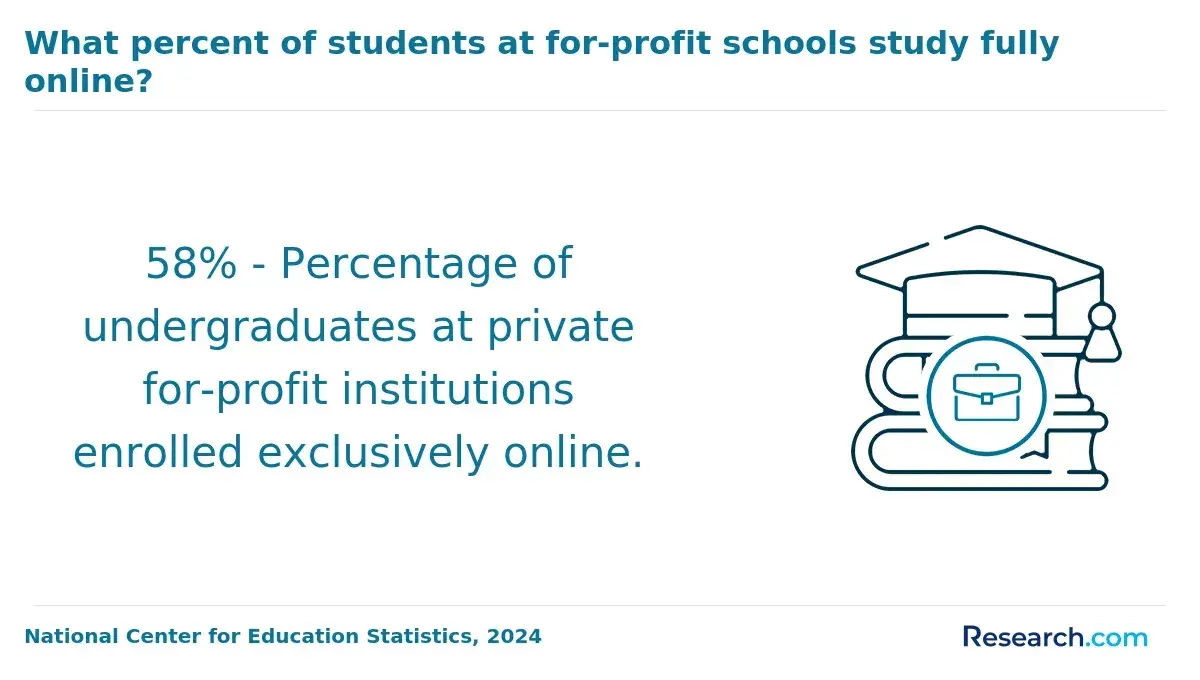
Online and campus forensic accounting programs can both support licensure when they meet the same academic and accreditation standards. Licensing boards generally evaluate what you studied, where the institution is accredited, whether the credits meet state rules, whether you passed required exams, and whether you completed acceptable experience. They do not usually reject a degree only because courses were delivered online.
Employer acceptance of online credentials is also rising. A 2022 survey showed 72% of employers view online degrees as equivalent to traditional ones when properly accredited. Even so, students should still evaluate online programs carefully because quality, faculty access, career services, and experience placement support can vary widely.
How online and campus programs compare
- Curriculum alignment: Both formats should cover accounting, auditing, fraud detection, investigative procedures, internal controls, financial reporting, and ethics.
- Practical experience: Online students may need to arrange internships or supervised work locally, while campus students may have access to nearby employer pipelines. In both cases, the experience must satisfy licensing or certification expectations.
- Assessment methods: Online programs may use remote exams, simulations, case studies, and proctored assessments. Campus programs may rely more on in-person testing and live classroom discussion. The important issue is whether assessments build exam-ready and job-ready skills.
- Licensing requirements: State boards usually focus on standardized exams, credit requirements, and experience documentation rather than the physical location of the classroom.
- Networking: Campus programs may offer easier informal networking. Online students should look for structured networking, virtual career events, faculty access, alumni connections, and internship support.
A licensed professional who completed an online forensic accounting degree said electives in cybercrime investigation and data analytics helped him tailor his expertise to emerging industry needs. He also noted that the flexibility of online learning made it possible to balance coursework with part-time work, though staying disciplined without face-to-face interaction was challenging at first.
He valued interactive case studies and virtual group projects because they provided practice with collaboration, documentation, and investigative reasoning. His conclusion was clear: “Completing the degree online didn't limit my opportunities; it actually provided a diverse learning experience that prepared me well for licensure and my career.”
Does an online forensic accounting degree require clinical or practicum hours?
An online forensic accounting degree may require an internship, practicum, capstone investigation, or supervised field experience, but the requirement depends on the program and credential goal. Accounting programs do not usually use the term “clinical hours” in the same way healthcare or counseling programs do. For forensic accounting, the more relevant question is whether you will complete supervised, documented experience that can support licensure, certification, or employer expectations.
Practicum hours usually range from 100 to 300 and may be completed in accounting firms, government agencies, corporate compliance departments, internal audit offices, insurance investigation units, or fraud prevention teams. Online coursework can often be completed remotely, but field experience may require local, in-person participation.
What practicum or internship work may include
- Fraud investigation support: Reviewing transactions, identifying unusual patterns, and helping document findings.
- Audit and controls work: Testing internal controls, tracing records, and evaluating compliance with organizational policies.
- Financial analysis: Organizing financial evidence, preparing schedules, and supporting loss calculations.
- Legal documentation: Learning how accountants prepare reports that may be reviewed by attorneys, regulators, or courts.
- Ethics and confidentiality: Handling sensitive financial information according to professional and legal standards.
Questions to ask an online program
- Does the program require a practicum, internship, or capstone?
- Can students use current employment to satisfy part of the experience requirement?
- Who approves the placement before it begins?
- What qualifications must the supervisor have?
- Will the program help students find placements near their home?
- Does the experience align with CPA, CFE, or employer documentation needs?
Students interested in investigative work that overlaps with human behavior, interviewing, or fraud motivation may also compare related graduate options, including an online masters in psychology. For forensic accounting licensure planning, however, the priority should remain accounting-board requirements and verifiable supervised experience.
What licensing exam is required after earning an online forensic accounting degree?
The main licensing exam for accountants who want CPA licensure is the Certified Public Accountant (CPA) exam. Forensic accounting graduates may also pursue other professional credentials, but the CPA license is the central state-regulated accounting credential for many advanced accounting, audit, litigation support, and public practice roles.
National statistics indicate that roughly half of candidates pass the exam, which reflects the amount of preparation required. Online graduates should treat exam planning as part of the degree decision, not something to address only after graduation.
CPA exam considerations for online forensic accounting graduates
- Exam name: The Certified Public Accountant (CPA) exam is the recognized credentialing test for accountants seeking CPA licensure and is highly relevant for forensic accounting professionals who work in audit, investigation, litigation support, or public accounting contexts.
- Content areas: The exam encompasses four key sections: auditing and attestation, business environment and concepts, financial accounting and reporting, and regulation. Because exam blueprints and state board instructions can change, candidates should confirm current requirements with the applicable board before testing.
- Format: The exam is delivered by computer and requires sustained preparation. Many candidates dedicate months to studying, working through simulations, and reviewing practice questions.
- Preparation strategies: Strong candidates often combine program coursework, structured review materials, practice exams, and a written study calendar. Working students should build a realistic schedule before registering for exam sections.
- Retake policies: Candidates can retake individual sections multiple times but must complete all four parts within an 18-month period of passing the first.
- State requirements: Passing the exam is only one part of licensure. Education, ethics, residency, background, and supervised experience requirements may also apply depending on the state.
A licensed professional who earned her forensic accounting degree online described the process as manageable but demanding. “The flexibility of my program allowed me to study late evenings, but balancing the CPA studying was tough,” she said.
Her main advice was to plan exam preparation early and use online resources consistently. “Passing the CPA exam felt like a major milestone, validating all the effort and proving I was ready to step into forensic accounting confidently.” Her experience shows that an online degree can support licensure, but the exam still requires disciplined, independent preparation.
Is supervised work experience required after an online forensic accounting degree?
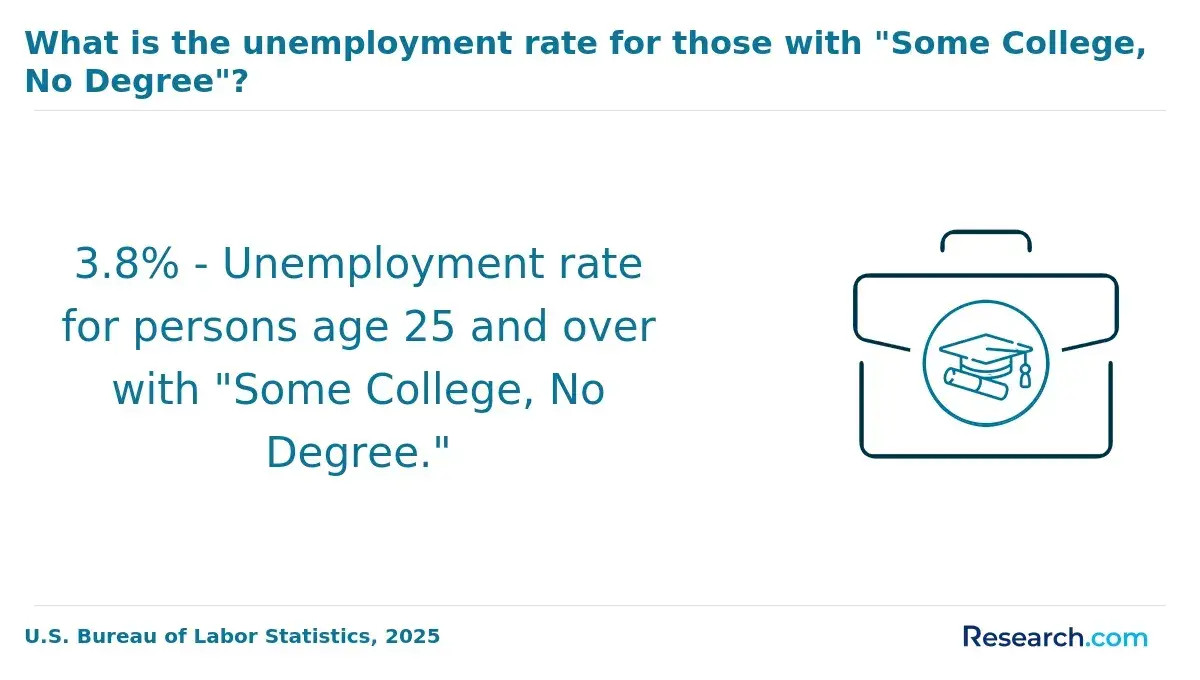
Yes, supervised work experience is typically required for CPA licensure and may also be required or strongly preferred for forensic accounting certifications and advanced investigative roles. The degree provides academic preparation; supervised work proves that you can apply accounting standards, professional judgment, ethics, and documentation practices in real situations.
About 80% of forensic accounting professionals undergo supervised work experience prior to certification. Candidates often must complete 1,500 to 2,000 hours, roughly one to two years full-time, in approved work environments to satisfy licensing standards.
What counts as supervised experience?
- Approved work settings: Common options include public accounting firms, government agencies, law enforcement units, corporate compliance departments, internal audit teams, and financial investigation practices.
- Qualified supervision: Many licensing boards require supervision by a CPA or another approved professional. Always confirm supervisor requirements before accepting a role if your goal is licensure.
- Relevant duties: Useful experience may include auditing, fraud detection, financial analysis, forensic documentation, report preparation, internal controls testing, and support for litigation or regulatory matters.
- Documentation: Candidates should keep detailed records of dates, hours, duties, supervisors, and employer verification forms. Missing documentation can delay licensure even when the work itself was eligible.
- Career impact: Supervised experience builds confidence, improves technical judgment, and helps graduates transition from classroom case studies to high-stakes financial investigations.
Common mistakes to avoid
- Assuming any accounting job automatically satisfies state experience requirements.
- Waiting until after graduation to ask whether a supervisor is eligible to sign off on hours.
- Choosing a low-relevance role with limited exposure to audit, controls, fraud, or investigative work.
- Failing to keep written proof of hours and responsibilities as they are completed.
Does licensure reciprocity apply to online forensic accounting graduates?
Licensure reciprocity may apply to online forensic accounting graduates, but it depends on the credential, the state where the license was first issued, and the state where the graduate wants to practice. Reciprocity generally allows a professional licensed in one state to seek recognition in another without repeating the entire licensing process. It does not mean every state automatically accepts every license with no additional review.
For online graduates, the central issue is whether the original degree, credits, exam results, and experience meet the receiving state’s standards. If the online program was properly accredited and aligned with CPA education requirements, the online format itself is usually not the barrier. Gaps in coursework, experience documentation, ethics requirements, or board-specific rules are more likely to cause delays.
Factors that affect reciprocity
- Eligibility criteria: Reciprocity typically requires proof that the degree and credential came from accredited institutions and met recognized educational standards.
- Program requirements: Some states may review online coursework, transfer credits, or nontraditional credits more closely. Graduates should confirm that their transcript satisfies the receiving board’s rules.
- State agreements: State rules for forensic accounting license transfer may depend on national mobility provisions, state board policies, or independent review procedures.
- Application process: Applicants commonly submit transcripts, exam records, license verification, experience forms, continuing education documentation, and background information.
- Additional requirements: Some states may require extra ethics coursework, background checks, state-specific exams, or updated continuing education before granting licensure by reciprocity.
Graduates planning to relocate should research reciprocity before accepting a job offer in another state. The same principle applies to students considering fully funded edd programs online or other accredited professional pathways: board rules should guide education decisions, especially when future interstate mobility matters.
What are the pros and cons of online forensic accounting programs for licensure?
Online forensic accounting programs can be a practical route to licensure preparation, especially for working adults who cannot pause their careers or relocate. Enrollment in online forensic accounting programs has risen by nearly 15% annually as more students look for flexible education options. Still, flexibility is useful only if the program also meets accreditation, coursework, experience, and exam-preparation expectations.
Pros
- Flexibility: Online programs can make it easier to complete coursework while working, caregiving, or preparing for exams.
- Accessibility: Students who live far from campus-based accounting programs may be able to pursue a licensure-aligned pathway without moving.
- Broader course options: Some online programs offer electives in fraud examination, cybercrime, data analytics, compliance, or forensic auditing that may not be available locally.
- Career continuity: Students may continue building accounting experience while enrolled, which can help with supervised work requirements later.
Cons
- Placement challenges: Online students may need to be more proactive in finding internships, practicum sites, or supervisors who meet licensing requirements.
- Less informal networking: Without daily campus interaction, students must intentionally use faculty office hours, virtual events, alumni networks, and professional associations.
- Self-discipline demands: Online learning requires strong time management, especially when combined with CPA exam preparation or full-time work.
- Variable employer perceptions: While properly accredited online degrees are increasingly accepted, some employers may still look closely at school reputation, curriculum rigor, and hands-on experience.
The best online program is not simply the most convenient one. It is the program that clearly documents how its courses, credits, faculty support, and experiential learning options help students reach their intended licensing or certification goal.
Does getting licensed with an online forensic accounting degree affect salary?
Licensure can affect salary because it expands the type of work a forensic accounting graduate may be trusted or legally permitted to perform. Licensed professionals, such as Certified Public Accountants (CPAs) focused on forensic accounting, generally earn 15% to 20% more than their non-licensed peers due to recognized expertise and credibility.
An online degree does not reduce that salary benefit if the graduate meets the same licensing standards as campus-based graduates. Employers are more likely to focus on licensure, relevant experience, investigative skills, technical accounting knowledge, and the ability to produce defensible work.
Why licensure can increase earning potential
- Access to higher-paying roles: Licensure can open doors to forensic investigation, public accounting, consulting, audit leadership, and litigation support roles with stronger compensation potential.
- Eligibility for leadership positions: Many organizations prefer or require licensed professionals for supervisory roles, sign-off authority, client-facing work, or complex investigations.
- Specialized responsibilities: Licensed forensic accountants may be better positioned to sign reports, support audits, assist attorneys, and provide credible analysis in legal or regulatory settings.
- Stronger professional credibility: Licensure signals that the graduate met external standards for education, examination, ethics, and experience.
- Career durability: Continuing education and licensing requirements can help professionals stay current with accounting standards, fraud risks, and regulatory expectations.
Licensure is not a salary guarantee. Pay still depends on location, employer type, years of experience, industry, investigative specialization, and performance. However, completing licensure requirements after an online forensic accounting degree can make a graduate more competitive for roles with greater responsibility and higher earning potential.
Students trying to manage total education cost can also compare broader affordability resources, including cheap online colleges, while confirming that any selected program still satisfies accounting licensure requirements.
What jobs can you get with or without a license as an online forensic accounting degree holder?
An online forensic accounting degree can lead to both licensed and non-licensed roles. The difference is usually the level of authority, responsibility, and credibility expected in the position. Studies show licensed forensic accountants typically earn 15-25% more than those without certification, but non-licensed roles can still be valuable entry points into fraud prevention, auditing, compliance, and financial analysis.
Jobs With a License
- Forensic auditor: Examines financial records connected to disputes, suspected fraud, litigation, or regulatory reviews. Licensure may be important when the work requires formal accounting authority or external credibility.
- Expert witness: Provides financial analysis and testimony in legal matters. Courts and attorneys often place high value on recognized credentials, documented expertise, and professional licensure.
- Fraud examiner: Investigates suspected financial misconduct, prepares reports, and may work with public agencies, accounting firms, corporations, or legal teams. Licensure can support advancement into more complex or higher-responsibility cases.
Jobs Without a License
- Financial analyst: Reviews financial data, monitors trends, and helps organizations make decisions. This role may involve identifying unusual patterns even when licensure is not required.
- Internal auditor: Evaluates internal controls, compliance procedures, and operational risks within a company, nonprofit, or government organization.
- Compliance officer: Helps organizations follow laws, policies, and reporting requirements. Certification or licensure can support advancement, but many entry-level roles do not require it.
Students who are unsure about licensure can still begin in non-licensed roles and build experience while preparing for exams. However, anyone aiming for public accounting authority, expert testimony, advanced forensic consulting, or leadership in financial investigations should plan for licensure early.
What Graduates Say About Getting Licensed with an Online Forensic Accounting Degree
- : "The affordability of the online forensic accounting degree program really stood out to me. At roughly $15,000, it was a great investment compared to traditional routes. The flexibility of learning from home allowed me to balance work and study effectively, and earning my license opened doors to a fraud examination career I genuinely enjoy. —Jordan"
- : "The cost of the online forensic accounting program was reasonable, especially considering the curriculum and support offered. Studying remotely required discipline, but the interactive modules and expert instructors made the process manageable. The degree strengthened my credibility and expanded my opportunities in forensic auditing. —Deborah"
- : "From a professional standpoint, the online forensic accounting degree was worth every penny despite my early concerns about cost and quality. The program was rigorous but flexible enough for my schedule. Becoming licensed helped accelerate my advancement in financial crime prevention and deepened my industry expertise. —Charles"
Other Things You Should Know About Forensic Accounting Degrees
Most licensing boards require a criminal background check and fingerprinting before issuing a CPA license or forensic accounting-related credential. Applicants must also disclose discipline, convictions, and sometimes tax delinquencies. State boards or the AICPA state society process the review, and felony or fraud convictions can delay or block approval.
Yes, maintaining a forensic accounting license in 2027 generally requires continuing education, regardless of whether the degree was earned online or in-person. Licensees often need to complete a specific number of Continuing Professional Education (CPE) hours annually. These requirements vary by state or certifying body, so it's essential to consult specific regulations.
In 2027, to ensure an online forensic accounting degree is valid for licensure, it's crucial that the program is accredited by a recognized accrediting agency, such as the AACSB or the ACBSP. Accreditation verifies that the program meets industry standards, a common requirement by licensing boards.
References
- How to Become a Forensic Accountant | University of Phoenix https://www.phoenix.edu/articles/accounting/how-to-become-a-forensic-accountant.html
- What Is Forensic Accounting? (Education, Careers, and More) https://www.coursera.org/articles/forensic-accounting
- How To Become a Forensic Accountant - Requirements & Steps https://www.forensicscolleges.com/blog/htb/how-to-become-forensic-accountant
- What is Forensic Accounting? Two Ways to Join the Lucrative Field https://learn.neumann.edu/neuperspectives/what-is-forensic-accounting
- How to Become a Forensic Accountant | Accounting.com https://www.accounting.com/careers/forensic-accountant/how-to-become/
- CFE Credential Eligibility https://www.acfe.com/cfe-credential/eligibility
- How to Become a Forensic Accountant - In 7 Steps https://legalcareerpath.com/forensic-accountant/
- CPA Requirements By State: A Quick & Complete Guide https://300hours.com/cpa-requirements-by-state/
- Careers - Vault https://vault.com/professions/forensic-accountants-and-auditors/requirements
- CRFAC® – Certified Forensic Accountant® Credentialing Program - American Board of Forensic Accounting https://abfa.us/certifications-designations/crfac-certified-forensic-accountant-credentialing-program/