2027 Jobs & Careers In Healthcare: Best Medical Field Professions

Co-Founder and Chief Data Scientist
Choosing a healthcare career is not just a question of salary. The better question is: which medical field profession fits your education timeline, tolerance for clinical pressure, preferred work setting, and long-term career goals? Healthcare offers routes for people who want direct patient care, laboratory work, emergency response, administration, technology, research, education, and public health.
This guide reviews 60 healthcare jobs and career paths for 2027, including salary figures, job outlook, training expectations, role differences, and practical decision points. It is designed for students comparing majors, career changers looking for stable work, healthcare workers planning advancement, and anyone trying to understand which medical field jobs are most in demand.
The healthcare labor market remains strong. Overall employment in healthcare occupations is projected to grow much faster than the average for all occupations from 2023 to 2033, and the sector is expected to produce about 1.9 million openings each year. That demand creates opportunity, but it also makes careful planning important because education length, licensure, cost, stress level, and work-life balance vary widely by role.
Quick Answer: What Are the Best Healthcare Careers to Consider?
- The highest-paying healthcare careers listed here are Anesthesiologist ($339,470), Hospital CEO ($258,900), Psychiatrist ($256,930), Family Physician ($256,830), and Surgeon ($239,200).
- The fastest-growing roles in this guide include Nurse Midwives and Nurse Practitioners (40%), Physician Assistants (28%), Veterinarians (19%), and Speech Therapists (18%).
- Healthcare workers should also weigh the realities of the field, including staffing shortages, a projected global shortage of 11 million health workers by 2030, safety risks, administrative workload, and burnout, which was reported as “very frequent” by 19% of U.S. healthcare workers in 2022.
- 60 Healthcare Jobs and Careers for 2027
- How to Choose the Right Healthcare Jobs and Careers
- What are the essential skills required for healthcare jobs and careers?
- What degrees are needed for various healthcare jobs and careers?
- How can you fast-track your education for a high-paying healthcare job?
- What certifications are important in healthcare?
- What are the common challenges healthcare professionals encounter?
- How can you balance work and continuing education in healthcare jobs?
- How can advanced education boost career growth in healthcare?
- What distinct benefits do advanced healthcare administration programs offer?
- Can an Advanced Business Degree Enhance Healthcare Leadership?
- Are Non-Clinical Degrees Beneficial for Advancing Healthcare Careers?
- How is technology impacting healthcare jobs and the future of medicine?
- What are the key differences between similar healthcare jobs?
- What is the job outlook in healthcare?
60 Healthcare Jobs and Careers for 2027
Healthcare careers range from short certificate pathways to long professional degree tracks. Some roles focus on direct patient care, while others support diagnosis, operations, technology, safety, education, or research. Use the list below as a starting point, then compare each career by training time, licensure requirements, work setting, physical demands, and advancement potential.
1. Anesthesiologist
Median annual salary: $339,470
Job outlook: 8% from 2022 to 2032
Anesthesiologists manage anesthesia before, during, and after procedures. Their work centers on keeping patients unconscious or pain-controlled when needed, tracking vital signs continuously, and responding quickly if breathing, blood pressure, or other critical functions change during surgery.
2. Athletic Trainer
Median annual salary: $60,250
Job outlook: 13% from 2023 to 2033
Athletic trainers help prevent, evaluate, and treat injuries related to physical activity. They may work with athletes, schools, fitness programs, or clinical teams, combining emergency response skills with rehabilitation planning and performance-focused conditioning.
3. Audiologist
Median annual salary: $92,120
Job outlook: 11% from 2023 to 2033
Audiologists evaluate hearing, balance, and related communication concerns. They test patients, recommend hearing aids or other assistive devices, and help people adapt treatment plans that improve communication and daily functioning.
4. Cardiac Rehabilitation Specialist
Median annual salary: $41,208
Job outlook: 11% from 2022-2032
Cardiac rehabilitation specialists support patients recovering from heart attacks, surgeries, and other cardiovascular events. They supervise exercise, educate patients on heart-healthy habits, and monitor progress so recovery occurs safely.
5. Case Manager
Median annual salary: $78,240
Job outlook: 8% from 2023 to 2033
Case managers coordinate care across providers, insurers, families, and community services. Their role is especially valuable for patients with complex needs who require help arranging appointments, therapy, home care, benefits, or long-term support.
6. Certified Nursing Assistant
Median annual salary: $39,430
Job outlook: 4% from 2023 to 2033
Certified nursing assistants provide hands-on support under nurse supervision. Common duties include helping patients bathe, dress, eat, move safely, and maintain comfort in hospitals, nursing homes, and residential care settings.
7. Child Life Therapist
Median annual salary: $85,000
Job outlook: 7% from 2022 to 2032
Child life therapists help children and families manage the emotional stress of illness, hospitalization, and medical procedures. They use play, preparation, education, and coping strategies to make care less frightening for young patients.
8. Chiropractor
Median annual salary: $79,000
Job outlook: 10% from 2023 to 2033
Chiropractors assess and treat neuromusculoskeletal conditions, commonly through spinal or joint manipulation. Some also use supportive therapies and may focus on patient groups such as children, athletes, or people with chronic back pain.
9. College Professor
Median annual salary: $83,980
Job outlook: 8% from 2023 to 2033
Healthcare college professors teach future clinicians, administrators, researchers, and allied health workers. Their duties may include classroom instruction, online teaching, curriculum design, advising, research, and clinical education oversight.
10. Dental Assistant
Median annual salary: $47,300
Job outlook: 8% from 2023 to 2033
Dental assistants support dentists during exams and procedures, prepare instruments, assist chairside, manage infection control steps, and often help with scheduling, records, and patient communication.
If you are comparing this role with medical assisting, review the difference between dental assistant and medical assistant, especially the contrast between dental chairside duties and general medical office responsibilities.
11. Dental Hygienist
Median annual salary: $94,260
Job outlook: 9% from 2023 to 2033
Dental hygienists focus on preventive oral care. They clean teeth, remove plaque and tartar, take X-rays, apply fluoride or sealants, educate patients, and may administer local anesthesia depending on state rules. If this career interests you, it helps to understand “How long does a dental hygienist program take?” because program length can differ by credential level.
12. Dentist
Median annual salary: $179,210
Job outlook: 5%
Dentists diagnose and treat oral health conditions involving teeth, gums, and the mouth. Their work may include fillings, crowns, root canals, extractions, medication prescribing, preventive counseling, and practice management.
13. Diagnostic Medical Sonographer
Median annual salary: $70,720
Job outlook: 2% from 2022 to 2032
Diagnostic medical sonographers use ultrasound equipment to create images of organs, tissues, blood flow, and pregnancies. They capture images for physicians to interpret and must understand anatomy, equipment settings, patient positioning, and image quality.
14. Dialysis Technician
Median annual salary: $40,851
Job outlook: 11% growth from 2022 to 2032
Dialysis technicians operate machines that remove waste and excess fluid from the blood of patients with kidney failure. They prepare equipment, monitor treatments, watch for complications, and communicate patient changes to clinical staff.
15. Dietician
Median annual salary: $73,850
Job outlook: 7%
Dietitians design nutrition plans for patients and clients managing conditions such as diabetes, high cholesterol, weight concerns, digestive disorders, and chronic disease risks. Students who need a flexible route can compare options for a dietitian program online before choosing a school.
16. Dispensing Optician
Median annual salary: $46,560
Job outlook: 3% from 2023 to 2033
Dispensing opticians help patients select, fit, and adjust eyeglasses or contact lenses using prescriptions from eye care providers. They measure facial features, explain lens options, troubleshoot fit issues, and support optical office operations.
17. EKG Technician
Median annual salary: $66,170
Job outlook: 2% from 2022 to 2032
EKG technicians perform electrocardiograms that record the heart’s electrical activity. Accuracy matters because lead placement, patient preparation, and clear recordings help clinicians identify possible rhythm problems or cardiac abnormalities.
18. Emergency Dispatch
Median annual salary: $50,730
Job outlook: 4% from 2023 to 2033
Emergency dispatchers answer urgent calls, collect location and incident details, send appropriate responders, and provide instructions until help arrives. The job requires calm communication, fast judgment, and emotional control under pressure.
19. Emergency Medical Technician
Median annual salary: $46,350
Job outlook: 6% from 2023 to 2033
Emergency Medical Technicians deliver basic emergency medical care at scenes, during transport, and at public events. They may manage bleeding, perform CPR, stabilize patients, assist with ECGs, and drive or staff ambulances.
20. Family Physician
Median annual salary: 256,830
Job outlook: 5% from 2023 to 2033
Family physicians provide primary care across age groups. They diagnose common conditions, manage chronic disease, prescribe medication, perform minor procedures, order tests, and coordinate referrals when patients need specialty care.
21. Genetic Counselor
Median annual salary: $98,910
Job outlook: 16% from 2023 to 2033
Genetic counselors help individuals and families understand inherited health risks. They review family histories, interpret genetic testing information, explain options, and support patients making complex medical or reproductive decisions.
22. Healthcare Research
Median annual salary: $100,590
Job outlook: 11% from 2023 to 2033
Healthcare researchers study diseases, treatments, health behaviors, outcomes, and population-level patterns. Their work may involve clinical trials, data analysis, ethics protocols, literature review, and collaboration with clinicians or public health teams.
23. Health Education Specialist
Median annual salary: $63,000
Job outlook: 7% from 2023 to 2033
Health education specialists teach patients and communities how to prevent disease, understand treatment plans, and make healthier choices. They may work in hospitals, nonprofits, public health departments, schools, or community programs.
24. Health Informatics Specialist
Median annual salary: $82,781
Job outlook: 16% from 2023 to 2033
Health informatics specialists connect healthcare, data, and information systems. They may help implement electronic health records, improve workflows, train users, analyze clinical data, and protect sensitive patient information.
25. Hospital CEO
Median annual salary: $258,900
Job outlook: 2% from 2022 to 2032
Hospital CEOs lead the overall strategy, finances, compliance, staffing, partnerships, and performance of healthcare organizations. They rely on executive teams but remain accountable for institutional results, safety, and long-term sustainability.
26. Housekeeping
Median annual salary: $35,930
Job outlook: 3% from 2023 to 2033
Healthcare housekeeping teams keep patient rooms, procedure areas, operating rooms, and shared spaces clean and safe. Their work supports infection prevention and patient comfort, even though it is often less visible than clinical care.
27. Laboratory Technician
Median annual salary: $61,890
Job outlook: 5% from 2023 to 2033
Laboratory technicians collect, prepare, test, and analyze samples such as blood, urine, and tissue. Their accuracy helps physicians diagnose illness, monitor treatment, and detect abnormal results that may require follow-up.
28. Licensed Clinical Social Worker
Median annual salary: $61,330
Job outlook: 7% from 2023 to 2033
Licensed clinical social workers provide counseling, assessment, care planning, and resource navigation for people facing mental health, family, medical, social, or emotional challenges. Some practice in hospitals and clinics, while others provide virtual services.
29. Massage Therapist
Median annual salary: $57,950
Job outlook: 18% from 2023 to 2033
Massage therapists use hands-on techniques to reduce muscle tension, support relaxation, and help clients manage discomfort. The role can be physically demanding because therapists spend much of the day standing and using repetitive manual movements.
30. Medical Administrative Assistant
Median annual salary: $43,380
Job outlook: 16% from 2022 to 2032
Medical administrative assistants keep healthcare offices organized. They schedule appointments, manage calls, maintain records, help with billing and insurance steps, and support smooth communication between patients and providers.
If you want a deeper look at compensation, review What is a medical administrative assistant salary for more detail on pay expectations.
31. Medical Assistant
Median annual salary: $42,000
Job outlook: 14% from 2022 to 2032
Medical assistants work in clinics, physician offices, and specialty practices, often combining front-office and clinical duties. They may record vital signs, prepare patients, update charts, schedule visits, and assist providers during routine care.
Before enrolling, consider whether the training format suits you by reading about how hard is medical assistant school.
32. Medical Records Specialists
Median annual salary: $50,250
Job outlook: 9%
Medical records specialists organize and verify health information for billing, coding, compliance, and clinical documentation. Strong attention to detail and comfort with digital systems are essential in this role.
33. Medical Transcriptionist
Median annual salary: $37,550
Job outlook: 5%
Medical transcriptionists convert dictated medical notes into written documentation. The job requires knowledge of medical terminology, careful listening, accurate typing, and familiarity with electronic records.
34. Nurse Midwife
Median annual salary: $132,050
Job outlook: 40% from 2023 to 2033
Nurse midwives provide advanced nursing care during pregnancy, birth, postpartum recovery, and reproductive health visits. They support low-risk pregnancies and collaborate with physicians when complications require medical or surgical intervention.
35. Nurse Practitioner
Median annual salary: $132,050
Job outlook: 40% from 2023 to 2033
Nurse practitioners are advanced practice nurses who assess patients, diagnose conditions, prescribe medications, and manage treatment plans. Their scope of practice depends on state rules, specialty, and practice setting.
36. Occupational Therapist
Median annual salary: $98,340
Job outlook: 11% from 2023 to 2033
Occupational therapists help patients regain or adapt skills needed for daily life after injury, illness, disability, or surgery. They may focus on dressing, bathing, work tasks, home safety, mobility aids, or fine motor function.
37. Optometrist
Median annual salary: $134,830
Job outlook: 9%
Optometrists provide primary vision care, prescribe corrective lenses, diagnose eye problems, and manage conditions such as glaucoma. They generally do not perform major eye surgeries such as laser vision correction.
38. OSHA Technician
Median annual salary: $78,900
Job outlook: 14% from 2023 to 2033
OSHA technicians and related safety workers inspect workplaces for health and safety compliance. In healthcare, they may evaluate protective equipment, chemical handling, hazard controls, and procedures designed to reduce worker injuries.
39. Paramedic
Median annual salary: $46,350
Job outlook: 6%
Paramedics provide advanced prehospital emergency care. Compared with EMTs, they typically perform more complex interventions, such as medication administration, airway management, patient assessment, and critical care support during transport.
40. Perfusionist
Median annual salary: $100,000
Job outlook: 6% from 2018 to 2028
Perfusionists operate heart-lung bypass machines during certain surgeries, temporarily supporting circulation and oxygenation while surgeons work on the heart or major vessels. Their role is highly specialized and closely tied to operating room teams.
41. Pharmacist
Median annual salary: $137,480
Job outlook: 5% from 2023 to 2033
Pharmacists dispense medications, counsel patients, advise clinicians, monitor drug interactions, and support safe medication use. Some specialize in hospitals, ambulatory care, oncology, infectious disease, or community pharmacy.
42. Pharmacy Technician
Median annual salary: $40,300
Job outlook: 6% from 2022 to 2032
Pharmacy technicians help prepare prescriptions, manage inventory, process refill requests, assist customers, and support pharmacists in retail, hospital, or clinic settings. Students comparing low-cost training routes can review free pharmacy technician certification programs.
43. Phlebotomist
Median annual salary: $43,660
Job outlook: 8% from 2023 to 2033
Phlebotomists collect blood samples for testing, donation, or research. The role requires patient communication, sterile technique, correct labeling, safe sharps handling, and confidence working with people who may be anxious about needles.
44. Physical Therapist
Median annual salary: $101,020
Job outlook: 14%
Physical therapists help patients restore movement, strength, balance, and function after injury, illness, surgery, or disability. Treatment may include exercise, stretching, manual therapy, gait training, and home activity plans.
45. Physician Assistant
Median annual salary: $133,260
Job outlook: 28% from 2023 to 2033
Physician assistants diagnose, treat, prescribe, assist in procedures, and provide care in many specialties. They practice in collaboration with physicians and are trained broadly so they can move between clinical areas more easily than some specialized roles.
46. Podiatrist
Median annual salary: $152,800
Job outlook: 1% from 2023 to 2033
Podiatrists diagnose and treat conditions of the foot, ankle, and related structures. Their work may include wound care, fracture management, diabetic foot care, injections, minor procedures, and surgery depending on training and practice.
47. Prosthetist
Median annual salary: $78,310
Job outlook: 15% from 2023 to 2033
Prosthetists design, fit, and adjust artificial limbs for people with limb loss or limb differences. They work to improve comfort, alignment, mobility, and function while reducing skin irritation or injury from poor fit.
48. Psychologist
Median annual salary: $94,310
Job outlook: 7% from 2023 to 2033
Psychologists study behavior, cognition, emotion, and mental health. Depending on training and setting, they may provide assessment, therapy, research, or consultation, but they generally do not prescribe medication. If you are planning this path, start with “How long is psychology school?” because the training commitment can be substantial.
49. Psychiatrist
Median annual salary: $256,930
Job outlook: 4% from 2022 to 2032
Psychiatrists are physicians who diagnose and treat mental health disorders. Because they are medical doctors, they can prescribe medications and combine medication management with psychotherapy, consultation, or hospital-based psychiatric care.
50. Public Health Official
Median annual salary: $63,000
Job outlook: 7% from 2023 to 2033
Public health officials focus on health at the community or population level. They analyze data, design prevention programs, coordinate with local agencies, and support initiatives such as vaccination, smoking cessation, chronic disease prevention, and emergency preparedness.
51. Radiography Technician
Median annual salary: $78,980
Job outlook: 6% from 2023 to 2033
Radiography technicians operate X-ray equipment to capture images used in diagnosis. They position patients, follow radiation safety procedures, produce usable images, and work in hospitals, urgent care centers, imaging clinics, or specialty departments.
Students often confuse image-producing and image-interpreting roles, so it is useful to compare radiographer vs radiologist degree programs before selecting a program.
52. Recreational Therapist
Median annual salary: $60,280
Job outlook: 4% from 2023 to 2033
Recreational therapists use activities such as games, music, art, exercise, and community outings to support emotional, cognitive, physical, and social well-being. They often work with patients in long-term care, rehabilitation, mental health, or disability services.
53. Registered Dietitian Nutritionist
Median annual salary: $73,850
Job outlook: 7% from 2023 to 2033
Registered Dietitian Nutritionists assess nutrition needs and provide evidence-based guidance for health promotion and disease management. They may work in hospitals, clinics, schools, public health, long-term care, sports nutrition, or private practice.
54. Registered Nurse
Median annual salary: $93,600
Job outlook: 6% from 2023 to 2033
Registered nurses monitor patients, administer medications, coordinate care, educate families, update physicians, and respond to clinical changes. If you are comparing nursing routes, understanding the difference between registered nurse and licensed practical nurse can clarify scope of practice, education, and advancement options.
55. Respiratory Therapist
Median annual salary: $80,450
Job outlook: 13% from 2023 to 2033
Respiratory therapists treat patients with breathing and cardiopulmonary problems. They administer breathing treatments, manage oxygen therapy, assist with ventilators, collect sputum samples, and support patients in emergency and intensive care settings.
56. Speech Therapist
Median annual salary: $95,410
Job outlook: 18% from 2023 to 2033
Speech therapists, also called speech-language pathologists, help patients with speech, language, voice, swallowing, and feeding concerns. Their work can involve children with developmental delays, adults recovering from stroke, or newborns with feeding difficulties.
57. Surgeon
Median annual salary: $239,200
Job outlook: 4% from 2023 to 2033
Surgeons perform operations to treat injuries, diseases, deformities, and other medical conditions. They may specialize in areas such as orthopedics, neurosurgery, cardiothoracic surgery, abdominal surgery, or other surgical fields.
58. Surgical Tech
Median annual salary: $62,480
Job outlook: 6% from 2023 to 2033
Surgical technologists prepare operating rooms, organize instruments, maintain sterile fields, and assist surgeons during procedures. They must anticipate surgical team needs and understand tools, positioning, and infection control practices.
59. Veterinarian
Median annual salary: $125,510
Job outlook: 19% from 2023 to 2033
Veterinarians diagnose, treat, and prevent illness in animals. Many care for cats and dogs, while others specialize in livestock, horses, exotic animals, surgery, ophthalmology, emergency care, or public health-related veterinary work.
60. Veterinary Technician
Median annual salary: $45,980
Job outlook: 19% from 2023 to 2033
Veterinary technicians assist veterinarians with animal exams, medications, sample collection, basic procedures, client communication, equipment preparation, and clinic operations. The role blends animal care with technical and customer-service skills.
How to Choose the Right Healthcare Jobs and Careers
The best healthcare career for you depends on more than demand. A high-paying job may require many years of education, night shifts, high liability, or intense emotional pressure. A shorter training route may get you working quickly but offer fewer advancement options unless you continue your education later.
| Decision factor | Why it matters | Best-fit examples |
| Time to enter the workforce | Some students need income quickly, while others can commit to long professional training. | Phlebotomist, medical assistant, CNA, pharmacy technician, EMT |
| Direct patient contact | Some roles require constant bedside or face-to-face care; others focus on data, imaging, administration, or lab work. | RN, physician assistant, sonographer, medical records specialist, health informatics specialist |
| Stress and schedule | Emergency, surgical, hospital, and shift-based roles can involve nights, weekends, trauma, and rapid decisions. | Paramedic, surgeon, respiratory therapist, emergency dispatch, anesthesiologist |
| Education cost and licensure | Healthcare programs often require clinical hours, exams, background checks, and state-specific approvals. | Dental hygienist, registered nurse, pharmacist, physical therapist, physician |
| Advancement potential | Some pathways have clear ladders into leadership, advanced practice, education, or specialization. | RN to NP, medical assistant to RN, health informatics to leadership, healthcare administration to executive roles |
Start With Your Motivation
Clarify what draws you to healthcare. You may want a stable occupation, a science-heavy profession, a hands-on caregiving role, or a leadership track in a mission-driven industry. Knowing your reason helps you avoid choosing a path based only on salary or prestige.
Choose a Work Setting You Can Sustain
Hospitals, outpatient clinics, dental offices, laboratories, schools, government agencies, telehealth programs, and long-term care facilities all feel different day to day. Shadowing or volunteering can reveal whether you prefer fast-paced clinical environments or more predictable office, lab, or administrative work.
Match the Role to Your Strengths
People who thrive in healthcare often have a mix of empathy, accuracy, stamina, communication skill, and technical ability. A role such as phlebotomy requires comfort with needles and patient anxiety, while health informatics requires stronger data and systems skills.
Compare Training Requirements Before You Commit
Do not assume every healthcare job requires medical school. Many entry-level roles require certificates or associate degrees, while advanced clinical roles require graduate or professional degrees. Make sure the program you choose is recognized for licensure or certification in the state where you plan to work.
Check Local Demand and Lifestyle Fit
National job outlook is useful, but hiring conditions differ by state, city, employer type, and specialty. Also compare scheduling expectations, physical demands, patient load, and emotional strain before choosing a role.
Get Real Exposure Before Enrolling
Talk to working professionals, attend program information sessions, shadow if possible, and ask about the hardest parts of the job. Firsthand insight can prevent expensive missteps.
The chart below shows the physician workforce in primary care specialties in 2022.
What are the essential skills required for healthcare jobs and careers?
Healthcare employers look for people who can combine technical competence with judgment, communication, and reliability. The exact skill mix depends on the role, but several abilities matter across clinical and non-clinical careers.
Medical and Technical Knowledge
Clinical workers need a working understanding of anatomy, physiology, medication safety, infection control, documentation, and procedures relevant to their role. Non-clinical workers may need knowledge of healthcare terminology, privacy rules, billing systems, records management, or health data tools.
Analytical and Critical Thinking
Healthcare decisions often involve incomplete information and time pressure. Workers must notice changes, interpret data, prioritize risks, and escalate concerns appropriately.
Communication and Interpersonal Skills
Patients and families need clear explanations, especially when they are anxious, confused, or in pain. Healthcare workers also need concise communication with nurses, physicians, administrators, insurers, and other team members.
Adaptability and Flexibility
Protocols, staffing, technology, patient needs, and regulations change frequently. Professionals who learn quickly and adjust without losing focus are better prepared for long-term success.
Emotional Intelligence and Patient-Centered Care
Empathy, patience, and self-awareness help professionals build trust and respond appropriately to fear, grief, frustration, and uncertainty. This matters in every patient-facing role.
Organization, Time Management, and Attention to Detail
Missed details can affect safety, billing, treatment, and continuity of care. Accurate documentation, medication checks, sterile technique, and timely follow-up are central to quality healthcare.
Teamwork and Conflict Resolution
Healthcare is rarely solo work. Professionals need to coordinate with diverse teams, resolve misunderstandings, and keep patient needs at the center of decisions.
Cultural Competence and Ethics
Good care requires respect for different backgrounds, beliefs, languages, and circumstances. Professionals also need to understand privacy and ethical obligations, including requirements connected to HIPAA.
What degrees are needed for various healthcare jobs and careers?
Healthcare education requirements vary sharply. Some jobs can be entered after a short certificate, while others require graduate education, supervised practice, residency, board exams, or state licensure.
| Education level | Typical length | Common healthcare roles | Good choice if you want |
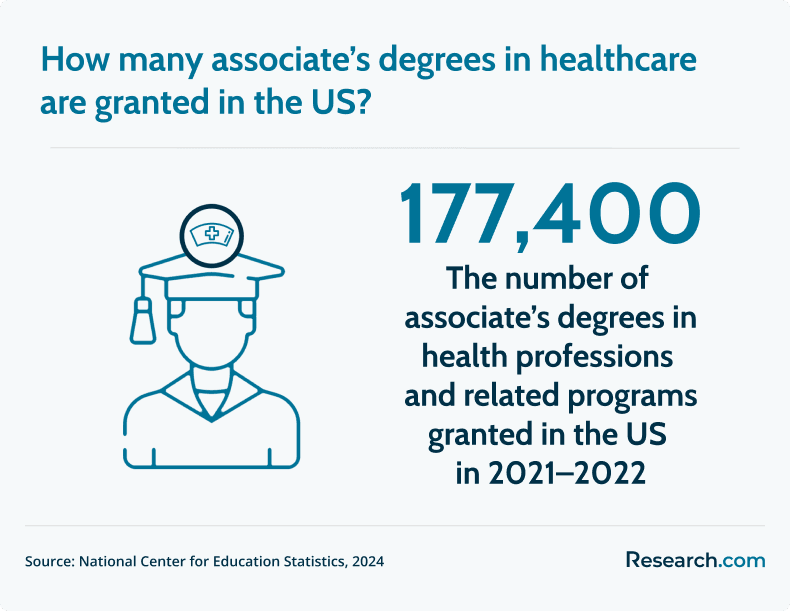
| Certificate or Diploma | 1-2 Years or Less | Licensed Practical Nurse (LPN)/Licensed Vocational Nurse (LVN), medical assistant, dental assistant, medical billing and coding specialist, surgical technologist, entry-level healthcare administration | A faster start and a lower initial education commitment |
| Associate Degree | 2 Years | Registered Nurse (RN), physical therapist assistant, radiologic technologist, respiratory therapist, cardiovascular technician, medical laboratory technician, health information technician | A technical or clinical role with stronger employment options than many short programs |
| Bachelor’s Degree | 4 Years | Registered Nurse (BSN), health information manager, healthcare administrator/manager, community health worker/educator, medical and health services manager, imaging technologist | Broader advancement options and eligibility for more supervisory roles |
| Master’s Degree | 6+ Years | Physician assistant, nurse practitioner, nurse anesthetist, nurse midwife, occupational therapist, genetic counselor, speech-language pathologist, senior healthcare administrator | Advanced clinical practice, specialization, or leadership |
| Doctoral/Professional Degree | 8+ Years | Physician (MD/DO), pharmacist (PharmD), dentist (DDS/DMD), audiologist, physical therapist (DPT) | High-level clinical authority and specialized professional practice |
Certificate or Diploma (1-2 Years or Less)
- Licensed Practical Nurse (LPN)/Licensed Vocational Nurse (LVN): Diploma in Practical Nursing
- Medical Assistant: Certificate or diploma program
- Dental Assistant: Certificate or diploma program
- Medical Billing and Coding Specialist: Certificate or diploma program
- Surgical Technologist: Certificate or diploma program
- Healthcare Administration (Entry-Level): Certificate or diploma program
Associate Degree (2 Years)
- Registered Nurse (RN): Associate Degree in Nursing (ADN/ASN)
- Physical Therapist Assistant: Associate degree
- Radiologic Technologist: Associate degree
- Respiratory Therapist: Associate degree
- Cardiovascular Technician: Associate degree
- Medical Laboratory Technician: Associate degree
- Health Information Technician: Associate degree
Bachelor’s Degree (4 Years)
- Registered Nurse (BSN): Bachelor of Science in Nursing
- Health Information Manager: Bachelor’s in Health Information Management
- Healthcare Administrator/Manager: Bachelor’s in Healthcare Administration or related field
- Community Health Worker/Educator: Bachelor’s in Community Health Education or Public Health
- Medical and Health Services Manager: Bachelor’s degree, often in health administration, public health, or a clinical field
- Imaging Technologist (e.g., MRI, CT): Bachelor’s degree, sometimes expected for advanced roles
Master’s Degree (6+ Years)
- Physician Assistant: Master’s degree in Physician Assistant Studies
- Nurse Practitioner, Nurse Anesthetist, Nurse Midwife: Master of Science in Nursing or related field
- Occupational Therapist: Master’s degree in Occupational Therapy
- Genetic Counselor: Master’s degree in Genetic Counseling
- Speech-Language Pathologist: Master’s degree in Speech-Language Pathology
- Healthcare Administrator (Senior/Executive): Master’s in Healthcare Administration (MHA), Public Health (MPH), or Business (MBA)
Doctoral/Professional Degree (8+ Years)
- Physician (MD/DO): Doctor of Medicine or Doctor of Osteopathic Medicine
- Pharmacist (PharmD): Doctor of Pharmacy
- Dentist (DDS/DMD): Doctor of Dental Surgery or Doctor of Medicine in Dentistry
- Audiologist: Doctoral degree in Audiology
- Physical Therapist (DPT): Doctor of Physical Therapy
How can you fast-track your education for a high-paying healthcare job?
You can shorten your route into healthcare by choosing an accelerated, competency-based, hybrid, or year-round program, but faster is not always better. The program still needs to meet employer, certification, clinical placement, and state licensure expectations.
Some well-paying healthcare roles, including MRI technologists and similar technical careers, may require an associate degree or specialized certificate rather than a long professional degree. In certain cases, students can finish training in as little as one to two years through accelerated formats. Prior college credit, healthcare experience, military training, or transfer-friendly policies may also reduce completion time.
Before enrolling in a fast-track option, verify accreditation, clinical requirements, exam eligibility, total cost, student support, and job placement services. A short program that does not qualify you for certification or licensure can cost more in the long run than a slower but recognized pathway.
Questions to Ask Before Choosing an Accelerated Healthcare Program
- Does the program meet certification or licensure requirements in the state where I plan to work?
- Are clinical hours included, and who arranges the placement?
- Will employers in my area recognize this credential?
- What is the full cost beyond tuition, including uniforms, exams, background checks, supplies, and commuting?
- Can I realistically manage the schedule while working or caring for family?
What certifications are important in healthcare?
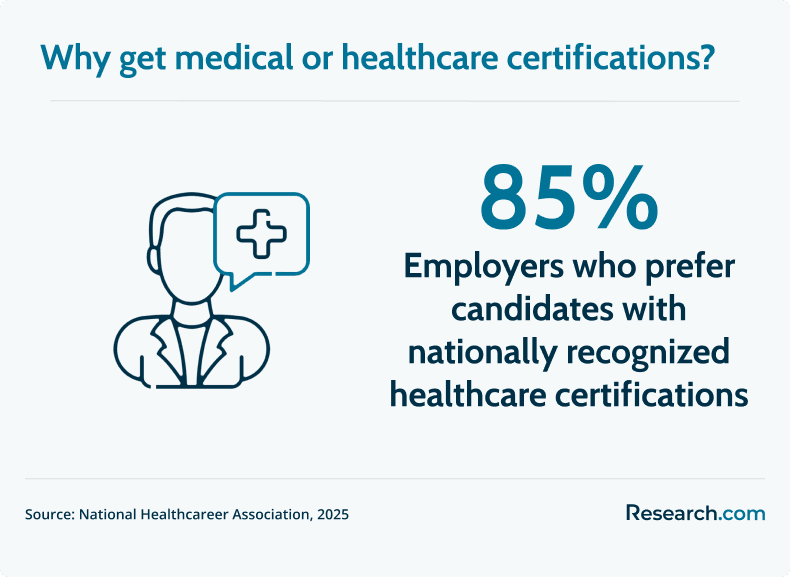
Healthcare certifications can prove job readiness, meet employer requirements, or support advancement. The right certification depends on the occupation, state rules, employer setting, and whether you work in direct care, emergency response, coding, pharmacy, respiratory care, case management, or leadership.
| Certification | Common purpose | Most relevant for |
| Basic Life Support (BLS) | Confirms CPR and basic emergency response knowledge; renewal is commonly required every two years. | Many clinical and patient-facing workers |
| Certified Nursing Assistant (CNA) | Prepares workers for basic bedside care under nursing supervision. | Nursing assistants and future nursing students |
| Certified Medical Assistant (CMA) | Supports both administrative and clinical medical office duties. | Medical assistants in clinics and physician offices |
| Phlebotomy Technician Certification | Demonstrates blood collection knowledge and safe specimen handling. | Phlebotomists and some medical assistants |
| Certified Pharmacy Technician (CPhT) | Validates pharmacy support skills such as prescription processing and inventory work. | Pharmacy technicians |
| Emergency Medical Technician (EMT) | Prepares workers to deliver basic emergency care before hospital arrival. | Ambulance, emergency response, and public safety roles |
| Certified Professional Coder (CPC) | Shows competence in translating medical documentation into billing and insurance codes. | Medical coding and billing workers |
| Advanced Cardiovascular Life Support (ACLS) | Supports management of serious cardiac emergencies. | Emergency, ICU, and advanced clinical staff |
| Pediatric Advanced Life Support (PALS) | Focuses on urgent care for infants and children. | Pediatric, emergency, and critical care teams |
| Certified Case Manager (CCM) | Demonstrates care coordination and case management knowledge. | Case managers and care coordination professionals |
Essential Healthcare Certifications
- Basic Life Support (BLS): A widely used emergency-care credential covering CPR and basic lifesaving response, commonly renewed every two years.
- Certified Nursing Assistant (CNA): A credential for workers who help nurses with bathing, feeding, mobility, vital signs, and other basic care duties.
- Certified Medical Assistant (CMA): A certification connected to clinical and administrative work such as patient histories, medication support, and office procedures.
- Phlebotomy Technician Certification: A focused credential for safe and accurate blood collection.
- Certified Pharmacy Technician (CPhT): A certification for pharmacy support work involving medication inventory, prescription assistance, and customer interaction.
- Emergency Medical Technician (EMT): A credential for workers who stabilize and care for patients before they reach the hospital.
- Certified Professional Coder (CPC): A coding certification for professionals who convert healthcare documentation into billing and insurance codes.
- Certified Health Education Specialist (CHES): A credential for professionals who teach disease prevention, wellness, and public health concepts.
- Advanced Cardiovascular Life Support (ACLS): An advanced emergency credential for cardiac events such as heart attacks and strokes.
- Pediatric Advanced Life Support (PALS): A pediatric emergency-care credential focused on infants and children.
- Certified Respiratory Therapist (CRT): A credential for workers who treat breathing and lung-related conditions.
- Certified Case Manager (CCM): A certification for professionals who coordinate care plans and help patients navigate healthcare systems.
Certifications for Healthcare Management and Information Systems
- Fellow of the American College of Healthcare Executives (FACHE): A leadership credential for healthcare executives.
- Certified Professional in Healthcare Information and Management Systems (CPHIMS): A certification for professionals working with healthcare technology and information systems.
- Certified Professional in Healthcare Risk Management (CPHRM): A credential for healthcare risk and safety management professionals.
- Certified Medical Manager (CMM): A certification for healthcare office managers focused on practice operations, revenue, and patient experience.
What are the common challenges healthcare professionals encounter?
Healthcare can be meaningful and stable, but it is also demanding. Before choosing a medical field profession, understand the pressures that affect retention, safety, and long-term satisfaction.
Workforce Shortages and High Turnover
Many healthcare settings face shortages across nursing, medicine, allied health, and support roles. When staffing is thin, remaining workers often carry heavier patient loads, longer shifts, and more emotional strain. The World Health Organization projects a shortage of 11 million health workers by 2030, with the greatest effects expected in low- and middle-income countries.
Safety Risks and Exposure to Hazards
Healthcare workers may be exposed to infectious diseases, bloodborne pathogens, hazardous drugs, chemicals, and physical injuries. Needlestick and sharps injuries remain a serious concern, with hospital-based personnel experiencing about 385,000 such injuries each year.
Administrative Burden
Documentation, insurance requirements, prior authorizations, regulatory reporting, and electronic record tasks can reduce time for patient care. These burdens are a major reason many professionals feel frustrated even when they value the clinical mission.
Adapting to Changing Patient Demographics and Needs
Healthcare workers increasingly care for older adults and patients with multiple chronic conditions. In the United States, the population aged 65 and older is projected to rise from 58 million in 2022 to 82 million by 2050, a 47% increase. That group is also expected to grow from 17% to 23% of the total population, increasing demand for coordinated, geriatric, chronic disease, and home-based care.
Burnout and Mental Health Stress
Long shifts, patient suffering, death, workplace conflict, staffing pressure, and high-stakes decision-making can contribute to burnout. In the U.S., the share of healthcare workers reporting “very frequent” burnout rose to 19% in 2022 from 11.6% in 2018.
The chart below shows the top reasons nurses quit.
How can you balance work and continuing education in healthcare jobs?
Continuing education is part of many healthcare careers, whether you are maintaining a license, adding a certification, moving into leadership, or preparing for graduate school. The key is to plan education around real work demands rather than assuming motivation alone will carry you through.
- Build a realistic calendar: Map shifts, commute time, clinical hours, assignment deadlines, exams, family duties, and rest days before enrolling.
- Use smaller milestones: Break coursework into weekly targets, such as readings, modules, practice questions, or skills checkoffs.
- Choose flexible formats when appropriate: Online, hybrid, evening, weekend, or self-paced options can help workers manage unpredictable schedules.
- Treat study time like a shift: Block it on your calendar and protect it from non-urgent interruptions.
- Talk with your employer early: Ask about tuition assistance, schedule flexibility, clinical placement support, and internal promotion pathways.
- Protect recovery time: Fatigue can affect learning and patient safety, so sleep, meals, exercise, and mental health care are not optional extras.
- Use peer and mentor support: Study groups, supervisors, faculty advisors, and coworkers can help you stay accountable and make better career decisions.
How can advanced education boost career growth in healthcare?
Advanced education can help healthcare workers move from task-based roles into specialized practice, supervision, education, administration, research, or policy. Graduate degrees and advanced certifications often build skills in clinical reasoning, leadership, quality improvement, regulation, finance, data use, and team management.
For professionals seeking leadership without leaving the workforce, an affordable healthcare administration degree online may offer a practical way to build management skills while controlling education costs.
What distinct benefits do advanced healthcare administration programs offer?
Healthcare administration programs are built for people who want to manage services rather than provide bedside care full time. Coursework often emphasizes budgeting, operations, compliance, human resources, healthcare law, quality improvement, and strategic planning.
Students who already work in healthcare may prefer accelerated formats. A fastest online bachelors in healthcare administration degree can be useful for those who need a quicker path toward management eligibility, provided the program fits their schedule and career goals.
Can an Advanced Business Degree Enhance Healthcare Leadership?
An advanced business degree can help clinicians and non-clinical professionals understand finance, operations, analytics, marketing, negotiation, and organizational strategy. These skills matter for department managers, practice administrators, health system leaders, and professionals moving into executive roles.
For those seeking a business-focused route into leadership, the fastest MBA in healthcare management online may be worth comparing with MHA and MPH options based on curriculum, cost, schedule, and employer expectations.
Are Non-Clinical Degrees Beneficial for Advancing Healthcare Careers?
Non-clinical degrees can be valuable when your goal is administration, operations, analytics, marketing, compliance, insurance, wellness programming, or organizational leadership. They are not a substitute for clinical licensure, but they can complement clinical experience and open doors outside direct patient care.
Some professionals also use specialized business degrees to work in adjacent fields such as sports health operations, wellness companies, athletics administration, or healthcare marketing. An MBA with sports management concentration may fit those aiming for leadership roles connected to sports, wellness, or health-related organizations.
How is technology impacting healthcare jobs and the future of medicine?
Technology is changing how healthcare is delivered, documented, staffed, and measured. Electronic health records, telehealth, remote monitoring, wearable devices, automation, artificial intelligence, and robotics are reshaping workflows across healthcare systems.
For workers, this means digital competence is becoming a core career skill. Clinicians must interpret more data, communicate through virtual tools, and adapt to decision-support systems. Non-clinical workers may see growing demand in health informatics, cybersecurity, analytics, telehealth operations, AI support, and digital workflow improvement.
Technology is unlikely to remove the need for human healthcare workers in roles requiring empathy, physical care, ethical judgment, and complex communication. However, it will keep changing which tasks are automated and which skills employers value most.
What are the key differences between similar healthcare jobs?
Many healthcare titles sound alike, but the differences can affect your training time, legal scope of practice, pay potential, schedule, and advancement options. Comparing similar roles side by side can prevent you from enrolling in the wrong program.
| Roles compared | Main difference | Choose the first role if | Choose the second role if |
| Medical Assistant vs Certified Nursing Assistant (CNA) | Medical assistants often combine office and clinical tasks in outpatient settings, while CNAs focus on daily bedside care. | You want clinic work with administrative variety. | You want hands-on patient care in hospitals or long-term care. |
| Radiologic Technologist vs Diagnostic Medical Sonographer | Radiologic technologists commonly use X-ray or CT imaging, while sonographers use ultrasound. | You are interested in skeletal, chest, or radiation-based imaging. | You prefer ultrasound imaging of soft tissues, organs, or pregnancies. |
| Physician Assistant (PA) vs Nurse Practitioner (NP) | PAs train under the medical model and work with physician collaboration; NPs train under the nursing model and scope varies by state. | You want broad medical-model training across specialties. | You are building on nursing experience or want advanced nursing practice. |
| Registered Nurse (RN) vs Licensed Practical Nurse (LPN) | RNs generally have broader responsibilities in assessment, planning, medication administration, and coordination. | You want stronger advancement options and broader clinical scope. | You want a shorter nursing entry route focused on basic care. |
Medical Assistant vs Certified Nursing Assistant (CNA)
Medical assistants are common in outpatient clinics and physician offices, where they may handle both front-office and clinical support. CNAs usually work more directly with patients’ daily living needs in hospitals, nursing homes, and residential care. Students looking for a quick and flexible entry point can compare cheap online medical assistant programs.
Radiologic Technologist vs Diagnostic Medical Sonographer
Radiologic technologists capture images using technologies such as X-rays and CT scans, while diagnostic medical sonographers use sound waves to image soft tissues, pregnancies, and organs. The better fit depends on your interest in equipment type, patient population, and imaging specialty.
Physician Assistant (PA) vs Nurse Practitioner (NP)
Both PAs and NPs can diagnose conditions, treat patients, and prescribe medication, but their training models and practice rules differ. PAs are trained broadly in the medical model, while NPs build on nursing education and may have more autonomy in some states and settings.
Registered Nurse (RN) vs Licensed Practical Nurse (LPN)
RNs usually have more responsibility for care planning, assessment, patient education, and complex medication administration. LPNs provide important basic nursing care but typically work under RN or physician supervision.
Common Mistakes to Avoid When Choosing a Healthcare Career
| Mistake | Why it can hurt you | Better approach |
| Choosing only by salary | High pay may come with long training, high debt, stress, liability, or difficult schedules. | Compare salary with education length, job duties, lifestyle, and cost. |
| Ignoring accreditation and licensure | An unrecognized program may not qualify you for exams, licenses, or employer requirements. | Verify program recognition before applying. |
| Assuming online always works | Many healthcare roles require labs, clinical hours, simulations, or in-person skill checks. | Ask exactly how clinical and hands-on requirements are completed. |
| Looking only at tuition | Fees, books, uniforms, background checks, exams, transportation, and lost work hours can change total cost. | Calculate the full cost of attendance and time away from work. |
| Relying only on national outlook | Hiring varies by region, employer, and specialty. | Check local job postings and speak with employers in your area. |
What is the job outlook in healthcare?
The healthcare job outlook is strong because of population aging, chronic disease management needs, workforce shortages, retirements, and demand for care across hospitals, outpatient clinics, long-term care, home health, mental health, public health, and technology-supported services. Overall employment in healthcare occupations is projected to grow much faster than the average for all occupations from 2023 to 2033, with about 1.9 million openings each year from growth and replacement needs. The chart below shows the most common states for healthcare providers.
Here’s What Graduates Have to Say About the Medical Field Professions
My work as a registered nurse is difficult, but it is also meaningful because I can see how care changes a patient’s day. The most rewarding moments are when someone improves, feels heard, or knows they are not facing illness alone. - Louise
Health informatics has given me a career where I keep learning. I like that healthcare careers can move between patient care, operations, data, and administration, while still offering a sense of long-term demand. - Annie
As a child life therapist, I support children and families during some of their most stressful moments. The emotional side is real, but helping a child feel safer in a hospital makes the career deeply worthwhile. - Marge
Key Insights
- Healthcare offers many strong career paths, but the “best” choice depends on your education timeline, preferred work setting, tolerance for stress, licensure requirements, and long-term goals.
- The highest-paying roles in this guide are generally physician, executive, or advanced clinical positions, including Anesthesiologist ($339,470), Hospital CEO ($258,900), Psychiatrist ($256,930), Family Physician ($256,830), and Surgeon ($239,200).
- Fast-growing healthcare careers include Nurse Midwives and Nurse Practitioners (40%), Physician Assistants (28%), Veterinarians (19%), and Speech Therapists (18%).
- Shorter routes such as CNA, medical assistant, pharmacy technician, phlebotomist, EMT, and dental assistant can help you enter the field quickly, but advancement may require additional credentials later.
- Before enrolling, confirm accreditation, certification eligibility, clinical placement requirements, total cost, transfer policies, and whether the credential is accepted where you plan to work.
- Healthcare careers can be meaningful and stable, but workforce shortages, safety hazards, administrative burden, and burnout should be part of your decision-making process.
- Technology is expanding opportunities in telehealth, informatics, analytics, cybersecurity, AI-supported workflows, and digital health, making technical adaptability increasingly important across the field.
References:
- ACLS Online. America’s 10 Hardest-to-Fill Healthcare Jobs. Accessed April 23, 2025, at https://www.aclsonline.us/blog/americas-10-hardest-to-fill-healthcare-jobs
- Bureau of Labor Statistics. (2003, March 1). You're a What? Perfusionist. Career Outlook. Accessed April 23, 2025, at https://www.bls.gov/careeroutlook/2002/winter/yawhat.pdf
- Centers for Disease Control and Prevention. (2023, October 24). Vital Signs: Health Worker–Perceived Working Conditions and Symptoms of Poor Mental Health — Quality of Worklife Survey, United States, 2018–2022. Accessed April 23, 2025, at https://www.cdc.gov/mmwr/volumes/72/wr/mm7244e1.htm
- Centers for Disease Control and Prevention. (2024, April 3). Sharps Safety Program Resources. Accessed April 23, 2025, at https://www.cdc.gov/infection-control/hcp/sharps-safety/index.html
- Galanis, P., Moisoglou, I., Katsiroumpa, A., Vraka, I., Siskou, O., Konstantakopoulou, O., Meimeti, E., & Kaitelidou, D. (2023). Increased Job Burnout and Reduced Job Satisfaction for Nurses Compared to Other Healthcare Workers after the COVID-19 Pandemic. Nursing reports (Pavia, Italy), 13(3), 1090–1100. https://doi.org/10.3390/nursrep13030095
- Health Resources and Services Administration, Bureau of Health Workforce. (2024, November). State of the U.S. health care workforce, 2024. https://bhw.hrsa.gov/sites/default/files/bureau-health-workforce/state-of-the-health-workforce-report-2024.pdf
- Indeed. (2025, March 4). How To Become a Cardiac Rehab Specialist. Accessed at https://www.indeed.com/career-advice/finding-a-job/how-to-become-cardiac-rehab-specialist
- Population Reference Bureau. (2024, January 9). Fact Sheet: Aging in the United States. Accessed at https://www.prb.org/resources/fact-sheet-aging-in-the-united-states
- U.S. Bureau of Labor Statistics. (2024, April 3). Occupational Employment and Wage Statistics. Occupational Employment and Wage Statistics. Accessed at https://www.bls.gov/oes/2023/may/oes291211.htm
- U.S. Bureau of Labor Statistics. (2025, April 18). Athletic Trainers. Occupational Outlook Handbook. Accessed at https://www.bls.gov/ooh/healthcare/athletic-trainers.htm#tab-6
- U.S. Bureau of Labor Statistics. (2025, April 18). Audiologists. Occupational Outlook Handbook. Accessed at https://www.bls.gov/ooh/healthcare/audiologists.htm#tab-6
- U.S. Bureau of Labor Statistics. (2025, April 18). Chiropractors. Occupational Outlook Handbook. Accessed at https://www.bls.gov/ooh/healthcare/chiropractors.htm#tab-6
- U.S. Bureau of Labor Statistics. (2025, April 18). Clinical Laboratory Technologists and Technicians. Occupational Outlook Handbook. Accessed at https://www.bls.gov/ooh/healthcare/clinical-laboratory-technologists-and-technicians.htm#tab-6
- U.S. Bureau of Labor Statistics. (2025, April 18). Dental Assistants. Occupational Outlook Handbook. Accessed at https://www.bls.gov/ooh/healthcare/dental-assistants.htm#tab-6
- U.S. Bureau of Labor Statistics. (2025, April 18). Dental Hygienists. Occupational Outlook Handbook. Accessed at https://www.bls.gov/ooh/healthcare/dental-hygienists.htm#tab-6
- U.S. Bureau of Labor Statistics. (2025, April 18). Dentists. Occupational Outlook Handbook. Accessed at https://www.bls.gov/ooh/healthcare/dentists.htm#tab-6
- U.S. Bureau of Labor Statistics. (2025, April 18). Dietitians and Nutritionists. Occupational Outlook Handbook. Accessed at https://www.bls.gov/ooh/healthcare/dietitians-and-nutritionists.htm#tab-6
- U.S. Bureau of Labor Statistics. (2025, April 18). Dietitians and Nutritionists. Occupational Outlook Handbook. Accessed at https://www.bls.gov/ooh/healthcare/dietitians-and-nutritionists.htm#tab-6
- U.S. Bureau of Labor Statistics. (2025, April 18). EMTs and Paramedics. Occupational Outlook Handbook. Accessed at https://www.bls.gov/ooh/healthcare/emts-and-paramedics.htm
- U.S. Bureau of Labor Statistics. (2025, April 18). EMTs and Paramedics. Occupational Outlook Handbook. Accessed at https://www.bls.gov/ooh/healthcare/emts-and-paramedics.htm#tab-6
- U.S. Bureau of Labor Statistics. (2025, April 18). Genetic Counselors. Occupational Outlook Handbook. Accessed at https://www.bls.gov/ooh/healthcare/genetic-counselors.htm#tab-6
- U.S. Bureau of Labor Statistics. (2025, April 18). Healthcare Occupations. Occupational Outlook Handbook. Accessed at https://www.bls.gov/ooh/healthcare
- U.S. Bureau of Labor Statistics. (2025, April 18). Health Education Specialists. Occupational Outlook Handbook. Accessed at https://www.bls.gov/ooh/community-and-social-service/health-educators.htm#tab-6
- U.S. Bureau of Labor Statistics. (2025, April 18). Health Education Specialists. Occupational Outlook Handbook. Accessed at https://www.bls.gov/ooh/community-and-social-service/health-educators.htm#tab-6
- U.S. Bureau of Labor Statistics. (2025, April 18). Health Information Technologists and Medical Registrars. Occupational Outlook Handbook. Accessed at https://www.bls.gov/ooh/healthcare/health-information-technologists-and-medical-registrars.htm#tab-6
- U.S. Bureau of Labor Statistics. (2025, April 18). Janitors and Building Cleaners. Occupational Outlook Handbook. Accessed at https://www.bls.gov/ooh/building-and-grounds-cleaning/janitors-and-building-cleaners.htm#tab-6
- U.S. Bureau of Labor Statistics. (2025, April 18). Massage Therapists. Occupational Outlook Handbook. Accessed at https://www.bls.gov/ooh/healthcare/massage-therapists.htm#tab-6
- U.S. Bureau of Labor Statistics. (2025, April 18). Medical Records Specialists. Occupational Outlook Handbook. Accessed at https://www.bls.gov/ooh/healthcare/medical-records-and-health-information-technicians.htm#tab-6
- U.S. Bureau of Labor Statistics. (2025, April 18). Medical Scientists. Occupational Outlook Handbook. Accessed at https://www.bls.gov/ooh/life-physical-and-social-science/medical-scientists.htm#tab-6
- U.S. Bureau of Labor Statistics. (2025, April 18). Medical Transcriptionists. Occupational Outlook Handbook. Accessed at https://www.bls.gov/ooh/healthcare/medical-transcriptionists.htm#tab-6
- U.S. Bureau of Labor Statistics. (2025, April 18). Nurse Anesthetists, Nurse Midwives, and Nurse Practitioners. Occupational Outlook Handbook. Accessed at https://www.bls.gov/ooh/healthcare/nurse-anesthetists-nurse-midwives-and-nurse-practitioners.htm#tab-6
- U.S. Bureau of Labor Statistics. (2025, April 18). Nursing Assistants and Orderlies. Occupational Outlook Handbook. Accessed at https://www.bls.gov/ooh/healthcare/nursing-assistants.htm#tab-6
- U.S. Bureau of Labor Statistics. (2025, April 18). Occupational Health and Safety Specialists and Technicians. Occupational Outlook Handbook. Accessed at https://www.bls.gov/ooh/healthcare/occupational-health-and-safety-specialists-and-technicians.htm#tab-6
- U.S. Bureau of Labor Statistics. (2025, April 18). Occupational Therapists. Occupational Outlook Handbook. Accessed at https://www.bls.gov/ooh/healthcare/occupational-therapists.htm#tab-6
- U.S. Bureau of Labor Statistics. (2025, April 18). Opticians. Occupational Outlook Handbook. Accessed at https://www.bls.gov/ooh/healthcare/opticians-dispensing.htm#tab-6
- U.S. Bureau of Labor Statistics. (2025, April 18). Optometrists. Occupational Outlook Handbook. Accessed at https://www.bls.gov/ooh/healthcare/optometrists.htm#tab-6
- U.S. Bureau of Labor Statistics. (2025, April 18). Orthotists and Prosthetists. Occupational Outlook Handbook. Accessed at https://www.bls.gov/ooh/healthcare/orthotists-and-prosthetists.htm#tab-6
- U.S. Bureau of Labor Statistics. (2025, April 18). Pharmacists. Occupational Outlook Handbook. Accessed at https://www.bls.gov/ooh/healthcare/pharmacists.htm#tab-6
- U.S. Bureau of Labor Statistics. (2025, April 18). Phlebotomists. Occupational Outlook Handbook. Accessed at https://www.bls.gov/ooh/healthcare/phlebotomists.htm#tab-6
- U.S. Bureau of Labor Statistics. (2025, April 18). Physical Therapists. Occupational Outlook Handbook. Accessed at https://www.bls.gov/ooh/healthcare/physical-therapists.htm#tab-6
- U.S. Bureau of Labor Statistics. (2025, April 18). Physician Assistants. Occupational Outlook Handbook. Accessed at https://www.bls.gov/ooh/healthcare/physician-assistants.htm#tab-6
- U.S. Bureau of Labor Statistics. (2025, April 18). Physicians and Surgeons. Occupational Outlook Handbook. Accessed at https://www.bls.gov/ooh/healthcare/physicians-and-surgeons.htm#tab-5
- U.S. Bureau of Labor Statistics. (2025, April 18). Physicians and Surgeons. Occupational Outlook Handbook. Accessed at https://www.bls.gov/ooh/healthcare/physicians-and-surgeons.htm#tab-6
- U.S. Bureau of Labor Statistics. (2025, April 18). Podiatrists. Occupational Outlook Handbook. Accessed at https://www.bls.gov/ooh/healthcare/podiatrists.htm#tab-6
- U.S. Bureau of Labor Statistics. (2025, April 18). Postsecondary Teachers. Occupational Outlook Handbook. Accessed at https://www.bls.gov/ooh/education-training-and-library/postsecondary-teachers.htm#tab-6
- U.S. Bureau of Labor Statistics. (2025, April 18). Psychologists. Occupational Outlook Handbook. Accessed at https://www.bls.gov/ooh/life-physical-and-social-science/psychologists.htm#tab-6
- U.S. Bureau of Labor Statistics. (2025, April 18). Public Safety Telecommunicators. Occupational Outlook Handbook. Accessed at https://www.bls.gov/ooh/office-and-administrative-support/police-fire-and-ambulance-dispatchers.htm#tab-6
- U.S. Bureau of Labor Statistics. (2025, April 18). Registered Nurses. Occupational Outlook Handbook. Accessed at https://www.bls.gov/ooh/healthcare/registered-nurses.htm#tab-6
- U.S. Bureau of Labor Statistics. (2025, April 18). Social and Community Service Managers. Occupational Outlook Handbook. Accessed at https://www.bls.gov/ooh/management/social-and-community-service-managers.htm#tab-6
- U.S. Bureau of Labor Statistics. (2025, April 18). Social Workers. Occupational Outlook Handbook. Accessed at https://www.bls.gov/ooh/community-and-social-service/social-workers.htm#tab-6
- U.S. Bureau of Labor Statistics. (2025, April 18). Speech-Language Pathologists. Occupational Outlook Handbook. Accessed at https://www.bls.gov/ooh/healthcare/speech-language-pathologists.htm#tab-6
- U.S. Bureau of Labor Statistics. (2025, April 18). Veterinary Technologists and Technicians. Occupational Outlook Handbook. Accessed at https://www.bls.gov/ooh/healthcare/veterinary-technologists-and-technicians.htm#tab-6
- World Health Organization. Health workforce. Accessed April 23, 2025, at https://www.who.int/health-topics/health-workforce#tab=tab_1
- Zippia. (2023, February 24). 15+ nursing burnout statistics [2023]: The shocking truth about nursing. https://www.zippia.com/advice/nursing-burnout-statistics
- Zippia. (2024, March 6). Job outlook for health care providers in the United States. Accessed April 23, 2025, at https://www.zippia.com/health-care-provider-jobs/trends
- Zippia. (2025). Job outlook for perfusionists in the United States. Accessed April 23, 2025, at https://www.zippia.com/perfusionist-jobs/trends
- ZipRecruiter. (2025). Health Informatics Specialist Salary. Accessed April 23, 2025, at https://www.ziprecruiter.com/Salaries/Health-Informatics-Specialist-Salary
- ZipRecruiter. Child Life Therapist Salary. Accessed April 23, 2025, at https://www.ziprecruiter.com/Salaries/Child-Life-Therapist-Salary
Other Things You Should Know About the 60 Jobs & Careers in Healthcare
Employers value the Certified Professional Coder, or CPC, from AAPC for outpatient coding roles. Most candidates prepare through a medical coding program and pass one proctored exam covering ICD-10-CM, CPT, and HCPCS Level II coding rules. Continuing education is required to keep the credential active.
In 2027, advanced practice registered nurses (APRNs) need to obtain licensure from their state's Board of Nursing. This generally requires a master's or doctoral degree in nursing, passing a national certification exam specific to their specialty, and meeting any additional state-specific requirements.