2027 Best Free & Cheap Pharmacy Technician Certification Programs

Co-Founder and Chief Data Scientist
If you want to enter healthcare without spending years in college, pharmacy technician training can be one of the faster paths to a patient-facing, medication-related role. The challenge is choosing a program that is affordable, credible, and accepted by employers or certification bodies in your state.
Pharmacy technician certification programs are designed to teach prescription processing, medication safety, pharmacy law, drug terminology, dosage calculations, and workplace procedures. Many programs can be completed in 4 to 12 months, depending on whether you study full time, part time, online, in person, or through an accelerated format.
This guide reviews free and low-cost pharmacy technician certification programs for 2027 and explains how to compare them by cost, length, accreditation, exam preparation, externship access, and career value. It is written for high school graduates, career changers, working adults, and students looking for a practical healthcare credential without committing to a four-year degree.
Quick Answer: Is a Pharmacy Technician Certification Worth It?
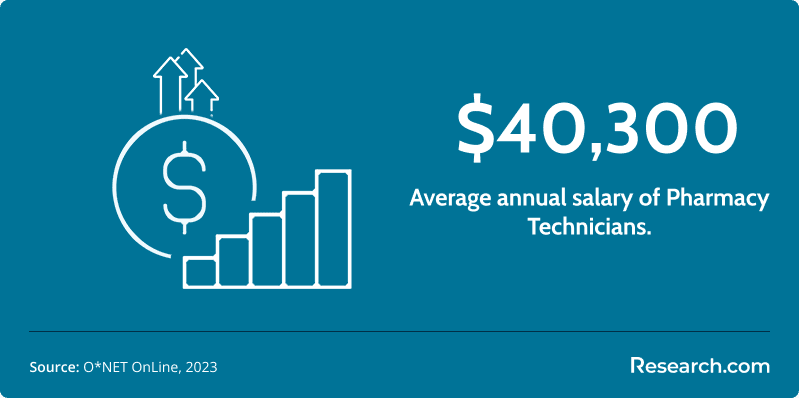
A pharmacy technician certification can be worth it if you want a relatively fast, lower-cost entry into healthcare and are comfortable with detail-heavy work involving medications, patient information, inventory, and pharmacy systems. Most programs cost between $0 and $1,500, and many can be completed in under a year. According to the U.S. Bureau of Labor Statistics, pharmacy technicians earned a median wage of $19.38 per hour, or $40,300 per year, in 2023, with higher median pay reported in hospital settings.
The best choice is usually an accredited or employer-recognized program that prepares you for national certification, includes practical training or an externship when possible, and clearly explains what is included in tuition.
What are the benefits of getting a pharmacy technician certification program?
- It can qualify you for entry-level pharmacy support jobs. Graduates may pursue roles such as pharmacy technician, pharmacy aide, inventory support technician, or medication support worker in retail pharmacies, hospitals, clinics, and related healthcare settings.
- It offers a faster route than many college degrees. Many programs take 4 to 12 months, which can make certification more practical for adults who need to work while training.
- It can improve employer confidence. Formal training shows that you have studied prescription workflows, safety rules, pharmaceutical calculations, and pharmacy law.
- It can prepare you for certification exams. Many programs are structured around national certification requirements and use quizzes, practice exams, labs, or externships to help students prepare.
- It may lead to stronger pay in certain settings. Hospital pharmacy technicians had a 2023 median wage of $23.05 per hour, or $47,940 per year, compared with $17.96 per hour, or $37,370 per year, for pharmacy technicians in pharmacies and drug stores.
What can I expect from a pharmacy technician certification?
A pharmacy technician certification program teaches the knowledge and procedures needed to assist pharmacists safely and accurately. Students usually learn how prescriptions are processed, how medications are classified, how dosage calculations work, how pharmacy inventory is handled, and how federal and state pharmacy rules affect daily practice.
Most programs include core topics such as pharmacology, medical terminology, pharmacy law and ethics, pharmaceutical calculations, medication safety, and pharmacy operations. Some also require a capstone, lab component, clinical practicum, or externship so students can apply classroom knowledge in a real or simulated pharmacy setting.
Tuition can reach $1,500, depending on whether the program is offered by a community college, university continuing education department, nonprofit workforce program, or online career school. Free options are available, but they may be limited to eligible students, specific regions, or workforce development participants.
Online pharmacy technician programs typically use recorded lessons, readings, quizzes, practice exercises, discussion boards, and virtual labs. Some programs also offer live instructor sessions or externship placement support. Online formats can be useful for working adults, but students should confirm whether the program meets state requirements and whether hands-on experience is included or optional.
Where can I work with a pharmacy technician certification?
Certified pharmacy technicians work wherever medications are prepared, dispensed, stored, or managed. The largest employers are retail pharmacies and health and personal care stores, but hospitals and grocery store pharmacies also employ many technicians.
According to the U.S. Bureau of Labor Statistics, as of May 2023, the industries with the highest employment levels for pharmacy technicians included:
| Employment setting | Employment level and share | What technicians often do |
| Health and Personal Care Stores, including retail pharmacies | Employs over 230,500 pharmacy technicians, making up more than 51% of the occupation’s total workforce. | Process prescriptions, help customers, manage refill requests, handle inventory, and support pharmacists in community pharmacy workflows. |
| Hospitals, State, Local, and Private | Employs around 78,863 pharmacy technicians, accounting for about 17% of employment in the field. | Prepare medication orders, support inpatient pharmacy operations, stock automated dispensing systems, and follow stricter clinical safety procedures. |
| Food and Beverage Stores, such as grocery store pharmacies | Employs over 46,390 pharmacy technicians, making up around 10% of the workforce. | Perform many retail pharmacy duties while supporting prescription pickup, insurance processing, and inventory tasks. |
| General Merchandise Stores, including chain pharmacies | Employs approximately 41,751, representing nearly 9% of all pharmacy tech roles. | Assist in high-volume prescription environments, manage customer interactions, and support store-based pharmacy services. |
How much can I make with a pharmacy technician certification?
Pharmacy technician pay depends on employer type, location, experience, shift schedule, certification status, and whether the role requires specialized skills such as sterile compounding or hospital medication preparation. The following 2023 wage figures show how pay varies by setting:
| Role or setting | Median hourly wage | Median annual wage |
| Pharmacy Technicians, All Settings | $19.38 per hour | $40,300 per year |
| Hospital Pharmacy Technicians | $23.05 per hour | $47,940 per year |
| Pharmacy Technicians in Pharmacies and Drug Stores | $17.96 per hour | $37,370 per year |
| Pharmacy Technicians in Food and Beverage Stores | $18.44 per hour | $38,370 per year |
Entry-level technicians often start around $28,000. Pay may increase with experience, national certification, specialized training, hospital experience, supervisory duties, or additional responsibilities such as inventory control and medication reconciliation support. Salary outcomes are not guaranteed, so students should compare local job postings before enrolling.
- Best Pharmacy Technician Certification Programs for 2027
- How long does a pharmacy technician certification program take?
- How much does pharmacy technician certification cost?
- What financial aid can pharmacy technician students use?
- What are the admission requirements?
- What classes do pharmacy technician programs include?
- What pharmacy technician specializations are available?
- What are the continuing education and renewal requirements?
- Can more education help pharmacy technicians advance?
- What skills do pharmacy technicians need?
- How to choose the best pharmacy technician certification program
- What is the ROI of pharmacy technician certification?
- What career paths are available after certification?
- What is the job market for pharmacy technicians?
- How is technology changing pharmacy technician careers?
Best Pharmacy Technician Certification Programs for 2027
How do we rank schools?
Research.com evaluates pharmacy technician certification programs using transparent education and workforce-relevant factors, including cost, program length, accreditation, delivery format, institutional credibility, and student usefulness. Data sources include the IPEDS database, Peterson's database, the College Scorecard database, and The National Center for Education Statistics. You can review Research.com's broader ranking process on the methodology page.
Program comparison at a glance
| Program | Length | Cost | Best fit |
| Lehman College | 50 hours | Contact the institution for information | Students who want short, structured training through a college provider. |
| U.S. Career Institute | 4 to 9 months, Part-time | $69 / month | Self-paced online learners seeking monthly payment flexibility. |
| Ashworth College | 4 to 9 months, Part-time | $1,259 Full tuition payment / $1,659 Total cost in a monthly payment program | Online students looking for ASHP/ACPE-accredited training. |
| Penn Foster | 13 to 17 months | $1,149 Full program payment / $59 monthly payment program | Students who prefer a longer self-paced online career diploma with virtual labs. |
| University of Tennessee – Knoxville Center for Professional Education & Lifelong Learning | 2 to 4 months | $1,399 | Learners seeking a fully online program with optional externship access. |
| Community College of Philadelphia | 50 hours | $1,525 In-person, tuition and books included / $1,299 Asynchronous online | Students choosing between in-person and asynchronous online formats. |
| San Francisco State University – College of Professional & Global Education | 60-hour course + 80-hour clinical externship | $1,499 Full program | Students who want classroom-style training plus clinical externship hours. |
| University of Arkansas Hope-Texarkana | 16 weeks | Free | Cost-sensitive students who can access this free course option. |
| JVS Boston | 12 weeks | Free for eligible students | Eligible Boston-area students who want job placement and externship support. |
| CrossPurpose | 6 months | Free | Students seeking technical training plus career coaching and support services. |
1. Lehman College
Lehman College offers a Pharmacy Technician Certification program for students who want a concise introduction to pharmacy work in clinical and retail environments. The curriculum covers drug categories, pharmacy regulations, calculations, and workplace procedures. Hands-on practice helps students connect classroom instruction with common technician duties.
- Program Length: 50 hours
- Number of Sessions: 17
- Cost: Contact the institution for information
- Accreditation: Middle States Commission on Higher Education (MSCHE)
2. U.S. Career Institute
The online Pharmacy Technician Certification program from U.S. Career Institute is built for students who need flexible study time while preparing for pharmacy support work. Coursework introduces pharmaceutical language, medication interactions, prescription procedures, and pharmacy law so students can build a foundation for certification and entry-level practice.
- Program Length: 4 to 9 months (Part-time)
- Cost: $69 / month
- Accreditation: Distance Education Accrediting Commission (DEAC)
3. Ashworth College
Ashworth College provides a flexible online Pharmacy Technician Certification program for students who want to move through lessons at their own pace. Topics include drug classifications, patient care basics, medication terminology, and certification exam preparation for retail, hospital, or clinical pharmacy support roles.
- Program Length: 4 to 9 months (Part-time)
- Cost: $1,259 (Full tuition payment) / $1,659 (Total cost in a monthly payment program)
- Accreditation: American Society of Health-System Pharmacists/Accreditation Council on Pharmacy Education (ASHP/ACPE)
4. Penn Foster
The Penn Foster Pharmacy Technician Professional Career Diploma is a self-paced online option that teaches medication preparation, prescription workflows, drug safety, and pharmacy operations. Virtual labs and interactive activities give students practice with pharmacy tasks before they move into certification preparation and entry-level job searches.
- Program Length: 13 to 17 months
- Cost: $1,149 (Full program payment) / $59 (monthly payment program)
- Accreditation: American Society of Health-System Pharmacists/Accreditation Council on Pharmacy Education (ASHP/ACPE)
5. University of Tennessee – Knoxville Center for Professional Education & Lifelong Learning
The Pharmacy Technician program at the University of Tennessee - Knoxville is a fully online course that prepares students for the PTCB national certification. Students study pharmacy law, dosage calculations, medication safety, and pharmacy operations, with an optional externship available for learners who want workplace exposure.
- Program Length: 2 to 4 months
- Cost: $1,399
- Accreditation: University of Tennessee, Knoxville – non-credit professional program (institutionally accredited by the Southern Association of Colleges and Schools Commission on Colleges - SACSCOC)
6. Community College of Philadelphia
The Community College of Philadelphia Pharmacy Technician Training program teaches students how to assist pharmacists in retail and clinical settings. The program includes pharmacy calculations, prescription processing, inventory management, medication safety, and exam preparation for students pursuing national certification.
- Program Length: 50 hours
- Cost: $1,525 (In-person, tuition and books included) / $1,299 (Asynchronous online)
- Accreditation: Middle States Commission on Higher Education (MSCHE)
7. San Francisco State University – College of Professional & Global Education
The Pharmacy Technician program at San Francisco State University combines core pharmacy instruction with practical career preparation. Students study dosage calculations, prescription handling, inventory control, and certification exam content, then complete a clinical externship designed to connect training with real pharmacy responsibilities.
- Program Length: 60-hour course + 80-hour clinical externship
- Cost: $1,499 (Full program)
- Accreditation: WASC Senior College and University Commission (WSCUC)
8. University of Arkansas Hope-Texarkana
The Pharmacy Technician Certification course at the University of Arkansas Hope-Texarkana prepares students for pharmacy support work in hospital and retail settings. Instruction covers pharmacy operations, medication preparation, legal responsibilities, and preparation for the Pharmacy Technician Certification Exam (PTCE).
- Program Length: 16 weeks
- Cost: Free
- Accreditation: Higher Learning Commission (HLC)
9. JVS Boston
JVS Boston offers Pharmacy Technician Training that blends classroom learning, externship experience, certification support, and job placement services. This option may be especially useful for eligible students who want career coaching along with technical training.
- Program Length: 12 weeks
- Cost: Free (for eligible students)
- Accreditation: Massachusetts Board of Registration in Pharmacy
10. CrossPurpose
The Pharmacy Technician program at CrossPurpose combines no-cost technical training with personal development, career coaching, and employment support. Students prepare for national certification while building workplace readiness skills for healthcare roles.
- Program Length: 6 months
- Cost: Free
- Accreditation: Colorado Department of Higher Education (Division of Private Occupational Schools)
If you are a military spouse comparing flexible education options, Research.com also reviews online schools for military spouses, which may help you evaluate programs designed around relocation, family responsibilities, and portable career goals.
How long does it take to complete a pharmacy technician certification program?
Most pharmacy technician certification programs take 4 to 12 months. The actual timeline depends on course intensity, whether you study full time or part time, and whether the program includes an externship or a required number of training hours.
Full-time students may finish in 4 to 6 months, especially in accelerated, hybrid, or short-term workforce programs. The University of Providence offers a 24-week hybrid course, while Penn Foster's self-paced online program can be completed in as little as 4 months.
Part-time students, working adults, and learners who need more flexibility often take 8 to 12 months. U.S. Career Institute reports an average completion time of 9 months for its online program.
| Program pace | Typical completion time | Who it works best for |
| Accelerated or full-time | 4 to 6 months | Students who can study several days per week and want to enter the workforce quickly. |
| Part-time online | 8 to 12 months | Working adults, parents, and students balancing training with other obligations. |
| Fast-track intensive | As short as 10 weeks in some programs | Learners who can handle a compressed schedule and intensive weekly study. |
Several factors affect the timeline:
- Schedule: Full-time study usually shortens completion time, while part-time study offers more flexibility.
- Format: In-person, online, and hybrid programs may structure labs, tests, and externships differently.
- Externship requirements: Programs with clinical placements may take longer but can provide valuable employer-facing experience.
- Accelerated options: Some programs, including Methodist College, offer 10-week fast-track formats that require a heavy weekly commitment.
Many students complete 400–600 hours of training time. Before enrolling, ask whether those hours include externship placement, online coursework, labs, exam preparation, or all of the above.
If you are comparing healthcare support careers, this guide to pharmacy technician and medical assistant roles can help you understand differences in duties, training, and long-term career options.
What is the average cost of a pharmacy technician certification program?
Most pharmacy technician programs cost between $0 and $1,500. Free programs are often funded through workforce development organizations, nonprofits, public institutions, or eligibility-based training initiatives. Paid online and college-based programs may charge tuition, books, lab fees, exam preparation fees, background check fees, or externship-related costs.
Some online programs cost under $1,000, while others approach or exceed the higher end of the typical range. Students comparing broader pharmacy education options may also want to review Research.com's guide to the cheapest online pharmacy school, especially if they are thinking beyond technician training and considering a pharmacist pathway later.
| Cost factor | Why it matters | Question to ask before enrolling |
| Tuition | This is the main advertised cost, but it may not include everything. | Is the listed price the full program cost or only tuition? |
| Books and materials | Some schools include books, while others charge separately. | Are textbooks, online resources, and lab materials included? |
| Certification exam preparation | Programs vary in how directly they prepare students for national exams. | Does tuition include practice tests or exam prep materials? |
| Externship support | Hands-on experience can improve readiness but may require added steps. | Does the school arrange externships, or must students find their own site? |
| Payment plan fees | Monthly plans can make tuition manageable but may raise the total cost. | What is the total cost if I use a monthly payment plan? |
Accredited programs may cost more, but they can offer stronger employer recognition and may qualify for federal financial aid if the institution and program meet aid requirements. Students should complete the Free Application for Federal Student Aid (FAFSA) when applicable and ask each school what aid is available for the specific certificate program.
What are the financial aid options for students enrolling in a pharmacy technician certification program?
Financial aid for pharmacy technician students may include federal aid, scholarships, grants, institutional support, workforce funding, stipends, and monthly payment plans. Availability depends on the school, program type, student eligibility, location, and whether the program qualifies for aid.
Federal Financial Aid
Some accredited programs participate in federal student aid programs. Students who complete the Free Application for Federal Student Aid (FAFSA) may qualify for:
- Pell Grants
- Federal Supplemental Educational Opportunity Grants (SEOG)
- Subsidized and Unsubsidized Student Loans
- PLUS Loans
UEI College is one example of an institution that offers these federal aid options to eligible students.
Scholarships and Grants
Scholarships can reduce out-of-pocket costs and are worth checking before choosing a payment plan. Examples include:
- American Pharmacists Association Foundation: Offers annual scholarships of $1,000.
- GoodRx Pharmacy Helps Equity in Pharmacy Scholarship: Provides financial support to selected students.
- Stepful: Awards scholarships up to $2,500 based on eligibility.
- Texas Pharmacy Foundation: Grants $1,000 scholarships to students pursuing pharmacy careers in Texas.
Institutional Aid and Stipends
Some schools and healthcare organizations provide their own support:
- Mayo Clinic: Provides a $3,500 stipend to admitted students.
- Temple College: Offers the Texas Public Educational Grant (TPEG), covering up to 50% of tuition for eligible students.
Payment Plans and Workforce Funding
Many programs allow students to spread tuition over several months. This can help with cash flow, but students should compare the full payment-plan cost against the upfront price. Eligible students may also receive training support through the Workforce Innovation and Opportunity Act (WIOA) or the Supplemental Nutrition Assistance Program (SNAP).
If you are still comparing healthcare, education, and public service careers, Research.com's guide to elementary education vs secondary education can help you think through how training length, daily work, and certification requirements differ across fields.
What are the prerequisites for enrolling in a pharmacy technician certification program?
Most pharmacy technician certification programs require a high school diploma or GED, a minimum age of 18, and a background check. Some programs may also require proof of basic math, reading, and English skills because technicians must calculate dosages, read prescription information, enter accurate data, and communicate clearly with patients and pharmacists.
Students who want a full step-by-step career plan can review Research.com's guide on what do you need to become a pharmacy technician before applying.
Many programs are beginner-friendly and do not require prior healthcare experience. However, admission requirements can vary by school, state board, externship partner, and certification pathway.
| Requirement | Why schools or employers may require it |
| High school diploma or GED | Shows the applicant has completed the baseline education expected for most technician training programs. |
| Minimum age | Many programs and state boards require students to be 18 or older. |
| Background check | Pharmacy work involves medications, controlled substances, patient information, and safety-sensitive tasks. |
| Basic math and English skills | Technicians must calculate doses, understand medication instructions, and document information accurately. |
| State-specific eligibility | Some states have registration, training, or certification rules that affect whether graduates can work after completion. |
Some high school students may be able to start training through dual-credit or career and technical education options, depending on school policy. Always confirm both the program's admission requirements and your state's pharmacy technician rules before paying tuition.
What courses are typically in a pharmacy technician certification program?
Pharmacy technician certification programs usually include pharmacology, pharmacy law, medical terminology, pharmaceutical calculations, pharmacy operations, medication safety, and hands-on training. The goal is to prepare students to support pharmacists accurately and safely in prescription-based environments.
| Course area | What students learn | Why it matters on the job |
| Pharmacology | Drug classifications, medication effects, and basic mechanisms. | Helps technicians understand medication categories and common pharmacy terminology. |
| Pharmacy Law and Ethics | Rules, legal duties, confidentiality, and ethical standards. | Supports safe and compliant handling of prescriptions and patient information. |
| Medical Terminology | Healthcare vocabulary, abbreviations, and prescription-related language. | Helps students interpret pharmacy and healthcare documentation. |
| Pharmaceutical Calculations | Dosage math, conversions, measurements, and quantity calculations. | Reduces risk of errors when preparing or checking medication-related information. |
| Anatomy and Physiology | Basic body systems and how medications relate to patient care. | Gives context for how drugs are used in healthcare. |
| Pharmacy Operations | Prescription processing, inventory control, insurance basics, and customer service. | Prepares students for common retail and institutional pharmacy workflows. |
| Sterile and Non-Sterile Compounding | Medication preparation in different forms and settings. | Can be especially important for hospital or specialty pharmacy roles. |
Many programs also include a practicum, externship, lab, or simulated workplace experience. Program length varies, but pharmacy technician training may require around 120 to 600 hours of study, depending on the institution and whether the student enrolls full time or part time.
Some schools offer electives in advanced compounding, pharmacy software, or specialty workflows. Students comparing related healthcare support roles may also want to review medical billing and coding from home training, especially if they prefer administrative work over medication handling.
What types of specializations are available in a pharmacy technician certification program?
Pharmacy technician programs may introduce specialty areas such as oncology, nuclear pharmacy, pediatrics, and critical care. These tracks are not always included in entry-level certificate programs, so students interested in specialization should ask whether additional training, experience, or certification is required after graduation.
| Specialization | Primary focus | Best for students who... |
| Oncology Pharmacy Technician | Preparing and dispensing medications for cancer patients, including chemotherapy drugs. | Want to work in cancer care settings and can follow strict safety procedures. |
| Nuclear Pharmacy Technician | Handling radiopharmaceuticals used in diagnosis and treatment. | Are comfortable with highly regulated safety protocols and specialized materials. |
| Pediatric Pharmacy Technician | Preparing medications for children and using precise pediatric dosing. | Have strong calculation skills and interest in child-focused care environments. |
| Critical Care Pharmacy Technician | Supporting medication management for intensive care and emergency care patients. | Can work accurately in fast-paced clinical settings. |
Specialization may improve career options, especially for technicians who want to move beyond entry-level retail pharmacy roles. However, specialty roles often require experience and additional training rather than a basic certificate alone.
If your long-term goal is to become a pharmacist, compare technician programs with future education requirements. Research.com's guide to an accredited online pharmacy school can help you understand how pharmacy education differs at the doctoral level.
What Are the Continuing Education and Certification Renewal Requirements?
Pharmacy technician certification usually requires renewal. Technicians should expect to complete continuing education, track renewal deadlines, and stay current on medication safety, pharmacy regulations, technology, and workplace procedures. Requirements vary by certifying organization and state, so graduates should check the rules that apply to their credential and location.
Continuing education is not only a compliance task. It can also help technicians qualify for new responsibilities in sterile compounding, inventory systems, medication history support, or specialized pharmacy environments. Some technicians also explore adjacent healthcare skills, including medical billing studies, if they want to broaden their administrative and revenue-cycle knowledge.
Can further education enhance career advancement for pharmacy technicians?
Additional training can help pharmacy technicians move into higher-responsibility roles, especially when it is directly tied to pharmacy operations, medication safety, sterile compounding, informatics, leadership, or specialty pharmacy practice. Technicians may pursue advanced credentials, employer-sponsored training, college coursework, or healthcare administration skills depending on their goals.
Further education is most useful when it supports a clear career move. For example, a technician who wants a hospital role may benefit from sterile compounding training, while someone interested in supervision may need leadership, scheduling, compliance, and inventory management experience. Professionals exploring management skills outside healthcare can compare broader graduate business-related options, including the cheapest online masters in sports management, but pharmacy technicians should prioritize healthcare-relevant credentials first if their goal is advancement within pharmacy.
What essential skills are needed to excel as a pharmacy technician?
Successful pharmacy technicians combine accuracy, professionalism, technical competence, and communication skills. The work can be repetitive and fast-paced, and small mistakes can affect patient safety, so employers value candidates who are careful, dependable, and comfortable with pharmacy systems.
| Skill | Why it matters | How to build it |
| Attention to detail | Prescription information, dosage instructions, and patient records must be entered and checked carefully. | Practice calculations, use checklists, and slow down during high-risk tasks. |
| Pharmaceutical calculations | Technicians may help with quantities, conversions, and medication preparation. | Choose a program with strong math practice and frequent assessments. |
| Medication safety awareness | Pharmacy work requires careful handling of prescriptions, labels, storage, and patient information. | Study pharmacy law, safety procedures, and common error-prevention practices. |
| Communication | Technicians interact with pharmacists, patients, insurance staff, and other healthcare workers. | Practice professional phone, in-person, and written communication. |
| Time management | Retail and hospital pharmacies often involve high prescription volume and competing priorities. | Learn workflow systems and practice prioritizing urgent, routine, and administrative tasks. |
| Technology comfort | Pharmacy systems, automated dispensing tools, and inventory software are common. | Look for programs with software exposure, virtual labs, or workplace simulations. |
These skills can also support movement into broader healthcare occupations. If you are comparing long-term income potential across medical careers, Research.com's guide to the highest paying medical jobs may help you map future education decisions.
How to Choose the Best Pharmacy Technician Certification Program
The best pharmacy technician certification program is the one that meets your state's requirements, prepares you for national certification, fits your schedule, and offers the strongest value for your budget. Do not choose based on tuition alone.
1. Confirm accreditation and recognition
Look for programs accredited or recognized by appropriate organizations, such as the American Society of Health-System Pharmacists (ASHP) and the Accreditation Council for Pharmacy Education (ACPE), when applicable. Accreditation can signal that a program meets industry standards and may be important for employers, certification eligibility, or future education.
2. Match the format to your life
Online programs can be more flexible and may be better for working adults. In-person and hybrid programs may offer more direct practice, lab time, and local employer connections. Online options can cost as low as $1,000, while in-person programs may cost $3,000 or more. Before enrolling online, confirm whether any in-person externship, lab, background check, or state registration step is required.
3. Compare the full cost, not only tuition
Ask whether tuition includes textbooks, online access, practice exams, lab fees, background checks, drug screening, externship support, certification exam preparation, and career services. A lower tuition price is not always cheaper if required costs are billed separately.
4. Review job placement support carefully
Ask for current job placement information, employer partners, externship sites, resume support, and interview preparation. Programs like Duke University's have reported job placement rates of 90%, but students should verify how each school defines placement, what time period is measured, and whether the data applies to the current program.
5. Check state requirements before paying
Pharmacy technician rules vary by state. Some states require registration, certification, training from an approved program, background checks, or continuing education. A program that works well in one state may not automatically satisfy requirements in another.
Common mistakes to avoid
| Mistake | Why it can hurt you | Better approach |
| Choosing the cheapest program without checking recognition | You may complete training that employers or certification bodies do not value. | Verify accreditation, certification preparation, and state acceptance first. |
| Assuming online means fully remote | Some programs require labs, externships, background checks, or local placements. | Ask exactly what must be completed in person. |
| Ignoring certification exam preparation | A certificate of completion is not always the same as national certification readiness. | Ask which exam the program prepares you for and what practice support is included. |
| Looking only at advertised tuition | Books, payment plan fees, exam fees, and externship costs can change the real price. | Request a written total cost estimate. |
| Assuming salary outcomes are guaranteed | Pay varies by region, employer, experience, and setting. | Review local job postings and compare retail, hospital, and specialty roles. |
What is the return on investment for pharmacy technician certification?
The ROI of pharmacy technician certification depends on how much you pay, how quickly you finish, whether you pass the required certification exam, and what jobs are available locally. Because many programs cost between $0 and $1,500 and can be completed within a year, the upfront investment is lower than many college pathways.
For students who secure stable employment after training, the credential can be financially practical. The 2023 median wage for pharmacy technicians across all settings was $19.38 per hour, or $40,300 per year, and hospital pharmacy technicians had a median wage of $23.05 per hour, or $47,940 per year. However, entry-level techs often start around $28,000, so students should calculate ROI using realistic local starting wages rather than national medians alone.
| ROI question | Why it matters |
| How much will I pay in total? | A free or low-cost program reduces financial risk. |
| How soon can I finish? | Shorter programs can lead to faster job entry, but only if they prepare you well. |
| Does the program prepare me for certification? | Certification can improve job prospects compared with no formal credential. |
| Are local employers hiring? | ROI depends heavily on job openings where you live. |
| Can the credential help me advance? | Hospital, specialty, supervisor, or pharmacist-track roles may require additional training. |
Some pharmacy technicians later move into other health or wellness careers. If you are comparing longer-term graduate study in a related field, Research.com's guide to the fastest masters degree nutrition online may help you evaluate how additional education changes career direction and cost.
What career paths are available for graduates of a pharmacy technician certification program?
Graduates can work in retail pharmacies, hospitals, grocery store pharmacies, long-term care facilities, mail-order pharmacies, specialty pharmacies, and other medication-support environments. The right path depends on whether you prefer customer service, clinical support, inventory systems, sterile preparation, or specialized medication workflows.
Common employment settings
- Retail Pharmacies: Approximately 51% of pharmacy technicians work in community pharmacies, where they commonly fill prescriptions, assist customers, process refills, and manage inventory.
- Hospitals: About 17% work in hospital settings, where technicians may prepare medications, restock medication systems, assist with inpatient pharmacy workflows, and follow more complex safety procedures.
- Long-Term Care Facilities: Technicians in these settings often support medication management for residents and coordinate prescriptions for ongoing care needs.
Specialized roles
- Oncology Pharmacy: Supports preparation and dispensing of chemotherapy medications.
- Nuclear Pharmacy: Works with radioactive medications used in diagnostic imaging.
- Pediatric Pharmacy: Focuses on medications for children, where accurate dosing and formulations are especially important.
Career advancement options
- Pharmacy Technician Supervisor or Manager: Leads other technicians, supports scheduling, monitors workflow, and helps manage pharmacy operations.
- Trainer or Instructor: Helps onboard new technicians or teaches practical skills in training programs.
- Specialty Technician: Builds expertise in areas such as compounding, medication history, oncology, nuclear pharmacy, or hospital operations.
- Future Pharmacist: Some technicians use the role as a first step toward pharmacy school. If that is your goal, review how long does it take to become a pharmacist so you understand the longer education timeline.
What is the job market for graduates with a pharmacy technician certification program?
The job market for pharmacy technicians is steady, with demand across retail, hospital, long-term care, and other medication-related settings. Employment of pharmacy technicians is projected to grow 7% from 2023 to 2033, which is faster than the average for all occupations. Growth is linked to an aging population and increased demand for prescription medications.
Pharmacy technicians are employed in several major settings:
- Retail Pharmacies: Drug stores, grocery store pharmacies, and chain pharmacies employ many technicians.
- Hospitals: Hospital pharmacies use technicians to prepare medications, support pharmacists, and maintain medication distribution systems.
- Long-Term Care Facilities: Nursing homes and assisted living facilities need medication support for residents with ongoing prescription needs.
States with larger populations generally have higher employment levels for pharmacy technicians. Certification may improve job prospects compared with applying without formal training, but hiring still depends on local employer demand, work availability, background check results, and state rules.
Some workers also use pharmacy technician experience as a stepping stone into sales, operations, or pharmaceutical business roles. If that path interests you, Research.com's guide to the pharmaceutical sales rep career path explains how additional training in healthcare and business can change career direction.
How Are Emerging Technologies Shaping Pharmacy Technician Careers?
Technology is changing how pharmacy technicians work. Automated dispensing systems, digital inventory tools, e-prescribing, pharmacy management software, telepharmacy, and workflow automation are reducing some manual tasks while increasing the need for technicians who can use systems accurately and troubleshoot routine process issues.
This does not mean the role is disappearing. Instead, technicians are being asked to work more efficiently with technology, follow safety protocols, manage data accurately, and support pharmacists in higher-volume environments. Students should look for programs that introduce pharmacy software, digital workflows, medication safety systems, and automation-aware procedures.
Technicians interested in science-heavy or laboratory-adjacent career growth may also compare pharmacy experience with broader science careers, including Research.com's guide to the highest paying biology jobs.
Here’s What Graduates Have to Say about Pharmacy Technician Certification Programs
Earning my pharmacy technician certification made the job search feel more manageable after I passed the exam. I had practical training to discuss in interviews, and the credential helped me show employers I was serious about the field. — Seraphina
I was nervous about switching careers, but the program gave me a clear path into healthcare. I now work in a hospital pharmacy, and I like being part of the medication process in a hands-on way. — Thomas
The flexible coursework worked with my schedule, and the internship helped me understand what pharmacy work is really like. Certification made healthcare feel reachable without needing a four-year degree first. — Zack
Key Insights
- Pharmacy technician certification is a fast healthcare entry point. Most programs take 4 to 12 months, with some accelerated options taking less time and part-time options taking closer to a year.
- Cost varies, but many options are affordable. Typical program costs range from $0 to $1,500, and some online programs are priced under $1,000.
- Accreditation and state requirements matter. Before enrolling, confirm whether the program prepares you for certification and meets the rules where you plan to work.
- Hospital roles often pay more than retail roles. In 2023, hospital pharmacy technicians had a median wage of $23.05 per hour, or $47,940 per year, compared with $17.96 per hour, or $37,370 per year, in pharmacies and drug stores.
- Free programs can be excellent, but eligibility matters. Some no-cost options are limited by location, funding source, income eligibility, or workforce program rules.
- Technology skills are increasingly important. Pharmacy technicians should be comfortable with digital prescription systems, inventory tools, automation, and telepharmacy workflows.
- The job outlook is positive but not automatic. Employment is projected to grow 7% from 2023 to 2033, but your results depend on local hiring, certification, experience, and employer expectations.
References:
- Hospitals - May 2023 OEWS Industry-Specific Occupational Employment and wage Estimates. Bureau of Labor Statistics. https://www.bls.gov/oes/2023/may/naics3_622000.htm
- Pharmacists. Bureau of Labor Statistics. https://www.bls.gov/ooh/healthcare/pharmacists.htm
- Specialty (except Psychiatric and Substance Abuse) Hospitals, Privately Owned - May 2023 National Occupational Employment and Wage Estimates by ownership. Bureau of Labor Statistics. https://www.bls.gov/oes/2023/may/622300_5.htm
- University of Providence. Pharmacy Technician Certificate. https://www.uprovidence.edu/academics/explore-programs/pharmacy-technician-certificate
- How long does it take to be a pharmacy technician - USCI. U.S. Career Institute. https://www.uscareerinstitute.edu/blog/how-long-does-it-take-to-be-a-pharmacy-tech
- Amendola, L. How long does it take to become a pharmacy technician? CareerStep. https://www.careerstep.com/blog/news/how-long-does-it-take-to-become-a-pharmacy-technician
- Nebraska Methodist College. Pharmacy Technician Certification Degree Program | Omaha. https://www.methodistcollege.edu/allied-health/certificates/pharmacy-technician
- Chase, J. M. Does financial aid cover pharmacy technician certifications? https://www.chase.com/personal/banking/education/student/financial-aid-for-pharmacy-technician-programs
- Pharmacy technician. Temple College. https://www.templecollege.edu/workforce/wce/workforce-training/pharmacy-technician.html
- Texas Pharmacy Association. Texas Pharmacy Foundation Scholarship Program. https://www.texaspharmacy.org/page/TPFScholarship
- Online pharmacy tech program with financial Aid | Stepful. https://www.stepful.com/post/online-pharmacy-tech-program-with-financial-aid
- Cost of pharmacy technician school & certification. Stepful. https://www.stepful.com/post/pharmacy-technician-school-certification-cost
- Mayo Clinic College of Medicine and Science. Tuition and Aid - Pharmacy Technician Program. https://college.mayo.edu/academics/health-sciences-education/pharmacy-technician-program/tuition-and-aid
- CT State. Pharmacy technician. https://ctstate.edu/programs/pharmacy-tech
- Alvin Community College Pharmacy Technician Program. https://www.alvincollege.edu/pharmacy-technician/index.html
- Pharmacy Technician School Curriculum | Penn Foster. https://www.pennfoster.edu/programs/healthcare/pharmacy-technician-career-diploma/curriculum
- Pharmacy technician. Dallas College. https://www.dallascollege.edu/cd/ce/training/health/pages/pharmacy-technician-retail.aspx
- The City College of New York. Online Pharmacy Technician certification. https://www.ccny.cuny.edu/cps/pharmacy-technician
- Rpcasas. Pharmacy Technician Course sequence. Cerritos College. https://www.cerritos.edu/pharmacy-technology/pharmacy-technician-course-sequence.htm
- Pharmacy Technician Program. IU Health. https://iuhealth.org/professional-education/health-sciences-education/pharmacy-technician
- Pharmacy Tech Scholar. Curriculum. https://pharmacytechscholar.com/curriculum
- Board of Pharmacy Specialties. Nuclear Pharmacy. https://bpsweb.org/nuclear-pharmacy/
- Jones, M. How to become an oncology pharmacy technician. Medical Hero. https://medicalhero.com/become-oncology-pharmacy-technician/
- Only, P. T. Pharmacy Technician Specializations: Exploring niche roles. https://www.linkedin.com/pulse/pharmacy-technician-specializations-exploring-niche-roles-44jze
- Mayo Clinic College of Medicine and Science. Pharmacy Technician - Explore Health Care Careers. https://college.mayo.edu/academics/explore-health-care-careers/careers-a-z/pharmacy-technician/
- Duke University. ASHP Best Practices Award past recipients. https://www.ashp.org/about-ashp/awards/leadership-awards/ashp-best-practices-award/past-recipients/2022/duke-university
- The state of the pharmacy technician workforce. PTCB. https://www.ptcb.org/the-state-of-the-pharmacy-technician-workforce
- Pharmacy technicians. Bureau of Labor Statistics. https://www.bls.gov/ooh/healthcare/pharmacy-technicians.htm
- Pharmacy technicians. Bureau of Labor Statistics. https://www.bls.gov/oes/2022/may/oes292052.htm
Other Things You Should Know About Pharmacy Technician Certification Programs
In 2027, free or cheap pharmacy technician certification programs typically last between three to six months. These programs may offer accelerated options and are designed to provide comprehensive training within a flexible timeframe suitable for working students.
In 2027, some top free or cheap pharmacy technician certification programs include the Pharmacy Technician Certification Board (PTCB) program, which often provides scholarships and reduced fees, and online courses from platforms like Coursera and Khan Academy, where you can learn essential skills at little to no cost.