2027 What Degree Is Needed to Become a Pharmacist?

Co-Founder and Chief Data Scientist
Becoming a pharmacist is a major education and licensing decision, not just a choice of college major. In the United States, pharmacists must complete a Doctor of Pharmacy degree, meet state licensing rules, and pass required exams before they can practice. The path can be rewarding, but it also requires several years of science-heavy coursework, clinical training, exam preparation, and financial planning.
This guide is for students comparing pharmacy school with other healthcare careers, pharmacy technicians considering advancement, and working adults evaluating whether a Pharm.D is worth the time and cost. It explains the degree required, common prerequisites, how long pharmacist schooling takes, what licensure involves, what skills matter, and what job and salary outcomes look like based on the data provided.
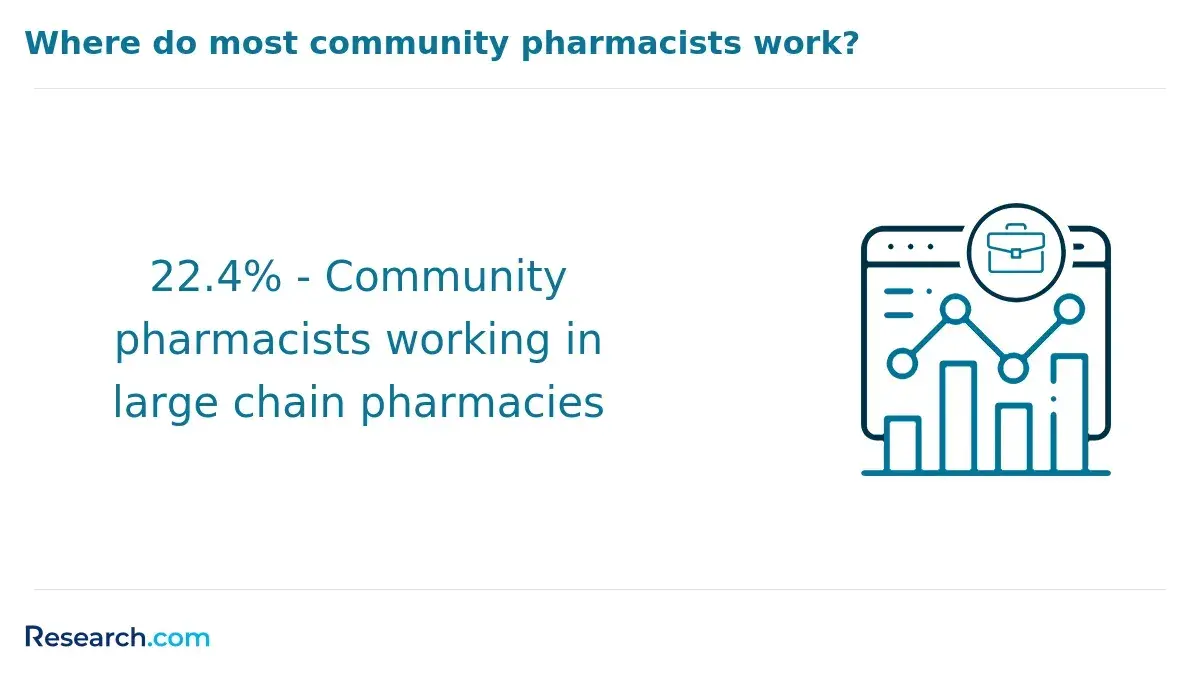
Pharmacists dispense medications, review prescriptions, counsel patients, monitor drug safety, and support medication-related decisions in pharmacies, hospitals, clinics, and other healthcare settings. According to the Health Resources and Services Administration (HRSA), there are around 360,604 pharmacists in the workforce, making pharmacy a substantial part of the healthcare system.
Quick Answer: What Schooling Do You Need to Become a Pharmacist?
To become a pharmacist in the U.S., you generally need a Doctor of Pharmacy, or Pharm.D, from a program accredited by the Accreditation Council for Pharmacy Education (ACPE). Most students complete prerequisite undergraduate coursework first, then enter a Pharm.D program. The total education timeline is often six to eight years, although accelerated pharmacist schooling programs may allow some students to finish the Pharm.D portion in three years.
After completing pharmacy school, graduates must pass the National American Pharmacist Licensure Examination (NAPLEX). Some states also require the Multistate Pharmacy Jurisprudence Examination (MPJE), along with practical experience hours, background checks, or other state-specific steps.
Pharmacist Schooling Guide Contents
- Core skills needed for pharmacy school and practice
- Common prerequisites before applying to pharmacy school
- The Pharm.D degree and pharmacist education timeline
- How clinical rotations strengthen pharmacy training
- When an MBA may help a pharmacist move into leadership
- How additional certifications can expand pharmacy expertise
- How to compare pharmacy programs before applying
- Whether accelerated administration degrees support pharmacist leadership goals
- Trends shaping pharmacy education and career options
- How supplementary credentials can support career flexibility
- How a master's in healthcare administration may fit a pharmacist’s career plan
- Employment outlook and salary information for pharmacists
- Additional skills that help pharmacists stand out
- Scholarships, loans, and financial aid for pharmacy students
- How online courses can supplement pharmacy education
What Does a Pharmacist Actually Do?
Pharmacists are medication experts. Their work goes beyond handing a prescription bag to a patient. They verify prescription accuracy, check for possible drug interactions, explain dosage instructions, answer patient questions, communicate with prescribers, manage medication inventory, and may support immunization, chronic disease management, medication therapy management, or specialty pharmacy services depending on their setting and state scope of practice.
| Pharmacist responsibility | Why it matters for patients | Skills used |
| Reviewing prescriptions | Helps reduce medication errors, duplicate therapy, and inappropriate dosing | Attention to detail, pharmacology, clinical judgment |
| Counseling patients | Helps patients understand how and when to take medication safely | Communication, cultural awareness, patient education |
| Checking drug interactions | Supports safer medication use for patients taking multiple drugs | Clinical reasoning, medication knowledge, problem-solving |
| Managing pharmacy systems and inventory | Helps maintain accurate records, labeling, supply levels, and regulatory compliance | Data entry, organization, technology use |
| Collaborating with healthcare teams | Supports coordinated care in hospitals, clinics, and other medical settings | Team communication, professionalism, documentation |
What Skills Do Future Pharmacists Need?
Medication use is common, and prescription complexity can be high. In a CivicScience poll, 26% of Americans take more than four prescriptions per day. That makes pharmacist accuracy and patient counseling especially important. A wrong medication, incorrect dose, misunderstood instruction, or missed interaction can cause serious harm.
Students considering pharmacy school should build these core abilities before and during their Pharm.D training:
- Precision and attention to detail: Pharmacists must review prescriber information, dosage, patient records, drug names, directions, and labeling. Small errors can have serious consequences.
- Manual accuracy and dexterity: Some pharmacists prepare or compound medications. In those cases, pharmacy compounding responsibilities require careful measuring, mixing, and handling.
- Data entry and documentation: Pharmacy work depends on accurate records. Pharmacists must support correct labeling, inventory tracking, patient profiles, and medication histories.
- Clear communication: Patients often ask pharmacists how a medication works, what side effects to watch for, and whether a drug is appropriate for a symptom. Strong communication skills in pharmacy settings help pharmacists explain complex information in plain language.
Pharmacy students also need a strong foundation in the scientific areas that explain how medicines are developed, formulated, prescribed, and monitored.
- Pharmacology: Pharmacology examines how drugs act in the body and how the body responds to those drugs (ASPET, n.d.). This knowledge helps pharmacists evaluate appropriate use, side effects, and therapeutic effects.
- Pharmaceutical chemistry: This area focuses on drug properties, chemical behavior, interactions, and the science behind medication design and compounding.
- Pharmacognosy: Pharmacognosy studies medicines derived from natural sources such as plants and animals (Orhan, 2014). It is especially relevant for pharmacists who want to understand herbal products, traditional medicine, and natural drug sources.
What Are the Prerequisites for Pharmacy School?
Pharmacy admissions differ from some other healthcare education pathways. Many advanced healthcare degrees, such as online BSN to DNP programs, typically expect applicants to already hold a bachelor’s degree. Similarly, someone preparing to become a speech language pathologist usually completes undergraduate preparation before entering a graduate program. Pharmacy schools may consider applicants without a completed bachelor’s degree, but that does not make admission simple.
Most Pharm.D programs require specific prerequisite courses, strong academic performance, and evidence that applicants understand the demands of pharmacy practice. Requirements vary by school, so applicants should check each program carefully rather than assuming all pharmacy schools expect the same preparation.
1. Required Undergraduate Coursework
Applicants usually complete college-level science and math prerequisites before entering pharmacy school. Common requirements include biology, chemistry, calculus, and statistics. The exact course list can affect how long pharmacist schooling takes because students who lack prerequisites may need extra terms before they can begin the professional Pharm.D curriculum.
Students who already hold an associate or bachelor’s degree may have completed some of these courses. Graduates from related healthcare programs, including online pharmacy technician programs, may also be able to apply previous coursework toward prerequisites, depending on the pharmacy school’s policies. According to the Pharmacy Workforce Center, 82.8% of pharmacists possess a PharmD.
2. Recommendation Letters
Some Pharm.D programs ask for at least two recommendation letters. Strong letters often come from science faculty, supervisors, healthcare professionals, or pharmacists who can speak to an applicant’s academic ability, professionalism, service mindset, and readiness for a demanding healthcare program.
3. Pharmacy College Admission Test History
The Pharmacy College Admission Test, or PCAT, was designed for applicants to pharmacy programs. It was not universally required, although some schools previously recommended or considered it. However, the test has been retired in 2024, so applicants should review each school’s current admissions criteria instead of preparing for an exam that is no longer offered.
What Degree Is Required to Become a Pharmacist?
The required professional degree for pharmacists is the Doctor of Pharmacy, commonly called the Pharm.D. This differs from some healthcare business or information roles, such as health information management jobs, where a bachelor’s degree may be sufficient for entry. The Pharm.D is a professional doctoral degree focused on medication science, patient care, drug safety, pharmacy law, and clinical decision-making.
A Pharm.D should not be confused with RPh. RPh means registered pharmacist. It is a professional licensure status earned after completing the required pharmacy education and meeting state licensing requirements. In other words, the Pharm.D is the degree; RPh is tied to being licensed as a pharmacist.
Pharm.D coursework commonly includes subjects such as:
- Medicinal chemistry: Students study how drug structure influences drug action at the molecular level and how those properties affect patients (University of Michigan, n.d.).
- Pharmaceutical formulation: This coursework examines how medications are prepared, delivered, and designed in different dosage forms.
- Population health: According to the CDC, population health focuses on applying policies and strategies to address health issues across groups of people. Pharmacists use this perspective when responding to community-level medication needs, safety concerns, and health-related issues affecting populations.
- Dispensing and medication counseling: Students learn not only medication names and uses but also how to educate patients, correct misunderstandings, and discuss safe medication use. This is increasingly important when drug-related myths and misinformation can influence patient choices.
- Pharmaceutical calculations: Students practice calculating concentrations, quantities, doses, and compounding measurements so medications can be prepared accurately.
How Long Is Schooling to Become a Pharmacist?
Pharmacist schooling can take six to eight years for many students. The Pharm.D portion usually takes four years, while prerequisite coursework before pharmacy school may take two to four years. Students who already completed relevant college coursework or a health-related bachelor’s degree, such as a biology degree, may need fewer additional prerequisites.
Some pharmacy schools offer accelerated formats. Similar to accelerated nurse practitioner programs, accelerated Pharm.D options may allow students to complete the professional pharmacy curriculum in three years. These programs can shorten the timeline, but they may also require a heavier course load and fewer academic breaks.
| Pharmacy education path | Typical structure | Best fit | Important trade-off |
| Traditional prerequisite plus Pharm.D route | Prerequisites followed by a four-year Pharm.D | Students who want a standard academic pace and time to build science preparation | Often takes longer overall |
| Bachelor’s degree before Pharm.D | Complete a bachelor’s degree, then enter pharmacy school | Students who want a broader academic foundation or are still comparing healthcare careers | May add time and cost if not required by the target program |
| Accelerated Pharm.D program | Condensed professional coursework that may take three years | Highly prepared students who can manage an intensive schedule | Less flexibility and potentially higher academic pressure |
| Pharmacy technician to Pharm.D pathway | Use technician experience while completing required prerequisites and applying to pharmacy school | Working pharmacy technicians who want to advance into pharmacist roles | Work experience does not replace Pharm.D and licensure requirements |
Do Pharmacists Need a License?
Yes. Pharmacists must be licensed to practice in the United States. After completing an ACPE-accredited Pharm.D program, graduates must take the National American Pharmacist Licensure Examination (NAPLEX), administered by the National Association of Boards of Pharmacy (NABP). State boards may also require the Multistate Pharmacy Jurisprudence Examination (MPJE) and additional steps.
The basic NAPLEX process includes:
- Check state eligibility rules: Review the state board of pharmacy directory for the state where you plan to practice. Licensure requirements are not identical in every state.
- Apply for eligibility: Create an NABP profile and submit the required materials. NABP requires applicants to have completed an ACPE-accredited pharmacy program. Applicants should also pay the application fee of $100 per jurisdiction.
- Pay for the exam: After eligibility is granted, applicants purchase the exam. The NAPLEX exam fee is $475. Once paid, the applicant receives an Authorization to Test (ATT) letter and should confirm that the name matches valid identification.
- Schedule the testing appointment: The NAPLEX is offered at Pearson Professional Center sites in 50 US states, US territories, and the District of Columbia. Applicants must schedule before the eligibility period ends or restart the eligibility process and pay required fees again.
- Complete the NAPLEX: The exam has 255 questions and takes up to six hours. Scoring is pass or fail, and applicants can have up to five attempts to pass.
Depending on the state, graduates may also need to pass the MPJE. The MPJE is administered by NABP and follows a process similar to the NAPLEX. After passing the required exams, graduates apply for pharmacist licensure through the appropriate state board. Some states may also require practical experience hours, a criminal background check, or other documentation.
How Do Clinical Rotations Improve Pharmacy Education?
Clinical rotations and internships move pharmacy training from classroom theory into supervised practice. During these experiences, students work in real healthcare environments where they apply medication knowledge, counsel patients, communicate with healthcare teams, and learn how pharmacy regulations shape daily work.
Rotations can also help students test career interests. A student may discover that hospital pharmacy, ambulatory care, community pharmacy, specialty pharmacy, or another setting is a better fit than expected. For a deeper look at the education timeline, see Research.com’s guide on how long it takes to become a pharmacist.
Can an MBA Help a Pharmacist Move Into Leadership?
An MBA is not required to become a pharmacist, but it may be useful for pharmacists who want to move beyond direct clinical practice into management, operations, consulting, entrepreneurship, or healthcare strategy. Business training can strengthen financial literacy, staffing decisions, workflow improvement, and organizational leadership.
This path makes the most sense for pharmacists who already know they want administrative responsibility or business-focused roles. Pharmacists considering this direction can compare possible healthcare MBA jobs to see whether graduate business training aligns with their goals.
How Can Additional Certifications Expand a Pharmacist’s Expertise?
Supplementary certifications can help pharmacists develop focused skills outside the standard Pharm.D curriculum. These credentials may be useful in areas such as billing, coding, compliance, digital records, patient support, or specialty services. They should be chosen strategically, not collected randomly.
For example, a pharmacist interested in revenue cycle operations, documentation, or administrative coordination may benefit from understanding medical coding. A medical coder certification online can provide context for billing workflows and healthcare documentation, although it does not replace pharmacist licensure or clinical training.
How Should You Choose a Pharmacy Program?
Choosing a pharmacy school should start with licensure readiness. Before comparing tuition, format, or location, confirm that the program is properly accredited and that its curriculum meets the requirements for the state where you plan to practice. A lower-cost or more flexible program is not a good value if it does not support your licensing goals.
Students comparing campus-based, hybrid, and online options should also consider clinical placements, student support, exam preparation, graduate outcomes, and scheduling demands. Flexible formats, including an online doctor of pharmacy program, may help some students balance school with work or family responsibilities, but students must verify how labs, rotations, and state licensure requirements are handled.
| Program factor | What to ask before applying | Why it matters |
| Accreditation | Is the Pharm.D program accredited by ACPE? | Accreditation is central to licensure eligibility. |
| Prerequisites | Which courses are required, and will my previous credits count? | Missing prerequisites can extend the timeline. |
| Clinical placements | Where do students complete rotations, and who arranges them? | Hands-on training is essential for practice readiness. |
| Licensure support | How does the program prepare students for NAPLEX and MPJE requirements? | Graduation alone does not authorize independent practice. |
| Format | Are classes campus-based, hybrid, online, accelerated, or full-time? | The best format depends on schedule, learning style, and intensity. |
| Cost and aid | What is the full cost after fees, supplies, travel, and financial aid? | Tuition alone does not show the total investment. |
| Career support | Does the school help with residencies, networking, and employer connections? | Support can matter in competitive pharmacy job markets. |
Can Accelerated Administration Degrees Support Pharmacist Leadership Goals?
Pharmacists who want supervisory, operations, or administrative roles may consider additional education in healthcare administration. An accelerated administration program can be appealing when a pharmacist wants to build management skills without spending unnecessary time away from work.
This option is most useful when it connects directly to a career plan: pharmacy director, healthcare operations manager, clinic administrator, or another leadership role. Pharmacists comparing this route can explore fastest health services administration programs online to understand how accelerated options are structured.
Trends Affecting Pharmacy Education and Career Planning
Pharmacy education is changing as pharmacists take on broader responsibilities in patient care, digital service delivery, medication management, and collaborative healthcare. Students entering pharmacy school should understand these shifts because they may influence electives, rotation choices, residency plans, and long-term career options.
Telepharmacy is one important development. Virtual pharmacist consultations can expand access for patients who have difficulty visiting a physical location. This creates a need for pharmacists who are comfortable with electronic prescriptions, remote counseling, privacy expectations, and digital communication tools.
Interdisciplinary training is also becoming more important. Pharmacists increasingly work with physicians, nurses, administrators, public health teams, and care coordinators. Students interested in flexible study formats can compare online pharmacy programs, while still confirming how each program handles laboratory work, experiential learning, and licensure alignment.
Specialized services such as pharmacogenomics and medication therapy management may also influence career planning. These areas emphasize individualized medication decisions and improved patient outcomes. Students who want these roles should look for programs with relevant electives, rotations, faculty expertise, and residency pathways.
How Can Supplementary Credentials Improve Career Flexibility?
Additional credentials can help pharmacists build a broader professional profile, especially when they support a clear role or skill gap. For example, short-term patient-care training may help some pharmacists better understand front-office clinical workflows, patient intake, or care coordination. Research.com’s guide to medical assistant programs 6 weeks can help readers compare how brief healthcare training differs from the much longer Pharm.D path.
The key is relevance. A certification should support a specific goal, such as improving administrative knowledge, strengthening technology skills, preparing for a specialized pharmacy setting, or improving collaboration with other healthcare staff.
Can a Master's in Healthcare Administration Help a Pharmacist?
A master's in healthcare administration may be valuable for pharmacists who want to lead departments, manage budgets, improve workflows, or move into executive healthcare roles. It can complement a Pharm.D by adding training in policy, finance, operations, compliance, and organizational decision-making.
This degree is not necessary for every pharmacist. It is better suited to professionals who want management authority or administrative influence. Readers weighing this option can review what you can do with a master's in healthcare administration before committing to another graduate credential.
Job Outlook for Pharmacy School Graduates
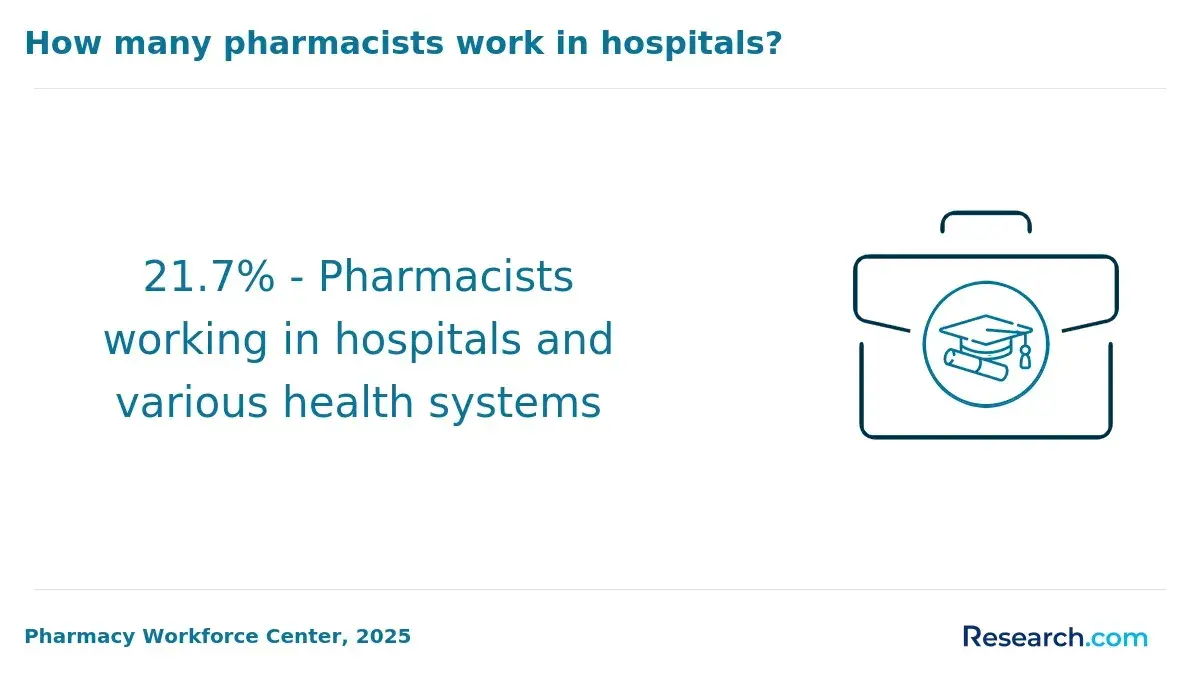
It is projected that there will be 14,200 openings every year for pharmacists. With a predicted 4.6% increase until 2034, the employment growth rate is faster compared to other occupations (BLS, 2025). Pharmacists commonly work in retail drugstores, hospitals, clinics, and related healthcare environments.
The pharmacy job market can be competitive, particularly for higher-paying or specialized positions. Graduates who want clinical roles may consider residency training. Post-graduate Year One (PGY1) usually emphasizes general pharmacy practice, while Post-graduate Year Two (PGY2) allows residents to focus on a specialty and strengthen medication therapy and clinical leadership skills (ACCP, n.d.).
A Pharm.D can also support movement into adjacent healthcare careers. Some pharmacists pursue leadership-oriented healthcare study, such as a Masters in Nurse Administration, while others explore business training for healthcare MBA careers.
How Much Do Pharmacists Earn?
Pharmacists generally earn more than many allied health roles, including occupations often compared with a child life specialist salary. The annual median wage for pharmacists is $137,480 (BLS, 2025). Pay can vary by industry, role, geography, experience, schedule, and leadership responsibility. For example, a hospital pharmacist manager can earn $171,414, according to the National Pharmacist Workforce Survey.
Among industries, insurance and employee benefit funds pay pharmacists the most with an annual wage of $173,980, while hospitals provide a yearly salary of $147,530. Some pharmacists work long shifts, weekends, holidays, or overnight schedules, particularly in facilities that operate 24 hours.
| Salary or outlook figure | Reported amount | Source context |
| Projected pharmacist openings | 14,200 openings every year | BLS, 2025 |
| Projected employment growth | 4.6% increase until 2034 | BLS, 2025 |
| Median annual wage | $137,480 | BLS, 2025 |
| Hospital pharmacist manager pay example | $171,414 | National Pharmacist Workforce Survey |
| Insurance and employee benefit funds annual wage | $173,980 | Industry wage comparison |
| Hospital annual wage | $147,530 | Industry wage comparison |
What Additional Skills Help Pharmacists Excel?
Beyond medication knowledge, strong pharmacists are skilled problem-solvers. They may need to respond to supply shortages, confusing prescriptions, patient concerns, potential allergic reactions, or complex drug combinations. The ability to slow down, verify information, and make safe decisions is essential.
Adaptability is also increasingly important. Pharmacists may work with electronic prescriptions, digital records, remote consultations, inventory systems, and telepharmacy platforms. Students considering flexible education options in related fields may find Research.com’s discussion of whether online degrees are worth it helpful when comparing learning formats.
Cultural competence matters as well. Pharmacists serve patients with different languages, beliefs, health literacy levels, and experiences with medical care. Effective pharmacists listen carefully, avoid assumptions, and explain medication information in a way patients can understand and follow.
Financial Aid and Scholarships for Pharmacy Students
Pharmacy school can be a significant financial commitment because the path may include prerequisite coursework, professional tuition, fees, supplies, transportation, licensing costs, and unpaid or limited-work clinical rotation periods. Students should compare total cost, not just advertised tuition.
Common funding options include federal grants, federal loans, work-study opportunities, institutional scholarships, and scholarships from pharmacy-related organizations. Some pharmacy schools award aid based on academic achievement, leadership, service, or community involvement.
Students can also look beyond pharmacy-specific aid and compare healthcare education funding opportunities. Research.com’s guide to quick medical certifications may be useful for readers who are also considering shorter healthcare training options before committing to pharmacy school.
| Cost or aid factor | What students should check | Common mistake to avoid |
| Tuition and fees | Program tuition, university fees, lab fees, and technology costs | Comparing schools by tuition only |
| Prerequisite costs | Community college, university, or post-baccalaureate coursework expenses | Ignoring the cost before the Pharm.D begins |
| Clinical rotation expenses | Travel, housing, scheduling limits, and work-hour constraints | Assuming rotations will be near home or easy to schedule |
| Licensing expenses | Application fees, exam fees, and state licensure costs | Budgeting only through graduation |
| Scholarships and grants | School, federal, professional association, and local foundation opportunities | Waiting until the deadline is close to apply |
Can Online Courses Supplement Pharmacy Education?
Online courses can strengthen pharmacy preparation when they fill a real knowledge gap. They may help students review sciences, explore healthcare administration, learn technology tools, or complete approved prerequisites. However, online coursework does not remove the need for an accredited Pharm.D program, clinical training, and state licensure.
Students should always ask whether an online course will transfer, satisfy a prerequisite, or support a credential before paying for it. For a broader overview of healthcare programs that may be available remotely, see Research.com’s guide to what medical degrees you can get online.
Common Mistakes to Avoid When Planning for Pharmacy School
- Assuming every pharmacy program leads to licensure: Always verify accreditation and state requirements before enrolling.
- Choosing based only on speed: Accelerated programs may save time, but they can be academically intense and less flexible.
- Underestimating prerequisite planning: Missing one required science or math course can delay admission.
- Ignoring total cost: Include prerequisite courses, fees, travel, books, rotations, exam fees, and licensure costs.
- Assuming online means fully remote: Pharmacy education often includes labs, rotations, and supervised practice requirements.
- Skipping career research: Community pharmacy, hospital pharmacy, specialty pharmacy, administration, and residency-based clinical roles can involve very different workdays.
- Collecting unrelated credentials: Additional certifications should support a specific career goal, not simply add lines to a resume.
Is Pharmacy School Worth It?
Pharmacy school may be worth it for students who are committed to medication safety, patient counseling, healthcare teamwork, and several years of rigorous science-based training. The career offers strong wage potential based on the figures presented, but it also requires substantial education, licensing exams, and careful financial planning.
Students should consider a different path if they want a faster healthcare credential, dislike chemistry and biology, are uncomfortable with high-stakes accuracy, or prefer a role with less direct patient interaction. Before applying, compare pharmacy with other healthcare careers, shadow pharmacists when possible, review state licensing rules, and calculate the likely cost of the full pathway.
Key Insights
- The Pharm.D is the required degree: To practice as a pharmacist, students generally need an ACPE-accredited Doctor of Pharmacy degree followed by state licensure.
- The timeline is significant: Many students spend six to eight years completing prerequisites and the Pharm.D, though some accelerated programs shorten the professional pharmacy portion to three years.
- Licensure is non-negotiable: Graduates must pass the NAPLEX, and some states also require the MPJE, practical experience, background checks, or other state-specific requirements.
- Program choice affects licensure and ROI: Accreditation, clinical placements, prerequisite policies, cost, exam preparation, and state alignment should matter more than convenience alone.
- Pharmacy careers can be competitive: BLS projects 14,200 openings every year and a 4.6% increase until 2034, but specialized or higher-paying roles may require residency, experience, or leadership training.
- Salary potential is strong but not guaranteed: The annual median wage for pharmacists is $137,480, with pay varying by industry, role, schedule, location, and experience.
- Additional credentials should be strategic: MBAs, healthcare administration degrees, coding courses, and other certifications can help only when they support a defined career direction.
References:
- American College of Clinical Pharmacy (n.d.). What is a Residency and How Do I Get One? https://www.accp.com/stunet/compass/residency.aspx
- American Society for Pharmacology and Experimental Therapeutics (ASPET) (n.d.). About Pharmacology. https://www.aspet.org/aspet/education-careers/about-pharmacology
- Center for Disease Control and Prevention (2025). What is Population Health? https://www.cdc.gov/niosh/ehr/population/index.html Additional pharmacy workforce and research resources: https://datausa.io/profile/soc/pharmacists https://doi.org/10.2196%2F15065
- CivicScience. (2025, February 18). Trend to Watch: The Percentage of Americans Taking Four or More Prescription Medications Daily Continues to Rise. https://civicscience.com/trend-to-watch-the-percentage-of-americans-taking-four-or-more-prescription-medications-daily-continues-to-rise/
- Health Resources and Services Administration. (2025, December). State of the U.S. Health Care Workforce, 2025. National Center for Health Workforce Analysis. https://bhw.hrsa.gov/sites/default/files/bureau-health-workforce/data-research/State-of-US-Health-Care-Workforce-2025.pdf
- Mott, D. A., Bakken, B. K., Nadi, S., Arya, V., Doucette, W. R., Gaither, C. A., Kreling, D. H., & Schommer, J. C. (2025, June). Final Report of The 2024 National Pharmacist Workforce Survey. Pharmacy Workforce Center. https://www.aacp.org/article/national-pharmacist-workforce-studies
- National Association of Boards of Pharmacy (2026). MPJE. https://nabp.pharmacy/programs/examinations/mpje
- National Association of Boards of Pharmacy (2026). NAPLEX. https://nabp.pharmacy/programs/examinations/naplex
- U.S. Bureau of Labor Statistics. (2024). Occupational Employment and Wage Statistics. Retrieved February 2026, from https://data.bls.gov/oes/#/industry/000000
- U.S. Bureau of Labor Statistics. (2025, August 28). Occupational projections, 2024–2034, and worker characteristics. Retrieved February 2026, from https://www.bls.gov/emp/tables/occupational-projections-and-characteristics.htm
Other Things You Should Know About A Pharmacist Degree
In 2027, to become a practicing pharmacist in the United States, you need a Doctor of Pharmacy (Pharm.D) degree. This degree must be obtained from an accredited pharmacy school, which typically includes a combination of classroom instruction and practical experience.
Prerequisite courses for pharmacy school usually include biology, chemistry, calculus, and statistics. The exact requirements vary by program, and some schools may require a certain GPA for admission.
Becoming a pharmacist typically takes six to eight years. This includes two to four years for prerequisite courses and four years for the Pharm.D program. Accelerated programs may allow students to complete their education in a shorter time frame.
The Pharmacy College Admission Test (PCAT) was a standardized test designed for pharmacy school applicants to assess their knowledge and potential in the field. However, the PCAT was discontinued in 2024 and is no longer being offered.
Yes, pharmacists need a license to practice. They must pass the National American Pharmacist Licensure Examination (NAPLEX) and may need to pass the Multistate Pharmacy Jurisprudence Examination (MPJE) depending on the state. Additional state-specific requirements may include practical experience and a criminal background check.
In 2027, pharmacists can benefit from certifications in areas like immunization delivery, medication therapy management, and specialized fields such as oncology or diabetes care. These certifications can enhance a pharmacist's expertise and employment opportunities in specialized healthcare settings.
Courses in a Pharm.D program include Medicinal Chemistry, Pharmaceutical Formulation, Population Health, Dispensing and Medication Counseling, and Pharmaceutical Calculation. These courses focus on health science, drug interactions, and safe medication use.
Pharmacists can work in various settings, including retail drugstores, hospitals, clinics, and ambulatory healthcare services. They can also pursue specializations through post-graduate training programs like PGY1 and PGY2 or transition to administrative roles in healthcare.