
2027 Management Jobs for a Career in Healthcare

Co-Founder and Chief Data Scientist
Healthcare management is the career path for people who want to improve patient care by leading the systems behind it: staffing, budgets, records, compliance, operations, quality improvement, insurance processes, technology, and access to services. It is a practical option for students comparing healthcare administration degrees, clinicians who want to move into leadership, and professionals from business, IT, finance, public health, or data analytics who want to work in healthcare without necessarily providing direct patient care.
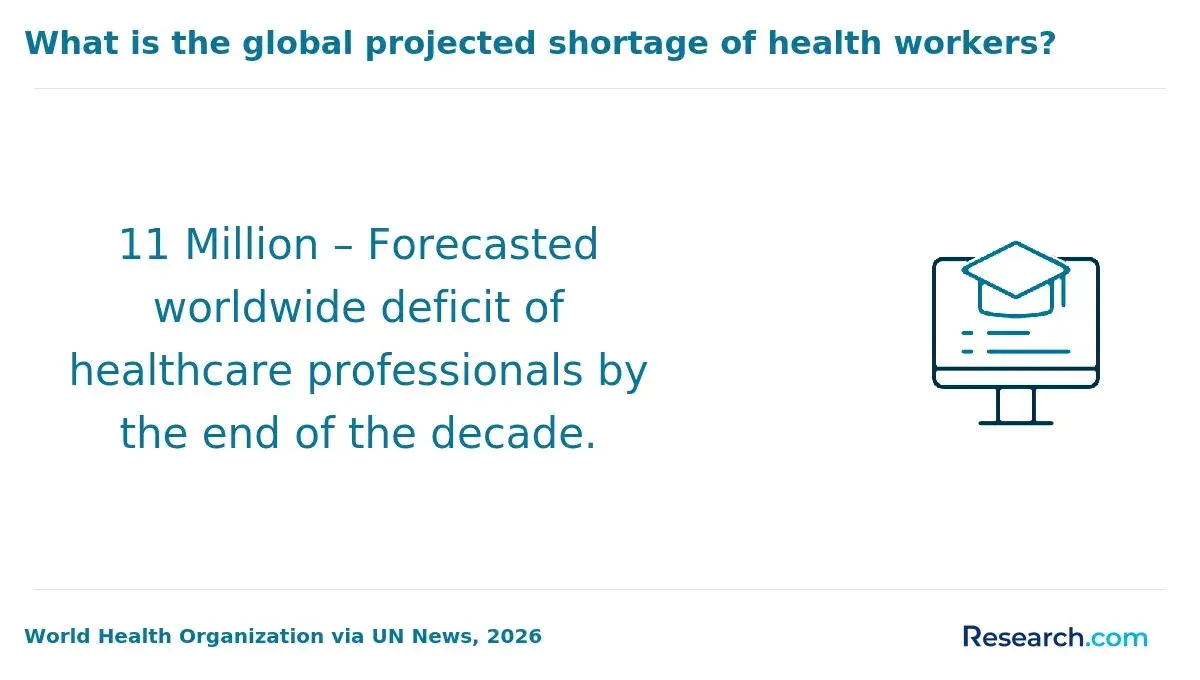
The field matters now because healthcare organizations are under pressure from workforce shortages, rising demand for services, digital health tools, cybersecurity risks, and increasingly complex regulations. The World Health Organization projects a 10 million doctor, nurse, and midwife shortfall by 2030 if the issue is not addressed (World Health Organization, 2024). In the United States, the U.S. Bureau of Labor Statistics reports strong growth across health-related occupations, and medical and health services managers are central to keeping care delivery organized, compliant, and financially sustainable.
This guide explains how to enter healthcare management, which jobs are available, what those roles usually involve, what education and certifications can help, how salaries compare, and how to decide whether this career path fits your goals. It also covers technology, crisis readiness, patient data protection, education ROI, and common mistakes to avoid before choosing a program or applying for management roles.
Management Jobs for a Career in Healthcare Table of Contents
- How to Enter the Healthcare Management Field
- Healthcare Management Jobs in Administration
- Healthcare Management Jobs in Clinical Settings
- Healthcare Management Jobs in Specialized Areas
- Emerging Healthcare Management Jobs for 2027
- Salary Potential and Career Growth in Healthcare Management
- Cost, ROI, and Education Value in Healthcare Management
- Protecting Patient Data as a Healthcare Manager
- Using Interdisciplinary Experience to Advance in Healthcare ManagementPatient data protection considerations
- Building Healthcare Management Resilience During Crises
- Technology and the Future of Healthcare Management
- Accelerated Routes to Advanced Healthcare Management Roles
- PharmD Graduates and Accelerated Management Pathways
- Leadership’s Strategic Role in Healthcare Management
- Continuing Education Options for Healthcare Managers
- Regulatory Policies That Affect Healthcare Management
- Challenges Shaping Healthcare Management Careers
Quick Answer: What Are the Best Healthcare Management Jobs to Consider?
Healthcare management jobs include hospital operations manager, healthcare finance manager, clinic manager, health information manager, physician practice manager, rehabilitation manager, medical case manager, pharmaceutical quality manager, clinical quality improvement manager, medical coding and billing manager, healthcare IT manager, health insurance manager, telehealth manager, population health manager, and healthcare analytics manager. The best option depends on your background: business-focused professionals may fit finance or operations, clinicians may fit case management or rehabilitation leadership, technology professionals may fit healthcare IT or analytics, and detail-oriented compliance professionals may fit health information, billing, quality, or insurance management.
Most healthcare management careers require at least a bachelor’s degree in healthcare administration, health management, business, public health, nursing, health informatics, finance, or a related field. Senior leadership roles often favor a master’s degree, such as an MHA, MBA with a healthcare concentration, MPH, or another graduate credential aligned with the role.
How to Enter the Healthcare Management Field
Healthcare management is not a single job title. It is a career category that includes administrative leadership, clinical program oversight, compliance, quality, revenue cycle management, health data, insurance operations, telehealth, and analytics. Because the field is broad, the right entry route depends on whether you are starting from college, moving up from a healthcare support role, transitioning from clinical practice, or entering healthcare from another industry.
The typical path combines three things: relevant education, healthcare-specific knowledge, and practical experience. Employers usually want proof that you understand both management and the healthcare environment, including patient privacy, reimbursement, staffing constraints, quality metrics, and regulatory requirements.
Healthcare Management Entry Routes Compared
| Path | Best for | Typical preparation | Roles it can support |
| Bachelor’s degree in healthcare administration or health management | Students seeking a direct route into healthcare operations | Coursework in healthcare systems, finance, policy, ethics, organizational behavior, and information systems | Clinic manager, operations coordinator, department supervisor, entry-level administrator |
| Master’s degree in healthcare administration or health management | Professionals aiming for leadership or advancement | Graduate study in strategy, quality improvement, finance, leadership, and healthcare policy | Operations manager, practice manager, quality manager, senior administrator |
| MBA with healthcare management concentration | Professionals who want business leadership roles in healthcare | Business training combined with healthcare industry coursework | Finance manager, insurance manager, operations leader, executive-track roles |
| Clinical background plus management training | Nurses, therapists, pharmacists, and other clinicians moving into leadership | Clinical degree plus leadership, administration, or public health coursework | Rehabilitation manager, case manager, clinical quality manager, service-line manager |
| IT, data, or informatics route | Technology professionals who want healthcare roles | Health informatics, cybersecurity, EHR, analytics, privacy, and compliance training | Healthcare IT manager, health information manager, healthcare analytics manager |
Education Requirements and Degree Options
The most direct academic preparation is a healthcare administration or health management degree. There are 755 colleges in the U.S. that offer health/health care administration or management undergraduate and graduate programs. Program requirements vary by school and degree level, so students should compare accreditation, curriculum, internship access, transfer policies, and career support before enrolling.
- Bachelor’s degree in Healthcare Administration or Health Management: A bachelor’s program is commonly used for entry-level administrative and supervisory roles. A healthcare administration degree may include healthcare delivery systems, budgeting, policy, ethics, human resources, quality improvement, and healthcare information systems.
- Master’s degree in Healthcare Administration or Health Management: A graduate degree can strengthen preparation for leadership roles, especially in hospitals, large outpatient systems, government agencies, consulting, insurance, and quality improvement. Master’s programs typically require a bachelor’s degree and may value prior healthcare or management experience.
- MBA with a Healthcare Management Concentration: This route is useful for students who want a stronger business foundation in finance, strategy, operations, marketing, and organizational leadership while applying those skills to healthcare. It can be especially relevant for finance, insurance, consulting, and executive-track roles.
- Related healthcare degrees: Some professionals enter management after training in nursing, public health, medical science, speech-language pathology, or another clinical or allied health field. For example, students comparing healthcare and therapy-related pathways may also research traditional or online SLP master’s programs before deciding which type of patient-care or leadership path fits them best.
Which Degree Is Best for Healthcare Management?
The best degree depends on the role you want. A bachelor’s in healthcare administration can be enough for some entry-level management or coordinator roles. A master’s in healthcare administration, health management, public health, business administration, or health informatics is often more useful for senior roles, multi-department leadership, consulting, and executive advancement. If you want finance-heavy roles, an MBA or finance background may help. If you want data or IT leadership, health informatics or analytics training may be more relevant.
Can You Enter Healthcare Management With an Online Degree?
Yes. Many employers consider online degrees acceptable when the program is legitimate, accredited, and comparable in rigor to campus-based study. For online programs, applicants should verify regional accreditation, confirm whether the school has a traditional campus counterpart when that matters to employers, and assess the reputation and track record of the institution. Drexel University’s guidance on online degrees highlights regional accreditation, a traditional campus counterpart, and a reputable institution as key criteria.
Specializations and Certifications That Can Strengthen Your Profile
Certifications are not always required, but they can help show focused expertise in areas such as health information, risk management, long-term care, quality, billing, coding, finance, and informatics. Before pursuing a certification, check whether employers in your target role request it and whether your state has licensing requirements for the setting you want to manage.
- Health Information Management: This area focuses on patient records, health data systems, privacy, compliance, and information governance. Relevant credentials may include Registered Health Information Administrator (RHIA) and Certified Professional in Health Informatics (CPHI).
- Hospital Administration: This specialization prepares professionals to manage facility operations, budgets, quality initiatives, risk, staffing, and compliance. Certification options may include Certified Healthcare Administrative Professional (cHAP) and Certified Professional in Healthcare Risk Management (CPHRM).
- Long-Term Care Administration: This path focuses on nursing homes, assisted living facilities, and other long-term care environments. Some clinicians who complete nursing pathways, including online BSN to DNP programs, may move toward Nursing Home Administrator (NHA) or Certified Assisted Living Administrator (CALA) preparation depending on state rules and career goals.
What Healthcare Management Career Is Most Common?
Healthcare administration is one of the most common career directions because nearly every healthcare organization needs people who can manage staff, scheduling, compliance, records, revenue, supplies, patient flow, and quality goals. The field also includes roles adjacent to administration, from certified medical administrative assistant jobs to hospital leadership, health information management, healthcare consulting, and insurance operations.
Why Internships and Work Experience Matter
Healthcare management is learned partly in classrooms and partly inside real organizations where patient needs, staffing limits, compliance rules, and financial realities collide. Internships, practicums, fellowships, administrative residencies, and project-based roles help students understand how decisions affect patients, clinicians, revenue, and operations.
- Use internships to apply classroom knowledge to scheduling, budgeting, quality review, patient flow, or compliance tasks.
- Look for roles that expose you to real healthcare systems, not only general office work.
- Build relationships with administrators, department managers, clinicians, and compliance staff.
- Ask for measurable projects, such as reducing appointment backlogs, improving documentation workflows, or analyzing patient satisfaction data.
- Document outcomes for your resume, including scope, tools used, teams supported, and results achieved.
Research on work-integrated learning indicates that practical experience can support employability and skill development by helping students build decision-making, problem-solving, and professional judgment. It also helps future managers understand the pressures faced by frontline staff and the importance of training, supervision, and support (University of Oxford, 2025).
Healthcare Management Jobs in Administration for 2026
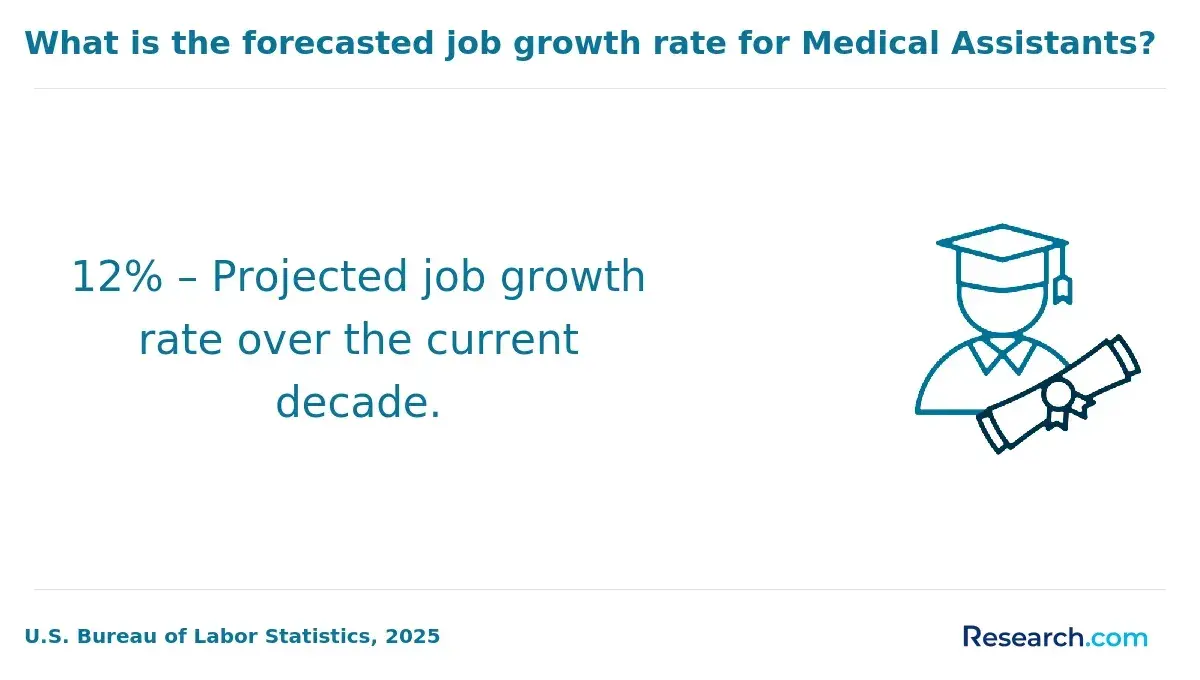
If you are asking what you can do with a healthcare management degree, administration is usually the first category to explore. According to the BLS, there were approximately 480,700 employed medical and health services managers in 2024. Administrative roles appear in hospitals, outpatient clinics, physician groups, government agencies, long-term care facilities, insurers, and health technology organizations.
Administrative healthcare managers oversee the business and operational side of care. Some roles focus on facility operations, while others emphasize finance, billing, records, compliance, or department-level leadership. Students comparing healthcare graduate options may also review related outcomes such as master in medical science salary information when deciding whether to pursue clinical, administrative, or hybrid paths.
Administrative Healthcare Management Roles at a Glance
| Role | Estimated salary | Primary focus | Good fit for |
| Healthcare Operations Manager | $96,679 | Workflow, staffing, budgets, compliance, day-to-day facility performance | Organized problem-solvers who like process improvement |
| Healthcare Finance Manager | $144,045 | Budgets, revenue cycles, financial reporting, reimbursement, billing oversight | Professionals with finance, accounting, or business strengths |
| Health Clinic Manager | $71,052 | Outpatient clinic operations, scheduling, patient service, staff supervision | Leaders who prefer patient-facing administrative environments |
| Health Information Manager | $51,737 | Patient records, EHR systems, privacy, data quality, compliance | Detail-oriented professionals interested in data and documentation |
1. Healthcare Operations Manager
Estimated Salary: $96,679
Healthcare operations managers keep departments, clinics, or facilities running efficiently. They may supervise staff schedules, manage budgets, review productivity, improve patient flow, coordinate vendors, and ensure policies meet regulatory expectations. This role requires strong organization, communication, analytics, and process-improvement skills. A degree in healthcare administration, business, or a related field is commonly useful. Salary levels for this role may be comparable to some clinical career paths, including speech pathologist jobs, depending on location and employer.
2. Healthcare Finance Manager
Estimated Salary: $144,045
Healthcare finance managers oversee financial planning and financial controls in hospitals, clinics, insurers, or healthcare systems. Their work may include budgeting, forecasting, billing oversight, reimbursement analysis, revenue cycle management, contract review, and financial reporting. This job suits professionals who understand accounting or finance and can apply that knowledge to payer systems, patient billing, coding rules, and healthcare reimbursement.
3. Health Clinic Manager
Estimated Salary: $71,052
Health clinic managers supervise outpatient clinics, specialty practices, urgent care centers, or community health sites. They coordinate staff, monitor appointment flow, handle administrative issues, support patient service standards, and help ensure compliance with internal policies and external regulations. This role often requires both people-management skills and the ability to solve operational problems quickly.
4. Health Information Manager
Estimated Salary: $51,737
Health information managers protect the accuracy, accessibility, and security of patient records. They work with electronic health record systems, documentation standards, privacy rules, data quality, coding processes, and health information governance. The role requires attention to detail, knowledge of health information technology, and comfort working with both clinical and administrative teams. Compared with some allied health roles, the annual wage may be somewhat lower than a surgical technology salary, depending on employer and region.
Healthcare Management Jobs in Clinical Settings
Clinical healthcare management roles sit closer to patient care. They often appeal to nurses, therapists, medical assistants, case managers, pharmacists, and other professionals who understand the clinical environment but want to coordinate services, supervise teams, or improve care delivery at a systems level.
5. Physician Practice Manager
Estimated Salary: $119,957
Physician practice managers run the business and operational side of medical practices. They may supervise front-office and clinical support staff, manage scheduling, improve patient access, coordinate billing workflows, support physician productivity, and monitor compliance. The role requires strong communication skills because practice managers often serve as a bridge between physicians, staff, patients, payers, and health system leadership.
6. Rehabilitation Manager
Estimated Salary: $97,315
Rehabilitation managers oversee services such as physical therapy, occupational therapy, speech therapy, and related rehabilitation programs. They coordinate care teams, manage caseloads, support quality standards, maintain equipment and resource planning, and help ensure patients receive appropriate therapy services. Clinical knowledge is valuable, especially for professionals with therapy or nursing backgrounds.
7. Medical Case Manager
Estimated Salary: $54,980
Medical case managers coordinate care plans across providers, patients, families, payers, and community resources. They assess needs, track progress, help remove barriers to care, and support continuity after discharge or during chronic illness management. A background in nursing, social work, public health, or another healthcare discipline can be helpful; students comparing clinical routes may want to review traditional and online nursing degree programs if they are interested in care coordination roles with clinical responsibilities.
Healthcare Management Jobs in Specialized Areas
Specialized healthcare management roles are best for people who want expertise in a defined function rather than general administration. These jobs may involve pharmaceutical quality, clinical outcomes, coding and billing, IT systems, cybersecurity, analytics, or insurance operations. They can be strong options for professionals who already have technical, regulatory, clinical, or data skills.
8. Pharmaceutical Quality Manager
Estimated Salary: $82,590
Pharmaceutical quality managers help ensure that manufacturing, distribution, documentation, and quality control processes meet applicable standards and regulations. Their work may involve audits, corrective actions, quality assurance programs, supplier review, documentation controls, and communication with regulatory authorities. This role typically requires a strong understanding of pharmaceutical processes, regulatory expectations, and quality systems.
9. Clinical Quality Improvement Manager
Estimated Salary: $91,634
Clinical quality improvement managers lead efforts to improve patient safety, outcomes, efficiency, and care consistency. They analyze performance data, identify gaps, design improvement initiatives, monitor results, and encourage teams to use evidence-based practices. This role suits professionals who are comfortable with data, collaboration, process mapping, and change management.
10. Medical Coding and Billing Manager
Estimated Salary: $47,051
Medical coding and billing managers supervise the revenue cycle processes connected to documentation, coding accuracy, claims submission, reimbursement, denials, and compliance. They need detailed knowledge of coding systems, payer rules, documentation standards, and privacy requirements. This role is often a good fit for professionals who are precise, compliance-minded, and comfortable working with both clinical documentation and financial processes.
11. Healthcare IT Manager
Estimated Salary: $90,207
Healthcare IT managers oversee technology systems that support care delivery and business operations. This may include electronic health records, patient portals, cybersecurity controls, interoperability projects, analytics platforms, help desk operations, and vendor implementations. The role requires technical skill, project management, and an understanding of how healthcare workflows differ from ordinary business workflows.
12. Health Insurance Manager
Estimated Salary: $102,199
Health insurance managers work for insurers, healthcare organizations, managed care companies, or benefits-related departments. They may review plan operations, oversee claims workflows, analyze policy rules, negotiate contracts, manage provider relationships, and ensure compliance with regulatory requirements. This role can be a strong fit for professionals with business, healthcare administration, finance, policy, or insurance experience.
Emerging Healthcare Management Jobs for 2026
Newer healthcare management roles are growing around telehealth, population health, data analytics, value-based care, digital tools, and remote monitoring. These jobs usually require managers who can combine healthcare knowledge with technology, analytics, communication, and change-management skills.
13. Telehealth Manager
Estimated Salary: $76,520
Telehealth managers plan and oversee virtual care services. They may coordinate video visit workflows, remote patient monitoring processes, scheduling rules, provider training, patient support, technology vendors, and compliance requirements. This role is important for organizations that want to improve access while keeping virtual care safe, efficient, and well integrated with in-person services.
14. Population Health Manager
Estimated Salary: $70,073
Population health managers work to improve health outcomes for defined groups of patients or communities. They use data to identify risk, coordinate prevention initiatives, support chronic disease management, and collaborate with providers, payers, public health teams, and community organizations. This role often fits professionals with public health, analytics, care coordination, or community health backgrounds.
15. Healthcare Analytics Manager
Estimated Salary: $127,069
Healthcare analytics managers help organizations turn data into operational and clinical decisions. They may oversee dashboards, quality metrics, forecasting, utilization reports, patient access data, revenue cycle analytics, or population health insights. This role is best for professionals who can interpret data, communicate findings clearly, and help leaders act on evidence rather than assumptions.
Salary Potential and Career Growth in Healthcare Management
Healthcare management salaries vary widely by role, employer, region, organization size, experience, education, and specialty. A manager in a large hospital system may earn differently from a manager in a small clinic, insurer, nursing facility, government agency, or health technology company. Salary estimates should be treated as planning benchmarks rather than guarantees.
As of May 2024, the median annual wage for medical and health services managers was $118,800. That was higher than the median wage for all occupations, $50,520 (BLS, 2025). Zippia reports a lower figure, listing $60,931 for healthcare managers. Differences like this are common because salary sources may use different job titles, datasets, experience levels, locations, and employer samples.
Median Annual Wages by Major Healthcare Management Industry
| Industry | Median annual wage | What to consider |
| Hospitals, state, local, and private | $119,450 | Often larger systems, complex departments, higher operational responsibility |
| Government | $117,000 | May involve policy, public health systems, compliance, or program administration |
| Outpatient care centers | $99,540 | Often focused on ambulatory operations, patient access, and service growth |
| Offices of physicians | $98,230 | Practice management, physician support, billing workflows, patient scheduling |
| Nursing and residential care facilities | $83,550 | Long-term care operations, staffing, compliance, resident services |
What Is the Highest-Paid Healthcare Management Job?
Hospital chief executive officer is often among the highest-paid healthcare management roles. Salary.com lists hospital CEO pay at $151,476 to $173,361 per year. Actual executive compensation can vary substantially by facility size, ownership, region, complexity, revenue, and scope of responsibility.
How Much Can You Make in Healthcare Management?
Healthcare management pay may range from around $60,000 to over $100,000 depending on job title, experience, location, employer type, education, and scope of responsibility. Entry-level salaries, including some MBA healthcare management entry level jobs salary outcomes, are usually lower than senior leadership salaries. Managers with responsibility for large budgets, multiple departments, regulatory risk, revenue cycle performance, or strategic operations may have higher earning potential.
Career Growth and Advancement
The BLS projects employment of medical and health services managers to grow by 29% from 2024 to 2034, much faster than the average for all occupations. Growth is connected to demand for healthcare services, the aging population, and the need for efficient management of increasingly complex care systems.
- Build measurable experience: Volunteer for projects tied to patient access, revenue improvement, staffing efficiency, quality scores, compliance, or technology implementation.
- Choose a specialization: Advancement is often easier when you become known for a valuable skill area such as operations, finance, analytics, quality, informatics, or compliance.
- Consider graduate education strategically: A Master of Health Administration, MBA with a healthcare concentration, MPH, or informatics degree can help, but the value depends on cost, employer recognition, and alignment with your target role.
- Develop leadership credibility: Employers look for managers who can lead teams, communicate with clinicians, manage conflict, interpret data, and make decisions under pressure.
How to Find Management Jobs in Hospitals and Healthcare Organizations
A strong job search in healthcare management is targeted, evidence-based, and relationship-driven. Do not rely only on job boards. Combine applications with networking, professional organizations, informational interviews, and internal mobility if you already work in healthcare.
- Tailor your resume to the role: Replace generic duties with evidence of leadership, operational results, project outcomes, budget exposure, compliance work, data tools, or process improvements.
- Use major job platforms: Search Indeed, LinkedIn, Glassdoor, and Monster for titles such as operations manager, practice manager, clinic administrator, quality manager, revenue cycle manager, and health information manager.
- Check employer websites directly: Hospitals, outpatient systems, physician groups, insurers, long-term care facilities, and government agencies often post roles on their own career pages.
- Use healthcare-focused job boards: Specialized healthcare administration and management sites can make it easier to find roles that match your degree, certification, and experience level.
- Join professional associations: Groups such as the American College of Healthcare Executives, Healthcare Financial Management Association, and Medical Group Management Association may offer networking, education, and job search resources.
- Request informational interviews: Ask current managers about their daily work, hiring expectations, mistakes to avoid, and the skills that helped them advance.
- Build a professional online presence: Keep your LinkedIn profile current, follow healthcare systems in your region, and share thoughtful content related to healthcare operations, quality, technology, or policy.
Is Healthcare Management a Good Career Path?
Healthcare management can be a strong career path if you want to improve healthcare delivery without spending all day in direct patient care. It offers a wide range of settings, including hospitals, clinics, outpatient centers, long-term care, insurance companies, public health agencies, consulting firms, technology vendors, and pharmaceutical organizations. Professionals in healthcare administrator careers can move across operations, finance, quality, compliance, informatics, analytics, and executive leadership.
It is not the right fit for everyone. Healthcare managers often work with competing demands: patient access, staff burnout, limited budgets, regulatory deadlines, payer rules, technology problems, and quality expectations. The career can be rewarding, but it requires patience, judgment, ethical decision-making, and comfort with complex systems.
Who Should Consider Healthcare Management?
- Students who want a healthcare career focused on leadership, systems, and operations.
- Clinicians who want to move into supervision, quality improvement, administration, or program management.
- Business professionals who want to apply finance, operations, HR, or strategy skills in healthcare.
- Technology and data professionals interested in EHR systems, cybersecurity, informatics, or analytics.
- Public health professionals who want to manage population health, community programs, or prevention initiatives.
Who May Want a Different Path?
- People who want direct clinical decision-making may prefer nursing, medicine, therapy, pharmacy, or another licensed clinical career.
- People who dislike regulation, documentation, and compliance may find healthcare management frustrating.
- People seeking predictable work without interruptions may struggle in fast-moving clinical environments.
- People focused only on salary should compare cost, debt, location, and realistic entry-level outcomes before enrolling in a program.
What Are the Cost-Effectiveness and ROI Considerations for Healthcare Management Education?
Education ROI in healthcare management depends on tuition, fees, transfer credits, program length, delivery format, financial aid, employer tuition support, time away from work, and the salary level you can realistically reach after graduation. A low-cost degree is not automatically the best value if it lacks accreditation, career support, internship access, or employer recognition. Likewise, an expensive program is not automatically better if it does not improve your job prospects.
Prospective students should compare total program cost, not just tuition per credit. Include fees, books, travel, technology requirements, lost income, exam costs, and certification costs. If affordability is a major concern, compare options such as the cheapest online healthcare administration degree while still checking accreditation, curriculum quality, and career outcomes.
Questions to Ask Before Enrolling
- Is the institution accredited by a recognized accreditor?
- Does the curriculum match the roles I want, such as operations, finance, informatics, public health, or quality?
- Are internships, practicums, capstones, or administrative residencies available?
- How many credits can I transfer?
- Can I keep working while enrolled?
- Does the program publish career outcomes or employer partnerships?
- Will this degree support licensure or certification if my target role requires it?
What Measures Can Healthcare Managers Adopt to Protect Sensitive Patient Data?
Patient data protection is a core management responsibility because healthcare organizations rely heavily on electronic records, connected devices, payer systems, portals, telehealth platforms, and third-party vendors. Managers do not need to be cybersecurity engineers, but they must understand risk, accountability, and compliance.
- Limit access: Staff should access only the records and systems needed for their job duties.
- Train employees regularly: Privacy and cybersecurity training should cover phishing, password hygiene, device use, documentation, and reporting procedures.
- Conduct risk assessments: Managers should work with IT, compliance, and security teams to identify weaknesses before incidents occur.
- Use encryption and secure systems: Patient data should be protected in storage, transmission, and approved workflows.
- Monitor vendors: Third-party platforms and contractors can introduce risk, so contracts and safeguards matter.
- Prepare incident response plans: Teams need clear steps for reporting, containing, documenting, and communicating security events.
Billing and coding teams handle sensitive financial and clinical information, so managers overseeing those functions should understand both privacy controls and training costs. Students exploring that area can review how much are medical billing and coding classes when comparing entry routes into revenue cycle and documentation roles.
How Can Interdisciplinary Expertise Elevate Healthcare Management Careers?
Healthcare management rewards people who can connect different kinds of knowledge. A manager who understands finance can improve resource allocation. A manager with clinical experience can communicate more effectively with care teams. A manager with IT or analytics skills can translate data into operational decisions. A manager with public health training can think beyond individual visits and address outcomes across communities.
Science, technology, business, public health, social science, and liberal arts backgrounds can all be useful when paired with healthcare-specific training. For example, biology graduates who understand clinical science and research may move into healthcare operations, quality, pharmaceuticals, or analytics after adding management skills. Those exploring science-to-management routes may compare options among the highest paying jobs with biology degree career paths.
How Can Healthcare Management Build Resilience in Times of Crisis?
Healthcare managers must prepare organizations for disruptions such as pandemics, natural disasters, cyber incidents, staffing shortages, supply chain interruptions, and sudden surges in patient demand. Resilience is not only an emergency plan stored in a binder. It is an operating capability built through training, communication, resource planning, data monitoring, and leadership discipline.
- Develop emergency protocols that clearly assign roles and escalation steps.
- Run tabletop exercises and scenario planning with clinical, IT, facilities, finance, and communications teams.
- Track staffing, supplies, bed capacity, technology dependencies, and vendor risks.
- Use data dashboards to identify bottlenecks and resource constraints early.
- Train managers to communicate clearly with staff during uncertainty.
- Review crisis performance afterward and update policies based on lessons learned.
Professionals who want stronger preparation in public health, emergency planning, and community-level response may consider affordable graduate pathways such as the cheapest online masters in public health, depending on their goals and budget.
What Role Does Technology Play in Shaping the Future of Healthcare Management?
Technology is changing how healthcare managers plan care, schedule services, protect data, measure quality, communicate with patients, and control costs. The strongest managers are not necessarily programmers, but they understand enough about digital systems to ask good questions, lead implementations, reduce risk, and help teams use tools effectively.
- Electronic Health Records: EHR systems affect documentation, patient safety, billing, care coordination, reporting, and compliance. Managers must support workflows that make records accurate, usable, and secure.
- Telehealth: Virtual care requires operational planning, provider training, patient support, scheduling rules, documentation standards, and technology troubleshooting.
- Artificial Intelligence and Machine Learning: AI-enabled tools may support analytics, administrative automation, forecasting, and decision support. Managers should evaluate accuracy, bias, privacy, workflow impact, and accountability before adoption.
- Cybersecurity: More digital tools create more risk. Healthcare managers must coordinate with IT and compliance leaders to protect systems and patient information.
- Wearables and Connected Devices: Remote monitoring and consumer health devices can expand patient data streams, but managers must decide how that data is reviewed, documented, integrated, and acted on.
What Are Accelerated Pathways for Advanced Healthcare Management Roles?
Accelerated healthcare management programs can help experienced professionals move faster into leadership, but they are demanding and should be chosen carefully. A 1-year Master of Health Administration can be useful for students who already have a relevant academic or professional foundation and want focused graduate training in strategy, quality improvement, finance, healthcare law, and leadership.
Accelerated programs are best for motivated students who can manage a heavy workload, already understand their career goals, and need a shorter timeline. They may not be ideal for students who need extensive career exploration, foundational healthcare exposure, or maximum scheduling flexibility. Compare curriculum, accreditation, internship options, total cost, and workload before enrolling. Students interested in faster graduate options can explore 1-year MHA programs online to compare program structures and expectations.
Can PharmD Graduates Capitalize on Accelerated Management Pathways?
PharmD graduates may be well positioned for healthcare management roles because they bring clinical medication knowledge, regulatory awareness, patient safety experience, and exposure to healthcare operations. With additional leadership training, they may pursue roles in pharmacy administration, pharmaceutical quality, medication safety, managed care, health system operations, regulatory compliance, or clinical program management.
Accelerated management-oriented programs can help PharmD graduates add business, operations, finance, and strategic leadership skills without spending unnecessary time in unrelated coursework. Those comparing specialized options can review PharmD programs with accelerated options for program-specific details.
The Strategic Influence of Leadership in Healthcare Management
Leadership determines whether healthcare management decisions improve care or simply add bureaucracy. Strong healthcare leaders align staffing, budgets, technology, quality standards, compliance rules, and patient-centered goals. They also create conditions where clinicians and administrative staff can do their jobs effectively.
Healthcare leaders must be able to manage change. Regulatory updates, workforce shortages, payer requirements, technology implementations, and cost pressures can quickly affect daily operations. Effective managers communicate priorities, listen to frontline concerns, use data responsibly, and make decisions that balance safety, access, ethics, and financial sustainability.
Continuing education can help managers develop these capabilities. Flexible graduate options such as executive MHA programs online may support professionals who want advanced training in strategy, finance, quality improvement, and data-informed leadership while continuing to work.
What Are the Opportunities for Advancing Education in Healthcare Management?
Healthcare managers need ongoing education because regulations, technology, reimbursement models, workforce expectations, and quality standards continue to change. Advancement does not always require another full degree, but professionals should keep building skills in areas that match their career direction.
- Graduate degrees: MHA, MBA, MPH, informatics, finance, and public health programs can support advancement into specialized or senior roles.
- Accelerated public health study: An accelerated MPH online may fit professionals who want stronger preparation in population health, policy, prevention, and health systems leadership.
- Short courses and certificates: Targeted training in analytics, quality improvement, healthcare finance, privacy, cybersecurity, and project management can be useful for specific roles.
- Conferences and professional associations: Industry events can help managers track policy changes, employer expectations, and emerging tools.
- Employer-sponsored development: Internal leadership academies, tuition assistance, mentoring, and stretch assignments can provide high-value experience without requiring immediate degree enrollment.
What Regulatory Policies Shape Healthcare Management Decisions?
Healthcare managers make decisions inside a heavily regulated environment. They must understand privacy, patient safety, billing, reimbursement, accreditation, employment rules, licensing, quality reporting, and facility-specific regulations. A manager does not have to memorize every law, but they must know when to involve compliance, legal, finance, clinical leadership, or risk management.
Key areas include HIPAA-related privacy expectations, reimbursement rules, documentation requirements, payer policies, state licensing rules, quality reporting, and government mandates that affect operations. Because the policy environment changes, managers should build a habit of monitoring updates and documenting compliance decisions. Professionals who want a faster academic route into administration can compare accelerated options through What is the fastest healthcare administration degree?
What Challenges Are Shaping Healthcare Management Careers?
Healthcare management careers are being shaped by demand for services, workforce shortages, rising costs, technology adoption, data security, patient expectations, and pressure to improve outcomes. Managers are expected to solve operational problems while supporting staff and maintaining compliance. That combination makes the field both challenging and important.
Digital transformation is one of the biggest shifts. Electronic health records, telemedicine, analytics, remote monitoring, and AI-supported tools can improve access and decision-making, but they also require training, workflow redesign, privacy protections, and careful oversight. Managers who understand both healthcare operations and technology will be better prepared than those who treat technology as an IT-only issue.
Education pathways are also becoming more flexible. Some students want a fast route into the workforce before deciding whether to pursue a bachelor’s or master’s degree. For those learners, 2 year healthcare degrees may offer a shorter starting point for healthcare support, administration, or technical roles, depending on the program and career goal.
Common Mistakes to Avoid When Choosing a Healthcare Management Path
| Mistake | Why it can hurt you | Better approach |
| Choosing a program without checking accreditation | Employers, graduate schools, and financial aid rules may depend on institutional legitimacy | Verify accreditation before applying or paying deposits |
| Looking only at tuition | Fees, books, travel, lost income, and time to completion can change the real cost | Compare total cost and likely career value |
| Assuming every online program has the same credibility | Program quality, employer recognition, internship access, and support services vary | Review accreditation, curriculum, faculty, outcomes, and career services |
| Ignoring experience | Healthcare management employers often want practical exposure, not only coursework | Seek internships, administrative residencies, healthcare jobs, or project experience |
| Choosing a degree before choosing a target role | Operations, finance, informatics, public health, and clinical management may require different preparation | Start with job postings, then choose education that matches required skills |
| Assuming salary outcomes are guaranteed | Pay depends on location, employer, experience, role, and competition | Use salary data as a benchmark, not a promise |
| Overlooking licensure or state requirements | Some settings, especially long-term care, may have specific requirements | Check state rules and employer requirements before enrolling |
Practical Next Steps
- Pick a target role category: Decide whether you are most interested in operations, finance, quality, informatics, insurance, analytics, public health, or clinical program management.
- Review real job postings: Look at education, experience, software, certifications, and salary ranges for roles in your region.
- Choose education based on the job market: Match your degree or certificate to employer requirements rather than choosing a program only by title.
- Build healthcare experience early: Use internships, entry-level administrative jobs, clinical support roles, volunteer projects, or data projects to prove healthcare exposure.
- Learn the language of healthcare: Understand EHRs, HIPAA-related privacy expectations, reimbursement, quality metrics, staffing, patient access, and care coordination.
- Track measurable achievements: Document improvements in scheduling, patient flow, billing accuracy, reporting, staff training, quality scores, or process efficiency.
- Keep developing leadership skills: Communication, conflict resolution, ethical judgment, change management, and data-informed decision-making are essential for advancement.
Key Insights
- Healthcare management is broader than hospital administration: Roles exist in operations, finance, clinics, physician practices, rehabilitation, quality, billing, IT, insurance, telehealth, population health, pharmaceuticals, and analytics.
- The best role depends on your background: Business professionals may fit finance or operations, clinicians may fit case management or service-line leadership, and technology professionals may fit informatics, IT, cybersecurity, or analytics.
- Education matters, but fit matters more: A bachelor’s degree can support entry-level roles, while a master’s degree may help with advancement. Choose programs based on accreditation, cost, curriculum, experience opportunities, and target job requirements.
- Experience is a major differentiator: Internships, administrative residencies, healthcare support roles, and measurable improvement projects can make a candidate more competitive than coursework alone.
- Salary varies widely: The BLS reported a median annual wage of $118,800 for medical and health services managers as of May 2024, but job title, employer, location, experience, and responsibility level can significantly change earnings.
- Technology is now central to management: EHRs, telehealth, analytics, cybersecurity, AI, and connected devices require managers who can lead change and protect patient data.
- Do not skip due diligence: Before choosing a degree or job path, verify accreditation, understand total costs, check state or employer requirements, compare realistic salary outcomes, and confirm that the curriculum matches your career goal.
References:
- HRSA. (2025). State of the Primary Care Workforce, 2025. https://bhw.hrsa.gov/sites/default/files/bureau-health-workforce/data-research/State-of-the-Primary-Care-Workforce-2025.pdf
- UN News. (2026). Global health systems 'at risk' as funding cuts bite, warns WHO. https://news.un.org/en/story/2026/02/1166869
- University of Oxford. (2025). The impact of work-integrated learning on graduate employability and skill development. https://www.ox.ac.uk/research/work-experience-report-2025
- U.S. Bureau of Labor Statistics. (2025). Employment Projections 2024-2034. https://www.bls.gov/emp/
- U.S. Bureau of Labor Statistics. (2025). Occupational Outlook Handbook: Healthcare. https://www.bls.gov/ooh/healthcare/
- U.S. Bureau of Labor Statistics. (2025). Medical Assistants. https://www.bls.gov/ooh/healthcare/medical-assistants.htm
- World Health Organization. (2024). Health workforce. https://www.who.int/data/collections/health-workforce
Other Things You Should Know About Management Jobs in Healthcare
To start a career in healthcare management, you typically need a bachelor’s degree in healthcare administration or a related field. Advanced roles may require a master’s degree, such as an MBA with a concentration in healthcare management or a Master of Health Administration (MHA). Gaining practical experience through internships and certifications in specific areas can also be beneficial.
Yes, you can pursue a career in healthcare management with an online degree. Many accredited institutions offer online programs in healthcare management that provide the necessary knowledge and skills. These programs are designed to cater to working professionals, allowing flexibility in managing studies while gaining relevant experience. Ensure that the program is accredited to maintain education quality and enhance employment prospects.
In 2027, top healthcare management job roles include Hospital Administrator, Clinical Manager, Health Information Manager, and Chief Operations Officer. These positions require strong leadership skills, an understanding of healthcare regulations, and often an advanced degree in healthcare management or a related field.
The Certified Professional Coder (CPC), Certified Coding Specialist (CCS), and Certified in Healthcare Compliance (CHC) are common choices. The CHC is issued by the Compliance Certification Board, while CPC and CCS focus on coding and revenue-cycle work used by hospitals, physician groups, and insurers.
To advance your career in healthcare management, consider pursuing advanced degrees, gaining practical experience, and obtaining relevant certifications. Building a strong professional network, staying updated on industry trends, and demonstrating leadership and strategic thinking skills are also crucial for career advancement.
Essential skills for a successful career in healthcare management include strong organizational and leadership abilities, excellent communication and interpersonal skills, knowledge of healthcare systems and regulations, financial acumen, and the ability to manage projects and drive quality improvement initiatives.
In 2027, healthcare management professionals can enhance their careers with certifications such as the Certified Healthcare Executive (CHE), Fellow of the American College of Healthcare Executives (FACHE), and the Certified Professional in Healthcare Management (CPHM). These certifications validate expertise and can open up advanced career opportunities.


