2027 Music Education Skills Gap Analysis: What Employers Want vs What Degree Programs Teach

Co-Founder and Chief Data Scientist
Imagine a recent music education graduate entering the job market only to find employers seek skills beyond their academic training. While degree programs emphasize theory and pedagogy, many hiring managers prioritize practical experience, classroom management, and technology integration. This mismatch can leave graduates underprepared and uncertain about how to meet real-world demands.
Employers increasingly value adaptability and hands-on competencies that some programs overlook. Bridging this gap is crucial for those aiming to build sustainable careers in music education. This article analyzes the disparities between what degree programs teach and what employers expect, offering insights to help students and graduates enhance their readiness for the evolving workforce.
Key Things to Know About Music Education Skills Gap
- Employers prioritize technology integration and classroom management skills often underemphasized in music education curricula, leading graduates to face gaps that require self-directed upskilling in applied settings.
- Beyond theoretical knowledge, skills like adaptive lesson planning and digital literacy are increasingly expected; a 2024 study found 62% of hiring managers look for proficiency in educational tech tools in new music educators.
- Students enhancing career readiness benefit from targeted internships and networking within diverse music communities, providing experiential learning that degree programs typically cannot fully replicate before graduation.
- Key Things to Know About Music Education Skills Gap Key Things to Know About Music Education Skills Gap
- What Skills Do Employers Expect From Music Education Graduates? Employer Expectations
- What Do Music Education Degree Programs Typically Teach? Program Curriculum
- Where Is the Biggest Skills Gap Between Music Education Programs and Employers? Biggest Skills Gap
- Which Technical Skills Are Most Important for Music Education Careers? Technical Skills
- Which Workplace Skills Matter Beyond Technical Knowledge? Workplace Skills
- How Do Internships and Real-World Experience Improve Career Readiness? Career Experience
- How Can Students Close the Music Education Skills Gap Before Graduating? Closing Skills Gap
- How Is the Music Education Job Market Changing Employer Skill Requirements? How Is the Music Education Job Market Changing Employer Skill Requirements?
- How Do Different Music Education Programs Compare in Career Preparation? How Do Different Music Education Programs Compare in Career Preparation?
- How Should Students Choose a Music Education Program That Builds Career-Ready Skills? Choosing a Program
What Skills Do Employers Expect From Music Education Graduates?
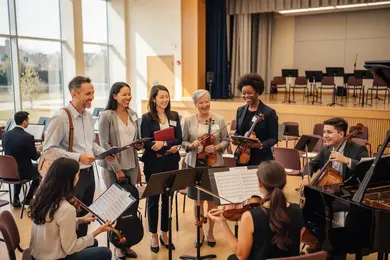
Employers hiring music education graduates increasingly expect a combination of specialized technical skills and adaptable professional capabilities. According to a 2024 Lightcast analysis, nearly 70% of employer demand centers on proficiency in music technology alongside versatile teaching methods. Graduates who can integrate digital tools with pedagogical practices typically stand out in school districts juggling hybrid or remote instruction models. Understanding these evolving expectations is crucial for those aiming to navigate real classroom environments successfully.
The essential skills employers seek in music education graduates reflect both current workforce demands and longer-term career viability. Below are key competencies consistently prioritized across music education roles, grounded in recent data and workforce trends.
- Digital Audio Proficiency: Employers value fluency in digital audio workstations such as Logic Pro and Ableton Live because modern curricula increasingly include technology-driven music creation. Students usually build this skill through hands-on labs and projects, enabling them to engage tech-savvy learners and support innovative instructional formats.
- Inclusive Curriculum Design: Being able to adapt lesson plans for varied student needs, including special education and culturally diverse classrooms, is critical. Developing this skill often involves coursework combined with field experiences, leading to educators who promote equitable and meaningful music engagement.
- Communication and Classroom Management: Effective communication is fundamental for managing group dynamics and nurturing student motivation. Employers expect graduates to demonstrate these skills through practicum settings, as they directly impact classroom climate and learning outcomes.
- Collaborative Problem-Solving: Music educators frequently coordinate with colleagues and community partners, requiring emotional intelligence and teamwork abilities. Such soft skills, highlighted by the World Economic Forum in 2024, help graduates lead extracurricular programs and foster community ties.
- Entrepreneurial Mindset: The ability to secure funding through grants and develop partnerships reflects an emerging necessity for educators to supplement traditional roles. Students strengthen this competence by engaging in business fundamentals and networking opportunities, enhancing job market resilience.
- Musicianship and Theory Application: Mastery of core music theory remains a foundation, but employers look for graduates who can translate theory into accessible, engaging instruction. This is cultivated through rigorous academic preparation and practical teaching experiences.
- Adaptive Teaching Strategies: Employers highlight the need for professionals who can modify instructional methods in response to varied learning environments and student feedback. This adaptability supports sustained educational relevance amid shifting classroom technologies and standards.
For students aiming to optimize their readiness, complementing a degree with practical experiences or programs such as short medical assistant programs that emphasize applied skills can be a strategic step in developing workplace competencies aligned with employer priorities.
What Do Music Education Degree Programs Typically Teach?
Most music education degree programs consistently focus on establishing a strong foundation in musicianship, pedagogy, and music theory. This set of core music education curriculum components reflects industry-standard expectations intended to prepare educators for diverse instructional environments. However, the degree's actual outcome often depends on institutional emphasis, especially regarding practical skill-building for today's classroom realities. For example, a student aiming to teach in a culturally and technologically varied urban school district might find gaps in coursework that address digital literacy or adaptive teaching techniques. Below are key competencies typically covered to form a comprehensive professional skill set.
- Musicianship and Performance: Students develop technical proficiency on their instrument or voice, which is critical for modeling skills in the classroom. This area builds the foundation for credible instruction and ongoing musical growth, supporting both ensemble leadership and solo pedagogy throughout a career.
- Music Theory and History: Understanding the structural and cultural contexts of music allows educators to design informed curricula that connect repertoire with broader artistic traditions. Inclusion of music history reinforces cultural literacy, an essential component for cultivating diverse and relevant learning experiences.
- Pedagogical Techniques: Instruction in teaching methods focuses on creating effective lesson plans, classroom management, and differentiated instruction to address varied learning styles. Proficiency here is indispensable for navigating diverse educational settings and student populations.
- Curriculum Design and Assessment: Degree programs stress planning music courses aligned with state standards and licensure requirements, incorporating assessment tools to gauge student progress. These skills ensure educators can meet formal educational mandates and adapt strategies based on data.
- Professional Development Skills: Despite its importance, this area often receives limited attention but includes grant writing, networking, and career management. These competencies support long-term employment sustainability, especially within often underfunded arts and music programs.
- Technology Integration: Although less commonly required-with fewer than 30% of programs mandating coursework-training in music software and educational technology is becoming crucial. Familiarity with digital tools empowers teachers to enhance instruction and student engagement in increasingly tech-driven settings.
- Inclusive and Adaptive Teaching: Preparing educators to work with diverse learners through differentiated strategies and inclusive curriculum adaptations is emphasized in many programs. This competency is vital for fostering equity and access in music education across varied demographic contexts.
Where Is the Biggest Skills Gap Between Music Education Programs and Employers?
The gap between what music education programs typically deliver and what employers expect has become increasingly evident, especially as the industry evolves with technology and entrepreneurial demands. Recent data from the National Association of Music Merchants Foundation in 2024 shows that over 60% of employers find new graduates underprepared in practical, tech-driven skills. While music education prioritizes theory and performance mastery, the labor market increasingly values applied skills that support multifaceted roles in education, production, and business. Here are the main areas where graduates often fall short, along with strategies to address these gaps before entering the workforce.
- Applied Technology Proficiency: Many graduates lack fluency in digital audio workstations, live sound setups, and multimedia software essential in modern music roles. Because degree programs often focus on traditional musicianship, students miss hands-on exposure to these tools. Gaining experience through internships at studios or tech-focused labs helps bridge this divide.
- Entrepreneurial Skills: The ability to market oneself, manage independent projects, and adapt communication styles is critical but frequently underemphasized. Employers report that fresh hires struggle with business aspects and client relations, which are vital for sustainability. Participating in community-engaged projects and business workshops can build practical know-how in these areas.
- Real-World Experience: Classroom learning alone seldom prepares students for collaborative, client-facing situations. Graduates with internships or community partnerships report higher employment satisfaction, indicating practical exposure improves readiness. Seeking diverse applied opportunities during studies makes new professionals more effective and confident.
- Multidisciplinary Integration: Incorporating music theory with production, education, and digital skills is a complex challenge. Employers desire candidates who can navigate overlapping functions, but many graduates emerge with compartmentalized knowledge. Engaging in cross-functional projects helps students better connect theory to practice.
One recent graduate faced this reality when hired by a midsize production company. Although proficient in performance and theory, they hesitated when asked to lead a live sound setup and manage project timelines. Their education had not included enough hands-on tech practice or client coordination experiences. Feeling the pressure to quickly learn on the job, they sought mentorship and enrolled in additional certification programs within months. This experience illustrated the urgency of combining traditional studies with experiential learning to meet evolving employer demands.
Which Technical Skills Are Most Important for Music Education Careers?
Technical skills serve as the critical bridge between academic study and effective professional practice in music education careers. As technologies and educational environments evolve, so do the competencies required by employers. Staying current with these changes ensures graduates are prepared not only to teach but to innovate within increasingly digital and hybrid learning contexts. For example, music educators tasked with designing online curricula must blend musical theory with proficiency in digital tools to maintain student engagement and instructional quality. Below are key technical skills consistently demanded by employers in the field.
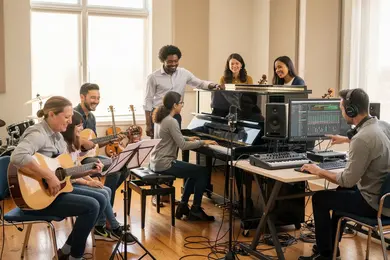
- Digital Audio Workstations (DAWs): Mastery of DAWs like Logic Pro or Ableton Live is increasingly vital for creating, editing, and delivering course content. Students typically gain hands-on experience in technology-focused courses, enhancing their ability to integrate multimedia into lessons and adapt swiftly to new software updates, which supports career adaptability.
- Music Notation Software: Proficiency with programs such as Sibelius and Finale enables educators to develop tailored teaching materials efficiently. These tools streamline lesson preparation and student assignments, a skill often cultivated through coursework or internships, thus elevating instructional effectiveness.
- Virtual Teaching Platforms: Familiarity with platforms like Zoom or Google Classroom is essential given the rise in hybrid and remote learning. Educators skilled in these technologies can maintain continuity in instruction despite physical barriers, addressing a 2024 workforce survey's finding that 68% of employers prioritize virtual teaching capabilities.
- Audio-Visual Troubleshooting: Practical knowledge in diagnosing and resolving issues with microphones, projectors, and recording equipment enhances classroom flow and reduces downtime. This expertise is often developed through lab sessions and fieldwork, reinforcing an educator's self-reliance and problem-solving aptitude.
- Sound Engineering Basics: Understanding acoustics and sound manipulation supports the creation of a dynamic learning environment and encourages innovative lesson delivery. Exposure to foundational audio engineering principles prepares graduates to work effectively with diverse equipment and spaces.
- Adaptive Technologies for Accessibility: The ability to integrate therapeutic tools and assistive devices is increasingly emphasized to support diverse learner needs. As highlighted by the American Music Therapy Association, such technical literacy fosters inclusivity and broadens a music educator's professional scope.
Which Workplace Skills Matter Beyond Technical Knowledge?
Technical expertise in music theory, instrument mastery, and pedagogy forms the essential backbone of a music education career, but employers increasingly emphasize that success depends on a broader professional skillset. Recent research from government and industry reports reveals that essential soft skills for music education graduates are often decisive factors in hireability and sustainable career growth. For instance, the National Endowment for the Arts and Bureau of Labor Statistics note that employers rate durable, non-technical skills as highly important across diverse teaching environments. These professional skills demanded by music education employers bridge the gap between academic instruction and real-world challenges.
To better illustrate, consider a music educator suddenly required to transition from in-person instruction to virtual classrooms. This shift not only tests technical knowledge but demands adaptability, communication finesse, and technology fluency to maintain educational quality and student engagement. Below are critical workplace skills that extend beyond conventional training yet are consistently prioritized by employers:
- Communication skills: Music education employers value the ability to clearly articulate complex ideas to diverse learners, parents, and colleagues. Developing verbal clarity, active listening, and cultural sensitivity in coursework and practicum builds these competencies, ensuring graduates can foster inclusive and effective learning environments.
- Adaptability and problem-solving: Amid fluctuating curriculum demands or resource limitations, the ability to modify teaching strategies and devise practical solutions stands out. Engaging with real classroom scenarios or collaborative projects enhances readiness for such challenges.
- Collaboration and teamwork: Effective cooperation with administrators, parents, and fellow educators fosters a supportive educational culture. Programs incorporating group assignments and conflict resolution strategies help students cultivate emotional intelligence and interpersonal skills critical for professional success.
- Digital literacy: Familiarity with virtual teaching platforms, audio production tools, and notation software increasingly defines readiness in modern music education roles. Integrating technology use throughout training ensures graduates meet contemporary employer expectations.
- Time management and organization: Balancing lesson planning, rehearsal schedules, and administrative duties requires strong organizational skills. Structured practicum experiences can simulate these demands, equipping students to optimize workflow and reduce burnout.
- Cultural competence: Sensitivity toward the cultural backgrounds of students enriches engagement and relevance in teaching. Courses and community outreach that emphasize diversity sharpen this skill, which employers identify as a key professional asset.
According to the 2024 Workforce Skills Survey by the American Music Therapy Association, over 70% of employers emphasize professional skills demanded by music education employers as equally important to technical proficiency. For those seeking efficient degree options enabling timely workforce entry, exploring 1 year radiology tech programs online can offer insights into fast-track, competency-based training models that balance skill development across technical and professional domains.
How Do Internships and Real-World Experience Improve Career Readiness?
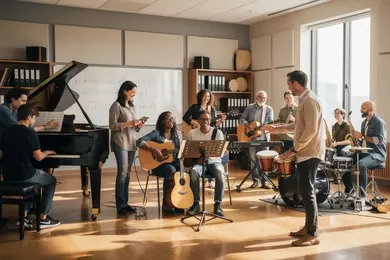
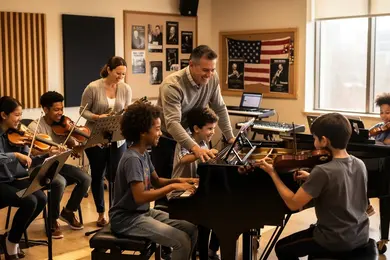
Classroom instruction in music education often emphasizes theory and pedagogy but may not fully prepare students for the dynamic and multifaceted demands of real teaching environments. Practical experience through internships or practicums enables students to translate academic knowledge into classroom management, lesson adaptation, and interaction with diverse learners. This applied learning builds essential confidence and professional judgment that purely academic settings rarely provide, ensuring graduates are better equipped to meet employer expectations beyond theoretical understanding.
Internships and related experiential opportunities also cultivate skills that are harder to teach in traditional coursework. Students gain hands-on practice with technical teaching methods, develop workplace communication, understand professional norms, and begin building networks critical for job placement. For example, a student who completes a practicum in a busy urban school not only refines lesson delivery but also learns to navigate school culture and schedules, making them more resilient and adaptable. Data from the National Center for Education Statistics in 2024 highlights that music education graduates with internship experience have a 23% higher employment rate within one year compared to peers without such exposure, underscoring the tangible impact of real-world learning.
To leverage experiential learning effectively, students should pursue internships early and seek placements offering active teaching roles rather than passive observation. Engaging fully in applied projects, maintaining professional relationships, and reflecting critically on these experiences allows students to integrate practical insights with academic growth. Recognizing that internship quality and availability vary, combining these experiences with solid academic performance and ongoing skill refinement is key to maximizing career readiness and aligning with the evolving demands of music education employers.
How Can Students Close the Music Education Skills Gap Before Graduating?
Students pursuing a music education degree don't have to wait until graduation to prepare for the realities of the job market. Developing workplace skills alongside academic studies enhances employability by demonstrating adaptability, collaboration, and practical expertise that employers increasingly demand. Taking deliberate, hands-on approaches before completing the degree can significantly increase chances of securing a teaching position or related role. Below are essential strategies to bridge the skills gap and become career-ready during the degree program.
- Targeted Internships: Immersive internships in schools or community music programs expose students to everyday classroom dynamics and administrative challenges. According to a 2024 U.S. Department of Education report, interns had a 25% higher employment rate within six months post-graduation, underscoring the value of real-world experience beyond theory.
- Applied Research Projects: Leading curriculum development or coordinating performances through undergraduate research strengthens project management and leadership skills. Meta-analysis data from 2024 shows students involved in these activities outperform peers in employer readiness assessments, highlighting the impact of active engagement over passive coursework.
- Skill-Specific Certifications: Earning credentials in modern music technology or educational tools signals adaptability to employers. While certification requires investment, prioritizing those relevant to a student's career focus ensures practical benefits without excessive resource drain.
- Collaborative Teaching Practice: Participating in peer teaching or co-teaching roles fosters communication and conflict-resolution abilities essential in diverse learning environments. These experiences build confidence and interpersonal skills not always addressed in lectures.
- Reflective Professional Development: Maintaining a portfolio of teaching reflections and feedback helps students develop critical self-assessment and continuous improvement habits, which employers recognize as markers of effective educators.
- Networking Through Professional Organizations: Joining music education associations or attending conferences bridges students to mentors and job opportunities, expanding connections beyond the academic setting.
A recent music education graduate recalled feeling uncertain before the final semester about whether their degree alone would suffice for job applications. Choosing instead to dedicate hours each week to a mentorship program in a local high school ensemble provided invaluable firsthand insights into classroom pacing and student engagement. The informal feedback from the mentor and district music coordinator helped refine lesson plans with real input, easing anxieties about transitioning into full-time teaching. This blend of proactive experience and ongoing reflection proved decisive in securing a position shortly after graduating, illustrating how stepping beyond coursework can transform preparation into opportunity.
How Is the Music Education Job Market Changing Employer Skill Requirements?
Technological innovation and globalization are reshaping employer expectations in music education careers, shifting the emphasis from traditional musicianship toward interdisciplinary competencies. According to the U.S. Bureau of Labor Statistics and the World Economic Forum, demand persists for educators with strong performance and theory skills, but there is an increasing premium placed on digital literacy, curriculum design suited for diverse and hybrid learning environments, and cross-cultural communication. For example, a music educator today may be expected to seamlessly integrate virtual instruments and learning platforms into classroom teaching, requiring fluency in educational technology alongside foundational musical knowledge. This evolving music education job market skills dynamic reflects broader shifts toward more adaptable educators who can engage students across both in-person and online formats.
These changing workforce trends also elevate the importance of professional skills such as project management, personalized instruction, and collaborative engagement with families and school communities. LinkedIn's 2024 workforce insights highlight a persistent skills gap where graduates often meet technical benchmarks but lack applied competencies that employers now prioritize, including adaptive teaching methods and effective use of technology. Continuous learning and practical experience have therefore become critical, as students must align academic preparation with real-world demands through internships, workshops, or applied projects. Combining foundational coursework with ongoing skill development and professional networking ensures stronger workforce readiness and long-term career viability in this competitive environment.
Prospective and current students should actively seek supplementary experiences that enhance these interdisciplinary skills while pursuing their degrees. Engaging in technology-focused training and community-based collaborations complements traditional music study and addresses employer expectations more holistically. Those aiming to strengthen their credentials might also consider the best 5 year speech pathology programs to expand their pedagogical toolkit and improve educational outcomes. Thoughtfully balancing known core content with agility and adaptability is key to meeting the evolving demands of the music education job market and navigating its complex workforce landscape.
How Do Different Music Education Programs Compare in Career Preparation?
Career preparation in music education programs depends on more than just the degree title; it hinges on the program's balance of theoretical knowledge and practical skill development. Graduates often find that some programs emphasize academic foundations while others focus on hands-on experience vital for immediate workforce demands. A recent 2024 government education report found that programs integrating curriculum breadth with fieldwork and mentorships are linked to 30% higher graduate employability rates nationwide. For example, a graduate aiming to teach in diverse K-12 classrooms will likely benefit more from applied programs with technology literacy than from purely theoretical curricula. Key factors to consider when comparing music education programs include:
- Theoretical vs. Practical Balance: Programs vary in their emphasis on music theory, pedagogy, and historical contexts versus applied skills like technology integration and ensemble leadership. Students should assess how well a program's focus aligns with their long-term career goals, especially if they plan to enter traditional educational settings or community-focused roles.
- Field Experience Opportunities: Access to internships, student teaching, and mentorships can significantly enhance career readiness. These experiential components provide real-world contexts to apply teaching methods, increasing adaptability to diverse classroom environments.
- Skill Breadth and Specialization: While conservatory-style programs may offer intensive hands-on training, they sometimes lack curricular variety needed for administrative or higher education roles. Prospective students should evaluate whether they prefer broader curriculum coverage or specialized skill development.
- Alignment with Employer Expectations: Employer surveys show demand for adaptive teaching techniques and technology fluency. Graduates from programs that emphasize these skills generally receive better employer feedback, which is critical for long-term career sustainability.
Balancing these factors with personal learning preferences and planned career paths enables prospective students and career changers to choose music education programs that enhance their workforce readiness effectively. For those interested in interdisciplinary education paths, exploring marriage and family masters programs can also complement career versatility within educational settings.
How Should Students Choose a Music Education Program That Builds Career-Ready Skills?
Choosing between online, hybrid, or campus music education programs involves long-term trade-offs that shape practical skills and career readiness. For example, a student aiming to enter classroom teaching might weigh hands-on practicum opportunities against flexible scheduling. Understanding each format's lasting impact helps align learning with career goals. Consider these key factors when evaluating formats:
- Practical Experience Access: Campus programs often provide direct ensemble leadership, internships, and in-person teaching practicums essential for building applied skills. Hybrid models blend these opportunities with remote coursework, while fully online formats may rely on virtual simulations, benefiting self-motivated learners but potentially limiting hands-on exposure.
- Technological Fluency: Online and hybrid programs frequently emphasize digital music tools and adaptive teaching technologies, fostering fluency that meets modern employer demands. Campus formats may offer fewer tech-driven learning experiences but stronger face-to-face mentorship.
- Networking and Mentorship: Traditional campus environments facilitate robust community partnerships and school district collaborations crucial for smooth workforce transitions. Hybrid programs offer mixed networking chances, whereas online students need extra effort to build connections.
- Curriculum Customization: Hybrid and online formats often provide more flexible course options catering to diverse paths like private teaching or music therapy. Campus programs may have more structured curricula focusing on classical musicianship and pedagogy.
- Self-Discipline Requirements: Online learners must master time management and independent study, which cultivates adaptable skill sets but may challenge those needing structured support. Campus and hybrid formats generally offer more guided pacing.
- Completion and Employability Rates: Recent 2024 data from the U.S. Department of Education's Postsecondary Employment Outcomes reveal that programs integrating experiential learning and technology, regardless of format, report higher graduate employment success-emphasizing quality over format alone.
- Long-Term Career Flexibility: Hybrid education can provide a balanced foundation combining practical and digital skills, ideal for evolving roles in arts administration and therapy. Online degrees suit professionals balancing work and study, but may require supplemental in-person experience for some career tracks.
References:
- Effective Music Education Strategies in the UK https://www.backbeatcollective.com/post/ignite-the-passion-real-strategies-for-modern-music-learning
- Current Trends in the Music Education Job Market — The Music Teacher Guild https://www.musicteacherguild.org/articles/current-trends-in-the-music-education-job-market
- CCRCI Internship Program - Manhattan School of Music https://www.msmnyc.edu/programs/the-center-for-career-readiness-and-community-impact/internship-program/
- Entrepreneurship Education in Higher Music Education: A Research Note https://nmh.no/en/news/entrepreneurship-education
- 10 Types of Music Degrees - Inside Music Schools https://insidemusicschools.com/blog/the-10-different-types-of-music-degrees/
- Music Education https://www.princetonreview.com/college-majors/461/music-education
- What Can You Do with a Music Degree? https://majoringinmusic.com/what-can-you-do-with-a-music-degree/
- What skills do you need for a music career? - Wisseloord https://wisseloord.org/uncategorized/what-skills-do-you-need-for-a-music-career
- What Can You Do with a Music Education Degree? - NAfME https://nafme.org/blog/what-can-you-do-with-a-music-education-degree/
- NFHS https://nfhs.org/stories/tips-on-selecting-the-right-college-music-program
Other Things You Should Know About Music Education
Given the limited time and resources in degree programs, prioritizing specialized teaching methods aligned with the specific educational settings where students aim to work tends to have a stronger payoff. While broader musical skills enrich overall musicianship, employers frequently emphasize classroom management, curriculum adaptation, and pedagogical strategies. Students should therefore weigh the tradeoff of depth vs. breadth, focusing on targeted pedagogical competence to meet immediate job demands without neglecting essential musicianship.
Theoretical coursework provides foundational understanding but often does not fully prepare students for the dynamic realities of teaching diverse classrooms. Practical experience through supervised teaching or internships is essential, as employers expect classroom readiness from day one. Students need to prioritize securing ample real-world practice opportunities, even if it means exceeding program requirements, to build confidence and adaptability valued by schools.
Technology is increasingly embedded in educational environments, yet many programs lag behind in integrating digital tools relevant to music instruction. Employers often expect new teachers to manage online resources, interactive software, and virtual collaboration platforms. Therefore, students should independently seek technological upskilling or supplementary workshops when programs underdeliver here, as neglecting this area can limit initial job effectiveness and career advancement.
Choosing a degree program with comprehensive career preparation can reduce the need for costly and time-consuming post-graduate certifications. However, the evolving demands of music education mean ongoing professional development remains critical. Ideally, students should prioritize programs with robust career support and practical training but plan for targeted certifications post-graduation to address emerging skill gaps and boost employability effectively.