2027 Music Education Career Outcomes by Degree Level Report: Pay, Employment, and Advancement Patterns

Co-Founder and Chief Data Scientist
Key Things to Know About Music Education Career Outcomes by Degree Level
- Associate degrees in music education often lead to entry-level employment but limit advancement; this tradeoff requires students to weigh quicker workforce entry against slower credential progression.
- Employers increasingly prefer bachelor's-level credentials for standard teaching roles; this reflects a shift toward formalized credential requirements and narrows access for lower-degree holders.
- Master's and doctoral degrees improve long-term advancement but involve substantial additional time and cost, impacting return on investment and delaying full career earnings potential.
- Key Things to Know About Music Education Career Outcomes by Degree Level Key Things to Know About Music Education Career Outcomes by Degree Level
- What Career Outcomes Can Students Expect From Each Music Education Degree Level? Career Outcomes by Degree
- How Much Do Music Education Graduates Earn by Degree Level? Salary by Degree Level
- Which Music Education Degree Level Offers the Strongest Employment Prospects? Best Degrees for Employment
- What Entry-Level Jobs Can You Get With a Music Education Degree? Entry-Level Career Opportunities
- How Do Music Education Degree Levels Affect Career Advancement and Promotion Opportunities? Career Growth by Degree
- Is a Music Education Degree Worth It Based on Salary, Employment, and ROI? Salary, ROI, and Value
- How Do Associate, Bachelor's, Master's, and Doctoral Music Education Degrees Compare? Comparing Degree Levels
- Which Industries and Employers Hire Music Education Graduates by Degree Level? Which Industries and Employers Hire Music Education Graduates by Degree Level?
- What Skills, Credentials, and Experience Improve Music Education Career Outcomes? What Skills, Credentials, and Experience Improve Music Education Career Outcomes?
- Which Music Education Degree Level Is Best for Your Career Goals? Choosing the Right Degree
What Career Outcomes Can Students Expect From Each Music Education Degree Level?
Employment and pay for music education graduates diverge sharply by degree level, with critical implications for realistic career planning. For example, an associate degree holder seeking public school employment will likely face certification barriers and limited advancement compared to bachelor's degree holders, who typically satisfy state licensure requirements and gain access to stable, full-time teaching roles. The National Center for Education Statistics reports substantially better employment rates for those with bachelor's credentials, emphasizing that entry-level readiness often depends on accumulated fieldwork and comprehensive curriculum mastery that associate programs generally do not offer. Adult learners and transfer students must weigh whether shorter program durations confer genuine advantages or merely restrict opportunities in traditional school settings or higher-tier administrative positions.
How Much Do Music Education Graduates Earn by Degree Level?
Wage differences among music education graduates reflect not just degree level but also licensure status, job setting, and regional demand. Bachelor's degree holders often see median incomes between $45,000 and $55,000, aligning with eligibility for certified public school teaching roles that offer relative job stability and career progression. By contrast, associate degree or certificate holders typically earn less, near $30,000 to $40,000, due to limited access to licensed positions and reliance on part-time or community-based work, which often lacks benefits or clear promotion pathways. Those with master's degrees tend to command between $55,000 and $70,000, benefiting from qualifications that open doors to curriculum leadership and specialized instructional roles, although reaching this level requires balancing higher tuition and longer completion times against the expected earnings and stability gains.
One graduate recalled wrestling with the decision to pursue a master's after completing a bachelor's degree while teaching part-time. Initial job offers echoed the typical $50,000 range, but conversations with district administrators emphasized that advancement and higher pay often required at least a master's, especially for roles involving curriculum design or leadership. Evaluating local licensure requirements, the graduate hesitated due to the added time and expense but ultimately saw the master's as a necessary step to shift from precarious adjunct work to stable, full-time positions, illustrating the tradeoffs inherent in climbing the degree ladder within music education.
Which Music Education Degree Level Offers the Strongest Employment Prospects?
What Entry-Level Jobs Can You Get With a Music Education Degree?
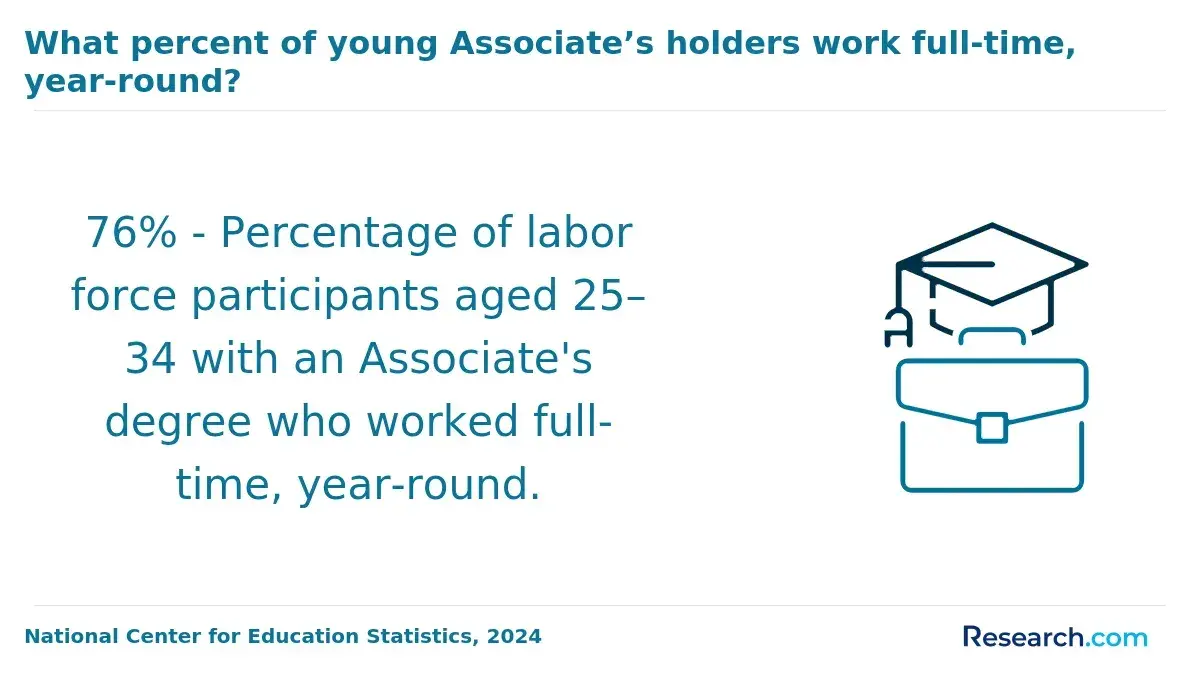
Entry-level careers for music education graduates vary considerably based on degree level and certification status, with bachelor's degree holders typically accessing the broadest teaching options, particularly in K-12 public and private schools where state licensure is a baseline requirement. Without licensure or with an associate degree, candidates often find themselves in more limited roles such as private instructors or rehearsal accompanists, where practical skills and professional recommendations outweigh formal credentials. This differentiation means students choosing non-licensure pathways must weigh reduced employment stability and potentially slower career progression against the flexibility these roles offer, especially if they plan to gain experience through internships or supplementary training.
Robust practicum experience substantially improves job prospects; data from the National Center for Education Statistics shows candidates engaging in comprehensive fieldwork have a 40% higher chance of securing full-time positions within six months post-graduation. For those assessing music education entry-level teaching jobs, metropolitan areas generally provide expanded opportunities, including extracurricular roles that may not require certification, while rural settings lean heavily on certified teachers due to resource constraints. Students must also consider how roles outside traditional classrooms-such as emerging remote instruction positions-fit with their long-term goals. Those who intend to pursue graduate study or administrative paths should carefully evaluate how initial job choices build relevant skills and credentials, possibly factoring in costs akin to an MHA degree cost analysis to understand investment versus return.
How Do Music Education Degree Levels Affect Career Advancement and Promotion Opportunities?
These credential requirements also interact with state and district certification policies, which often mandate graduate coursework or specific leadership training for higher-level positions, creating a barrier for some bachelor's-level educators. Consequently, the path to leadership is typically slower for those without advanced credentials, especially in K-12 public schools and higher education settings where specialized skills and formal readiness are necessary. For experienced educators, supplementing a bachelor's degree with graduate credentials tends to enhance eligibility for expanded responsibilities, but these credentials do not guarantee advancement without demonstrated leadership capability and ongoing professional development.
Is a Music Education Degree Worth It Based on Salary, Employment, and ROI?
Salary outcomes for those with a music education degree vary significantly by degree level and work setting, a crucial factor in evaluating whether pursuing further education is warranted. Graduates holding bachelor's degrees typically start with lower wages than those with master's degrees, who often benefit from better-paying roles in public schools or higher education institutions. This discrepancy reflects not only pay scales but also employment stability since licensure requirements in K-12 public education impose barriers that help secure longer-term positions. However, graduates relying heavily on part-time or private teaching may face income volatility and limited benefits, highlighting a practical labor market constraint for many.
Employment and ROI for music education graduates must carefully balance educational costs, time to degree completion, and labor market demand. For adult learners and working professionals, the extended duration and performance demands of music programs can inflate total costs and delay entry into stable roles, diminishing net returns. Regional fluctuations in school arts funding and credentialing influence job availability and wage growth, making local market conditions a key consideration. Students should weigh these factors against opportunity costs, including exploring alternatives such as online ASN programs if career flexibility is a priority.
Advancement opportunities correspond with advanced credentials and teaching certifications, which may result in meaningful salary increases and administrative roles. Yet, these gains are contingent on completing programs efficiently and securing positions in funded schools or higher education. Prospective degree completers must evaluate whether the incremental salary and stability benefits of a master's justify further investment compared to starting with a bachelor's, especially given the variability in repayment outcomes. Practical decision-making should integrate these return considerations with career goals and the likelihood of sustained employment in music education fields.
How Do Associate, Bachelor's, Master's, and Doctoral Music Education Degrees Compare?
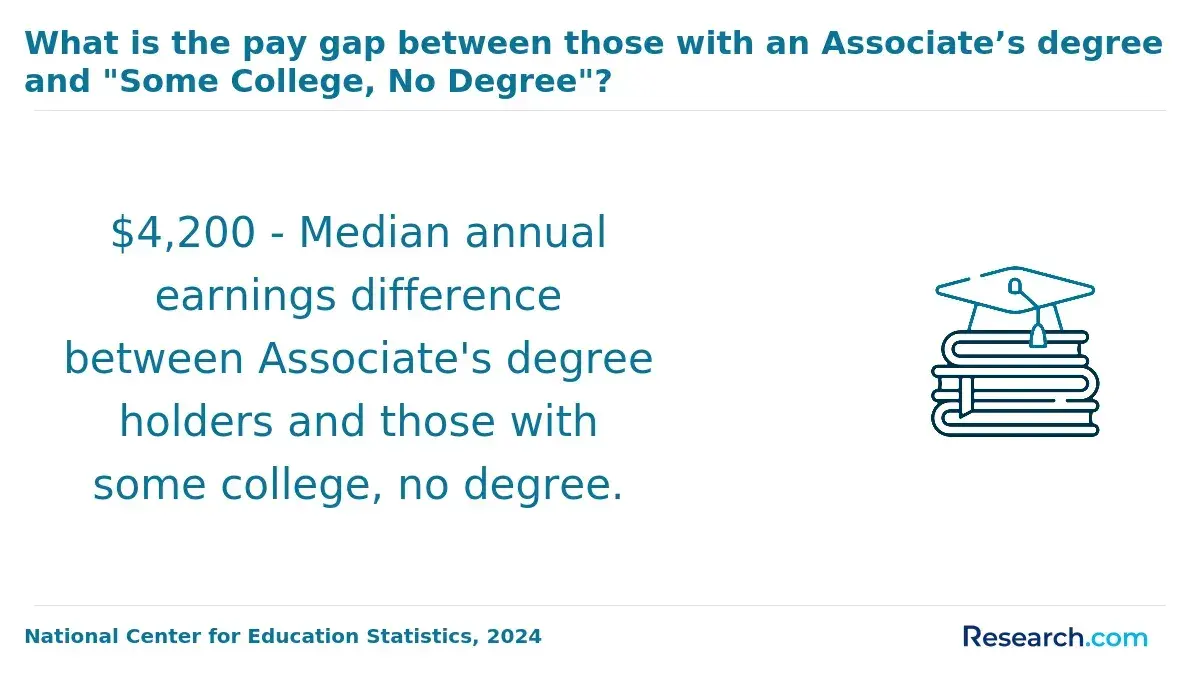
Deciding whether to stop at an associate degree in music education or pursue higher credentials hinges on the roles and stability sought. An associate degree typically restricts graduates to support positions like teaching assistants or community program facilitators, limiting access to full licensure and classroom teaching, where a bachelor's remains the minimal standard. According to the National Center for Education Statistics (2024), about 75% of public school music educators hold a bachelor's degree, reflecting not only licensing norms but also baseline employer expectations for entry-level stability and career progression. Students with associate credits often navigate credit transfer challenges, which can delay completion if bachelor's articulation agreements are unclear or absent.
Which Industries and Employers Hire Music Education Graduates by Degree Level?
What Skills, Credentials, and Experience Improve Music Education Career Outcomes?
Licensure and specialized certifications remain critical for securing and advancing within public school music education roles, particularly at bachelor's and master's degree levels where leadership opportunities increase. Employer preferences consistently favor candidates with documented internships or student teaching, as such applied experience signals classroom readiness and practical skills in curriculum design and assessment. For adult learners or working professionals evaluating the tradeoffs between credential levels, investing time in these experiential opportunities often yields greater long-term mobility than accumulating additional coursework without field application.
Leadership roles gained through extracurricular program coordination or ensemble direction can accelerate promotion readiness by providing tangible portfolio evidence of initiative and impact, which employers weigh heavily during evaluations. Working adults and transfer students should carefully consider how portfolio-building and demonstrated leadership might compare to formal credentials in influencing career advancement. For students combining prior credits and new degrees, pathways such as a 6-month RN to BSN program in a different field offer a parallel example of accelerated credentialing balanced against direct workforce outcomes in their decision-making around credentials and experience for music education jobs.
Which Music Education Degree Level Is Best for Your Career Goals?
Employment outcomes by music education degree level reveal distinct pathways shaped by role eligibility, licensure requirements, and advancement prospects. Bachelor's degrees remain the most common entry point for K-12 teaching roles, with an 85% employment rate within a year of graduation reported by the National Center for Education Statistics. However, individuals aiming for leadership or curriculum development positions often find that a master's degree-despite longer completion times and additional costs-provides measurable advantages, including a 12% higher promotion likelihood within five years. This reflects employer preferences for advanced credentials when filling specialized or supervisory roles.
Doctoral degrees primarily serve those targeting university faculty, research, or policy leadership careers but entail substantial opportunity costs with longer, more expensive programs and increased debt, as highlighted by the College Scorecard. For working adults and transfer students balancing career demands, the choice between accelerated, part-time, or hybrid formats at various degree levels critically impacts completion risk and flexibility. Those considering specialization may also explore related credentials, such as a master's in forensic psychology online, illustrating how interdisciplinary approaches can broaden employability in education-adjacent fields. Carefully weighing these tradeoffs aligns degree level choice with practical workforce realities.
References
- Why music education matters: Advancing your career through a master’s in music or conducting https://www.messiah.edu/news/2025/11/why-music-education-matters-advancing-your-career-through-a-masters-in-music-or-conducting
- Music education boosts skills for ‘any career path’, says study - Arts Professional https://www.artsprofessional.co.uk/news/music-education-boosts-skills-for-any-career-path-says-study
- 10 Types of Music Degrees - Inside Music Schools https://insidemusicschools.com/blog/the-10-different-types-of-music-degrees/
- What Can You Do with a Music Degree? https://majoringinmusic.com/what-can-you-do-with-a-music-degree/
- Types of College Degrees https://www.act.org/content/act/en/students-and-parents/high-school-success/what-to-do-after-high-school/college-degrees.html
- Where to Find Work as a Musician https://musiciansunion.org.uk/training-development/job-opportunities-for-musicians
- Music Career Opportunities: 25+ Career Opportunities in the Music Industry | C&S Music https://candsmusic.com/music-career-opportunities/
- Choosing the Right Music Program for Your Career Goals | MI https://www.mi.edu/in-the-know/choose-right-music-program-career-goals/
- What Can You Do with a Music Education Degree? - NAfME https://nafme.org/blog/what-can-you-do-with-a-music-education-degree/
- Teaching Degree ROI Guide: The Return on Investment You Can Expect with a Degree in Education https://www.educationdegree.com/articles/return-on-investment-guide-to-education-degrees/
Other Things You Should Know About Music Education
Programs at bachelor's and master's levels often vary significantly in intensity and focus. Bachelor's degrees usually provide broader exposure with practical teaching internships, while master's programs tend to demand intensive research, advanced pedagogy, or specialization, increasing workload and time commitment. Prospective students should consider their capacity to manage these demands alongside other life responsibilities, as higher degree levels require greater sustained effort without guaranteed proportional pay increases early in the career.
Employers in school districts and community programs typically prioritize certification and teaching effectiveness over advanced degrees beyond the bachelor's level. While master's and doctoral degrees can signal deeper expertise and leadership potential, many hiring decisions depend more on practical experience and state licensure. Consequently, investing in advanced degrees should be aligned with roles that genuinely require or reward these credentials, such as curriculum design or administrative positions, rather than frontline teaching.
Pursuing advanced degrees makes the most sense if you aim for specialized roles, such as instructional leadership, university positions, or policy influence, where employers expect and compensate for higher qualifications. If your goal is primarily classroom teaching with steady employment, the extra time and cost of graduate studies may not translate to immediate gains. Carefully assess your career trajectory and whether advanced credentials align with professional advancement opportunities in your region or sector.
Higher degrees can open doors to more stable, often salaried positions with benefits-such as administrative or curriculum-development roles-but the path there is less linear and may require additional professional networking and credentials beyond the degree itself. Conversely, bachelor's graduates often find quicker entry into teaching roles but face more volatility tied to contract renewals and district budgets. Prioritizing degree level should include evaluating local job market trends and the likelihood of sustained employment versus longer-term advancement potential.