2027 Music Education Degree Enrollment Trends by Age Group: Traditional Students vs Adult Learners

Co-Founder and Chief Data Scientist
Stringent licensing requirements and the need for supervised practicum hours significantly shape enrollment patterns in music education degree programs. Traditional students, often entering directly after secondary education, typically align with structured program pathways that emphasize clinical experiences and credentialing. In contrast, adult learners encounter barriers related to balancing practicum demands with existing professional and personal commitments.
Recent data indicates that nearly 70% of licensed music educators graduated within five years of initial enrollment, highlighting the field's emphasis on timely program completion. This age distribution suggests evolving workforce demands and raises questions about how program accessibility and employer expectations adapt to diverse learner profiles.
Key Things to Know About Music Education Degree Enrollment Trends by Age Group
- Traditional college-age enrollment in music education remains dominant, but a 2024 study shows a 15% rise in adult learners, suggesting growing demand for career shifts despite longer program completion times.
- Employers increasingly value field experience over age, yet younger graduates often secure roles faster, indicating workplace preference for sustained post-degree training and early-career availability.
- Adult learners face higher financial opportunity costs due to lost income during studies, affecting their program choice and potentially extending time to enter or reenter the music education workforce.
- Key Things to Know About Music Education Degree Enrollment Trends by Age Group Key Things to Know About Music Education Degree Enrollment Trends by Age Group
- Which Age Groups Represent the Largest Share of Music Education Students? Students by Age Group
- Why Do Traditional Students Choose Music Education Degree Programs? Traditional Students
- Why Do Adult Learners Return to School for a Music Education Degree? Adult Learners
- How Do Academic Goals Vary Between Younger and Older Music Education Students? Academic Goals by Age Group
- How Do Financial Concerns Differ Between Traditional Students and Adult Learners? Financial Concerns by Age Group
- What Challenges Do Adult Learners and Traditional Students Face While Earning a Music Education Degree? Student Challenges by Age Group
- How Does Age Affect Music Education Degree Student Retention? Age and Student Retention
- Which Music Education Specializations Are Most Popular Among Adult Learners? Top Specializations for Adult Learners
- How Does Age Affect Job Opportunities for Music Education Graduates? Impact of Age in Job Opportunities
- What Do Current Music Education Enrollment Trends Reveal About Future Demand? Future Demand
Which Age Groups Represent the Largest Share of Music Education Students?
Students enrolled in music education programs span diverse age ranges, yet enrollment is heavily concentrated among particular groups due to varying career timelines, financial capacities, and flexible educational options. This age distribution mirrors broader education system dynamics and workforce entry expectations rather than mere academic preference. Different age cohorts face distinct challenges and incentives influencing their participation in music education degree enrollment demographics, shaping how institutions structure programs and support services.
- Ages 18-24: This group constitutes the largest proportion of music education students, aligning with traditional college-age enrollment patterns across undergraduate programs. Their full-time availability allows for adherence to structured curricula and extended student teaching placements, which are fundamental for initial teacher certification. Moreover, many K-12 employers prefer recent graduates capable of embarking on full teaching commitments promptly, reinforcing the dominance of this demographic in the field.
- Ages 25-34: Representing a growing segment, adult learners in this bracket often pursue music education programs part time or through online and flexible formats. Many seek career changes or professional development rather than initial licensure. However, limited availability of modular or accelerated pathways can restrict enrollment growth, as these students juggle work and family obligations alongside academic requirements.
- Ages 35 and older: This smaller group typically engages with music education for supplemental credentials or lifelong learning rather than primary workforce entry. Financial constraints, scheduling inflexibility, and prolonged student teaching demands deter many older adults from pursuing traditional degree routes. Their enrollment patterns reflect the broader higher education trends seen in adult learner participation, where flexibility and immediate workforce applicability heavily influence choices.
These distinctions are underscored by workforce realities; employers expect music educators to rapidly transition into K-12 roles post-graduation, creating a streamlined pipeline favoring younger students. Meanwhile, adult learners face practical impediments in aligning program structures with their complex life demands, often leading to reduced representation despite growing interest in continuing education across various fields.
Particularly for those balancing employment and family, access to adaptable programs becomes crucial. While some sectors offer flexible options-such as certain online nursing pathways-music education programs are slower to adapt, contributing to enrollment imbalances across age segments.
Why Do Traditional Students Choose Music Education Degree Programs?
Traditional students pursuing music education degrees often select this pathway due to a combination of strong academic interests and the degree's clear signaling value in the education job market. These students typically seek to align their passion for music with tangible career outcomes, using their undergraduate experience as a formative stage for early career exploration and skill development. The structured curriculum provides essential pedagogical and musicianship training that is recognized by hiring institutions, which helps these students transition smoothly from education to employment. According to a 2024 report by the National Center for Education Statistics, approximately 63% of traditional-age music education enrollees express a commitment to contributing to children's artistic development and community cultural life, underscoring the vocational motivations driving their enrollment decisions.
Deeper factors influencing enrollment include targeted recruitment by universities, where counseling services and academic advisors play pivotal roles in guiding students toward music education programs perceived as stable and impactful. Exposure to music education subjects in secondary schools or early college courses frequently shapes these students' awareness of specialized degree options and career trajectories. Peer influence and institutional pathways also create reinforcing environments, encouraging enrollment in programs with well-established practicum or internship components that enhance employability. This dynamic differs from adult learners, who may pursue degrees for certification or career shifts. While educational institutions offer growing access to alternative credentials, prospective traditional students must navigate these pathways carefully, balancing vocational intent with expectations shaped by labor market realities and early academic guidance. For those interested in alternative pathways to healthcare education, it is useful to explore options such as LPN programs that don't require TEAS test, which reflect broader trends in program accessibility and enrollment decision-making.
Why Do Adult Learners Return to School for a Music Education Degree?
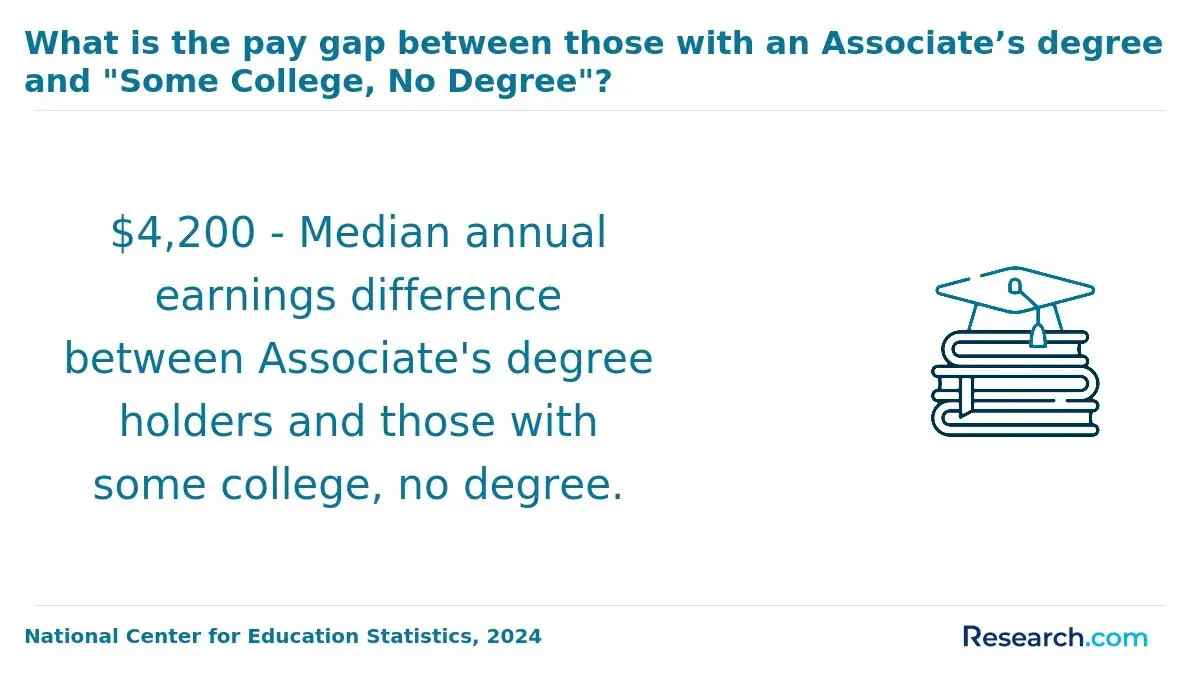
Adult learners pursuing a music education degree often do so driven by explicit career mobility needs, such as transitioning into teaching roles that require formal certification or seeking wage improvement through credential attainment. The complexity of state certification standards compels many to return to accredited programs not only to validate their skills but to comply with evolving professional benchmarks. Workforce data from the National Center for Education Statistics in 2024 indicates that around 42% of music education students aged 25 and above prioritize professional development and career shifts, underscoring the degree's strategic role in facilitating entry or advancement within the education sector. This demographic's decisions usually reflect a calculus balancing long-term employability against the challenge of integrating academic requirements with existing job and family obligations.
Additional factors influencing adult enrollment include the growing availability of flexible program formats, such as online courses that accommodate complex schedules, and employer-sponsored tuition assistance that mitigates financial barriers. Beyond certification, employers increasingly demand proficiency in contemporary pedagogical approaches and technology integration, prompting returning students to update outdated skills for relevance in modern classrooms. Credential inflation within education fields means that adults often must pursue further qualifications to maintain competitive standing, especially as administrative and community engagement roles expand in scope. These shifting labor market demands compel adult learners to reengage with postsecondary music education not only as an academic pursuit but as a practical workforce reinvestment.
How Do Academic Goals Vary Between Younger and Older Music Education Students?
Younger music education students typically enter programs with broad academic objectives centered on building foundational competencies in pedagogy and musicianship. Their priorities often include obtaining initial teaching credentials and meeting certification standards required for public school employment. At this stage, exploratory learning and ensemble participation help them develop versatile skills, while many also plan for potential graduate study or immediate entry-level positions in education settings. According to the National Center for Education Statistics 2024 report, nearly two-thirds of traditional students pursue degrees aiming primarily at public school licensure.
In contrast, older music education students generally approach their studies with targeted goals shaped by prior professional experience and distinct labor market pressures. This group frequently focuses on acquiring specialized skills, renewing certifications, or pivoting into roles such as private instruction or music therapy, where flexible coursework and applied learning carry more weight than purely theoretical study. Their academic efforts align with pragmatic career transitions or niche expertise development designed to fit existing responsibilities and long-term vocational planning, reflecting findings from a 2024 American Musicological Society survey.
One adult learner recounted navigating a rolling admissions process while balancing a full-time job and family commitments. Initially hesitant to apply, this individual delayed submitting materials until they felt confident their previous curriculum vitae and practical experience aligned with program expectations. The wait created anxiety amid uncertainty about acceptance timelines, but ultimately, the strategic preparation allowed smoother integration into the program's hybrid format. This experience underscores how timing and readiness influence older students' academic decisions distinctively from those entering college immediately after high school.
How Do Financial Concerns Differ Between Traditional Students and Adult Learners?
Traditional students pursuing a music education degree most often depend on a mix of parental support, scholarships, and borrowed funds, with the National Center for Education Statistics reporting that around 65% receive some form of financial aid. Their financial concerns are heavily influenced by rising tuition costs and the looming prospect of long-term student debt, which shapes their tolerance for loans and drives enrollment decisions aimed at managing expenses over time. This demographic typically navigates financial challenges with the expectation that their educational investment will lead to entry-level roles, making debt sustainability and cost of attendance critical considerations in their planning, particularly regarding the cost of music education degrees by age group.
Adult learners, by contrast, encounter distinct pressures rooted in balancing ongoing employment, family responsibilities, and educational expenses. Many finance their studies through personal savings or employer tuition assistance, reflecting a more conservative approach to incurring debt as highlighted by Lumina Foundation data showing 72% favoring such arrangements. The opportunity cost of lost wages from reduced working hours or career interruptions weighs heavily in their decision-making, often leading them to prefer expedited or part-time pathways that align with income stability. These lifecycle financial tradeoffs highlight how adult learners prioritize programs offering tangible career advancement with minimal disruption, underscoring divergent financial priorities compared to younger students.
Such financial differences manifest in varied enrollment behaviors and program selections, with adult learners frequently choosing online or flexible formats to mitigate income loss, while traditional students may extend their studies to improve credentials or spread out costs. These patterns directly impact how students assess their return on investment, balancing tuition expenditure against projected earnings and career trajectories. For those interested in alternatives offering practical scheduling, resources like easiest online RN to BSN programs illustrate the increasing availability of adaptable educational options, an important factor as financial concerns strongly influence the accessibility and appeal of music education programs across different age groups.
What Challenges Do Adult Learners and Traditional Students Face While Earning a Music Education Degree?
Traditional students pursuing a music education degree frequently face challenges tied to adapting to collegiate academic structures and managing concentrated schedules that combine both theoretical coursework and practical performance demands. Their time on campus tends to be full-time and intensive, requiring them to quickly develop foundational discipline in practice routines and academic study often without extensive occupational distractions. These students typically rely on campus resources and structured learning environments, which, while supportive, can intensify pressures to balance emerging social integration and rigorous performance standards within a limited timeframe. As a result, their challenges often revolve around mastering time management in a high-density academic setting and adjusting to the dual nature of music education's theoretical and applied components.
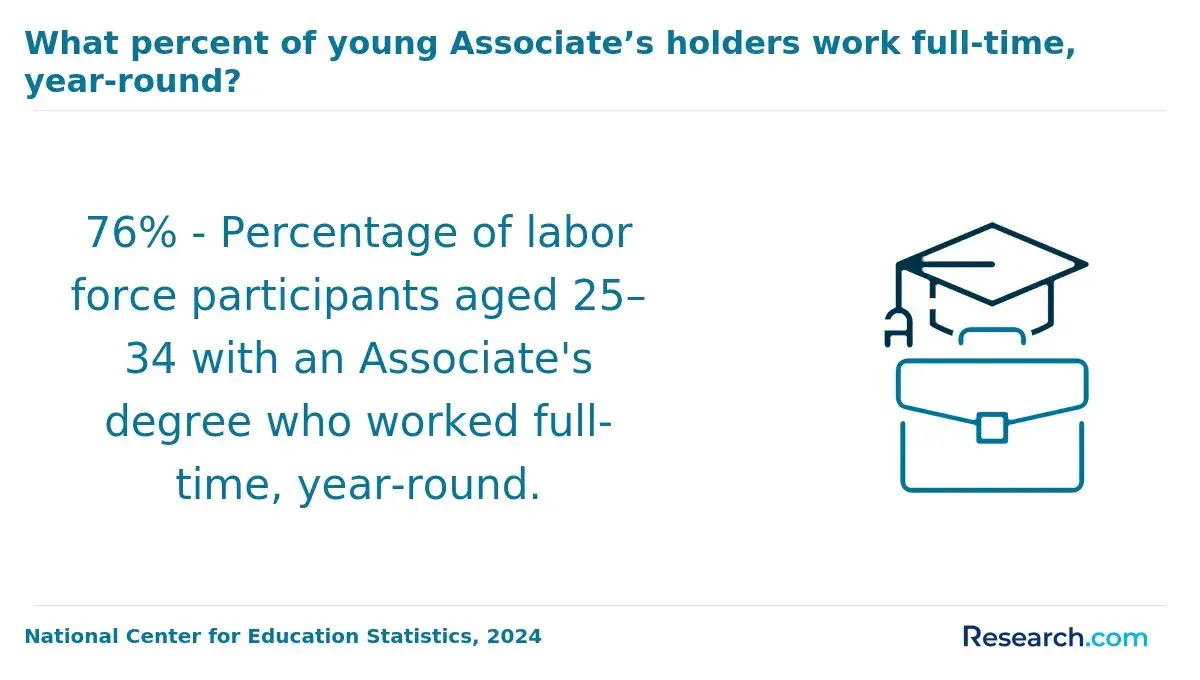
Adult learners, in contrast, frequently juggle full-time employment alongside coursework, with data from the National Center for Education Statistics in 2024 showing that approximately 45% of them maintain full-time jobs during their studies. This dual responsibility restricts their access to synchronous learning opportunities essential for ensemble work or face-to-face instruction, complicating the development of critical performance skills. Additionally, family obligations and caregiving roles substantially limit their available study time, creating a need for greater flexibility in course scheduling and formats. Reintegrating into academic environments after time away from formal education also demands adjustments that include navigating updated pedagogical tools and refining study practices while managing professional and personal responsibilities.
Recognizing these distinct dynamics, many institutions are reshaping support services and academic advising to better align with varying student needs. Flexible course delivery, such as evening or weekend classes and hybrid modalities, has become increasingly important to accommodate adult learners' schedules while maintaining comprehensive practical training for traditional students. These adaptations aim to mitigate attrition linked to logistical and financial strains, particularly noting that adult learners in arts education bear around 30% higher average debt levels than their younger counterparts, influencing both time-to-degree and post-graduation outcomes. Ultimately, successful degree completion pathways in music education depend largely on how programs address these lifecycle-based differences in student experience and external demands.
How Does Age Affect Music Education Degree Student Retention?
Younger students in music education degree programs often face retention hurdles tied to the transitional challenges of adapting to college-level demands and forming clear academic and career intentions. Many are navigating a period of exploration amid competing social and educational pressures, which can dilute focus and motivation. The immersive campus environment provides valuable peer interaction but can also expose them to distractions and stressors that contribute to higher dropout rates. According to data from the National Center for Education Statistics 2024, traditional undergraduates in music education have retention rates roughly 10% lower than their adult counterparts, reflecting these complex engagement dynamics.
In contrast, older music education students typically demonstrate higher persistence, driven by well-defined professional objectives and life experience that enhance academic resilience. However, this group must reconcile coursework with external demands such as ongoing employment, family care, and financial obligations that complicate time management and consistent participation. Their retention benefits notably from institutional policies emphasizing flexible scheduling and targeted support services. The interplay of motivation and logistical complexity underscores distinct retention patterns that call for adaptive educational strategies tailored to age-specific challenges and resource needs.
A recent music education graduate recalled the tension of waiting to submit applications during a rolling admissions cycle, unsure whether delaying would risk missing deadlines or limit financial aid options. Being an older student meant balancing preparations alongside work and family, heightening the stakes of each decision. The hesitation to commit too early while gathering necessary materials created a pause that almost disrupted momentum, but ultimately, aligning timing with readiness proved critical. This experience reflects how age-related factors shape not only retention post-enrollment but also strategic choices during admission that influence eventual persistence.
Which Music Education Specializations Are Most Popular Among Adult Learners?
Adult learners pursuing a music education degree often select specializations that directly support career mobility, salary advancement, or transitions into related fields, rather than focusing solely on traditional performance tracks. These learners typically juggle work and personal commitments, so they prioritize programs offering flexible schedules and skills with clear labor market demand. Specializations that update technical skills or build on existing professional experience provide a practical route to income growth or sector shifts, aligning with the goals of many individuals in this demographic.
- Music therapy: This specialization leads to roles in healthcare and educational settings where credentialing drives employer recognition and job stability. Enrollment in music therapy among adult learners has increased markedly, reflecting a growing integration of therapeutic approaches in diverse service environments.
- Music technology: Adult students often choose this to develop competencies in sound engineering and production that are critical to contemporary media industries. Its emphasis on flexible, hybrid learning formats suits those balancing ongoing employment with skill updating.
- Arts administration: Learners with prior leadership or management experience are drawn to this for its combination of musical knowledge and organizational skills, facilitating advancement into executive or operational roles within cultural institutions.
- Instrumental pedagogy: While less popular among adults due to the need for early technical mastery, some choose this path to pivot into instructional careers, leveraging prior teaching or music experience.
- Conducting: This remains more typical of traditional-age students but may appeal to adults aiming for specialized leadership in performance ensembles, contingent on considerable prior practice.
Data from the National Center for Education Statistics and the American Music Therapy Association highlight that many adult learners favor popular adult learner music education specializations which facilitate practical upskilling and career redirection. These choices contrast with those of younger students, who more often pursue intensive performance-oriented tracks demanding greater physical and time investment. Those evaluating programs should consider how specialization aligns with immediate employability and flexible delivery formats.
For adults seeking accelerated paths to career advancement in allied fields, resources such as the nurse practitioner accelerated program offer models of how focused curricula can expedite transitions within healthcare, a principle increasingly visible in music education career advancement specializations for adults as well.
How Does Age Affect Job Opportunities for Music Education Graduates?
Younger music education graduates often enter the job market with advantages tied to timing and access to entry-level opportunities. Many begin internships and student teaching experiences aligned closely with graduation, enabling smoother transitions into K-12 public school positions where employers frequently value early-career applicants as investments for long-term growth. The 2024 National Center for Education Statistics report notes that 65% of newly hired music educators are under 30, reflecting a hiring preference that favors traditional college-age candidates who benefit from established pipelines, networking connections, and lower starting salary expectations. These factors collectively improve younger graduates' immediate employability and integration into conventional public school teaching roles, shaping how age influences job opportunities for music education graduates in the US.
In contrast, adult learners pursuing music education degrees often leverage their prior work experience and transferable skills to pursue more diverse employment pathways beyond traditional K-12 settings. While some employers may exhibit bias due to assumptions about adaptability or salary demands, older graduates frequently capitalize on their maturity, broader skill sets, and career transition goals to secure roles in private instruction, community programs, or administration. Adult learners' position in the labor market reflects distinct workforce segmentation, where job access is influenced more by professional background and specialized interests than entry-level hiring patterns. This dynamic underscores the complexity of age as a factor and aligns with observed career advancement for adult learners in music education degrees, which often involves navigating different hiring expectations and occupational niches. For those exploring alternative educational routes, programs recognized as the easiest audiology programs to get into illustrate the broader variability in professional pathways related to age and prior experience.
What Do Current Music Education Enrollment Trends Reveal About Future Demand?
Rising enrollment patterns in music education programs demonstrate a clear shift in student demographics and perceived career value. Data from the U.S. National Center for Education Statistics in 2024 highlights a 12% growth in adult learners compared to a modest 3% increase among traditional students, signaling heightened interest from those seeking practical skills for career transitions or personal enrichment. This evolution reflects widening recognition that music education credentials can support diverse professional pathways beyond conventional K-12 roles. Programs that adapt to varied learner needs, including online and part-time formats, are effectively responding to this changing profile, suggesting a long-term diversification in who pursues these degrees and why.
These enrollment trends align closely with broader labor market signals, where employers in education and community arts sectors increasingly value candidates who combine credentials with real-world experience. The growth in adult learner participation corresponds with demands for flexible, applied training relevant to an evolving workforce-particularly as technological changes and expanded program offerings enable more accessible pathways. Workforce shortages in specialized areas and an emphasis on lifelong learning also contribute to anticipated program expansion and specialization development, making current enrollment behavior a practical indicator of sustained demand and adaptation in the music education field.
References:
- Mental Health and Post-traditional Learners https://www.higheredtoday.org/2019/04/22/mental-health-post-traditional-learners/
- 11 Facts About Music Education https://dosomething.org/article/11-facts-about-music-education
- 6 Reasons Why Online Music Degrees: Music Education https://www.connect4education.com/online-music-degrees/
- Top 5 Reasons Why Adults Go Back to School https://www.georgefox.edu/adult-degree/articles/back-to-school-reasons.html
- Global Online Music Education Market Research Report: By Course Type (Instrumental, Vocal, Music Theory, Music Production, Music Technology), By Learning Format (Live Classes, Pre-recorded Videos, Interactive Sessions, Webinars, Mobile Apps), By Target Audience (Children, Teenagers, Adults, Professional Musicians, Hobbyists), By Subscription Model (Monthly Subscription, Annual Subscription, One-Time Payment, Freemium Model, Pay-Per-Course) and By Regional (North America, Europe, South America, Asia Pacific, Middle East and Africa) - Forecast to 2035 https://www.wiseguyreports.com/reports/online-music-education-market
- Online Music Education Market Research Report 2033 https://marketintelo.com/report/online-music-education-market
- The Status and Satisfaction Level of Instrumental Music Education on Adult Music Education https://www.kjrme.org/detail/30006363
- Too old to go back to College? https://www.violinist.com/discussion/archive/21611/
- Online Music Education Market Size, Trends, Growth 2025 – 2030 https://www.mordorintelligence.com/industry-reports/online-music-education-market
- It’s Never Too Late to Study Music: Why more adults are returning to education https://insider.dbsinstitute.ac.uk/why-more-adults-are-returning-to-education
Other Things You Should Know About Music Education
Traditional students often experience fewer external obligations, allowing them to engage fully with the intensive practice, ensemble work, and in-person coursework typical of music education programs. Adult learners usually balance employment, family, and other responsibilities, making full-time study less feasible. Programs that offer flexible scheduling or part-time options better accommodate adults but may extend the time to degree completion, potentially delaying workforce reentry. Prospective adult learners should prioritize programs with adaptable pacing if balancing commitments is a top concern.
Traditional students benefit from immersive, in-person instruction that facilitates hands-on instrument training and peer collaboration, critical for skill development in music education. Adult learners often rely on online or hybrid models to fit education into busy lives, but these formats may limit access to real-time ensemble experiences or direct mentorship, essential in this field. Choosing a program requires weighing convenience against the practical need for experiential learning, with adult learners urged to verify how virtual learning maintains performance-based components.
In 2027, employers generally prioritize experience, adaptability, and the ability to innovate. Traditional students might offer fresh perspectives due to recent academic exposure, while adult learners often bring practical experience and a well-rounded skill set from previous roles.
Yes, prioritizing accreditation is crucial because it directly affects eligibility for certification, employability, and acceptance of credits if transferring or pursuing advanced degrees. Although auditions and coursework can be more demanding, accredited programs ensure standardized training that employers recognize and trust. Adult learners should weigh the increased upfront effort against the longer-term career benefits, especially if aiming for stable teaching positions or leadership roles in music education.