2027 Substitute Teaching License & Requirements in Hawaii

Co-Founder and Chief Data Scientist
Substitute teaching in Hawaii is a practical way to enter the classroom, earn income with a flexible schedule, and decide whether a longer-term education career is right for you. It is also an important staffing role: schools rely on qualified substitutes to keep instruction moving when regular teachers are absent, when vacancies remain open, or when long-term coverage is needed.
This guide explains how to become a substitute teacher in Hawaii, what credentials and clearances you may need, how assignments are typically offered, how pay works, and how the role can lead to full-time teaching or private school opportunities. It is designed for college graduates, career changers, retirees, education majors, and anyone considering classroom work in Hawaii’s public or private schools.
Quick Answer: Key Points About Becoming a Substitute Teacher in Hawaii
- Hawaii substitute teaching requirements depend on the hiring pathway, but applicants should be prepared to document their education, complete approved training when required, submit official transcripts, clear employment verification, and meet health and background check requirements.
- Some guidance describes Hawaii substitutes as needing at least a bachelor’s degree and a criminal background check through the Hawaii Teacher Standards Board, while other substitute pathways reference a high school diploma or equivalent as the minimum starting point. Because requirements can vary by role, school type, and assignment length, applicants should confirm the current rule with the Hawaii Department of Education before applying.
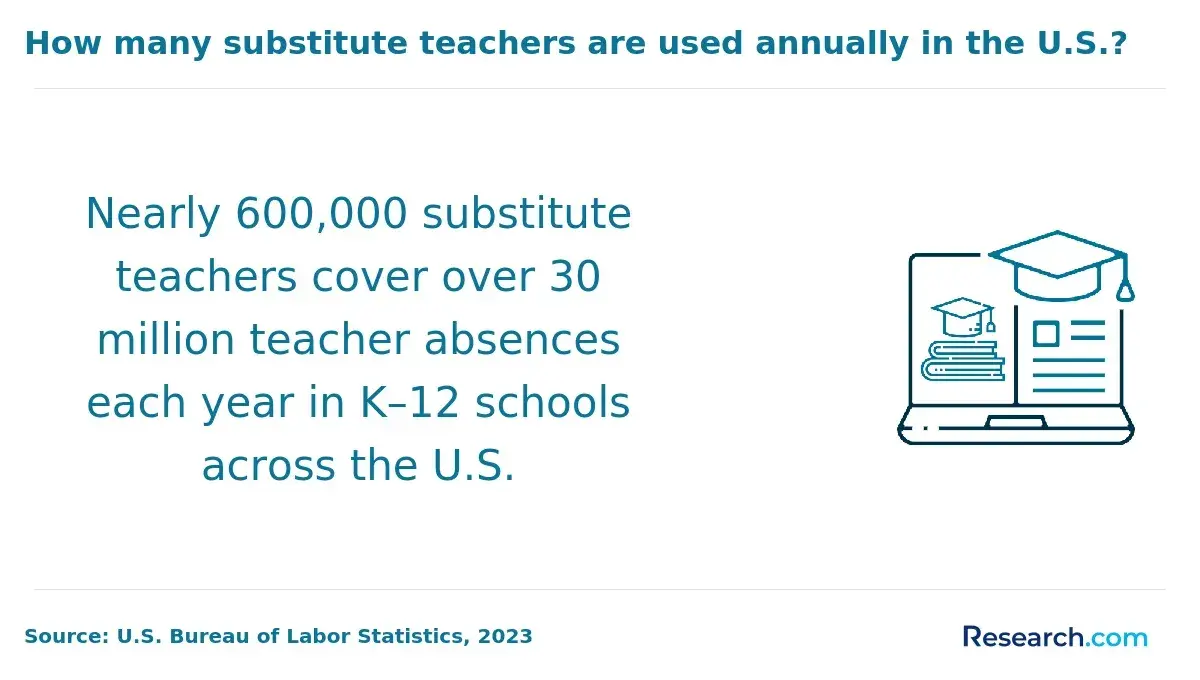
- Demand remains steady because Hawaii schools continue to manage teacher shortages, vacancies, turnover, absenteeism, and hard-to-staff locations across the islands.
- Reported pay varies by source and assignment type. Common estimates include approximately $18 to $25 per hour, with other figures showing average hourly pay between $21.10 and $21.81 and an approximate annual salary of $43,890 for full-time work.
- What are the requirements to become a substitute teacher in Hawaii?
- What are the different types of substitute teaching permits in Hawaii?
- How do substitute teachers renew their teaching permit in Hawaii?
- How do substitute teachers receive assignments in Hawaii districts?
- Can substitute teaching lead to a full-time teaching job in Hawaii?
- How much do substitute teachers make in Hawaii?
- What is the job outlook for substitute teachers in Hawaii?
- How can substitute teachers access ongoing professional development resources in Hawaii?
- How can substitute teaching pave the way for private school careers in Hawaii?
- What ethical standards do substitute teachers adhere to in Hawaii?
- How can online programs strengthen my substitute teaching credentials in Hawaii?
- What are the benefits received by substitute teachers in Hawaii?
- What are the common challenges for substitute teachers in Hawaii?
- What additional certifications can support career advancement for substitute teachers in Hawaii?
- What is the typical career progression for substitute teachers in Hawaii?
What are the requirements to become a substitute teacher in Hawaii?
To work as a substitute teacher in Hawaii, you must prove that you are qualified to supervise students, follow school procedures, and legally work in a classroom setting. The exact process can differ by public school, private school, assignment type, and whether you already hold teaching credentials, but most applicants should expect education verification, training, health clearance, and employment eligibility checks.
The main requirements usually include the following:
- Education documentation: Applicants may be asked to show at least a high school diploma or equivalent, while those with a bachelor’s degree or higher may qualify for reduced training requirements or broader opportunities. If you plan to pursue teaching beyond substitute work, a degree can also strengthen your long-term options.
- Approved substitute teacher training: Many candidates must complete a state-approved substitute training program. Accepted options may include the STEDI SubSkills course, Master Teacher Online Training, or university-based programs. A minimum passing score of 80% is referenced, and certification validity is five years.
- Official transcripts: Schools and hiring offices may require official transcripts to verify your academic background. Applicants educated outside the United States may need an evaluation from Educational Credential Evaluators, Inc. to confirm equivalency.
- Health clearance: A tuberculosis (TB) test clearance certificate dated within one year before application is required to protect students, staff, and school communities.
- Work authorization: Applicants must complete employment eligibility verification through an I-9 form and submit acceptable identification documents showing legal authorization to work in the U.S.
- Background screening and onboarding: Substitute candidates should be ready for background review, fingerprinting where required, school-level orientation, and local procedures that explain classroom expectations, reporting rules, and emergency protocols.
If you are building education credentials before applying, reviewing online associate degree options in education can help you understand foundational coursework in child development, classroom support, and instructional practice.
| Requirement Area | Why It Matters | What Applicants Should Check |
| Education | Schools need evidence that substitutes can handle basic instructional and supervisory responsibilities. | Confirm whether your target role requires a high school diploma, college credits, a bachelor’s degree, or a teaching license. |
| Training | Substitute training prepares candidates for classroom management, lesson continuation, and school procedures. | Ask which programs are currently accepted and whether the 80% passing score applies to your pathway. |
| Health clearance | TB clearance is part of maintaining a safe school environment. | Make sure the certificate is dated within one year before you submit your application. |
| Transcripts | Official records verify your education level and eligibility. | Request transcripts early, especially if foreign credential evaluation is needed. |
| Employment eligibility | All school employees must be legally authorized to work. | Prepare your I-9 documents and any required identification before onboarding. |
What are the different types of substitute teaching permits in Hawaii?
Hawaii uses different substitute teaching pathways to match candidates with schools’ staffing needs. The right permit or authorization depends on your education, whether you hold a teaching license, and whether the assignment is short-term, temporary, emergency-based, or long-term.
- Emergency Substitute Permit: This option can allow someone without a teaching certificate to serve temporarily when a school has an urgent staffing need. It is usually time-limited and is described as requiring at least 60 college credit hours.
- Temporary Substitute Permit: This pathway is intended for applicants who hold a bachelor’s degree but have not completed a teacher preparation program. It can allow substitute teaching for up to one school year and may be renewable under specific conditions.
- Standard Substitute Permit: This route is generally for certified teachers who want to substitute. It requires an active state teaching license and may provide greater placement flexibility or longer authorization.
- Long-Term Substitute Permit: This option applies when a substitute covers an extended absence, often more than 20 consecutive days. Long-term assignments may require additional approval or documentation from the Department of Education.
| Permit Type | Best Fit | Important Consideration |
| Emergency Substitute Permit | Applicants helping schools address immediate staffing shortages | May be limited in duration and may require at least 60 college credit hours. |
| Temporary Substitute Permit | Bachelor’s degree holders who have not completed teacher preparation | May last up to one school year and may be renewable under certain rules. |
| Standard Substitute Permit | Licensed teachers seeking substitute work | Requires an active state teaching license. |
| Long-Term Substitute Permit | Substitutes covering extended classroom vacancies or teacher absences | Often applies to assignments lasting more than 20 consecutive days. |
These categories show why applicants should not assume that all substitute roles have the same requirements. A one-day classroom assignment and a long-term vacancy coverage role may involve different expectations, paperwork, and pay treatment.
How do substitute teachers renew their teaching permit in Hawaii?
Renewal keeps a substitute teacher eligible to accept assignments and shows that the educator remains current with Hawaii Department of Education requirements. The safest approach is to start before the permit or certification expires, because transcripts, health documents, and course completion records can take time to gather.
- Submit the renewal application on time: Applicants should file renewal paperwork before the expiration date and update contact information, education history, and school or district preferences when required.
- Complete the required refresher training: Depending on the substitute’s prior coursework, renewal may require either a 30-hour substitute teacher course or a 4-hour recertification course.
- Verify academic credentials again if requested: Official transcripts may be required, and foreign academic records may need review by an approved credential evaluator.
- Update TB clearance: A TB clearance certificate issued within one year of application submission is mandatory.
- Send all forms through the correct channel: Required materials should be submitted to the HIDOE’s Office of Talent Management or through the designated online system. Applicants should keep copies because originals are not returned.
Hawaii’s substitute workforce includes over 1,000 active substitute teachers statewide, so renewal is not just an individual administrative step; it helps schools maintain a pool of eligible educators. If you want to move toward specialized classroom roles, comparing online bachelor’s programs in special education may be useful for long-term planning.
How do substitute teachers receive assignments in Hawaii districts?
Substitute assignments in Hawaii are managed through a mix of Department of Education processes, school-level communication, and regional coordination. In practice, getting more assignments often depends not only on eligibility but also on reliability, responsiveness, classroom performance, and willingness to work where demand is highest.
- Application and qualification review: Candidates apply through the Department of Education’s online process, submit transcripts, and complete required background checks, including fingerprinting when applicable.
- School-based contact: Once approved, substitutes may be contacted by principals, office staff, or administrators when a classroom needs coverage.
- Preferred substitute lists: Schools may rely on substitutes they know and trust, especially those with strong attendance, positive classroom reports, and familiarity with campus routines.
- Digital communication tools: Online systems are used for application management and communication, although assignment distribution details may vary by region or school.
- Regional support: Personnel Regional Officers help manage staffing needs and support substitutes across Hawaii’s districts.
- Island and location flexibility: Substitutes who can work in more than one area or accept hard-to-fill assignments may see more opportunities, especially where shortages are more severe.
Before accepting assignments, substitutes should consider travel time, grade level, subject comfort, lesson plan clarity, and whether they can manage the expected classroom environment. The chart below highlights common factors substitutes weigh when deciding whether to accept a job, including purpose, flexibility, and control over scheduling.
Can substitute teaching lead to a full-time teaching job in Hawaii?
Yes. Substitute teaching can become a pathway into a permanent Hawaii teaching role, especially for candidates who use the experience strategically. Schools often notice substitutes who arrive prepared, manage classrooms well, communicate professionally, and return consistently to the same campuses.
To turn substitute work into a stronger full-time teaching candidacy, focus on the following steps:
- Create a dependable work history: Accept assignments you can complete well, arrive early, follow lesson plans, and document important classroom events. Reliability is one of the clearest signals administrators see.
- Understand full licensure requirements: Moving into a full-time teaching role generally requires meeting Hawaii Teacher Standards Board licensing rules, submitting documentation, completing background checks, and finishing fingerprinting.
- Show strong classroom management: Administrators look for substitutes who can maintain order, keep students engaged, and adapt when plans are incomplete or technology fails.
- Build relationships without overstepping: Positive connections with teachers, department heads, office staff, and principals can lead to recommendations and early awareness of openings.
- Apply formally for vacancies: Familiarity with a school helps, but substitutes still need to submit complete applications for advertised full-time positions.
- Close credential gaps: Some candidates may need additional coursework, recertification, or approved training such as Hawaii DOE modules or STEDI coursework before moving into a licensed role.
One Hawaii substitute described the transition to full-time teaching as demanding but worthwhile. He said the job required more than being available; he had to prove that he could manage classroom behavior, keep lessons moving, and remain professional while handling licensing paperwork, background checks, and daily assignments. He also noted that relationships with school staff helped him secure interviews, while the waiting period after applications tested his patience.
The main lesson is clear: substitute teaching can open doors, but it works best when treated as a professional audition rather than occasional side work.
How much do substitute teachers make in Hawaii?
Substitute teacher pay in Hawaii varies by credential level, assignment length, district or school policies, and location. Reported figures include approximately $18 to $25 per hour. Other estimates show average pay between $21.10 and $21.81 per hour, equal to an approximate annual salary of $43,890 for full-time work.
The reported salary range spans from $32,200 at the 25th percentile to $51,900 at the 75th percentile, with top earners making up to $64,415 annually. Certified substitute teachers are reported to earn an average salary near $46,656, with ranges between $39,747 and $53,164. Long-term assignments may pay more, with daily rates sometimes reaching $172.50 to $180 per day.
| Pay Factor | How It Can Affect Earnings | What to Ask Before Accepting Work |
| Credential type | Certified substitutes may qualify for higher-paying or specialized assignments. | Does this school pay differently for licensed, certified, or long-term substitutes? |
| Assignment length | Long-term coverage can pay more than short-term daily assignments. | Is this assignment short-term, long-term, or expected to extend? |
| District or school policy | Rates can vary based on budgets, demand, and local policy. | What is the official daily or hourly rate for this position? |
| Geographic area | Honolulu, Kailua, and other areas may differ because of demand and cost pressures. | Will travel time or transportation costs reduce the value of the assignment? |
| Market context | Hawaii ranks 50th in the U.S. for substitute teacher salaries, despite high living costs. | Can the schedule and pay support your financial needs? |
Substitute teaching can be a useful entry point into education, but pay alone may not justify the role for every applicant. Those seeking credentials that may improve long-term earning potential can compare affordable online education degree programs before committing to a teacher preparation pathway.
What is the job outlook for substitute teachers in Hawaii?
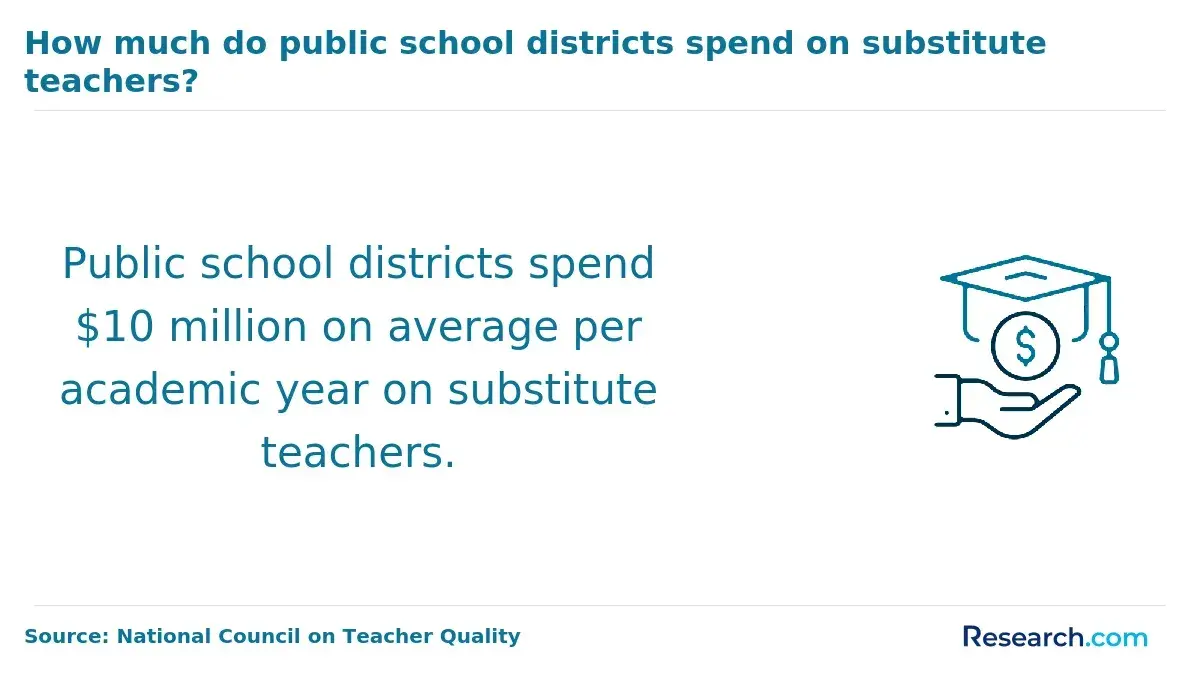
The outlook for substitute teachers in Hawaii is stable because schools continue to rely on substitutes to cover absences, vacancies, professional development days, and hard-to-staff classrooms. The role is especially important in areas where recruitment is difficult or teacher turnover is high.
- Statewide shortage pressure: Hawaii has had a severe shortage environment, with over 60,000 students annually taught by non-licensed or emergency-hire instructors. Since 2012, teacher departures have climbed by more than 70%, increasing schools’ reliance on substitutes and emergency staffing.
- Nanakuli-Waianae Complex Area on Oahu: This area has reported some of the highest unfilled substitute rates, near 30%, due to persistent shortages, local recruitment difficulty, and absenteeism.
- Baldwin-Kekaulike Complex Area on Maui: Maui also faces high substitute demand because vacancies and teacher absences leave many requests difficult to fill.
- Hard-to-staff schools: Approximately 10% of Hawaii’s teachers leave or relocate annually. High living costs can make recruiting and retaining educators more difficult, especially in schools already facing staffing strain.
There have been signs of improvement, including the lowest number of vacancies since 2019 at 166 unfilled positions, but substitutes remain essential because retirements, turnover, illness, and long-term leaves continue. Candidates interested in broader education pathways may also explore a list of affordable online library science master’s degrees if they are considering school library or information-focused roles.
How can substitute teachers access ongoing professional development resources in Hawaii?
Professional development helps substitutes move from “available adult in the room” to effective temporary educator. In Hawaii, substitutes can strengthen their practice through approved training, district onboarding, online classroom management courses, school-level mentoring, and peer support from experienced teachers.
Useful development areas include behavior management, trauma-informed classroom practices, culturally responsive teaching, special education basics, technology use, emergency procedures, and strategies for teaching from incomplete lesson plans. Substitutes who want a step-by-step overview of entry requirements and training options can review how to become a substitute teacher in Hawaii.
How can substitute teaching pave the way for private school careers in Hawaii?
Public school substitute experience can help candidates pursue private school roles because it demonstrates classroom exposure, adaptability, and comfort working with students. Private schools, however, may use their own hiring standards, interviews, reference checks, religious or mission-based expectations, and credential preferences.
If your goal is private school employment, keep a record of grade levels taught, subjects covered, classroom successes, professional references, and any specialized training. Candidates should also study private school culture and hiring expectations through resources such as how to become a private school teacher in Hawaii.
What ethical standards do substitute teachers adhere to in Hawaii?
Substitute teachers in Hawaii are expected to follow professional ethics that protect students, maintain trust, and support fair learning environments. Because substitutes often enter classrooms with limited preparation time, ethical judgment is especially important.
- Put student safety first: Substitutes must protect students’ physical and emotional well-being and follow campus safety procedures.
- Respect confidentiality: Student grades, behavior records, family information, health details, and personal disclosures should not be shared unless reporting is legally or professionally required.
- Treat students fairly: Educators must avoid discrimination and provide respectful support regardless of background, ability, identity, or prior behavior.
- Maintain professional boundaries: Substitute teachers should communicate appropriately with students and avoid conduct that could create confusion or risk.
- Follow school and state policies: Temporary status does not excuse substitutes from complying with district rules, reporting requirements, and classroom procedures.
- Support inclusive classrooms: Hawaii’s school communities are culturally diverse, and substitutes should create a respectful environment where students feel seen and safe.
- Handle discussion responsibly: When controversial topics arise, substitutes should present information fairly, avoid personal advocacy outside the lesson’s purpose, and help students separate facts from opinions.
- Accept accountability: Mistakes should be reported honestly, and concerns about student safety or misconduct should be escalated through proper channels.
- Monitor personal readiness: Fatigue, stress, or uncertainty can affect judgment. Substitutes should ask for help when classroom conditions exceed their preparation.
- Avoid conflicts of interest: Personal relationships, outside interests, or community pressure should not interfere with professional duties.
A Hawaii substitute high school math teacher described the ethical side of the job as more complicated than many people expect. Each campus had its own culture, and she had to balance firmness with approachability while entering classrooms as a short-term authority figure. She also emphasized that confidentiality is not just a rule on a form; it is built through consistent behavior, careful listening, and respect for students’ privacy.
The chart below shows wage differences among substitute teachers based on highest educational attainment.
How can online programs strengthen my substitute teaching credentials in Hawaii?
Online programs can help substitutes improve their qualifications without leaving the workforce. Depending on the program, candidates may study classroom management, child development, curriculum planning, special education, assessment, educational technology, or subject-specific teaching methods.
Online learning is most useful when it connects to a clear goal: qualifying for a higher credential, preparing for teacher licensure, improving classroom confidence, or moving into a full-time role. Before enrolling, confirm accreditation, transfer credit rules, cost, field experience requirements, and whether the program supports Hawaii teaching goals. A helpful starting point is how to become a teacher online in Hawaii.
What are the benefits received by substitute teachers in Hawaii?
Substitute teaching offers several practical advantages, but it is not the same as full-time teaching. The strongest benefits are flexibility, classroom experience, and a possible pathway into education. The biggest limitations are inconsistent schedules, fewer benefits, and uncertainty around long-term income.
- Flexible scheduling: Substitutes can often choose assignments based on availability, making the role suitable for retirees, graduate students, parents, career changers, or people seeking supplemental income.
- Daily earning opportunities: Pay varies by assignment, credential, and length of service, with long-term roles often more financially attractive than single-day jobs.
- Limited health benefits: Most substitutes do not receive the same health benefits as full-time teachers unless they move into long-term or full-time employment categories that qualify.
- 403(b) retirement savings access: Substitutes are eligible for the IRS Section 403(b) Tax-Sheltered Annuity Plan, which can support tax-advantaged retirement saving even without full pension benefits.
- Professional development access: Some training opportunities are available to improve classroom management and instructional readiness.
- Possible housing support: Hawaii offers housing programs in hard-to-staff areas, often prioritizing full-time faculty, though substitutes may qualify for short-term occupancy assistance in some cases.
- Community contribution: Many substitutes value the chance to support local schools and students while learning whether education is a good long-term fit.
Educators interested in advanced leadership, research, or administrative pathways may eventually compare online doctorate degrees in education, but that level of study is typically most relevant after establishing clear career goals.
What are the common challenges for substitute teachers in Hawaii?
Substitute teaching in Hawaii can be rewarding, but applicants should understand the realities before relying on it as a primary income source. The work can change daily, and classroom conditions are not always predictable.
- Uncertain scheduling: Assignments may be offered with little notice or canceled, making income and personal planning difficult.
- Uneven preparation: Some substitutes receive strong lesson plans and support; others may enter classrooms with limited instructions.
- Heavy demand in shortage areas: Staffing gaps can create pressure to accept difficult assignments or cover classes outside a substitute’s comfort zone.
- Classroom management challenges: Students may test boundaries when the regular teacher is absent, especially if routines are unclear.
- Limited benefits: Daily substitutes often do not receive the full benefits package available to permanent educators.
- Operational strain in schools: Teacher shortages may lead regular teachers to cover classes during planning time or cause professional development to be canceled.
- Communication problems: Manual or inconsistent scheduling processes can lead to confusion, missed messages, or unclear reporting expectations.
- Geographic barriers: Island geography, travel time, and rural staffing needs can make some assignments harder to fill, with unfilled substitute requests sometimes as high as 30% in certain areas.
- Ethical pressure: Substitutes may need to balance student safety, instructional quality, and personal limits when asked to take assignments that are not a good fit.
| Common Mistake | Why It Causes Problems | Better Approach |
| Applying without confirming current requirements | Rules can differ by pathway, school type, and assignment length. | Check the Hawaii Department of Education or hiring school before paying for training or ordering documents. |
| Focusing only on hourly or daily pay | Travel costs, cancellations, and unpaid gaps can reduce actual income. | Calculate expected monthly earnings based on realistic assignment volume. |
| Accepting every assignment immediately | A poor fit can damage confidence and reputation. | Consider grade level, subject, location, classroom support, and lesson plan clarity. |
| Ignoring documentation deadlines | Expired TB clearance or missing transcripts can delay eligibility. | Create a renewal checklist and start early. |
| Assuming substitute work automatically leads to full-time teaching | Full-time teaching usually requires additional licensure steps. | Use substitute experience to build references while completing credential requirements. |
What additional certifications can support career advancement for substitute teachers in Hawaii?
Additional credentials can make a substitute more useful to schools and better prepared for long-term roles. Useful areas may include special education, English language learner support, subject-specific coursework, classroom technology, literacy instruction, and behavior management.
Candidates planning a transition into licensed teaching should review the types of teaching certifications and requirements in Hawaii. The best credential is not always the longest or most expensive one; it is the one that matches the grade level, subject area, and employment path you actually want.
What is the typical career progression for substitute teachers in Hawaii?
Many substitute teachers begin with short-term daily assignments, then move into preferred substitute lists, long-term classroom coverage, emergency or temporary teaching roles, teacher preparation, full licensure, and permanent teaching positions. Others use substitute teaching to explore school counseling, library services, educational technology, administration, or private school employment.
| Stage | What It Looks Like | Decision Point |
| Entry-level substitute | Accepts daily assignments and learns school routines. | Do you enjoy classroom work enough to continue? |
| Reliable preferred substitute | Receives repeat calls from schools that trust your performance. | Which grade levels or subjects fit you best? |
| Long-term substitute | Covers extended absences and may take on planning or grading responsibilities. | Are you ready for deeper instructional responsibility? |
| Credential-building candidate | Completes coursework, training, or certification for a target teaching area. | Which license or degree is required for your goal? |
| Full-time educator or specialist | Applies for permanent teaching or related school roles. | Does the role align with your long-term career and financial needs? |
If you are mapping a longer teaching pathway, it helps to understand timing early. Review how many years of college it can take to become a teacher in Hawaii before choosing a degree or certification route.
What substitute teachers in Hawaii say about the role
- Substitute teaching gave me the schedule control I needed while still letting me contribute to local schools. I like being able to work in different classrooms, but I also learned quickly that flexibility only works if I stay organized and realistic about travel and assignment availability. Keala
- I started as a substitute to see whether teaching was truly for me. Over time, principals and teachers got to know my work, and that helped me understand what I needed to do next for a permanent role. The experience was valuable because it showed me both the rewards and the pressure of classroom teaching. Malaika
- Training made a major difference for me. The more I learned about classroom management and student engagement, the more confident I felt walking into unfamiliar rooms. Professional development helped me stop reacting and start leading. Dan
Related Articles for Nearby States
- 2027 Substitute Teaching License & Requirements in Alaska
- 2027 Substitute Teaching License & Requirements in California
- 2027 Substitute Teaching License & Requirements in Oregon
- 2027 Substitute Teaching License & Requirements in Washington
- 2027 Substitute Teaching License & Requirements in Nevada
- 2027 Substitute Teaching License & Requirements in Arizona
- 2027 Substitute Teaching License & Requirements in Idaho
- 2027 Substitute Teaching License & Requirements in Utah
- 2027 Substitute Teaching License & Requirements in Montana
- 2027 Substitute Teaching License & Requirements in Wyoming
References:
- Hawaii Department of Education. (n.d.). Teacher Recruitment Frequently Asked Questions. teachinhawaii.org.
- Hawaii State Department of Education. (n.d.). Become a Substitute Teacher. hawaiipublicschools.org.
- Kelly Education. (n.d.). How to Become a Substitute Teacher in Hawaii. myKelly.
- TeachingCertification.com. (n.d.). Hawaii Teacher Certification Renewal. teaching-certification.com.
- Roach, J.C. (2023, January). Monthly Labor Review: Substitute teachers needed: closing the gap on supply versus demand. U.S. Bureau of Labor Statistics.
- United States Bureau of Labor Statistics. (2024, April 3). Occupational Employment and Wage Statistics | 25-3031 Substitute Teachers, Short-Term. BLS.
Key Insights
- Substitute teaching in Hawaii can be a flexible entry point into education, but applicants should verify current requirements because education, permit, and training rules can vary by pathway and assignment type.
- Training, TB clearance, official transcripts, employment eligibility documentation, and background screening are central parts of becoming eligible to work in Hawaii classrooms.
- Pay is variable. Reported figures include approximately $18 to $25 per hour, average hourly pay between $21.10 and $21.81, and higher daily rates for some long-term assignments.
- Demand remains supported by teacher shortages, absences, vacancies, turnover, and hard-to-staff schools, even when vacancy counts improve.
- Substitute teaching can lead to full-time teaching, but not automatically. Candidates need strong school references, classroom management skill, formal applications, and the right licensure or certification pathway.
- The best strategy is to treat substitute teaching as both employment and career exploration: choose assignments carefully, document your experience, keep credentials current, and use professional development to close skill gaps.
Other Things You Should Know About Substitute Teaching License & Requirements in Hawaii
The Hawaii Teacher Standards Board, working through the Hawaii Department of Education, issues substitute teaching licenses in 2027. Applicants submit their materials through the state licensing process, and approval is based on the board’s credential rules and verification of required documents.
To obtain a substitute teaching license in Hawaii in 2027, applicants must have a bachelor's degree from an accredited institution. Additionally, they must complete a state-specific substitute teacher training program and successfully pass a background check per Hawaii Department of Education regulations.
In Hawaii, individuals who hold a valid teaching license from another state or possess a higher education degree in education may be exempted from taking certification exams for a substitute teaching license in 2027. Verification with the Hawaii Teacher Standards Board is required.