
2027 Most Affordable Online Accelerated Nursing Programs With High Graduation Rate

Co-Founder and Chief Data Scientist
The proliferation of online programs makes it difficult to discern which options offer both affordability and quality which makes finding the most affordable online accelerated nursing programs with high graduation rates a challenging endeavor. High graduation rates often indicate a program’s effectiveness and support system, crucial for student success.
As the demand for nursing professionals continues to rise, more students are seeking efficient and cost-effective ways to advance their education and career prospects. This guide aims to navigate the complexities of selecting a reputable, accelerated nursing program that balances cost with academic excellence, ensuring that aspiring nurses make informed decisions for their future.
What are the benefits of getting an online accelerated nursing program with high graduation rates?
- High graduation rates often indicate that the program is well-designed, effectively delivered, and provides the necessary support to help students succeed. This suggests a curriculum that is both rigorous and manageable, with clear pathways to completion
- .Online accelerated nursing program graduates can work in specialty areas such as critical care, pediatrics, geriatrics, and psychiatric nursing. Opportunities also exist in public health, home healthcare, and school nursing.
- On average, a registered nurse (RN) with a Bachelor of Science in Nursing (BSN) can expect to earn between $65,000 and $90,000 per year. Completing an accelerated nursing program efficiently means entering the workforce sooner, allowing students to start earning a salary and recoup their educational investment more quickly.
What can I expect from an online accelerated nursing program?
Students enrolled in an online accelerated nursing program can expect a rigorous and fast-paced educational experience designed to quickly advance their nursing knowledge and skills. These programs typically compress the standard curriculum into a shorter timeframe, demanding a significant commitment and time management skills from students.
Coursework often includes a combination of theoretical learning, virtual simulations, and clinical practice components, allowing students to apply what they learn in real-world healthcare settings. Despite being online, these programs provide interactive and engaging content through lectures, discussions, and multimedia resources.
Where can I work with an online accelerated nursing program?
A graduate of an online accelerated nursing program can work in a variety of healthcare settings, leveraging their advanced education and skills to take on diverse nursing roles. They can find employment in hospitals, clinics, long-term care facilities, and community health organizations, providing direct patient care and assuming leadership positions.
They can work in specialty areas and pursue roles in healthcare administration, education, or research, contributing to policy development, teaching future nurses, or advancing medical knowledge.
How much can I make with an online accelerated nursing program?
The salary of a graduate from an online accelerated nursing program can vary based on several factors such as location, experience, and the specific healthcare setting in which they work. On average, a registered nurse (RN) with a Bachelor of Science in Nursing (BSN) can expect to earn between $65,000 and $90,000 per year.
In metropolitan areas or regions with a high demand for healthcare professionals, salaries may be higher. For example, nurses in states like California, New York, and Massachusetts often earn higher wages compared to those in other parts of the country.
- Most Affordable Online Accelerated Nursing Programs With High Graduation Rate for 2027 Best Programs
- How long does it take to complete an online accelerated nursing program? Completion Time
- How does an online accelerated nursing program compare to an on-campus program? Online vs On-Campus
- What is the average cost of an online accelerated nursing program? Average Cost
- What are the financial aid options for students enrolling in an online accelerated nursing program? Financial Aid
- What are the prerequisites for enrolling in an online accelerated nursing program? Requirements
- What courses are typically in an online accelerated nursing program? What courses are typically in an online accelerated nursing program?
- What types of specializations are available in accelerated nursing programs? What types of specializations are available in accelerated nursing programs?
- How do you choose the best online accelerated nursing program? How do you choose the best online accelerated nursing program?
- How do accreditation and program reputation impact online accelerated nursing degrees? How do accreditation and program reputation impact online accelerated nursing degrees?
- What career paths are available for graduates of online accelerated nursing programs? What career paths are available for graduates of online accelerated nursing programs?
- What differentiates fast-track RN to BSN online programs from conventional pathways? What differentiates fast-track RN to BSN online programs from conventional pathways?
- Are ASN to FNP online programs a viable bridge to advanced practice roles? Are ASN to FNP online programs a viable bridge to advanced practice roles?
- How do online accelerated nursing programs foster diversity and inclusion? How do online accelerated nursing programs foster diversity and inclusion?
- What is the job market for graduates with an online accelerated nursing program? Job Market
- What types of support services are available to students in online accelerated nursing programs? What types of support services are available to students in online accelerated nursing programs?
- The Role of Clinical Experience in Online Accelerated Nursing Programs The Role of Clinical Experience in Online Accelerated Nursing Programs
- How Can LPNs Transition to Advanced Nursing Roles? How Can LPNs Transition to Advanced Nursing Roles?
- How effective are online accelerated programs in preparing students for licensing exams? How effective are online accelerated programs in preparing students for licensing exams?
- How Do Online Accelerated Nursing Programs Enhance Career Networking and Mentorship? How Do Online Accelerated Nursing Programs Enhance Career Networking and Mentorship?
- Affordable Pathways to Psychiatric Nurse Practitioner Specialization Affordable Pathways to Psychiatric Nurse Practitioner Specialization
- How is evidence-based practice integrated into online accelerated nursing programs? How is evidence-based practice integrated into online accelerated nursing programs?
Most Affordable Online Accelerated Nursing Programs With High Graduation Rate for 2027
Choosing an online accelerated nursing program is not just a question of speed. You also need to know whether the program is accredited, whether the schedule fits your work life, how much the degree will actually cost, and whether the format supports your licensing or career goals. This guide is designed for registered nurses, career changers, and working adults comparing affordable online nursing pathways that can shorten the time to a BSN or support advancement into graduate-level nursing roles.
You will find a ranked list of affordable online accelerated nursing options, a clear explanation of how online and campus-based programs differ, typical admissions requirements, common courses, financial aid choices, clinical expectations, career outcomes, and practical questions to ask before enrolling.
Quick answer: What is the best way to choose an affordable online accelerated nursing program?
The best online accelerated nursing program is one that is accredited, fits your timeline, provides clear clinical placement support, publishes realistic costs, and aligns with your state licensure or career-advancement requirements. For RN to BSN students, many programs can be completed in about 12 to 18 months full time, while part-time formats may take 2-3 years. Cost per credit often ranges from approximately $200 to $700 or more, so comparing total tuition, required credits, fees, transfer policies, and employer tuition assistance is essential.
How we rank schools
Research.com ranks online nursing programs to help students compare options using available institutional and program-level data rather than marketing claims alone. Our ranking process considers affordability, graduation-related outcomes, program structure, and other decision factors that matter to students who are balancing education with work, family, and clinical obligations.
The ranking is based on a transparent Research.com methodology and uses data from sources such as the Integrated Postsecondary Education Data System (IPEDS), Peterson's databases including the Distance Learning Licensed Data Set, and the College Scorecard database from the National Center for Education Statistics. Students should still verify tuition, admissions rules, accreditation, and state authorization directly with each school before applying.
Ranked program snapshot
| Rank | School | Typical program length | Credits required | Cost per credit | Accreditation listed |
| 1 | University of Texas Medical Branch | Typically 12 months | 30 credits | $328 | Commission on Collegiate Nursing Education (CCNE) |
| 2 | University of Maryland | Typically 12-18 months | 31 credits | $418 | Commission on Collegiate Nursing Education (CCNE) |
| 3 | University of North Carolina | Typically 12-24 months | 30 credits | $337 | Commission on Collegiate Nursing Education (CCNE) |
| 4 | University of Virginia | Typically 21 months | 30 credits | $471 | Commission on Collegiate Nursing Education (CCNE) |
| 5 | Texas Tech University Health Sciences Center | Typically 12 months | 30 credits | $245 | Commission on Collegiate Nursing Education (CCNE) |
| 6 | University of Florida | Typically 12 months | 30 credits | $448 | Commission on Collegiate Nursing Education (CCNE) |
| 7 | University of Washington | Typically 12-24 months | 45 credits | $221 | Commission on Collegiate Nursing Education (CCNE) |
| 8 | Rutgers University | Typically 12-21 months | 30 credits | $615 | Commission on Collegiate Nursing Education (CCNE) |
| 9 | Ohio State University | Typically 12 months | 30 credits | $495 | Commission on Collegiate Nursing Education (CCNE) |
| 10 | San Diego State University | 12 to 15 months | 32 | $375 | Commission on Collegiate Nursing Education |
1. University of Texas Medical Branch
The University of Texas Medical Branch offers an online RN to BS program that began in 2007 and is intended for registered nurses who want to complete a Bachelor of Science in Nursing while continuing to work. The fully online format uses asynchronous coursework, making it a practical option for nurses who need predictable flexibility rather than scheduled daily campus attendance.
- Program Length: Typically 12 months
- Tracks/concentrations: General Nursing
- Cost per Credit: $328
- Required Credits to Graduate: 30 credits
- Accreditation: Commission on Collegiate Nursing Education (CCNE)
2. University of Maryland
The University of Maryland School of Nursing has offered its online RN to BSN program since 2013 for licensed registered nurses seeking a BSN completion route. The program is delivered online and combines asynchronous coursework with occasional synchronous meetings, giving students both independent study time and structured interaction with faculty or classmates.
- Program Length: Typically 12-18 months
- Tracks/concentrations: General Nursing
- Cost per Credit: $418
- Required Credits to Graduate: 31 credits
- Accreditation: Commission on Collegiate Nursing Education (CCNE)
3. University of North Carolina
The University of North Carolina at Chapel Hill provides an online RN to BSN pathway that started in 2015. It is built for working registered nurses who want to raise their academic credential without relocating or pausing employment. Coursework is offered online in an asynchronous format, which can help students manage professional shifts and personal responsibilities.
- Program Length: Typically 12-24 months
- Tracks/concentrations: General Nursing
- Cost per Credit: $337
- Required Credits to Graduate: 30 credits
- Accreditation: Commission on Collegiate Nursing Education (CCNE)
4. University of Virginia
The University of Virginia School of Nursing launched its online RN to BSN program in 2006 for registered nurses pursuing a Bachelor of Science in Nursing. The program uses a fully online model with asynchronous coursework and some synchronous sessions, giving students flexibility while still preserving live engagement opportunities.
- Program Length: Typically 21 months
- Tracks/concentrations: General Nursing
- Cost per Credit: $471
- Required Credits to Graduate: 30 credits
- Accreditation: Commission on Collegiate Nursing Education (CCNE)
5. Texas Tech University Health Sciences Center
Texas Tech University Health Sciences Center introduced its online RN to BSN program in 2010 for registered nurses seeking a faster route to a bachelor’s credential. The program is fully online and primarily asynchronous, allowing students to progress through coursework while maintaining work and family commitments.
- Program Length: Typically 12 months
- Tracks/concentrations: General Nursing
- Cost per Credit: $245
- Required Credits to Graduate: 30 credits
- Accreditation: Commission on Collegiate Nursing Education (CCNE)
6. University of Florida
The University of Florida College of Nursing offers an RN to BSN program for working registered nurses who already hold an Associate Degree in Nursing and want to complete a Bachelor of Science in Nursing. Initiated in 2016, the part-time, primarily online program builds on prior nursing education and is designed to support advancement into broader practice, leadership, and graduate-study options.
- Program Length: Typically 12 months
- Tracks/concentrations: General Nursing
- Cost per Credit: $448
- Required Credits to Graduate: 30 credits
- Accreditation: Commission on Collegiate Nursing Education (CCNE)
7. University of Washington
The University of Washington Bothell School of Nursing & Health Studies has offered an online RN to BSN program since 2008. It is intended for registered nurses who need a flexible learning format and includes asynchronous coursework with occasional synchronous meetings to support both independent study and real-time academic connection.
- Program Length: Typically 12-24 months
- Tracks/concentrations: General Nursing
- Cost per Credit: $221
- Required Credits to Graduate: 45 credits
- Accreditation: Commission on Collegiate Nursing Education (CCNE)
8. Rutgers University
Rutgers University School of Nursing launched its online RN to BSN program in 2015 for licensed registered nurses pursuing a bachelor’s degree. The program is delivered entirely online with asynchronous coursework, which may suit nurses who need to study outside standard business hours.
- Program Length: Typically 12-21 months
- Tracks/concentrations: General Nursing
- Cost per Credit: $615
- Required Credits to Graduate: 30 credits
- Accreditation: Commission on Collegiate Nursing Education (CCNE)
9. Ohio State University
The Ohio State University College of Nursing has provided its online RN to BSN program since 2008. It is structured for working nurses who want an accelerated bachelor’s-completion option, with online asynchronous coursework and occasional synchronous sessions to support different schedules and learning preferences.
- Program Length: Typically 12 months
- Tracks/concentrations: General Nursing
- Cost per Credit: $495
- Required Credits to Graduate: 30 credits
- Accreditation: Commission on Collegiate Nursing Education (CCNE)
10. San Diego State University
San Diego State University’s online RN to BS program began in 2018 and serves registered nurses who want to complete a Bachelor of Science in Nursing while remaining employed. The program is fully online and blends asynchronous coursework with occasional synchronous sessions, giving students independent pacing along with faculty and peer interaction.
- Program Length: 12 to 15 months
- Tracks/concentrations: General Nursing
- Cost per Credit: $375
- Required Credits to Graduate: 32
- Accreditation: Commission on Collegiate Nursing Education
What students say about online accelerated nursing programs
- : "The online format made it possible for me to keep my full-time nursing job while finishing my BSN. Flexible coursework and a responsive virtual support system helped me stay on track without stepping away from work. — Jessica"
- : "The pace was demanding, but the experience was worth it. Online activities, interactive assignments, and virtual simulations helped me build confidence while studying from home. — Michael"
- : "I did not think I could manage school, work, and family responsibilities at the same time. Being able to complete coursework around my schedule and use academic support when I needed it made the program manageable. — Emily"
Key findings for students comparing online accelerated nursing programs
- Online accelerated nursing programs vary by student type. Some are RN to BSN completion programs for licensed registered nurses, while others are accelerated BSN pathways for students who already have a bachelor’s degree in another field.
- Many full-time accelerated options are structured around 12 to 18 months, but part-time study can extend the timeline to 2-3 years.
- Affordability depends on more than cost per credit. Required credits, fees, transfer credits, technology costs, books, clinical expenses, and employer reimbursement can all change the final price.
- Accreditation is nonnegotiable. Students should confirm CCNE or ACEN programmatic accreditation and verify that the program meets their state’s nursing requirements.
- Online does not mean clinical-free. Nursing programs still require hands-on learning, clinical practice, simulation, or practicum experiences depending on the pathway.
How long does it take to complete an online accelerated nursing program?
Completion time depends on the type of nursing pathway, the student’s enrollment status, transfer credits, clinical requirements, and whether the program runs continuously or follows traditional academic terms.
An online accelerated nursing program is designed to shorten the path to a nursing credential compared with a conventional schedule. These programs may serve students who already hold a bachelor’s degree in another discipline or licensed registered nurses who want to complete a BSN.
For full-time students, many accelerated programs are designed around about 12 to 18 months. Students who enroll part time may need 2-3 years, which can be a better fit for nurses working shifts or managing family responsibilities.
Clinical practicum hours, local placement availability, prerequisite completion, and transfer-credit decisions can also affect graduation timing. A student with eligible prior coursework may move faster, while a student who still needs science prerequisites may need additional terms before entering the nursing sequence.
| Student situation | Likely timeline consideration | What to confirm before applying |
| Licensed RN entering an RN to BSN program | Often shorter because prior nursing education may apply | How many transfer credits the school accepts and whether 30 to 45 nursing credits remain |
| Career changer with a bachelor’s degree in another field | May complete faster than a traditional BSN if prerequisites are done | Whether all required sciences and labs are complete before admission |
| Working nurse studying part time | May need 2-3 years | Whether the program allows reduced course loads without losing cohort status |
| Student with clinical placement limits | Timeline may depend on approved sites and preceptors | Who arranges clinicals and what happens if placement is delayed |
How does an online accelerated nursing program compare with an on-campus program?
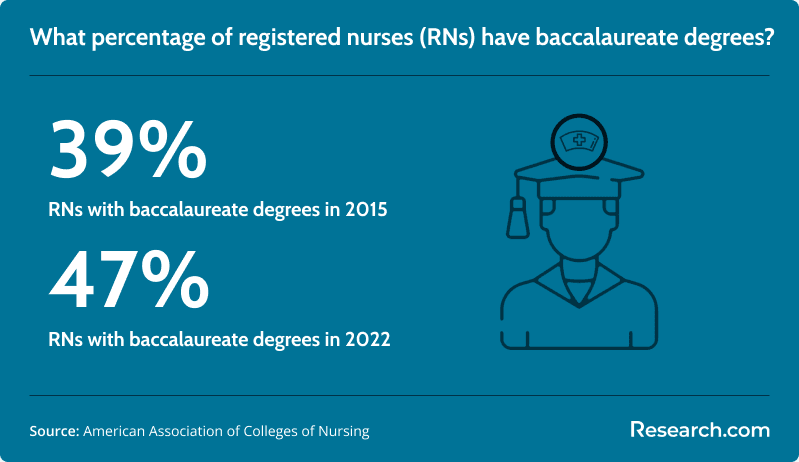
The biggest differences are delivery format, scheduling, in-person access, and how clinical or lab requirements are handled. From 2015 to 2022, registered nurses (RNs) with baccalaureate degrees increased from 39% to 47.2%, which helps explain why many working nurses compare flexible BSN-completion options with campus-based routes.
Online accelerated programs usually deliver lectures, readings, discussions, and assignments through a learning management system. Many use asynchronous modules, with some programs adding scheduled live sessions. Campus programs require students to attend classes, labs, and faculty meetings in person, which can be valuable for students who prefer direct interaction and structured schedules.
Accelerated online options, including affordable RN to BSN online programs, can reduce time to completion, but the compressed pace requires strong time management. On-campus programs may provide easier access to simulation labs, peer groups, and faculty offices, while online programs may better serve students who cannot relocate or attend daytime classes.
| Factor | Online accelerated nursing program | On-campus nursing program |
| Schedule | Often flexible, with asynchronous work and occasional live sessions | Typically tied to fixed class, lab, and campus schedules |
| Best for | Working nurses, parents, rural students, and students who need remote coursework | Students who want frequent in-person instruction and campus resources |
| Clinical learning | Usually completed locally or through approved placements, depending on program policy | Often coordinated near the campus through established clinical partnerships |
| Self-discipline required | High, especially in compressed terms | Still high, but with more built-in weekly structure |
| Main risk | Assuming online coursework eliminates in-person clinical requirements | Underestimating commuting, scheduling, and relocation costs |
What is the average cost of an online accelerated nursing program?
The cost of an online RN to BSN program varies by institution type, tuition policy, residency status, fees, financial aid, and transfer-credit acceptance. In general, cost per credit hour for these programs ranges from approximately $200 to $700 or more.
For programs requiring around 30 to 36 credits, total tuition can range from $6,000 to $25,000 or more. Students should also budget for technology fees, textbooks, background checks, immunizations, uniforms, travel to clinical sites, simulation fees, graduation fees, and licensure-related expenses if applicable.
Cost factors students often miss
- Required credits: A lower cost per credit may not be the cheapest option if the program requires more credits.
- Transfer-credit rules: Generous transfer policies can reduce both time and cost.
- Residency tuition: Public universities may charge different rates for in-state and out-of-state students.
- Clinical expenses: Travel, parking, compliance documents, and placement-related costs can add up.
- Employer benefits: Tuition reimbursement can make a higher-priced program more affordable in practice.
What financial aid options are available for online accelerated nursing students?
In both 2019 and 2020, the majority of newly licensed RNs reported that they had accrued debt to pay for their nursing program and 30% expressed some concern in their ability to pay. Because nursing education can create real financial pressure, students should compare aid options before committing to a program.
- Federal Financial Aid: Eligible students can apply for grants, federal loans, and work-study by completing the Free Application for Federal Student Aid (FAFSA).
- Scholarships: Nursing schools, professional associations, hospitals, and community organizations may offer scholarships based on merit, need, service commitments, or specialty interests.
- Employer Tuition Assistance: Hospitals and healthcare employers may provide tuition reimbursement or assistance programs for employees pursuing nursing credentials.
- Private Loans: Private student loans can help fill funding gaps, but students should review interest rates, repayment terms, cosigner rules, and borrower protections carefully.
- State-Based Aid: Some states support nursing students through grants, scholarships, or workforce programs for residents pursuing nursing degrees.
How to reduce out-of-pocket cost
- Ask the school for a written estimate that includes tuition, fees, books, clinical costs, and technology charges.
- Confirm how many credits will transfer before you enroll, not after classes begin.
- Ask your employer whether reimbursement requires a minimum grade, service commitment, or approved-school list.
- Compare affordable options such as affordable nursing programs online using total program cost rather than tuition alone.
What are the prerequisites for enrolling in an online accelerated nursing program?
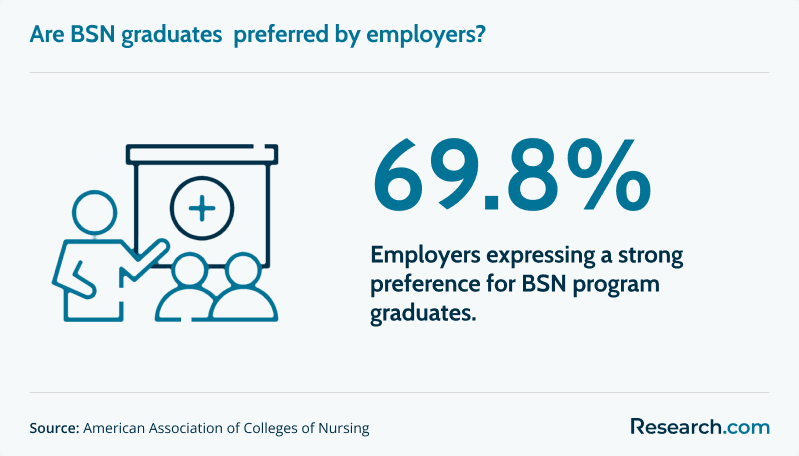
Admissions requirements depend on whether you are entering an RN to BSN, ABSN, LPN to RN, or bridge pathway. Based on completed responses from 643 schools of nursing, 25.0% of hospitals and other healthcare settings are requiring new hires to have a bachelor’s degree in nursing, while 69.8% of employers are expressing a strong preference for BSN program graduates.
Common general admission requirements
- Bachelor's Degree: Many ABSN programs require applicants to hold a Bachelor of Science (BS) degree in any field from an accredited institution.
- Minimum GPA: Programs commonly set a cumulative GPA requirement, often ranging from 2.75 to 3.25.
- Active RN license: RN to BSN programs generally require current registered nurse licensure.
- Official transcripts: Schools use transcripts to verify prior degrees, prerequisites, transfer credits, and GPA.
Common science prerequisites
Applicants comparing online BSN programs for non nurses should pay close attention to prerequisite science courses. Many programs require a minimum grade, often a "C" or better, before students can begin nursing coursework.
- Anatomy and Physiology I & II with labs: Covers human body systems, structure, and function.
- Microbiology with Lab: Examines microorganisms and their impact on health, infection, and disease.
- Chemistry: Introduces chemical processes relevant to biology and patient care.
- Statistics: Builds the quantitative foundation needed for research and evidence-based practice.
- Additional Sciences: Some programs also require nutrition, lifespan development, psychology, or related coursework.
What courses are typically included in an online accelerated nursing program?
Online accelerated nursing programs compress core nursing content into a shorter sequence, typically 11 to18 months. Course titles differ by school, but most programs cover health assessment, pathophysiology, pharmacology, nursing practice, specialty care, leadership, research, and professional ethics.
The number of nursing programs that offered all of their lecture hours online increased from 10 in fall 2019 to 153 in fall 2020. That shift made online nursing coursework more common, but students should still expect rigorous reading, exams, simulations, clinical expectations, and faculty evaluation.
Foundational sciences
- Pathophysiology: Explains how illness and injury alter normal body function.
- Pharmacology: Covers medication actions, safe administration, side effects, and nursing responsibilities.
- Nutrition: Connects diet, health maintenance, disease management, and recovery.
- Lifespan Development: Studies physical, cognitive, social, and emotional development across age groups.
Nursing fundamentals and clinical skills
- Health Assessment: Teaches systematic patient assessment and clinical data collection.
- Nursing Skills Labs: Builds competency in medication administration, sterile technique, vital signs, and other core skills.
- Fundamentals of Nursing: Introduces care planning, communication, infection prevention, safety, and patient-centered practice.
Specialty nursing areas
- Maternal-Neonatal Nursing: Focuses on care during pregnancy, birth, postpartum recovery, and newborn health.
- Pediatric Nursing: Covers care for infants, children, and adolescents.
- Medical-Surgical Nursing: Addresses common adult health conditions managed through medical or surgical care.
- Mental Health Nursing: Prepares students to support patients with psychiatric and behavioral health needs.
Professional development
- Leadership and Management: Introduces supervision, delegation, quality improvement, and healthcare-team coordination.
- Nursing Research: Teaches research interpretation and application to evidence-based nursing care.
- Professional Issues and Ethics: Examines legal duties, ethical decision-making, policy, and professional standards.
What specializations are available in online accelerated nursing programs?
Most online accelerated nursing programs, especially RN to BSN and ABSN pathways, do not function like graduate programs with formal advanced-practice concentrations. However, some include electives, projects, or clinical experiences that let students explore a focused area. In 2022, 16.5% of RNs reported that their primary practice specialty was acute care/critical care.
- Leadership and Management: Coursework may emphasize unit leadership, healthcare operations, and team coordination.
- Community Health: Students may study population health, prevention, public health nursing, and community-based care.
- Critical Care: Some programs include content related to emergency care, intensive care, and high-acuity patient needs.
- Gerontology: Courses may address aging, chronic disease, long-term care, and older-adult wellness.
- Informatics: Students may learn about electronic health records, healthcare data, and technology-supported nursing practice.
How do you choose the best online accelerated nursing program?
Based on a survey conducted by the American Association of Colleges of Nursing (AACN) in 2023, 96% of BSN graduates received job offers 4 to 6 months after program completion. Even with favorable employment indicators, students should choose carefully because program quality, state authorization, clinical support, and cost can vary widely.
Program-selection checklist
| What to evaluate | Why it matters | Question to ask the school |
| Accreditation | Supports quality assurance, financial aid eligibility, credit transfer, and future graduate study | Is the nursing program accredited by CCNE or ACEN, and where can I verify it? |
| Program length and pace | Accelerated formats can be difficult for students working long shifts | How many hours per week should I expect to spend on coursework? |
| Clinical requirements | Online nursing students may still need in-person learning | Does the school arrange clinical placements, or am I responsible for finding sites? |
| Total cost | Fees, books, technology, and clinical costs can change affordability | Can you provide a full cost breakdown for the entire program? |
| Faculty and student support | Accelerated students need fast access to advising and help | How quickly do faculty, advisors, and technical support respond? |
| Career alignment | Different paths support different outcomes | Does this program prepare me for BSN completion, licensure, graduate admission, or leadership advancement? |
VISUAL: chart: The number of nursing programs that offered all of their lecture hours online increased from 10 in fall 2019 to 153 in fall 2020.
How do accreditation and program reputation affect online accelerated nursing degrees?
Accreditation should be one of the first items students verify. A school’s reputation can help, but reputation alone is not enough. Students should confirm recognized accreditation, state approval, NCLEX or graduation outcomes when relevant, clinical support, and employer recognition.
Why accreditation matters
Programmatic accreditation from organizations such as the Commission on Collegiate Nursing Education (CCNE) or the Accreditation Commission for Education in Nursing (ACEN) indicates that a nursing program has been reviewed against established academic and professional standards.
- Licensure and Certification: State boards of nursing may require graduation from an approved or accredited program for licensure eligibility.
- Transfer Credits: Accredited coursework is more likely to be accepted if you pursue additional nursing education later.
- Financial Aid Eligibility: Federal and state aid are generally tied to attendance at accredited institutions.
How to judge program reputation responsibly
- Review outcomes: Look for graduation, employment, and licensing-exam data when available.
- Check faculty credentials: Faculty with clinical and academic expertise can strengthen the learning experience.
- Talk with alumni: Graduates can explain workload, responsiveness, clinical placement support, and hidden costs.
- Ask about healthcare partnerships: Strong relationships with clinical sites can improve hands-on learning access.
Students who need a shorter route should compare programs carefully rather than enrolling in the fastest option available. Related accelerated degree programs for working adults can be useful for understanding how compressed online study works across fields, but nursing requires extra attention to accreditation, clinical experience, and state rules.
What career paths are available after an online accelerated nursing program?
Online accelerated nursing graduates may remain in direct patient care, move into leadership, pursue public health roles, or use the degree as a foundation for graduate study. While 32.2% of newly licensed RNs are interested in academic progression that also supports career advancement, the right next step depends on credentials, experience, location, employer requirements, and long-term goals.
- Clinical Nursing: BSN-prepared nurses can work in hospitals, outpatient clinics, long-term care, home health, and other care settings.
- Nurse Management and Leadership: A BSN may support movement into charge nurse, unit coordination, quality, or supervisory roles. Nurses interested in broader population-level work may also compare the cheapest online public health degree options.
- Public Health Nursing: Graduates may work in community health, prevention, education, outreach, or government-related roles. Nurses planning administrative or advanced roles may consider accredited online MSN programs.
- Specialty Areas: Nurses may pursue experience and certifications in critical care, oncology, pediatrics, geriatrics, psychiatric nursing, and other clinical areas.
- Education and Research: Some graduates move toward nurse educator roles, quality-improvement work, or research-related positions after additional preparation.
- Advanced Nursing Practice: A BSN can be a stepping stone toward nurse practitioner, nurse anesthetist, nurse midwife, or clinical nurse specialist pathways that require graduate education and certification.
When nursing may not be the right path
Nursing can be meaningful and financially rewarding, but it also involves physical demands, emotional strain, licensing requirements, shift work, and patient-safety responsibilities. If you are still comparing career directions, it may be useful to review other affordable online programs before committing.
- Affordable online EdD in educational leadership may fit experienced education professionals who already have a related academic background.
- Cheapest online exercise science degrees may suit students interested in health, fitness, rehabilitation support, or wellness roles.
- Cheap online associate's degree in accounting can be a lower-cost option for students interested in business, bookkeeping, or finance support roles.
- Affordable online clinical psychology graduate programs are relevant for students with the required prior education who want to enter mental health training pathways.
What differentiates fast-track RN to BSN online programs from conventional pathways?
Fast-track RN to BSN online programs shorten the degree-completion timeline by using condensed courses, structured sequencing, and online delivery designed for licensed working nurses. Compared with conventional pathways, they usually require stronger weekly time management because assignments, readings, projects, and discussions move quickly.
These programs can be a good fit for RNs who already have clinical experience, know they need a BSN for advancement, and can dedicate consistent study time each week. Students who need a slower pace may prefer a part-time RN to BSN option. To compare accelerated completion models, review fast-track RN to BSN online programs.
Are ASN to FNP online programs a viable bridge to advanced practice roles?
ASN to FNP and related bridge pathways can help nurses move from associate-level preparation toward graduate-level advanced practice, but they are academically demanding and require careful planning. Students should verify admissions requirements, RN licensure expectations, BSN-equivalency structure, graduate clinical hours, state authorization, and certification eligibility before enrolling.
These pathways may suit experienced nurses who have a clear goal of becoming a Family Nurse Practitioner and are ready for a longer bridge sequence. Explore ASN to FNP online programs to evaluate whether this route matches your timeline, budget, and scope-of-practice goals.
How do online accelerated nursing programs support diversity and inclusion?
Online accelerated nursing programs can broaden access by reducing relocation barriers and allowing students from different regions, work schedules, and family situations to participate. Strong programs support inclusion through culturally responsive coursework, mentorship, peer networks, advising, and faculty training that reflects the realities of caring for diverse patient populations.
Students from underrepresented groups should ask whether a program offers targeted mentoring, inclusive student organizations, flexible advising, and partnerships that support diverse nursing pipelines. Programs may also collaborate with institutions such as HBCU nursing programs to strengthen access and representation in nursing education.
What is the job market for graduates of online accelerated nursing programs?
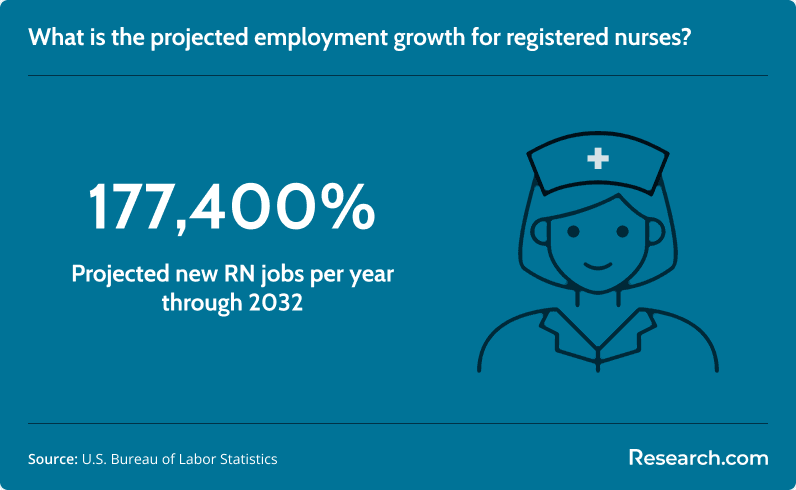
The U.S. Bureau of Labor Statistics (BLS) projects a 6% employment growth for RNs through 2032. This translates to a projected addition of over 177,400 new RN jobs per year.
Employment prospects for RN to BSN graduates are generally favorable because healthcare organizations continue to value bachelor’s-prepared nurses for patient care, leadership readiness, quality improvement, and preparation for graduate study. However, job outcomes are not guaranteed and vary by region, employer, specialty, experience, and licensure status.
BSN-prepared nurses may qualify for a wider range of opportunities, including clinical leadership, specialty nursing, care coordination, and pathways toward graduate education. Nurses interested in moving from clinical care into operations or administration may also consider an affordable online masters in healthcare administration.
What support services should online accelerated nursing students expect?
Support services can determine whether an accelerated online program is manageable. Because these programs move quickly, students should confirm what help is available before enrollment rather than waiting until they fall behind.
- Academic Advising and Tutoring Services: Advisors help students plan course loads, track requirements, and stay on schedule. Tutoring may be especially useful for pharmacology, pathophysiology, anatomy, and statistics.
- Career Services: Career offices may assist with resumes, interview preparation, job-search strategy, employer events, and graduate-school planning.
- Technical Support: Online students need reliable help with learning platforms, video tools, exams, and course access.
- Mental Health and Wellness Resources: Counseling, stress-management resources, and wellness programming can help students handle the pressure of accelerated study.
- Financial Aid Counseling: Financial aid advisors can explain scholarships, loans, payment plans, employer reimbursement, and satisfactory academic progress rules.
The role of clinical experience in online accelerated nursing programs
Online nursing programs may deliver lectures remotely, but nursing education still depends on applied learning. Clinical experiences, labs, simulations, and practicums help students connect theory with patient care and demonstrate competency in real healthcare environments.
Clinical placement in local healthcare settings
Many online programs require students to complete clinical hours at approved healthcare facilities near where they live. Students may work with preceptors who supervise practice, provide feedback, and help connect classroom knowledge to patient care.
Flexibility in clinical hours and locations
Some schools maintain placement networks or allow students to identify approved sites in their own communities. This flexibility can help working adults, but students should ask whether the school guarantees placement support or expects students to secure their own preceptors.
Simulation technology
Some programs use simulation labs or virtual simulation activities to help students practice assessment, prioritization, communication, and clinical judgment. Simulation can support learning, but students should verify how much simulation counts toward required clinical preparation.
Clinical experience and employment
Clinical placements can also help students understand workplace expectations, build professional relationships, and explore specialties. Strong clinical performance may improve networking, although employment is never guaranteed.
Specialized clinical exposure
Depending on the program, students may gain experience in areas such as pediatrics, psychiatric nursing, geriatrics, community health, or medical-surgical nursing. Students considering a career change into nursing can compare the best online nursing program for non nurses options to understand how programs handle clinical readiness for new entrants.
How can LPNs transition to advanced nursing roles?
Licensed Practical Nurses can move toward RN or BSN-level roles through bridge programs that recognize prior practical nursing experience while adding registered-nursing theory, clinical judgment, and broader patient-care responsibilities. These pathways can be efficient, but students should confirm licensure eligibility, clinical requirements, state approval, and whether credits can later apply to a BSN.
LPNs who want a faster route should compare online LPN to RN programs and ask whether the advertised timeline includes prerequisites, clinical placement, licensing-exam preparation, and state board requirements.
How effective are online accelerated programs at preparing students for licensing exams?
Licensing-exam outcomes, especially NCLEX pass rates for prelicensure programs, are important indicators of curriculum quality and clinical readiness. Prospective students should request recent pass-rate data, compare it with state expectations, and ask what remediation or exam-preparation support is available.
For postlicensure RN to BSN students, NCLEX preparation may not be the central issue because students are already licensed RNs. For graduate-level pathways, certification pass rates may matter more. Students comparing advanced-practice affordability can also review options such as cheapest FNP programs.
How do online accelerated nursing programs support networking and mentorship?
Strong online nursing programs do more than upload lectures. They build professional connection through faculty access, peer cohorts, alumni networks, clinical preceptors, virtual career fairs, resume support, and employer partnerships. These services are especially useful for students changing specialties, returning to school after a long gap, or preparing for graduate study.
Students should ask whether mentorship is formal or informal, whether alumni participate in advising or networking, and whether career services understand nursing-specific hiring. Applicants researching admissions accessibility can also compare resources such as the easiest colleges to get into for nursing, while remembering that easier admission does not replace accreditation, clinical quality, and state approval.
Affordable pathways to psychiatric nurse practitioner specialization
Nurses interested in becoming Psychiatric Mental Health Nurse Practitioners usually need graduate education, clinical training, and certification preparation beyond the BSN. Affordability matters because advanced practice programs can be costly, and students should compare tuition, fees, clinical placement support, certification outcomes, and state authorization.
If psychiatric mental health is your long-term goal, review cheapest online PMHNP programs to compare lower-cost graduate options. A BSN can be an important step toward this pathway, but students should map the full sequence from current credential to graduate admission before enrolling.
How is evidence-based practice integrated into online accelerated nursing programs?
Evidence-based practice is usually built into nursing coursework through research appraisal, quality improvement, clinical reasoning, and assignments that require students to connect current evidence to patient care. Students may learn how to evaluate studies, interpret data, question unsafe routines, and apply research findings to improve outcomes.
For nurses planning leadership or doctoral study, evidence-based practice becomes even more important. Those considering advanced research, systems leadership, or practice-change roles may compare options such as a 1 year MSN to DNP program after completing the required graduate-level preparation.
Common mistakes to avoid when choosing an online accelerated nursing program
- Choosing based only on speed: The fastest program is not always the best fit if it overwhelms your work schedule or lacks clinical support.
- Ignoring accreditation: Always verify institutional and nursing program accreditation directly with recognized accrediting bodies.
- Comparing only cost per credit: Required credits, fees, transfer policies, and clinical costs can change the real price.
- Assuming online means fully remote: Nursing programs may still require clinical hours, labs, simulation, background checks, and in-person practice.
- Not checking state requirements: Licensure rules and state authorization can affect whether a program is usable in your location.
- Overlooking student support: Accelerated formats require accessible advising, tutoring, faculty communication, and technical help.
- Relying only on rankings: Rankings are a starting point, not a substitute for matching the program to your goals, budget, schedule, and state requirements.
References
- American Association of Colleges of Nursing. (2023). Accelerated programs.
- American Association of Colleges of Nursing. (2023). New graduate employment data.
- Health Impact. (2020). 2020 CA newly licensed RN employment survey report.
- Spector, N., Silvestre, J., & Alexander, M. (2023). The National Council of State Boards of Nursing’s national survey on state COVID-19 response and the future of regulation. Journal of Nursing Regulation, 13(4), 25-30.
- U.S. Bureau of Labor Statistics. (2023). Registered nurses.
Key Insights
- The right online accelerated nursing program should be accredited, affordable in total cost, realistic for your schedule, and accepted for your state and career goals.
- Many full-time accelerated nursing pathways can take about 12 to 18 months, but part-time study, prerequisites, clinical placement, and transfer-credit decisions can lengthen the timeline.
- Cost comparisons should include more than tuition. Required credits, fees, books, clinical expenses, technology charges, and employer tuition assistance all affect affordability.
- Online nursing education still includes applied learning. Ask early who arranges clinical placements, where they occur, and what support is available if placement problems arise.
- RN to BSN, ABSN, LPN to RN, ASN to FNP, MSN, PMHNP, and DNP pathways serve different students. Choose the route that matches your current license, prior education, and long-term role.
- Do not rely on rankings alone. Use them as a shortlist, then verify accreditation, outcomes, total cost, state authorization, support services, and clinical expectations directly with each school.
Other Things You Should Know About Online Accelerated Nursing Programs With High Graduation Rate
Online accelerated nursing programs in 2027 typically require completing clinical hours at approved healthcare facilities. Students may need to complete around 700–1,000 clinical hours to meet program and licensing requirements, coordinated by the program's clinical placement team.
Yes. The main nursing accreditors are the Commission on Collegiate Nursing Education (CCNE) and the Accreditation Commission for Education in Nursing (ACEN). Accreditation matters for federal aid, employer recognition, and eligibility for state licensure after graduation.
In 2027, students of online accelerated nursing programs can access financial aid like federal grants, scholarships, and loans. Eligibility often depends on the program and student's financial need. Always check specific program websites for detailed information on available options.


