2027 Spanish Degree Popularity by Gender, Region, and Degree Level

Co-Founder and Chief Data Scientist
A student applying to universities notices that Spanish degree enrollment varies sharply not only by state but also by gender and degree level. For example, recent 2024 data reveals that women comprise nearly 70% of Spanish bachelor's degree recipients nationally, highlighting gendered interest that could affect classroom dynamics and professional networks. Meanwhile, regional demand shifts-with higher Hispanic populations driving growth in Southwestern states-signal localized workforce needs that influence program prominence and perceived career value. Such patterns are crucial for interpreting the practical relevance of Spanish degrees beyond simple headcounts and for weighing which institutions or degree levels best match one's goals.
The analysis that follows unpacks these disparities in Spanish degree popularity by gender, region, and degree level to guide more strategic educational and career decisions.
Key Things to Know About Spanish Degree Popularity by Gender, Region, and Degree Level
- Women represent over 70% of Spanish degree enrollees nationwide, reflecting both cultural language preferences and gendered educational choices, which may limit male visibility in certain Spanish-speaking workforce sectors.
- Regional disparities show higher Spanish degree enrollment in southwestern U.S. states, driven by proximity to Hispanic communities; this concentration influences local employer demand for bilingual graduates but may constrain national mobility.
- Bachelor's degrees dominate Spanish enrollment, but slower growth in graduate-level study signals cost and time barriers that could restrict advanced linguistic specialization and limit competitive advantage in linguistics-focused careers.
- Key Things to Know About Spanish Degree Popularity by Gender, Region, and Degree Level Key Things to Know About Spanish Degree Popularity by Gender, Region, and Degree Level
- How Does Job Market Demand Influence Spanish Degree Popularity? Market Demand and Degree Popularity
- How Does Online Spanish Degree Enrollment Compare to Traditional Campus Programs? Online vs. Campus Enrollment
- What Degree Level Is Most Common Among Spanish Students? Most Common Degree Levels
- How Do Enrollment Trends Differ Between Associate, Bachelor's, Master's, and Doctoral Spanish Degrees? Enrollment Trends by Degree Level
- How Popular Is the Spanish Degree Compared to Other College Majors? Degree Popularity vs. Other Majors
- Why Is the Spanish Degree More Popular in Certain States and Regions? Regional Popularity Drivers
- What Demographic Groups Are Driving Growth in Spanish Degree Programs? Growth by Demographic Groups
- What Is the Future Outlook for Spanish Degree Enrollment by Gender, Region, and Degree Level? What Is the Future Outlook for Spanish Degree Enrollment by Gender, Region, and Degree Level?
- How Have Spanish Degree Enrollment Trends Changed Over the Past Decade? How Have Spanish Degree Enrollment Trends Changed Over the Past Decade?
- Where Is the Spanish Degree Most Popular Across the United States? Geographic Popularity Analysis
How Does Job Market Demand Influence Spanish Degree Popularity?
Employer demand for bilingual proficiency, especially in Spanish, increasingly drives enrollment decisions in Spanish degree programs, but this influence varies notably across regions and gender groups. In states like California, Texas, and Florida-where Hispanic populations are higher-labor market needs shape Spanish degree popularity, leading to greater enrollment particularly among women who often dominate language and education fields. However, this regional labor market impact on Spanish degrees is uneven; urban areas with concentrated healthcare and social services jobs show more robust demand, whereas rural regions lag behind, reflecting localized industry requirements rather than uniform growth.
Degree level further mediates enrollment trends, since many entry-level roles prioritize certified proficiency over formal degrees, limiting the appeal of undergraduate Spanish programs despite increasing workforce demand. Conversely, graduate programs focusing on translation, interpretation, or cultural competence attract a more specialized demographic aligned with credentialing needs. While Spanish language skills remain valuable, prospective students must weigh practical tradeoffs, such as whether to pursue a full degree or explore alternative credentials like certificates online to complement bilingual abilities with industry-specific expertise and meet evolving employer expectations.
How Does Online Spanish Degree Enrollment Compare to Traditional Campus Programs?
Enrollment trends reveal that online Spanish degrees have gained notable traction by serving nontraditional learners who balance education with professional and family responsibilities. The 2024 data from the National Center for Education Statistics shows that nearly one-third of language degree recipients earned their credentials through primarily online programs, highlighting a substantial shift from five years earlier. While campus programs continue to draw predominantly younger students pursuing immersive, in-person experiences, online options appeal more to adult students and those in rural or underserved areas where geographic and scheduling barriers limit access. This bifurcation in student demographics influences not only enrollment figures but also the nature of learning environments and available extracurricular opportunities, such as study abroad or conversational practice facilitated by face-to-face interaction.
The gender and retention dynamics further illustrate differences in modality impact. Although women remain the majority in Spanish programs across both platforms, online formats have slightly increased male participation, possibly due to greater flexibility appealing to working professionals. However, traditional campus settings demonstrate higher completion rates tied to structured scheduling and community engagement, providing a more supportive atmosphere for many learners. Employers often favor campus-based degrees for their cultural immersion and networking benefits but increasingly recognize accredited online credentials, especially when candidates show strong language proficiency and relevant experience. Prospective students must weigh these tradeoffs-balancing accessibility, engagement, and motivation challenges-when selecting a format aligned with their personal circumstances and career trajectories.
A graduate recalled hesitating between an online program and a nearby state university's Spanish major, given a full-time job and family commitments. Geographic isolation from major campuses made online study the practical choice, though there was initial skepticism about missing campus culture and peer interaction. Over time, the student adapted to self-directed pacing and found online forums and virtual study groups valuable, though occasionally missing the dynamic of in-person conversations. This experience underscored that while online degrees broaden access, the decision often hinges on weighing convenience against the immersive elements traditionally linked to language acquisition and professional networking.
What Degree Level Is Most Common Among Spanish Students?
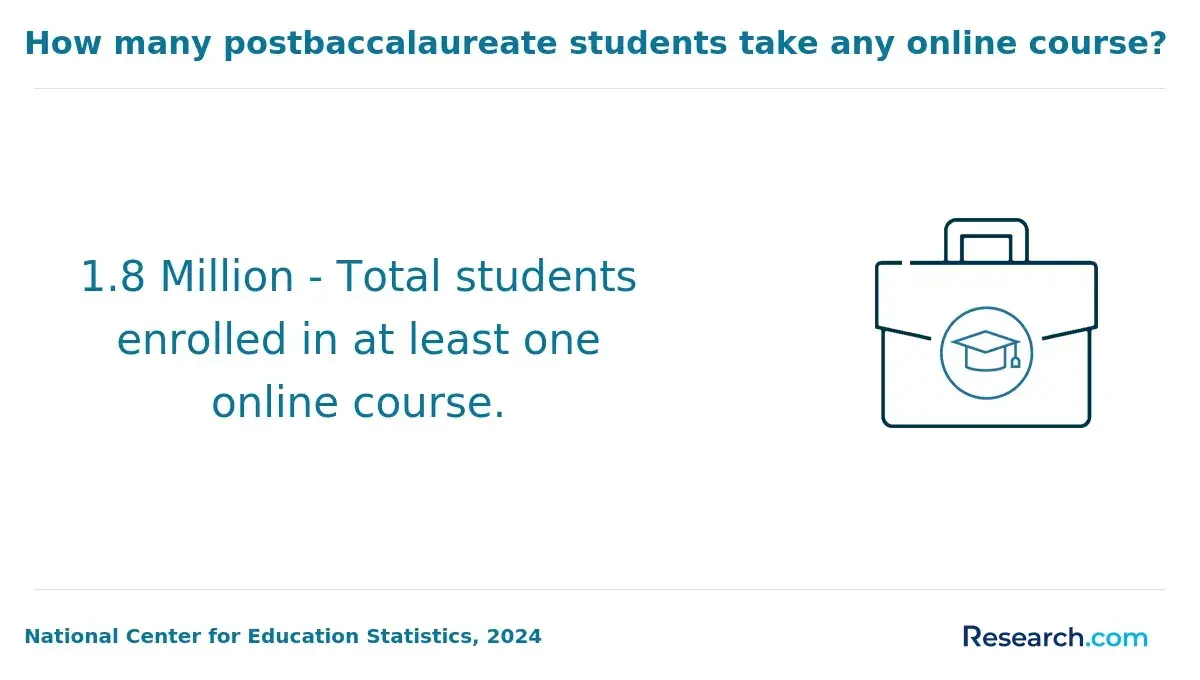
Bachelor's degrees represent the predominant academic level among Spanish students in the United States, accounting for over 70% of degree completions in 2024 according to data from the National Center for Education Statistics and the Integrated Postsecondary Education Data System. This dominance reflects the degree's alignment with labor market demands where employers commonly expect bachelor's qualifications for roles involving Spanish fluency in education, translation, international business, and public service. The accessibility of four-year institutions offering comprehensive Spanish programs also sustains this enrollment concentration, providing a balance of language proficiency, cultural knowledge, and practical skills within a conventional timeframe.
Associate degrees tend to function primarily as stepping stones toward bachelor's completion rather than terminal qualifications, given their more limited scope and narrower acceptance by employers. Meanwhile, graduate programs, including master's and doctoral degrees, account for roughly 10-15% of enrollments but cater to specialized academic or professional tracks requiring deeper linguistic expertise. These advanced pathways typically limit immediate employment options, concentrating instead on roles in research, higher education, or highly technical translation niches, which influences their smaller scale and selectivity compared to undergraduate studies.
The variation across degree levels shapes student decision-making by balancing employability, educational investment, and career focus. Many students prioritize bachelor's programs to maximize workforce integration within a standard four-year span, especially since transfer credits from associate programs facilitate progression. Conversely, those pursuing graduate degrees accept tradeoffs in job market breadth to develop specialized skills for less conventional roles, reflecting deliberate planning around long-term professional differentiation rather than broad applicability.
How Do Enrollment Trends Differ Between Associate, Bachelor's, Master's, and Doctoral Spanish Degrees?
Differences in Spanish degree enrollment by degree level reveal key tradeoffs between access, specialization, and career readiness. Associate degree programs, often housed in community colleges, serve predominantly part-time or non-traditional students aiming for foundational language skills or immediate workforce entry, particularly in bilingual support roles within healthcare and education sectors. Although they represent only about 15% of Spanish degree completions nationally as of 2024, regional trends in associate to doctoral Spanish degrees show that these programs fulfill localized labor market needs without promising the broader career flexibility of higher degrees. In contrast, bachelor's degrees attract the largest cohort, roughly 60% of graduates, typically young adults preparing for diverse roles such as education, translation, or international business, with demographic shifts in states like Arizona and Florida driving steady growth.
Master's programs, while smaller in enrollment, exhibit faster growth due to increased demand for advanced competencies in translation, literary analysis, and pedagogy, reflecting many employers' preference for specialized credentials beyond the bachelor's level. Predominantly concentrated in research-intensive and urban universities, these degrees tend to enroll more female students and align with academic and professional advancement goals. Doctoral programs remain highly selective and niche, focusing on research and scholarship that support academic careers but face barriers such as funding constraints and a limited job market.
Prospective students evaluating degree options should consider these enrollment patterns and workforce implications carefully; for example, those seeking flexibility and cost-efficiency might explore an associate or cheapest online university bachelor's pathway before specializing further.
How Popular Is the Spanish Degree Compared to Other College Majors?
The relative popularity of a Spanish degree reflects specific labor market and demographic dynamics rather than a straightforward measure of academic or economic value. While Spanish ranks within the top 20 bachelor's degrees nationally, it notably lags behind majors like business and STEM fields, revealing how its appeal is often tied to cultural and regional demand instead of broad-based career versatility. Enrollment in Spanish undergraduate programs remains robust, with over 30,000 degrees awarded recently, outpacing many other language fields, yet graduate-level specialization stays limited, underscoring a niche focus largely oriented toward education and research rather than mass workforce applicability.
Regional variances clarify this pattern: states with larger Hispanic populations such as California and Texas report higher Spanish degree enrollments, reflecting both community needs and employer demand for bilingual skills in sectors like healthcare and public service. Gender disparities align with humanities disciplines, where female students dominate enrollment figures, which can influence classroom dynamics and peer networks. Prospective students should weigh these factors alongside program size and specialization opportunities, since smaller graduate cohorts and varied employer expectations may affect access to advanced pathways and the long-term utility of the degree.
One former Spanish major recalls initially being surprised by how comparatively small the program was at their large university, especially relative to prevalent business and engineering classes. Academic advisors encouraged considering Spanish as a complement to other credentials rather than a standalone career path, citing the regional job market's specific demand for bilingual professionals. This student's experience highlighted a mix of curiosity and caution, as they navigated both the strengths and perceived limitations tied to the degree's sway in their local area and broader academic environment.
Why Is the Spanish Degree More Popular in Certain States and Regions?
Geographic disparities in Spanish degree demand by state demographics stem largely from the concentration of Hispanic populations and localized employer expectations. States like California and Texas exemplify this trend, where substantial Hispanic communities create both cultural incentives and economic demand for bilingual professionals, particularly in sectors such as healthcare and education. This dynamic shapes student decisions to pursue Spanish studies as a strategic response to tangible workforce opportunities rather than abstract academic interests.
Educational access and regional policy also significantly influence Spanish degree popularity. Robust university systems in states with strong Latin American studies departments expand program availability and foster larger cohorts, improving networking and internship prospects that reinforce degree value. Conversely, in less populous regions or states with lower Hispanic representation, limited program options and weaker employer demand can reduce enrollment, even though online program adoption offers some mitigation. These regional factors importantly affect how students weigh program selection, balancing local economic realities against the broader appeal of Spanish language proficiency.
Understanding these spatial patterns provides crucial context for current and prospective Spanish students assessing long-term outcomes. Degree holders in high-demand regions often benefit from more direct paths into bilingual roles but may face competition within saturated markets. For those outside these areas, leveraging online platforms or expanding skillsets aligned with regional labor needs-similar to other disciplines such as the online colleges for hospitality management-can enhance employability. Such nuanced evaluation helps clarify the practical relevance of Spanish education across diverse demographic and occupational landscapes.
What Demographic Groups Are Driving Growth in Spanish Degree Programs?
Women's dominance in Spanish degree enrollments, accounting for about three-quarters of students, shapes both classroom dynamics and future workforce composition in fields valuing bilingual skills. This gender disparity reflects broader trends in humanities and language studies but also signals evolving employer expectations around cultural competency, particularly in education and social services. The predominance of female students may influence curriculum focus and peer interactions, potentially shaping program development to better address the needs and career trajectories typical within this demographic.
Regional enrollment surges in states like California, Texas, Florida, and Arizona illustrate how local Hispanic population growth directly drives demand for Spanish language expertise, linking educational trends tightly to regional labor markets. These areas often report enrollment increases 10-15% above the national average, underscoring practical workforce needs such as bilingual educators and healthcare professionals. Meanwhile, the expansion of online and graduate-level Spanish programs, which together now represent a significant portion of total enrollments, reflects shifting accessibility and career motivations, including the need for advanced skills in translation, policy, or academia. These shifts expand options but also introduce tradeoffs in student experience and support, especially for non-traditional learners balancing work, family, and education.
What Is the Future Outlook for Spanish Degree Enrollment by Gender, Region, and Degree Level?
Spanish degree enrollment is set to reflect persistent gender stratification, regional demographic shifts, and evolving degree-level options, each shaping student routes and program availability. Women will likely remain about 70% of degree earners, a pattern linked to longstanding gendered academic interests, although targeted initiatives aiming at workforce versatility could gradually increase male participation, especially in areas like international business. Regionally, enrollment growth will concentrate in the South and Southwest, where rising Hispanic populations drive demand for bilingual professionals in education and healthcare, contrasting with slower expansion or plateauing in the Northeast and Midwest due to stable or shrinking student populations and alternative language preferences.
The degree-level landscape is also shifting, with bachelor's programs maintaining foundational status but master's and doctoral enrollments growing by approximately 5%, signaling stronger interest in advanced linguistic competence and academic careers. This graduate uptick is supported by expanded online and hybrid formats, broadening access beyond traditional campuses but also requiring students to weigh the practical gains of advanced degrees against time and financial investment. These combined factors imply that prospective and current students must critically assess how regional labor market demands, gendered enrollment realities, and degree level tradeoffs intersect, influencing not only their education pathways but also long-term employability and academic offerings in Spanish studies.
How Have Spanish Degree Enrollment Trends Changed Over the Past Decade?
Decadal shifts in Spanish degree enrollment reflect a broader recalibration influenced by labor market demands and student priorities, rather than a straightforward decline. Enrollment has fallen nearly 12% since 2014, driven in part by the growing appeal of STEM and business fields, which often promise more direct career pathways. Women dominate Spanish degree completions, constituting roughly 70% of graduates, a pattern that underscores persistent gendered choices in education that affect workforce diversity and language skill distribution. The prominence of Spanish degree enrollment in the Southwest and Southeast aligns with demographic realities; regions with higher Hispanic population densities and cultural engagement maintain stronger program demand and resource allocation.
Spanish degree enrollment trends in the United States over the past decade reveal these regional and gender dynamics as critical to understanding program viability and student outcomes. The rise of online learning platforms since 2020 has partly offset enrollment declines by expanding access to nontraditional students, yet the lack of immersive cultural experiences remains a significant limitation for many learners considering the degree's practical application. For students facing uneven regional program availability, exploring alternative credentialing such as associates degrees online can complement language proficiency and improve employability in competitive sectors. Ultimately, these enrollment patterns influence how prospective students and graduates assess Spanish degrees' relevance in a shifting educational and workforce landscape.
Where Is the Spanish Degree Most Popular Across the United States?
Spanish degree popularity in the United States is highly concentrated in states with sizable Hispanic populations and robust educational infrastructures, rather than uniformly distributed. This clustering reflects not only demographic realities but also practical workforce demands in regions like the Southwest, where higher education institutions offer comprehensive Spanish programs aligned with local employment needs. Such regional concentration impacts student experiences by providing richer networking opportunities, stronger community ties, and clearer pathways to bilingual employment, especially important given the varying availability of Spanish degree programs nationwide.
Provinces with the highest enrollment in Spanish degree programs also often correspond to regions where industries such as healthcare, education, and international business actively seek bilingual graduates. Conversely, states in the Midwest and Northeast, despite growing Hispanic populations, tend to lag due to limited institutional offerings and less integrated bilingual workforce demand, which can diminish the practical value and local return on investment of a Spanish degree. This uneven geographic distribution highlights real-world tradeoffs for prospective students assessing where to study or work, emphasizing the importance of regional market factors over generalized degree appeal.
Reliable 2024 data from the National Center for Education Statistics and the Integrated Postsecondary Education Data System underscore these trends, demonstrating how Spanish degree popularity closely tracks local cultural and economic ecosystems. For students weighing degree options impacted by such regional dynamics, exploring credentials beyond language skills, including specialized online MLIS programs accredited ALA, may also diversify their career prospects in adjacent fields.
References
- U.S. Students: Spanish Universities with most Americans | Study.eu https://www.study.eu/article/u-s-students-spanish-universities-with-most-americans
- Characteristics of the Spanish University students and most demanded degrees | datos.gob.es https://datos.gob.es/en/conocimiento/characteristics-spanish-university-students-and-most-demanded-degrees
- Higher education in Spain - Wikipedia https://en.wikipedia.org/wiki/Higher_education_in_Spain
- WhalesBot | STEM Education in Spain: Policies, Progress, and Future Outlook https://www.whalesbot.ai/blog/stem-education-in-spain-policies-progress-and-future-outlook
- Future Trends in Student Mobility - Focus on Spain - Gateway International Group https://gatewayinternational.org/future-trends-in-student-mobility-focus-on-spain/
- Online Degree vs. Traditional: Choosing the Right Path https://beal.edu/online-degree-vs-traditional/
- Our website uses cookies https://www.netnatives.com/blog/hispanic-demographic/
- Why Learning Spanish Opens Career Opportunities and Boosts Your Resume https://www.jandclanguageschool.org/post/why-learning-spanish-opens-career-opportunities
- Educational Attainment by Race and Ethnicity - Race and Ethnicity in Higher Education https://www.equityinhighered.org/indicators/u-s-population-trends-and-educational-attainment/educational-attainment-by-race-and-ethnicity/
- Top Ten U.S. Universities for a Foreign Language Degree - U.S. Language Services https://www.uslanguageservices.com/blog/top-ten-u-s-universities-for-a-foreign-language-degree/
Other Things You Should Know About Spanish
Spanish degree programs tend to have a higher proportion of female students, which can influence classroom dynamics and networking opportunities. This gender imbalance may mean male students experience different social or peer interaction challenges, impacting engagement or group work. Prospective students should consider how this demographic makeup aligns with their preferred learning style and whether the program fosters inclusive collaboration across genders.
Students in regions with larger Spanish-speaking populations often find more specialized programs emphasizing applied linguistics, translation, or cultural studies. In contrast, areas with less demographic demand may offer more generalized curricula with fewer elective options, limiting tailored skill development. When choosing a program, consider that regional availability directly impacts course diversity and practical immersion opportunities, which in turn influence post-graduate readiness and career trajectories.
Advancing to master's or doctoral levels can deepen expertise but also requires significant time and intellectual investment, which may not yield proportional employment advantages for all career paths. Many employers value bachelor's degrees combined with language proficiency and intercultural experience for roles in education, government, or business. For most students, prioritizing applied language skills and practical experience over additional academic credentials may offer a better balance between workload and career return.
Bachelor's degrees in Spanish often suffice for roles in education, customer service, or international business, where practical communication skills are paramount. Higher degrees are typically more relevant in academic research, advanced translation, or policy analysis, demanding specialized knowledge. Students should evaluate how the degree level aligns with targeted sectors; investing in graduate studies is advisable only if it supports distinct professional roles requiring advanced credentials.