2027 Spanish Affordability by State: Where Students Pay the Most and Least

Co-Founder and Chief Data Scientist
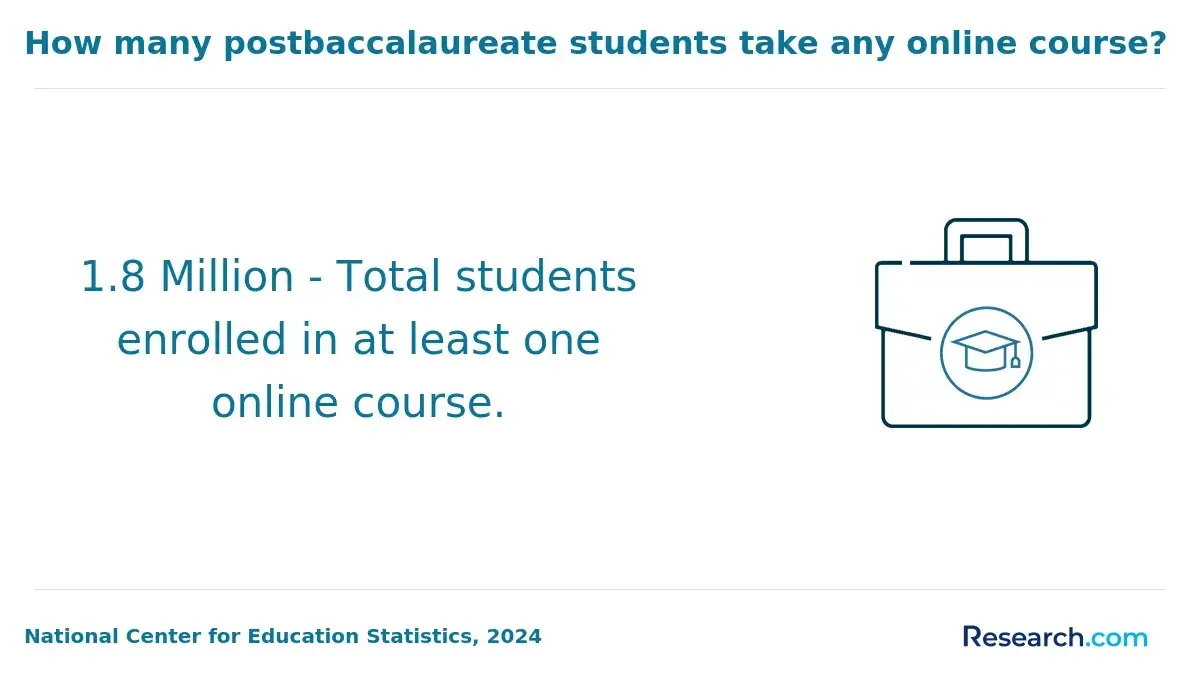
Choosing between a state university offering in-state tuition of $6,000 annually and a private program charging $20,000 can feel deceptively straightforward until living expenses and additional fees tip the total cost far beyond initial estimates. According to a 2024 report by the National Center for Education Statistics, average out-of-state tuition continues to rise 4% faster than in-state rates, signaling growing disparities that pressure students to weigh residency status carefully.
For Spanish students, whose employability often depends on nuanced skills rather than high tuition pedigree, this cost variation shapes not just debt levels but long-term career options and geographic mobility. This article analyzes Spanish affordability by state to highlight where students face the steepest and mildest financial barriers, aiding smarter enrollment choices grounded in cost and outcome realities.
Key Things to Know About Spanish Affordability by State
- States with lower in-state tuition often pair with higher living costs, creating tradeoffs where the cheapest sticker price may lead to greater overall debt, influencing student financial planning beyond initial affordability.
- Employers in regions with robust Spanish-speaking populations increasingly value graduates from states investing in bilingual education, suggesting that affordability aligned with local language demand enhances employment prospects.
- The 2024 trend toward expanding financial aid in certain states shifts access dynamically; though out-of-state tuition remains costly, timely scholarship use can close gaps, affecting when and where students pursue Spanish degrees.
- Key Things to Know About Spanish Affordability by State Key Things to Know About Spanish Affordability by State
- Which States Have the Most Affordable Spanish Degree Programs? Most Affordable State Programs
- Which States Have the Highest Spanish Degree Costs? Highest State Tuition Costs
- How Much Does a Spanish Degree Cost by State? Degree Costs by State
- Why Does Spanish Affordability Vary So Much Between States? State Affordability Variations
- How Do In-State and Out-of-State Tuition Rates Affect Spanish Affordability? In-State vs. Out-of-State Rates
- How Does the Cost of Living Impact Overall Spanish Affordability by State? Living Costs and Affordability
- Which States Offer the Best Value for a Spanish Degree? Best Value State Degrees
- What Financial Aid and Scholarship Opportunities Can Reduce Spanish Costs? What Financial Aid and Scholarship Opportunities Can Reduce Spanish Costs?
- Are Online Spanish Degree Programs More Affordable Than On-Campus Options? Are Online Spanish Degree Programs More Affordable Than On-Campus Options?
- Is a Spanish Degree Worth the Cost Based on Career Outcomes and ROI? Degree ROI and Outcomes
Which States Have the Most Affordable Spanish Degree Programs?
State-level investment priorities and residency policies decisively shape the landscape of Spanish degree programs with the lowest tuition by state, creating stark affordability contrasts. For instance, states like Wyoming and Mississippi leverage robust public funding and in-state tuition advantages to lower barriers for local students, resulting in average yearly net prices under $9,000.
This contrasts sharply with states such as California and New York, where high living costs and less favorable resident pricing policies can double overall expenses, often forcing students to balance cost against access to urban employment opportunities or specialized faculty. These cost disparities significantly affect how students plan enrollment and degree completion, especially for budget-conscious families weighing public university options.
Affordability in states with strong support systems may align with faster on-time graduation due to fewer financial interruptions, whereas higher-cost states might see increased part-time enrollment or extended program durations as students juggle work and study. Moreover, the availability of quick degree programs in certain states adds another layer of complexity for Spanish majors aiming to minimize debt while maintaining employability in diverse sectors demanding bilingual skills.
Understanding the most affordable states for Spanish major tuition and fees requires examining these structural influences alongside financial aid opportunities and regional economic factors. While headline tuition rates offer a starting point, factors such as cost-of-living, institutional pricing strategies, and state-funded scholarships ultimately determine the true financial accessibility of Spanish degree programs. Prospective students must therefore consider how their individual circumstances intersect with these broader state-level dynamics to make informed, cost-effective educational choices.
Which States Have the Highest Spanish Degree Costs?
States with high concentrations of prestigious universities and expensive urban living environments naturally drive up the cost of pursuing a Spanish degree, pushing tuition rates and associated living expenses well beyond national averages. For instance, public universities in California report out-of-state tuition exceeding $15,000 annually, a figure that can double or triple for nonresidents due to limited state subsidies and steep operational costs.
This dynamic incentivizes many students to weigh residency qualifications, financial aid strategies, and the potential benefits of in-state or online study options before committing to costlier programs. In areas where strong Spanish programs intersect with high demand and limited public funding, the financial tradeoffs extend beyond sticker price to long-term economic burden, making it crucial for students to assess whether program quality adequately offsets the increased expenditure.
Moreover, variations in median household incomes and state budget allocations compound disparities in Spanish degree affordability, often leading resource-strapped students to consider less costly institutions in more rural or less populous regions despite potential limitations in faculty expertise and course depth. These geographic differences not only shape where prospective learners can realistically enroll but also impact employability outcomes, as employers often value program rigor and networking opportunities tied to certain institutions.
As a consequence, students must reconcile the tension between upfront costs and career-readiness benefits, especially given that out-of-state and international enrollees commonly face two- to threefold tuition premiums that can dramatically alter the total cost of attendance. One Spanish degree candidate from the Midwest recalled exploring options across multiple states and quickly encountering a striking divide in expenses, particularly when comparing local public universities to programs in states with renowned language departments but much steeper fees.
Facing a residency requirement that ruled out cheaper in-state rates initially, the student considered online classes but grew concerned about the reduced in-person interaction crucial for language acquisition. Navigating scholarship offers and scrutinizing incidental costs like housing and transportation, the student questioned if the elevated investment in a high-profile program would ultimately yield better career opportunities or simply increase debt without proportional returns, underscoring the pervasive uncertainty many face when balancing ambition with financial realities in this field.
How Much Does a Spanish Degree Cost by State?
Tuition costs for earning a Spanish degree differ sharply by state due to varying public funding priorities, institutional types, and residency policies. For example, 2024 data from the National Center for Education Statistics shows in-state tuition at public competency-based universities ranges from roughly $4,000 annually in states like Wyoming to more than $15,000 in New Hampshire.
This wide gap means students from higher-cost states must carefully weigh the tradeoff between tuition savings and living expenses, since enrolling out-of-state can often double tuition, adding significant financial strain, especially when relocation or out-of-state fees apply. The choice between public and private institutions further complicates cost considerations. States with extensive public university systems, such as California, typically offer in-state tuition around $7,000 per year for language degrees including Spanish, presenting a more budget-friendly option despite higher local living costs.
On the other hand, private colleges in regions like New York or Massachusetts frequently charge upwards of $35,000 annually regardless of residency, which can greatly increase borrowing needs or limit access for students without substantial aid. Such disparities influence whether students pursue local programs or seek affordable online alternatives to manage expenses and optimize long-term debt repayment.
Beyond tuition, regional cost-of-living plays a critical role in shaping overall affordability, with states like Texas and Florida enabling students to stretch budgets more effectively through lower housing and transportation costs. Conversely, candidates attending programs in higher-expense Northeastern states face a compounded burden from both tuition and living costs. Financial aid availability, varying widely across institutions and geographies, is another crucial factor determining net price and accessibility.
Navigating these state-by-state differences requires a strategic approach that balances institutional quality, program relevance, and economic realities to make an informed investment in a Spanish degree's value.
Why Does Spanish Affordability Vary So Much Between States?
State funding levels and institutional mixes shape stark differences in Spanish degree cost across the U.S., directly affecting tuition rates and net affordability. For example, Wyoming and Idaho's comparatively high per-student appropriations allow public institutions to offer lower in-state tuition, easing financial access for local students. In contrast, states with limited subsidies and heavier reliance on private colleges often see rising tuition fees, compelling learners to weigh trade-offs between more costly in-state options or pursuing alternatives like online degree psychology programs to manage expenses.
According to 2024 data from the National Center for Education Statistics, average student debt tends to be higher in states that provide less grant aid, illustrating the long-term risk posed by loan-dependent funding policies. Regional cost-of-living variations further complicate Spanish degree affordability, with urbanized coastal states like California and New York imposing premium tuition and associated living expenses that can double the overall student financial burden compared to southern or midwestern states.
These conditions influence enrollment patterns and drive some students to choose out-of-state or online programs where living costs are lower or tuition is subsidized differently. Meanwhile, residency requirements and merit-based aid programs add layers of complexity to net costs, often prompting students to carefully plan transfers or time their enrollment to maximize available benefits. This nuanced landscape means prospective students must assess state tuition policies in relation to their financial aid environment and market realities before committing to Spanish education pathways.
How Do In-State and Out-of-State Tuition Rates Affect Spanish Affordability?
Residency-based tuition policies critically influence where students pursue a Spanish degree, often dictating whether out-of-state programs are financially viable. Public universities in 2024 charged an average yearly in-state tuition of about $10,600 compared to $27,000 for out-of-state students, according to National Center for Education Statistics data. This stark disparity forces many to weigh the benefits of attending a preferred program against potentially doubling educational expenses.
Moreover, limited regional reciprocity agreements can extend in-state rates to neighboring states but rarely apply to specialized fields like Spanish, narrowing affordable options for many learners who must decide between relocating, establishing residency with often stringent criteria, or choosing pricier private institutions with flatter tuition rates.
Online Spanish degrees add complexity by frequently offering uniform pricing regardless of residency, which can widen access but may sacrifice certain immersive or networking advantages found in on-campus settings. State-funded grants and scholarships typically favor in-state students, compounding affordability gaps and shaping enrollment strategies. For students without residency classification or access to reciprocity programs, these financial considerations often mean rethinking geographic mobility and financial aid plans.
One recent graduate explored enrolling in a well-regarded out-of-state public university for its Spanish program but hesitated after discovering she would pay nearly triple the tuition of in-state residents without a residency waiver. Despite attempts to establish residency through local employment and leases, the university's one-year documented residency requirement proved a barrier, prompting her to reconsider options closer to home. She reflected, "I wasn't sure if paying out-of-state tuition was worth it when I could attend a less-known program in my state for much less. That uncertainty made me more cautious with my budget and plan."
How Does the Cost of Living Impact Overall Spanish Affordability by State?
Housing and transportation costs significantly reshape the economic landscape for students pursuing a Spanish degree, often overpowering differences in tuition. For example, a student attending an institution in California or New York may face monthly rent expenses more than double that of a counterpart in Mississippi or Arkansas. Even when tuition appears affordable, as in Texas, longer commute distances and higher fuel or transit costs can offset perceived savings, raising overall investment and potentially increasing reliance on financial aid or student debt.
The impact of food costs, healthcare, and utilities further complicates comparisons, as regions with elevated inflation or harsher climates tend to inflate monthly budgets, a critical consideration rarely captured by headline tuition numbers alone. These cost-of-living differences by state demand a nuanced approach to educational planning for those evaluating where to pursue a Spanish degree.
Students from lower-cost regions moving to expensive urban centers often grapple with the decision between on-campus living versus high commuting expenses or the viability of online learning alternatives that might mitigate local costs. Additionally, local wage expectations tied to regional living expenses influence long-term salary prospects for graduates, affecting career sustainability beyond degree completion.
Those weighing these variables should also consider the variable healthcare and grocery price inflation documented in the College Board's analysis, which correlates with geographic cost shifts and can affect both short-term affordability and post-graduate financial resilience. Incorporating comprehensive regional cost evaluations, including housing, transportation, and living expenses, is essential when analyzing Spanish degree cost of living differences by state.
Prospective students balancing these factors can make more informed choices that align educational outcomes with realistic financial expectations. For those interested in complementary credentials that might diversify employment opportunities or supplement a Spanish degree, exploring programs like art therapy certification could offer additional pathways sensitive to local economic conditions and workforce demand.
Which States Offer the Best Value for a Spanish Degree?
Determining the best value for a Spanish degree requires weighing more than raw tuition figures; the interplay of in-state tuition policies, financial aid, degree completion rates, and local labor market demand fundamentally shapes affordability and return on investment. For instance, Texas offers accessible in-state tuition, often around $10,000 annually, coupled with a stable graduation rate for humanities majors, which helps contain debt accumulation while providing access to job opportunities in education and community services given its large Spanish-speaking population.
Conversely, California's high tuition is offset partially by robust community college pathways and integrated cultural programs that may shorten degree timelines and enhance employability, a tradeoff that benefits those able to navigate a more complex cost structure and regional living expenses. Florida illustrates how moderate tuition combined with state-supported aid can improve net costs, but students should consider variability in institutional quality and workforce outcomes, as average loan repayment rates exceeding 55% three years after graduation indicate manageable, but not minimal, debt burdens.
States like Arizona and New Mexico demonstrate that adjusting for cost of living and targeted aid can yield lower debt levels for Spanish graduates, though economic opportunities may be more regionally specific. These distinctions emphasize that the lowest sticker price is not necessarily the strongest value, especially where longer degree durations, transfer credit limitations, or limited residency eligibility might inflate overall costs.
Prospective students and families must assess not only sticker costs but also residency rules, potential for online study, and local employment landscapes to make an informed choice aligning educational investment with realistic career outcomes.
What Financial Aid and Scholarship Opportunities Can Reduce Spanish Costs?
Federal grants such as the Pell Grant significantly shape the net cost of pursuing a Spanish degree by providing need-based aid that can cover a considerable share of tuition for qualifying low-income students nationwide. However, eligibility conditions-including income thresholds and enrollment status-combined with the timing and rigor of application processes often limit immediate access or renewal of such funds.
Students in states like California or New York benefit from more expansive state grant programs and tuition reciprocity agreements, which can sharply reduce in-state expenses, yet those in states with limited aid face heavier reliance on federal loans, raising their long-term debt burden. Institutional scholarships, many awarded on merit or demonstrated commitment to language studies, can provide valuable but competitive assistance; about 45% of undergraduates receive institutional aid according to the 2024 National Postsecondary Aid Study, though amounts and qualifying criteria vary widely.
The practical implications involve weighing institutional aid opportunities against residency rules and the potential stacking limits of multiple awards, which can restrict total aid received and affect planning across semesters. Additionally, employer-sponsored tuition benefits offer an underutilized route to defray costs for working students, yet availability depends heavily on industry and employer size, requiring strategic consideration for those balancing employment and study.
Ultimately, affordability hinges on navigating complex aid ecosystems where location, eligibility, and institutional policies intersect. Prospective Spanish students must consider these tradeoffs pragmatically, recognizing that those leveraging integrated federal, state, and institutional support in high-investment states generally experience more manageable tuition burdens, while others face tougher financial tradeoffs and higher exposure to debt. Understanding the nuances of aid timing, renewal conditions, and state-specific funding landscapes is critical in shaping sustainable and informed educational financing decisions.
Are Online Spanish Degree Programs More Affordable Than On-Campus Options?
Cost comparisons between online and on-campus Spanish degree programs are nuanced, with affordability hinging on various practical factors beyond sticker tuition. While fully online programs generally reduce expenses associated with housing, transportation, and campus meal plans- saving on-campus students roughly $12,000 annually according to 2024 data-these savings can be offset by technology fees, required hardware or software investments, and higher out-of-state tuition rates for online learners enrolling outside their residency.
Such disparities demonstrate that online Spanish degree program affordability comparison must factor in residency policies and program-specific fee structures rather than assume across-the-board cost advantages. Financial aid dynamics also shape the cost-effectiveness of online versus campus enrollment. Some institutional scholarships and state grants prioritize on-campus students, limiting aid access for online learners, although federal financial aid generally applies equivalently across modalities.
Additionally, opportunity costs differ: online students often juggle work or family commitments, potentially stretching time to degree completion but maintaining income streams, whereas on-campus learners face higher living costs but benefit from structured schedules and networking opportunities valued in language-focused careers. Considering these tradeoffs is essential when evaluating the cost differences between online and on-campus Spanish degrees.
Prospective students should additionally be aware that program design and state-specific tuition policies can significantly influence affordability. For example, students exploring language education pathways might consider bridge options tailored to non-traditional majors, such as SLP bridge programs, which reflect how credential routes often carry distinct costs and timelines. Ultimately, the choice between online and campus-based Spanish degrees requires careful assessment of personal circumstances, financial support eligibility, and long-term career implications within a realistic budget framework.
Is a Spanish Degree Worth the Cost Based on Career Outcomes and ROI?
Cost differences across states create significant disparities in the actual value of a Spanish degree when viewed through the lens of career outcomes and long-term financial implications. For example, a student graduating from a high-tuition state like California often faces over $30,000 in debt, which can outweigh typical starting salaries in Spanish-related fields ranging from $40,000 to $60,000.
This debt burden, coupled with higher living expenses, reduces geographic mobility and limits financial flexibility, especially compared to graduates from states like Texas or Florida, where more affordable tuition tends to lower overall debt. These regional variations emphasize the importance of evaluating Spanish degree career outcomes in the United States by considering where programs are located, the cost to completion, and local labor markets.
A nuanced ROI assessment must include completion rates and potential opportunity costs, as students in states with higher attrition rates may incur debt without degree attainment, undermining expected earnings. Moreover, pursuing advanced credentials or graduate training, while potentially boosting employability and salary, extends time and financial commitments beyond initial program tuition.
Non-monetary benefits such as bilingual communication and cultural competencies also play a strategic role by expanding career options across sectors like education, international business, and government. Students should carefully weigh these tradeoffs, taking into account program quality and alignment with personal goals alongside tuition costs to make informed decisions about investing in a Spanish degree.
Financial planning can be enhanced by reviewing state-specific tuition data similar to what is available for other fields, such as criminal justice degree tuition, to benchmark affordability patterns. This approach encourages a more precise understanding of total costs-not just sticker price-supporting smarter educational investments in the context of evolving labor demand and wage expectations.
References
- Cost of Studying in Spain for International Students | BSBI https://www.berlinsbi.com/blog/how-much-does-it-cost-to-study-in-spain-for-international-students
- Affordable places to live in Spain and the cost of living in Madrid https://conversaspain.com/cost-of-living-madrid/
- 2025 Most Affordable Online Spanish Degrees https://www.onlineu.com/most-affordable-colleges/spanish-degrees
- Cost of living in Spain for 2026 compared to your home country https://mortgagedirectsl.com/general-news/cost-of-living-in-spain-for-2025/
- Spanish Bachelor's Degree https://northern.edu/degrees/spanish-bachelors-degree-online
- Does College Pay Off? A Comprehensive Return On Investment Analysis - FREOPP https://freopp.org/whitepapers/does-college-pay-off-a-comprehensive-return-on-investment-analysis/
- Can You Study for Free in Spain? | Bravo https://bravostudents.com/en/blog/can-you-study-for-free-in-spain-a-guide-to-university-costs-for-international-students/
- Cost of Living in Spain (2026): Budget for Expats | Hiliv https://www.hilivsolution.com/blog/articles/cost-of-living-in-spain
- Best Spain Scholarships for International Students Abroad https://www.ecchive.com/best-spain-scholarships-for-international-students-abroad/
- Expat Life in Spain: Understanding the Cost of Living in Major Cities https://www.uniplaces.com/city-explorer/expat-life-in-spain-understanding-the-cost-of-living-in-major-cities/
Other Things You Should Know About Spanish
While tuition rates are a critical cost factor, the structure of Spanish programs-such as required credit hours, language immersion opportunities, and elective options-also shapes affordability. States with programs demanding more credits or extensive study-abroad components often impose higher overall expenses, even if tuition seems moderate. Prospective students should weigh these curricular demands against cost, as a seemingly affordable program could become financially burdensome if it extends time to graduation or requires costly experiential components.
Employers in states with larger Spanish-speaking populations or robust international trade sectors typically value advanced Spanish skills more highly, which can improve job prospects and justify higher educational expenses. Conversely, states with limited demand for Spanish might not offer significant wage premiums or career advantages, making cheaper programs in those areas more pragmatic. Students should prioritize programs and locations where Spanish fluency can strategically enhance employment outcomes instead of focusing solely on initial affordability.
Reduced tuition in some states often comes with fewer opportunities for immersive learning, such as local Spanish-speaking communities or university partnerships abroad. Students aiming for high Spanish proficiency and cultural competence should consider investing in states or programs that facilitate immersive experiences, even at a higher cost, because these can markedly improve language skills and employability. Focusing only on tuition savings risks graduating with limited real-world language application, which employers increasingly seek.
States differ in the intensity and quality of their Spanish programs, affecting how quickly and effectively students acquire language mastery. Programs with heavier workloads and rigorous assessments may demand more time and effort but can accelerate proficiency and readiness for professional use, offering better long-term value despite similar costs. Students should consider whether a program balances affordability with instructional quality that meets their career ambitions rather than defaulting to the cheapest option.