2027 Spanish ROI by Institution Type: Public vs Private vs Nonprofit Online Programs

Co-Founder and Chief Data Scientist
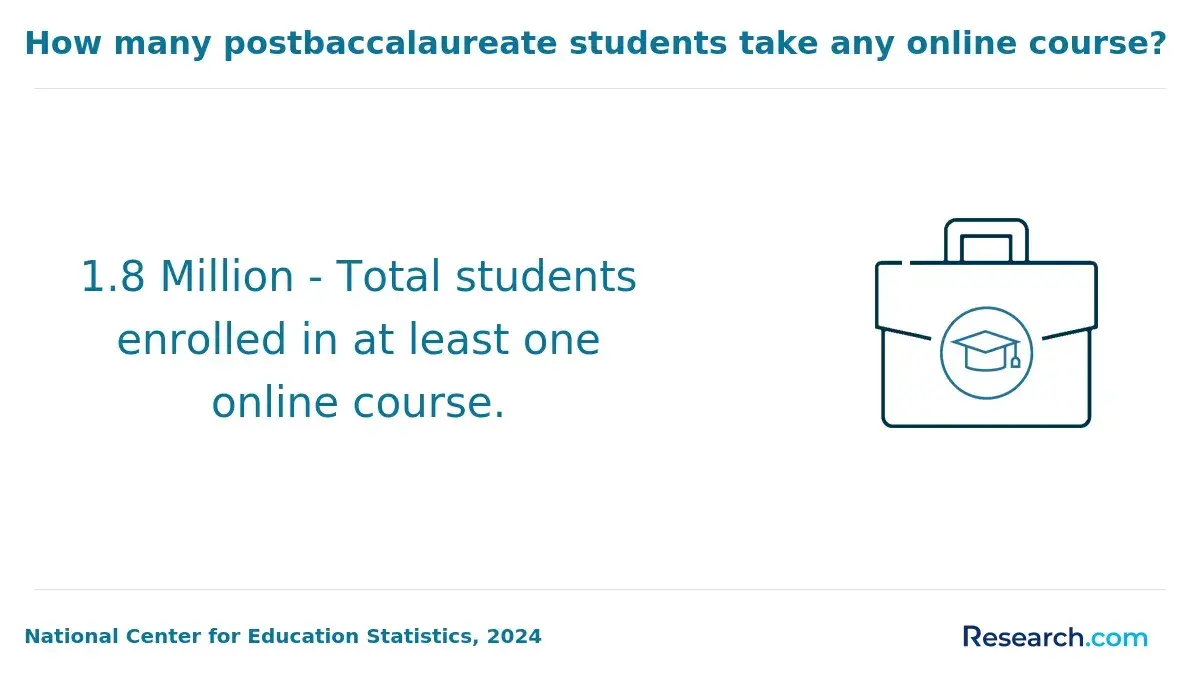
Consider a working professional comparing online Spanish programs: three options appear similar in curriculum but vary widely in tuition, graduation rates, and post-completion debt. A 2024 study from the National Center for Education Statistics showed that students from private online institutions incur on average 30% more debt yet have just a 5% higher graduation rate than their public counterparts.
This disparity signals essential differences in institutional value beyond sticker price. Choosing the wrong program type can result in burdensome debt, delayed career advancement, or lower employer recognition.
This article examines ROI distinctions across public, private, and nonprofit online Spanish programs to guide smarter educational investment decisions.
Key Things to Know About Spanish ROI by Institution Type
- Public institutions often feature lower tuition and greater access to federal aid, reducing upfront debt but with varied completion rates; cost savings may require balancing slower graduation timelines that delay workforce entry.
- Private programs tend to have stronger employer recognition and networking yet come with higher average student debt, highlighting a tradeoff between institutional reputation and financial burden among Spanish graduates.
- Nonprofit online Spanish programs frequently offer tailored learner support enhancing retention, but mixed accreditation standards can influence employer perceptions, underscoring the need to verify how program quality aligns with career goals.
- Key Things to Know About Spanish ROI by Institution Type Key Things to Know About Spanish ROI by Institution Type
- What Does ROI Mean for a Spanish Program and How Is It Measured? Understanding Spanish Program ROI
- How Do Public, Private, and Nonprofit Online Spanish Programs Differ in Overall Value? Value by Institution Type
- How Do Tuition Costs Affect the ROI of a Spanish Program Across Institution Types? Tuition Costs and ROI
- How Do Graduation Rates Influence Spanish Program ROI? Graduation Rates Impact ROI
- What Role Do Career Outcomes Play in the ROI of a Spanish Degree? Career Outcomes and ROI
- How Does Student Debt Impact the Long-Term ROI of a Spanish Program? Debt vs. Long-Term ROI
- How Do Flexibility and Adult Learner Support Affect Spanish Program Value? Flexibility and Program Value
- How Do Accreditation and Institutional Reputation Influence Spanish ROI? Accreditation and Reputation
- How Does Time-to-Degree Affect the ROI of Public, Private, and Nonprofit Spanish Programs? Time-to-Degree
- How Can You Choose the Best Spanish Program Based on Your ROI Goals? Choosing Programs by ROI
What Does ROI Mean for a Spanish Program and How Is It Measured?
Evaluating Spanish program return on investment metrics requires a nuanced approach that goes beyond sticker price to consider the full educational and financial commitment over time. For example, a public online institution might offer substantially lower tuition, reducing upfront cost and average student debt by as much as 20% compared to private programs according to recent National Center for Education Statistics data.
However, a program with a lower graduation rate or longer time-to-degree can increase opportunity costs, delaying entry or reentry into the workforce and diminishing the financial benefits of a lower tuition. Cost-conscious adults must therefore weigh these tradeoffs carefully, especially as program flexibility and support services significantly influence on-time completion and the overall efficiency of earning a credential.
Measuring ROI for online Spanish programs also demands attention to career outcomes and institutional reputation, which affect earnings potential and employability beyond immediate salary gains. While private or nonprofit programs often charge higher tuition, their stronger learner support and industry connections can translate into more robust professional networks and bilingual proficiency—key factors cited by workforce researchers for success in roles ranging from education to international business.
This dynamic underscores how a low-cost option does not always yield the strongest long-term value, especially for students targeting specific career pathways where skill depth and recognition matter. Individuals should match program attributes not only to their budget but also to their professional goals and time constraints, ensuring that ROI calculations reflect both financial realities and the evolving demands of employers.
Prospective students comparing Spanish programs across institutional types may also find value in exploring nontraditional options like accelerated or specialized credentials to reduce time and cost. For those balancing work, family, or other commitments, shorter programs can lower opportunity costs and provide usable skills more quickly.
An example is the growing popularity of associates degree online offerings that streamline language acquisition. Ultimately, ROI assessment is a personalized decision rooted in how total cost, debt load, and institutional performance metrics align with individual circumstances and expectations, rather than a simple calculation of tuition against entry-level salary.
How Do Public, Private, and Nonprofit Online Spanish Programs Differ in Overall Value?
Public, private, and nonprofit online Spanish programs present distinct tradeoffs that extend beyond tuition, affecting debt levels, graduation rates, and career readiness. While public institutions often offer significantly lower tuition costs, sometimes 40-60% less than private schools. this affordability can be offset by fewer tailored student support services and sometimes slower graduation timelines.
Private programs may carry higher price tags and resulting debt burdens, yet they typically invest more heavily in personalized learning and career networking resources, which can enhance employer connections but raise financial risk for learners, especially those balancing work and study. Nonprofit options frequently aim to strike a middle ground, combining flexible scheduling suited to adult learners with slightly higher graduation rates than their public counterparts, a factor that can improve cost-efficiency through timely degree completion.
Institutional reputation and accreditation also critically shape value, influencing employer recognition and transfer opportunities. Public schools usually hold regional accreditation backed by state systems, providing broad legitimacy, whereas private and nonprofit accreditations vary more, requiring prospective students to vet these credentials carefully.
Career-focused curriculum design is another practical consideration. Private programs tend to include stronger career readiness modules aligned with workforce demands, whereas public programs may emphasize foundational content with less emphasis on direct career services. For cost-sensitive adults seeking the best possible return on investment, balancing tuition affordability, debt exposure, graduation likelihood, and institutional recognition demands careful analysis beyond surface-level price comparisons.
A working professional who evaluated online Spanish programs recalled feeling uncertain about paying premium tuition at private institutions given their high debt levels and mixed accreditation. They prioritized programs with proven graduation rates and flexible scheduling to fit their irregular work hours.
Ultimately, they selected a nonprofit option that offered both reasonable tuition and targeted student support, which helped them graduate within four years while minimizing debt. This choice reflected a careful weighing of financial risk against practical support and credential credibility, underscoring how nuanced program features often matter more than just sticker price in making an informed investment decision.
How Do Tuition Costs Affect the ROI of a Spanish Program Across Institution Types?
Tuition differences between public, private, and nonprofit online Spanish programs significantly shape their return on investment but do not alone determine value. Public institutions typically charge substantially less, around $4,500 annually compared to $15,000 at private nonprofits according to the National Center for Education Statistics (2024), yet lower tuition may coincide with longer degree completion times and variable student support that can increase indirect costs through delayed workforce entry.
Conversely, private programs often justify higher sticker prices with accelerated pathways, improved advising, or specialized faculty but these benefits only translate into better ROI if students fully leverage these services and finish sooner without accruing excessive debt.
Financial aid and net pricing compress initial cost disparities, especially for students qualifying for need-based aid, making overall affordability more nuanced than raw tuition suggests. Borrowing rates and debt burden also differ; public program graduates usually carry less debt, which can enhance long-term financial flexibility even if their earnings start modestly.
Employers in education, translation, and international business prioritize language proficiency and credential relevance over institutional prestige, implying that higher tuition does not necessarily confer stronger career outcomes. For working adults balancing expenses, the tradeoff often lies between lower upfront costs with potentially extended enrollment and higher prepaid investment paired with targeted support that can speed completion and credential utility.
Decision-making should weigh these operational dynamics instead of relying solely on price tags. A student emerging from a public Spanish program with manageable debt and solid language skills may realize comparable career mobility to a peer from a costlier nonprofit program who finishes more quickly and benefits from specialized networking.
Ultimately, understanding how tuition interacts with program quality, financial constraints, and time-to-degree is essential to align educational choices with realistic professional objectives and sustainable post-graduation finances.
How Do Graduation Rates Influence Spanish Program ROI?
Graduation rates significantly shape the return on investment when evaluating Spanish program graduation rates and ROI comparison, reflecting both student persistence and institutional effectiveness. Public online institutions often report higher completion rates due to broader accessibility and more robust academic support, which can reduce time-to-degree and associated debt, crucial factors for cost-conscious learners balancing professional demands.
In comparison, private programs tend to have lower graduation rates but may offer individualized attention and networking opportunities that benefit specific career trajectories, albeit sometimes at a higher cost and longer timeframe.
However, graduation rates alone cannot fully measure value, particularly for part-time students or those seeking skill acquisition without degree completion. Nonprofit programs typically aim to balance affordability with flexible pacing, addressing diverse learner needs but showing uneven completion outcomes across institution types.
A 2024 study from the National Center for Education Statistics highlights that students who graduate within six years tend to accumulate less debt and join the workforce sooner, directly influencing long-term earnings and ROI. While choosing among public, private, or nonprofit options, prospective students should weigh these graduation dynamics alongside tuition costs and support services to align educational investments with career goals effectively.
For learners exploring related fields, examining the affordability and outcomes of comparable pathways, such as criminal justice online programs, can provide additional context on costs and completion patterns. Decision-making should account for institutional mission differences, enrollment intensity, and how graduation rates interface with employer recognition, applying a nuanced perspective rather than relying solely on completion statistics as an ROI indicator.
What Role Do Career Outcomes Play in the ROI of a Spanish Degree?
Career outcomes significantly shape the return on investment for online Spanish degree programs, with distinct patterns emerging among public, private, and nonprofit institutions. Graduates from public programs typically face median salaries 10-15% lower than those of private program alumni five years post-graduation, according to the 2024 U.S. Department of Education College Scorecard.
However, the lower tuition and reduced debt burden common to public institutions often balance these income differences, yielding a more stable net ROI for cost-conscious students. In contrast, private institutions may provide stronger employer networks and more targeted career services, enhancing job placement in competitive sectors, but the elevated costs and resulting debt can diminish long-term financial benefits.
Nonprofit programs often prioritize skill development in bilingual communication and cultural competence, which are increasingly valuable in niche markets such as education, healthcare, and public service. Although immediate salary boosts may not be as pronounced, these competencies support sustainable career mobility and alignment with employers seeking specific linguistic expertise.
This focus on applicable skills rather than initial earnings underscores the complexity of assessing ROI, as return extends beyond upfront salary metrics to include career resilience and progression. Adult learners and career changers must weigh these variables, tuition, debt, employment sector, and program focus, to select a pathway aligned with their professional goals and financial realities.
A graduate of a nonprofit online Spanish program shared how they initially questioned whether the degree's value justified the time and expense since immediate raises were modest. Over several years working in a bilingual healthcare environment, they noticed growing recognition of their language skills at work, leading to expanded responsibilities and an internal promotion.
This individual highlighted that their employer valued the cultural competency and communication abilities developed through the program more than conventional salary comparisons, reflecting a nuanced, long-term perspective on ROI beyond initial financial metrics.
How Does Student Debt Impact the Long-Term ROI of a Spanish Program?
Assessing the long-term return on investment of a Spanish program requires a detailed look at borrowing patterns, repayment challenges, and the tangible value the degree delivers in career terms. For many students, high debt loads, common among private online institutions where borrowing can exceed $30,000, do not guarantee commensurate salary gains, particularly given the moderate income trajectory typical in language-related fields.
Public programs, with average debt closer to $17,000 and typically higher completion rates, often present a more favorable cost-to-degree balance that can reduce the risk of carrying unsustainable debt without credential attainment. This dynamic is crucial for learners weighing tuition costs against realistic earnings and financial freedom after graduation.
Nonprofit online programs frequently offer a middle ground, with costs and borrowing levels between public and private institutions and potential access to better financial aid or scholarships that can mitigate debt burdens. Because graduation rates influence the total debt-to-credential ratio, slower or non-completion can significantly impair the ROI by inflating debt without improving employability.
A practical comparison should also consider program flexibility and quality, factors that affect a student's ability to finish efficiently and secure relevant employment, especially for working professionals or transfer students balancing education with other commitments. Those evaluating financial outcomes of student loans for Spanish degrees must align borrowing decisions with realistic career expectations to avoid limiting long-term economic mobility.
Ultimately, effective financial planning for a Spanish program involves reviewing debt levels and repayment prospects alongside probable employment benefits. This approach helps in distinguishing programs that maximize value rather than prestige or convenience alone.
For example, students considering a specialized credential like an MFT degree or similar may find that tailored programs with strong graduation and employment outcomes offer better ROI even if initial tuition costs vary. By focusing on these practical variables, candidates can better navigate the complexities of Spanish program student debt impact on long-term ROI and make informed education and career investment choices.
How Do Flexibility and Adult Learner Support Affect Spanish Program Value?
Program flexibility and the depth of adult learner support play pivotal roles in shaping the return on investment for online Spanish programs. Adult students balancing employment, family, and other commitments benefit most from asynchronous course options and part-time enrollment, which help reduce opportunity costs and promote steady progress.
However, asynchronous formats can limit real-time interaction essential for language proficiency, forcing students to weigh the tradeoff between accessibility and direct engagement. Institutions offering structured academic advising, career services sensitive to adult transitions, and readily available faculty guidance tend to see higher persistence and shorter time-to-degree, directly enhancing the program's practical value.
Public institutions often provide lower tuition and transfer-friendly policies that ease credit mobility, especially beneficial for working adults and veterans, but may lack the personalized support more commonly found at private schools. Private programs typically deliver more intensive mentoring and career networking, which can improve post-graduation employment outcomes but frequently come with increased debt burden—an important consideration for cost-conscious learners.
A 2024 report from the National Center for Education Statistics found that adult learners engaged in programs with strong advising and flexible delivery have a 15% higher retention rate, underscoring how these elements influence not only completion but also the overall affordability and long-term ROI of Spanish study options.
How Do Accreditation and Institutional Reputation Influence Spanish ROI?
Accreditation and institutional reputation form critical, interconnected variables that shape the return on investment for Spanish programs, particularly for cost-conscious adults balancing education with other commitments. Regional accreditation generally enhances credit transferability and graduate school eligibility, factors vital for students planning flexible or extended academic pathways, while some private institutions' national accreditations may limit these options despite potentially shorter-term benefits.
For instance, working professionals seeking licensure or employer-recognized credentials often find that a degree from a regionally accredited public or nonprofit school carries more weight, impacting long-term career mobility and earnings. According to a 2024 Council for Higher Education Accreditation report, over 85% of employers prioritize candidates with degrees from regionally accredited institutions, underscoring accreditation's role beyond academic validation in the labor market.
Institutional reputation also plays a dual role: while prestigious universities can offer networking advantages and employer recognition, their higher tuition costs increase potential debt burdens that may not be offset by necessarily higher initial salaries. Public institutions tend to provide a more balanced proposition, leveraging regional accreditation and state subsidies to maintain quality with lower expenses, which can improve student loan repayment outcomes and overall ROI.
Nonprofit institutions often carve a niche with academically rigorous or community-focused Spanish programs, appealing to learners prioritizing specialized content and support over brand prestige. Employer feedback highlights that practical Spanish proficiency, cultural competency, and relevant experience frequently outweigh institutional prestige in hiring decisions, meaning adult learners must assess how accreditation, reputation, and program outcomes collectively affect real-world opportunities and their financial investment.
How Does Time-to-Degree Affect the ROI of Public, Private, and Nonprofit Spanish Programs?
Time-to-degree differences across public, private, and nonprofit online Spanish programs significantly shape their return on investment, particularly for cost-conscious adult learners balancing work and study. Public institutions often extend completion timelines due to higher rates of part-time enrollment and flexible scheduling, which can inflate opportunity costs by delaying workforce reentry or salary increases even if tuition is lower.
In contrast, private nonprofit programs commonly promote accelerated pathways with higher full-time engagement, reducing time-to-degree but increasing upfront costs that may raise debt burdens. Transfer credit policies and graduation rates compound these effects, where public schools' broader credit acceptance may aid pacing, while nonprofit programs' focused student support can boost completion reliability, key factors when comparing Spanish program graduation time and return on investment across institutional types.
For working professionals and career changers, these tradeoffs demand close attention to how program duration aligns with financial and career timelines. A student pursuing a Spanish degree part-time at a public institution could face a six-year trajectory, accruing lower annual fees but incurring prolonged income deferral and possible curricular drift.
Conversely, a private nonprofit student investing in a fast-track option might graduate in four years, capitalizing sooner on credential-driven opportunities but should weigh the higher debt load and intensity. Nonprofit online programs often mediate these extremes, offering balanced pacing that supports persistence and credential attainment without excessive financial strain.
Prospective students might also consider related fields, such as an online master's degree in counseling, where time-to-degree and ROI dynamics similarly impact career progression and affordability.
Understanding these nuanced variations in time-to-degree impact on ROI for public private nonprofit Spanish programs is essential for adult learners making informed educational investments. Longer timelines increase total educational costs and delay earning potential but can accommodate gradual payment plans and work-study synergy.
Shorter timelines reduce deferred income loss but require stronger upfront resource commitment and time management, making graduation rates and institutional supports critical determinants of whether extended times translate to valuable flexibility or diminished returns.
How Can You Choose the Best Spanish Program Based on Your ROI Goals?
Determining the best Spanish program for ROI depends less on institution type than on weighing individual priorities such as cost, flexibility, and career goals. Public online programs generally offer lower tuition, averaging 60% less, but may provide fewer personalized supports than private nonprofits, which often focus on accommodating working adults with part-time or accelerated options.
Nonprofit institutions might extend more substantial financial aid, yet students graduating from these programs typically carry about 15% more debt than those from public universities, influencing long-term debt-to-earnings ratios.
Graduation rates and employer recognition also shape ROI outcomes. Public universities often boast higher completion rates and maintain accreditation standards that align with employer expectations, enhancing job prospects. Conversely, some private nonprofits emphasize career services and flexible scheduling, valuable for career changers navigating workforce transitions.
Personal circumstances, including ongoing employment and family responsibilities, critically affect how program length and support services translate into practical ROI, making it crucial for learners to align educational investments with these factors.
Cost-conscious professionals comparing the best online Spanish programs for ROI should integrate these considerations with potential career trajectories, accreditation, and lender obligations. For those interested in advanced research or data-driven career pathways, exploring options like the online PhD in data science can complement language skills with technical expertise in growing fields. Ultimately, effective ROI analysis blends financial realities with long-term employability, tailored to each learner's unique context.
References
- A quick guide to measuring the ROI of Learning https://www.thelndacademy.com/post/a-quick-guide-to-measuring-the-roi-of-learning
- Bridging Education and Opportunity: Exploring the ROI of Higher Education and Workforce Development — HCM Strategists https://hcmstrategists.com/resources/ucmfwg7ha7zzeug6nb3dlawh3poziz
- Launch a Global Career with a Spanish Degree | Houston Christian University https://hc.edu/articles/launch-a-global-career-with-a-spanish-degree/
- 7 Key Differences Between Nonprofit and For-profit Organizations https://online.norwich.edu/online/about/resource-library/7-key-differences-between-nonprofit-and-profit-organizations
- New report shows long-term economic impacts of holding student loans, especially for first generation students and students of color https://heller.brandeis.edu/news/items/releases/2019/iasp-stalling-dreams-debt.html
- What it is and how to calculate ROI or Return on Investment - Esade https://www.esade.edu/beyond/en/what-is-roi-and-how-to-calculate-return-on-investment/
Other Things You Should Know About Spanish ROI by Institution Type
Private institutions often emphasize immersive, culture-rich curricula with diverse elective options, enhancing advanced language proficiency and intercultural competence. Public programs may prioritize foundational fluency with broader access but can sometimes lack depth in specialized areas. Nonprofit online programs typically balance cost-efficiency with competency-based learning, potentially limiting advanced conversational practice. For those targeting careers requiring high-level Spanish skills-like translation, interpretation, or diplomacy-private or well-resourced nonprofit programs may yield better practical preparation despite higher costs.
Online Spanish programs at public schools often adopt asynchronous formats, which offer flexibility but may reduce immediate feedback opportunities critical for language acquisition. Private programs tend to integrate synchronous sessions and smaller class sizes, enhancing interaction and speaking practice essential for retention. Nonprofit programs may vary widely but often emphasize self-paced options, which can challenge learners' sustained engagement. Prospective students should weigh their learning style and need for real-time conversation practice, prioritizing programs that align with their ability to stay disciplined and engage actively.
Employers in education and international business often recognize degrees from private and reputed nonprofit programs more readily, associating them with rigorous language training and cultural fluency. Public institutions provide broader workforce accessibility, but graduates might face more competition or need supplementary credentials to distinguish themselves. For professionals seeking upward mobility in Spanish-dependent roles, choosing a private or nonprofit program with strong alumni networks and specialized skill sets can provide a strategic advantage despite potentially higher tuition.
Public programs generally have predictable, moderate workloads allowing working adults to balance commitments but may extend time-to-completion, delaying ROI. Private programs often demand more intensive engagement with frequent assessments, accelerating skill acquisition at the expense of higher immediate stress. Nonprofit online degrees may offer the most flexible pacing but sometimes require greater self-motivation, risking slower progress. Working professionals should prioritize programs that fit their capacity to maintain consistent effort while progressing efficiently, as delayed completion can diminish long-term ROI by postponing career benefits.