2027 Spanish Degree Enrollment Trends by Age Group: Traditional Students vs Adult Learners

Co-Founder and Chief Data Scientist
Spanish degree programs reflect contrasting enrollment patterns driven by distinct workforce demands and credentialing pathways. Traditional students often cluster around preparation for roles requiring state-specific teaching licenses or immediate immersion in bilingual education sectors, where 18% projected job growth underscores urgent hiring needs.
Adult learners, by contrast, frequently pursue Spanish degrees to transition from unrelated careers or enhance communication skills in healthcare and legal fields, which prioritize experiential language proficiency over formal teaching credentials. This divergence illustrates how program accessibility and professional requirements shape age-group participation. The current age distribution signals evolving demand for multifaceted language professionals capable of meeting diverse industry expectations beyond traditional academia.
Key Things to Know About Spanish Degree Enrollment Trends by Age Group
- Traditional college-age students enrolling in Spanish degrees often face fewer cost barriers but risk delayed workforce entry, affecting early career momentum compared to adult learners balancing earnings with education.
- Employer demand increasingly values bilingual proficiency tied to practical experience; younger enrollees without relevant internships may face steeper barriers than older students leveraging workplace language exposure.
- Adult learners show growing enrollment due to flexible programs, yet their part-time status can extend time to degree, creating tradeoffs between accessibility and the full immersion depth preferred by many language employers.
- Key Things to Know About Spanish Degree Enrollment Trends by Age Group Key Things to Know About Spanish Degree Enrollment Trends by Age Group
- Which Age Groups Represent the Largest Share of Spanish Students? Students by Age Group
- Why Do Traditional Students Choose Spanish Degree Programs? Traditional Students
- Why Do Adult Learners Return to School for a Spanish Degree? Adult Learners
- How Do Academic Goals Vary Between Younger and Older Spanish Students? Academic Goals by Age Group
- How Do Financial Concerns Differ Between Traditional Students and Adult Learners? Financial Concerns by Age Group
- What Challenges Do Adult Learners and Traditional Students Face While Earning a Spanish Degree? Student Challenges by Age Group
- How Does Age Affect Spanish Degree Student Retention? Age and Student Retention
- Which Spanish Specializations Are Most Popular Among Adult Learners? Top Specializations for Adult Learners
- How Does Age Affect Job Opportunities for Spanish Graduates? Impact of Age in Job Opportunities
- What Do Current Spanish Enrollment Trends Reveal About Future Demand? What Do Current Spanish Enrollment Trends Reveal About Future Demand?
Which Age Groups Represent the Largest Share of Spanish Students?
Spanish programs engage learners across various stages of life, though enrollment predominantly clusters within particular age ranges. These patterns emerge less from academic preference alone and more from intersecting factors like workforce entry timing, financial resources for education, and program accessibility tailored to life circumstances.
The age distribution of Spanish degree enrollment by age demographics reflects broader systemic dynamics, including the realities of career transitions, institutional structures, and labor market demands.
- Ages 18-24: This cohort holds the largest share of Spanish students, aligning with traditional college attendance immediately following high school. Many in this age group enroll full-time, often using Spanish coursework to satisfy general education requirements or to complement double majors. The lower external obligations and concentrated academic schedules make this demographic the primary driver of overall enrollment.
- Ages 25-34: While smaller in number compared to traditional students, this segment is notable for individuals returning to education for career pivots or professional enhancement. Enrollment here tends to be part-time or through flexible formats, accommodating ongoing employment and family responsibilities. Their motivation frequently centers on practical language skills relevant to workplace demands rather than purely academic goals.
- Ages 35 and older: Representing the smallest proportion, these adult learners often balance multiple obligations, limiting their enrollment intensity. Despite this, the growing recognition of bilingualism's value in sectors like healthcare and customer service sustains a steady interest. Financial constraints and time availability remain significant challenges, influencing their engagement with more accessible or accelerated program options.
Such enrollment distribution highlights the tension between traditional academic timelines and the increasing demand for lifelong learning driven by employment shifts. Many employers now prioritize bilingual candidates, especially in healthcare and education, underscoring the career relevance of Spanish fluency beyond initial degree completion.
Prospective students might consider how their age and career timing align with program structures and labor market expectations, including exploring accelerated programs that offer adaptable pathways suited to nontraditional learners. Understanding these patterns helps clarify the real-world tradeoffs and opportunities inherent in Spanish degree enrollment by age demographics.
Why Do Traditional Students Choose Spanish Degree Programs?
Traditional students often pursue Spanish degree programs driven by a combination of academic curiosity and strategic early career planning. Many recognize the degree as a valuable signal that differentiates them in competitive job markets, especially in fields like healthcare, education, and government services where bilingual skills offer tangible advantages.
Approximately 40% of college language enrollees cite career relevance as a top reason for study, underscoring the benefits of earning a Spanish degree for younger learners who aim to integrate language expertise with professional goals early in their education. This cohort typically views the degree as both an intellectual pursuit and a practical foundation for exploring career pathways with diverse cultural and economic intersections.
Enrollment motivations further reflect institutional recruitment efforts and guidance counseling shaping traditional students' academic choices. Exposure to Spanish coursework in high school or initial college semesters familiarizes many with language study, fostering enrollment through well-established educational pipelines. Labor market stability perceptions also play a critical role, with traditional students often influenced by clear employment outcomes linked to Spanish proficiency.
These factors align with broader enrollment patterns where factors influencing traditional students in Spanish degree enrollment include peer dynamics and coordination of degree pathways with internships or service opportunities, providing early exposure to relevant professional environments and reinforcing commitment to language specialization.
Moreover, for those considering intersecting fields like construction management, their education journey may be enhanced by exploring complementary skills through programs such as online construction management, further highlighting the strategic nature of their academic decisions.
Why Do Adult Learners Return to School for a Spanish Degree?
Adult learners returning to pursue a Spanish degree often do so with specific career mobility and salary growth objectives tied to evolving labor market demands. Many are responding to industry shifts that prioritize bilingual communication skills, particularly in sectors such as healthcare, education, and social services, where Spanish fluency enhances employability and job retention.
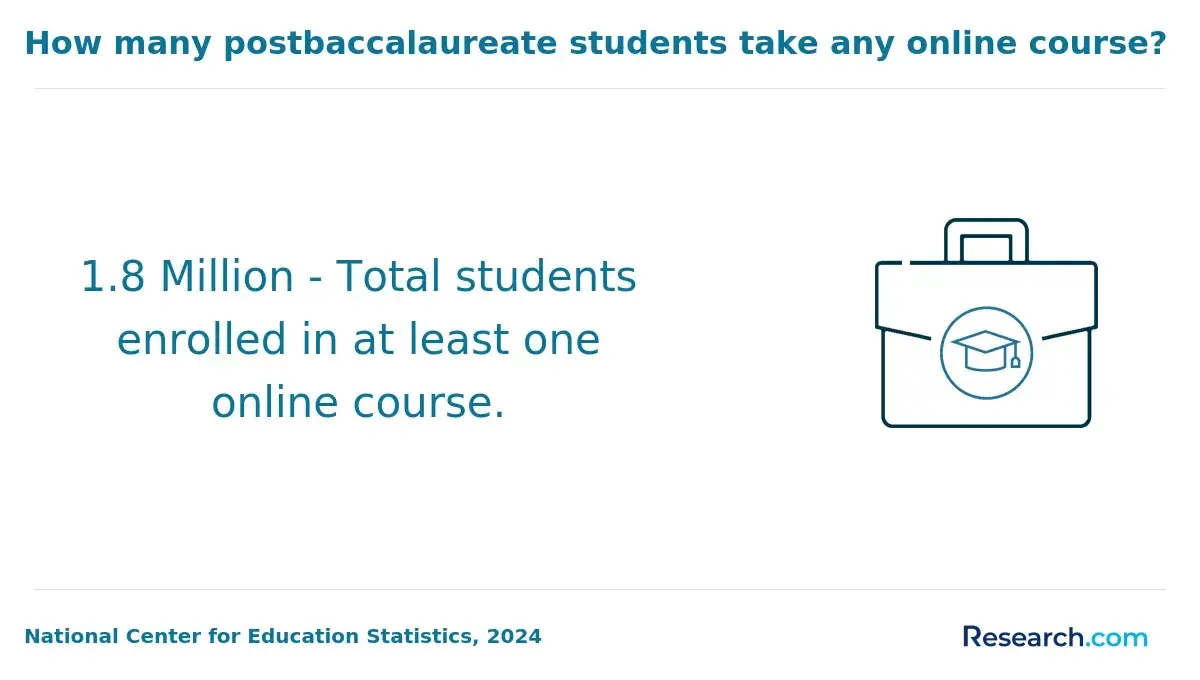
With roughly 35% of language program enrollees aged 25 and older-as reported by the National Center for Education Statistics in 2024-this demographic reflects targeted efforts to reskill or transition into roles requiring cross-cultural competence and formal language credentials. The pursuit of a Spanish degree is frequently a strategic decision to meet employer credential inflation, where practical language skills backed by academic credentials become a competitive differentiator instead of informal proficiency alone.
Additional factors fueling adult enrollment include the increased availability of flexible, often online, Spanish programs that accommodate work and family obligations, making reentry into higher education more feasible. Employer-sponsored tuition assistance also plays a critical role, incentivizing adults to update their qualifications in response to changing job requirements or to comply with language proficiency mandates that accompany certain professional certifications.
The need to acquire up-to-date technical and professional skills alongside language training highlights the practical orientation of many returning students, who prioritize programs delivering measurable benefits within compressed timelines. These dynamics illustrate how workforce reskilling trends and credential inflation converge, prompting adult learners to seek accessible pathways tailored to adult responsibilities and evolving employer expectations.
How Do Academic Goals Vary Between Younger and Older Spanish Students?
Traditional-age Spanish students, generally between 18 and 24, often approach their studies with exploratory aims, focusing on foundational language skills and broad cultural knowledge. Their academic objectives tend to align with fulfilling general education requirements or shaping a well-rounded undergraduate portfolio, frequently paired with minors or double majors.
This group invests in immersion opportunities, study abroad programs, and credit-earning language acquisition courses that serve as groundwork for entry-level roles or graduate education. According to a 2024 report by the National Center for Education Statistics, approximately 65% of these students pursue spanish degrees for academic exploration or personal enrichment rather than immediate professional outcomes.
In contrast, Spanish students aged 25 and older typically exhibit a more instrumental focus on targeted skill development aligned with explicit career goals. Many are balancing work and family obligations, which directs them toward flexible scheduling and courses emphasizing practical applications, such as translation, education, or international business competencies.
This demographic often seeks credential completion or certificate programs that directly support role transitions or professional advancement, with 72% reporting intentions to enhance job-market skills, per recent NCES data. Their academic priorities reflect an ongoing negotiation of existing responsibilities and longer-term workforce positioning rather than broad academic exploration.
One adult learner recalled a prolonged admissions experience shaped by the rolling application process. Initially hesitant to submit materials before securing financial aid information, they delayed applying despite readiness, worried about enrollment timing and course availability. This wait introduced uncertainty, especially as many relevant Spanish electives filled quickly.
Ultimately, the decision to apply late required careful weighing between the risk of delay and the need for clarity on funding, highlighting how adult learners' academic goals intertwine with logistical and financial considerations distinct from those of younger peers.
How Do Financial Concerns Differ Between Traditional Students and Adult Learners?
Traditional students pursuing a Spanish degree typically depend on a combination of family support, scholarships, and federal financial aid programs to manage tuition and living expenses. Their financial concerns often center on upfront tuition costs and the long-term implications of student debt, influencing enrollment decisions toward institutions with accessible aid.
According to the National Center for Education Statistics, about 60% of these students receive some form of financial assistance, which shapes how they weigh program affordability against the potential burden of loans. This dynamic particularly affects younger learners who consider debt tolerance in light of expected future earnings but may not yet face extensive personal financial obligations.
In contrast, adult learners encounter a more complex financial landscape where opportunity costs, such as lost wages from reduced work hours or career interruptions, play a crucial role. Many must balance tuition with ongoing responsibilities like mortgage payments and childcare, often relying on personal income rather than loans-nearly 70% of adult students self-fund their education according to the Lumina Foundation.
Employer tuition assistance may mitigate some expenses, but adults generally prioritize programs that minimize income disruption and offer flexible scheduling. These financial pressures distinctively shape how adult learners navigate Spanish degree enrollment, reflecting the broader challenges posed by their dual roles as earners and students amidst rising education costs.
These differing financial realities influence enrollment patterns and program choices between traditional and adult Spanish degree students. Younger students often seek shorter or aid-eligible programs, while adult learners gravitate toward flexible, part-time, or online formats despite potentially higher per-credit costs. Such tradeoffs affect their perceived return on investment, emphasizing tangible career impacts like salary increases or job changes for adults, whereas traditional students may approach credentials more exploratively.
Prospective students examining affordable online MBA human resources and similar pathways should carefully consider how income status, dependency, and opportunity cost align with their educational and financial goals, as financial challenges faced by traditional and adult Spanish degree students differ in fundamental ways that shape enrollment decisions.
What Challenges Do Adult Learners and Traditional Students Face While Earning a Spanish Degree?
Traditional students pursuing a Spanish degree often contend with adapting to the academic rigor of post-secondary education while developing foundational language skills. This group, typically aged 18 to 24, must juggle time management challenges as they balance coursework with part-time jobs and social transitions. The structured learning environment demands consistent study habits and immersive practice, yet their limited real-world exposure to Spanish can delay achieving practical fluency.
These pressures, coupled with the expectation to quickly demonstrate proficiency for career entry, contribute to retention rates that lag behind adult learners by about 15%, according to the 2024 National Center for Education Statistics report. Adult learners encounter a distinct set of challenges shaped by their simultaneous work, family, and educational commitments.
Time constraints and financial pressures often overshadow academic concerns, with nearly 60% citing rigid scheduling and insufficient institutional support as significant barriers, based on a 2024 American Council on Education survey. Reintegrating into academic culture may require unlearning outdated study strategies or adjusting to technology-based language instruction, complicating progress.
These factors contribute to diverse degree completion timelines and necessitate balancing immediate professional obligations with the demands of language acquisition. Institutions aiming to serve both populations increasingly emphasize flexible course delivery, advising tailored to life stage complexities, and support services that address these divergent needs.
While traditional students benefit from immersive, continuous learning models, adult learners require adaptability in pacing and formats to accommodate external responsibilities. Consequently, program accessibility and retention hinge on recognizing how life stage and workload dynamics shape educational pathways and learner success in Spanish degree programs.
How Does Age Affect Spanish Degree Student Retention?
Retention rates among younger Spanish students are often influenced by the transitional challenges inherent to early college experiences. Students aged approximately 18 to 24 frequently struggle with adapting to academic rigor and balancing newfound independence alongside evolving career motivations. Motivation for these students can be uneven, as they frequently explore different fields or adjust their goals, contributing to an estimated retention rate near 68% after the first year, according to the National Center for Education Statistics.
Early engagement with curriculum relevance and institutional support systems tailored to bridge academic readiness and social integration is critical but often insufficient to fully stem attrition in this group. In contrast, adult Spanish learners, typically beyond age 25, tend to persist with higher retention rates, around 75%, largely due to clearer professional objectives and life experience that cultivate sustained commitment.
However, these students face practical constraints such as managing work schedules and family responsibilities. Their persistence is often driven by the immediate applicability of language skills in career contexts like healthcare and international business, aligning studies more directly with employment needs. Institutional policies that accommodate these logistical realities can significantly influence whether adult learners complete their degrees or pause their education.
One Spanish degree graduate recalls navigating a rolling admissions process with some hesitation, unsure how her age and uncertain work schedule might impact timely enrollment. She delayed submitting documents until certain shifts were confirmed, causing a gap between acceptance and actual start date.
This experience highlighted how timing and preparation uncertainty during the admissions phase can affect older students differently, forcing strategic decision-making that balances education access against personal and professional rhythms. Her eventual enrollment and persistence were aided by institutional flexibility acknowledging these life circumstances.
Which Spanish Specializations Are Most Popular Among Adult Learners?
Adult learners selecting Spanish degree specializations overwhelmingly prioritize those that offer direct applicability to their current or intended work environments. Programs that integrate language skills with professional industries allow these students to leverage prior experience while accelerating skill acquisition for roles demanding bilingual proficiency.
This pragmatic approach reflects a preference for fields where credentialing in Spanish complements existing competencies, enhances salary potential, and facilitates career pivots, rather than purely academic or abstract study. The National Center for Education Statistics highlights consistent enrollment surges in such career-focused tracks, underscoring this alignment with adult students' employment-oriented goals.
Specializations popular among adult learners for these reasons include:
- Spanish for Business: Offers essential terminology and intercultural communication tools vital for roles in management, sales, and marketing. Adult students drawn from corporate or entrepreneurial backgrounds use this specialization to deepen market reach amid global and Hispanic consumer expansion.
- Spanish Translation and Interpretation: Appeals to those with experience in legal, governmental, or freelance sectors seeking certification or skill enhancement. The specialization's strong market growth-projected at 25% over the next decade by the U.S. Bureau of Labor Statistics-reflects robust demand for bilingual professionals.
- Spanish for Healthcare: Attracts social workers, nurses, and allied health practitioners aiming to bridge communication gaps with Spanish-speaking patients. This track addresses the pressing workforce need for culturally competent care across diverse healthcare settings.
- Spanish in Education and Training: Selected by professionals entering or advancing in language instruction or corporate training roles. It enables adult learners to update pedagogical methodologies while integrating Spanish language proficiency for evolving learner populations.
- Spanish for Public Service and Administration: Favored by those working in community outreach, social services, or municipal government, where bilingual communication is critical for effective service delivery and engagement.
Adult learners' selection of these specializations demonstrates a clear pattern of aligning Spanish degree choices with tangible workforce reintegration, salary growth opportunities, and skill updating needs. This contrasts sharply with traditional college-age students, who often prioritize linguistic or cultural studies with less immediate occupational outcomes.
For those considering how their degree can translate into professional advantage, it is also helpful to compare relevant degree pathways across fields; for example, an artificial intelligence major faces different but comparably dynamic decisions about specialization and career mapping based on industry demands.
The trends in Spanish degree specializations for adult learners in higher education reflect the intersection of language skill development with practical career mobility, emphasizing program accessibility and applicability to real-world occupational objectives.
How Does Age Affect Job Opportunities for Spanish Graduates?
Spanish graduates in the traditional college-age group, typically 18 to 24, often benefit from clearer entry-level pathways and employer preferences favoring their early-career flexibility. Many employers invest in younger graduates through internships or training programs, valuing their adaptability and longer horizon to develop language-intensive skills applicable to roles in translation, education, and international business.
This cohort frequently experiences more immediate hiring opportunities within established pipelines, with data from the 2024 National Employment Survey on Language Graduates showing that 62% of Spanish degree holders under 25 secure jobs within six months of graduation. For students assessing the Spanish graduate job market in the United States, these factors highlight the operational benefit of entering language-focused roles earlier in the employment lifecycle.
In contrast, older Spanish graduates often approach the job market with a differentiated profile shaped by prior work experience, transferable skills, and specific career transition goals. Although some sectors may exhibit age-related biases, adult learners tend to leverage maturity and professional networks that translate into higher starting salaries-averaging 12% more than their younger counterparts-and enhanced competitiveness in roles requiring applied cultural competency and bilingual communication.
This dynamic influences career advancement for adult learners with Spanish degrees, especially in corporate, healthcare, or government contexts where language skills intersect with negotiation or management. Prospective students should also consider how complementary credentials, such as AI degree programs, can augment their marketability and align with evolving labor market demands.
What Do Current Spanish Enrollment Trends Reveal About Future Demand?
Current enrollment trends in Spanish degree programs reflect shifting student motivations and a recalibration of perceived career utility. While approximately 60% of new enrollees remain traditional college-age students, a notable 15% growth among adult learners signals increasing recognition of Spanish proficiency as a practical skill beyond academic interest.
This bifurcation suggests that programs emphasizing flexible scheduling, career-focused curricula, and applied language skills are better positioned to capture a diverse student base. The rising adult segment also implies that Spanish education is no longer solely a foundational academic pursuit but a strategic professional asset, influencing how institutions design and market their offerings.
These enrollment patterns closely align with evolving labor market demands, where bilingual proficiency is increasingly critical in healthcare, social services, education, and international business sectors. Employers prioritize practical application over purely academic credentials, reinforcing the need for specialized program pathways and modality innovation like online learning.
Ongoing sector expansion and workforce shortages amplify the urgency for institutions to develop programs responsive to real-world vocational requirements. As such, enrollment growth among nontraditional students serves as an early indicator of sustained future demand, prompting academic programs to integrate more career-oriented content and adaptable delivery models to meet evolving industry expectations.
References
- Holding Spanish students back a year: just how effective is it? https://www.niussp.org/education-work-economy/holding-spanish-students-back-a-year-just-how-effective-is-itle-redoublement-scolaire-en-espagne-est-ce-vraiment-efficace/
- Future Trends in Student Mobility - Focus on Spain - Gateway International Group https://gatewayinternational.org/future-trends-in-student-mobility-focus-on-spain/
- Too Old to Work? Ageism in the Spanish Labor Market and the Nonsense Surrounding It https://cenie.eu/en/blogs/too-old-work-ageism-spanish-labor-market-and-nonsense-surrounding-it
- Rebound or Mirage? Unpacking the Latest International Enrollment Trends https://encoura.org/resources/wake-up-call/rebound-or-mirage-unpacking-the-latest-international-enrollment-trends
- Going Back to School as an Adult: a Step-by-Step Guide https://insights.ehl.edu/going-back-to-school-as-an-adult
- Countries with most Spanish speakers 2025 | Statista https://www.statista.com/statistics/991020/number-native-spanish-speakers-country-worldwide/
- What’s the best way to learn Spanish as an adult? Should you take Spanish classes? 10 tips for adult learners - Berges Institute Spanish Classes https://www.bergesinstitutespanish.com/blog/learn-spanish-adult-spanish-classes
- Traditional Vs. Non-Traditional Students in Higher Education https://moderncampus.com/blog/traditional-vs-non-traditional-students-in-higher-education.html
- Spanish language - Wikipedia https://en.wikipedia.org/wiki/Spanish_language
Other Things You Should Know About Spanish
Given that many adult learners pursue Spanish degrees for immediate career benefits, such as translation, education, or business, programs emphasizing applied language skills can provide clearer pathways to employment. Theoretical or literary-heavy curricula, while valuable academically, may not align well with adult learners' practical objectives and time constraints. Prioritizing programs with internships, language labs, and real-world practice is often a better investment for adult learners seeking tangible professional outcomes.
Traditional students often have more institutional support and fewer outside responsibilities, enabling easier participation in study abroad or immersion opportunities, which are highly valued by employers in fields requiring Spanish fluency. Adult learners might face challenges accessing these experiences due to financial, familial, or work constraints. Because cultural competence increasingly influences employability, adult learners should consider programs that integrate virtual immersion or local community engagement as practical alternatives.
Employers may weigh age and accompanying professional experience differently depending on the sector. For example, industries like education or social services often value the maturity and real-world skills adult learners bring alongside their Spanish degree. Conversely, entry-level roles in translation or technology companies may favor younger graduates with recent academic training and up-to-date language technologies. Prospective students should assess how their age and prior experience align with employer priorities in their target field to choose the most strategic educational path.