2027 Spanish Degree Growth by State: Where Interest Is Rising the Fastest

Co-Founder and Chief Data Scientist
States experiencing rapid growth in Spanish degree enrollment face distinct economic and demographic shifts that shape demand for bilingual professionals. In Texas and Florida, surging Hispanic populations and expanding international trade drive local institutions to expand Spanish offerings, yet regulatory variances restrict credential portability across borders.
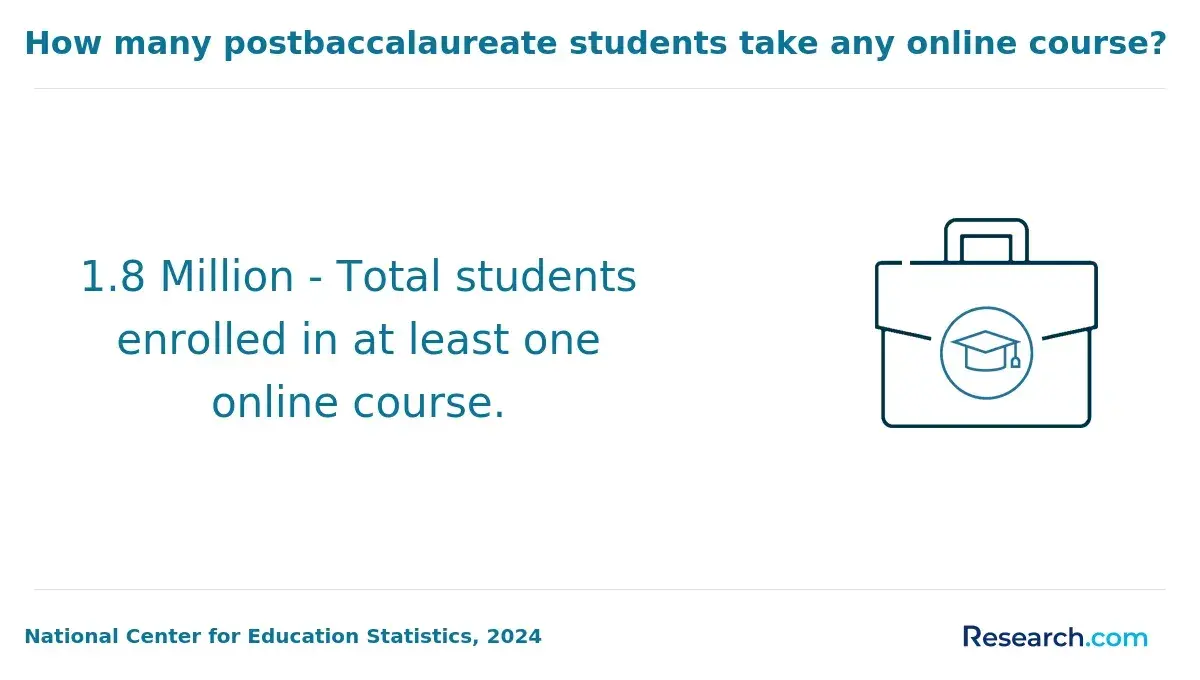
Data from the National Center for Education Statistics shows a 15% increase in online enrollment for foreign language master's programs since 2023, reflecting adult learners' need for flexible schedules amid workforce commitments. Understanding these regional drivers clarifies how program accessibility and labor market dynamics align, crucial for students weighing where and when to pursue advanced Spanish studies.
Key Things to Know About the State Where Spanish Degree Interest Is Rising the Fastest
- Texas sees rapid Spanish degree enrollment growth fueled by a booming Hispanic workforce, yet employer demand favors bilingual candidates with professional certifications, challenging graduates relying solely on language proficiency.
- Florida's expansion of online Spanish programs improves accessibility for adult learners balancing careers, but increased competition extends time-to-degree, delaying entry into workforce roles requiring immediate language application.
- California's stringent credentialing and teacher licensure regulations restrict some program expansion, creating a bottleneck that affects institutional capacity and limits long-term workforce supply despite strong demographic incentives.
- Which States Are Seeing the Fastest Growth in Spanish Degree Enrollment? States Seeing the Fastest Growth in Enrollment
- What Does Enrollment Growth in Spanish Programs Actually Tell Prospective Students? Interpreting Enrollment Growth
- How Do Regional Job Market Conditions Drive Spanish Degree Demand by State? Role of Regional Job Market Conditions
- Which States Have Added the Most New Spanish Degree Programs in the Last Five Years? States That Have Added the Most Programs
- How Has the Rise of Online Education Changed Which States Lead in Spanish Program Interest? Role of Online Education in Increased Program Interest
- What Demographic Trends Are Fueling Spanish Degree Growth in Specific States? Demographic Trends Fueling Growth
- How Do State Funding Levels for Spanish Services Influence Degree Program Growth? Role of State Funding Levels
- Which States Are Emerging as Unexpected Leaders in Spanish Degree Interest? States Emerging as Unexpected Leaders in Growth
- How Does State Population Size Affect the Interpretation of Spanish Degree Growth Data? Role of State Population Size
- What Role Do State Licensing Requirements Play in Driving or Suppressing Spanish Enrollment? Role of State Licensing Requirements
Which States Are Seeing the Fastest Growth in Spanish Degree Enrollment?
Enrollment growth in Spanish degree programs is not confined to a single geographic region but reveals a constellation of economic, demographic, and institutional factors influencing demand across diverse states. This expansion, particularly notable at both undergraduate and graduate levels, reflects a nuanced interplay between workforce needs and regional population changes rather than a uniform national surge.
For students weighing graduate Spanish programs, understanding these state-level dynamics is crucial, since local economic sectors and immigrant communities heavily shape employability and professional integration opportunities within those markets.
- Arizona: Proximity to the U.S.-Mexico border places Arizona at the forefront of Spanish degree enrollment growth, where healthcare providers, legal firms, and education systems face urgent needs for bilingual professionals, making immersion in these programs a practical choice for those seeking direct workforce entry in border and multicultural urban environments.
- Florida: Florida's growth emerges from its extensive Hispanic population combined with international trade hubs, prompting graduate programs to focus on specialized skills like translation and international relations. Graduates here often find themselves navigating cross-border commerce and diplomatic sectors, where nuanced language competence aligns tightly with economic activity.
- Nebraska: Although unexpected in scale, Nebraska's increase ties to its immigrant workforce and strategic institutional emphasis on multilingual skills. For career changers, this reflects the state's emphasis on adapting to labor market evolution, where less-saturated Spanish programs can offer competitive advantages despite a less obvious cultural impetus.
- Oregon: Oregon's expansion reflects progressive public university initiatives prioritizing diversity and inclusivity, alongside offerings of professional certificates in linguistic fields. This state exemplifies how public policy and academic programming can converge to foster growth in Spanish education, appealing particularly to working professionals balancing upskilling with career demands.
- Georgia: The surge in Georgia is linked to demographic shifts around Atlanta and targeted academic tracks designed for roles in government, business, and social services. Students entering programs here must consider the competitive metropolitan job market where Spanish fluency often complements broader skill sets in a dynamic economic region.
These trends in Spanish degree enrollment growth by state intertwine with evolving employer expectations, where bilingual proficiency increasingly intersects with sector-specific skills. Subsequent sections will dissect the regulatory, economic, and institutional factors driving these changes and explore how understanding enrollment momentum equips prospective students to make informed decisions tailored to their career trajectories and geographic mobility.
What Does Enrollment Growth in Spanish Programs Actually Tell Prospective Students?
Rising enrollment in Spanish programs can signal growing interest but does not inherently confirm program quality or career advantage. Prospective students must weigh this growth against outcomes like retention, graduation, and job placement to discern whether increased numbers reflect genuine educational and workforce value or superficial expansion.
Raw enrollment figures are an initial indicator of demand, yet interpreting them requires understanding the full student experience and market alignment. Programs that maintain robust retention and licensure pass rates typically demonstrate curricular effectiveness and support systems. Conversely, rapid growth stemming from lenient admissions or marketing tactics may mask weak outcomes and inflate perceived opportunity.
- Retention Rates: Sustained student engagement is crucial; programs with high attrition can skew enrollment upward without delivering consistent degree completion.
- Graduation Outcomes: Timely graduation reveals practical curriculum design and institutional support, essential for reducing additional costs and entering the workforce competitively.
- Job Placement: Enrollment surges should correspond to documented employment prospects; otherwise, graduates risk confronting oversaturated markets.
- Licensure Pass Rates: For credential-linked programs, maintaining or improving pass rates ensures that expansion does not compromise academic rigor.
- Recruitment vs. Quality: Growth driven by eased admissions or aggressive recruitment often comes at the cost of student preparedness and program reputation.
- Labor Market Alignment: True demand-driven growth correlates with regional economic trends and employer needs, offering more sustainable career trajectories.
- Informed Outreach: Prospective students should engage current enrollees and alumni to access candid insights beyond institutional data before making enrollment decisions.
How Do Regional Job Market Conditions Drive Spanish Degree Demand by State?
Regional job market conditions critically shape Spanish degree demand by state, linking economic growth areas with increased enrollment in graduate programs. For instance, healthcare expansions in states with large Hispanic populations create urgent needs for bilingual practitioners and interpreters, while public sector employment surges highlight bilingual credential requirements in education and social services.
Employer incentives to hire Spanish-proficient staff further elevate demand, directly influencing where prospective students prioritize their studies. Aligning program choice with state-specific workforce projections not only enhances post-graduate employment chances but also impacts access to practical training sites and wage negotiation leverage.
- California: Leads with the largest projected rise in Spanish-related job opportunities thanks to rapid healthcare growth, expanding public education systems, and diverse legal and social services sectors incentivizing bilingual hires.
- Texas: Demonstrates strong labor demand driven by public sector recruitment and significant healthcare infrastructure development, particularly near border and metropolitan areas, supplemented by employer programs that support bilingual staffing.
- Florida: Experiences demand growth fueled by an aging demographic requiring expanded healthcare services and a tourism sector reliant on Spanish-speaking employees, alongside increasing school district recruitment efforts.
- Arizona: Shows rising job openings influenced by investments in public safety, healthcare, and dual-language education programs targeting a growing Hispanic community.
- New York: Expands government, healthcare, and education sectors hiring credentialed bilingual professionals, buttressed by state policies promoting a bilingual workforce.
Understanding these trends via sources like the Bureau of Labor Statistics and state workforce agency reports enables prospective students-including recent graduates, career changers, and geographically mobile individuals-to make informed decisions. States with vibrant Spanish degree demand better support practicum placements essential for hands-on experience, while stagnating markets may limit relevant employment pathways and salary growth post-graduation.
Students should evaluate how regional labor market dynamics, public sector initiatives, and healthcare system expansions interplay with Spanish degree demand to select programs aligned with sustainable employment prospects. For those interested in interdisciplinary advancement, exploring a doctorate of education may offer pathways combining language proficiency with educational leadership in growing bilingual settings.
Which States Have Added the Most New Spanish Degree Programs in the Last Five Years?
Growth in Spanish degree programs across the U.S. over the last five years underscores a complex interplay between regional workforce demands and institutional responses. States differ in whether they launch new programs, add online modalities, or simply scale enrollment in existing tracks, reflecting variable economic and demographic pressures that influence graduate outcomes and labor market alignment.
- Texas: Leading expansion stems from its large Hispanic population and persistent bilingual workforce shortages in sectors like healthcare and education. State grants and workforce shortage designations have incentivized universities to create multiple new programs, including online options focused on urban centers such as Houston and Dallas.
- Florida: Rapid growth here targets diverse immigrant and tourism-driven labor markets, with institutions competing to develop flexible online Spanish degrees. State funding encouraging bilingual education has amplified these offerings, although increased program quantity can intensify scholarship competition.
- California: Rather than launching many new programs, California universities prioritize expanding enrollment capacity to absorb rising applicant numbers. Accreditation standards increasingly emphasize applied language skills, echoing demands from robust regional job markets requiring graduates adept in practical bilingualism.
- North Carolina: This state exemplifies emerging market expansion via combined degrees and certificates suited for career changers and working professionals. Policy support for Hispanic education and institutional rivalry fuel program diversification, catering to nontraditional student needs.
- Arizona: Arizona's growth includes new online Spanish programs targeting remote learners alongside expanded enrollment, responding to border economy workforce strategies and a swelling immigrant population.
For prospective students, these regional program trends present tradeoffs: a greater number of programs can mean more choices and specialized tracks in areas like translation or business Spanish, but also sharper competition for merit-based aid. Comparing detailed program outcomes and faculty expertise within states becomes essential to align educational investments with realistic career pathways, especially given diverging instructional focuses from immersive study to practical public service applications.
A recent graduate from one of the expanding programs recalled the admissions process where rolling application deadlines complicated decision timing. The student hesitated applying early without full clarity on financial aid and curriculum specifics, but later faced waitlists as demand surged. Ultimately, enrolling required balancing late acceptance offers with preparatory commitments for intensive language modules, underscoring how timing and program growth dynamics materially affect student experience beyond academic content alone.
How Has the Rise of Online Education Changed Which States Lead in Spanish Program Interest?
The expansion of fully online Spanish graduate programs has fundamentally shifted which states lead in student enrollment by removing the barrier of physical location. Whereas enrollment once correlated closely with proximity to campus, today students nationwide can select programs based on reputation, affordability, and accreditation regardless of geography. This geographic decoupling reshapes both student decisions and institutional roles within the broader educational ecosystem.
- Accessibility: Remote learners, including professionals and career changers unable to relocate, now access high-caliber Spanish instruction from states previously disconnected from national enrollment flows, broadening educational equity.
- Market Concentration: States with public universities or private institutions that have invested in scalable, well-regarded online Spanish programs draw significant out-of-state interest, becoming informal national education hubs long beyond their regional borders.
- Tuition Impact: Cost remains pivotal-programs in states offering competitive tuition alongside strong student services see disproportionately high out-of-state enrollment, sometimes outperforming their own on-campus demand.
- Licensure Caveats: Despite broader access, graduates must verify state-specific licensing or credential recognition, particularly for public school or specialized language careers, as these regulatory frameworks can limit employment options despite program quality.
- Employability Focus: Programs that align online delivery with rigorous standards and clear career outcomes maintain a competitive edge, attracting students who prioritize meaningful workforce integration over mere convenience or price.
What Demographic Trends Are Fueling Spanish Degree Growth in Specific States?
Growth in Spanish degree enrollment is strongly shaped by localized demographic shifts, rather than broad national trends. Prospective students and career changers should recognize that states exhibiting sustained Hispanic population increases and related social dynamics present more reliable employment opportunities for Spanish language professionals. Understanding these state-specific workforce implications can clarify where Spanish-related careers offer greater long-term stability versus areas with temporary or uneven demand.
- Immigration Patterns: States like Texas, Florida, and Arizona see consistent growth in Spanish degree enrollment tied to expanding Hispanic immigrant populations. This fuels ongoing demand for bilingual workers across education, healthcare, and community services, emphasizing the need for graduates fluent in Spanish to meet culturally specific workforce gaps.
- Urbanization: Rapidly diversifying cities including Atlanta and Denver attract Hispanic residents and economic activity, encouraging universities to expand Spanish programs accordingly. Graduates here benefit from metropolitan labor markets increasingly shaped by multilingual requirements, although competition may also intensify.
- Population Aging: Regions in the Southeast and Midwest with aging Hispanic populations require Spanish-speaking healthcare and social service providers. Spanish program growth in these states reflects an urgent practical need for practitioners able to support credentialed elder care and patient communication in a linguistically accessible manner.
- K-12 Enrollment Growth: States such as Nevada and North Carolina experience increased demand for bilingual education professionals triggered by growing Hispanic student populations. This boosts Spanish degree enrollment as schools seek qualified teachers and curriculum developers fluent in Spanish to support bilingual programs.
- Mental Health Diagnosis Rates: Enhanced mental health awareness among Hispanic communities raises demand for Spanish-speaking counselors and social workers. States improving mental health services see a parallel rise in Spanish academic pathways aligned with culturally competent care, reinforcing specialized workforce growth.
These demographic drivers create distinct pockets of Spanish degree enrollment growth tied to very specific workforce needs. Analyzing the Spanish degree enrollment growth by state demographic trends reveals that stable demand aligns with long-term population and service infrastructure changes rather than transient labor market fluctuations. For students prioritizing practical outcomes, it is essential to consider how these regional social and economic variables align with their career ambitions and geographic flexibility.
For those exploring accelerated educational options that accommodate working professionals or career changers, programs offering 6 week courses online can provide a responsive pathway to meet this growing demand while balancing other commitments.
How Do State Funding Levels for Spanish Services Influence Degree Program Growth?
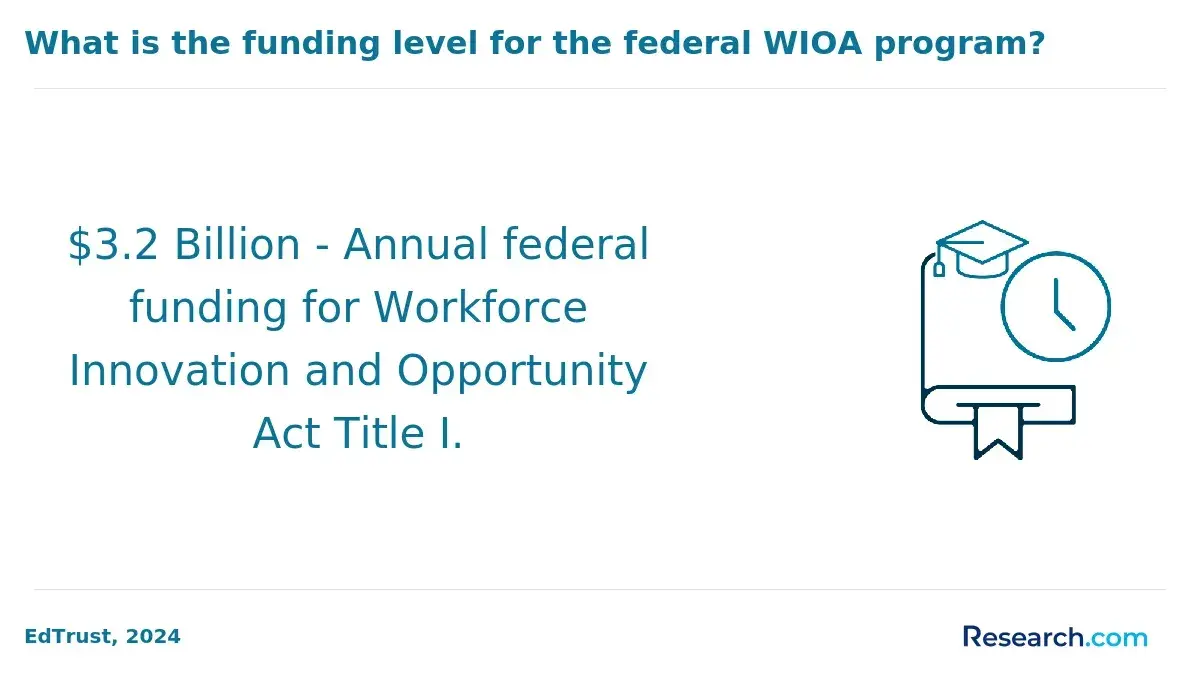
State investment in Spanish-language services directly affects the viability and expansion of related degree programs by shaping local labor markets for graduates. In states with substantial public funding-through Medicaid rates, dedicated block grants, mental health initiatives in schools, and community health center support-there is a clearer employment pipeline for Spanish-speaking professionals.
This financial foundation incentivizes educational institutions to develop and sustain robust Spanish degree offerings aligned with regional workforce demands. Conversely, states that fail to prioritize these funding streams often struggle to retain graduates, who frequently relocate to better-funded areas for stable work, undermining program growth and signaling limited local opportunities.
- Investment: Robust state funding creates tangible career pathways by linking graduates with in-demand roles within publicly supported healthcare and social services, encouraging program expansion and student enrollment focused on explicit labor market needs.
- Retention: Generous funding correlates with higher in-state employment retention post-graduation, minimizing brain drain and supporting ongoing institutional commitment to Spanish degree development.
- Workforce Pipeline: Dedicated public resources facilitate partnerships between schools and service providers, enabling internships and practicum experiences that strengthen program relevance and student readiness.
- Legislative Indicators: Monitoring a state's recent legislative actions regarding Spanish service funding provides an important forecast of career stability, assisting prospective students in choosing programs tied to durable economic support.
- Program Outcomes: Prospective students should inquire about the percentage of graduates employed in-state after five years to gauge how effectively local conditions support sustained career integration.
A graduate recalled applying to several programs, holding off on enrollment decisions as she awaited funding policy updates in her state. The rolling admissions process compounded her uncertainty; she weighed offers from programs in states with stronger Spanish service investments.
Her hesitation reflected a strategic approach to avoid locking into a degree unlikely to align with viable employment locally. When funding clarity emerged late in the cycle, she finally committed, aware that program growth-and her career prospects-hinged on the state's financial and legislative support for Spanish-speaking workforce development.
Which States Are Emerging as Unexpected Leaders in Spanish Degree Interest?
States not traditionally recognized for graduate Spanish education are now seeing unexpected enrollment growth, influenced by their unique economic and regulatory landscapes. This trend offers strategic opportunities for students who can leverage less competitive admissions and regionally targeted workforce needs, especially amid the evolving bilingual demands in healthcare, education, and corporate sectors. However, the trajectory differs notably based on whether state initiatives are structurally embedded or reliant on short-term funding.
- North Carolina: Fueled by new accreditation of Spanish programs across multiple public universities and sustained state-backed workforce initiatives, North Carolina is capitalizing on growing demand for bilingual professionals in urban economic hubs such as Raleigh and Charlotte. The presence of international firms and expanded healthcare infrastructure supports a more durable growth model, which may yield stable career pathways.
- Ohio: While Ohio's historic focus has favored STEM fields, its expanding Hispanic population alongside participation in multi-state education compacts has pushed universities to increase Spanish graduate offerings. Though federal grant funding spurred much of this progress, integrating Spanish into teacher licensure routes suggests longer-term sustainability. Students here should consider how program funding volatility aligns with employer demand trends.
- Kentucky: Pandemic-era workforce shortages inspired legislative appropriations targeting Spanish proficiency in healthcare and social services, heightening program enrollment. However, since much funding is temporary, graduates should evaluate whether local employment in Spanish-language roles will remain robust beyond the transitional period.
- Missouri: Investments in intercultural business and translation training draw students focused on manufacturing and logistics sectors where Spanish skills are increasingly valued. The state's growth hinges on partnerships between academia and industry, but economic variability may limit future expansion without continued collaboration.
These emerging state markets exemplify a pivotal decision point: the tradeoff between accessible programs with potential tuition savings and the risk that demand-driven growth might not endure. For recent undergraduates or career changers weighing these factors, it is advisable to scrutinize not only tuition and admissions competitiveness but also employer demand stability and licensure integration. Prospective students, particularly those exploring options among online colleges that accept 2.0 GPA, should consider how state-specific dynamics affect both the quality and longevity of their Spanish degree investment.
How Does State Population Size Affect the Interpretation of Spanish Degree Growth Data?
Raw enrollment increases in Spanish degree programs can be deceptive unless analyzed relative to state population size and existing professional density. For example, a large state adding 2,000 new Spanish graduates annually may seem to exhibit strong growth, but when scaled against millions of residents, this may represent moderate per-capita expansion. Conversely, a smaller state enrolling 300 additional graduates might reflect a more pronounced surge in interest and demand when viewed on a per-capita basis, signaling more meaningful market growth and less saturation in employability.
Absolute growth numbers convey scale but overlook a state's capacity to absorb new talent. Per-capita growth better aligns enrollment changes with population size, highlighting where demand genuinely outpaces supply. Workforce saturation-measuring licensed Spanish professionals relative to population-provides further clarity by identifying underserved regions offering better early-career opportunities. Students and professionals evaluating multiple states should prioritize these metrics, focusing on areas with per-capita growth above average and lower professional-to-population ratios, as these often translate to stronger job prospects.
Understanding Spanish degree enrollment relative to state population size also involves recognizing regulatory and economic factors affecting market dynamics:
- Regulatory Complexity: Some states have stringent credentialing or licensure rules that restrict workforce expansion despite rising enrollments.
- Economic Influence: Diverse economies with robust healthcare, education, or public service sectors tend to sustain more consistent demand for Spanish-language skills.
- Data Limitations: Enrollment figures may omit part-time students, certificate holders, or bilingual professionals lacking formal degrees, complicating direct comparisons.
For those exploring advanced education options in related fields, evaluating growth trends alongside specialized program quality-such as data science pathways-can complement language expertise. For instance, researching data science doctorate online offerings may reveal additional career avenues tied to demographic and workforce analytics influencing Spanish degree expansion and employability.
What Role Do State Licensing Requirements Play in Driving or Suppressing Spanish Enrollment?
The structure and transparency of state licensing requirements exert a decisive influence on prospective Spanish graduate enrollees, affecting not only their decision to pursue programs locally but also broader workforce dynamics. States with clear, accessible licensure pathways tend to see higher enrollment growth because students can effectively anticipate the certification process and employment prospects post-graduation.
For example, a mid-career professional relocating to a state with convoluted or frequently shifting licensing standards may hesitate to invest time and funds in that market, favoring states where post-degree steps are more predictable. Conversely, states with opaque or overly stringent licensing protocols suppress enrollment by amplifying perceived risk and obstacles.
- Clarity: Transparent licensing requirements act as a strategic roadmap, reducing uncertainty and enabling candidates to align academic progress with certification milestones efficiently.
- Stringency: Excessive rigor or complexity increases barriers for non-traditional learners balancing work and education, resulting in lower program demand in those states.
- Accessibility: States offering diverse licensure tracks or flexible evaluation methods attract a broader demographic, including professionals seeking to switch fields or upskill without undue delay.
- Employer Influence: Licensing boards shape local hiring norms-employers often require or prefer candidates with state-approved licensure, reinforcing enrollment trends by elevating credential value.
- Regulatory Stability: Stable, consistent rules build trust and encourage commitment, while volatile regulations generate uncertainty that can reduce program participation.
- Practical Advice: Students should evaluate the full licensing pathway in their intended practice state, considering how manageable post-graduation demands compare to alternatives before enrolling.
References
- Gains in Educational Attainment, Enrollment in All Hispanic Groups, Largest Among South American Population https://www.census.gov/library/stories/2023/05/significant-educational-strides-young-hispanic-population.html
- Longer hiring periods ease the seasonality of the Spanish labor market in 2024 - Esade https://www.esade.edu/en/news/longer-hiring-periods-ease-the-seasonality-the-spanish-labor-market-in-2024
- How to obtain a new Spanish driving licence https://administracion.gob.es/pag_Home/en/Tu-espacio-europeo/derechos-obligaciones/ciudadanos/vehiculos/permiso-conduccion/obtencion.html
- As colleges continue to lose enrollment, some turn to one market that’s growing: Hispanic high school grads https://hechingerreport.org/as-colleges-continue-to-lose-enrollment-some-turn-to-one-market-thats-growing/
- Spanish should take a central position in int'l education - SEPIE https://thepienews.com/more-spanish-language-international-education-sepie/
- Emerging Powers and the Future of American Statecraft https://carnegieendowment.org/research/2024/04/emerging-powers-and-the-future-of-american-statecraft
- Top Career Paths You Can Explore With a Spanish Degree | UT Permian Basin Online https://online.utpb.edu/about-us/articles/spanish/top-career-paths-you-can-explore-with-a-spanish-degree
- East Ohio | The Rise of Online Education | June 2026 https://eastohio.edu/the-rise-of-online-education/
- How Spain Became Europe’s Fastest Growing Major Economy https://www.goldmansachs.com/insights/articles/how-spain-became-europes-fastest-growing-major-economy
- How Online Learning Has Changed Education | ACE Blog https://ace.edu/blog/how-online-learning-has-changed-education/
Other Things You Should Know About Spanish
Employers in states with rapid growth in Spanish degree interest are increasingly seeking graduates who combine linguistic skills with cultural competence and practical applications, such as translation technology or education. Demand is strongest in healthcare, social services, and education sectors where bilingual communication directly impacts service quality. Students should prioritize programs offering applied learning opportunities and internships that align with these employer expectations to enhance job placement prospects.
Higher tuition and living costs in some states can deter prospective students despite growing program interest, pushing enrollment toward more affordable states with expanding Spanish offerings. However, lower-cost states may provide fewer specialized resources or networking opportunities tied to larger metropolitan labor markets. Prospective students must weigh immediate financial considerations against long-term career access and should consider states where affordable education meets strong employer demand for Spanish graduates.
Rising enrollment in a state signals increased recognition of Spanish skills demand but may also indicate growing competition and potential resource strain in programs. Students should analyze whether growth is accompanied by robust faculty expertise and job placement support rather than assuming it guarantees better outcomes. Prioritizing states where growth is balanced with program quality and alignment to local labor market needs will better position graduates for sustainable employment.
Rural and underserved states are expanding Spanish degree programs to meet critical shortages in bilingual professionals supporting healthcare, education, and community engagement. These programs often emphasize localized curriculum and partnerships with community organizations to ensure graduates are work-ready for contextual challenges. While these programs may be smaller and less resourced, students focused on impact-driven careers should consider these states for targeted opportunities linked directly to workforce deficits.