2027 Online Marine Science Master's Programs at Accredited U.S. Universities

Co-Founder and Chief Data Scientist
Choosing an online marine science master's program at an accredited U.S. university involves navigating a complex landscape of admission criteria, cost structures, and curriculum formats. As remote learning enrollments surged by over 15% in recent years according to the National Center for Education Statistics, applicants face increased competition and shifting program delivery models that affect flexibility and pacing.
Understanding how accreditation influences licensing recognition and career pathways is critical for those balancing quality and affordability. This guide addresses these challenges, offering a thorough breakdown of essential factors like tuition transparency, financial aid access, and outcome data to support strategic, informed enrollment decisions in this evolving academic field.
Key Things to Know About Online Marine Science Master's Programs at Accredited U.S. Universities
- Admission flexibility varies widely; stricter prerequisites often extend time to degree, challenging professionals balancing work and study. This tradeoff influences enrollment pacing and debt management strategies.
- Programs relying heavily on asynchronous coursework improve accessibility for place-bound students, but limited synchronous interaction can restrict networking opportunities valued by employers in marine science sectors.
- Per-credit costs can misrepresent total investment as hidden fees and extended enrollment periods inflate expenses, impacting financial planning for mid-career switchers and first-generation graduates.
What Is the Overall Structure and Purpose of Online Marine Science Master's Programs at Accredited U.S. Universities?
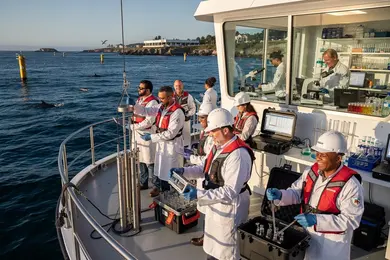
Online marine science master's programs at accredited U.S. universities are intentionally designed to bridge academic rigor with the logistical realities of students spread across diverse geographies and professional backgrounds. Unlike traditional on-campus degrees, these programs prioritize flexible delivery and adaptable timelines, making them essential for working professionals or those unable to relocate.
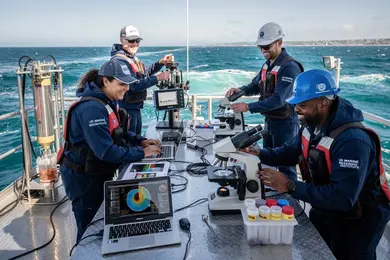
However, this flexibility often entails tradeoffs in hands-on laboratory experience, requiring students and employers alike to assess how digital simulations and remote research substitute for direct, physical engagement with marine environments. The accredited format ensures that despite these structural distinctions, program quality remains consistent enough to meet employer expectations and professional standards.
- Program Purpose: To develop comprehensive knowledge and research skills in marine ecosystems, oceanography, and applied marine sciences that prepare graduates for roles in environmental management, scientific research, and policy development.
- Credit Load: Typically requires between 30 and 40 semester credit hours, balancing coursework and often a thesis or capstone project, which reinforces practical and analytical skills necessary for marine science professions.
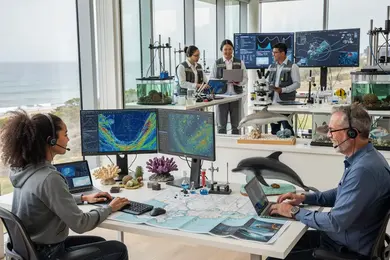
- Delivery Format: Utilizes asynchronous lectures, virtual labs, collaborative projects, and real-time seminars to simulate a rich academic environment, focusing on digital tools and remote data analysis that differ from traditional hands-on campus labs.
- Time to Degree: Most programs can be completed in two to three years part-time, recognizing working students' schedules while allowing acceleration through intensive semesters or summer terms for those who prefer.
- Accreditation Role: Regional and specialized accreditation ensure curriculum rigor, transferability of credits, and recognition by employers and licensing bodies-critical for validating the quality and professional viability of these online degrees.
Those contemplating additional credentials might explore complementary fields such as medical billing and coding classes to broaden their practical skill sets and adapt to workforce demands spanning administrative and technical roles
Which Accrediting Bodies Recognize Online Marine Science Master's Programs, and Why Does Accreditation Status Matter?
Choosing an online marine science master's program without scrutinizing accreditation can jeopardize both educational and career investments. Ill-informed selections may leave graduates unable to transfer credits, access financial aid, or meet employer and licensing expectations.
Two primary accreditation types govern educational quality in the U.S., each with distinct implications for marine science students. Regional accreditation, recognized broadly by the U.S. Department of Education, assesses entire institutions to verify academic rigor and institutional stability. This form is crucial for qualifying for federal financial aid and ensuring credits transfer smoothly among colleges.
Conversely, programmatic accreditation focuses on specialized fields, certifying that a specific program aligns with industry standards and professional requirements. Although less common for marine science, related disciplines may demand endorsements from bodies such as the Accreditation Board for Engineering and Technology (ABET) or scientific organizations relevant to environmental or biological sciences.
These endorsements often impact professional certification eligibility, especially in roles requiring state or national licensing.
- Regional Accreditation: Validates overall institutional quality, enabling access to federal aid and facilitating credit mobility, which is vital for students balancing career or geographic constraints.
- Programmatic Accreditation: Confirms curriculum relevance to industry standards; necessary for certain career tracks in marine science where specialized certification or licensing is mandated.
- Credit and Aid Implications: Lack of proper regional accreditation can bar graduates from transferring coursework or receiving federal aid, increasing financial burdens significantly.
- Employer and Licensing Expectations: Hiring entities and licensing boards often require degrees from programs holding both appropriate regional and relevant programmatic accreditations to ensure workforce competency and regulatory compliance.
- Decision Guidance: Prospective students must verify a program's accreditation status-focusing on those recognized by their target employers and licensing bodies-before weighing tuition costs or delivery models.
What Are the Admission Requirements for Online Marine Science Master's Programs at Accredited U.S. Universities?
Admission standards for online Marine Science master's programs at accredited U.S. universities reflect significant variability influenced by institutional priorities and applicant pool diversity. For example, a recent graduate comparing offers from a selective private university and a public open-enrollment program should weigh not only GPA thresholds but also the depth of prerequisite requirements and faculty research alignment-factors affecting both academic rigor and career readiness.
Undergraduate GPA: A baseline around 3.0 is common, but more competitive programs typically expect a 3.5 or higher. Meeting minimum GPA requirements seldom ensures admission; reviewing median admitted student GPAs provides a clearer picture of competitiveness.
Prerequisite Coursework: Most programs mandate foundational courses in biology, chemistry, oceanography, or environmental science. Some may allow provisional admission contingent on completing missing prerequisites.
Letters of Recommendation: Usually two to three endorsements are required, preferably from academic or professional contacts who can vouch for research aptitude and commitment to marine science.
Personal Statement: Articulating clear motivation and career objectives is essential, especially for differentiating candidates in selective programs.
Standardized Tests: Increasingly optional or waived, GRE scores remain necessary at some schools, often linked to funding eligibility.
Professional Experience: Relevant research or fieldwork can strengthen applications by demonstrating practical skills valued by employers.
Institutional Type: Public universities with more inclusive admission policies often produce diverse cohorts but may signal less competitive program environments compared to selective private or research-intensive institutions.
Competitive Profile: Applicants exceeding minimum criteria who align research interests with faculty expertise tend to have better outcomes.
Non-Traditional Applicants: Those shifting careers, with lower GPAs, or from unrelated majors can find viable routes through programs offering prerequisite catch-up courses or flexible part-time study. Exploring programs thoughtfully helps balance quality with tuition investment, a crucial consideration for those weighing both financial and professional returns from masters degrees in marine science.
What Is the Minimum GPA Requirement for Marine Science Master's Program Admission, and How Does Selectivity Correlate With Program Reputation?
Marine Science master's programs typically require applicants to meet a minimum GPA threshold, though exact standards vary by institution and program competitiveness. Understanding how GPA requirements align with program selectivity and reputation can help prospective students identify schools that match their academic background and career goals.
Minimum GPA Requirements: Most accredited programs require a cumulative GPA of approximately 2.75 to 3.0 for consideration; highly selective institutions may set this higher, but these figures mark minimum eligibility rather than median admitted profiles.
Selectivity and Reputation: Higher GPA floors often correlate with institutional prestige and research focus but do not consistently predict licensure pass rates or employment outcomes, challenging assumptions that selectivity alone defines quality.
Holistic Admissions: Admissions committees weigh GPA alongside letters of recommendation, professional experience, statements of purpose, and relevant coursework to assess overall candidate readiness.
Alternative Admission Options: Conditional admissions and pathways like post-baccalaureate certificates allow candidates below typical GPA thresholds to demonstrate academic competence through graduate-level coursework.
Tradeoffs and Practical Considerations: Strict GPA cutoffs risk excluding applicants with valuable field experience or motivation; prospective students should balance admission criteria against program outcomes, instructional modality, and personal circumstances.
One graduate recalled navigating a rolling admissions process where official GPA verification was delayed due to administrative backlog. Faced with uncertainty, the candidate hesitated to commit to a conditional pathway, weighing the risk of delayed enrollment against the need to demonstrate readiness. Ultimately, persistence through follow-up communications secured admission after demonstrating relevant fieldwork experience and supplemental coursework, highlighting how flexible admissions policies can accommodate qualified applicants with imperfect timing or academic records.
How Many Credit Hours Are Required to Complete an Online Marine Science Master's Program, and How Does This Affect Total Cost and Time-to-Degree?
Online marine science master's programs at accredited U.S. universities typically demand between 30 and 60+ credit hours, reflecting significant variation tied to program design and accreditation standards.
These credit requirements often exceed those in other master's disciplines due to the field's interdisciplinary breadth and the inclusion of specialized technical training, thesis work, and practicums.
- Credit Hour Range: Programs with minimal thesis or practicum commitments usually require 30 to 45 credits, but research-intensive tracks involving mandatory fieldwork or capstone projects can push total credits beyond 60.
- Cost Implications: Since tuition is often charged per credit hour, the total program cost hinges on the credit load. For instance, a 30-credit program at $700 per credit totals roughly $21,000, while a 60-credit program can double that amount, dramatically affecting financial planning.
- Time-to-Degree Tradeoffs: Part-time students balancing jobs and life obligations face extended study periods when credit requirements increase, leading to additional semesters of tuition, living expenses, and deferred earnings.
- Opportunity Cost: Extended durations can amplify lost income and delay workforce reintegration or promotion, especially for students undertaking field-intensive practicum or thesis components.
- Recommendation: Evaluating programs solely on per-credit tuition risks underestimating total investment. Assessing total credit hours alongside pricing yields a clearer understanding of the true financial and temporal commitments involved.
What Specializations and Concentrations Are Available in Online Marine Science Master's Programs at Accredited Universities?
Choosing a specialization within an online marine science master's program at accredited U.S. universities carries significant implications for a student's career trajectory and financial commitment. These concentrations are designed to align educational focus with industry demand but vary notably in structure and outcome impact. For example, an individual targeting fisheries science may prioritize programs with embedded concentration tracks that streamline core curriculum integration, reducing extra time and tuition.
Conversely, those interested in emerging fields like marine spatial planning should anticipate elective-heavy or certificate add-ons that increase credit loads, extending time to degree and total cost. Both approaches influence employability differently across sectors, making it essential to scrutinize the practical trade-offs inherent in each program's design.
Programs offering specializations in marine ecology or coastal management often position graduates for roles within government and nonprofits, sectors that recent Bureau of Labor Statistics data confirm as experiencing steady demand and competitive pay. Alternatively, marine biotechnology tracks align with higher salaries in private industry and research, but prospective students should be wary of lab-intensive requirements that may not be fully compatible with an online delivery format.
- Specialization Variety: Most online marine science master's degrees include tracks such as marine ecology, coastal management, oceanography, marine biotechnology, fisheries science, and marine policy, with newer concentrations like marine spatial planning and climate impact assessment emerging due to industry shifts.
- Curriculum Integration: Concentrations can be embedded within the degree's core curriculum, offered as elective clusters, or structured as certificate add-ons, with each option affecting total credit hours and time to graduate differently.
- Career Alignment: Focus areas like fisheries science and coastal management correspond with stable public-sector growth, while marine biotechnology emphasizes private research roles that typically require specialized laboratory skills.
- Faculty Expertise: The value of a concentration increases when faculty possess active research involvement or industry experience relevant to the specialization, enhancing networking opportunities and real-world insight.
- Licensing and Recognition: Certain concentrations carry additional weight if recognized by professional boards or regulatory agencies, which is critical for roles that mandate certification or compliance verification.
- Cost and Investment Trade-offs: Programs with add-on certificates or extended electives can significantly raise tuition and lengthen enrollment periods, so assessing these factors against expected salary gains and job market demand is crucial.
Prospective students balancing career shifts or recent graduates comparing program offers should also consider how concentration choices interface with admission requirements, delivery format, and financial aid options. For those weighing options across disciplines, comparing outcomes in marine science to other fields like nutrition may uncover cost-efficiency or time-to-degree advantages.
For instance, resources that outline the fastest paths to an online bachelor's degree in nutrition provide useful benchmarks for evaluating program timelines and credit structures in related science fields.
How Do Online Marine Science Master's Programs at U.S. Universities Compare in Format-Synchronous, Asynchronous, and Hybrid Delivery?
Choosing an online marine science master's program requires weighing how delivery formats impact not only learning but also practical considerations like cost and schedule compatibility. The degree's format directly shapes interaction quality with peers and instructors, which in turn influences skill development and professional networking in a specialized field.
- Asynchronous: This model offers the most scheduling freedom by allowing students to engage with content anytime. It suits professionals balancing work and family or those in divergent time zones. However, limited live discussion can restrict spontaneous dialogue and timely feedback, potentially dampening collaborative learning and immediate clarification of complex scientific concepts.
- Synchronous: Programs using set live sessions foster dynamic exchanges and immediate faculty guidance, which can enhance comprehension and professional rapport. The tradeoff is rigid scheduling that may clash with variable work shifts or create obstacles for learners in distant time zones. Additionally, these formats often incur higher tuition or fees due to demands on institutional technology and staffing.
- Hybrid: Combining online instruction with required campus residencies or field experiences, hybrid formats support hands-on learning essential for marine science. Yet travel obligations increase total expenses and complicate planning, potentially excluding those with family commitments or limited mobility. This model may best serve students prioritizing direct research experience despite logistical hurdles.
Evaluating these formats requires more than noting "online" status. Prospective students should clarify synchronous participation extent, mandatory campus visit frequency, and essential technology platforms. Internet connectivity stability and hardware capabilities also critically influence engagement quality, especially in synchronous classes. Matching delivery format to personal circumstances and learning preferences helps optimize investment in time and tuition while aligning with career objectives.
One graduate shared how applying during rolling admissions shaped her approach: juggling job demands, she initially favored asynchronous options but delayed submitting applications to compare synchronous formats. The uncertainty of acceptance timing created hesitation, forcing her to weigh waiting against immediate enrollment.
Ultimately, she chose a hybrid program with limited campus visits, balancing immersive experience and manageable travel. This process underscored the importance of timeline strategy and format fit in a highly specialized discipline where learning modality affects not just convenience but long-term employability.
What Is the Average Cost per Credit Hour for Online Marine Science Master's Programs, and How Does It Differ Across Institution Types?
Cost per credit hour stands as a decisive factor when evaluating online marine science master's programs, directly influencing the total financial outlay and affecting student decisions based on residency, institutional type, and hidden fees. For working professionals and recent graduates balancing return on investment against quality and program flexibility, average per-credit rates reveal critical budget parameters but require contextual interpretation due to variable pricing strategies and financial aid structures.
- Public Universities: Public institutions typically charge between $400 and $800 per credit hour for online marine science master's programs. State residency significantly lowers tuition, often by 30-50%, whereas out-of-state students face rates closer to private school pricing, narrowing cost advantages. Since public universities commonly enroll place-bound students, residency status plays a pivotal role in affordability.
- Private Nonprofit Institutions: Private nonprofits generally command higher per-credit tuition, ranging from $900 to $1,500. Many offer merit scholarships or need-based aid, effectively reducing net costs. Their sticker price often incorporates program-level fees intended to cover resources like technology and library access, which inflates the listed rate but might provide value not included in public university pricing.
- Private For-Profit Schools: These schools price competitively-between $800 and $1,400 per credit hour-but the complexity of fees and less transparent cost structures can cause unexpected expenses. Students should scrutinize refund policies and extra charges for materials or proctoring, which vary considerably and impact total cost.
Entry patterns into these programs reflect employment cycles: many students begin enrollment in spring and fall to align degree completion with sector hiring windows, underscoring the importance of timing alongside cost. Sticker prices per credit hour serve as a starting benchmark rather than a final measure; true affordability depends on credit requirements, fees, scholarships, and financial aid, all layered atop these base rates.
For prospective students evaluating online marine science master's programs in the U.S., discerning the "average cost per credit hour for online marine science master's programs in the U.S." across institution types is essential to making informed choices aligned with career outcomes and financial realities.
Professionals exploring alternative healthcare career pathways might also consider options like BSN to MSN bridge programs, which illustrate how targeted financial investment in advanced credentials relates to demand across healthcare systems and workforce needs.
How Do In-State and Out-of-State Tuition Policies Apply to Online Marine Science Master's Programs, and Which Schools Offer Flat Residency-Neutral Rates?
Public universities historically applied in-state and out-of-state tuition distinctions to online learners much like their on-campus counterparts, thereby imposing higher costs on remote students residing outside the institution's state. However, this dual-tier system often created financial barriers for working professionals pursuing online marine science master's programs.
In-state vs. out-of-state tuition remained a critical concern for many applicants balancing cost and quality. Increasingly, several regionally accredited public universities have transitioned to flat residency-neutral tuition rates for online marine science degrees, recognizing that distance learners do not directly use state-supported facilities and require straightforward, equitable pricing to manage educational investments effectively.
- Residency-Neutral Tuition: A growing number of public universities now offer identical per-credit costs regardless of a student's location, simplifying budgeting and reducing inequity for candidates who are geographically diverse or career-switching.
- Tuition Differential Persistence: Despite this trend, some institutions maintain traditional in-state versus out-of-state pricing, which can substantially increase the total cost of earning a degree and may influence decisions for place-bound or financially sensitive students weighing online marine science master's programs in-state vs out-of-state tuition options.
- Reciprocity Agreements: Regional tuition compacts such as WICHE, SREB, and the Midwest Student Exchange Program can offset out-of-state rates, enabling students from member states to pay closer to in-state tuition at participating universities offering marine science master's degrees.
- Verification Essential: Tuition policies may shift between academic years and are not always clearly posted; therefore, prospective students should confirm current residency-based pricing with bursar or financial aid offices to avoid unforeseen expenses.
- Real-World Impact: Programs with flat residency-neutral pricing are generally more accessible to nontraditional or remote students, facilitating career transitions without undue financial strain, while differential pricing models may limit access despite strong program reputations.
For professionals examining educational pathways in related fields such as environmental health and safety, comparable pricing structures and transparency issues arise. Detailed program comparisons-including tuition models and delivery formats-are essential.
For those seeking further insight into aligned disciplines, resources such as environmental health and safety degree online offer relevant examples of how pricing and program quality intersect.
What Mandatory Fees and Hidden Costs Are Added to Tuition for Online Marine Science Master's Programs?
Evaluating online marine science master's programs solely by advertised tuition obscures significant mandatory fees and hidden costs that can materially affect your total financial commitment. For example, a working professional comparing two programs might find a lower per-credit rate offset by recurring technology and student services fees, ultimately increasing the overall expense.
These additional costs vary based on program design, institutional policy, and, notably, state regulations when practicum experiences are required-making thorough cost analysis essential. Awareness of these fees influences budgeting decisions and clarifies real return on investment in a field where average salaries vary widely, often between $50,000 and $85,000 annually, depending on expertise and location.
- Technology Fees: Charged per credit or semester to maintain learning platforms and digital support, these fees can total several hundred to over a thousand dollars for the program's duration.
- Program Fees: Specialty charges to fund access to remote labs or field-specific tools, independent of tuition rates.
- Student Services Fees: Ongoing costs for career counseling, library access, and tutoring, which are sometimes omitted from initial tuition estimates.
- Graduation Fees: One-time payments covering diploma processing and commencement, generally ranging from $100 to $300.
- Liability Insurance and Background Checks: Often mandatory for practicum placements, these fees protect both students and sites, sometimes costing several hundred dollars.
- Proctoring Fees: Applied per online exam to cover remote monitoring services.
- Required Software and Textbooks: Marine science curricula frequently require specialized software licenses and updated textbooks, constituting ongoing expenses.
- Licensing Exam Preparation Costs: For certifications beyond the degree, students may need to invest in preparatory materials or courses not included in tuition.
Students should engage directly with current enrollees or alumni to uncover actual cumulative costs, since the lowest tuition rate can be misleading without factoring these additional expenses. Such diligence aligns expectations with the practical realities of marine science education and its workforce implications.
What Graduates Say About Online Marine Science Master's Programs at Accredited U.S. Universities
- Louie: "Balancing a full-time job and family commitments meant I needed a flexible program, so I chose an online marine science master's that allowed me to study evenings and weekends. The workload was demanding, but I focused on building a solid internship portfolio, which ultimately helped me secure a research assistant position remotely. While I didn't have time for fieldwork, the emphasis on data analysis skills proved invaluable for the job market."
- Zamir: "I switched from a corporate sales career to marine science because I wanted more meaningful work, but funding was a huge constraint. I picked an affordable online master's program to minimize debt, knowing it wouldn't offer as many hands-on opportunities. After graduating, I realized some employers prioritized certifications and direct experience over the degree alone, so I supplemented with short courses and volunteered locally to enhance my profile."
- Matthew: "Choosing an online marine science master's program was about speed-I needed to enter the workforce quickly due to financial pressures. The program's accelerated pace meant a heavier workload, but it enabled me to complete my thesis sooner and land an internship that transitioned into a full-time position. However, I noticed salary growth is somewhat limited without formal licensure, so I'm considering further certification to advance."
Other Things You Should Know About Marine Science Degrees
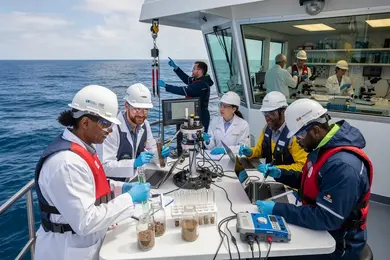
Many accredited online Marine Science master’s programs require 1 to 3 short on-campus residencies or field labs, plus fieldwork in coastal, estuarine, or lab settings. Programs often ask for 3 to 6 credits of applied research or a thesis, completed under faculty supervision.
Public universities often offer the most cost-effective tuition for online marine science degrees, especially to in-state residents, providing a favorable cost-to-value ratio given their widespread recognition and research output. Private nonprofit schools may have higher tuition but frequently offer more specialized concentrations and better networking opportunities, which can translate into career advantages for specific disciplines like ocean policy or conservation biology. For-profit programs generally come with higher debt risks and less established employer connections, so they should be approached cautiously. Students aiming for swift employment and solid return on investment should prioritize reputable public or private nonprofits with strong marine science research profiles over for-profit options.
Students must have a reliable internet connection and a computer capable of running advanced software used in marine science courses, such as ArcGIS and MATLAB. Some programs may also require specific browsers or additional plugins for virtual lab participation.
References
- Academic Institutions and Graduate Programs - Marine Mammal Commission https://www.mmc.gov/resources/career-resources/academic-institutions/
- Admissions https://www.uvi.edu/academics/science-math/departments/bio-sciences/marine-envir-science/masters-marine-envir/entry-requirements.html
- Top 5 Master Programs in Marine Sciences • Blue-Jobs • The online platform to find a job in marine sciences https://blue-jobs.com/2024/06/12/top-5-master-programs-in-marine-sciences/
- Accreditation https://www.usmcu.edu/About/Accreditation/
- How Long Does It Take to Get a Master's Degree? https://www.snhu.edu/about-us/newsroom/education/how-long-does-it-take-to-get-a-masters-degree
- Marine Studies https://www.uaf.edu/academics/programs/masters/marine-studies.php
- How Much Do Environmental Graduate Programs Cost? https://www.cjbnetwork.com/articles/how-much-do-environmental-graduate-programs-cost
- Find Accredited Programs https://accreditation.org/find-accredited-programs/university-search
- Accreditation https://www.imarest.org/education-and-training/accreditation.html
- Costs https://www.imbrsea.eu/costs