2027 Can You Study Marine Science Master's Programs Part-Time? Options & Duration

Co-Founder and Chief Data Scientist
Enrollment trends in graduate marine science programs reveal increasing demand for flexible pacing, but part-time options vary widely in structure and outcomes. Institutions differ on course sequencing, practicum timing, and research expectations, impacting completion timelines and cohort engagement.
Many students must weigh employer expectations and licensure requirements alongside academic workload and family responsibilities, complicating the decision beyond mere schedule convenience. Financial constraints and internship logistics add further complexity to part-time commitments.
This article analyzes these factors, highlighting how program design influences duration, access to support services, and career readiness, providing a critical framework to compare part-time marine science master's programs effectively.
Key Benefits of Studying Marine Science Master's Programs Part-Time
- Part-time marine science master's programs often extend completion times beyond full-time norms, impacting the pace at which professionals can leverage new expertise in rapidly evolving environmental roles.
- Employers increasingly recognize relevant, field-specific part-time graduate studies when paired with demonstrable professional experience, highlighting the necessity of concurrent work to validate applied skills.
- A 2024 survey indicates 38% of part-time marine science students cite program scheduling as a barrier, underscoring the need for institutions to align course offerings with workforce and seasonal research demands.
Can You Study a Marine Science Master's Program Part-Time?
Part-time marine science graduate programs' flexibility and duration vary significantly depending on how a given program structures its curriculum and course sequencing. Those programs that incorporate substantial lab work, field research, or internships often require on-site attendance at specific times, limiting the feasibility of stretching enrollment over multiple years.
For students balancing substantial work, family responsibilities, or other commitments, part-time enrollment may only be viable if the institution offers evening, weekend, or online components tailored to working professionals.
This variability in practical requirements means part-time study is far more realistic in programs emphasizing coursework over immersive, project-based experiences or clinical involvement.
Extending a master's degree over several years poses tradeoffs beyond mere convenience, affecting the timing of skill acquisition, professional networking, and career trajectory.
Research from the National Center for Education Statistics shows a notable share of science and engineering graduate students enroll part-time, but marine science's applied demands can undercut flexible study's advantages.
Stretching degree completion delays entry into specialized roles and can hamper competitiveness in sectors prioritizing current, intensive training or field expertise.
Unlike the automatic benefit of flexible scheduling, prolonged study risks misalignment with evolving industry standards, changing employer expectations, or shifts in required technical skill sets, which in combination may diminish return on investment for some candidates.
Part-time pathways in marine science tend to favor working professionals who need to maintain employment while pursuing credentials, career changers gradually building domain expertise, or students facing significant personal constraints who require a gradual learning pace.
For these individuals, careful evaluation of program delivery modes and research requirements is critical to avoid unintended consequences such as funding limitations or loss of peer collaboration.
Prospective students are well advised to compare their priorities against the demands of their targeted marine science specialization and to consider related fields where flexible options may also exist, including interdisciplinary programs that may offer more accommodating formats like certain MSN to DNP programs online.
How Long Does It Take to Complete a Part-Time Marine Science Master's Degree?
Completion times for part-time marine science master's degrees typically range from three to six years, with significant variation tied to how intensively students enroll and how programs structure their offerings.
Unlike the more predictable two-year full-time path, part-time pacing adapts to individual availability, meaning the duration is heavily influenced by course sequencing, credit load, and program flexibility.
Programs that provide asynchronous options or modular courses tend to help students maintain consistent momentum, while rigid calendars or limited term course choices often prolong the timeline beyond initial estimates.
Structural factors such as the availability of required classes, prerequisite chains, and internship or research obligations can create bottlenecks, especially when compounded by outside responsibilities like full-time employment.
The requirement to complete field research or thesis work introduces additional time demands that may not align with standard academic calendars, challenging students to synchronize their schedules with faculty and facilities.
Many programs expect students to balance these academic milestones with professional and personal commitments, which often stretches completion periods beyond the minimum credit-based duration.
A 2024 report from the National Graduate Education Consortium found that approximately 65% of part-time STEM master's students, including those in marine science, graduate within four to five years, underscoring a typical extended but steady progression.
Extended timelines can pose challenges in maintaining skill currency and career momentum, requiring students to weigh flexibility against potential delays in transitioning to new roles or salary adjustments. Financial planning becomes more complex as students manage tuition over longer periods, making the choice of program pacing an important strategic consideration.
One part-time marine science master's student wrestled with the rolling admissions timeline, applying early but hesitating as few courses were confirmed for the coming year, creating uncertainty about when to fully commit.
The student balanced ongoing work duties with the need to start research activities promptly and ultimately decided to delay enrollment by a semester to secure a clearer course sequence and better advisor availability.
This cautious approach reflected a strategic tradeoff—accepting a slower start to avoid later bottlenecks, illustrating how admissions timing can intersect with program pacing to shape overall completion.
How Are Part-Time Marine Science Master's Courses Structured?
Part-time marine science master's programs are carefully designed to reconcile the tension between flexibility and academic rigor, with structural variations across institutions significantly influencing student outcomes.
Understanding these core components sheds light on how such programs accommodate working professionals without compromising essential learning depth or professional relevance.
- Extended Program Duration: Part-time study often spans three to four years compared to two years full-time, allowing students to spread out credits and reduce weekly workload. While this eases immediate pressure, the prolonged timeline can challenge motivation and continuity in mastering complex scientific material, requiring sustained commitment.
- Reduced Course Load Per Semester: Enrolling in one to two courses per term lowers the intensity of weekly academic demands, enabling better balance with employment or caregiving responsibilities. However, a lighter semester pace may limit immersion and slow progress through cumulative content, potentially affecting knowledge retention.
- Hybrid Learning Formats: A combination of asynchronous online modules and scheduled synchronous sessions provides necessary flexibility alongside opportunities for real-time interaction. This setup supports diverse learning styles but demands strong self-discipline to engage with material independently and not miss collaborative exchanges critical for marine science networking.
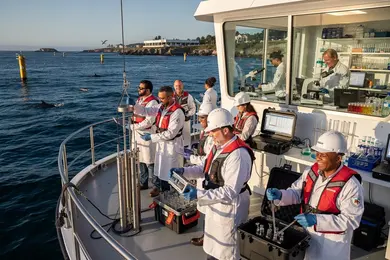
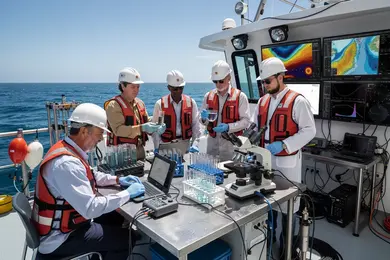
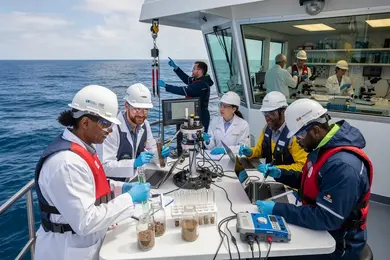
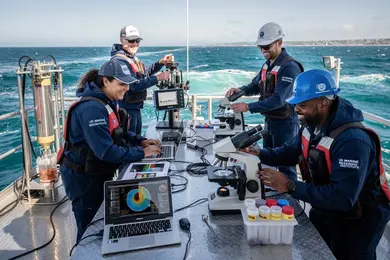
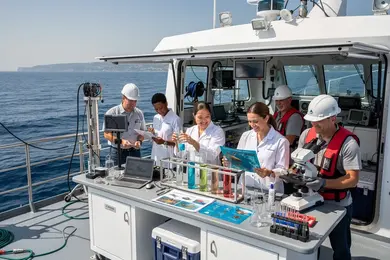
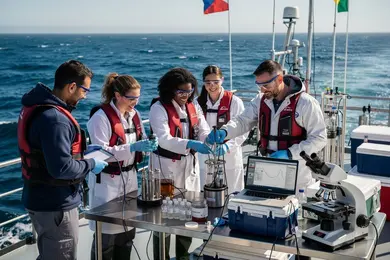
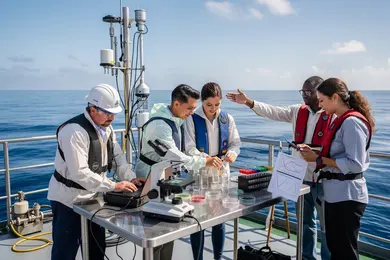
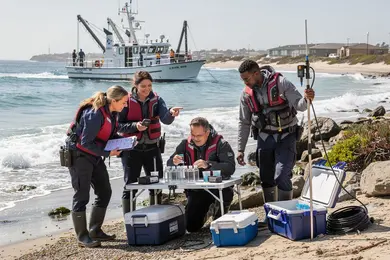
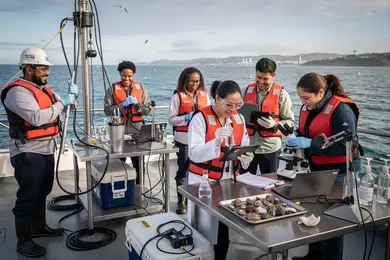
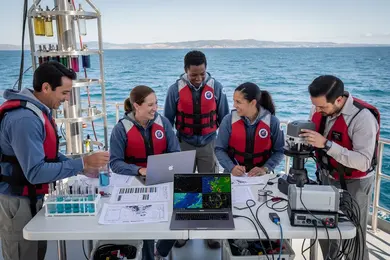
- Concentrated Hands-On Components: Fieldwork, laboratory tasks, or residencies often occur during weekends or intensive summer blocks to accommodate remote learners. Such structuring is essential to maintain experiential learning but can create episodic spikes in workload, requiring careful planning to integrate with ongoing professional or family obligations.
- Heightened Emphasis on Time Management: The self-directed nature of part-time study necessitates advanced organizational skills to juggle assignments, research projects, and possible theses alongside external commitments. Successful students develop disciplined routines to sustain progress amid less frequent faculty contact and limited peer cohort dynamics.
According to recent data from the National Center for Education Statistics, nearly 45% of graduate STEM students, including those in marine science, select part-time enrollment options, underscoring the growing demand for adaptable graduate education models that directly address workforce participation realities.
Can Students Work Full-Time While Earning a Part-Time Marine Science Master's Degree?
Working full-time while enrolled in a part-time marine science master's program can be feasible under specific conditions, particularly when programs offer asynchronous courses and predictable, well-structured schedules that accommodate external commitments.
Students with prior experience in related fields may find the learning curve less steep, allowing them to leverage existing skills and knowledge to manage coursework efficiently. Additionally, programs that incorporate online or hybrid formats can reduce commuting time and provide flexibility, which is crucial for students balancing work and study.
These factors contribute to a realistic possibility for some to succeed, although this balance demands disciplined time management and employer flexibility, as highlighted by a 2024 Council of Graduate Schools survey showing only about 25% of full-time working part-time science students felt they could maintain quality in both areas without stress.
The reality for many pursuing part-time marine science graduate degrees while working full-time involves significant tradeoffs, including cognitive overload and diminished opportunities to engage in networking and research activities critical to academic and professional growth.
Slower academic progression is common, with part-time completion often extending from three to six years compared to two years full time, potentially delaying the return on educational investment. Conflicts between workplace demands and academic deadlines can also increase burnout risk, undermining both performance and well-being.
Prospective students should carefully evaluate these challenges alongside their personal and professional circumstances and explore options such as universities with no application fee that might offer more flexible enrollment terms conducive to balancing these commitments.
Which Universities Offer the Best Part-Time Marine Science Master's Programs?
Choosing a part-time marine science master's program involves strategic evaluation beyond institutional reputation, as its structure strongly influences career trajectory, salary potential, and role flexibility. What defines the "best" program hinges on individual factors such as professional stage, time availability, and desired specialization within marine fields.
- Curriculum Design and Integration: Programs that blend rigorous theoretical foundations with applied learning-such as remote lab simulations and project-based assignments-equip students to meet evolving industry standards. A curriculum incorporating both asynchronous and minimal but effective in-person components enhances deep knowledge retention and practical competence, essential for employer readiness.
- Faculty Engagement and Industry Connections: Access to instructors actively involved in marine science research or affiliated with environmental agencies provides mentorship and networking advantages. This direct linkage to current scientific and regulatory developments translates to skillsets aligned with workforce demands and often opens doors to internships or research collaborations critical for career advancement.
- Flexibility in Pacing and Delivery: Programs offering clearly articulated part-time options with predictable schedules better support working professionals balancing multiple commitments. Flexibility combined with structured progress milestones helps maintain momentum without sacrificing academic rigor, reducing dropout risk and ensuring timely degree completion.
- Accreditation and Program Credibility: Regional accreditation and recognition by authoritative bodies validate program quality and credential acceptance among employers. Given evidence from the National Center for Education Statistics showing a 15% higher employment rate for graduates in programs with substantial online components, credible accreditation is a necessary filter in evaluating offerings.
- Applied Learning Opportunities and Career Support: Integration of internships, capstone projects, or fieldwork alternatives within the part-time format significantly enhances practical skills and employability. Programs that facilitate employer connections or professional mentorship yield stronger alumni outcomes and long-term career mobility.
A recent graduate recounted applying during a rolling admissions cycle, initially hesitant due to the uncertain timing of decisions while juggling a full-time job. Their preparation focused on securing relevant recommendations early and aligning coursework with professional goals.
The delay in admission outcome caused some anxiety, but ultimately the program's flexible start dates and clear orientation scheduling eased the transition, underscoring the importance of logistical transparency for part-time candidates managing complex schedules.
How Much Does a Part-Time Marine Science Master's Degree Cost?
Part-time marine science master's degree tuition costs typically range between $15,000 and $45,000, reflecting broad variability depending on institution type and residency status.
Public universities usually deliver more affordable options, with in-state students paying roughly $400 to $700 per credit hour, whereas out-of-state rates can approach double that amount. Private schools often command fees exceeding $1,000 per credit, driving total costs toward the higher end.
These figures align with recent data from the National Center for Education Statistics and university financial disclosures, demonstrating that the average cost of part-time marine science graduate programs is influenced heavily by these variables rather than a fixed sticker price.
Variations in pricing stem from multiple structural factors, including credit-hour billing, delivery format, and program prestige. Many part-time programs operate on a per-credit basis, which means extended study periods naturally increase total expenses through enrollment fees and potential administrative charges.
Residency status creates sharp distinctions between in-state and out-of-state tuition, while online or hybrid delivery models, sought after for flexibility, may add technology and lab fees not always apparent in initial tuition quotes. Institutional policies also impact costs, as programs with a research or selectivity focus tend to set higher prices reflecting their resources and outcomes.
Career-oriented students must thus assess these elements carefully, balancing the logistical demands of part-time pacing with the financial implications.
Since part-time students enroll across more semesters, the cumulative cost often exceeds simple per-credit calculations due to longer duration and potential course retakes. However, spreading expenses over time can ease immediate financial burden and maintain employment income, which is a critical tradeoff for working professionals.
Employer tuition reimbursement and assistance programs in specialized marine science fields can partially offset these costs, making the economic equation more favorable.
Prospective students may also explore universities with dual degree programs as an alternative strategy to optimize educational investment and career positioning.
Do Programs Help Arrange Flexible Clinical Placements for Part-Time Students?
Part-time master's programs in marine science often rely on formal partnerships with local agencies, aquariums, research facilities, and environmental organizations to facilitate clinical placements that accommodate varying schedules.
Programs commonly use distributed networks of placement sites coupled with dedicated coordinators who work to identify opportunities offering flexible hours or weekend shifts.
Such coordination aims to reduce conflicts with work or family responsibilities, though the degree of flexibility depends largely on the institution's resources and how the practicum component is structured within the program's curriculum.
Despite these adaptations, practical constraints limit how flexible placements can be for part-time students. Site availability is often limited, and many programs impose minimum hour requirements or mandate sequential completion of field experiences, which narrows scheduling options.
Geographic restrictions and the need to secure employer cooperation for modified hours or remote participation further complicate arrangements. Additionally, accreditation standards and employer expectations frequently require students to accumulate hands-on experience within particular timeframes, making fully flexible or extended scheduling impractical in many cases.
A 2024 survey from the National Marine Education Association noted that about two-thirds of graduate programs provide some form of placement flexibility, but these modifications rarely eliminate structural rigidity altogether.
Students seeking more control over their placement experience can improve outcomes by initiating site discussions early, pursuing placements connected to their current employers, or selecting programs known for established clinical pipelines with flexible options.
Understanding the limitations imposed by accreditation and employer demands is crucial for evaluating whether a part-time marine science master's can realistically accommodate individual scheduling needs without compromising the quality and relevance of field experience critical to career readiness.
What Challenges Do Students Face in Part-Time Marine Science Master's Programs?
Part-time study in marine science master's programs offers flexibility but introduces distinct academic and logistical pressures that differ from full-time enrollment. These challenges are framed by program design, the intensity of coursework, and students' simultaneous professional and personal commitments, which complicate the educational experience and career preparation.
- Balancing Multiple Responsibilities: Managing coursework alongside employment and family obligations creates persistent time constraints. Approximately 63% of part-time graduate students report significant stress juggling these roles, which can lead to cognitive overload and reduced focus, slowing progression and compromising mastery of complex marine science concepts.
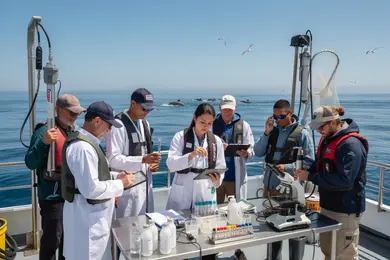
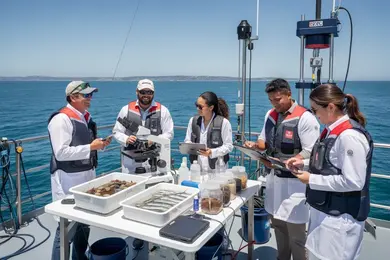
- Limited Access to Experiential Learning: Part-time students often struggle to participate fully in fieldwork and lab sessions, which are frequently scheduled during standard working hours or compressed into short, intensive periods. This limits hands-on skill development critical in marine science, weakening practical competence compared to full-time peers.
- Reduced Networking and Mentorship Opportunities: The asynchronous and modular nature of many part-time programs restricts faculty interaction and peer collaboration. Since marine science careers heavily depend on professional networks, internships, and research partnerships, diminished connectivity can hinder employment prospects.
- Extended Time to Degree Completion: Part-time trajectories typically range from four to six years, doubling the time taken by full-time students. This delay can postpone entrance into advanced roles and affect lifetime earnings, as employers prioritize timely degree completion and demonstrable research experience in hiring decisions.
Which Careers Benefit Most From Part-Time Graduate Education?
Part-time graduate education serves as a strategic accelerator for professionals in fields where credentials, experience, and ongoing skill development strongly influence career trajectory. Its practical value is greatest in roles demanding applied expertise alongside formal qualifications, allowing working individuals to upskill without pausing their employment or compromising momentum.
The interplay between real-time application of coursework and professional advancement makes part-time masters in marine science particularly impactful in several career paths.
- Environmental Scientists and Specialists: These professionals typically see a measurable advantage from part-time marine science master's programs, as they enable continuous application of advanced concepts to field projects. The U.S. Bureau of Labor Statistics projects 6% growth in this area and notes that higher credentials open doors to supervisory roles and specialized positions. Part-time study supports this by letting candidates upskill while retaining full employment, a critical factor for incremental salary growth and promotion eligibility.
- Marine Conservationists and Policy Advisors: Careers blending scientific research with policy analysis benefit from part-time formats that accommodate fieldwork and stakeholder engagement cycles. A 2024 NOAA report specifies that nearly half of marine policy roles prefer candidates actively gaining advanced degrees, highlighting how ongoing education paired with employment sustains professional networking and influence.
- Academics and Educators in Biology and Environmental Sciences: Part-time masters hold distinctive value here by maintaining income streams and teaching experience while meeting graduate-level credential requirements for many community college and extension program positions. Data from the National Center for Education Statistics underscores higher employment rates post-graduation for those who balance study with work, reflecting employer preference for practical teaching experience combined with academic qualifications.
- Environmental Impact Consultants and Fisheries Managers: The need to integrate current project expertise with academic advancement makes part-time study an efficient path to career progression. Many in these roles report accelerated advancement and wage increases compared to peers who opt for full-time study interruptions, demonstrating the strategic value of simultaneous work and learning.
For working professionals evaluating options, including those seeking cheapest psych NP programs online as an example of balancing cost and flexibility in graduate education, it's essential to weigh how part-time marine science master's degree careers align with current job responsibilities and promotion criteria.
What Factors Matter Most When Comparing Program Flexibility?
Program flexibility in marine science master's degrees encompasses multiple structural and academic dimensions that significantly affect a student's capacity to manage workload, progress efficiently, and maintain career commitments.
Perceived flexibility often varies widely depending on how programs balance scheduling, delivery formats, and applied requirements, making granular assessment crucial for those seeking part-time marine science master's program options.
- Delivery Format and Scheduling: Fully asynchronous courses enhance accessibility by allowing students to study outside conventional hours, critical for working professionals. Hybrid or synchronous formats may require fixed attendance times, limiting adaptability and potentially conflicting with job or family responsibilities.
- Credit Load and Pacing Options: The ability to adjust course loads or extend timelines supports sustained engagement without burnout. Programs restricting enrollment to full-time or rigid semester loads increase the risk of prolonged time-to-completion for those balancing external commitments.
- Internship and Practicum Flexibility: Applied learning obligations, particularly fieldwork or lab work, often demand on-site presence and can constrain remote learners. Access to local or virtual alternatives can greatly influence overall program feasibility.
- Elective Variety and Specializations: A wide range of electives or tracks enables tailored academic focus aligning with career goals, which can enhance employability but may come with varied scheduling demands affecting flexibility.
- Administrative and Academic Support: Responsive advising and resource access optimize navigation of program requirements and mitigate delays, influencing both persistence and postgraduate outcomes.
A 2024 study by the National Center for Education Statistics found that 68% of graduate students prioritize program adaptability, underscoring that flexibility is a decisive factor in program completion and career continuity in marine science fields.
Additionally, many employers seek graduates who can demonstrate both technical expertise and practical experience without sacrificing consistent professional engagement.
These considerations emphasize that flexibility is not a single feature but a calibrated set of conditions that directly affect learning outcomes and workforce integration.
For those exploring options, including those evaluating easy to get counseling degree pathways, understanding such tradeoffs assists in framing realistic expectations for balancing graduate study with personal and professional demands.
What Graduates Say About Studying Marine Science Master's Programs Part-Time
- Louie: "Completing my part-time marine science master's program was a balancing act alongside my full-time job, but it paid off in unexpected ways. I quickly realized that employers in this field often value hands-on experience and a strong portfolio more than just credentials, so I focused on internships and independent research projects throughout the program. That practical approach helped me secure a remote research analyst role, though I've noticed that without specific licenses, moving into advanced field positions can be slow."
- Zamir: "What stood out to me was how flexible the part-time marine science program was, which allowed me to pivot my career toward environmental consulting much faster than a traditional route. However, once I entered the job market, I found that many employers required certifications or experience beyond my degree for higher-level roles. This pushed me to pursue additional credentials while working, which is something I hadn't initially anticipated when choosing this program."
- Matthew: "After earning my graduate degree in marine science part-time, I faced a competitive hiring environment where advanced positions often demanded official licensure. I opted to accept a coordinator position focused on data management, which offered decent pay but limited upward mobility without more qualifications. Reflecting back, the program gave me a solid foundation, but I recommend prospective students weigh whether they can commit to the extra certifications or fieldwork needed for their desired career path in this sector."
Other Things You Should Know About Marine Science Degrees
Part-time marine science students often face interruptions in hands-on research projects due to the extended program duration. Since marine science relies heavily on continuous lab work and seasonal field studies, spreading these activities over multiple years can disrupt experimental continuity and reduce immersion in crucial observational periods. Prospective students should evaluate whether the program offers integrated, flexible research timelines that align with part-time pacing to maintain scientific rigor and practical skill development.
Employer perception varies by sector, but part-time degrees can sometimes be viewed as less intensive due to prolonged study periods. However, in marine science, demonstrated practical experience and research competency often weigh heavier than enrollment status. For career advancement, prioritizing programs that include substantial project work or internships even on a part-time basis can help mitigate any negative assumptions about program rigor.
Part-time marine science master’s students in 2027 often struggle with time management and maintaining work-study-life balance. They may encounter difficulties in aligning practical experiences like lab work or internships with their schedules compared to full-time students who can more easily integrate these essential components into their studies.
Networking opportunities may be more limited for part-time students due to reduced campus presence and fewer synchronous engagements. Active effort is required to engage with faculty, peers, and industry events-including leveraging virtual platforms-to compensate for these gaps. Prioritizing programs with strong professional development support and alumni connections can significantly influence career trajectory and access to marine science job markets.
References
- Marine Science, Master's Programme https://www.gu.se/en/study-gothenburg/marine-science-masters-programme-n2mav
- 10 careers you can have with a Marine Science degree - SAMS UHI Student Blog https://blog.sams.ac.uk/10-careers-you-can-have-with-a-marine-science-degree/
- Master Research Internships 2025 - SEA-EU https://sea-eu.org/master-research-internships-2025/
- 10 Jobs You Can Get With a Marine Biology Degree https://www.seamester.com/blog/10-jobs-you-can-get-with-a-marine-biology-degree/
- The challenges of the part-time student http://fionasaunders.co.uk/the-challenges-of-the-part-time-student/
- Tuition fees and costs - Master Freshwater & Marine Biology (Biological Sciences) https://www.uva.nl/shared-content/programmas/en/masters/biological-sciences-freshwater--marine-biology/tuition-fee-and-costs/tuition-fees-and-costs.html
- Marine Masters Summer Course | NIOZ - Royal Netherlands Institute for Sea Research https://www.nioz.nl/en/about-nioz/education/marine-masters-summer-course
- Professional M.A. in Marine Science https://www.vims.edu/academics/graduate/admissions/degree_options/m.a._degree/
- Challenges and Opportunities for Marine Science Education Delivery in Matemwe, Zanzibar’s Primary Schools: Fostering Ocean Stewardship and Professional Development | Glocality https://glocality.eu/articles/10.5334/glo.116
- MSc International Marine Science https://www.hw.ac.uk/online/study/postgraduate/international-marine-science