2027 Entry-Level Jobs With a Marine Science Master's Degree

Co-Founder and Chief Data Scientist
Entry into the marine science workforce increasingly depends on navigating employer preferences for specialized technical skills alongside broad interdisciplinary knowledge. Many organizations emphasize experience with data analysis, remote sensing, or fieldwork techniques in their hiring processes, requiring graduates to match evolving operational demands rather than rely solely on academic credentials.
The 2024 National Oceanic and Atmospheric Administration (NOAA) workforce assessment highlights tighter competition for roles combining lab expertise and environmental policy understanding, reflecting shifting funding priorities. This article examines common entry-level job roles available to marine science master's degree holders and the professional contexts shaping their initial career trajectories.
Key Benefits of Entry-Level Jobs With a Marine Science Master's Degree
- Marine science master's entry-level roles often require specialized fieldwork skills, limiting candidates without extensive practical experience; this tradeoff impacts early career trajectory and necessitates targeted internships.
- Employers increasingly seek graduates with interdisciplinary knowledge due to rising ecosystem complexity, pushing entry-level hires to demonstrate both marine biology and data analysis competencies to remain competitive.
- With program completion average times expanding beyond two years, prospective students must weigh timing and financial access against workforce demands, as delayed entry can affect initial employment opportunities and skill relevance.
What Entry-Level Jobs Can You Get With a Marine Science Master's Degree?
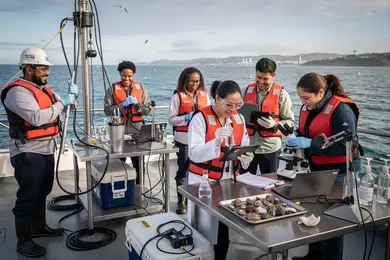
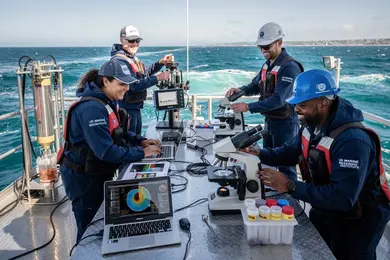
"Entry-level" for graduates holding a master's degree in marine science often involves roles demanding specialized knowledge and analytical rigor, not merely introductory tasks. Many such positions require actively applying graduate-level concepts to real-world issues, such as ecosystem assessment or resource management, positioning new professionals with meaningful responsibility early on.
Entry-level opportunities vary widely based on industry demands, prior hands-on experience, and the specific focus of the master's program, reflecting a nuanced landscape where foundational jobs serve as gateways to deeper specialization or leadership.
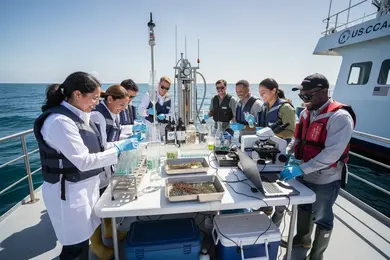
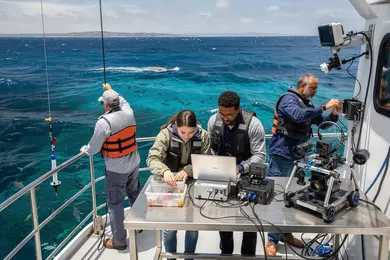
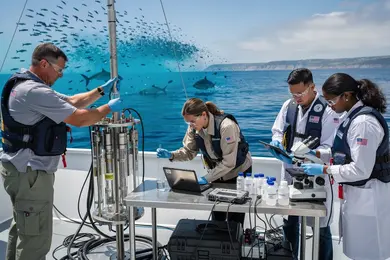
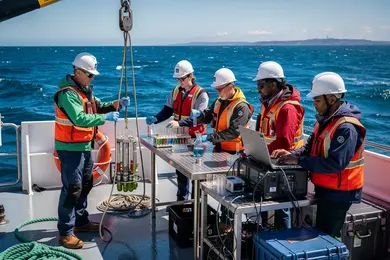
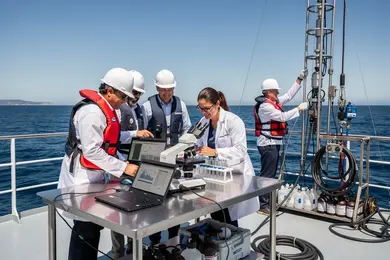
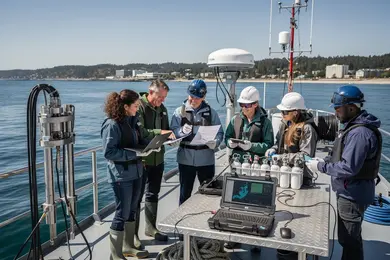
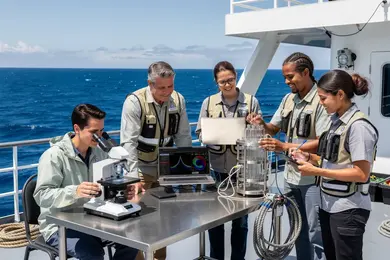
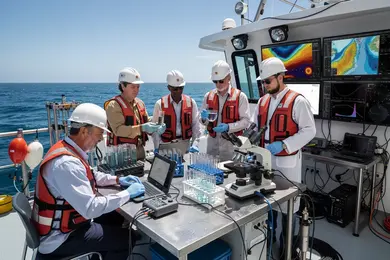
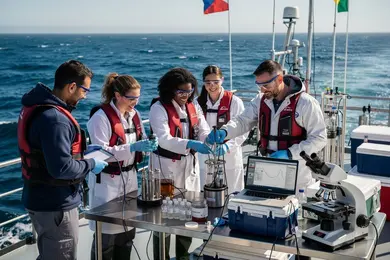
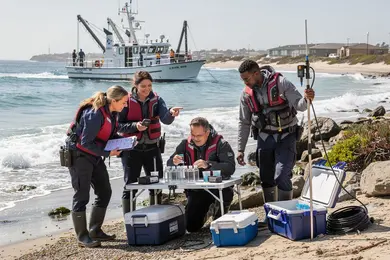
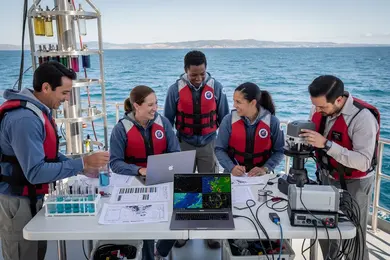
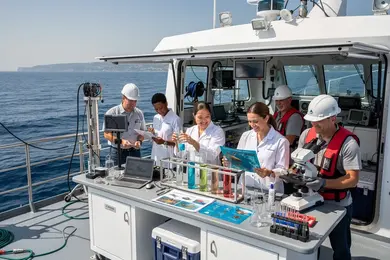
- Marine Research Technician: This role centers on collecting and analyzing oceanographic or ecological data, employing field sampling, laboratory techniques, and remote sensing tools. Though entry-level, it demands proficiency in scientific methods and data interpretation, providing a critical operational base for careers in research or environmental consulting.
- Environmental Scientist: Often engaged in monitoring marine environments and assessing pollution impacts, these specialists apply marine science expertise within regulatory frameworks. Data from the U.S. Bureau of Labor Statistics indicate consistent demand for environmental scientists, underscoring this role as a practical entry point into policy-oriented or conservation-focused careers.
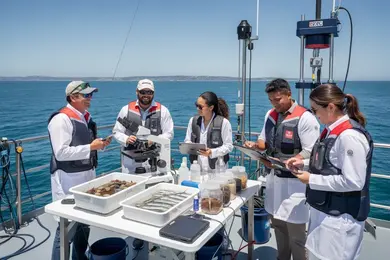
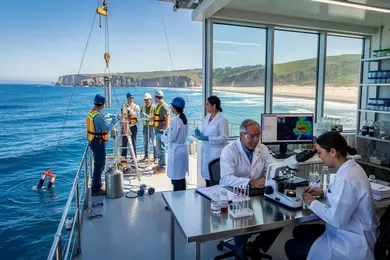
- Fisheries Biologist: Charged with studying fish populations and habitat conditions, this position involves field studies and modeling that inform sustainable harvesting policies. Serving as an early-career platform, it combines biological science with resource management challenges, creating pathways into governmental agencies or aquaculture sectors.
- Marine Conservation Coordinator: Typically found in nonprofit and governmental organizations, coordinators support conservation projects and public education initiatives. While often entry-level in title, the role requires communication skills alongside scientific understanding, facilitating advancement into advocacy or program management roles.
- Environmental Impact Analyst: Positioned within maritime consulting or aquaculture firms, analysts evaluate ecological consequences of development projects using interdisciplinary approaches that integrate marine science with economics and policy. Early work here establishes expertise in regulatory compliance and environmental planning, vital for specialized consultancy careers.
For those focused on highest paying entry-level marine science jobs for graduates, it is important to recognize how technical skills and applied knowledge influence compensation trends. Professional growth in these roles often hinges on acquiring quantitative skills like GIS mapping or remote sensing, which accentuate employability and salary potential.
Additionally, graduate education combined with targeted experience shapes trajectories from hands-on positions toward leadership or specialized scientific roles over time. Job seekers may also explore complementary fields or credentials, such as online DNP FNP programs, to diversify their career options related to environmental or health sciences.
What Sectors Have the Strongest Demand for Graduate-Level Talent?
Employer demand for marine science master's graduates is shaped by complex labor market and industry dynamics rather than degree popularity alone. Sectors with sustained hiring needs typically require specialized scientific knowledge, data analysis skills, regulatory insight, and leadership potential that align with graduate-level expertise.
These drivers stem from evolving environmental policies, technological advances, and economic shifts that structurally embed marine science professionals across various industries.
- Government Agencies: Regulatory bodies focused on fisheries, coastal management, and marine conservation maintain steady demand for marine science expertise to navigate increasingly stringent environmental policies and ecosystem monitoring requirements. These roles emphasize translating scientific data into actionable policies, often supporting public stewardship and compliance enforcement. Hiring trends reflect continuing investments in sustainable resource governance and climate adaptation programs.
- Environmental Consulting Firms: The push for rigorous environmental impact assessments and regulatory compliance fuels the need for marine scientists with strong technical skills in GIS, data modeling, and statutory frameworks. Consulting careers offer diverse project exposure and specialization opportunities, though they may require mobility and adaptability in response to fluctuating client demands and policy changes.
- Maritime Industry: Marine science graduates are increasingly sought after to tackle operational challenges in offshore energy, shipping, and marine technology sectors that prioritize environmental risk mitigation and habitat restoration. This industry balances commercial deadlines with regulatory compliance, driving demand for applied research capabilities and interdisciplinary problem-solving tailored to corporate innovation and sustainability goals.
Academia and nonprofit research remain important but present fewer openings and often lower starting compensation, intensifying competition. Graduates selecting sectors strategically must weigh long-term practical growth against their interests in conservation, applied science, or technological development while anticipating evolving workforce patterns.
A recent graduate recalled the uncertainty faced during her application cycle: she strategically delayed submitting to a few programs offering rolling admissions, weighing the prospect of better fit against the risk of later acceptance notifications. The stress of waiting was balanced by early outreach to potential advisors, which she found essential for gauging real-time demand and program alignment.
This nuanced decision-making experience underscored the unpredictable timing and competitiveness inherent to marine science career entry points, reinforcing that calibration between market signals and personal readiness is crucial in this field.
Which Entry-Level Marine Science Careers Have the Highest Starting Salaries?
Starting salaries for entry-level marine science master's graduates are shaped by more than academic credentials alone. Compensation levels often reflect the technical expertise required, the scarcity of specialized skills, the complexity of regulatory environments, and the economic impact tied to specific roles.
Positions demanding strong analytical capabilities, project management within technically challenging contexts, or integration of multidisciplinary knowledge tend to offer the most competitive entry pay. Understanding why some roles command higher salaries can help graduates align their career choices with market realities and longer-term growth potential.
- Marine Environmental Consultant ($65,000-$80,000): This role typically leads in starting compensation due to its combination of scientific expertise and applied problem-solving within regulatory frameworks. Consultants must navigate complex environmental policies and support development projects, requiring proficiency in data modeling, GIS tools, and stakeholder communication. The direct influence on costly construction or conservation efforts elevates their market value and creates pathways to managerial or specialized advisory positions.
- Ocean Engineer ($65,000-$78,000): Starting salaries in ocean engineering reflect the demand for technical skills in designing, testing, and maintaining marine structures or technology. This role integrates engineering principles with marine science knowledge, often in sectors such as offshore energy, navigation systems, or ocean observation technologies. High startup pay correlates with the specialized STEM skills and critical safety responsibilities inherent in the position.
- Federal or State Marine Research Scientist ($55,000-$70,000): Government research roles provide solid entry pay by offering stable funding and structured career paths, though salaries may trail private-sector consulting or engineering. These positions emphasize field data collection, analysis, and contributing to scientific publications, requiring rigor in methodology and a solid grounding in marine ecosystems. The institutional setting fosters professional development, making it a strong foundation for advancement into federal lab leadership or policy-oriented science roles.
- Marine Spatial Analyst ($58,000-$72,000): Specialists in spatial analysis work extensively with geospatial datasets to support marine planning, resource management, and environmental assessments. Their analytical skillset is critical given the increasing reliance on geospatial intelligence in managing ocean resources. Starting salaries reflect the technical expertise in GIS and remote sensing as well as the strategic value of interpreting data for policymaking and conservation efforts.
- Marine Conservation Policy Advisor ($50,000-$65,000): Though generally on the lower end of salary ranges, policy advisor roles demand strong knowledge of regulatory landscapes and the ability to translate science into actionable policy. Compensation levels mirror the roles' importance in shaping sustainable practices and interfacing with government and NGOs. Early-career pay may grow substantially as advisors gain influence in grant management, stakeholder negotiations, and specialized consultancy work.
Which Industries Pay the Most for Entry-Level Marine Science Master's Graduates?
Entry-level compensation for marine science master's graduates is less a factor of individual credentials alone and more reflective of the industries' economic structures and operational priorities. Sectors offering the highest starting salaries typically combine high profit margins, stringent regulatory environments, or advanced technological demands where specialized expertise directly supports organizational goals and mitigates financial or compliance risks.
Understanding these underlying compensation drivers reveals which sectors most strategically value early-career marine science skills and sheds light on workforce demand patterns critical for job seekers weighing long-term professional pathways.
- Oil and Gas Industry: This sector often tops salary ranges for entry-level marine science graduates due to its high-revenue profile and intense environmental regulatory scrutiny. Marine scientists here are vital in executing environmental monitoring, risk assessments, and resource management-critical for maintaining compliance with EPA and other regulations. According to recent 2024 compensation datasets, energy companies allocate competitive pay to offset labor shortages in environmental expertise and reduce costly regulatory violations.
- Environmental Consulting Firms: These firms leverage marine science graduates' skills in ecological impact assessments and sustainability planning for coastal development projects, sectors exposed to growing regulatory oversight and public accountability. Market analysis highlights that consulting roles demand a combination of scientific acumen and communication skills, justifying robust starting salaries that often range well above entry-level norms to attract talent amid increasing competition.
- Maritime Technology and Ocean Engineering: Technological innovation in marine robotics, habitat restoration technologies, and data analytics drive premium pay in this sector. Graduates contribute to research and operational applications that require interdisciplinary expertise, blending marine science with engineering know-how. The scarcity of candidates with this hybrid skill set reflects in higher initial compensation relative to purely scientific roles.
- Government Agencies (NOAA, EPA): Although typically offering more stable employment and benefits, federal and state agencies may present lower starting salaries compared to private sectors. Budget limitations temper initial pay, but these roles provide critical experience in natural resource regulation and oceanic research. Government positions often attract candidates prioritizing long-term career programs with incremental growth opportunities.
Entry-level salary ranges reflect these sector differences, with oil and gas roles starting between approximately $55,000 and $70,000 annually, environmental consultants earning $50,000 to $65,000, followed by maritime technology ($52,000 to $68,000), and government jobs around $48,000 to $60,000. Prospective applicants should also weigh how industry-specific factors influence hiring demand, skill requirements, and future compensation trajectories beyond initial paychecks.
For students lacking standard admission pathways, exploring conditional programs or alternative routes can bridge skill gaps, but balancing academic preparation with practical employability is essential. The evolving labor market data underscores the importance of aligning educational choices with sectors valuing marine science expertise, particularly where regulation, innovation, and environmental responsibility intersect.
Those weighing options might find insights by researching specialized credentials through avenues like fast-track LPN programs online, which can illustrate how accelerated pathways address workforce needs in parallel fields.
Which Skills Are Most Valuable in Entry-Level Positions?
In today's hiring landscape, candidates for entry-level roles in marine science are assessed more on their practical skills than solely on their academic credentials. Employers seek graduates who can directly apply technical and analytical expertise to tackle pressing environmental problems and contribute to research or field projects from day one.
This shift reflects the need for professionals who bridge theory and practice effectively, improving project efficiency and outcome reliability.
- Data Analysis and GIS Proficiency: The ability to manage and interpret complex datasets, often through geographic information systems (GIS) and statistical tools, is critical. This skill enables early-career scientists to deliver accurate environmental assessments and support project decision-making, which significantly influences hiring choices and can accelerate raises or contract renewals.
- Communication Skills: Clear, concise reporting and teamwork are vital as marine science roles typically involve collaborating with diverse stakeholders including regulatory bodies and multidisciplinary teams. Employers prioritize candidates who can articulate findings well, viewing such skills as potential indicators of leadership and reliability in project management.
- Adaptability and Problem-Solving: The marine environment and research directives often change unexpectedly, requiring entry-level professionals to adjust methods and priorities quickly. Flexibility in responding to unforeseen challenges correlates strongly with continued employment and funding success, making it a distinct advantage in competitive hiring environments.
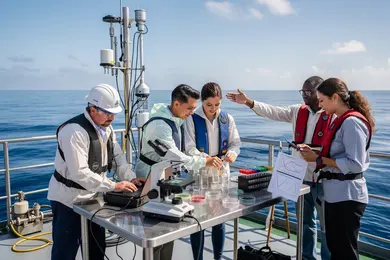
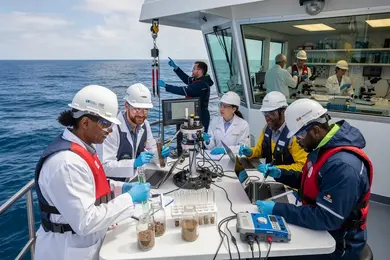
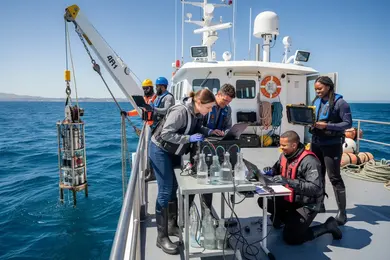
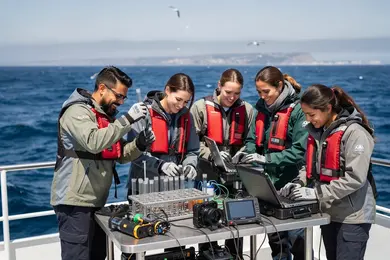
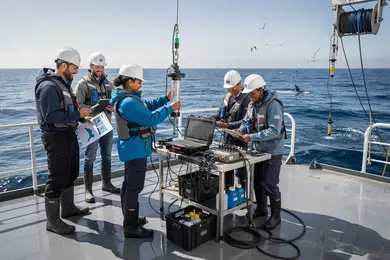
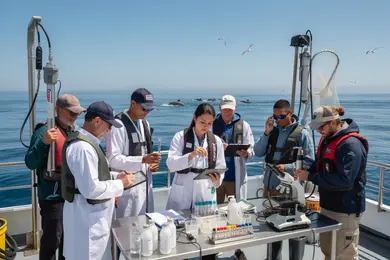
- Technical Field Competence: Hands-on skills with field equipment and sampling techniques remain foundational. Those who can efficiently collect high-quality data under varying conditions improve project validity and reduce errors, reassuring employers of the candidate's readiness to work independently or with minimal supervision.
- Interpersonal Skills: Building rapport within teams and with external partners contributes to smoother project execution and networking opportunities. The 2024 U.S. Bureau of Labor Statistics highlights that candidates who combine technical know-how with strong interpersonal abilities are statistically more likely to secure permanent roles within two years of entry.
A recent marine science master's graduate recalled the challenging uncertainty of waiting during a rolling admissions cycle for a competitive research program while simultaneously preparing for job applications. The candidate hesitated to accept early interview offers elsewhere, weighing the risk of losing a preferred placement against the possibility of delayed admission decisions.
This experience underscored the importance of strategic timing and adaptability-not only in skill sets but also in navigating critical transitions into the workforce. Eventually, the graduate credited flexible planning and ongoing skill development during this waiting period as key factors that improved both job readiness and confidence once employment began.
Do Employers Hire Marine Science Master's Graduates Without Professional Experience?
Many employers do hire marine science master's graduates without professional experience, particularly through structured entry-level roles that serve as early-career talent pipelines. These positions, often within research institutions, environmental consulting firms, or governmental agencies, are designed to provide on-the-job training and mentorship.
Such hiring trends for marine science master's graduates reflect a recognition that recent graduates can quickly develop required competencies if given practical exposure. Industry data from workforce reports in 2024 show that entry-level marine science jobs without experience generally include trainee or assistant roles with starting salaries between $45,000 and $60,000 nationally.
The ability of graduates to secure these roles hinges on suppliers of applied skills during their training, such as internships, capstone projects, or research assistantships, which act as proxies for formal job experience. Employers often assess candidates by demonstrated technical skills, analytical capabilities, and familiarity with laboratory or field methods rather than relying solely on formal employment history.
Certifications, specialized practicum components, and evidence of independent project management contribute to reducing perceived hiring risk. Without relevant internships or documented skills, many candidates face a selective hiring environment where academic credentials alone may be insufficient to offset experience gaps.
There is notable variation across industries, with technology-driven and consulting sectors within marine science showing greater openness to graduates without prior work experience. These fields prioritize data management and analytical proficiency, allowing candidates to leverage research competencies acquired during their degrees. In contrast, roles that are highly regulated, client-facing, or require immediate independent responsibilities typically demand demonstrated professional exposure. For prospective graduates, understanding these labor market dynamics is essential to strategically positioning themselves for accessible opportunities and sustainable career entry.
Entry-level job opportunities for graduates with a marine science master's degree often hinge on whether employers are willing to hire candidates without professional experience. Understanding how hiring managers view fresh graduates and the specific skills or certifications that can bridge the experience gap is crucial.
For those exploring related academic paths, consider reviewing kinesiology programs, which share comparable considerations regarding practical experience and workforce readiness.
Which Certifications Help Entry-Level Marine Science Master's Graduates Get Hired?
Employers increasingly rely on certifications to verify practical, job-ready competencies that a master's degree in marine science may not fully demonstrate. Although the graduate curriculum provides essential theoretical knowledge and research skills, certifications function as concrete evidence of applied abilities and safety readiness, which are critical for many entry-level roles.
This distinction is particularly valuable in hiring scenarios where candidates compete closely, and employers seek measurable assurances of specialized, operational skills.
- SCUBA Diver Certification: Considered essential for many marine science field positions, this certification confirms the candidate's ability to safely perform underwater tasks-work that academic programs rarely replicate fully. Labor market data shows that over a third of marine-related job postings specifically prefer or require SCUBA certification, reflecting its role as a practical baseline for roles in ecological surveys, habitat assessments, or underwater data collection.
- Hazardous Waste Operations and Emergency Response (HAZWOPER) Certification: Entry-level jobs involving contamination assessment, environmental compliance, or spill response frequently demand this certification to demonstrate preparedness for hazardous site conditions. It signals to employers that the applicant can operate safely and effectively in potentially dangerous environments, an ability not typically encompassed by standard marine science coursework.
- GIS Professional (GISP) or Equivalent GIS Certification: Spatial data analysis has become central to marine science applications such as habitat mapping and species tracking. Certification in GIS technologies substantiates proficiency with industry-standard software and analytical techniques, providing a competitive edge by validating skills increasingly prioritized in research institutions and regulatory agencies.
- First Aid and CPR Certification: Though sometimes overlooked, certifications in emergency medical response are often prerequisites for fieldwork roles, assuring employers that candidates can manage health and safety risks onsite. This credential complements other technical qualifications by addressing essential safety protocols that affect operational readiness.
What Remote Jobs Can You Get With a Marine Science Master's Degree?
Remote work opportunities for master's graduates in marine science have grown alongside advances in cloud-based data platforms, digital field sensors, and global collaboration software. These jobs typically hinge on producing quantifiable digital outputs, enabling asynchronous communication, and minimizing dependence on real-time in-person coordination.
Employer demand favors candidates who can integrate scientific expertise with data analytics and GIS within distributed team settings, where individual productivity is often measured by tangible deliverables rather than conventional supervision.
- Remote Marine Data Analyst: This role focuses on processing and interpreting large marine datasets, often gathered via remote sensing or autonomous platforms. Remote work suits these analysts because their output-clean databases, visualizations, and reports-is fully digital and can be shared across cloud environments, allowing for flexible workflow and periodic review by supervisors.
- Environmental Scientist with a Marine Focus: Professionals in this position support environmental impact assessments or policy research remotely by synthesizing field data and producing regulatory documents. The nature of the output-textual and numerical reports-fits remote collaboration models where team input is sequential and project milestones are clearly defined, enabling manageable accountability.
- GIS Technician Specializing in Coastal or Ocean Environments: GIS work is well suited to remote settings due to widespread availability of cloud GIS tools and the digital nature of spatial analysis. Marine science graduates apply their specialized knowledge to build models and maps used in planning or conservation efforts. Productivity metrics often emphasize accuracy and reproducibility of geospatial deliverables over traditional office presence.
- Remote Research Assistant or Coordinator: Supporting distributed marine research teams remotely, assistants manage data collection pipelines, coordinate communication between field teams, and prepare synthesized research outputs. Familiarity with scientific protocols combined with proficiency in collaborative platforms ensures smooth project flow despite physical distance.
- Science Communicator or Technical Writer in Marine Topics: Translating complex marine science findings into accessible documents or multimedia content can be done effectively in remote formats. Deliverables such as white papers, web content, or grant proposals are compatible with asynchronous feedback loops and virtual editing workflows, which align well with the skill sets of science graduates trained in nuanced subject matter.
How Competitive Is the Entry-Level Job Market for Marine Science Master's Graduates?
Competitiveness in the entry-level job market for marine science master's graduates varies widely depending on industry demand, regional labor markets, and the degree of specialization within marine science disciplines. While the U.S. Bureau of Labor Statistics forecasts an 8% employment growth for environmental scientists and specialists, this general projection does not evenly apply to all marine science entry positions.
Geographic areas with concentrated marine research funding or private sector investment often offer more opportunities, whereas other regions face intense candidate oversupply. Fields such as marine policy analysis and specialized research roles tend to be more competitive due to limited openings and preference for candidates with advanced credentials.
Employers increasingly expect candidates to demonstrate technical proficiency, internships, certifications, and applied experience, which intensifies competition even at the entry level. Practical skills like GIS mapping, data analysis, and hands-on lab work signal readiness to employers and can differentiate applicants in a crowded field. Without relevant experience, graduates with marine science master's degrees may struggle to secure initial roles, making early-career specialization or additional certifications vital for improving job prospects. This need for demonstrated skills contributes significantly to the nuanced dynamics shaping marine science master's degree employment trends today.
Strategically positioning oneself within saturated markets often requires geographic flexibility and a clear focus on underrepresented subfields, where talent shortages can decrease competition. Roles in emerging areas of marine conservation, environmental consulting, or governmental marine projects may offer comparatively lower barriers to entry. Graduates should also consider cross-disciplinary skills that align with ongoing environmental priorities to boost employability.
Additionally, candidates can benefit from exploring career pathways with transferable credentials such as the shortest RN to BSN program, which exemplifies how short-term applied credentials in adjacent fields can broaden professional options.
The entry-level job market for marine science master's graduates is moderately competitive, shaped by a balance between growing environmental concerns and constrained job availability. According to a 2024 report from the U.S. Bureau of Labor Statistics (BLS), employment for environmental scientists and specialists-which includes many marine science roles-is projected to grow by 8% over the next decade, faster than the average for all occupations.
However, this growth does not always translate evenly across entry-level positions specific to marine science.
Graduates often face competition from peers with both master's and doctoral degrees, as some specialized roles strongly prefer advanced academic credentials. Entry-level job availability depends heavily on geographic region, government funding levels, and private sector investment in marine research and conservation.
Typical entry-level roles include environmental technician, research assistant, field technician, and marine policy analyst. Salaries for these positions generally range from $45,000 to $60,000 annually, with public agency jobs tending to pay less initially but sometimes offering stronger benefits and job security. Industry pathways span government, academia, non-profits, and private sectors like environmental consulting.
Employers emphasize practical experience such as internships, lab work, and technical skills (e.g., GIS, data analysis) alongside academic qualifications. Graduates without hands-on experience may struggle more to secure roles. Early-career advancement often requires ongoing specialization or additional certifications.
The following factors affect competitiveness:
- Number of qualified candidates versus available positions in certain locations
- Supply of marine science graduates steadily increasing over recent years
- Impact of federal and state budget allocations for marine projects
- Preference for candidates who demonstrate multidisciplinary skills
Which Entry-Level Roles Have the Strongest Long-Term Growth Potential?
Long-term career growth in marine science often depends less on the initial job title and more on the skills, responsibilities, and industry exposure encompassed within entry-level roles. Positions that provide transferable technical expertise, visibility into regulatory or strategic decision-making, and chances to build specialized knowledge typically create stronger foundations for advancement.
These roles prepare graduates for leadership pathways or technical specialization, which remain valuable as industry demands evolve. Entry-level marine science jobs with high advancement and salary growth opportunities tend to align with sectors emphasizing data analysis, policy implementation, and ecosystem management.
- Environmental Consultant: This role facilitates robust career progression by combining technical marine science knowledge with client-facing and regulatory skills. Early exposure to project management and environmental compliance enables advancement into senior consultancy or specialized advisory positions.
- Fisheries Management Analyst: Roles in fisheries management develop expertise in sustainability practices and regulatory frameworks, critical for leadership in resource management agencies or policy organizations. Long-term growth often includes movement into supervisory or interdisciplinary coordination roles.
- Marine Policy Analyst: Entry-level positions here involve interpreting legislative frameworks and assessing ecosystem impacts, creating pathways into governmental or NGO leadership. These roles offer substantial opportunities for skill accumulation in environmental law and strategic planning.
- GIS and Remote Sensing Specialist: Technical roles focused on spatial data analysis and environmental monitoring support career trajectories toward advanced research, technology integration, or management of coastal resilience initiatives.
Ultimately, the choice to accept conditional admission should consider program support for skill development in these high-demand areas and the likelihood of timely progression to full admission, which improves employability and long-term career returns. Candidates comparing pathways might also look to fields adjacent to marine science for complementary opportunities, such as online marriage and family therapy masters programs, which illustrate how specialized advanced degrees can open divergent professional avenues.
What Graduates Say About Entry-Level Jobs With a Marine Science Master's Degree
- Louie: "After completing my master's in marine science, I quickly realized that having strong fieldwork experience and a well-documented project portfolio mattered more to employers than formal licensure. My internship opportunities gave me direct exposure to data collection techniques, which turned out to be a major deciding factor during interviews. Although some job listings emphasized certifications, hiring managers seemed more interested in adaptability and hands-on skills, which helped me land a remote research assistant role sooner than expected."
- Zamir: "Entering the marine science workforce felt a bit daunting, especially given how competitive certain entry-level positions were. While I initially aimed for roles with clear pathways for advancement, I found that many employers preferred candidates with prior lab or vessel-based experience rather than just academic credentials. This made me reconsider my early expectations and pivot toward contract-based work, which offered faster workforce entry but came with fewer advancement opportunities without proper professional licensure. It's a trade-off many in the field face but being flexible allowed me to build a network and hone practical skills."
- Matthew: "Landing an entry-level job in marine science post-graduation revealed the nuanced challenges of balancing salary growth and career development. Many employers prized certifications linked to environmental compliance and monitoring over the degree itself. Without these, initial roles tended to offer modest pay and limited upward mobility. I found that continuing to pursue additional specialized training on the job was necessary to break past the entry-level plateau and secure positions with more responsibilities, reflecting how practical hiring realities often extend well beyond degree completion."
Other Things You Should Know About Marine Science Degrees
Specialization can significantly influence early career opportunities in marine science, as employers often seek candidates with skills tailored to specific research, conservation, or industry needs. Graduates with narrowly focused theses or applied project experience tend to fare better in roles that demand technical expertise, such as oceanographic data analysis or habitat restoration. Broad, generalist programs may leave candidates competing more on transferable skills rather than domain-specific capabilities, which can delay progression or require additional on-the-job training.
Geographic location is a critical factor affecting the availability of entry-level marine science positions, as many jobs cluster near coastal research centers, marine industries, or environmental agencies. Candidates willing to relocate to regions with strong marine science infrastructure-such as coastal states or countries with active oceanic research programs-generally access more and higher-quality opportunities. Staying in inland or less ocean-focused areas may limit roles primarily to outreach or data analysis, which can slow technical skill development and career momentum.
Acquiring targeted certifications or advanced technical skills soon after earning a marine science master's can be beneficial but should be a strategic choice aligned with job market demands. For example, proficiency in GIS, statistical software, or remote sensing often differentiates candidates and enables entry into specialized roles. However, indiscriminate certification can lead to unnecessary costs and time investment without clear return. Graduates should prioritize credentials that align with their intended focus area and employer expectations, thereby maximizing employability and reducing redundant training later.
References
- Frequently Asked Questions https://www.marinecareers.net/frequently-asked-questions
- Schmidt Marine https://jobs.schmidtmarine.org/
- 10 careers you can have with a Marine Science degree - SAMS UHI Student Blog https://blog.sams.ac.uk/10-careers-you-can-have-with-a-marine-science-degree/
- Reasons to Major in Marine Biology https://www.seamester.com/blog/8-reasons-to-major-in-marine-biology/
- Home • Blue-Jobs • The online platform to find a job in marine sciences https://blue-jobs.com/
- Entry Level Marine Science Jobs (with Salaries) - SEEK https://au.seek.com/entry-level-marine-science-jobs
- How to become a marine biologist? | Conservation Careers https://www.conservation-careers.com/how-to-become-a-marine-biologist/
- Study Marine Science - Experience, Job Opportunities, Salary + Survey https://jobtensor.com/uk/Studies/Marine-Science
- Top 15 Highest Paying Marine Biology Jobs in 2025 (UK & US Salaries Guide) https://apexlearning.org.uk/highest-paying-marine-biology-jobs-2026/
- Marine Biology Career Advice https://www.southernfriedscience.com/marine-biology-career-advice/