2027 Best Accredited Online MSN Programs by Track

Co-Founder and Chief Data Scientist
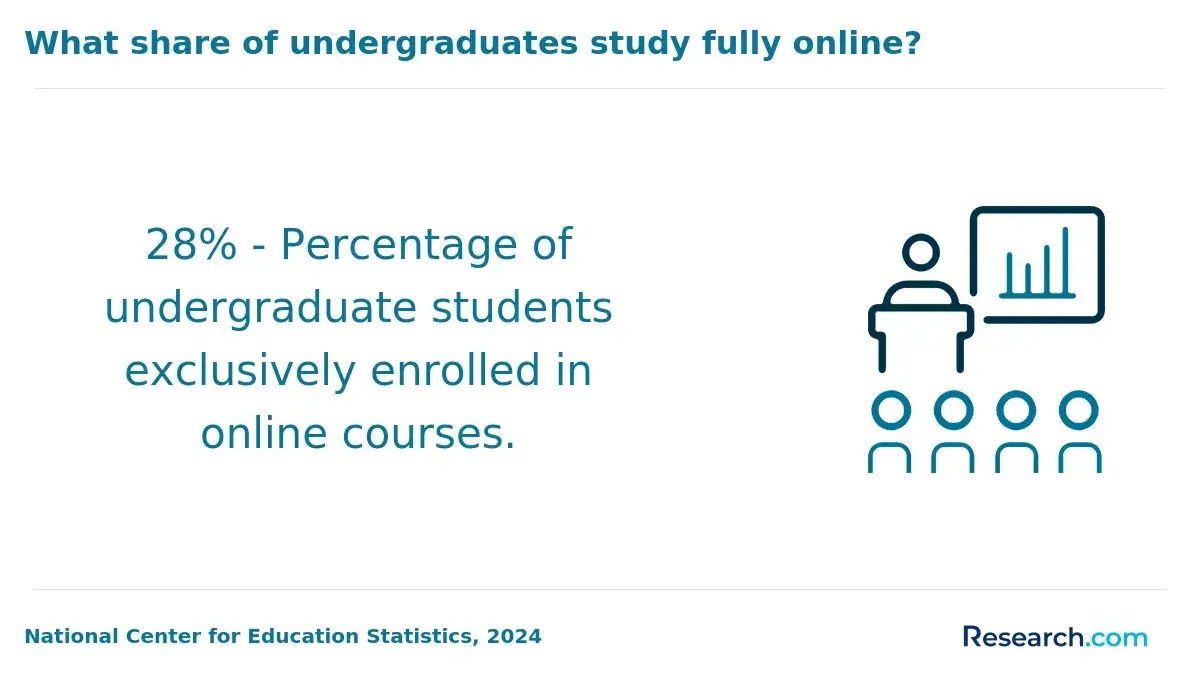
Choosing the right accredited online msn program by track can make or break a career pivot, especially when employers increasingly demand specialized expertise and flexible learning formats. Working nurses face significant hurdles balancing clinical hours, job responsibilities, and family without compromising on education quality. A 2024 National Center for Education Statistics report indicates a 22% surge in adult enrollment for online graduate health programs, underscoring a shift toward accessible, career-aligned studies that address workforce shortages. This article compares the top online msn tracks, helping students navigate program structures, accreditation, and career outcomes to optimize their professional trajectory.
Key Things You Should Know
- Specialized tracks like nurse anesthesia yield 30% higher starting salaries but require 1.5 years longer completion times, creating a tradeoff between income potential and program duration for working RNs.
- Employers increasingly favor MSN graduates with informatics or leadership tracks, with over 60% of hospital systems reporting these specializations improve roles in care coordination and digital health integration.
- Programs tied to state boards, especially for APRN certification, limit interstate practice flexibility, impacting 25% of students who relocate postgraduation, emphasizing the importance of regional accreditation and licensure timing.
What are the best accredited online MSN programs by track in the United States?
Nurse practitioner tracks such as Family Nurse Practitioner (FNP) and Psychiatric-Mental Health Nurse Practitioner (PMHNP) offer the clearest return on investment among the best accredited online msn programs by track in the United States, with salary increases often surpassing $100,000 annually after certification. These roles benefit from expanded prescriptive authority and independent clinical practice that align with employer demand, especially in states granting full NP practice authority. Tuition costs for these top programs range between $8,140 and $29,184 per year, with per-credit fees varying from $275 to $1,779, highlighting significant variability in educational expense.
Specialized tracks such as Nurse Educator and Nurse Administrator serve those targeting leadership or academic roles but involve longer pathways and slower salary growth. Candidates should weigh these factors since these tracks require deep coursework in health policy and organizational leadership, crucial in healthcare systems prioritizing quality and safety metrics. Clinical nurse specialist paths demand fewer credits but require intensive practicum experience, favoring working nurses who need flexible scheduling and asynchronous learning to balance employment.
Students must balance tuition, program length, and local licensure requirements against job market realities. For example, leadership-oriented MSN programs can provide steadier advancement in states with restricted NP scope of practice. Evaluating program accreditation by CCNE or ACEN remains essential to ensure eligibility for national certification exams and competitive employment. Prospective students exploring top online MSN degree programs with specialization options in the US should also consider programs offering transparent clinical placement support and employer engagement to maximize career outcomes.
Those seeking efficient educational pathways may review affordable options through BSN to MSN program listings, which clarify cost and format tradeoffs applicable to diverse career pivots.
How do online MSN tracks differ from campus programs in flexibility, learning, and outcomes?
Online MSN program flexibility compared to campus learning presents a distinct operational advantage for working nurses facing unpredictable shifts, such as intensive care nurses or midwives. Unlike campus programs with fixed schedules, online tracks offer asynchronous coursework and modular learning, enabling nurses to maintain employment while progressing academically. However, this flexibility requires a high degree of self-motivation and technological proficiency, as the hands-on clinical experience shifts to remote placements coordinated locally and relies on virtual collaboration instead of in-person labs and immediate faculty interaction.
Notably, outcomes of accredited online MSN tracks versus traditional programs show comparable licensure pass rates and employer-rated clinical competence, according to the National League for Nursing. While online graduates may encounter a tradeoff in direct hands-on training, employer data from the Commission on Collegiate Nursing Education indicate equivalent employment rates within six months of graduation. Cost differences further influence decisions; for example, Kent State University charges significantly less per credit for online MSN programs compared to many out-of-state alternatives exceeding $1,000 per credit, making remote study more accessible without sacrificing credential value.
Students must weigh:
- The need for flexible scheduling against the challenge of reduced immediate mentorship and peer networking
- The balance between remote clinical experiences and essential hands-on practice required by some specialties
- Cost efficiency as a practical factor influencing access and return on investment
For those considering advanced academic trajectories beyond the master's level, exploring PhD nursing options can help align educational attainment with long-term career goals in leadership or research sectors.

Which types of MSN tracks are offered online, and what roles do they prepare you for?
Selecting an online msn specialization directly shapes employability and workplace readiness, especially given employer preferences for credentialed tracks combined with clinical experience. Clinical pathways such as Family Nurse Practitioner (FNP) or Adult-Gerontology Acute Care require substantial onsite clinical hours and licensure, which can be logistically challenging for working nurses but are essential forAdvanced Practice Registered Nurse roles. In contrast, administrative tracks like Nursing Education or Leadership emphasize policy, budgeting, and staff management with fewer or no clinical requirements, catering to nurses prioritizing stability and management over bedside practice.
Specialized non-clinical tracks, including Informatics and Public Health Nursing, often run fully online without clinical components. This model reduces costs significantly by eliminating preceptor fees and site expenses-aligning with findings from AllNurses' "Best Online MSN No Clinicals 2026" analysis citing 20-30% cost savings. Such tracks support professionals unable to take clinical placements but may limit initial salary ceilings and bedside experience.
Working professionals evaluating accredited online msn tracks and nursing roles should weigh immediate workforce demands, licensing barriers, and career timelines. For example, a community college nurse educator may progress faster through a no-clinical track but face different hiring priorities than a nurse practitioner candidate. Strategic choice also depends on regional licensing and employer expectations.
Those considering educational progression might first explore foundational credentials, such as the easiest RN to BSN online program, to streamline advancement into msn specializations with career-aligned outcomes.
How can you verify that an online MSN program and its track are properly accredited?
Accreditation directly shapes the practical value and licensure viability of an online MSN program. Institutional accreditation through a regional agency recognized by the U.S. Department of Education or the Council for Higher Education Accreditation establishes baseline academic quality. However, programmatic accreditation by nursing-specific bodies like the Commission on Collegiate Nursing Education (CCNE) or the Accreditation Commission for Education in Nursing (ACEN) is essential. Without it, students face hurdles in obtaining nurse practitioner certification, with risks of delayed or denied state licensure.
Consider a nurse enrolling in an online family nurse practitioner track without CCNE or ACEN accreditation; despite academic completion, such a graduate may be ineligible for advanced practice roles, significantly restricting job prospects. Employers increasingly scrutinize accreditation status during recruitment to avoid credential verification complications and ensure candidates meet prevailing national standards.
Prospective students should verify accreditation status on official accreditor websites regularly, as programs may lose or have conditional accreditation, impacting degree credibility and employment outcomes. Tuition costs vary notably by program design and institution type, with 2026 data from Better Nurse showing that BSN-to-msn family nurse practitioner pathways at accredited private universities average $39,330, while RN-to-msn NP tracks can cost approximately 28% more, totaling $50,460-reflecting different credit and duration requirements.
Evaluating these factors alongside regional market salaries, especially in advanced practice roles, is critical; for detailed compensation insights, consult DNP salary data. Understanding how to verify accreditation for an online msn program and recognizing accreditation agencies for online msn tracks ensures informed decisions that align educational investment with realistic workforce returns.
What admission requirements and prerequisites do online MSN programs typically have?
Admission to online msn programs assumes a working registered nurse license and a bachelor's degree in nursing from an accredited school, often with a minimum 3.0 GPA in prerequisite science and nursing courses. The requirement of 1 to 2 years of clinical experience is not merely procedural; it reflects employers' expectation that candidates bring practical proficiency before graduate-level specialization. For example, a nurse with limited bedside time may find the transition to an advanced role slower or more challenging without this experience.
Prerequisites typically include courses in statistics, pathophysiology, and health assessment-subjects foundational to specialized msn tracks. Programs may mandate completion of graduate-level research or leadership courses early on to ensure readiness for roles involving evidence-based practice or management. Nurses targeting education roles should carefully consider program requirements for teaching practicums or assistantships, especially as state licensure rules vary and might affect eligibility for clinical teaching placements.
Balancing work and study commonly necessitates hybrid or asynchronous online formats, but maintaining clinical rigor demands local clinical placements. Failing to meet prerequisites can extend time and cost burdens, delaying entry into sectors forecasted to grow significantly; for instance, NurseJournal projects a 22% rise in nursing educator roles from 2022 to 2031.
How long do online MSN programs take by track, and what course loads are common?
Program length in msn studies varies widely by specialization and enrollment status, directly impacting workforce readiness and scheduling feasibility. Clinical tracks like nurse practitioner or clinical nurse specialist typically require 2 to 3 years, primarily due to mandated practicum hours integrated with coursework. Leadership-focused options, such as nurse executive tracks, often condense to 18-24 months, making them appealing for full-time students prioritizing expedited entry into managerial roles.
Course load decisions are critical: full-time clinical students generally take 9-12 credit hours per semester, balancing intense clinical obligations with coursework. Leadership tracks without clinical components can accommodate heavier semesters-up to 15 credits-supporting accelerated completion. For example, a nurse executive candidate might pursue 12 credits per semester over 18 months, avoiding clinical practicum delays prevalent in practitioner tracks.
Employment prospects align closely with program focus and length. Roles in medical and health services management, targeted by nurse executives, are projected to grow by 28% by 2032-much faster than average-rewarding candidates who manage efficient program completion alongside leadership skill acquisition.
Students weighing part-time study should consider the tradeoff of extended program duration, generally 6 to 12 months longer, against the financial and work-life balance benefits it provides. Overloading credits to accelerate completion can increase burnout risks, especially when combined with clinical duties and current employment. Careful alignment of program demands with personal constraints and career trajectory is essential for optimizing educational return on investment.
What does the curriculum look like for major online MSN tracks, including clinicals?
msn curricula differ sharply by specialization, with clinical hours and focus shaped by distinct workforce demands and regulatory standards. Advanced practice tracks, such as family nurse practitioner or nurse anesthetist programs, require intensive clinical exposure-often 500 to 1,000 hours-at approved healthcare sites. This arrangement demands significant self-management by students to secure placements, a substantial challenge for those balancing employment and family obligations.
In contrast, nursing education tracks concentrate on teaching skills and curriculum design combined with clinical practicums in academic environments. These programs address a critical shortage of nursing faculty-over 2,200 full-time vacancies nationwide-and prepare graduates to fill these gaps, though students must juggle practicum responsibilities alongside current roles.
Leadership and informatics specializations necessitate fewer clinical hours, generally 100 to 200, focused on administrative or data-driven healthcare projects. These tracks prioritize organizational and analytical competencies over direct patient care, aligning with evolving employer needs for healthcare system management.
Key operational considerations for all tracks include the logistical complexity of clinical placements, employer cooperation, and alignment of practicum sites with long-term goals. Without strong institutional support and adaptable scheduling, students risk delayed progression and underdeveloped practical skills-risks amplified in a competitive job market that mandates verified clinical competence.
How much do online MSN programs cost by track, and what financial aid is available?
Costs for online msn programs vary widely, typically from $30,000 to $75,000, depending on specialty tracks and curricular demands. Programs offering multiple specializations-particularly with four or more tracks-tend to exceed this range due to the complexity of coursework and additional clinical practicum hours. For example, specialties such as nurse anesthetist or nurse practitioner often push tuition beyond $80,000 when factoring in fees and materials, reflecting their combined didactic and hands-on clinical requirements.
Financial planning must account for more than just tuition. Indirect expenses like technology fees and clinical placement costs can significantly impact the total outlay and differ by state licensure mandates. Employer tuition reimbursement is a vital component for many working nurses, often covering partial or full costs when the program aligns with institutional staffing needs. Targeted scholarships exist for tracks like family nurse practitioner or nurse educator but are frequently merit- or commitment-based.
Choosing a program with multiple specializations can enhance employability and long-term flexibility. Programs reviewed by OnlineU in 2026 demonstrated higher student satisfaction and broader alignment with career objectives when multiple tracks were offered versus single-track options. Employers increasingly seek graduates with versatile skills who can navigate evolving care environments, favoring dual-track candidates for leadership and advanced clinical roles.
What are the salary expectations and job outlook for careers tied to different MSN tracks?
Salary and job outlook for msn tracks diverge sharply based on specialization and employer needs, shaping practical career decisions in nursing. Nurse anesthetists (CRNAs) typically earn median wages above $195,000, owing to the intensity of their clinical skill set. In contrast, tracks focused on administration or education offer more modest salaries between $90,000 and $120,000, with steadier but slower employment growth, influenced by healthcare infrastructure expansion and faculty shortages in nursing programs.
For example, a nurse practitioner working in an underserved rural area can expect salaries ranging from $110,000 to $130,000 while benefiting from strong demand driven by primary care shortages. This contrasts with educators in nursing schools facing budget constraints but stable need for qualified faculty.
Choosing an rn-to-msn bridge pathway reduces tuition by approximately 35-40% compared to separate bachelor's and master's degrees, averaging near $23,000 in total according to Better Nurse data. This approach minimizes debt burden and accelerates return to higher-paying roles without sacrificing educational credentials.
Employment growth varies by track: advanced practice roles such as nurse midwives and anesthetists forecast 15-20% growth through 2032, outpacing most healthcare sectors, while education and leadership roles increase 6-8%, constrained by institutional budgets. Employers increasingly require track-specific certification, affecting both hiring and salary scale. Prioritizing clinical patient care roles typically yields faster income gains and broader geographic flexibility, whereas administrative paths offer steadier, longer-term career stability.
How should you compare and choose between accredited online MSN programs by track?
Choosing an accredited online msn program requires alignment with specific career outcomes rather than generic features like flexibility or prestige alone. For nurses targeting advanced practice roles, the presence of direct clinical preparation combined with national certification eligibility is non-negotiable. For instance, family nurse practitioner tracks demand documented clinical hours and strong certification pass rates; lacking these benchmarks can severely limit employment prospects regardless of program convenience.
Program curricula vary widely across tracks: advanced practice paths emphasize evidence-based practice and leadership skills suitable to operational healthcare environments, while administrative or nurse educator tracks focus on healthcare management, policy, and instructional theory with clear accreditation tied to employment standards.
Financial and time investments differ notably between programs. Accelerated tracks, as Nurse.org's 2026 BSN-to-msn online rankings show, cut tuition by up to 25% and shorten study duration by almost a year, significantly affecting opportunity costs for working students balancing family and job responsibilities.
State authorization and clinical placement options are critical. A California-licensed nurse pursuing Nurse-Midwifery must select a program authorized there with strong local clinical partnerships to secure licensure and certification pathways, or risk program outcomes being invalidated.
Employers increasingly expect expertise in technology integration and interprofessional collaboration, shaping graduate suitability for team-based care. Transparency in graduate employment rates by specialty and geography offers essential insight to evaluate return on investment.
Other Things You Should Know About MSN
Balancing full-time work with an online MSN program depends heavily on the program's structure and your personal time management. Most accredited programs expect at least 15-20 hours per week for coursework and clinical practicum commitments, which can be intense alongside a demanding job. Choosing programs with asynchronous lectures and flexible clinical scheduling is critical if working full-time; otherwise, students risk burnout or extended time to degree completion. Prioritize programs that offer part-time tracks or extended timelines to realistically accommodate full-time employment without sacrificing academic success.
Clinical experience remains a core component employers evaluate regardless of the program's delivery format. Online programs often require in-person clinical hours which must be completed at approved local sites, ensuring graduates meet practical competency standards. Employers frequently scrutinize the quality and intensity of clinical placements, as these directly impact readiness for advanced nursing roles. When selecting a program, verify the clinical placement support and whether the assignments align with your target specialty to avoid gaps in hands-on experience critical to hiring decisions.
Accredited online MSN programs usually arrange clinical placements through affiliated sites and require contracts, preceptors, and background checks before placement begins. Students often complete 500 to 1,000 clinical hours, depending on the track and state licensure rules, and some schools require local placements within a set radius.
The length and pacing of an online MSN program in 2027 can significantly impact career advancement. Opt for programs with flexible pacing options and reasonable durations to ensure timely completion, enabling quicker entry or progression in your career. Balancing these factors with your current work schedule is crucial for successful advancement.
References
- What Can You Do With an MSN Degree? | Check 11 Career Options https://nursinglicensemap.com/nursing-degrees/masters-in-nursing/what-can-you-do-with-msn/
- Online MSN Program | WCU https://westcoastuniversity.edu/online-programs/msn
- CCNE Accreditation https://www.aacnnursing.org/ccne-accreditation
- Top online accredited MSN degree programs - Better Nurse https://betternurse.org/msn-degrees/
- Should You Get an Online MSN Degree? | Tiffin University https://go.tiffin.edu/blog/should-you-get-an-online-msn-degree/
- 50 Cheapest RN to MSN Online Programs | Starting at $19,000 https://www.rntomsn.org/programs/cheapest-online-rn-to-msn-programs/
- The Best MSN Online Programs in 2026 | New England Tech https://www.neit.edu/blog/best-msn-online-programs
- Career Paths in MSN https://www.allnursingschools.com/msn/career-paths/
- Online MSN Program https://www.chamberlain.edu/academics/nursing-school/master-of-science-in-nursing
- MSN in Nursing Practice Innovation https://www.unthealth.edu/college-of-nursing/msn-in-nursing-practice-innovation.html