2027 Online Marine Science Master's Curriculum Breakdown: Core Courses & Specializations

Co-Founder and Chief Data Scientist
Shifts in marine industry demands increasingly require professionals to balance specialization with adaptability, complicating curriculum decisions in online marine science master's programs. Selecting specific courses and pathways directly influences certification eligibility, technical skill depth, and alignment with emerging sectors such as climate resilience and sustainable fisheries. However, narrow specialization risks limiting broader employability, while rigid course sequencing can disrupt timely progress amid professional obligations.
Graduates must weigh program design against employer expectations that emphasize applied expertise and cross-disciplinary agility. This analysis explores how curriculum frameworks, core requirements, and specialization options shape career trajectories and workforce integration within contemporary marine science fields.
Key Things to Know About Online Marine Science Master's Curriculum
- Core courses in online marine science often emphasize ecological modeling, yet a heavy focus here can limit opportunities to develop hands-on lab skills, which employers frequently prioritize for applied roles.
- Employers increasingly seek specialization in climate impact assessments, reflecting a 2024 NOAA report showing a 25% rise in demand for experts who integrate data science with marine biology, directing curriculum choices toward interdisciplinary tracks.
- Extended pacing in online programs lowers immediate financial strain but can delay critical workforce entry; students must balance course load speed against evolving sector needs and funding availability.
What Core Courses Are Included in an Online Marine Science Master's Program?
Core courses in an online marine science master's program extend beyond academic milestones and signal the depth of practical readiness a graduate will possess. They act as a structural backbone, balancing rigorous scientific fundamentals with skills that align closely with employer demands for professionals who can navigate complex marine environments and data. This often means a heavy workload with careful course sequencing, essential for working professionals and career changers aiming to specialize while maintaining applied problem-solving capabilities.
- Physical Oceanography: This course provides insights into ocean currents, waves, and thermodynamics, essential for understanding the physical forces shaping marine habitats. Mastery here is critical as it underpins many specialized areas, including climate change impacts and habitat modeling, making graduates more adaptable to diverse roles requiring quantitative oceanographic expertise.
- Marine Biology: Focusing on marine organisms and their ecological interactions, this course equips students with knowledge central to conservation and ecosystem management. It supports specialization paths related to biodiversity assessments and resource sustainability, which are increasingly prioritized in both governmental and private sector research.
- Marine Chemistry: Exploring seawater's chemical composition and biogeochemical cycles, this course strengthens analytical competencies needed to address pollution, nutrient cycling, and environmental monitoring challenges. Proficiency here enhances a student's ability to work across cross-disciplinary teams in research or regulatory environments.
- Marine Geology: Centered on seafloor structure and sediment sampling, this course emphasizes geological history and coastal process understanding. Graduates develop critical field and analytical skills vital for roles in environmental impact assessment, marine spatial planning, and natural resource exploration.
- Research Methodology: Covering data collection, statistical analysis, and remote sensing, this course is pivotal for cultivating the research design and technical skills required in marine science. Employers expect graduates to independently manage data-driven projects; this course lays the groundwork for applied investigations and evidence-based decision-making.
A 2024 report from the National Oceanic and Atmospheric Administration highlights that over 80% of marine science master's programs now emphasize multidisciplinary curricula integrating these core courses. This approach aligns tightly with current workforce needs, where versatile marine scientists must synthesize physical, chemical, and biological knowledge to solve multifaceted environmental problems. For professionals balancing work alongside study, understanding these core areas early on is crucial for navigating program sequencing and ensuring practiced competency in real-world marine science scenarios.
Many programs also incorporate integrative capstone projects or thesis research as part of the core coursework, facilitating applied learning where theoretical concepts intersect with practical challenges. This blend is particularly valuable for career changers and specialization-focused learners, who benefit from experience that directly translates to workplace skills in marine ecosystem management, policy analysis, or environmental consulting. For those exploring adjacent fields or alternative science disciplines, comparing this structure with options such as an online pharmacist degree can reveal different demands in analytical rigor, research focus, and professional pathways within the broader STEM landscape.
What Specializations Are Available in Online Marine Science Master's Programs?
Choosing a specialization in online marine science master's programs is a strategic decision that profoundly shapes employability, technical skill depth, and sector relevance. Specializations are not mere academic distinctions; they dictate the intensity of workload, practical training requirements, and alignment with evolving industry demands. For working professionals and career changers balancing practical experience with coursework, understanding these tradeoffs is critical.
- Marine Ecology emphasizes ecosystem dynamics and species interactions, preparing students for conservation, habitat restoration, and ecological research roles. This specialization suits those targeting environmental consulting or governmental agencies, though it demands strong analytical skills applied to complex, often field-based data sets.
- Oceanography typically divides into chemical, physical, and geological streams, focusing on ocean processes such as circulation and sediment transport. Graduates are primed for research and monitoring roles but face challenges in virtual programs replicating necessary lab and fieldwork, requiring carefully structured experiential components.
- Marine Policy and Management targets resource regulation and sustainable development. It involves interdisciplinary coursework in law, economics, and social sciences, positioning students for policy advisement and international agency work. Professionals pivoting from related fields may find this specialization a practical route but should expect less emphasis on natural science techniques.
- Marine Biotechnology explores marine organisms' applications in pharmaceuticals and genetics. High demand for hands-on lab experience can limit online program effectiveness here, as insufficient practical exposure may hinder employability in private-sector innovation roles.
- Fisheries Science centers on sustainable fishery management and resource conservation, often requiring internships or practicums. This practical focus aligns closely with governmental and international fisheries organizations, posing scheduling challenges for working students.
Data from the Association for Marine Science Education (2024) indicates nearly 68% of online marine science master's students pursue specializations with mandatory internships, underscoring employer emphasis on experiential learning despite the convenience of online formats. Prospective students must critically evaluate how online programs integrate or limit such components to ensure their specialization effectively supports career objectives.
Can Students Choose Electives Outside Their Specialization?
Elective options in online marine science master's programs are often governed by structured curriculum frameworks that prioritize core competency development within the chosen specialization. Students typically face defined credit limits for courses outside their focus area, with approval processes controlled by academic advisors to maintain coursework relevance and sequencing integrity. Limited class availability and prerequisite requirements further restrict cross-specialization enrollment, making the selection process both strategic and constrained. According to a 2024 survey by the Council of Graduate Schools, around 65% of science-focused master's programs permit up to 25% of total credits from outside specializations, illustrating a common balance between depth and interdisciplinary breadth.
Choosing electives beyond a marine science specialization carries tangible consequences for students' educational trajectory and professional readiness. While broadening knowledge can enhance adaptability, divergent coursework risks diluting subject-matter expertise valued by employers and may prolong time-to-degree if additional prerequisites or remedial classes are necessary. For example, a student pursuing marine ecology who diverts to unrelated disciplines might face longer graduation timelines and reduced competitiveness in research roles requiring specialized technical skills. Consequently, elective flexibility must align carefully with career objectives, acknowledging that hiring managers often favor candidates demonstrating focused mastery and relevant practical experience over generalist exposure.
One online marine science student recalled hesitantly navigating the elective approval process amid a rolling admissions cycle, uncertain if late application timing would hinder access to preferred courses outside their specialization. The student delayed submitting official transcripts while weighing the tradeoff between enrolling immediately in required core classes versus waiting to secure a coveted coastal engineering elective linked to emerging climate adaptation research. This hesitation introduced anxiety around potential scheduling conflicts and program completion deadlines, underscoring how elective availability and sequencing can meaningfully impact both planning and confidence throughout the graduate journey.
How Are Online Marine Science Master's Courses Delivered?
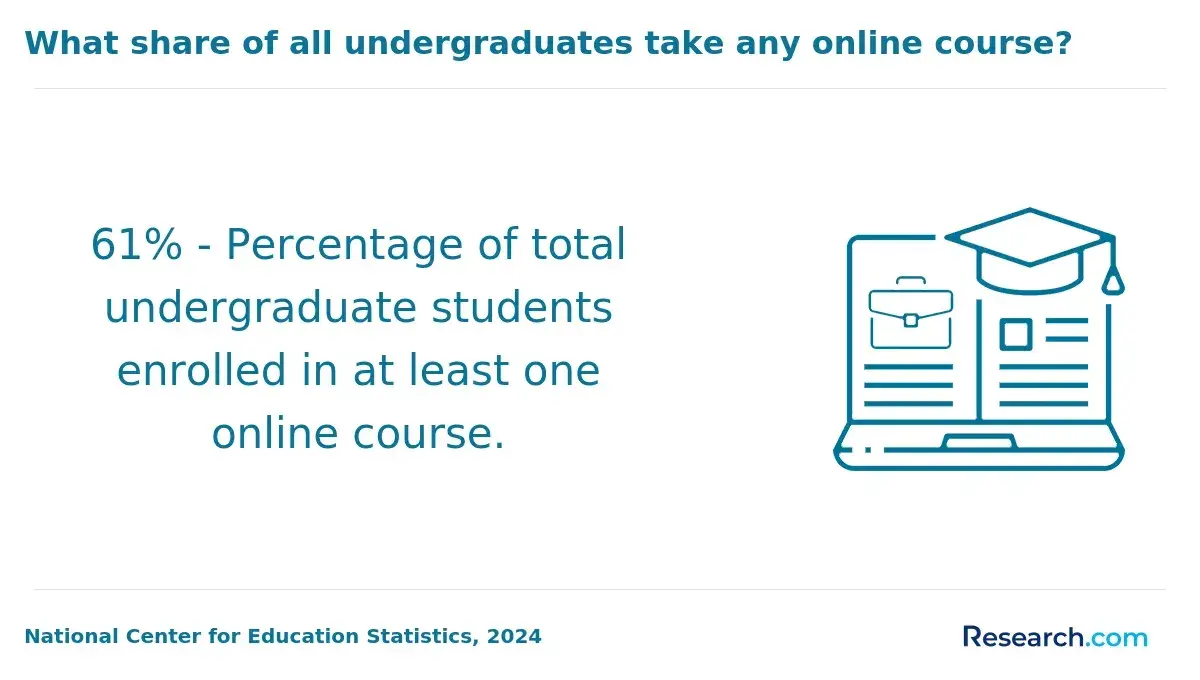
Online marine science master's programs primarily employ a combination of asynchronous and synchronous delivery methods to balance flexibility with interaction. Asynchronous components, including recorded lectures and discussion forums, allow students to engage with material on their own schedules-a format leveraged by over 75% of such programs in 2024 according to the National Center for Education Statistics.
Meanwhile, synchronous sessions-live video meetings or presentations-facilitate real-time dialogue and collaborative learning, though their timing often requires careful planning by students managing differing time zones or workplace demands. This blended approach represents the core of online marine science degree delivery methods, integrating varied formats to maintain academic rigor while accommodating diverse learner needs.
These flexible course formats for marine science masters impose distinct time-management challenges, particularly for working professionals and career changers balancing education with full-time jobs or family commitments. While asynchronous access enables productivity on one's own timeline, inconsistent participation in live sessions can fragment cohort cohesion and reduce opportunities for real-time feedback, potentially impacting comprehension and skill development. For example, irregular attendance at required synchronous labs or discussions can delay progression, underscoring the importance of program design that aligns effectively with adult learners' schedules and expectations without compromising instructional quality.
Tradeoffs between flexibility and engagement strongly shape student outcomes in these programs. The reliance on asynchronous learning often demands greater self-discipline, as pacing varies widely among students and can affect timely completion. Programs integrating virtual labs or limited in-person residencies attempt to bridge practical skill gaps but introduce logistical complexities. Recognizing these operational realities is crucial, especially as employers increasingly prioritize demonstrable technical competencies and applied research experience.
Prospective students should review how specific delivery structures influence both experiential learning opportunities and accessibility, including how they match individual circumstances and career ambitions, as reflected in current analyses of self-paced bachelor's degree online programs.
Which Core Classes Are Considered the Most Challenging?
Core courses in an online marine science master's program that often present the greatest challenges involve advanced quantitative analysis and oceanographic modeling. These classes are structured around complex mathematical principles such as differential equations and multivariate statistics, requiring students to possess a solid quantitative foundation before enrollment.
Similarly, physical oceanography and marine geochemistry demand integration of physics, chemistry, and environmental science concepts, pushing students to reconcile theoretical models with practical data interpretation. Courses in ecological modeling and marine policy add layers of complexity through computational simulations and the need to navigate intertwined scientific, legal, and socioeconomic frameworks, reflecting the multifaceted nature of marine environmental governance.
The difficulty of these courses carries significant consequences for students' academic progression and career trajectories. According to a 2024 NOAA survey, 68% of marine science graduate students pinpoint quantitative and modeling coursework as the main obstacles delaying program completion or entry into related professions. For professionals balancing coursework with employment, insufficient preparation in these areas can slow specialization or extend time to degree, impacting workforce readiness and employability in data-intensive roles such as research or policy design. A common scenario involves struggling with simultaneous demands to master computational tools while synthesizing interdisciplinary theories, a combination that often necessitates additional preparatory study or extended timelines.
One online master's student recounted hesitating to commit early due to uncertainty about their math readiness, especially given rolling admissions timelines. They delayed enrollment to complete refresher courses in statistics and calculus to avoid the pitfalls of falling behind in initial quantitative classes. This strategic pause, while stressful, ultimately reduced setbacks during the program, highlighting how timing and prior skill alignment critically influence the academic and career path within marine science studies.
Do Online Marine Science Master's Programs Require Internships or Practicums?
Requirements for internships or practicums within online marine science master's programs vary widely depending on program design, accreditation standards, and specialty focus. Many programs incorporate these experiential components to fulfill applied learning expectations, but the format often adapts to remote delivery, offering virtual, local, or research-based options. Some programs mandate internships or practicums as a core part of the curriculum, while others substitute with comprehensive research theses or capstone projects that include practical elements.
According to a 2024 survey by the National Association of Marine Educators, approximately 58% of accredited online marine science master's programs integrate some form of applied learning, though the specifics are shaped by how study is structured and the intended student outcomes, making it essential to assess these experiences beyond program descriptions.
For working professionals or students with limited availability, internship or practicum requirements can introduce significant scheduling challenges, especially when strict fieldwork hours or placements in specialized environments are expected. While these experiences improve job readiness and provide critical networking opportunities, variations in placement availability can delay graduation timelines or increase workload stress. Conversely, programs without mandatory hands-on components may rely on research projects that demonstrate theoretical application but lack direct practical exposure valued by employers. Prospective students evaluating internship expectations in online marine science degrees should also consider alternatives like virtual collaborations or local arrangements to balance real-world experience with flexibility.
Those seeking areas with related workforce demand might also explore pathways such as an online ultrasound tech school to weigh diverse practical skill options alongside marine science education.
Which Courses Are Required for Professional Certification Exams?
Online master's programs in marine science often design core curricula to align closely with the competencies required for professional certification exams, ensuring that course content reflects the domains tested by credentialing bodies like the American Fisheries Society. Key subjects typically include advanced marine ecology, physical oceanography, and quantitative methods such as biostatistics, which correspond directly to foundational knowledge areas emphasized in certification standards. This alignment is deliberate, as it addresses both theoretical understanding and practical application, fostering skills that meet industry benchmarks for certification eligibility. Accreditation requirements and competency frameworks further shape these programs, steering course selections toward meeting recognized professional standards and workforce expectations.
The selection of courses carries tangible consequences for certification readiness and career trajectory. Omitting or substituting essential courses-such as advanced quantitative techniques or fisheries biology-can create gaps that delay exam eligibility or necessitate supplementary coursework, prolonging time to certification. For instance, a student specializing in marine policy who bypasses biostatistics may struggle to fulfill the quantitative prerequisites mandated by certain certifications, potentially restricting access to resource management positions that prioritize those credentials.
Data from the U.S. Bureau of Labor Statistics (2024) indicates that 68% of certified marine professionals completed advanced quantitative coursework, underscoring the practical importance of these courses. Thoughtful curriculum mapping thus becomes critical not only for meeting minimal requirements but also for preparing graduates to confidently navigate certification processes and align with employer expectations in a competitive job market.
Do Specialization Requirements Extend Graduation Timelines?
Specialization requirements within online Marine Science master's programs typically structure core foundational courses alongside advanced electives, seminars, or capstone projects tailored to specific tracks like marine ecology or ocean engineering. These additional components often involve prerequisite chains and credit distribution rules that extend beyond the baseline curriculum. Completion timelines hinge on whether the program's design allows concurrent enrollment and sequencing flexibility, or enforces strict progression through specialization courses. For some students, well-integrated specialization pathways may enable on-time graduation, while others face extended durations due to layered requirements and limited course availability.
Delays frequently arise from scheduling bottlenecks and restricted elective substitutions, with limited course offerings causing students to defer essential specialization classes. For instance, a student focusing on marine policy requiring fieldwork or a capstone involving external collaboration may see their graduation pushed by at least one semester. According to a 2024 analysis by the National Center for Education Statistics, 38% of students in STEM online master's programs reported extended graduation timelines when pursuing specialized tracks, often due to added credit loads and complex field components. For working professionals balancing job demands, these delays can significantly impact career entry or advancement timing, forcing a tradeoff between deeper expertise and immediate labor market participation.
How Do Marine Science Specializations Affect Career Opportunities?
Specializations within an online marine science master's program act as clear signals to employers about a candidate's focused expertise and practical skills. Recruiters assess coursework emphasis, applied research projects, and technical competencies to determine fit for highly specific roles, differentiating specialists from generalist marine science graduates. For example, a 2024 report from the U.S. Bureau of Labor Statistics noted that candidates with proficiency in marine technology and data analysis have a 16% higher likelihood of employment within research institutions or environmental consultancies. This targeted expertise aligns with evolving employer expectations, as hiring increasingly favors those who can meet nuanced operational demands and directly contribute to specialized projects or regulatory compliance. Such specialization reflects the impact of marine science degrees on job prospects by narrowing the scope to sectors with defined skills needs.
However, the tradeoffs of specialization include reduced flexibility in entry-level roles and constrained pathways when transitioning between sectors. Graduates emphasizing conservation policy may secure positions in government or NGOs but face challenges shifting to marine engineering fields without supplementary qualifications. Conversely, those with broader training may access a wider range of roles but may not stand out in technical hiring pools. A practical scenario is that a graduate with a marine biotechnology focus may enter pharmaceutical-related roles more readily, whereas those concentrating on aquaculture might find greater opportunities in private industry.
These distinctions underscore the necessity for deliberate choice aligned with long-term goals, particularly for working professionals or career changers evaluating specialization options within Marine Science curricula. Balancing specialization with interdisciplinary competency remains essential to navigate labor market segmentation effectively, much like how accessible healthcare programs, such as many affordable PMHNP programs, address sector-specific demand while considering workforce mobility.
How Should Students Compare Online Marine Science Master's Curriculum?
Comparing online marine science master's curriculums requires evaluating tradeoffs that affect job readiness, workload balance, and time-to-completion rather than simply selecting preferred features. Variations in course design, specialization depth, and experiential learning opportunities can directly influence a student's preparedness for specific roles and sectors within marine science. Understanding these structural differences is critical for aligning educational investment with career outcomes.
- Core Course Composition and Integration: Look beyond course titles to assess how foundational knowledge such as oceanography, marine ecology, and environmental policy is interwoven. Programs that effectively integrate interdisciplinary science with applied methods prepare students better for versatile roles.
- Specialization Depth and Practical Relevance: Evaluate whether concentration areas like marine biotechnology, conservation, or climate impact studies offer comprehensive coursework supported by hands-on components. Deep specialization with fieldwork simulations or lab access significantly enhances employability.
- Elective Flexibility and Breadth: More elective options can allow tailoring to career goals, but excessive fragmentation may dilute skill depth. A balanced curriculum optimizes breadth without sacrificing mastery of critical competencies.
- Delivery Format and Schedule Structure: Part-time, asynchronous programs suit working professionals but may compress learning, affecting knowledge retention and networking. Consider how course sequencing impacts pacing and absorption of complex material.
- Practicum, Internship, or Research Integration: Direct engagement with applied research or internships is pivotal. According to a 2024 National Science Foundation report, 72% of marine science employers prioritize applied research skills and data analysis proficiency, underscoring the value of embedded experiential learning.
- Certification and Credential Alignment: Check if the curriculum aligns with professional certifications valued in governmental or industry roles. This alignment can accelerate employability and validate skills.
- Sequence and Credit Requirements: Graduates juggling careers benefit from clear sequencing and manageable credit loads. Programs emphasizing flexible progression help maintain work-study balance without compromising depth.
Students weighing online marine science options should also apply criteria similar to those used for selecting LPN schools easy to get into, focusing on key factors for comparing online marine science master's programs such as curricular coherence and specialization quality. This approach ensures a strategic choice that supports both professional goals and realistic scheduling constraints.
What Graduates Say About Online Marine Science Master's Curriculum
- Louie: "Completing the core courses and specialization in marine science gave me a practical edge, especially through the required internships. I found that employers in my region place heavier weight on demonstrable field experience and tangible project portfolios than on licenses or formal certifications. The path wasn't straightforward, but the flexibility to work remotely as a consultant early on helped me balance gaining experience and earning a living."
- Zamir: "After finishing my master's program, I realized that while the marine science coursework was rigorous, breaking into certain government roles meant competing against candidates with specific licenses I didn't have. I pivoted to a private-sector job where my specialization proved useful for environmental impact assessments, even though salary growth can be slower without those credentials. There's a trade-off between faster workforce entry and long-term advancement here."
- Matthew: "The specialization in marine science opened doors for me in regulatory compliance, but the hiring process made it clear that employers prioritize certifications and a strong internship history more than the degree itself. Navigating these expectations was tricky, and I had to undertake extra courses and certifications post-graduation to stay competitive. It taught me the value of continual learning and networking within the industry."
Other Things You Should Know About Marine Science Degrees
Many online marine science master's programs emphasize theoretical knowledge through core courses, often at the expense of hands-on skills due to the format's limitations. This imbalance can challenge students aiming for fieldwork or lab-based roles, as employers typically expect graduates to demonstrate practical competencies alongside conceptual understanding. Prospective students should prioritize programs that integrate virtual labs, simulation tools, or offer optional in-person field components to mitigate this gap, ensuring stronger preparation for applied positions.
Choosing deeply focused specializations may limit curriculum flexibility by mandating extensive coursework in narrow fields, potentially reducing opportunities to diversify skill sets. For working professionals or career changers, a highly specialized path might delay adaptability in a dynamic job market. Prioritizing programs that allow cross-specialization electives or interdisciplinary integration can provide both depth and breadth, enhancing long-term employability across varied marine science sectors.
Online marine science master's programs often offer asynchronous coursework, but some include synchronous sessions or fixed deadlines that can complicate workload management for employed students. Inconsistent scheduling across courses may increase time conflicts and stress, especially during research-intensive modules or final projects. Evaluating programs based on the predictability and flexibility of their course calendars can help working professionals maintain balance without compromising academic performance.
References
- Top 5 Master Programs in Marine Sciences • Blue-Jobs • The online platform to find a job in marine sciences https://blue-jobs.com/2024/06/12/top-5-master-programs-in-marine-sciences/
- What's The Difference Between Marine Science and Marine Biology? https://www.seamester.com/blog/whats-the-difference-between-marine-science-and-marine-biology/
- More than a Hobby: Marine Science Career Development through the Lens of Social Cognitive Career Theory | Current: The Journal of Marine Education https://current-journal.com/articles/10.5334/cjme.83
- Marine Biology Degree Programs in the U.S. | MarineBio Conservation Society https://www.marinebio.org/careers/us-schools/
- Professional M.A. in Marine Science https://www.vims.edu/academics/graduate/admissions/degree_options/m.a._degree/
- Going to grad school for masters unrelated to bachelors https://talk.collegeconfidential.com/t/going-to-grad-school-for-masters-unrelated-to-bachelors/1723454
- Master of Science in Marine Biology https://charleston.edu/academics/programs/graduate-studies/marine-biology.php
- Marine Studies https://www.uaf.edu/academics/programs/masters/marine-studies.php
- Top Marine Conservation Virtual Internship https://www.gviusa.com/virtual-internship/marine-conservation/
- 10 careers you can have with a Marine Science degree - SAMS UHI Student Blog https://blog.sams.ac.uk/10-careers-you-can-have-with-a-marine-science-degree/