2027 State-by-State Acceptance of Online Marine Science Master's Programs for Licensure

Co-Founder and Chief Data Scientist
Seeking licensure with an online marine science master's degree often encounters uneven state standards that hinge on factors like residency mandates, clinical hour requirements, curriculum content, and specific accreditation. One program accepted in one jurisdiction may face scrutiny in another, complicating career mobility for graduates. The U. S. Department of Education reported a 15% rise in adult enrollment in online graduate programs from 2022 to 2024, underscoring growing reliance on flexible formats. This trend intensifies the importance of understanding how state licensing boards interpret online credentials, shaping when and where graduates can qualify for professional roles based on nuanced, nonuniform acceptance criteria.
Key Things to Know About State-by-State Acceptance of Online Marine Science Master's Programs for Licensure
- Residency requirements vary widely by state, forcing students to navigate additional in-person mandates that delay licensure and increase costs, a critical tradeoff for military-affiliated or highly mobile learners.
- Clinical hour standards often exceed online program offerings, limiting employer acceptance and workforce mobility where hands-on experience remains prioritized for state licensure.
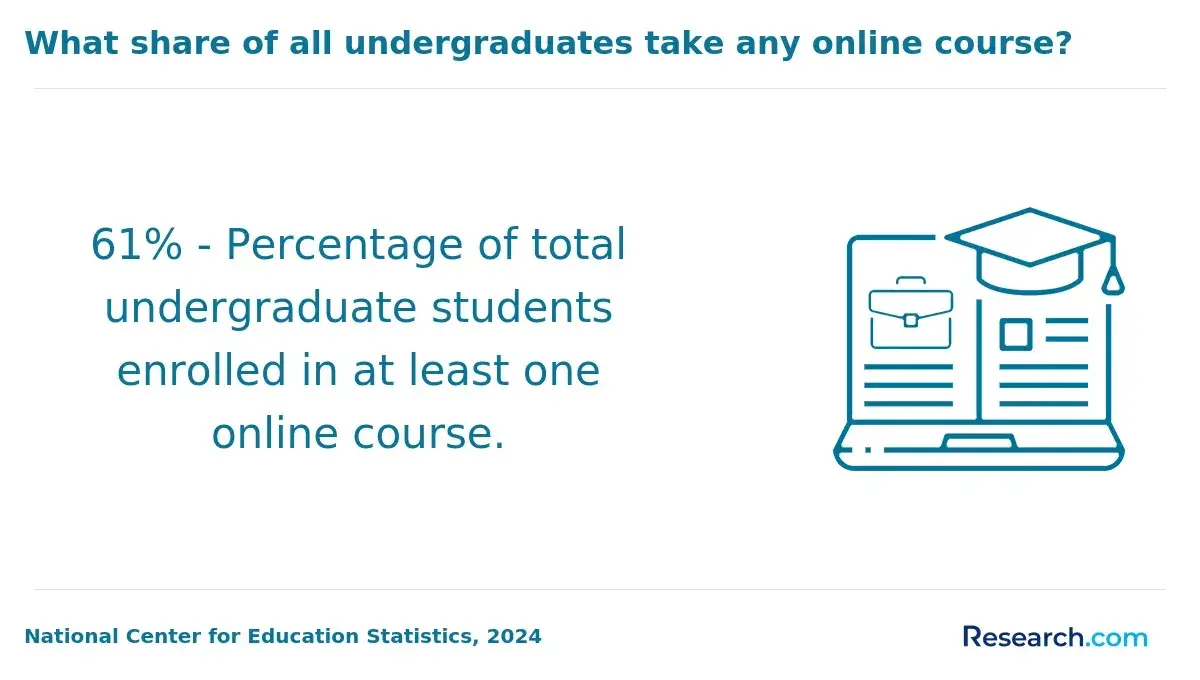
- Accreditation designations influence timing and access; states recognizing regionally accredited degrees align with growing adult learner enrollment trends reported by the National Center for Education Statistics, easing cross-state career transitions.
How Do State Licensing Boards Define Acceptance of Online Marine Science Master's Programs for Licensure Purposes?
Acceptance by state licensing boards for online marine science master's programs is less a static designation and more a spectrum of regulatory scrutiny that reflects varying trust in program rigor, relevance, and local applicability. While some boards formally recognize specific programs, others scrutinize credentials individually or lean on broader accreditation metrics. This disparity means that a graduate holding the same degree may gain licensure easily in one jurisdiction but face prolonged credential reviews or outright rejection in another. For example, a professional relocating from a state with formal program approval to one relying on case-by-case evaluation might encounter significant delays or requests for supplementary clinical hours tailored to specific coastal ecosystems, thereby affecting immediate employability.
- Formal Approval: States with defined approval lists identify online marine science master's programs that meet explicit standards in curriculum design, faculty expertise, and supervised fieldwork, enabling graduates direct licensure pathways without additional validation hurdles.
- Case-by-Case Review: Some boards forego program lists and instead conduct individualized assessments emphasizing alignment with licensing statutes, practical competencies, and local environmental conditions, creating unpredictability and requiring detailed documentation from applicants.
- General Accreditation or Curriculum Standards: Several jurisdictions accept broadly accredited degrees without program-specific vetting, but this approach can overlook critical distinctions in residency requirements or supervised practicum quality that are essential for licensure approval.
This definitional ambiguity of acceptance underpins a tangible risk for students who assume their degree from any accredited online marine science program guarantees multi-state licensure, ignoring that statutory authority, regulatory guidance, and administrative policies differently shape board interpretation of curriculum rigor, supervised experience, and residency mandates. Effective decision-making demands recognizing these three categories of board decision-making and their consequences on long-term career flexibility and licensure portability.
This article provides a state-specific framework to elucidate how these acceptance criteria interact across jurisdictions, offering a crucial resource for students, career changers, working professionals, and geographically mobile individuals who must navigate the consistently variable requirements imposed on online marine science master's degree licensure.
Which States Have Formally Approved Online Marine Science Master's Programs as Licensure-Qualifying?
Licensure acceptance of online marine science master's degrees varies considerably by state, often reflecting deeper regulatory philosophies rather than the intrinsic quality of the education. For example, a professional relocating across state lines after graduation might find their online degree fully recognized in one jurisdiction but facing extensive additional scrutiny or outright restrictions in another, impacting career planning and employment eligibility.
- Clear Statutory Acceptance: A handful of states explicitly allow online marine science master's degrees from accredited programs as fully licensure-qualifying, dispensing with extra documentation or residency requirements. These states align statutory language with evolving educational models, facilitating smoother transitions for graduates and reducing barriers for mobile professionals.
- Accreditation-Dependent Deference: Many states recognize degrees primarily based on the institution's accreditation rather than delivery format. While online degrees issued by accredited universities generally meet baseline eligibility, candidates should anticipate requirements such as supervised fieldwork or coursework verification, which can complicate out-of-state licensure attempts if state residency or in-person components are mandated.
- Additional Review or Documentation Required: Several states impose further hurdles, including submission of detailed syllabi, verification of in-state experiential hours, or additional exams before licensing online degree holders. This policy tier often reflects ongoing questions about curriculum parity or the adequacy of practical training in exclusively online pathways and may lengthen the timeline for licensure approval.
- Known Restrictions or Ambiguity: A number of states maintain restrictive or unclear policies regarding online marine science master's degrees, sometimes excluding these credentials entirely or enforcing stringent residency and program delivery requirements. The lack of consistent board guidance in these jurisdictions means graduates face uncertainty and must pursue formal clarifications or individualized reviews, often delaying licensure and employment entry.
This state-by-state snapshot should be considered a foundational guide rather than a definitive interpretation, due to evolving rules and variable accreditor influence. Prospective students and licensed professionals are strongly advised to directly consult relevant marine science or environmental licensure boards - detailed contact guidance is provided later in this article - before committing to an online graduate program to ensure compliance and optimize workforce outcomes.
What Role Does Regional Accreditation Play in State Acceptance of an Online Marine Science Master's Degree?
Regional accreditation serves as a critical baseline for state board acceptance of online marine science master's degrees but rarely assures licensure eligibility on its own. Licensing authorities view regional accreditation as an institutional quality check granted by recognized bodies such as the Middle States Commission on Higher Education or the New England Commission of Higher Education. However, many states require more than this credential alone, especially in fields like marine science where specialized competencies and curricula must meet specific professional standards. For instance, a graduate holding an online marine science degree from a regionally accredited school without corresponding programmatic accreditation may face additional scrutiny or delays when applying for licensure, unlike peers from programs with field-specific endorsements.
- Accreditation Bodies: Organizations that oversee regional accreditation ensure general academic and institutional quality across geographic areas but do not verify marine science specialization.
- Threshold Importance: Most state boards treat regional accreditation as mandatory for degree consideration but supplement it with further criteria to determine licensure suitability.
- Programmatic Standards: Specialized accreditation or state-specific approvals focused on marine science curriculum and training often dictate licensure outcomes beyond institutional accreditation.
- Graduate Implications: Candidates with only institutional regional accreditation may encounter state licensing board requirements that prolong approval or impose extra documentation.
- Verification Advice: Prospective students should confirm an online program's current regional accreditation status and clarify with licensing boards whether this alone satisfies licensure rules or if additional accreditation is necessary.
- State-by-State Variability: Differences in residency, clinical hours, and curriculum standards mean that an identical marine science degree accepted in one state might be questioned in another, complicating licensure portability.
Given these complexities, those planning marine science graduate studies should conduct thorough research into state board policies. Assessing whether regional accreditation suffices or if programmatic credentials are mandated is essential, especially for geographically mobile students or career changers. For career pathways connected with biology, understanding licensure requirements may also offer insights into related biology major jobs to gauge employer expectations and sector standards in similar STEM fields.
How Does Programmatic Accreditation Affect Whether States Accept an Online Marine Science Degree for Licensure?
States often use programmatic accreditation as a decisive factor in accepting online marine science master's degrees for licensure, with this specialized accreditation serving as a practical filter beyond regional institutional credentials. Licensing boards in states that demand board-approved curricula rely heavily on national programmatic accrediting bodies-such as those focused on marine or environmental sciences-to verify that the program's content and clinical components meet rigorous, industry-aligned standards. This creates a notable divide between graduates: those from nationally accredited programs generally face fewer barriers compared to peers from state-approved-only or unaccredited programs, who risk facing additional requirements or outright licensure denial.
The stakes of choosing a program with proper accreditation are amplified for applicants without a fixed licensure state at enrollment-such as military-affiliated or highly mobile professionals-because licensure criteria vary widely across jurisdictions. For instance, a graduate from a regionally accredited but non-programmatically accredited online marine science master's may be accepted in one state but must complete supplemental coursework or extended clinical hours in another.
- Programmatic Accreditation: National accreditation bodies specialized in marine science validate curriculum alignment and clinical rigor, facilitating smoother licensure approvals across states with strict regulatory boards.
- State-Approved Status: Programs approved only at the state level may satisfy local licensure rules but can limit graduate mobility and raise questions from boards in other jurisdictions.
- Unaccredited or Regionally Accredited Only: These programs often fall short of board expectations, resulting in increased scrutiny, additional requirements, or denial of licensure eligibility.
- Licensure Risks: Graduates from lower-tier accredited programs might encounter delays, extra coursework, or clinical practicum shortfalls, impacting timely career entry.
- Due Diligence: Prospective students must verify both the program's current programmatic accreditation and the specific licensure requirements of their intended state, ideally securing formal written confirmation from the institution.
An online marine science master's graduate recalled hesitancy during the rolling admissions process because the program's state approval did not clarify acceptance by multiple state boards. The applicant contacted the enrollment office several times seeking written confirmation about the program's licensure acceptance in their home and potential future states. This delay affected when they felt confident to enroll, as the graduate weighed the risk of facing extra licensure hurdles post-graduation. Ultimately, the candidate prioritized programs with verified national programmatic accreditation to avoid costly and uncertain paperwork later-an experience illustrating how accreditation status directly informs planning and peace of mind for licensure-bound students.
Which States Require In-Person or Residential Components for an Online Marine Science Master's Program to Qualify for Licensure?
A limited number of states maintain firm requirements that online marine science master's programs incorporate in-person or residential elements to qualify graduates for licensure. These mandates reflect licensing boards' insistence on verifying practical competencies-such as hands-on techniques and standardized client interactions-under supervised, real-time conditions that asynchronous online coursework alone cannot guarantee. For applicants, particularly those who are geographically mobile, these stipulations introduce significant complexity: a fully remote degree may be insufficient in some jurisdictions, necessitating carefully planned on-site attendance or hybrid scheduling to maintain eligibility.
- Residency Requirements: Some states require completion of short, intensive on-campus residencies, often lasting a weekend or several days, focused on simulation labs or direct skill evaluation to uphold experiential learning standards critical for licensure.
- Simulation Lab Visits: Physical presence at specialized labs, where proficiency can be observed under controlled conditions, is mandated by certain boards prioritizing measurable clinical competencies beyond virtual assessments.
- Orientation or Hybrid Sequences: A subset of states insists on in-person orientation sessions or blended delivery models involving core in-person modules, aimed at ensuring foundational preparedness and fostering professional socialization before field-intensive training.
- Clarification on Practicum Hours: These educational requirements differ from externally supervised practicum or clinical hours, which are governed separately and typically involve field placements outside the academic program.
- Implications for Mobile Students: Prospective candidates must proactively confirm with program administrators whether on-campus components exist and if any waivers apply, while independently verifying acceptance criteria with their target state licensing boards to avoid unexpected licensure barriers.
How Do State Licensing Boards Evaluate Supervised Clinical or Practicum Hours Completed Under an Online Marine Science Program?
State licensing boards scrutinize supervised clinical or practicum hours earned through online marine science master's programs to ensure they meet robust professional standards equivalent to in-person training. This evaluation often determines whether the hours count toward licensure, directly impacting a graduate's ability to enter the workforce in their chosen state. For example, a student completing clinical hours at a locally arranged site without prior board approval may find those hours rejected, delaying licensure and employment. Such decisions highlight the practical risks faced by geographically mobile students or those uncertain of their future licensing jurisdiction.
Acceptance of clinical hours depends on several critical factors:
- Supervisor Qualifications: Boards require onsite supervisors to have relevant credentials and, ideally, licensure within the student's intended state, ensuring competent oversight.
- Site Approval: Clinical sites must often have formal agreements or pre-authorization from the educational institution or state board; independently arranged sites pose acceptance challenges.
- Hour Documentation: Detailed logs, supervisor evaluations, and transparent communication between boards and programs are essential to validate hours.
- Accreditation Compliance: Programs aligned with recognized accrediting bodies enhance the credibility and acceptance of practicum experiences.
- Locally Arranged Placements: Without pre-existing institutional or board approval, these placements risk non-acceptance due to quality control concerns.
- Proactive Verification: Students should obtain written confirmations of clinical hour approval processes from programs and cross-reference them with their target state's licensure requirements.
- Interstate Variability: Residency rules, hour minimums, and curriculum mandates differ, often resulting in disparate outcomes for identical practicum experiences across states.
- Ongoing Communication: Maintaining dialogue with program officials and licensing boards throughout clinical experiences mitigates rejection risks and supports hours' validity.
These complexities underscore the importance of a detailed state-by-state understanding of clinical hour validation in online marine science master's licensure. Navigating these requirements effectively preserves employability and licensure eligibility for diverse student populations, including career changers and military-affiliated individuals. For those exploring graduate pathways in related fields, knowledge of these nuances also parallels challenges in comparable disciplines, such as pharmacy-where credential and practicum evaluations follow similarly stringent protocols. Interested readers can compare licensure pathways by reviewing PharmD online programs.
What Interstate Compact or Reciprocity Agreements Affect Marine Science Licensure Portability for Online Degree Holders?
Licensure portability for online marine science master's degree holders hinges on a patchwork of interstate compacts and reciprocity agreements that remain underdeveloped for this specific field. Unlike health professions with well-established multistate compacts, marine science relies predominantly on each state's individual licensure framework and recognition policies. This variability can significantly impact graduates who anticipate working across state boundaries, requiring strategic navigation of state boards and policies.
- Compact Presence: There is currently no dedicated interstate compact exclusively addressing marine science licensure portability. Instead, related natural resource or environmental science agreements may indirectly influence recognition but are not comprehensive or uniform.
- State Participation: Some states engaging in broader ecological compacts offer streamlined processes that reduce redundant documentation and interviews, benefitting multi-state practitioners. However, this participation is inconsistent and often excludes online credentials.
- Benefits: Where applicable, compact membership can expedite licensure by recognizing equivalent credentials and shortening approval timelines, providing practical advantages for mobile professionals.
- Limitations: States may impose unique residency requirements, enforce specific clinical or fieldwork hours, or demand curriculum content tailored to local ecosystems-conditions that online programs frequently struggle to meet, complicating reciprocity.
- Residency and Accreditation: Variations in residency rules and accreditation expectations mean that possessing a recognized online degree does not guarantee licensure transferability; candidates must confirm that their program and credentials align with each state's standards.
- Professional Advice: Prospective students should actively verify a state's compact membership and licensure recognition policies before enrollment and seek evidence of alumni who have successfully achieved multi-state licensure under relevant compacts, especially when planning interstate professional mobility.
An online marine science graduate described applying during a rolling admissions period while uncertain about licensure recognition beyond their home state. They initially hesitated to commit because some target states lacked clear compact participation or acknowledged online degrees, leading to strategic delays in enrollment decisions. By consulting licensing boards and program advisors, they adjusted their plans to focus on states with more favorable reciprocity frameworks. This cautious approach allowed them to avoid costly credentialing setbacks and provided time to fulfill state-specific fieldwork requirements better suited to their career goals.
How Do States Handle Licensure Applications From Graduates of Out-of-State Online Marine Science Programs?
Licensing boards across states apply uneven standards when reviewing applications from graduates of out-of-state online marine science master's programs, reflecting complex regulatory priorities rather than uniform recognition. For example, a graduate from an online program accepted without issue in one state might face months of scrutiny-including transcript evaluations and residency verifications-in another, impacting timelines for workforce entry and employment predictability. These discrepancies stem largely from state-level control over licensure, compounded by limited interstate agreements for marine science credentials, which contrasts sharply with more standardized professions.
Many states require applicants to submit official transcripts along with detailed course descriptions, program syllabi, and proof of accreditation. Some boards extend their verification by demanding notarized attestations or third-party evaluations to authenticate program validity. The review process, which can stretch from several weeks to months, is especially prolonged if the program lacks pre-approval. In such cases, boards closely scrutinize curriculum rigor, supervised practical experience, and residency requirements to establish equivalency.
Unlike in-state or brick-and-mortar graduates-who often benefit from familiar institutions and streamlined approvals-online graduates frequently undergo additional hurdles such as credential evaluations or in-person verification of hands-on training. Applicants denied licensure initially may appeal by providing supplemental materials, including faculty credentials or letters of recommendation. Some states impose extra requirements like state-specific exams or mandated supplementary coursework, further complicating interstate mobility.
Prospective students and working professionals should proactively contact licensing boards in their intended states before enrollment to obtain clarity on how online marine science degrees from specific institutions have been previously evaluated. This preparation mitigates licensure risk and informs strategic decisions about program selection or geographic career planning, especially given that graduate admissions spikes in fall cycles influence licensure application timing and workforce availability.
- Documentation: Applicants must submit official transcripts, comprehensive course descriptions, program syllabi, and evidence of accreditation. Some states require notarized attestations or third-party evaluations to confirm program legitimacy.
- Board Review Timeline: The review period can extend from several weeks to a few months, especially when the program is not pre-approved, as boards may request additional materials or clarifications.
- Evaluation Criteria: When a program is absent from a state's approved list, the board typically examines factors such as regional accreditation, curriculum rigor, supervised practical experience, and residency requirements to determine equivalency.
- Appeals and Equivalency Determinations: Applicants may petition boards for equivalency rulings or appeal denials, often providing supplemental documentation like faculty credentials, outcome data, or letters of recommendation.
- Differences from In-State Graduates: Graduates of local brick-and-mortar programs generally experience streamlined reviews since their institutions are familiar to the boards. Online grads often navigate additional steps, including transcript evaluations by credentialing agencies, or in-person interviews, to validate hands-on training components.
- Additional Requirements: Some states impose mandated supplemental coursework, require proof of supervised fieldwork visits, or insist on passing state-specific exams beyond national standards.
- Advisory Note: Prospective students should proactively contact the licensing board in their intended state before enrollment. Understanding previous decisions regarding the program's acceptance provides crucial foresight into potential licensure risks and necessary preparations.
For professionals balancing career shifts or geographic mobility-as is common in military-affiliated individuals-this uneven landscape demands careful navigation, given the added complexity compared to in-state applicants. Moreover, the growing focus on practical skill validation in licensure aligns with employer expectations for tangible experience, reinforcing why many online degree holders encounter heightened scrutiny.
Those considering this pathway should also explore related data on workforce conditions, such as the DNP salary by state trends, to better understand regional employment markets and timing for license acquisition. Ultimately, evaluating interstate licensure acceptance criteria for online marine science master's degrees involves anticipating state-specific nuances regarding accreditation, curriculum, and experiential requirements that fundamentally shape post-graduate employment trajectories.
Which States Impose the Most Restrictive Acceptance Criteria for Online Marine Science Master's Programs?
Some states impose notably stringent acceptance criteria for online marine science master's programs, creating decisive challenges for graduates aiming for licensure there. These barriers often hinge on requirements that blend rigid accreditation standards, mandatory in-person training, and detailed board evaluations, complicating interstate professional mobility and impacting workforce integration for geographically mobile graduates.
- California: Licensing boards demand online degrees from regionally accredited institutions plus substantial fieldwork or in-person lab components. Degree approval is often a prolonged, case-specific process, with pending rules that may only marginally reduce oversight while preserving strict clinical training mandates.
- New York: Known for narrow accreditation acceptance favoring regional over national bodies, New York also insists on extensive supervised fieldwork hours difficult to obtain via remote study. The board's historic reluctance toward online degrees reflects concerns about maintaining educational rigor and practical experience.
- Florida: Acceptance depends on verified in-person residencies and practicums led by state-approved supervisors. Without formal clinical hour documentation, online graduates frequently face disqualifications, and protracted credential reviews are common, delaying licensure timelines.
- Texas: This state requires comprehensive content-specific coursework and in-state practical experience under official oversight. Texas applies case-by-case reviews with limited reciprocity, and recent legislative discussions suggest a trend toward more restrictive future standards.
- Massachusetts: Requires strong institutional ties to accredited campuses with on-site faculty and a mandated in-person lab/research hour minimum. The board's expectation for thorough program documentation and direct supervision limits acceptance of purely remote coursework.
Given the ranking of US states by acceptance criteria stringency for online marine science master's programs, verifying degree acceptance before enrollment is critical for students targeting licensure in these jurisdictions. Consulting a licensure attorney or credentialing expert can clarify ambiguous board guidance and prevent costly delays or denial of licensure. This is especially important for those with uncertain future geographic placement, such as military-affiliated individuals or career changers.
The complex regulatory landscape echoes challenges observed in other fields requiring practical experience, such as healthcare. Professionals considering pathways like 12-month accelerated nursing programs online for non nurses encounter similar tradeoffs between flexibility and board-mandated hands-on requirements. Awareness of these dynamics can better inform decisions about pursuing online degrees in marine science or related graduate programs.
How Do State-Specific Curriculum Requirements Affect Whether an Online Marine Science Master's Program Qualifies for Licensure?
Licensing boards assess the acceptability of online marine science master's programs largely through curriculum alignment with state-specific mandates, creating a patchwork of recognition standards that directly impacts licensure eligibility. For example, a graduate moving from a state with minimal clinical hour requirements to one demanding extensive supervised fieldwork may find their degree insufficient, risking employment delays in crucial research or environmental monitoring roles. Employers increasingly value credentials verified against local regulatory frameworks, making curriculum compliance more than an academic formality-it shapes workforce readiness and mobility.
Commonly scrutinized aspects include coursework in marine ecology theories, practical field methodologies, environmental ethics, and regulatory compliance. Online programs often fall short on required in-person clinical or field experiences and on training in multicultural competence, both critical for roles that interface with diverse communities and ecosystems. These gaps frequently trigger additional state-level reviews or outright non-acceptance.
Prospective students should obtain current curriculum requirements from their target state's licensing board and perform a detailed comparison with prospective programs' published syllabi before enrollment. This verification process often reveals subtle deficiencies or missing courses that could impede licensure. Program advisors must serve as knowledgeable resources to clarify such gaps and help navigate these complexities during pre-enrollment counseling.
- Curriculum Alignment: Coursework in mandated content areas is essential to meet state licensure standards.
- Clinical or Field Experience: Documented practical hours often require on-site supervision not consistently offered in online alternatives.
- Ethics and Multicultural Competence: Increasingly required for states focused on community engagement and ethical standards.
- Verification Process: Direct comparison of state requirements with program curricula is critical for licensure eligibility.
- Advisory Support: Informed advisors help prospective students avoid costly misalignment mistakes.
What Graduates Say About Obtaining Licensure From Online Marine Science Master's Programs
- Louie: "Balancing a full-time job with family commitments meant I needed a flexible program, which is why I chose an online marine science master's degree. The asynchronous coursework allowed me to manage my time, but I quickly realized that employers highly valued hands-on internships and certifiable field experience over just the degree. Ultimately, securing a remote research assistant role helped me supplement my portfolio, though I'm still navigating the challenge of limited salary growth compared to licensed colleagues."
- Zamir: "After switching careers from engineering, I was cautious about investing time and money in a marine science program without a clear job path. The decision to pursue the master's online was driven by cost efficiency and my need to stay employed. The real outcome was gaining critical analytical skills that landed me an internship with a coastal restoration team, though the hiring market still favored candidates with in-person lab experience or licenses for many advanced roles."
- Matthew: "I chose an online marine science master's because I wanted to quickly pivot into a new field without relocating. The workload was intense, but it gave me credibility and a portfolio that impressed employers during virtual interviews. However, I found that without licensure or certifications, many hiring managers prioritized candidates with more field experience, so I'm now focusing on gaining specific certifications and practical training to overcome that hurdle."
Other Things You Should Know About Marine Science Degrees
Graduates typically need to provide official transcripts showing degree conferral from an accredited institution, with clear evidence that the program meets state-mandated curriculum standards. Some states also require detailed course descriptions or syllabi to verify coverage of required topics, especially for specialized licensure components. This layered documentation process means simply holding a degree is often insufficient; students must anticipate gathering comprehensive academic records to satisfy varying state board criteria.
Some states have broadened acceptance of online degrees due to the proliferation of reputable distance education, recognizing that high-quality programs can meet or exceed traditional standards. However, many boards remain cautious, maintaining stricter scrutiny on accreditation type, program rigor, and hands-on training components. Prospective students should note that statewide policies are in flux and that increases in remote learning carry a tradeoff of evolving but sometimes inconsistent licensure requirements.
In 2027, state licensing boards assess online marine science master's programs based on accreditation status, curriculum alignment with professional standards, and the inclusion of practical experiences. Verification of faculty qualifications and program delivery methods, like synchronous versus asynchronous, are also crucial factors.
Direct consultation with the relevant state licensure board is the most reliable method to confirm program acceptance, as publicly available information can lag behind policy changes. Students should request written confirmation of acceptance criteria and keep records of official communications to avoid costly surprises. Prioritizing program selection based on documented state approval reduces risk, especially for geographically mobile individuals whose licensure destinations may shift over time.
References
- Compact - FL HealthSource • Health Care Resources for Consumers & Providers https://flhealthsource.gov/compact/
- Marine Biology Degree Programs in the U.S. | MarineBio Conservation Society https://www.marinebio.org/careers/us-schools/
- How to Check if a Graduate Program is Accredited (and Why This Matters) | ProFellow https://www.profellow.com/tips/how-to-check-if-a-graduate-program-is-accredited-and-why-this-matters/
- Marine Sciences (MSMS) https://savannahstate.edu/programs/marine-sciences-msms/
- Academic Institutions and Graduate Programs - Marine Mammal Commission https://www.mmc.gov/resources/career-resources/academic-institutions/
- Aquarium Science https://catalog.oregoncoastcc.org/aquarium-science/aquarium-science
- State Authorization Requirements & Complaints Resolution https://www.mcdaniel.edu/academics/graduate-professional-studies/state-authorization-requirements-complaints-resolution
- Masters Programs in Marine Biology: 7 Helpful Insights - Prereqcourses https://www.prereqcourses.com/masters-programs-in-marine-biology/
- New: Publication on Advancing knowledge exchange at the marine science-policy interface https://www.bluepartnership.eu/news/new-publication-advancing-knowledge-exchange-marine-science-policy-interface
- How to become a marine biologist? | Conservation Careers https://www.conservation-careers.com/how-to-become-a-marine-biologist/