2027 What to Know Before Applying to University of Texas at Arlington Online Programs

Co-Founder and Chief Data Scientist
Prospective students often underestimate the challenge of aligning their academic background and career goals with the specific admission requirements of the University of Texas at Arlington Online Programs. Many assume online study simply mirrors on-campus experiences, but success depends on a clear understanding of course rigor, available support, and time management demands. With 48% of students now prioritizing flexible scheduling in their program choice, applicants must evaluate whether they can maintain discipline and access necessary resources remotely to meet the University of Texas at Arlington's standards.
Applicants should familiarize themselves with deadlines, prerequisite coursework, and technological expectations before applying. This article will provide a detailed analysis of the University of Texas at Arlington's admission criteria, program structure, and practical realities to help candidates make informed decisions tailored to their individual circumstances and career objectives.
Key Points About University of Texas at Arlington Online Programs
- The total tuition cost for the University of Texas at Arlington online programs is $34,498, requiring applicants to assess budgeting and financial planning to avoid debt burdens and ensure sustained enrollment.
- Admission is moderately difficult, demanding competitive academic records and thorough application materials to enhance acceptance odds within a selective applicant pool.
- The 57% graduation rate signals substantial completion challenges, indicating the need for disciplined time management and utilization of available academic support services to avoid extended program duration.
How competitive is the overall admission process at the University of Texas at Arlington?
The overall admission process at the University of Texas at Arlington (UTA) is moderately competitive, with an acceptance rate of 81%, meaning approximately 8 out of 10 applicants are admitted. This translates to a less selective environment compared to elite colleges, but admission is not guaranteed due to evaluation factors beyond raw acceptance figures.
Admission difficulty varies by program. Transfer students benefit from UTA's acceptance of diverse credits, including ACE recommendations and CLEP exams, easing entry for those with prior learning. Standardized tests are not uniformly prioritized across departments, creating nuanced selectivity that depends on specific academic requirements rather than a fixed cutoff.
Compared to other online institutions, UTA's admission process aligns with national trends emphasizing accessibility while maintaining academic standards. A 2024 study on US higher education shows rising efforts to accommodate varied applicant backgrounds and credit transfers, a shift reflecting UTA's approach to balancing rigor with inclusivity in admissions.
For applicants planning to use online degrees as a springboard into the workforce, understanding this moderate selectivity is crucial. It signals a reasonable chance of admission, but candidates must consider how program-specific criteria impact their readiness and how employers perceive the credential's competitive value.
One UTA online graduate recalls feeling uncertain at first about the admission process: "I wasn't sure if my transfer credits would count or if my test scores mattered much. The admissions team was clear about what was needed, which helped. It took some effort gathering my transcripts and exam results, but the process wasn't overly stressful. Getting accepted gave me confidence I could handle the coursework and move forward quickly."
What are the admissions requirements at the University of Texas at Arlington?
Admission to the University of Texas at Arlington online programs demands clear evidence of academic readiness through traditional credentials. Unlike programs that waive standardized test scores or award credit for life experience, UTA requires applicants to meet specific benchmarks, reflecting a moderate level of selectivity that balances accessibility with academic rigor. For instance, a prospective student with solid high school performance but borderline test scores may need to strengthen other application components or consider retesting. Below is a summary of the core admissions requirements applicants should expect when pursuing a University of Texas at Arlington online degree.
- High School Credential: A diploma or General Educational Development (GED) certificate is mandatory to demonstrate completion of secondary education, which is fundamental for eligibility assessment.
- Secondary School Transcript: Submission of a transcript showing GPA and course history allows UTA to evaluate academic performance and preparedness for college-level work.
- SAT or ACT Scores: Applicants must meet test score thresholds, specifically SAT verbal scores between 500-620 and math scores 490-610, or ACT scores ranging from 18-26, ensuring applicants possess the foundational skills needed for coursework.
- English Proficiency: Non-native English speakers are required to submit TOEFL scores to verify sufficient language skills, which is crucial for success in an English-instruction online environment.
- Advanced Placement (AP) Credit: While UTA does not offer credit for life or dual experience, AP credits can be applied for advanced standing, aiding students with relevant prior learning.
- Technology Access: Although UTA does not mandate computer ownership or provide leasing options, reliable access to technology is critical for navigating online coursework effectively.
- Additional Testing and Recommendations: UTA recommends but does not require supplementary competency tests or letters of recommendation, positioning their admissions process between completely open and highly selective models.
Current admissions standards at UTA contrast with a growing number of institutions eliminating rigid test requirements, as many employers and graduate programs increasingly emphasize broader competencies over standardized scores. This cautious approach by UTA ensures a measurable academic foundation but may require applicants to carefully prepare their profiles. Prospective students exploring cheap doctorate degree online options should consider how UTA's admissions criteria align with their career objectives and readiness to meet these requirements.
What online programs are the University of Texas at Arlington known for?
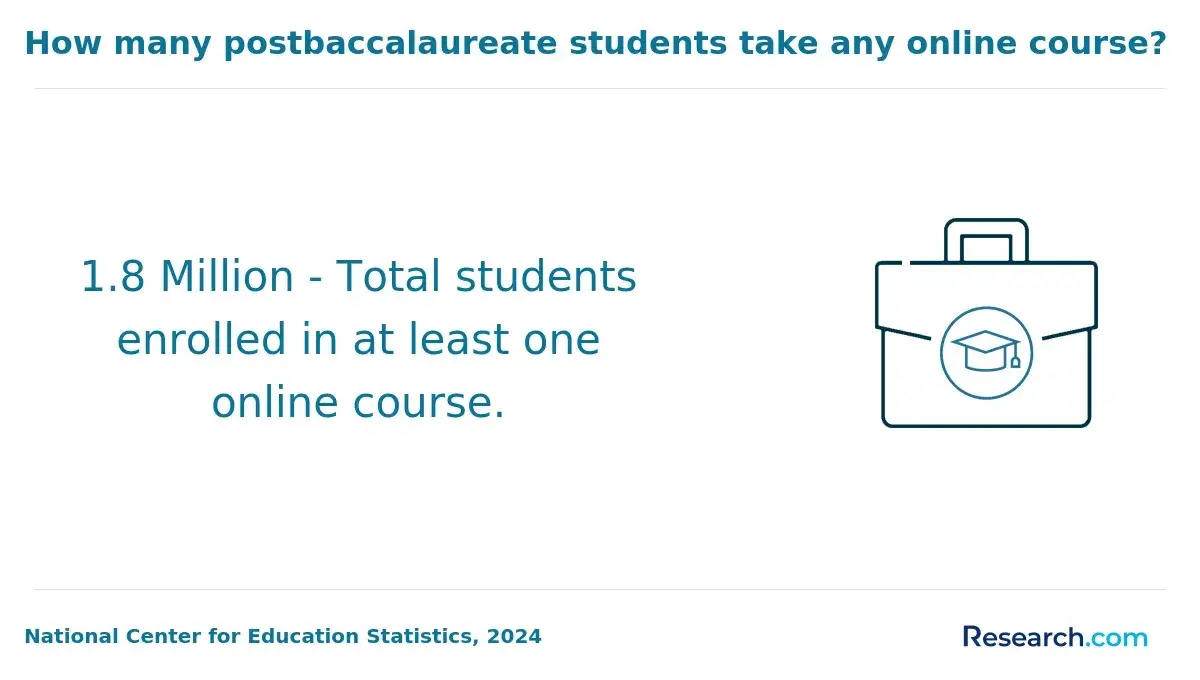
The University of Texas at Arlington's online programs stand out due to their strong alignment with local industry needs and the incorporation of practical, real-world experience. For instance, business students collaborate directly with local companies on capstone consulting projects, which goes beyond theory to ensure career-ready skills. This applied approach reflects the value employers place on graduates who can contribute immediately. Recent data highlights a 22% increase in demand for remote professional degrees in Texas's metropolitan areas, underscoring the relevance of University of Texas at Arlington online offerings within a competitive market. Below are key programs that reveal this practical emphasis.
- Business Administration: Features a capstone consulting project connecting students with Dallas-area companies to apply classroom learning directly to real business challenges. This program melds theory with client interaction, making graduates valuable in dynamic business environments.
- Nursing RN-to-BSN Track: Designed for working professionals seeking to enhance clinical decision-making and leadership skills without pausing their careers. This program stresses flexibility while preparing nurses for advanced roles in healthcare systems.
- Computer Science and Engineering: Collaborates with Dallas-Fort Worth tech firms to embed internships and project work into the curriculum. This connection elevates employability by ensuring students gain exposure to contemporary industry practices and technical problem-solving.
- Public Health: Integrates applied research and real community health challenges in its curriculum. Graduates develop actionable skills in data analysis and program implementation, meeting employer expectations for adaptability and problem-solving in public health roles.
Students interested in an accelerated path may also consider the University of Texas at Arlington's options for an accelerated bachelor's degree online, which can provide a faster route to credential completion while maintaining strong industry relevance. Overall, the University of Texas at Arlington online engineering degree programs and top online business programs at the University of Texas at Arlington each emphasize connections between education, labor market trends, and employer demands, a critical consideration for prospective students.
Attending an online program at the University of Texas at Arlington involves an average tuition cost of $11,728 with a total estimated expense of $34,498, including approximately $1,000 for books and supplies. Financial aid options exist, but budgeting beyond headline tuition is essential for a realistic view of expenses and outcomes.
Additional costs often go unnoticed. Institutional fees, technology charges, and mandatory distance education fees add to the base tuition. For example, fees for proctored exams, identity verification, or required software licenses can increase the financial burden significantly, especially for students balancing tight budgets.
The total cost varies between undergraduate and graduate programs. Graduate tuition per credit hour is usually higher, and administrative fees have risen by 5%, reflecting expanding investment in online learning infrastructure. This trend influences how prospective students should evaluate the long-term value of enrolling.
Prospective students researching the University of Texas at Arlington online program financial aid options should also consider how online credentials are viewed by employers. Comparing these costs and outcomes can help determine if investing in this online education path aligns with their professional goals. For insights on reputable online institutions, consult the top 10 online colleges.
University of Texas at Arlington follows a traditional semester calendar with fall, spring, and summer terms. Application deadlines are spaced well ahead of each session to allow sufficient processing time. Prospective students must align their schedules with these admission cycles to avoid missing enrollment windows.
Online learners balance typical course loads structured around 16-week semesters or accelerated 8-week sessions. The latter condenses content, which increases weekly workload and demands strong time-management skills. For example, a working professional juggling a full-time job may find accelerated courses intensive but time-efficient if managed well.
Fully asynchronous courses at the University of Texas at Arlington provide critical flexibility, allowing students to complete work without fixed class times. This format fits those with unpredictable schedules better than cohort-based or executive-style programs, which are less prevalent and usually limited to niche graduate options.
Nationwide, 63% of colleges report increased enrollment in asynchronous online classes, reflecting employer and student demand for adaptable education. This trend underscores the practical value of flexible scheduling, though students must weigh the rigor of accelerated semesters against their personal and professional commitments.
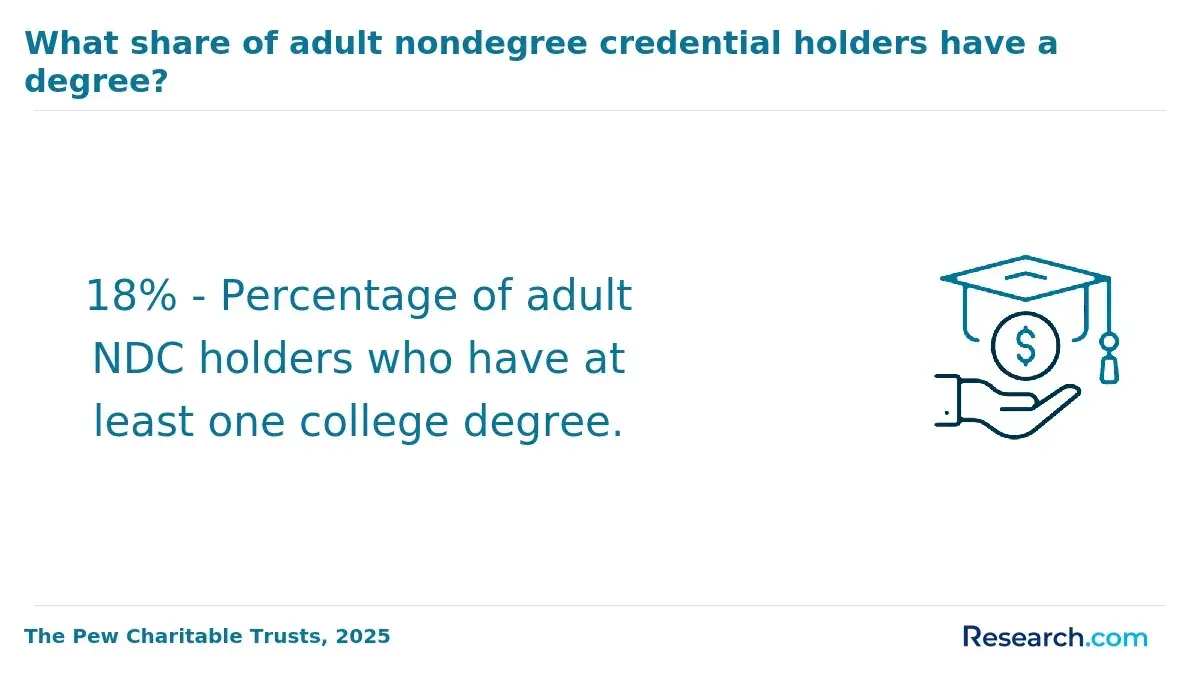
The University of Texas at Arlington has an average graduation rate of 57% among nearly 44,000 online enrollees, indicating that just over half of students complete their degrees. This rate reflects a significant commitment, but it is not exceptionally high when compared to some other institutions.
Completion rates vary widely depending on factors such as student support systems, degree level, and whether courses are online or on-site. Online students often balance work and personal responsibilities, which can extend time to graduation beyond the traditional four years, sometimes up to six or more.
A recent national study shows undergraduate remote learners face a persistence rate near 60%, influenced by motivation and technology access. This aligns closely with the University of Texas at Arlington's results, emphasizing consistent challenges faced by many online learners and underscoring the importance of institutional support for timely completion.
For example, a working professional in engineering might take longer to finish if employer flexibility or academic advising is limited. Employers increasingly value skills and proven experience, so delays in degree completion can impact labor market entry and career progression in competitive fields.
The online student culture at the University of Texas at Arlington (UTA) is functional but still evolving in its ability to fully replicate the engagement and networking dynamics of an in-person experience. For online students juggling work, family, or geographic distance, the culture offers accessible collaboration tools and virtual communities, yet it falls short in fostering the deep, informal connections that often drive long-term career benefits. This gap matters because research from 2024 shows 42.7% of remote students feel under-connected, which is linked to lower satisfaction and retention. Practical success at UTA's online programs often depends on a student's proactive efforts to engage beyond basic course requirements. Below are factors shaping UTA's online student culture:
- Canvas Learning Management System: This is the central hub for all course activities, from lectures and assignments to announcements. It provides a structured space for students to interact with instructors and classmates but has limited capacity for spontaneous peer networking.
- Maverick Connect Platform: Designed to bridge online and campus communities, it offers event listings and access to student organizations. However, its effectiveness depends on how actively students participate, and not all groups are fully accessible online.
- Virtual Collaboration Tools: Microsoft Teams and Zoom facilitate group work and discussions, enabling scheduled engagement but often miss the casual interaction opportunities found on campus.
- Student Organization Availability: Compared to on-campus, there are fewer fully online student organizations, restricting the chance for informal networking and social bonding among remote learners.
- Leadership and Involvement Options: The Office of Student Involvement promotes online leadership roles to remote students, but participation tends to lag behind in-person involvement rates, reflecting a cultural hurdle for online engagement.
- Informal Peer Networks: Limited informal forums make sustained social capital development more challenging, which can affect students' access to career-building connections typically cultivated in person.
- Engagement and Retention Challenges: With a significant portion of online students feeling under-connected nationally, UTA's online culture struggles to fully address this, making student initiative critical for maximizing community and professional opportunities.
One graduate recalled initially feeling isolated after enrolling online but found value in scheduling regular virtual study groups with classmates through Teams. "It wasn't offered proactively, so I had to reach out myself," they said. Over time, these connections helped form a small network that shared job leads and advice, which made the experience less transactional. Despite UTA's limited informal peer interactions, this approach helped them create a meaningful student culture within the online program that supported both academic and career goals.
University of Texas at Arlington stands out for online students due to its emphasis on affordability, career outcomes, and flexible learning. For example, a working professional pursuing a management degree while balancing family obligations can leverage UTA's cost-effective structure and scheduling options to minimize financial and time burdens. The following list highlights key practical reasons why UTA ranks among top accredited Texas universities for virtual learning.
- Affordable Total Cost: UTA offers an average total cost of attendance at $25,265, a competitive rate among public universities. This lowers upfront financial barriers, making degree completion more attainable for a broad socio-economic range of students, an essential factor for online learners managing budgets alongside other commitments.
- Robust Financial Aid Access: Approximately 91% of UTA students benefit from financial aid, reducing out-of-pocket expenses. This institutional support helps online learners avoid excessive debt, increasing the long-term value of their online degree programs at University of Texas at Arlington.
- Competitive Alumni Salaries: With a median alumni salary of $63,199, UTA graduates demonstrate strong employability. This figure reflects meaningful return on investment, as employers increasingly value degrees from regionally accredited, research-active institutions, a trend supported by a 2024 study showing higher hiring rates for remote-learning graduates.
- Specialized Online Support: UTA provides digital libraries, virtual advising, and tech help desks to address common remote challenges such as access to resources and learner isolation. These supports are critical to maintaining engagement and academic success in a virtual environment.
- Flexible Scheduling: Online course delivery allows students to balance education with work or family responsibilities. This flexibility ensures minimal disruption, enabling continuous skill development aligned with evolving career demands.
Choosing UTA means selecting a school that operationalizes accessible, practical education. Prospective students should also explore the fastest masters degree programs by reviewing the fastest masters degree options as part of their decision process.
Effective academic and career support is essential for remote learners to navigate challenges unique to online study, such as reduced face-to-face interaction and managing self-paced schedules. The University of Texas at Arlington offers a range of digital services that replicate the critical on-campus experience for online students. For example, a student struggling to grasp advanced concepts in a business course can rely on virtual tutoring sessions tailored to individual needs, preventing delays in progress that might occur without live help. Below is an overview of key resources accessible to online learners at the University of Texas at Arlington.
- Virtual Tutoring Services: These sessions cover numerous subjects, addressing individual academic gaps in real time. Their availability helps maintain consistent learning progress without the need for physical presence, crucial for many balancing work and study.
- Remote Library Access: Students can utilize extensive digital collections and research tools that support rigorous academic work from any location. This access removes traditional barriers to resource use and facilitates thorough scholarly research.
- Career Development Resources: Including virtual job boards connected to UTA's network, resume coaching through online appointments, and digital networking events that link students with potential employers. These tools are vital for maintaining employability while studying remotely and cater to a range of needs, including exploring jobs for introverts that pay well.
- Mental Health and Wellness Support: Specialized counseling services address isolation and stress typical of remote study. These offerings promote resilience and time management, key to sustaining academic performance in a virtual environment.
- Financial Literacy Counseling: Virtual guidance on navigating financial aid and budgeting equips students with essential skills to manage their education funding effectively, an often overlooked but critical factor in completing degrees.
Data indicate institutions like the University of Texas at Arlington that embed comprehensive digital support services report a 15% higher retention rate among remote students. This highlights the practical importance of robust online student support services at the University of Texas at Arlington. Such integration matters because retention often correlates with effective resource availability, affecting graduation timelines and future career readiness.
Choosing the University of Texas at Arlington's online programs requires a clear-eyed assessment of how well its offerings match one's unique career goals, learning style, and financial realities. For example, a working professional seeking a flexible program with strong local employer connections must evaluate beyond simple admission ease. Since nearly 70% of remote applicants now prioritize curriculum alignment with local job markets according to recent research, understanding program relevance and economic feasibility is crucial before committing. The following points highlight essential factors to weigh for an informed, practical decision:
- Acceptance Rate: University of Texas at Arlington's acceptance rate of 81% indicates relatively accessible admission. This suggests less competition, but it may also reflect varied peer skill levels that impact academic challenge and motivation for some students.
- Debt Load and ROI: With a median graduate debt of $17,527, prospective students must compare potential earnings against this financial commitment. Evaluating how student debt aligns with anticipated salary growth prevents unexpected financial strain.
- Program Format and Flexibility: Consider whether courses are asynchronous or synchronous, the extent of hands-on learning, and availability of faculty support. These elements shape how well online study fits personal schedules and skill acquisition needs.
- Curriculum Alignment to Job Market: Assess whether program content matches employer expectations in your region. This alignment improves chances of relevant job placements and career progression after graduation.
- Academic Rigor and Support Services: Examine the level of challenge in coursework alongside resources such as tutoring, advising, and career services. These influence persistence rates and long-term professional growth.
- Networking Opportunities: Evaluate access to alumni networks, internships, and industry connections. Building professional relationships can be a decisive factor for career development post-degree.
What Graduates Say About the University of Texas at Arlington Online Programs
- Zoey: "Before applying to the online program at the University of Texas at Arlington, I spent considerable time reviewing the admission requirements and tuition costs to ensure it was a viable option for me. The structured orientation was particularly helpful, laying out expectations and available resources clearly which made the academic rigor feel more manageable once classes began. Earning my degree online allowed me to balance work and study effectively, and employers in my industry have recognized the quality of the program, giving me a competitive edge as I transitioned into my new role."
- Daisy: "My decision to enroll in an online degree at the University of Texas at Arlington was driven by the range of programs offered and the school's transparent admission process. Navigating the application highlighted the importance of having a solid technical setup and self-discipline-both of which I underestimated initially. However, the orientation and access to student resources really helped me develop strategies to stay on track, and the degree ultimately opened doors in a cautious job market where a reputable credential was essential."
- Delilah: "Choosing the University of Texas at Arlington's online program was a strategic move after carefully assessing the school's standards and the intensive admissions criteria, which reassured me about the program's credibility. The initial months were challenging, especially managing time without the traditional campus environment, but the comprehensive orientation prepared me well for this reality. When I entered the workforce, the practical skills and knowledge I gained from the program were immediately applicable, showing the program's balance of academic rigor and relevance."
Other Things You Should Know About University of Texas at Arlington Degrees
The online format at University of Texas at Arlington generally reduces spontaneous interaction compared to in-person classes, which can impact immediate feedback and networking opportunities. While platforms provide scheduled virtual office hours and discussion boards, students should expect a more self-directed approach to seeking help. Prioritizing programs with synchronous elements can mitigate this gap, but students must be prepared to engage proactively to maximize instructor support and deepen understanding.
Employer acceptance of University of Texas at Arlington's online degrees varies by industry and recruiter familiarity with the institution's reputation. In fields driven by technical skills or certifications, the mode of learning matters less than demonstrated competencies. For career paths where traditional campus experience is highly valued, graduates might need to supplement their online degree with internships or practical work to equalize perception. Evaluating your target job market's stance on online education is critical before committing.
Online programs at University of Texas at Arlington require strong time management and self-discipline because coursework is often condensed into accelerated modules. Students balancing work or family should realistically estimate weekly hours needed, which can rival or exceed on-campus study time due to less structured environments. Those uncertain about managing this intensity should consider programs with more extended timelines or part-time options to avoid burnout and ensure steady progress.
Yes. Transfer credit is evaluated by University of Texas at Arlington after admission, and courses usually must come from a regionally accredited institution with a grade of C or better. Degree plans still require students to complete UTA’s residency and major-specific credit-hour rules.
- UTA University Courses Online https://uta.workforceinstitute.io/
- The University of Texas at Arlington (UTA) https://www.princetonreview.com/college/university-texas-at-arlington-1023717
- The University of Texas at Arlington - Unigo.com https://www.unigo.com/colleges/the-university-of-texas-at-arlington
- 10+ Top University of Texas Arlington Online Courses [2026] | Class Central https://www.classcentral.com/university/university-of-texas-arlington
- How the U. of Texas at Arlington Removes Barriers to Completion https://www.civitaslearning.com/customer-success-stories/the-university-of-texas-at-arlington-improving-completion-rates/
- Online Courses from University of Texas at Arlington https://www.edx.org/school/utarlingtonx
- Apply to the MS Courses at University of Texas at Arlington: A Step-by-Step Guide - Hellouni Blogs https://www.hellouni.org/blogs/usa-university/apply-to-the-ms-courses-at-university-of-texas-at-arlington-a-step-by-step-guide/
- UT Arlington Requirements for Admission https://www.prepscholar.com/sat/s/colleges/UT-Arlington-admission-requirements
- University of Texas at Arlington College of Business https://poetsandquantsforundergrads.com/school-profile/university-of-texas-at-arlington-college-of-business/
- On the Rise: Publication's Rankings Place UTA Online Programs Among Nation's Best » Dallas Innovates https://dallasinnovates.com/ut-arlington-makes-significant-gains-in-online-programs-rankings/