2027 Southeastern Oklahoma State University for Working Adults: Flexible Schedules, Transfer Credits, and Online Format

Co-Founder and Chief Data Scientist
Balancing full-time work, family care, and personal obligations leaves limited time for pursuing a college degree. Working adults often face scheduling conflicts and transfer credit uncertainties that slow progress or increase the cost of completing a degree. At Southeastern Oklahoma State University, where 62% of students juggle employment alongside studies according to recent data, the real challenge lies in whether the university's flexible schedules and credit policies truly accommodate complex adult learners' realities without extending timelines or causing hidden setbacks.
This article evaluates Southeastern Oklahoma State University's approach to flexible scheduling, transfer credits, and online formats in the context of working adults' unique demands. It aims to help adult students make an informed choice by weighing practical tradeoffs and long-term career impacts when considering this university as an option for degree completion.
Key Points About Southeastern Oklahoma State University's Flexible Schedules, Transfer Credits, and Online Learning for Working Adults
- Southeastern Oklahoma State University offers multiple start terms and online scheduling designed to minimize conflicts with work hours and family commitments, enabling continuous enrollment without extended breaks that can delay degree completion.
- Transfer credit policies recognize AP, CLEP, DSST/Dantes, and ACE-approved credits, which can significantly reduce time to degree for students with prior academic or experiential learning within institutional limits.
- Admissions require GED and academic benchmarks; non-native speakers must meet TOEFL standards. The absence of dual credit or life experience credit necessitates strategic planning for credit accumulation by working adults.
Is Southeastern Oklahoma State University a good fit for working adults?
Southeastern Oklahoma State University offers flexible scheduling, transfer credit acceptance, and an expanding online format designed to serve working adults managing full-time jobs and family responsibilities. These features provide important practical benefits, such as the ability to balance coursework with other commitments and reduce time to degree through credit transfer. For example, a student working 40 hours weekly and caring for children can leverage online classes to avoid campus visits and use prior college credits to accelerate progress.
However, success is not guaranteed and depends heavily on individual circumstances. The university's relatively low graduation rate of 33% highlights that working adults may encounter retention challenges common in self-directed online learning environments. Students with inconsistent work schedules or limited prior academic experience might find navigating degree requirements and maintaining engagement difficult without robust support systems.
Compared to peer institutions that cater to adult learners, Southeastern Oklahoma State University's offerings align with typical flexibility, but student outcomes suggest the need for caution. While many similar universities provide flexible formats and credit recognition, they often combine these with stronger retention initiatives. Prospective students should carefully assess their readiness for online learning and transfer credit management before committing, ensuring alignment with their long-term academic and career ambitions.
Recent enrollment trends show a significant share of part-time and working students, yet sustained engagement varies considerably. This indicates that flexibility alone does not ensure completion or maximize return on investment. Working adults must weigh Southeastern Oklahoma State University's moderate cost of $17,393 against a median graduate earning of $45,079 and consider how institutional resources match their personal learning styles and professional goals.
How flexible are Southeastern Oklahoma State University's online class schedules?
Southeastern Oklahoma State University structures its online courses with considerable flexibility to accommodate students managing work and family responsibilities. The use of asynchronous coursework, which accounts for roughly 65% of its online classes, enables students to engage with materials whenever their schedule permits. Additionally, the availability of multiple start dates throughout the year and varied pacing options, like 5-week and 8-week accelerated sessions alongside traditional 16-week courses, allows students to tailor their academic calendar to short-term personal or professional demands. This scheduling flexibility suits working adults seeking alternatives to rigid semester timelines.
However, flexibility varies by program requirements. Degree tracks involving live sessions, internships, clinical experiences, or group projects may impose more fixed scheduling obligations, limiting the ability to fully customize course engagement. For instance, a working parent pursuing a health sciences degree might struggle with synchronous clinical hours despite the general online flexibility. This nuance requires prospective students to assess their program's specific demands carefully and balance intensified workloads during accelerated terms.
Compared with typical models at similar institutions, Southeastern Oklahoma State University's part-time online courses for working adults offer competitive options but fall short of complete scheduling autonomy. Some peers provide greater credit-for-life-experience acceptance and broader transfer credit policies, easing duration and course load. The limited transfer and experiential credit options here mean students may spend more time completing degree requirements, potentially impacting work-life balance.
Students should weigh these factors against their circumstances when evaluating Southeastern Oklahoma State University's online structure. Those focused on expedited degree completion might benefit from the accelerated pacing, but must be prepared for higher time management demands. For working adults comparing options for the cheapest doctorate degree online, this university's scheduling flexibility is advantageous but not without tradeoffs that impact career and personal planning.
How long does it take working adults to finish a degree at Southeastern Oklahoma State University?
Working adults enrolled in online programs at Southeastern Oklahoma State University typically face degree completion timelines longer than the traditional four years. The university reports an average graduation rate of 33%, reflecting that many adult learners, including part-time students, often extend their studies beyond standard full-time schedules. This matches national trends where online and adult students frequently exceed six years to graduate due to part-time attendance and external responsibilities, a significant factor when assessing realistic degree completion time for working adults at Southeastern Oklahoma State University.
Completion time varies widely depending on transfer credits, prior learning or work experience, degree requirements, and the student's ability to manage course loads alongside professional and personal commitments. Southeastern Oklahoma State University offers accelerated 6-week and 8-week terms to help students complete courses faster, but the absence of fully self-paced or competency-based options limits flexibility for those needing to control their own tempo. For example, a working parent balancing a full-time job may choose fewer accelerated courses per term to maintain performance, extending total time to graduation.
Compared to similar institutions, Southeastern Oklahoma State University's flexible scheduling and online format do provide advantages. However, its slower average completion rates suggest it is not the fastest pathway for earning a degree while employed. Many peer colleges incorporate more self-paced elements or aggressive credit transfer policies that can shorten timelines. Prospective students should consider these factors and plan enrollment strategically, perhaps leveraging transfer credits and consistent term participation, to mitigate the common risk of prolonged degree timelines seen both locally and nationally.
Moreover, adult learners aiming for the most efficient progression may benefit from researching easy college degrees online, a factor supported by national findings found at easy college degrees online. This approach helps align degree completion time with career objectives without compromising work or family demands, reflecting the complex balance working adults face at Southeastern Oklahoma State University and similar institutions.
Working adults at Southeastern Oklahoma State University face competing demands from work, family, and education, making time a critical constraint. Transfer credits reduce course requirements, allowing a more manageable schedule alongside other commitments. Since nearly 42% of adults who apply transfer credits graduate faster according to the National Center for Education Statistics, leveraging these credits strategically can significantly shorten academic timelines. Transfer credits align prior academic efforts with degree goals, accelerating completion without sacrificing quality or relevance. Below are key ways transfer credits help working adults graduate sooner.
- Fewer Remaining Degree Requirements: Transfer credits lower the number of courses needed to graduate. This reduces overall workload and enables a focus on essential classes, helping working adults avoid overextending themselves.
- Reduced Course Load Per Term: By starting with credit already earned, students can take fewer classes each term. This balance is critical for those juggling jobs and family while maintaining steady progress toward their degrees.
- Shortened Time-to-Graduation: Transfer credits can cut months off degree completion time. This helps students minimize disruption to employment and income, sustaining financial stability during school.
- Lower Overall Tuition Costs: When fewer courses are required, tuition expenses decrease. Savings support working adults managing tight budgets while pursuing higher education.
- Greater Flexibility in Scheduling: Transfer credits free up time to accommodate work shifts and family obligations. Students can plan classes around real-world constraints without delaying graduation.
- Facilitated Credit Evaluation and Acceptance: Southeastern Oklahoma State University's acceptance of ACE, CLEP, and AP credits streamlines the transfer process. Clear credit pathways minimize administrative delays that could extend time-to-degree.
- Alignment With Employer Expectations: Transferring relevant coursework ensures degrees reflect skills valued by employers. This careful credit selection supports workforce readiness without adding unnecessary courses.
One transfer student recalled balancing a full-time job and childcare, initially hesitant whether previous credits would be accepted. After consulting with advisors and submitting transcripts, the student's transfer credits covered two years of general education requirements. This allowed enrolling part-time in major-specific courses. Graduation came nearly a year earlier than anticipated, reducing both stress and financial strain. The student noted, "Knowing that my past coursework counted made me confident I wasn't wasting time, and I could realistically manage work and school without burning out."
Southeastern Oklahoma State University generally recognizes prior learning through standardized assessments rather than direct credit for professional certifications or work experience alone. Students may earn credit via Advanced Placement (AP) tests, CLEP subject exams, and DSST/DANTES testing. These pathways allow documented knowledge acquisition to be converted into academic credit, but the university does not typically grant credit based purely on experiential portfolios or informal prior learning assessments. Work experience transfer credit options in Southeastern Oklahoma are therefore limited to those aligned with formal testing benchmarks or approved corporate and military training credentials.
Eligibility for credit depends significantly on the student's chosen degree program and how well prior learning aligns with course outcomes. Institutional policies require documentation that meets Southeastern Oklahoma State University's standards, such as passing scores on nationally recognized exams or official credit recommendations from the American Council on Education. This means an adult learner with substantial work experience must still demonstrate equivalency through formal assessments to receive credit, not just present experience narratives. The university's approach often necessitates direct consultation with academic advisors to clarify acceptable evidence and restrictions.
Compared with regional peers, Southeastern Oklahoma State's policy reflects a traditional stance focused on exam-based credit transfer rather than portfolio-driven prior learning assessment (PLA). While nationally around 52% of adult-serving universities now offer some PLA options to accelerate degree completion and reduce costs, Southeastern Oklahoma State prioritizes formal credit transfer methods. This can affect working adults by requiring them to invest additional time in standardized testing to convert prior learning, instead of leveraging alternative PLA evaluations which some institutions offer to validate experiential knowledge more flexibly.
For example, a military veteran with extensive training and leadership experience may receive credit through the university's acceptance of ACE evaluations but would still need to undergo specific testing or provide formal transcripts for corporate training programs. This contrasts with institutions that allow portfolios to substitute for coursework completion. Prospective students weighing time and cost should consider Southeastern Oklahoma State University's balanced but more conventional credit-for-prior-learning model as part of their decision to pursue the best associates degrees to get while balancing work and family commitments.
Access to reliable technology and demonstrated online learning skills are non-negotiable for working adults pursuing degrees at Southeastern Oklahoma State University. The practical challenge is managing coursework while juggling job demands and family time without consistent supervision. Digital fluency goes beyond basic computer use; it involves efficient interaction with the university's Desire2Learn platform, timely communication, and self-monitoring educational progress.
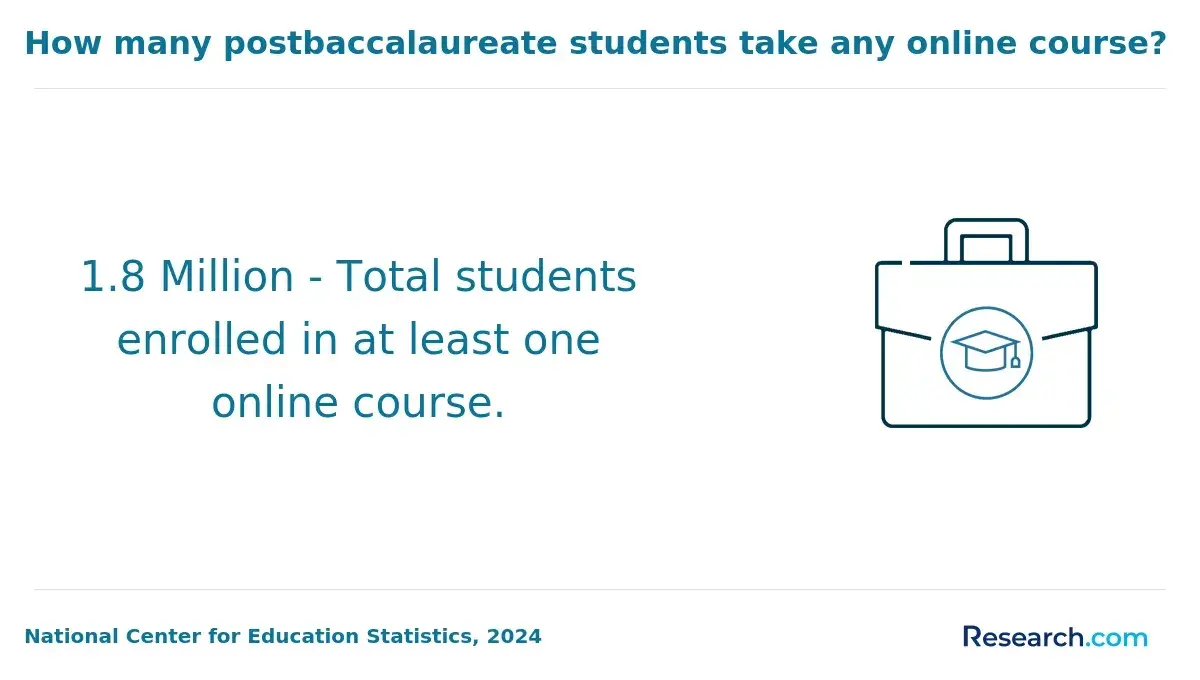
Nationwide, 62.4% of working adult students are now enrolled fully online, a figure from the National Student Clearinghouse Research Center that illustrates the rise of remote learning contexts and the increasing importance of tech readiness. These competencies are not simply conveniences but gatekeepers that can determine program completion and career trajectory. Below are the critical technology requirements and learning skills essential for success in this environment.
- Reliable Computer Hardware and Software: A functional device capable of running current web browsers and supporting the Desire2Learn system is fundamental. Upgrading outdated hardware avoids disruptions and prevents falling behind, especially when assignments require multimedia or large-file uploads.
- Stable High-Speed Internet Connection: Access to uninterrupted, fast internet is crucial for streaming lectures, submitting coursework, and participating in online discussions without delay. Workers should consider backups like mobile hotspots to navigate downtime without losing study hours.
- Proficiency with Learning Management Systems: Mastering D2L's interface allows quick access to course materials, deadlines, and grades. This skill reduces frustration, saves time, and enables swift adaptation to course changes or announcements.
- Effective Digital Communication Skills: Timely and clear emails or forum posts facilitate problem-solving and collaboration with instructors or peers. Practicing concise messaging and checking notifications frequently helps maintain engagement alongside work commitments.
- Self-Regulation and Time Management: Online learning demands disciplined scheduling without external enforcement. Setting consistent study blocks and using digital calendars or apps supports balancing work, family, and academic tasks.
- Technical Troubleshooting Abilities: Basic problem-solving skills for software glitches or connectivity issues minimize downtime. Familiarity with institutional support resources expedites resolution, preventing coursework delays.
- Digital Literacy Beyond Coursework: Understanding file formats, cloud storage, and data security empowers students to manage academic materials effectively and protect personal information in remote settings.
Kate, a Southeastern Oklahoma State University graduate, recalls her initial struggle keeping up with online classes while working full-time and caring for her children. She hesitated to reach out for help, fearing tech challenges would expose her inexperience. "Once I attended the university's D2L tutorials and set up a dedicated study schedule using digital tools, I felt a sense of control," she shared.
Kate quickly realized that developing these technical skills was less about innate ability and more about practice and persistence, especially when balancing late-night coursework and unpredictable work shifts. "Knowing where to find IT support and how to communicate effectively online saved me from falling behind during stressful weeks." Her experience underscores that mastering technology is a dynamic process essential to maintaining momentum in an online degree path while managing real-world responsibilities.
Affordability is critical for working adults who juggle employment, family responsibilities, and educational pursuits. Southeastern Oklahoma State University offers a total cost of attendance at $17,393, which falls below the national average for four-year public institutions. However, the absence of clear tuition rates per credit or flat-rate online tuition complicates budgeting for students managing wage earnings alongside study commitments.
Working adults must weigh not only tuition but also potential financial aid, transfer credits, and employer support to evaluate true affordability. For example, a part-time professional using transfer credits and online classes could reduce time and cost significantly while maintaining steady employment. Below are the primary factors shaping cost-effectiveness at Southeastern Oklahoma State University.
- Financial Aid Prevalence: About 95% of students receive some form of aid including grants, loans, and scholarships. This broad availability helps reduce upfront expenses, a crucial consideration for adults balancing monthly bills and tuition payments.
- Transfer Credit Policies: The university's acceptance of transfer credits enables many students to shorten their time to degree, lowering total costs. Working adults who previously earned credits can leverage this for quicker completion and fewer tuition charges.
- Online Course Format: Online offerings provide flexibility to fit education around full-time jobs, saving on commuting and childcare costs. Studies show adult learners save 20-30% on total costs by choosing online programs, reinforcing Southeastern's potential for affordability.
- Lack of Transparent Tuition Breakdown: Without clear per-credit or flat-rate online tuition data, students face challenges in forecasting expenses precisely. This uncertainty requires extra financial planning and possibly conservative budgeting for working adults.
- Employer Tuition Support Variability: Documentation on employer tuition reimbursement or corporate partnerships is limited. Many adults must negotiate benefits individually, making employer support a variable but potentially significant aid factor.
- FAFSA and Institutional Scholarships Alignment: Southeastern's integration with FAFSA processes and availability of institutional scholarships can ease access to federal aid. This coordination is especially relevant to working adults seeking to minimize borrowing.
- Comparative Advantage in Cost-Effective Online Programs: By combining flexible schedules, transfer credit use, and online learning, Southeastern offers a pathway aligned with criteria for affordable tuition rates for working adults in Southeastern Oklahoma that matter most in real-world budgeting scenarios.
Part-time and full-time working adults exploring cost-effective online degree programs at Southeastern Oklahoma State University should consider these affordability factors carefully in their educational planning. Additional insights on qualifying online colleges with no application fee can be found at online colleges.
Balancing higher education with full-time employment, family obligations, and personal responsibilities creates unique challenges for adult learners at Southeastern Oklahoma State University. The competing demands limit the time and mental energy available for academic work. Even flexible schedules and online formats cannot fully offset the stress caused by overlapping roles. For instance, a working parent pursuing a degree online may struggle to engage deeply with coursework after long workdays and childcare duties. These pressures increase the risk of slowed academic progress or withdrawal. The following challenges summarize common friction points faced by working adults on this path.
- Time Management Conflicts: Managing work, family, and study requires strict prioritization. Over 57% of working adults identify time management and family duties as primary barriers to degree completion. Without intentional scheduling and boundary setting, academic tasks may be deferred, delaying graduation.
- Digital Learning Isolation: Online formats reduce peer interaction, undermining motivation and collaborative problem-solving. Adult learners may find fewer opportunities for engagement which can affect retention of complex material and reduce morale.
- Transfer Credit Limitations: Restrictions on accepting prior credits prolong degree timelines. This necessitates repeating coursework that may feel redundant, potentially discouraging some students and complicating alignment with career goals.
- Technology Adaptation Curve: Returning to school after workforce hiatus requires reacquiring digital literacy and familiarity with learning platforms. This slow initial adjustment can hamper momentum and confidence in progressing through the program.
- Workplace Expectations vs. Academic Performance: Employers value consistent results, so irregular academic progress risks professional disruption. Juggling these demands demands clear communication with employers and realistic planning of academic workload.
- Stress from Multiple Roles: The cumulative fatigue from balancing family, work, and school can lower academic focus. Proactive stress management techniques and seeking institutional support can mitigate this impact.
- Career Relevance of Coursework: Adult learners must ensure the degree's courses align closely with their professional objectives. Misalignment can reduce the practical return on investment and extend time to degree unnecessarily, contrasting with options like work from home degrees that pay good money.
Working adults comparing online schools must evaluate factors beyond reputation to find a program that aligns with their specific needs. Program flexibility, credit transfer policies, and financial outcomes heavily influence the risk and benefit of returning to school while balancing work and family. For example, a nurse seeking advancement without interrupting work hours needs more than a well-known name; they require a school with robust credit mobility and tailored scheduling. Southeastern Oklahoma State University provides a particular mix of affordability, practical support, and retention that sets it apart in this competitive landscape. The following list highlights key dimensions where SEOSU compares with other online institutions for working adults.
- Flexible Scheduling Options:Southeastern Oklahoma State University offers adaptable course schedules designed to fit around full-time employment. This flexibility helps working adults prevent educational delays and manage busy personal calendars better than many online schools with rigid timelines. Prospective students should check for asynchronous offerings and term start dates to ensure compatibility with their availability.
- Transfer Credit Policies and Credit Mobility:SEOSU has conducive policies that facilitate the acceptance of prior credits, important for adults transferring from community colleges or prior institutions. Unlike some schools with more restrictive transfer rules, SEOSU's approach reduces redundant coursework and shortens time to degree completion. Working adults must assess the ease of credit evaluation and articulation agreements before committing.
- Return on Investment (ROI):With a total cost of attendance at $17,393 and a median alumni salary of $45,079, SEOSU demonstrates a stronger earnings-to-debt ratio of 2.65x compared to many peers near 2x. This metric indicates relatively better financial outcomes for graduates balancing debt with post-degree salary gains. Adults should weigh these numbers against their financing plans and career field salary trends.
- Retention and Support Services for Adult Learners:A National Center for Education Statistics study shows SEOSU's adult online learner retention rate exceeding comparable regional programs by nearly 8%, reflecting effective academic advising and career counseling. These support services are crucial for persistence amid competing work and family demands. Prospective students should inquire about dedicated resources for adult learner success.
- Employer Recognition and Local Market Fit:While SEOSU may not have the nationwide brand recognition of larger universities, its degrees hold value especially in regional job markets. Working adults should consider how employers in their field and area perceive the institution to maximize post-graduation opportunities. Aligning educational outcomes with employer expectations is essential for practical return.
- Tuition Competitiveness:The moderate overall cost at SEOSU positions it as an affordable choice compared with many online providers with higher tuition or fees. This affordability reduces financial strain on working adults who often must balance education expenses with family budgets. Comparing total costs and available financial aid options remains a key decision factor.
- Student Population and Community:Although smaller than some national competitors, SEOSU's focused cohort of working adult students fosters a community oriented toward pragmatic educational goals. This environment can enhance peer support and networking relevant to workforce advancement. Evaluating the student demographic helps gauge the fit for one's learning style and career aspirations.
Southeastern Oklahoma State University's online programs provide flexible scheduling that allows working adults to continue full-time employment while pursuing degrees. This flexibility supports skill development and career transitions, especially for those in technical fields or management roles seeking promotions. Transfer credit policies further streamline the pathway, making it easier for professionals with prior credits to accelerate completion without starting over.
The value of a degree from Southeastern Oklahoma State University varies considerably by industry and career objectives. For careers requiring professional licensure or strong employer brand recognition, such as healthcare or law, the degree's currency may be limited. Fields like Quality Control show higher median alumni salaries of about $49,740, indicating greater employer demand, while majors like Psychology yield lower median earnings near $27,255, reflecting market realities that candidates must weigh carefully against tuition and time investment.
Compared to peer online institutions, Southeastern Oklahoma State University's career services and networking opportunities are functional but may lack the depth seen at larger or more specialized universities. A national workforce study highlights that roughly 68% of online graduates secure employment or continuing education within one year, underscoring the necessity for graduates to actively engage with career resources to maximize outcomes. Those targeting competitive industries should critically assess whether the university's employer recognition matches their long-term goals before committing.
For example, a working adult aiming to shift into a safety technician role might find Southeastern Oklahoma State University's flexible online learning and strong transfer credit policies align well with accelerating employment prospects at $49,740 median salary. In contrast, someone pursuing advanced psychology credentials with expectations for higher earnings or licensure should scrutinize how the program's recognition, networking, and career support translate into tangible employment gains to avoid potential underemployment.
What Graduates Say About Southeastern Oklahoma State University's Flexible Schedules, Transfer Credits, and Online Learning for Working Adults
- Wyatt: "Balancing a full-time job with my studies was a challenge, but Southeastern Oklahoma State University's flexible scheduling truly made a difference. I spent several weeks carefully reviewing how my previous credits would transfer, which helped me avoid redundant courses and shorten my degree timeline without overwhelming my work schedule. The online format allowed me to maintain a steady pace that aligned with my professional responsibilities, and finishing the degree definitely opened doors in management roles that require both experience and formal education."
- Keenan: "I appreciated how Southeastern Oklahoma State University facilitated a thorough transfer credit evaluation, though it pushed me to plan my coursework well in advance to meet specific sequence requirements. The option to take courses online gave me the necessary freedom to work irregular hours, but not every course was available each term, so I had to remain flexible and sometimes delay completion slightly. Overall, the university's approach helped me gain pivotal skills and credentials that directly contributed to a significant promotion within my company."
- Hakim: "For me, the key was understanding the trade-offs between accelerating my program by leveraging as many transfer credits as possible versus pacing myself to manage stress and job demands. Southeastern Oklahoma State University's online platform made juggling work and studies feasible, though coordinating schedules around course offerings required consistent organization and adjustment. Graduating on a timeline that fit my lifestyle gave me confidence when transitioning to new roles, and the degree strengthened my professional profile in a competitive job market."
Other Things You Should Know About Southeastern Oklahoma State University Degrees
Southeastern Oklahoma State University typically offers online courses in condensed 8-week terms, which accelerates content delivery compared to traditional 16-week semesters. This format demands consistent weekly engagement and quick adaptation to new material, creating challenges for working adults with fluctuating job hours or family responsibilities. While the accelerated pace aids faster degree completion, individuals with limited discretionary time should weigh the risk of burnout or lower comprehension. For those needing more flexibility, staggering course loads or opting for fewer classes per term may improve performance and retention despite longer overall program duration.
The fully online format at Southeastern Oklahoma State University restricts face-to-face interactions that are commonly beneficial for building professional networks and accessing on-campus career services. While the university provides virtual advising and some remote career resources, these often lack the immediacy and depth that in-person meetings provide. Working adults relying heavily on institutional support for job placement or internships should consider supplementing their degree with proactive networking strategies outside the university platform. Balancing online convenience with intentional community engagement can significantly influence employment outcomes.
Southeastern Oklahoma State University may accept up to 90 semester hours of transfer credit toward a 120-hour bachelor’s degree. At least 30 of the final 60 hours must usually be completed through Southeastern, and the university must evaluate official transcripts before credit is applied.
- SE Careers | University Jobs Durant https://www.academicjobs.com/employers/southeastern-oklahoma-state-university/3539
- Course Transfer - Transfer Students - Oklahoma State Regents for Higher Education https://okhighered.org/transfer-students/course-transfer/
- Education Technology Resources https://oklahoma.gov/education/services/standards-learning/educational-technology/education-technology-resources.html
- Southeastern Oklahoma State University Online Continuing Education Courses - Distance Learning for Teachers https://www.virtualeduc.com/sosu/indexOLD.php
- Southeastern Oklahoma State University Tuition and Financial Aid https://www.prepscholar.com/sat/s/colleges/Southeastern-Oklahoma-State-University-tuition-financial-aid